
REVIEW · OSAKA
Kuromon Market Food Walking Tour in Osaka (6 stops, 6 tastes)
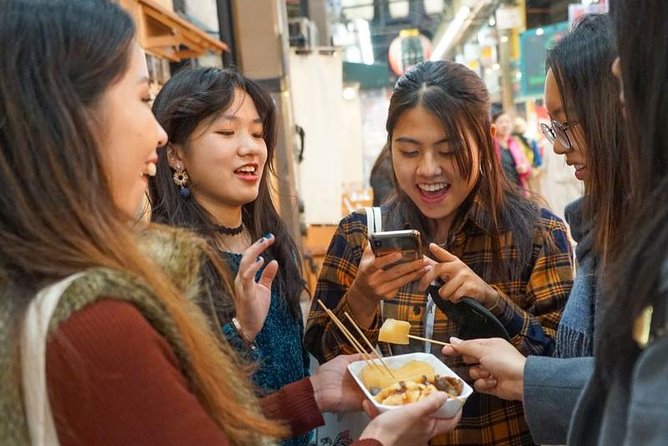
Kuromon Market is at its best when you know how to read it. This two-hour walk pairs Osaka specialties with the practical help of a local guide, so you can taste dishes such as takoyaki, sushi, yakitori, and dumplings without guessing at every menu. Guides including Nina, Yuto, Rie, and Niko have also taken guests through nearby shops and narrow lanes.
I like the small maximum of seven people, which makes it easier to ask questions and adjust the route. I also like the mix of food, local customs, and Doguyasuji kitchenware shops, a useful change from simply eating your way down the market.
The main caution is value. Food portions and spending limits can vary, and one unhappy participant received too little food for the price. If you expect a full meal, ask exactly what is included before booking and bring extra cash.
Key points at a glance
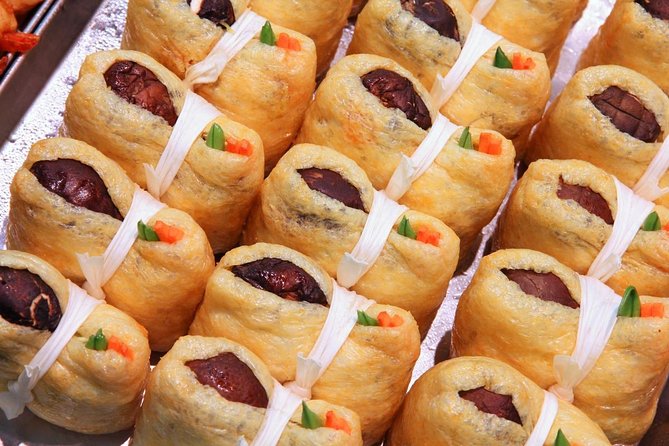
- Six tastes in about two hours: The experience focuses on several Osaka foods, with examples including takoyaki, sushi, yakitori, dumplings, gyoza, oden, and sweets.
- A group capped at seven: The small size allows more conversation and makes food ordering less awkward.
- Kuromon plus Doguyasuji: You get more than market stalls, with time around Osaka’s famous kitchenware-shopping street.
- Helpful English support: Your guide can explain dishes, help with ordering, and bridge language gaps.
- Good for families: Guides such as Nina, Aina, Yuki, and Anne have helped families and children enjoy the walk.
- Plan for hot or cold weather: Osaka can reach 40°C in summer and drop to -5°C in winter, with much of the tour outdoors.
Starting near Nippon-bashi Station
The meeting point is in front of the SMBC ATM at Nippon-bashi 1chome, near Exit 10 of Kintetsu Nippon-bashi Station. The listed address is Japan, 542-0073 Osaka, Chuo Ward, Nipponbashi, 1-chōme 17, Picasso Nipponichi Building.
Arrive early. This tour starts on time, and the conditions are strict: if you miss the group, you cannot join later, reschedule, or receive a refund. That matters in Osaka, where station exits and crowded streets can slow you down. I would allow extra time to find Exit 10, locate the ATM, and get settled before the start.
The tour ends back at the same meeting point. That makes it easy to continue around Namba, return to your hotel, or head for another part of the city after the food walk.
More Food Tours in Osaka
- Osaka: Shinsekai Food Tour with 13-15 Dishes at 5 Eateries
★ 4.8 · 2,204 reviews - Osaka Food Tour: 13 Dishes at 5 Local Eateries
★ 5.0 · 2,149 reviews - Hungry Osaka Street Food Tour:15 Tastings & 3 Drinks with a Local
★ 5.0 · 1,727 reviews
Kuromon Market, Osaka’s edible introduction
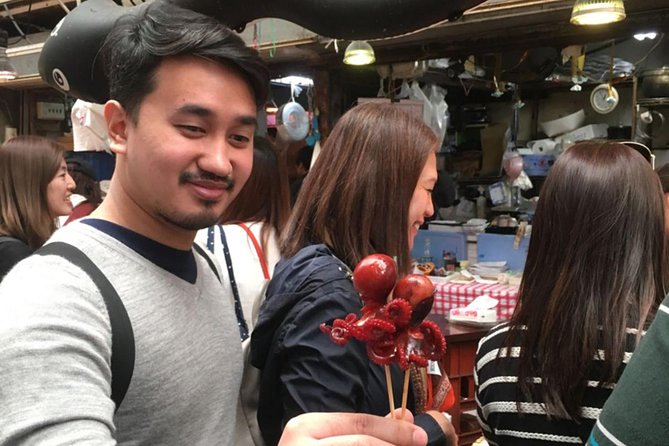
Kuromon Market is a shopping street in Minami, the central part of Osaka. Its name comes from the black gate of Enmyoji Temple, a reminder that this is not just a modern snack row. The market has long been tied to food shopping and Osaka’s identity as a city where eating is part of daily life.
You walk through the market while stopping for several tastes. The exact selection can depend on the day, the group, and individual preferences, but the food examples connected with the experience include fresh sushi, takoyaki, yakitori, dumplings, gyoza, oden, and sweets.
That variety is the strongest reason to book with a guide. You are not committing to one large dish. Instead, you get small chances to compare textures and flavors. Takoyaki gives you Osaka’s famous hot batter and octopus snack. Yakitori offers grilled food on a stick, while gyoza and dumplings bring a different style of savory bite. Oden and sweets broaden the walk beyond the foods most often photographed.
You should also expect to eat while moving through a working market. This is not a quiet restaurant meal with a long seat and a fixed menu. Some food may be eaten standing or during short pauses, and the experience depends on the pace of the group.
A local guide helps here. Nina, Rie, Megumi, Aina, and others have been praised for explaining the food in an easy, friendly way. Yuto was especially good at handling dietary limits during one outing, while Niko adjusted the pace and route around group interests. Those details matter more than a memorized speech. You want someone who can explain what you are holding, help you order, and tell you how locals approach it.
Six tastes, with one important price question
The title promises six stops and six tastes, but you should not assume that each person receives a large serving of every dish. The information provided does not set out a fixed dish-by-dish menu, and the food budget may affect what you receive.
One participant described a budget of 1,200 yen, enough for only two items for two people. That is a serious point to clarify. At $50.41 per person, the fee pays for the guide, route, explanations, and organization, but the food value will feel weak if you expect a full lunch and receive only a few small bites.
Other experiences describe enough food for a satisfying introduction, including sushi, takoyaki, yakitori, and dumplings. The difference may come from the group, guide, food choices, and how the spending is handled. I would contact the provider before booking and ask three direct questions:
- What food is included in the listed price?
- Is the 1,200-yen amount per person or per group?
- Are the six tastes fixed, or can the guide change them?
Bring cash for extra snacks and drinks. You do not pay for the guide’s food or drinks, but any additional items you buy for yourself are your responsibility.
Doguyasuji Street and Osaka’s cooking culture
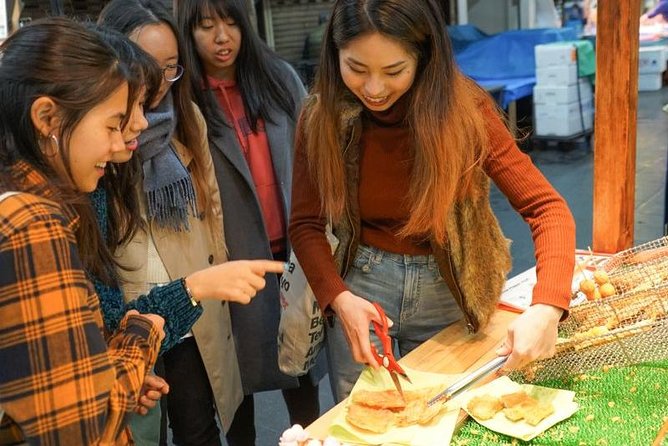
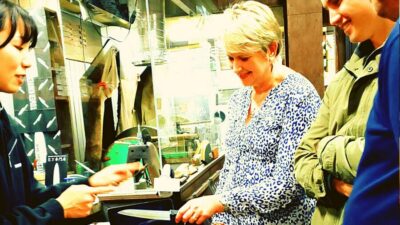
One of the nicest changes of pace is the visit to Doguyasuji Street. This area is known for kitchenware, tableware, cooking equipment, and the tools used by restaurants and home cooks.
You might find it more interesting than another row of souvenir stalls. Even if you are not buying anything, the displays show how seriously Osaka treats food preparation. Look for the practical details: restaurant supplies, serving pieces, cooking tools, and the visual style of Japanese food presentation.
This is also a good place to ask your guide questions about daily life. Several guides have mixed market food with local customs, small shops, and background about Japanese culture. One guide helped a participant take part correctly at a shrine, while others offered suggestions for places to eat later in the trip.
Doguyasuji gives the walk a useful afterlife. You may leave with ideas for souvenirs or a better sense of why Japanese meals involve so much attention to the bowl, plate, tool, and serving method. It keeps the tour from being only a list of things to taste.
More market tours in Japan:
- Tokyo Tsukiji Fish Market Food and Culture Walking Tour
★ 5.0 · 3,184 reviews - Tokyo: Tsukiji Fish Market Food and Walking tour
★ 5.0 · 1,724 reviews - Tokyo: Tsukiji Fish Market Guided Walking Tour
★ 4.9 · 1,397 reviews - Nishiki Market Brunch Walking Tour (7 Tastings + Brunch)
★ 5.0 · 1,355 reviews
Namba, Namba Grand Kagetsu, and Dotonbori
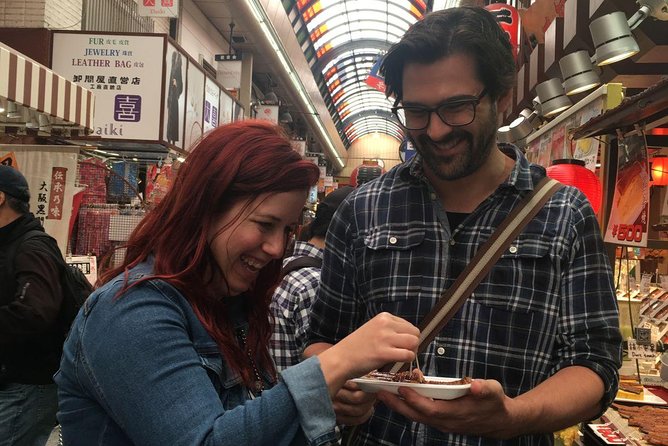
The route passes through the Namba area, including Namba Grand Kagetsu, a comedy theater operated by Yoshimoto Kogyo. You do not enter the theater, but its presence adds a local entertainment note to the walk.
Namba is a major meeting and shopping district, with Namba Parks, restaurants, boutiques, and busy station connections. Your guide may point out how the area changes from market streets to larger commercial spaces.
The walk also passes through Dotonbori. You will see the famous oversized signs and entertainment frontage associated with Osaka, including the Glico sign and Kani Douraku crab display. These are photo stops rather than dedicated attractions on this tour.
That distinction is worth understanding. If you want a full Dotonbori sightseeing tour, this is not it. The main event is Kuromon Market and its food. Dotonbori and Namba provide orientation and context, helping you see how the market fits into Osaka’s larger food and entertainment district.
One useful tip comes from the route itself: Kuromon has a different feel from Dotonbori. Dotonbori is louder and more image-driven, while Kuromon is more focused on shopping and food stalls. Visit Kuromon before the tour if you want to look around, then tell your guide which foods or shops caught your attention.
The guides make or break the experience
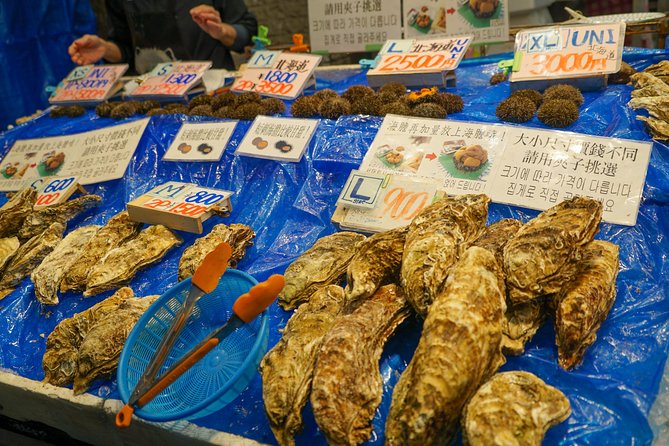
The strongest part of this tour is the person leading it. Guide assignments vary, so you may meet Nina, Yuto, Rie, Niko, Megumi, Aina, Aya, Peco, Mari, Mitch, Taku, Anne, or another local host.
The best guide style here is warm, flexible, and practical. Nina has handled children’s questions with humor and patience. Aina has been praised for keeping a comfortable pace. Taku helped a solo participant communicate with shop staff, take photos, and find favorite foods such as gyoza and oden. Niko has helped groups find the correct train after a rainy walk.
English ability also matters. Guides are expected to help with language barriers, and several have been described as clear English speakers. That does not mean every conversation will be translated word for word, but you should have help when ordering or asking about unfamiliar foods.
I would use the small group to your advantage. Tell the guide what you have already eaten, what you cannot eat, and what you want to try. A group of five or seven can still have different tastes, so clear communication early in the walk helps the guide make better choices.
Families, solo visitors, and first-time Osaka eaters
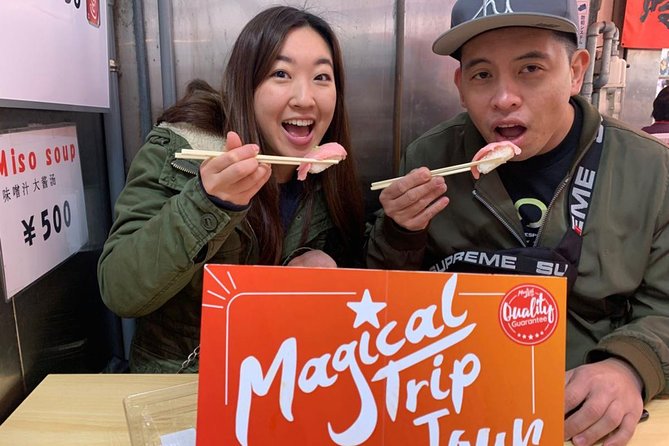
This tour suits first-time visitors who want a quick introduction to Osaka’s food culture. You get a local orientation, several tastes, and suggestions for the rest of your stay. It also works well early in a trip, when you can return to the market or follow the guide’s restaurant advice later.
Families are a good match. Children can ask questions, sample several foods, and see the market without parents having to decode every sign. A sling may work better than a stroller in crowded areas, based on one outing with an 18-month-old. The tour welcomes all ages, but children may find the walking and standing more tiring than a seated meal.
Solo visitors also gain something here. A guide can take photos, help with ordering, and make a food market feel less awkward when you are not sharing dishes with friends. Couples and small groups may appreciate the social side, too, especially if they want a guide but not a large bus-style outing.
This is less suitable if you already know Kuromon well, prefer to choose every dish yourself, or want a large meal. The market is easy enough to explore independently, and one participant felt the tour added too little beyond walking around. The guide’s value comes from explanation, food choices, communication help, and local suggestions. If those are not important to you, spend the $50.41 on food and explore on your own.
Dietary requests need advance planning
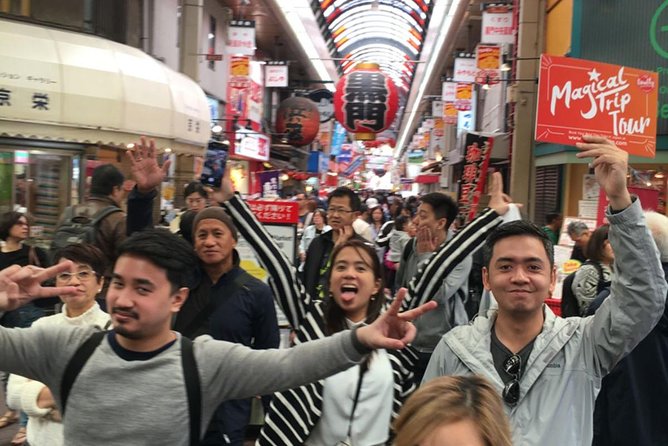
Tell the provider about allergies or dietary needs at least one day before the tour. Requests made on the day cannot be handled.
The information is not fully consistent about gluten-free meals. It says gluten-free requests may be accommodated in limited form, but it also says the tour cannot accommodate gluten-free requests. The safest reading is that gluten-free eating is not guaranteed, options may be scarce, and substitutions may not be possible.
Vegetarian and vegan choices may also be limited because many Japanese restaurants are not set up for every dietary requirement. Food is prepared in kitchens the tour company does not operate, so allergy-free meals cannot be promised.
If your health depends on strict avoidance, I would not treat this as a safe food-allergy tour. Bring your own backup food and confirm the situation directly before paying.
Weather, clothing, and practical comfort
Osaka’s weather can make a major difference. Summer temperatures may reach 40°C, while winter lows can fall to -5°C. You will spend much of the time walking outdoors, even though market areas may provide some shelter.
Wear comfortable shoes and dress for the season. In hot weather, water and light clothing will help. In cold weather, add layers. Rain can slow the route, though one guide managed to keep much of a tour under cover during torrential rain.
The market can be crowded, so keep your belongings close and avoid bringing a bulky bag. Since you may handle messy food, hand wipes are useful. One guide supplied them, but I would still carry your own.
The tour lasts about two hours. That is enough time for a sampling route and nearby sights, but not enough for an unhurried meal, extensive shopping, and a full tour of Namba. Think of it as a focused introduction, not a full day out.
Is $50.41 a fair price?
The price is fair if you value a small group, a local guide, food-ordering help, and useful advice for the rest of your Osaka stay. It is less convincing if the food allowance is small or if your main goal is simply to eat as much as possible.
At its best, the tour saves you from ordering blindly, points you toward foods you might otherwise miss, and gives you context for what you are tasting. That is particularly useful during a first Osaka visit or when you are unsure how to handle market ordering.
At its weakest, you pay a tour fee for a walk you could have done independently, then buy extra food afterward. The conflicting information about portions makes this the key issue. Ask for a clear food breakdown before booking.
Free cancellation is available if you cancel at least 24 hours before the start time. Changes or cancellations inside that window are not accepted, and late arrival is not forgiven.
Should you book the Kuromon Market food walk?
Book it if you want a friendly local introduction to Osaka, prefer a small group, and enjoy tasting several foods rather than ordering one large meal. It is especially useful for families, solo visitors, and first-time visitors who want help with language, food choices, and local customs.
Skip it if you are comfortable exploring Kuromon alone, need strict gluten-free or allergy-safe meals, or expect six generous courses. The guide quality appears to be the biggest strength, but your experience will depend on the assigned host and how clearly the food budget is explained.
My practical call: confirm the included food and dietary details first. If the answer suits you, this is a lively, compact way to get your Osaka bearings and find foods worth returning for.
FAQ
How long does the Kuromon Market food tour last?
The experience lasts approximately two hours.
Where does the tour meet?
It meets in front of the SMBC ATM at Nippon-bashi 1chome, near Exit 10 from Kintetsu Nippon-bashi Station. The listed address is Japan, 542-0073 Osaka, Chuo Ward, Nipponbashi, 1-chōme 17, Picasso Nipponichi Building.
Where does the tour end?
The activity ends back at the meeting point.
How many people can join the tour?
The maximum group size is seven people.
Are children allowed on the tour?
Yes. All ages are welcome, and the experience has been used by families with children.
Do I need to pay for the guide’s food?
No. You do not need to cover the guide’s food or drinks. Bring cash for any additional snacks or drinks you buy for yourself.
Can the tour accommodate dietary restrictions?
You must report dietary requests or allergies at least one day before the tour. Vegetarian, vegan, and some gluten-free requests may have limited options, but substitutions and allergy-free meals cannot be guaranteed.
More Shopping Tours in Japan
- Tokyo: Tsukiji Fish Market Food and Culture Walking Tour
★ 4.7 · 757 reviews - Tsukiji Fish Market: Street Food & Culture Walking Tour
★ 5.0 · 669 reviews - Kyoto: Local Food Tasting Tour at the Nishiki Market
★ 4.7 · 135 reviews - Kyoto: Nishiki Market and Depachika Food Tour with a Local
★ 4.7 · 76 reviews
More Food Walks in Japan
- Osaka Local Foodie Walking Tour in Dotonbori and Shinsekai
★ 5.0 · 985 reviews - Tsukiji Fish Market Small-Group Food Walking Tour
★ 5.0 · 621 reviews - Reykjavik Food Walk – Local Foodie Adventure in Iceland
★ 5.0 · 18,952 reviews - New Orleans Food Walking Tour of the French Quarter with Small-Group Option
★ 5.0 · 6,118 reviews
Just added around Japan
- Kyoto: Nishiki Market Tour with a Local Foodie & Tastings★ 4.5 · 67 reviews
- Kyoto: Replica food making experience★ 4.8 · 70 reviews
- Kyoto: Foodie Night Tour in Gion with 9 dishes + 6 Sake★ 4.4 · 26 reviews
- Kyoto: Nishiki Market and Depachika Food Tour with a Local★ 4.7 · 76 reviews
- Kyoto Evening Gion Food Tour★ 4.9 · 35 reviews
- Kyoto: Local Food Tasting Tour at the Nishiki Market★ 4.7 · 135 reviews
- Kyoto: Gion & Pontocho Food Tour with 13 Dishes★ 4.9 · 235 reviews
- Kyoto: Casual Pontocho Evening Food Tour★ 4.8 · 31 reviews
Food Tours in Osaka, compared.
Shinsekai Food Tour with 13-15 Dishes at 5 Eateries
Read our review →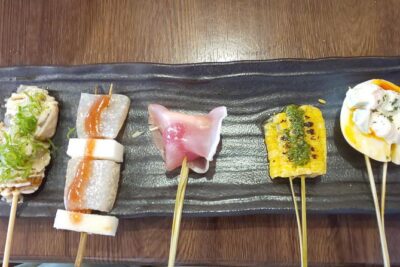
Osaka Food Tour: 13 Dishes at 5 Local Eateries
Read our review →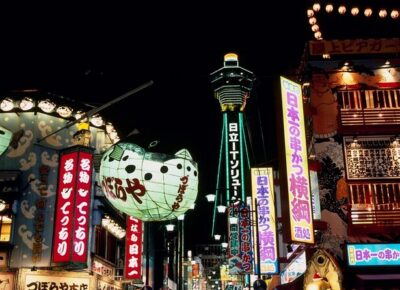
Hungry Osaka Street Food Tour:15 Tastings & 3 Drinks with a Local
Read our review →
Osaka Local Foodie Walking Tour in Dotonbori and Shinsekai
Read our review →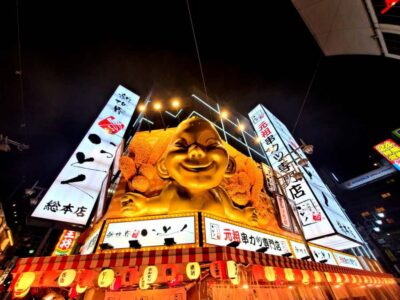
Hungry Osaka Street Food Tour: 15 Dishes & 3 Drinks
Read our review →
Guided Food Tour with 12 Dishes at 4 Local Eateries
Read our review →Browse the lists this tour appears in