
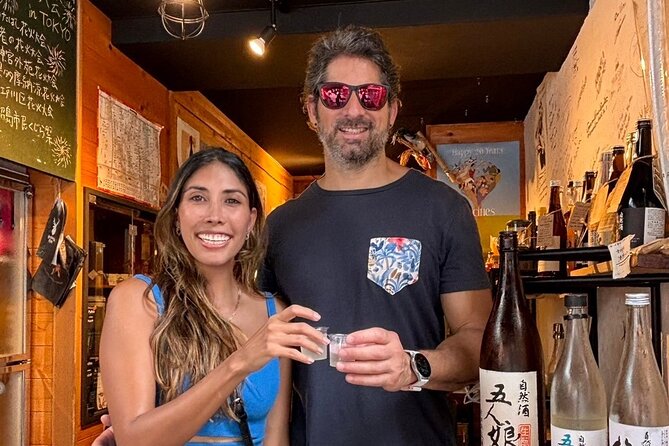
REVIEW · TOKYO
Tokyo: Tsukiji Fish Market Food and Walking tour
Tsukiji is easiest to enjoy when someone else handles the first round of navigation. This two-hour walk takes you from the striking Tsukiji Hongwanji Temple into the market’s food lanes, where you can choose sushi, seafood, fruit, Japanese omelet, fried fish cakes, and other small bites instead of being locked into a fixed menu. I especially like the pay-as-you-go format and the way guides such as Rie, Haydn, Jim, and Minori help you avoid poor-value stalls.
I also like the small group limit of 10 and the flexible pace. You can ask questions, try foods that suit you, and spend less time figuring out where to stand and what to order. The main catch is simple: food and drinks are not included, and the temple uses part of the short tour, which may disappoint you if you want a straight food crawl.
Key points to know before you book
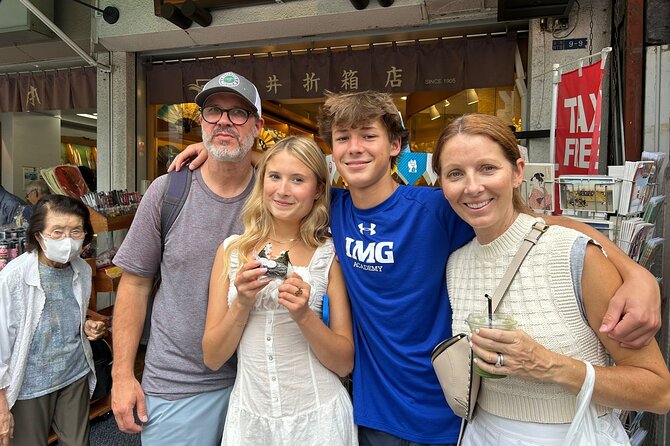
- Choose your own food: There is no fixed menu, so you pay only for the dishes you decide to buy.
- Start with a temple: Tsukiji Hongwanji Temple takes about 30 minutes and adds culture before the market visit.
- Follow a local guide through the food lanes: The guide helps you find stalls and makes the crowded market easier to handle.
- Bring Japanese yen: Food costs extra, and several food purchases may require cash. A budget of about 10,000 yen gives you room to sample.
- Expect a small group: The tour accepts a maximum of 10 people, with an English-speaking Japanese guide.
- Allow two hours: The route covers the temple, Tsukiji Fish Market, and Tsukiji Jogai Market before returning to the meeting point.
Why Tsukiji works better with a guide
Tsukiji is not one tidy indoor market with a clear entrance and a single food court. It is a district of market lanes, specialty shops, food counters, and stalls selling ingredients used in Japanese cooking. That makes it fun, but it also makes a first visit hard to organize.
I like this tour because it gives you a useful introduction without forcing you into a long half-day commitment. In two hours, you see the temple, learn about the market’s past, and sample foods chosen by you. The guide can point out what a product is, explain how it is used, and help you decide if the price looks sensible.
That last part matters. Market stalls can move quickly, and some foods are not obvious to an English-speaking visitor. Having someone explain the difference between familiar sushi ingredients, local snacks, and less familiar seafood can save time and prevent an expensive guess.
The group size also helps. With no more than 10 people, you have a better chance to hear the guide and ask about ingredients. It is still a public market, so you will share the lanes with shoppers and other people eating, but a small group is far more practical than a large procession.
More Food Tours in Tokyo
- Tokyo: Shinjuku Food Tour (13 Dishes at 4 Local Eateries)
★ 5.0 · 6,603 reviews - Tokyo Tsukiji Fish Market Food and Culture Walking Tour
★ 5.0 · 3,184 reviews - Tokyo: Shinjuku Food Tour (15 Dishes and 4 Eateries)
★ 4.9 · 2,033 reviews
Meeting at Tsukiji Station
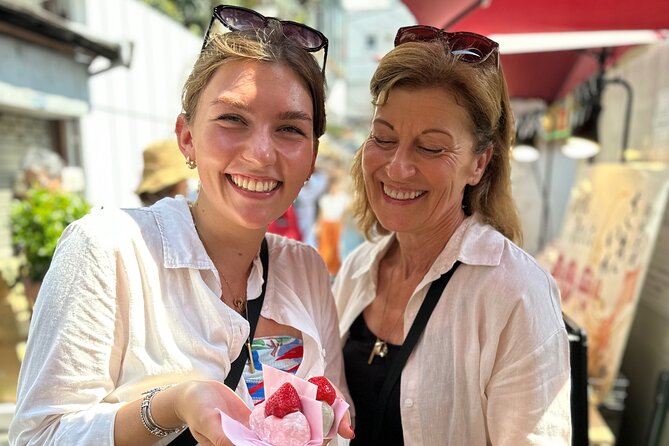
The meeting point is the Starbucks Coffee near Tsukiji Station, at 2-chome 12-8 in Chuo City. The experience ends at the same meeting point, which makes the route easy to fit into a day of sightseeing.
I recommend arriving with a little time to spare. The tour begins on foot, and the guide needs to gather the group before heading to the temple. Since the meeting point is near public transportation, you can combine this outing with other central Tokyo stops before or after the walk.
The tour lasts about two hours. It includes walking and standing, though the route is described as not especially strenuous. Comfortable shoes are sensible, and you should keep your hands free enough to manage food, money, and the movement of the group.
Tsukiji Hongwanji Temple: an unusual opening stop
The first stop is Tsukiji Hongwanji Temple, where you spend about 30 minutes. The temple is known for its unusual architecture, and the guide provides an introduction to the site and its place in the area.
This is a useful change of pace before the market. You begin with a quiet cultural stop rather than walking straight into food stalls. The contrast helps you see Tsukiji as more than a place to eat.
I also understand why some people may prefer to skip it. If your only goal is seafood, 30 minutes at a temple can feel like time taken from the market. One person specifically found the temple interesting but unnecessary, and that is a fair point for a short tour.
For me, the temple makes sense if you want a broader introduction to the neighborhood. It gives the guide room to explain local customs and Japanese culture before the group starts ordering food. If you have already seen the temple or want maximum eating time, keep this part in mind when comparing options.
Tsukiji Fish Market and the story behind the name
The second stop lasts about an hour and focuses on Tsukiji Fish Market. The guide explains the market’s history and culture while leading you through the area associated with Tokyo’s famous tuna auctions.
It is worth keeping expectations clear. This experience is not a behind-the-scenes auction visit. The route centers on public market areas and food stalls, not on watching an active tuna auction. You are here to understand the district and eat your way through it.
The guide’s value is most obvious here. A first-time visitor can spend much of an hour simply trying to work out which way to go. A guide such as Haydn, Rie, Nicholas, Jim, or Minori can keep the group moving while explaining what you are seeing.
Specific guides have different personalities, but the most useful qualities are consistent. Rie is praised for helping people try unfamiliar foods such as sea urchin and eel, while also identifying tourist traps and lower-priced alternatives. Haydn is described as making the market easy to manage and offering practical advice on what is worth buying. Jim is noted for adding cultural context rather than treating the stop as a simple meal.
Those details give you a good sense of the experience. You are not just following a guide from one famous counter to another. You can ask what an ingredient is, decide what appeals to you, and get help before spending your money.
More seafood tours in Tokyo:
- Tokyo: Tsukiji Fish Market Guided Walking Tour
★ 4.9 · 1,397 reviews - Tokyo: Tsukiji Fish Market Food and Culture Walking Tour
★ 4.7 · 757 reviews - Tsukiji Fish Market: Street Food & Culture Walking Tour
★ 5.0 · 669 reviews - Tsukiji Fish Market Small-Group Food Walking Tour
★ 5.0 · 621 reviews
Tsukiji Jogai Market: the main food stop
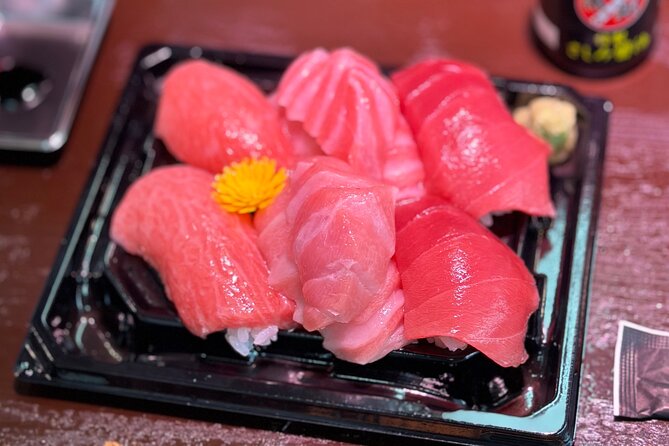
The final 30-minute stop takes place in Tsukiji Jogai Market, an area filled with shops and stalls selling seafood, Japanese street food, and cooking ingredients. This is where the flexible food format matters most.
There is no set menu. You do not pay a food fee to the tour provider and receive a predetermined plate. Instead, you choose what you want from the available stalls and pay the seller directly.
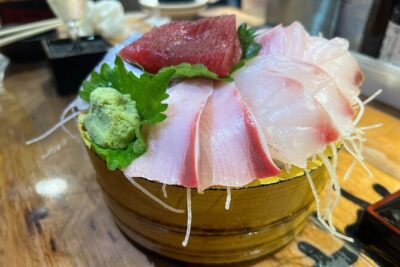
Possible tastes include fresh seafood, sushi ingredients, fruit, Japanese omelet, fried fish cakes, wagyu beef, sushi, eel, and sea urchin. The exact selection depends on what catches your eye, what is available, and how much you want to spend.
I like this arrangement more than a fixed tasting menu for a market visit. You might be eager to try seafood but have no interest in a particular prepared dish. You might also prefer several small portions instead of one large meal. This approach lets you control both your appetite and your budget.
The drawback is that the total cost can vary. The advertised $30 price covers the guide and market walk, not the food. Several separate purchases can add up quickly, especially if you choose premium seafood or wagyu beef.
Bring plenty of Japanese yen. A practical suggestion from the food experience is to carry around 10,000 yen if you want to sample several items without constantly counting every purchase. That is not a required fee, and you may spend less, but the cash gives you freedom to say yes when something looks good.
What the food format feels like
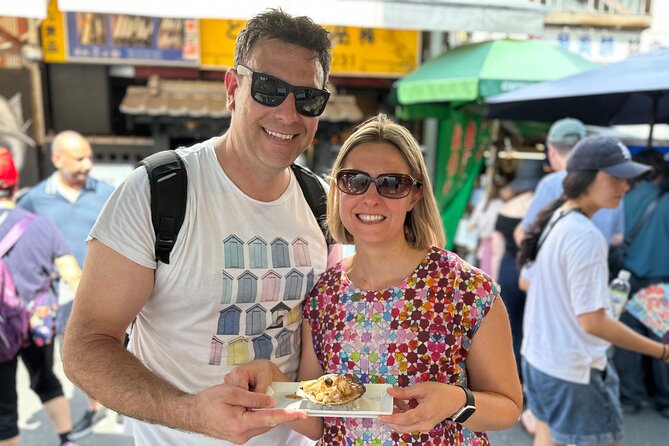
This is a tasting walk, not a sit-down meal. You move between stalls, make individual purchases, and eat as you go. That means the pace is active, and you should not expect a long pause at a restaurant table.
The guide can help explain traditional ingredients used for sushi and local Japanese dishes. That context adds value because the food is not presented as a random collection of snacks. You begin to see how seafood, omelet, fish cakes, fruit, and other products fit into Japanese food culture.
I would approach the market with a light appetite. You do not need to buy everything, and the point is to choose a few things that interest you. If you are traveling with family or friends, the format also makes it easier for each person to select something different.
Dietary needs deserve attention before booking. The provided information does not give a specific allergy or vegetarian menu, and the food is bought directly from individual stalls. If you have strict restrictions, contact the provider before the tour rather than assuming substitutions will be available.
Why the $30 price can be good value
At $30 per person, the tour is reasonably priced for a guided introduction to one of Tokyo’s best-known food districts. The cost includes an English-speaking local guide, the temple visit, the market walk, and the route back to the meeting point.
The value depends on how much help you want. If you are comfortable reading signs, choosing stalls, and finding your own way, you can visit the market without paying for a guide. But the tour can save time and reduce the stress of making food decisions in a crowded public area.
The flexible menu is another reason the price can work. You are not paying for dishes you do not want. A light eater can keep spending low, while an adventurous eater can build a larger tasting session.
Just separate the two budgets in your mind. The tour is $30, and food and drinks are extra. If you want a full meal with premium seafood, your total will be higher than the tour price alone.
The guides make the difference
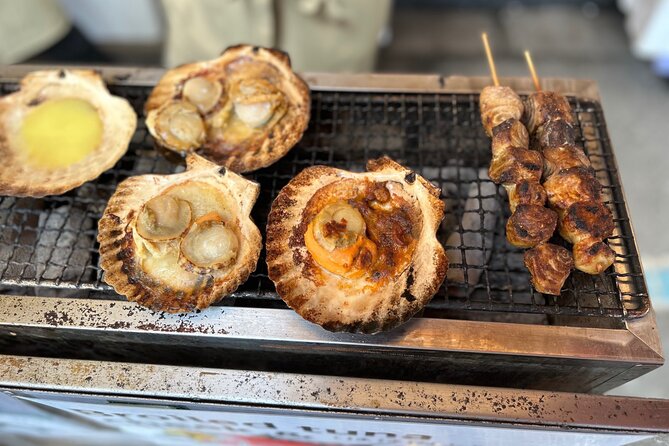
The experience depends heavily on the individual guide. Names that appear repeatedly in the feedback include Rie, Haydn, Jim, Nicholas, Minori, Yayoi, Sayaka, Shino, and Joe.
Rie is a strong choice for an adventurous food introduction. She encourages you to try things you might otherwise pass by, including eel and sea urchin, and she can direct you away from poor-value purchases.
Haydn is particularly useful if the market feels intimidating. He has been praised for keeping the route easy to follow, answering questions, and helping families stay engaged. His guidance is practical, which is exactly what this setting requires.
Jim adds more cultural explanation, while Minori is noted for combining food suggestions with Japanese history. Sayaka brings a warm, playful approach to the choose-your-own-food format. Shino’s background as a chef gives her a useful angle when explaining food.
You cannot select a particular guide based on the supplied information, so treat these names as examples of the range of staff rather than a promise. The important point is that the guide is not only there to walk you from place to place. The best part of the job is helping you understand what you are looking at and spend your yen wisely.
Who should book this experience
I would choose this tour if you are visiting Tsukiji for the first time and want an organized introduction without committing to a long food tour. It suits solo visitors, couples, and families who want to make their own food choices.
It is also a good fit if you are curious about Japanese ingredients but unsure how to order. The guide can make unusual foods less intimidating and give you a starting point for exploring the market on your own later.
Families can benefit from the short duration and small group size. Children can choose foods that appeal to them, while adults can try more adventurous items. The walking and standing are manageable for most people, and service animals are allowed.
I would hesitate if you want an extended meal, a fixed amount of food included in the ticket, or a tour devoted entirely to seafood. The temple takes 30 minutes, and the food purchases are separate. You may also prefer exploring alone if you enjoy getting lost in market lanes and making spontaneous choices without a group.
Practical details that affect your day
The tour includes mobile ticketing and confirmation at the time of booking. It is near public transportation, starts and ends at the same Starbucks meeting point, and accepts a maximum of 10 people.
Most people can participate, and service animals are allowed. Since the tour involves market walking and standing, wear shoes suited to two hours on your feet.
The cancellation policy is generous if your plans change early. You can cancel at least 24 hours before the local start time for a full refund. Changes or cancellations made less than 24 hours before the start are not accepted for a refund.
The experience is offered by Traveling Tokyo. Its current rating is 5.0 from 1,724 ratings, with 99 percent recommending it. Ratings cannot replace your own priorities, but the pattern points to the guide’s role as the main reason to book.
Should you book the Tsukiji food walk?
Book it if you want help getting oriented, enjoy choosing your own food, and like a little temple and culture alongside the market tasting. The $30 fee is most worthwhile for first-time visitors who want a guide to handle the route and explain what deserves your attention.
Skip it if you only want to wander independently or if you expect all food to be included. Bring yen, arrive ready to walk, and think of this as a guided introduction rather than a full meal. For many people, that is the right way to meet Tsukiji: two focused hours, a handful of carefully chosen bites, and enough local knowledge to keep exploring after the guide leaves.
FAQ
How long does the Tsukiji food and walking tour last?
The tour lasts approximately two hours.
How much does the tour cost?
The listed price is $30 per person.
Is food included in the tour price?
No. Food and drinks are not included. You choose and pay for the dishes you want at the market stalls.
What foods can I try?
Possible foods include fresh seafood, fruit, Japanese omelets, fried fish cakes, sushi, wagyu beef, eel, and sea urchin. The exact choices depend on what you decide to buy.
Where does the tour start?
The meeting point is Starbucks Coffee near Tsukiji Station, at Japan, 104-0045 Tokyo, Chuo City, Tsukiji, 2-chome 12-8, Daiko Building 1F.
Where does the tour finish?
The activity ends back at the meeting point.
What language does the guide speak?
The tour includes a local Japanese, English-speaking guide.
How many people can join the tour?
The maximum group size is 10 people.
Can I cancel for a full refund?
Yes. You can cancel at least 24 hours before the experience start time for a full refund. Cancellations or changes made less than 24 hours before the start time are not accepted for a refund.
More Shopping Tours in Tokyo
- Small Group Cooking Class & Market Food Tour in Florence
★ 5.0 · 1,574 reviews - Nishiki Market Brunch Walking Tour (7 Tastings + Brunch)
★ 5.0 · 1,355 reviews - Bologna Food & Market Tour with 6 Tastings, Pasta, Wines & More
★ 5.0 · 1,328 reviews - Seoul Street Food Market Tour
★ 5.0 · 1,226 reviews
More Market Food Tours in Tokyo
- Bangkok by Night: Temples, Markets and Food Tuk-Tuk Tour
★ 5.0 · 3,752 reviews - Chef Guided Food Tour of Pike Place Market
★ 5.0 · 3,733 reviews - Bangkok: Markets, Temples and Food Night Tour by Tuk Tuk
★ 4.9 · 2,371 reviews - London Bridge & Borough Market Food Tour with 7 Authentic Dishes
★ 5.0 · 1,972 reviews
Just added around Tokyo
- Eat/Drink like a LOCAL-Taverns & Ramen★ 4.9 · 23 reviews
- [1 Group Only] Tokyo Shinjuku Food Tour for Family★ 4.9 · 49 reviews
- Tokyo After 5: Authentic Japanese Food & Drink Night Tour★ 4.5 · 560 reviews
- Best of Shibuya Food Tour★ 5.0 · 612 reviews
- Tsukiji Fish Market Small-Group Food Walking Tour★ 5.0 · 621 reviews
- Tsukiji Fish Market: Street Food & Culture Walking Tour★ 5.0 · 669 reviews
- Tokyo: Tsukiji Fish Market Food and Culture Walking Tour★ 4.7 · 757 reviews
- Tokyo: Shibuya Food Tour (13 dishes and 4 Eateries)★ 5.0 · 770 reviews
Food Tours in Tokyo, compared.
Shinjuku Food Tour (13 Dishes at 4 Local Eateries)
Read our review →
Tokyo Tsukiji Fish Market Food and Culture Walking Tour
Read our review →
Shinjuku Food Tour (15 Dishes and 4 Eateries)
Read our review →
Best of Shinjuku: Izakaya Food Tour (4 Stops, 14+ Tastings)
Read our review →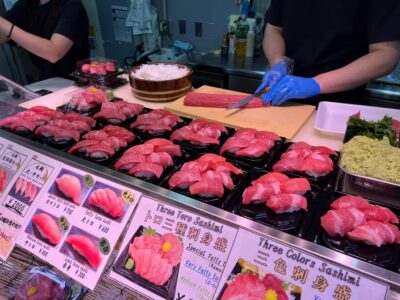
Tokyo Night Foodie Tour in Shinjuku – Seasonal Sushi, Wagyu Beef
Read our review →
Eat and Drink Like a Local: Tokyo Ueno Food Tour-Taverns&Ramen
Read our review →
Browse the lists this tour appears in