
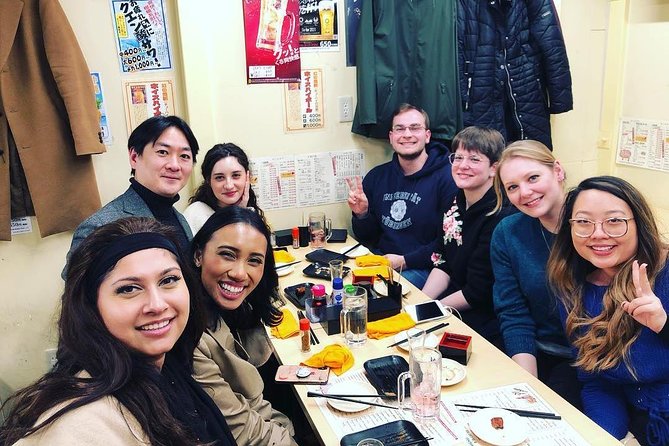
REVIEW · TOKYO
Eat and Drink Like a Local: Tokyo Ueno Food Tour-Taverns&Ramen
Tokyo’s best food experiences do not always happen behind a polished restaurant door. This three-hour walk through Ueno and Okachimachi takes you into standing bars, izakaya, and a ramen shop where ordering can feel daunting without Japanese help. Your guide handles the language, explains each dish, and keeps the evening moving.
I like two things right away: food and drinks are included, and the route gives you a useful introduction to Japanese dining customs rather than just a string of tastings. I also like the small maximum of 10 people, which makes it easier to ask questions and chat with the group.
The main caution is the menu. This is aimed at adventurous eaters, and some dishes may be unfamiliar or unusual. A few people have found the food too challenging, so this is not the best choice if you want a safe parade of sushi, tempura, and mild flavors.
Quick points about the Ueno food walk
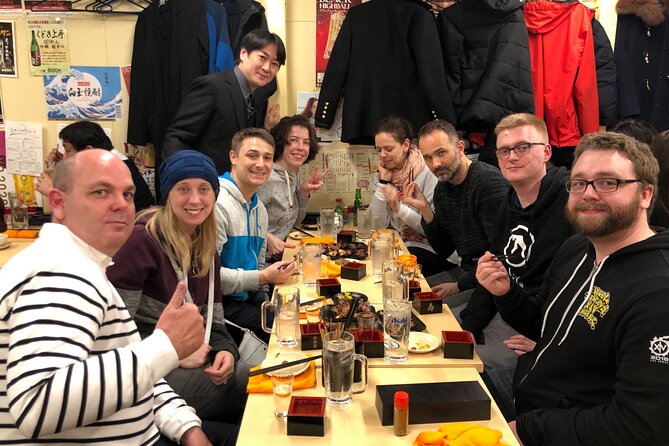
- Four food stops in about three hours: Expect standing-bar fare, izakaya dishes, drinks, and ramen.
- A guide handles translation: You can ask how to order, eat, and understand unfamiliar menu items.
- Local-style venues: The route favors places you might not confidently enter on your own.
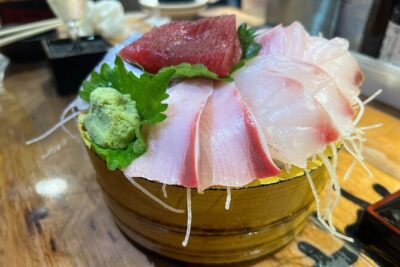
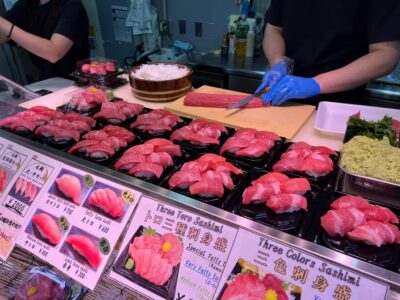
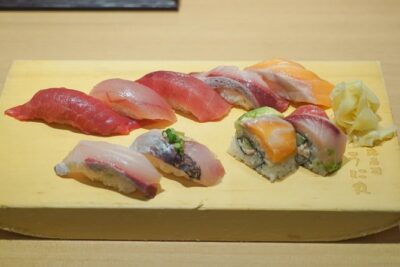
- A varied menu: Tastings may include sashimi, skewered meat, grilled fish, stews, soup, and mystery cuts.
- Drinks are part of the evening: Sake and other Japanese alcoholic drinks are included, with alternatives for non-drinkers.
- Maximum 10 people: The group size supports conversation without turning the evening into a crowd.
Why Ueno is a smart place for a food tour
Ueno gives you several sides of Tokyo in a compact area. It has Ueno Park, Ueno Zoo, Ameya Yokocho market street, train connections, and a dense collection of small bars and restaurants.
That mix makes the neighborhood useful for a first evening in the city. You get a quick sense of how Tokyo’s public spaces, rail system, shopping streets, and after-work dining culture fit together.
The tour begins at the Starbucks inside atré Ueno, near Ueno Station. From there, the guide introduces Tokyo, Ueno Park, and Ueno Zoo before taking you toward the first meal. These introductions are not the main event, but they help you understand the area instead of simply moving from restaurant to restaurant.
The route ends in the Okachimachi area, near Panda Hiroba. You do not finish where you started, so plan your evening around the final location rather than assuming you will return to Ueno Station.
More Food Tours in Tokyo
- Tokyo: Shinjuku Food Tour (13 Dishes at 4 Local Eateries)
★ 5.0 · 6,603 reviews - Tokyo Tsukiji Fish Market Food and Culture Walking Tour
★ 5.0 · 3,184 reviews - Tokyo: Shinjuku Food Tour (15 Dishes and 4 Eateries)
★ 4.9 · 2,033 reviews
Stop one: four dishes in Ueno
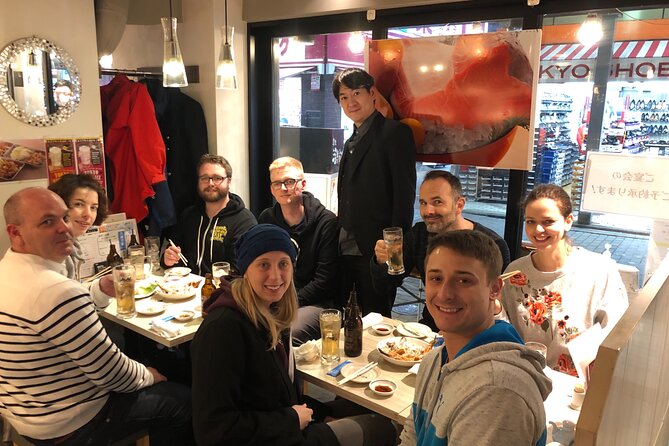
The first restaurant stop serves four dishes and gives the guide room to explain what is on the table. This is where the evening starts to feel less like a sightseeing walk and more like an introduction to Japanese eating habits.
You may encounter familiar items such as sashimi, skewered meat, grilled fish, or miso soup. You may also receive dishes that are less familiar to diners from outside Japan. One appealing part of the format is that the guide orders for the group and explains the food as it arrives, so you are not left guessing about ingredients or table customs.
The amount of food is a real feature here. Several descriptions emphasize that you should arrive hungry, and that advice makes sense. This is not a single snack followed by a lecture. You eat at several locations, and the portions and drinks can add up quickly.
The drawback is that the first stop may set a challenging tone. If you dislike offal, unusual cuts, raw seafood, or strong flavors, tell the guide before ordering. Dietary needs have been accommodated for some groups, including vegetarian requirements, but you should communicate those needs clearly when booking and again at the start.
Through Ameya Yokocho to Okachimachi
Between food stops, the group walks through Ameya Yokocho. This market street adds some visual energy to the route and shows you a different side of Ueno, with shops and food businesses packed along the passage.
This walk also gives your meal a little breathing room. A food tour with several tastings can become tiring if you sit continuously, so moving between districts helps the three hours feel varied.
The route then reaches Okachimachi Ekimae Street, where the guide explains Japanese dishes and the drinking culture around the Okachimachi area. You also get an explanation of Tokyo’s train system along the way.
That transport lesson may sound small, but it has practical value. Ueno and Okachimachi are connected to some of Tokyo’s busiest rail routes, and understanding the difference between nearby stations can save you time later. The guide can also help turn a confusing station area into a place you recognize.
Stop two: Japanese drinking culture in practice
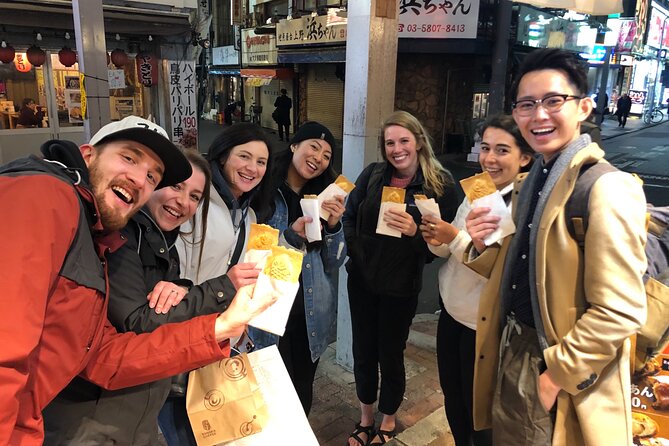
The second stop focuses on Japanese-style restaurant culture. In Japan, an izakaya is not simply a bar with a few snacks. It is a place where people order several shared dishes, drink gradually, and often stay for conversation after work.
A guide is especially useful here because the customs are not always obvious from the menu. You can ask how to handle shared plates, which drink pairs with a dish, and what you are eating before trying it.
The experience includes alcoholic drinks, with sake receiving particular attention in the descriptions of the evening. One session began with a pear-infused sake toast, and a small sake cup was also mentioned as a memorable extra. Those details may vary by guide and evening, but they show the social tone of the tour: informal, generous, and built around trying something new.
Non-drinkers are not automatically excluded. Food remains a major part of the tour, and one group with non-drinkers still enjoyed the format. Still, this is clearly a food and drinking experience, so anyone avoiding alcohol should tell the guide in advance.
More sushi and ramen crawls in Tokyo:
- Best of Shinjuku: Izakaya Food Tour (4 Stops, 14+ Tastings)
★ 5.0 · 1,863 reviews - Tokyo Night Foodie Tour in Shinjuku – Seasonal Sushi, Wagyu Beef
★ 5.0 · 1,161 reviews - Eat/Drink like a LOCAL-Taverns & Ramen
★ 4.9 · 23 reviews - Vancouver Food Tour with 6 Tastings of Sushi, Chocolate, and more
★ 5.0 · 419 reviews
Stop three: asking questions at a local tavern
The third stop takes place in the Ueno district and offers a closer look at Japanese tavern food and drinks. The guide explains each dish as it arrives, and the format encourages questions.
This is where the tour’s value goes beyond eating. You can learn why a dish is served in a certain way, how Japanese customers order several items together, and which foods are common in a casual tavern rather than a formal restaurant.
Descriptions of the food include sashimi, stews, pork skewers, grilled items, and unusual cuts. The mystery pork option has been singled out as a fun choice for adventurous diners. You should not treat that as a promise of one fixed dish, though. Menus and orders can change, and the exact selection depends on the venue.
I would approach this stop with curiosity rather than a checklist. If you expect a carefully controlled tasting menu, you may find the evening rough around the edges. If you want to see how food is actually shared and ordered in a casual Japanese setting, the informality is part of the point.
The final bowl near Panda Hiroba
The last stop is a ramen shop near Okachimachi Panda Hiroba. Here, the guide explains how to order and how to eat ramen.
Ramen is a smart finish for this route. After several small dishes and drinks, a hot bowl provides a clear, familiar anchor. It also gives you a useful skill for the rest of your Japan trip, especially if you feel uncertain about ordering at compact noodle shops.
The ramen receives some of the strongest praise in the supplied comments, with several people calling it the best part of the meal. That does not mean every diner will rank it the same way, but it does suggest that the final stop is more than a token bowl added to the itinerary.
Keep in mind that you may be quite full by then. Pace yourself early, even if the first dishes are tempting. The tour is designed as a sequence of food stops, not one large meal followed by a ramen sample.
What the guide adds
The guide is central to this experience. Aki and Akira are named in many of the comments, while one account mentions Shota and another mentions Ali. Since the guide assignment may vary, confirm who will lead your session if having a particular person matters to you.
The strongest part of the guiding style is the combination of translation, food explanation, and local orientation. You are not just told what to eat. You are shown how to approach places that may feel intimidating, and you can ask questions without worrying about a language barrier.
The guide also helps create the social side of the evening. Small groups can feel like a night out rather than a formal class, and the format encourages conversation among people who may have just met. Several accounts describe the guide as funny, energetic, attentive, and good at taking photos.
That warmth will not appeal to everyone. One person found the presentation too sales-like and felt that most of the food was not enjoyable. That is a useful warning. The guide may be outgoing and involved, so choose this tour if you like an active host rather than a quiet escort.
Food quality, portions, and adventurous eating
This is not a Michelin-style dining tour. The price pays for several food stops, drinks, translation, neighborhood guidance, and access to casual venues. You are buying range and confidence, not luxury table service.
At $95.21 per person, the value depends on how much you would otherwise spend trying several places. Food and drinks are included, and you receive multiple tastings across four stops. For a first night in Tokyo, that can be worthwhile because you avoid wasting time on restaurants that do not suit you.
The menu is also intentionally broader than the Japanese dishes most often served abroad. You may try items that are hard to identify at first, along with sashimi, skewers, grilled fish, soup, and ramen. That range gives you a better sense of everyday dining than a tour limited to sushi and tempura.
Still, I would not book this if you are looking for predictable comfort food. The experience asks you to try dishes before deciding how you feel about them. Tell the guide about allergies, vegetarian needs, or other restrictions. The guide has handled special requests, but advance notice is important.
Who should book this Tokyo food tour
I would recommend it most strongly for first-time visitors who want help entering small Japanese restaurants. It is also a good fit if you want to begin a Tokyo trip with practical food knowledge, especially how to order ramen, use an izakaya, and approach unfamiliar drinks.
The tour suits curious eaters who enjoy trying local specialties and asking questions. Solo visitors and couples may also like the small-group setup, since the guide helps keep conversation flowing.
You may want another kind of tour if you are seeking high-end restaurants, a fixed menu, a quiet tasting, or a strong focus on one food. It is also less suitable for very selective eaters, since the menu can include raw seafood, unusual meat, and dishes that are not widely known outside Japan.
The three-hour duration is long enough to sample several places without taking up an entire day. I would schedule it early in your Tokyo stay if you want to return to one of the areas later, but avoid booking it immediately after another large meal.
Practical details before you book
The meeting point is Starbucks Coffee at atré Ueno, 1F, Ueno 7-chome, near Ueno Station. The listed end point is in Ueno 5-chome, near Okachimachi Panda Hiroba. Check both locations before setting out.
A mobile ticket is accepted, confirmation arrives at booking, and the activity is near public transportation. The group maximum is 10 people, which is small enough for personal questions but not necessarily private.
Most people can participate, but the route includes walking between neighborhoods and standing or eating in casual venues. The exact walking pace and seating arrangement are not specified, so anyone needing special assistance should ask the provider before booking.
Free cancellation is available up to 24 hours before the start time for a full refund. Changes or cancellations inside that window are not accepted and are not refunded. The cut-off follows Tokyo local time.
Should you book it?
Book this Ueno food tour if you want a guided introduction to casual Japanese dining, especially if menus, etiquette, and small local bars make you hesitant. The included food and drinks, four-stop format, translation, and small group give the $95.21 price a reasonable case.
Skip it if you want refined restaurant cooking or a cautious menu of familiar dishes. The most rewarding version of this evening requires appetite, flexibility, and a willingness to try something you may not recognize. For a first taste of Ueno after dark, that is exactly what makes the tour useful.
FAQ
How long does the Tokyo Ueno food tour last?
The tour lasts approximately three hours.
Where does the tour begin?
It begins at Starbucks Coffee inside atré Ueno, 1F, at 7-chome 1-1 Ueno, Taito City, Tokyo.
Where does the tour end?
The listed end point is 5-chome-27 Ueno, near Okachimachi Panda Hiroba in Taito City.
How many people can join the tour?
The maximum group size is 10 people.
Are food and drinks included?
Yes. Food tastings and drinks are included at the tour stops.
What kinds of food might be served?
The experience may include sashimi, skewered meat, grilled fish, stews, soup, other tavern dishes, and ramen. Some choices may be unusual or unfamiliar.
Can non-drinkers or people with dietary needs join?
Non-drinkers can enjoy the food, and dietary needs have been accommodated for some groups. Tell the guide about restrictions or allergies in advance.
More Tours Led by Locals in Tokyo
- Naples: Street Food Walking Tour with Local Guide
★ 4.9 · 4,976 reviews - Rome: Street Food Tour with Local Guide
★ 4.8 · 4,077 reviews - Eat Like a Local: Venice 3-Hour Small-Group Food Tasting Tour
★ 5.0 · 3,137 reviews - Marrakech: Street Food Tour with a Local Guide
★ 4.9 · 3,119 reviews
Just added around Tokyo
- Eat/Drink like a LOCAL-Taverns & Ramen★ 4.9 · 23 reviews
- [1 Group Only] Tokyo Shinjuku Food Tour for Family★ 4.9 · 49 reviews
- Tokyo After 5: Authentic Japanese Food & Drink Night Tour★ 4.5 · 560 reviews
- Best of Shibuya Food Tour★ 5.0 · 612 reviews
- Tsukiji Fish Market Small-Group Food Walking Tour★ 5.0 · 621 reviews
- Tsukiji Fish Market: Street Food & Culture Walking Tour★ 5.0 · 669 reviews
- Tokyo: Tsukiji Fish Market Food and Culture Walking Tour★ 4.7 · 757 reviews
- Tokyo: Shibuya Food Tour (13 dishes and 4 Eateries)★ 5.0 · 770 reviews
Food Tours in Tokyo, compared.
Shinjuku Food Tour (13 Dishes at 4 Local Eateries)
Read our review →
Tokyo Tsukiji Fish Market Food and Culture Walking Tour
Read our review →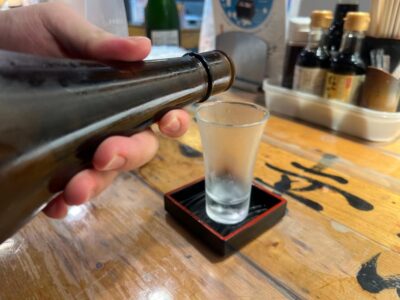
Shinjuku Food Tour (15 Dishes and 4 Eateries)
Read our review →
Best of Shinjuku: Izakaya Food Tour (4 Stops, 14+ Tastings)
Read our review →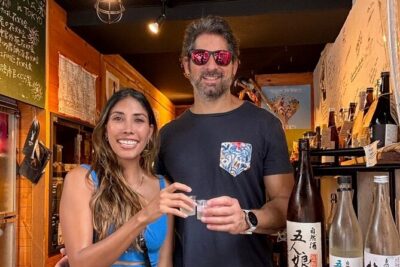
Tokyo Night Foodie Tour in Shinjuku – Seasonal Sushi, Wagyu Beef
Read our review →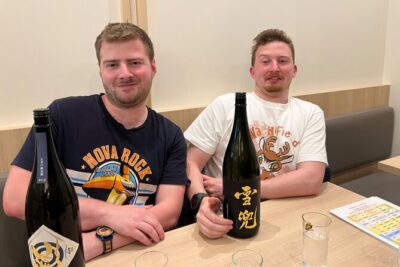
Browse the lists this tour appears in