
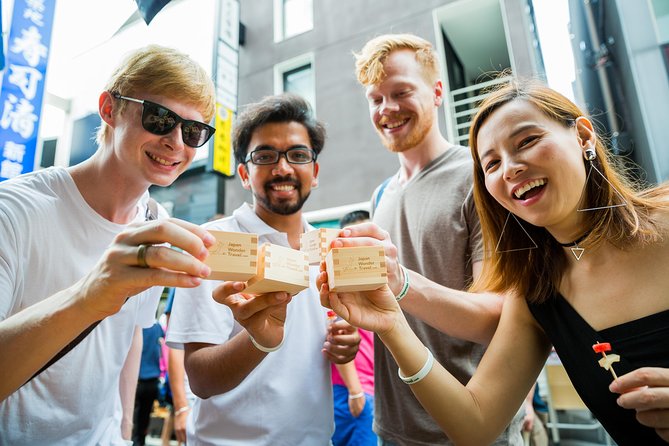
REVIEW · TOKYO
Tokyo: Tsukiji Fish Market Food and Culture Walking Tour
Tsukiji is best understood with your appetite switched on. In three hours, you move from the gates of Tsukiji Honganji Temple into a maze of fish stalls, snack counters, produce shops, and small restaurants, tasting your way through the market instead of guessing what to order. The Wagyu skewer and final sushi or seafood bowl are the big draws.
I like the small groups, limited to eight people, and the way a good guide can turn a crowded market into an easy walk. Guides such as Shun, Nazu, Miki, and Robert have been praised for explaining shrine manners, vendor customs, and the story of Tsukiji in clear English. The main catch is that the market is crowded, some stalls close on Wednesdays and Sundays, and the food can feel less varied between the headline tastings.
Key points to know before you book
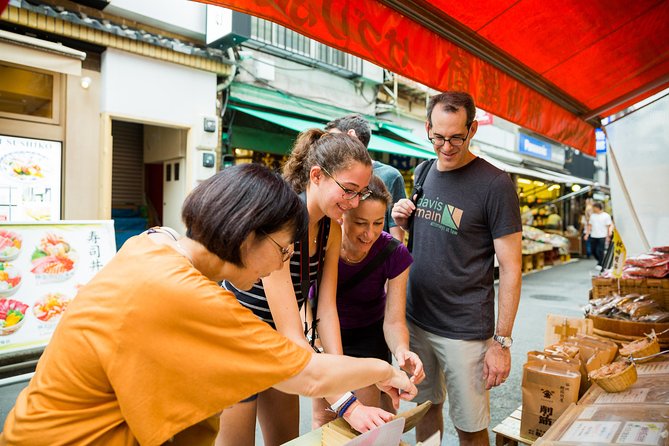
- The food is substantial: Expect Wagyu beef, fish cakes, Japanese omelet, seasonal fruit, and either sushi or a seafood bowl.
- The group stays small: Tours run for 2 to 8 people, which matters in narrow market lanes.
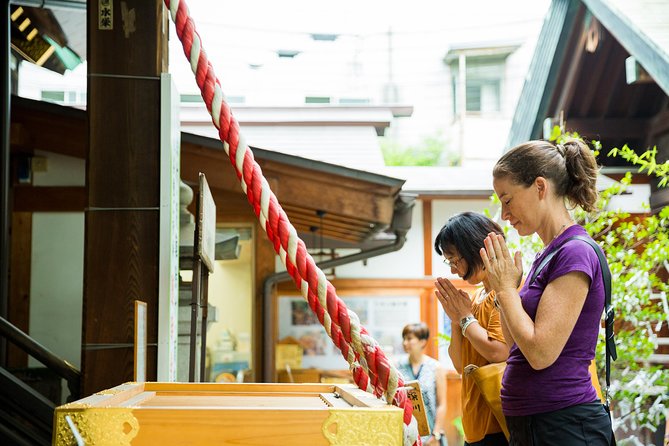
- The temple is part of the setting: You meet at Tsukiji Honganji Temple, and some guides explain its history and shrine etiquette before the food walk.
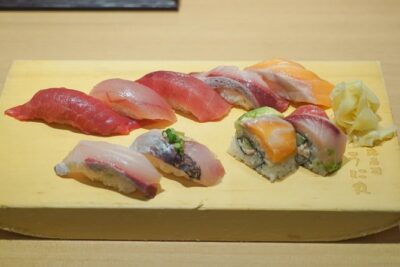
- The final meal changes: Depending on the day, you receive sushi or a fresh seafood bowl, sometimes with a fish-cutting demonstration.
- Market days matter: Wednesdays, Sundays, public holidays, and other closure days can mean fewer open shops and no omelet, fish cake, or fruit tasting.
- This suits omnivores who can walk: Vegetarian, vegan, halal, and gluten-free requests cannot be accommodated, and wheelchair access is not suitable.
Starting at Tsukiji Honganji Temple
Your meeting point is the main gate of Tsukiji Honganji Temple, a useful landmark beside the market. This is more than a place to gather. It gives the tour a cultural opening before you enter the food stalls.
Several guides use the temple to explain the area’s past and basic Japanese etiquette. You may learn how to perform the cleansing ritual properly and how the temple connects to the neighborhood. That small introduction helps you see Tsukiji as more than a place to buy raw fish.
The meeting point is also practical. Tsukiji can feel confusing when you first arrive, with lanes, signs, crowds, and stalls spilling into the street. Starting at a prominent temple gate takes some of the guesswork out of the morning. Still, arrive with time to spare. One booking account described missing the beginning after getting trains wrong, though the guide was able to help the person join later.
More Food Tours in Tokyo
- Tokyo: Shinjuku Food Tour (13 Dishes at 4 Local Eateries)
★ 5.0 · 6,603 reviews - Tokyo Tsukiji Fish Market Food and Culture Walking Tour
★ 5.0 · 3,184 reviews - Tokyo: Shinjuku Food Tour (15 Dishes and 4 Eateries)
★ 4.9 · 2,033 reviews
Finding your way through the Outer Market
The tour spends most of its time in Tsukiji’s famous Outer Market. The former inner wholesale market moved to Toyosu, but Tsukiji remains a working food district with seafood sellers, prepared-food counters, produce shops, kitchen goods, and small eateries.
Your guide leads you through the lanes instead of leaving you to choose between dozens of stalls. That is the real value here. You can look at unfamiliar seafood, unusual snacks, fruit, and tea without having to decode every menu or decide which queue is worth joining.
The pace is generally a relaxed walk, not a race from one sample to the next. Guides stop to explain ingredients, food customs, and the role of Tsukiji in Tokyo’s restaurant trade. Some tours also include a look at the wholesale fish area when access and operating hours allow. Do not assume every part of the market will be open on every date.
The market is often crowded, especially on weekend mornings. Rain makes things harder, since umbrellas, narrow lanes, and passing shoppers can make it difficult to hear. A small group helps, but you should still stay close to the guide and expect some shoulder-to-shoulder walking.
The first tastings: Wagyu, tamagoyaki, and fish cakes
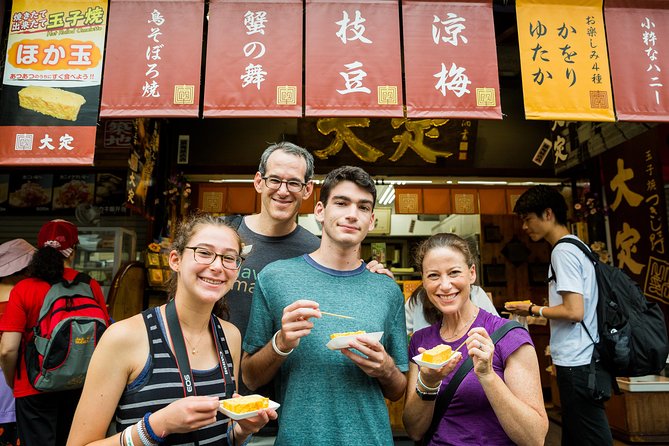
The food is served in stages, so you are not simply handed one meal at the end. The exact order can change, but the included menu features high-grade Wagyu beef skewers, fresh fish, Japanese omelet, seasonal fruit, and fried fish cake.
The Wagyu is usually the most memorable bite. It gives the tour a welcome change from the seafood around you, and several people have singled it out as the best food of the morning. If you like it, you may have time to return after the tour and buy another skewer, though any extra purchases are your responsibility.
Japanese omelet, or tamagoyaki, offers a different lesson in texture and technique. It is softly layered and lightly sweet compared with the omelets most people know at home. Fish cake shows another side of Japanese market food, something quick and portable rather than a formal restaurant dish.
Seasonal fruit is included when the relevant shops are open. The fruit stalls can be as interesting as the seafood counters, especially if you want to see how carefully produce is presented and sold in Japan. On Wednesdays, Sundays, and other market closure days, the omelet, fish cake, and fruit may not be available because the shops are closed.
The middle part of the tasting menu is less fixed than the advertised highlights. You might find squid, sea urchin, oysters, matcha ice cream, or other snacks available for purchase, but these are not guaranteed inclusions. Bring some cash or a payment method for extras, and do not expect every optional item to be covered by the tour price.
The final sushi or seafood bowl
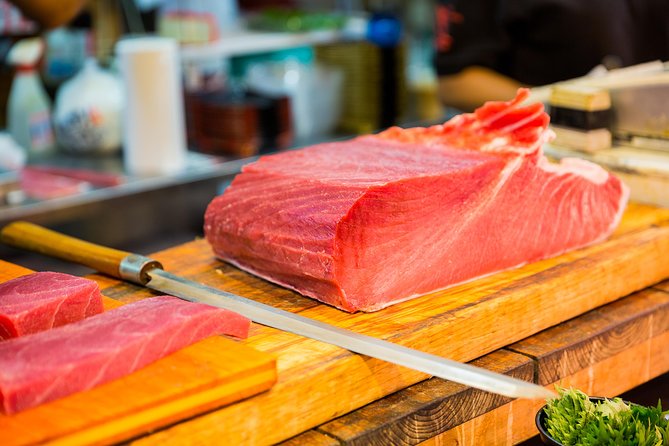
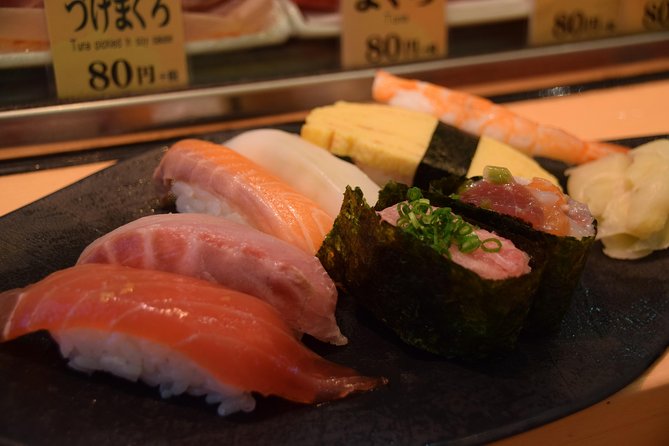
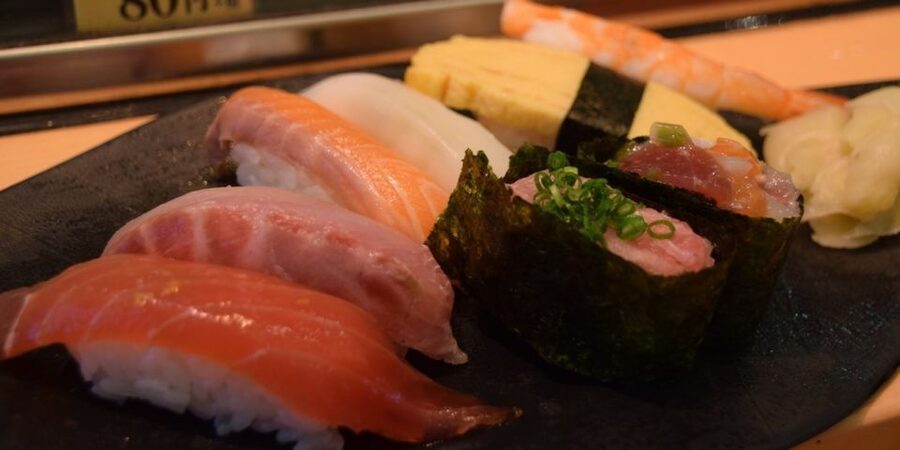
The walk finishes with a more complete serving of fish. Depending on the day, you receive sushi or a seafood bowl. This is a useful finish because the earlier tastings are mostly small bites, even though the total amount of food can be enough to replace breakfast.
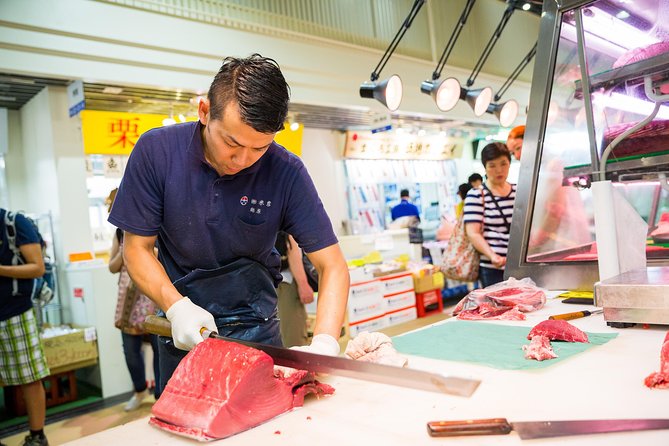
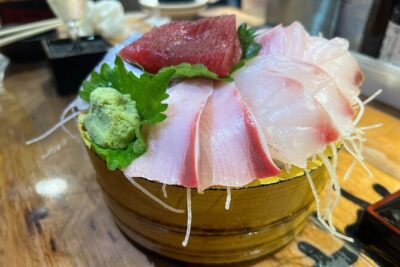
Some groups receive a sashimi bowl after watching a chef prepare the fish. A demonstration may show how the fish is cut and arranged before your bowl arrives. That gives the final stop a little theater, but it also explains why freshness, knife work, and presentation matter in Japanese seafood cooking.
The exact meal is not guaranteed to be the same every time. The choice between sushi and a seafood bowl depends on the day, and if a restaurant closes unexpectedly, an alternative meal is provided. That flexibility is sensible in a working market, but it means you should not book solely for one precise dish.
One practical point: the advertised menu does not include meals for infants. Alcohol is not listed as included. One person felt that sake or beer should not have been an extra charge, so ask your guide before ordering drinks if you want to avoid surprises.
More seafood tours in Tokyo:
- Tokyo: Tsukiji Fish Market Food and Walking tour
★ 5.0 · 1,724 reviews - Tokyo: Tsukiji Fish Market Guided Walking Tour
★ 4.9 · 1,397 reviews - Tsukiji Fish Market: Street Food & Culture Walking Tour
★ 5.0 · 669 reviews - Tsukiji Fish Market Small-Group Food Walking Tour
★ 5.0 · 621 reviews
What the guide adds to the experience
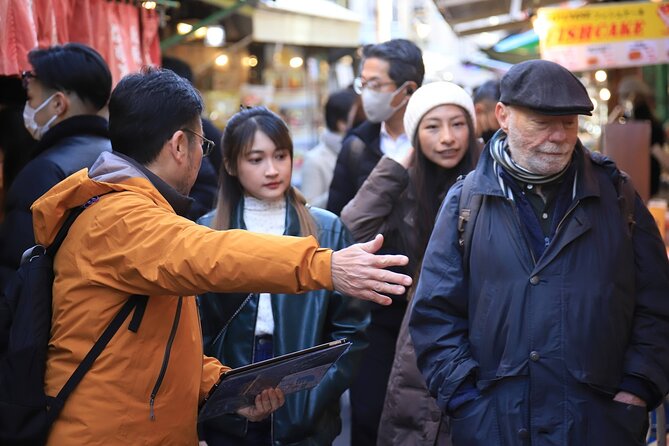
You can walk through Tsukiji on your own, but the guide is what makes this activity more than a snack crawl. A good guide explains what you are eating, shows you how to behave around vendors, and helps you avoid buying the first attractive item you see.
The strongest guide comments focus on warmth, clear English, and local context. Shun has been praised for combining food knowledge with a friendly manner, while Nazu has been noted for explaining both market history and food choices. Miki, Robert, Luna, Yuki, Yoshiko, and several other guides have also received strong praise for making the tour easy and personal.
Your guide may help you choose tea to take home, point out a stall you would miss alone, or answer questions about the market’s changing role. One guide even helped with recommendations after the tour. These small touches matter because Tsukiji is full of tempting purchases, but not every stall is equally easy to understand.
The history talk varies by guide. Some people receive a detailed explanation of the inner and outer markets and the evolution of the area. Others find the history lighter than expected and prefer the food focus. If you want a serious lecture on Tokyo’s fish trade, this may feel too casual. If you want useful context while eating, the balance works well.
Is $96 a fair price?
At $96 per person, this is not a cheap breakfast. You are paying for more than the food itself: an English-speaking local guide, route planning, introductions to vendors, cultural explanation, and a small group that can move through a difficult market.
The value is strongest for a first visit to Tokyo. You avoid spending your first hour wondering what to order, how to eat something unfamiliar, or which stall is legitimate and open. You also get several tastings plus a final sushi or seafood bowl, so you are unlikely to leave hungry.
The value is weaker if you already know Tsukiji well or prefer to browse alone. You could spend less by choosing a few stalls yourself, though you would give up the explanations and the confidence that comes with a local guide. Optional purchases and drinks can also push up the final cost.
I would compare this with the price of a guided food tour elsewhere in Tokyo, then ask what you want from Tsukiji. If your goal is a structured introduction with a meal, $96 is reasonable. If you mainly want one famous Wagyu skewer and a seafood bowl, visiting independently may make more sense.
Timing, crowds, and market closures
The tour lasts three hours and has several starting times, subject to availability. Morning is a natural choice because the market’s food activity is strongest earlier in the day, but an early start can also mean heavier crowds.
A Saturday morning at 8:30 has been described as very crowded, with rain making the lanes harder to manage. If your schedule allows, a weekday is a better bet for easier movement. Do not assume every weekday is equally good, though, since Wednesday closures affect several included tastings.
The market is closed on Wednesdays, Sundays, and other stated closure days for the fish wholesalers. Some outdoor shops may also close on public holidays. The tour can still run, but the experience will be reduced, and the advertised omelet, fish cake, and fruit may not be available.
Check the date carefully before paying. The booking terms allow cancellation up to 24 hours before the start for a full refund, and you can reserve now and pay later. Those policies help if your Tokyo plans are still shifting, but they do not change the market’s opening schedule.
Who should book this food walk?
I would choose this tour for a first-time Tokyo visitor who wants an easy introduction to Japanese market food. It also suits solo visitors and couples who would rather have a local person guide them through crowded lanes than make every decision alone.
It works well for curious eaters who want both small snacks and a proper fish-based finish. The Wagyu skewer adds variety, while the sushi or seafood bowl gives the morning a clear ending.
Families can join if everyone is comfortable walking and eating market food, but the tour is not designed for infants’ meals. It is also a poor fit for vegans, vegetarians, and anyone requiring halal or gluten-free food. The operator cannot accommodate those requests.
You should also reconsider it if you have a mobility impairment or use a wheelchair. The tour includes a moderate amount of walking through crowded market areas, and the experience is not suitable for wheelchair users.
Wear comfortable shoes and clothes. Bring a camera if you want to record the market’s details, but stay aware of vendors and other people in the narrow lanes. The minimum drinking age in Japan is 20, though alcohol is not central to the tour.
My take: book it for an informed first taste of Tsukiji
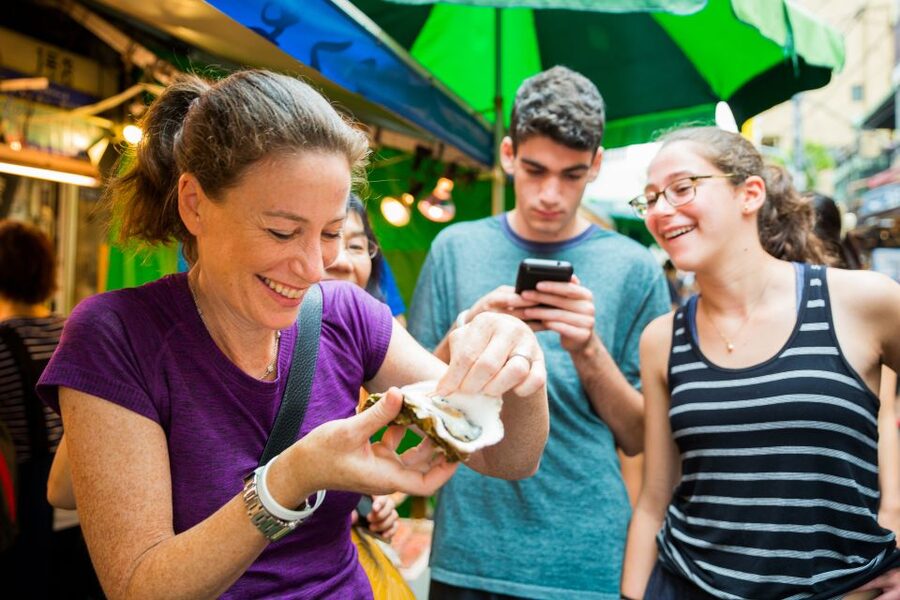
Book this tour if you want to taste widely, learn as you walk, and finish with sushi or a seafood bowl without having to plan every stop. The small group, strong guide roster, and generous food program make it a useful introduction to Tsukiji.
Skip it if you need vegetarian or allergen-friendly food, dislike crowds, or prefer a quiet, independent breakfast. Also avoid closure days if the full food selection matters to you.
For the best chance at the complete experience, choose an open market day, allow extra time to reach Tsukiji Honganji Temple, and keep part of your schedule free afterward. You may want to return to a stall, buy tea, or try something you spotted but could not fit into the three-hour route.
FAQ
How long does the Tsukiji food tour last?
The tour lasts three hours, including the guided market walk, food tastings, and the final sushi or seafood bowl.
Where does the tour meet?
You meet your English-speaking guide at the main gate of Tsukiji Honganji Temple.
What food is included?
The included menu features high-grade Wagyu beef skewers, a fresh fish bowl or sushi depending on the day, Japanese omelet, seasonal fruit, and fried fish cake.
Do I receive sushi or a seafood bowl?
You receive either sushi or a seafood bowl, depending on the day. If the planned restaurant closes unexpectedly, an alternative meal is provided.
Is the tour suitable for vegetarians or vegans?
No. Vegetarian and vegan requests cannot be accommodated. Halal and gluten-free requests also cannot be accommodated.
Does the tour run when the market is closed?
The tour may be scheduled on Wednesdays, Sundays, public holidays, and other market closure days, but some stalls will be closed. On those days, the Japanese omelet, fish cake, and fruit may not be served.
How large is the tour group?
The tour is operated as a small group for between 2 and 8 people.
Is the tour suitable for wheelchair users?
No. The activity involves a moderate amount of walking through the market and is not suitable for wheelchair users or people with mobility impairments.
More Shopping Tours in Tokyo
- Small Group Cooking Class & Market Food Tour in Florence
★ 5.0 · 1,574 reviews - Nishiki Market Brunch Walking Tour (7 Tastings + Brunch)
★ 5.0 · 1,355 reviews - Bologna Food & Market Tour with 6 Tastings, Pasta, Wines & More
★ 5.0 · 1,328 reviews - Seoul Street Food Market Tour
★ 5.0 · 1,226 reviews
More Market Food Tours in Tokyo
- Bangkok by Night: Temples, Markets and Food Tuk-Tuk Tour
★ 5.0 · 3,752 reviews - Chef Guided Food Tour of Pike Place Market
★ 5.0 · 3,733 reviews - Bangkok: Markets, Temples and Food Night Tour by Tuk Tuk
★ 4.9 · 2,371 reviews - London Bridge & Borough Market Food Tour with 7 Authentic Dishes
★ 5.0 · 1,972 reviews
Just added around Tokyo
- Eat/Drink like a LOCAL-Taverns & Ramen★ 4.9 · 23 reviews
- [1 Group Only] Tokyo Shinjuku Food Tour for Family★ 4.9 · 49 reviews
- Tokyo After 5: Authentic Japanese Food & Drink Night Tour★ 4.5 · 560 reviews
- Best of Shibuya Food Tour★ 5.0 · 612 reviews
- Tsukiji Fish Market Small-Group Food Walking Tour★ 5.0 · 621 reviews
- Tsukiji Fish Market: Street Food & Culture Walking Tour★ 5.0 · 669 reviews
- Tokyo: Shibuya Food Tour (13 dishes and 4 Eateries)★ 5.0 · 770 reviews
- Eat and Drink Like a Local: Tokyo Ueno Food Tour-Taverns&Ramen★ 5.0 · 957 reviews
Food Tours in Tokyo, compared.
Shinjuku Food Tour (13 Dishes at 4 Local Eateries)
Read our review →
Tokyo Tsukiji Fish Market Food and Culture Walking Tour
Read our review →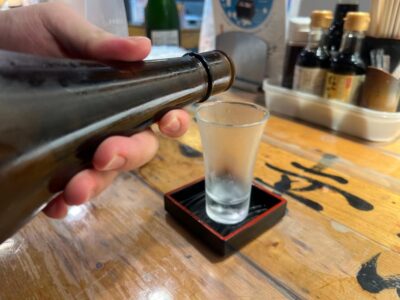
Shinjuku Food Tour (15 Dishes and 4 Eateries)
Read our review →
Best of Shinjuku: Izakaya Food Tour (4 Stops, 14+ Tastings)
Read our review →
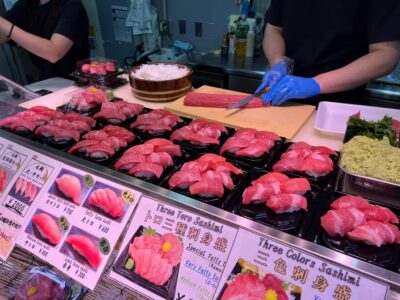
Tokyo Night Foodie Tour in Shinjuku – Seasonal Sushi, Wagyu Beef
Read our review →
Eat and Drink Like a Local: Tokyo Ueno Food Tour-Taverns&Ramen
Read our review →Browse the lists this tour appears in