
REVIEW · TOKYO
Tokyo After 5: Authentic Japanese Food & Drink Night Tour
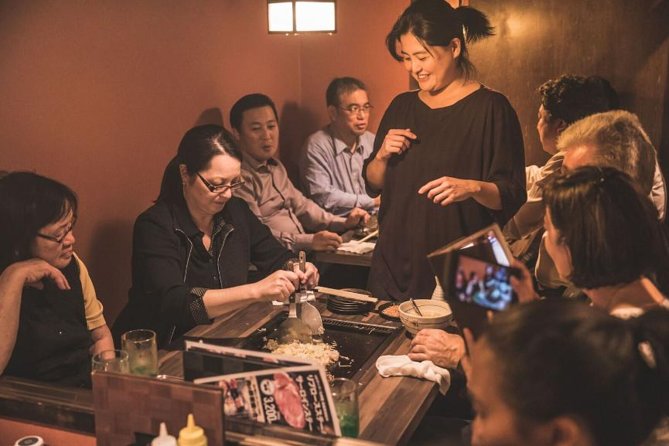
Tokyo After 5 is built around a very Tokyo idea: good food is often found in small places that are easy to miss. You begin beneath Ginza’s bright department-store lights, then trade polished avenues for a monjayaki grill and the cramped, lively bars of Yurakucho. Cooking your own monjayaki is the evening’s most unusual stop.
I like the small group, capped at eight, and the practical help of an English-speaking guide who handles menus, subway transfers, and local food customs. I also like the mix of foods: wagashi, monjayaki, and yakitori give you three very different tastes of Tokyo. The main caution is that this may feel more like a food-and-neighborhood sampler than a full dinner, and some departures visit only two restaurant venues despite the three food tastings described.
Key points to know before you book
- Monjayaki is the evening’s hands-on highlight: You cook this soft Tokyo pancake on a hot table grill in Tsukishima.
- The route covers three distinct settings: Start in department-store Ginza, continue to Monja Street, and finish in Yurakucho’s yakitori alley.
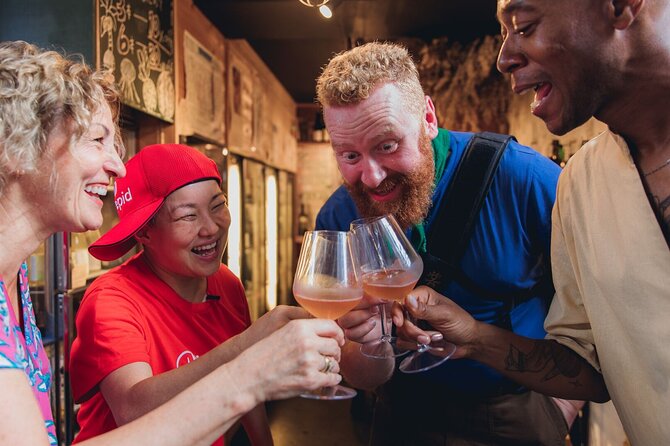
- Two drinks are included: You may receive sake, beer, or a soft drink, depending on age and preference.
- The group stays small: A maximum of eight people makes subway travel and restaurant seating easier.
- Expect a snack-style meal: Food portions and dishes vary, and yakitori may include less familiar cuts such as cartilage.
- Guide quality matters: Past guide names praised for warmth and clear help include Yuko, Mizuki, Shohei, and Rocky, but the assigned guide is not guaranteed.
Ginza after 5 pm, with a sweet start
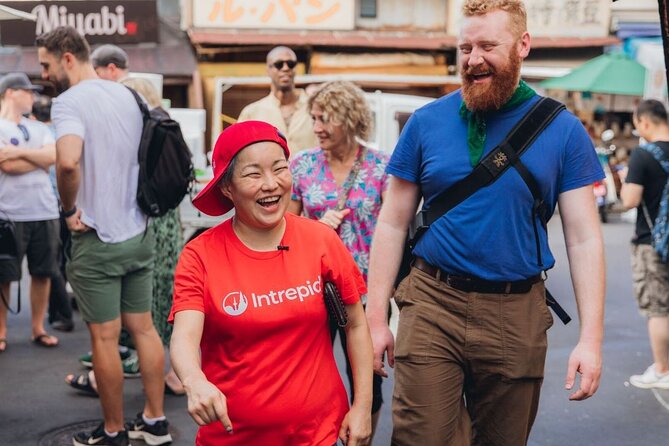
Meet at the Lion statue outside Mitsukoshi Ginza at 5 pm. This is a precise meeting point, but Ginza Station and the department store sit in a busy part of central Tokyo, so give yourself extra time. The tour starts on schedule, and arriving late could mean chasing the group through one of Tokyo’s busiest districts.
The opening stop takes place around Mitsukoshi Ginza and nearby Ginza streets. You may see wagashi, traditional Japanese sweets, either as a tasting or a small selection bought from the department store. Wagashi are often delicate in appearance and less sugary than many Western desserts, with flavors and textures linked to beans, rice, or seasonal ingredients.
A short walk through Ginza follows. The district is known for grand stores, polished buildings, bright signs, and a high-end feel. Your guide may also stop at Itoya, the famous stationery store. This is an interesting side visit if you enjoy Japanese design and everyday objects, but it is not a major food stop. If you are hungry at the beginning, the department-store portion can feel light.
One unusual possibility is a brief look at small plants growing under artificial light in a department-store setting. That stop has not worked for everyone, especially when the group is eager to eat. Keep your expectations clear: the early Ginza section is part of the city orientation, not a long tasting session.
More Food Tours in Tokyo
- Tokyo: Shinjuku Food Tour (13 Dishes at 4 Local Eateries)
★ 5.0 · 6,603 reviews - Tokyo Tsukiji Fish Market Food and Culture Walking Tour
★ 5.0 · 3,184 reviews - Tokyo: Shinjuku Food Tour (15 Dishes and 4 Eateries)
★ 4.9 · 2,033 reviews
Tsukishima Monja Street and the table grill
The tour then uses the subway to reach Tsukishima, a downtown area associated with monjayaki. Two subway tickets are included, which saves you from sorting out fares while following a group through the city. The guide also helps with station changes and keeps the transfer less stressful for anyone new to Tokyo’s rail system.
Monjayaki is a Tokyo specialty that looks quite different from the thick, sliceable pancakes many people associate with okonomiyaki. The mixture is loose and soft, with cabbage and other ingredients cooked directly on a hot griddle. You use a small spatula to work at the crisp edges and eat it from the grill.
This is the most participatory part of the night. You hear the batter sizzle, watch the chef prepare it, and take part in cooking at the table. It is also a good chance to ask how the dish developed and why it is linked so closely with Tsukishima.
Do not arrive expecting a large, polished restaurant meal. The monjayaki serving can be modest, with cabbage and seafood such as shrimp or mussels. The texture is soft and slightly sticky, which can be a surprise if you are expecting a firm pancake. I would approach it as a local specialty and a shared cooking experience, not as the main course of a three-course dinner.
Some food preferences need careful thought here. The tour does not offer vegetarian, vegan, or gluten-free options, and the establishments cannot meet every dietary requirement. If you have a serious allergy or strict diet, this is not the right tour to book without written confirmation from the operator.
Yurakucho’s yakitori alley after dark
The final food area is Yurakucho Sanchoku Inshokugai, often called Yurakucho’s Farm to Table Dining Alley or Yakitori Alley. This setting is a sharp contrast to Ginza’s department stores. The restaurants are small, close together, and focused on grilled skewers, drinks, and the after-work crowd.
Here you receive yakitori and one of the included drinks, such as beer or sake. Each restaurant may use its own tare sauce, so the same basic idea can taste different from one place to the next. Yakitori is often associated with chicken, but the exact skewers can vary. Do not assume every visit includes the familiar thigh or breast meat. One possible skewer is chicken cartilage, and some diners may find certain pieces less appealing or prefer meat cooked more thoroughly.
The atmosphere is a major part of this stop. You are not simply eating a skewer at a quiet restaurant. You are seeing a Tokyo evening custom in action, with local office workers stopping for food and a drink after work. The narrow setting and casual service can be more memorable than a formal restaurant.
The included drinks are limited to two for the full tour, not two at every stop. Additional drinks can be purchased, but they are not included in the $122.33 price. Anyone under 20 receives non-alcoholic drinks because the legal drinking age in Tokyo is 20. The minimum age for the tour itself is 12.
The tour ends at Ginza Station, not at the final restaurant. You may be able to remain at the bar after the formal tour ends, or use the station as a starting point for more of Tokyo’s nightlife. That flexible finish is useful, especially if you want to continue the evening.
How much food do you actually get?
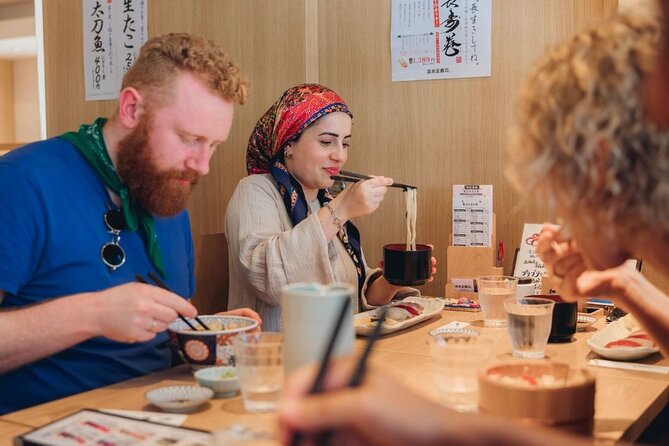
The tour includes three local foods: wagashi, monjayaki, and yakitori. That sounds like a complete meal, but the portions and order of service make this closer to a guided tasting night than a guaranteed full dinner.
The sweets may arrive early and may be bought from a food department rather than prepared at a restaurant. Monjayaki provides the most substantial shared dish, while the yakitori stop adds skewers and small dishes. Some departures have included more than one small plate at the final izakaya, but the exact selection can change.
I recommend eating a light meal beforehand if you usually need a full dinner. Do not arrive stuffed, though, because the point is to sample foods you may not choose on your own. If you are adventurous with texture and cuts of meat, you will get more from the yakitori stop. If you prefer familiar chicken pieces and generous portions, the meal may feel less satisfying.
The advertised route describes three eateries, yet the practical experience can involve two main restaurant stops plus the wagashi tasting. That distinction matters. You are paying for food, drinks, local transport, and guided access to small neighborhood spots, not for three complete restaurant meals.
A few more food tours around Tokyo worth comparing
- Tokyo Night Foodie Tour in Shinjuku – Seasonal Sushi, Wagyu Beef
★ 5.0 · 1,161 reviews - Winner 2025 Florence Sunset Food & Wine Tour by Eating Europe
★ 5.0 · 5,015 reviews - Saigon By Night and Street Food By Motorbike | Opt: Ao Dai Riders
★ 5.0 · 4,066 reviews - Bangkok by Night: Temples, Markets and Food Tuk-Tuk Tour
★ 5.0 · 3,752 reviews
What the $122.33 price covers
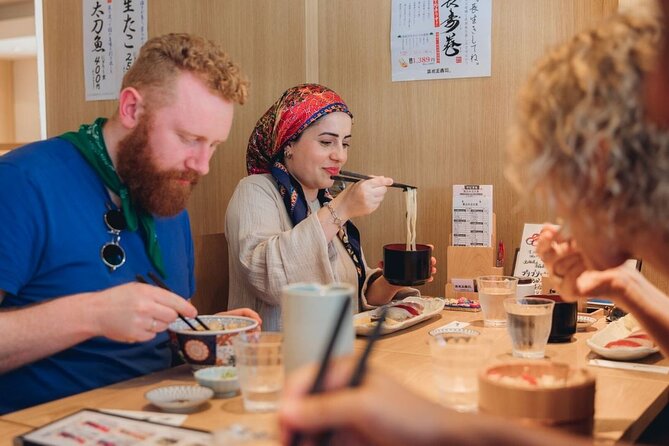
At $122.33 per person, this is not a budget food crawl. The value depends on what you want from an evening in Tokyo.
The fee includes three food tastings, two drinks, two subway tickets, and about three and a half hours with a guide. A small group of up to eight is another real benefit. In crowded Ginza and on the subway, having someone manage the route can save time and reduce the chance of getting separated.
The price also pays for context. A guide can explain the food, translate menus, show you how to use the grill, and point out local customs. Guides such as Yuko have been especially helpful with subway navigation and food explanations, while Mizuki has been praised for a warm, courteous approach. Shohei and Rocky have also been singled out for making the night friendly and enjoyable. These names show what a strong guide can add, but you cannot request a specific guide unless the operator confirms it.
The value weakens if you mainly want a large dinner. You could spend less by choosing your own izakaya and ordering directly, though you would lose the organized route and language help. I see the price as reasonable for a first evening in Tokyo if you value structure, but high if you already know the city’s food districts and want quantity.
Walking, stairs, and the pace of the night
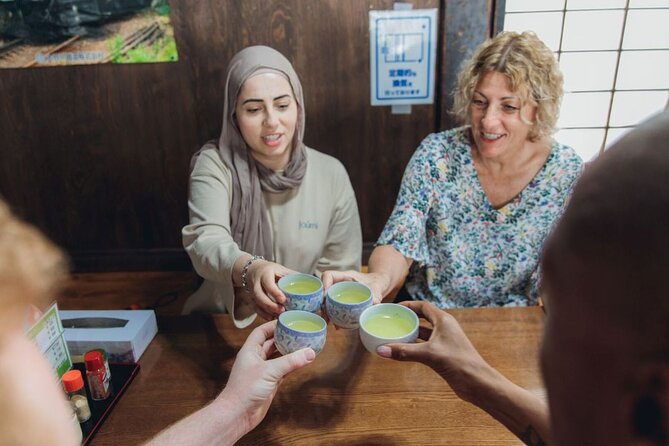
This is a walking tour with subway rides, not a sit-down food event. You walk through Ginza, transfer through stations, reach Tsukishima, and later move on to Yurakucho. Comfortable shoes are important.
Some parts of Tokyo’s rail system involve stairs, and the route can feel fast if the guide is moving ahead. Stay close to the group, especially at stations and crossings. The maximum group size helps, but eight people can still spread out in a crowded commercial district.
The tour lasts around three hours and 30 minutes. The listed timing gives about 15 minutes at Mitsukoshi Ginza, 15 minutes around Ginza, 90 minutes in Tsukishima, and 75 minutes in Yurakucho. That makes the food stops the center of the night, but the first part may feel slow if you are eager to eat and the transfers may feel long if you dislike walking.
The experience requires good weather. If poor weather cancels it, you are offered another date or a full refund. Free cancellation is available up to 24 hours before the start time. Changes or cancellations inside that 24-hour window are not accepted.
Who will enjoy this Tokyo food tour?
I would choose this tour for a first or early visit to Tokyo, especially if you want a guided introduction to local eating customs without spending an entire day on food. It suits solo visitors, couples, and small groups who like trying unfamiliar dishes and walking through neighborhoods after dark.
It also works well if you are nervous about ordering in small Japanese restaurants. Your guide can translate menus and explain what is being served. The subway rides become part of the lesson rather than a puzzle you must solve alone.
I would hesitate if you need vegetarian, vegan, or gluten-free food. I would also hesitate if you dislike seafood, unusual meat cuts, soft textures, or shared grill cooking. The tour is not designed around substitutions.
English ability can vary by guide. Many guides have offered clear explanations and friendly company, but a few departures have been less informative. If learning about Japanese food and culture is the main reason you are booking, it is worth confirming the guide language and asking what level of food explanation to expect.
Is Tokyo After 5 worth booking?
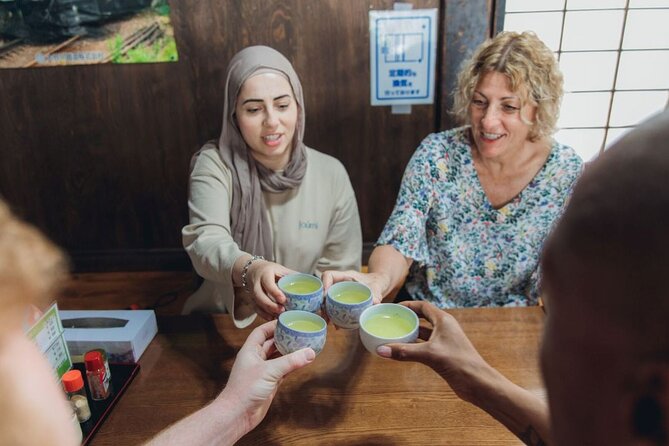
Book it if you want a small, organized night that combines Tokyo neighborhoods, subway travel, and local food. The monjayaki grill and Yurakucho alley give you experiences that are harder to arrange with a standard sightseeing pass, and two drinks plus transport make the fee easier to justify.
Skip it if you expect three full restaurant meals, a carefully controlled menu, or broad dietary flexibility. Come lightly hungry, wear good shoes, stay near your guide, and treat the night as a guided tasting rather than dinner at three restaurants. With that expectation, this can be a fun and useful first taste of Tokyo after dark.
FAQ
Where does the Tokyo After 5 tour begin?
The meeting point is Mitsukoshi Ginza, at 4-chōme-6-16 Ginza, Chuo City, Tokyo 104-8212, in front of the Lion statue facing Chuo Street.
Where does the tour end?
The tour ends at Ginza Station, at 4-chōme-1-2 Ginza, Chuo City, Tokyo 104-0061.
How long does the tour last?
The experience lasts approximately three hours and 30 minutes.
How many people can join the tour?
The maximum group size is eight people.
What food is included?
The tour includes wagashi, monjayaki, and yakitori. The exact yakitori selection can vary, and some skewers may include less familiar chicken cuts.
How many drinks are included?
Two local drinks are included. These may be sake, beer, or a soft drink. Additional drinks are available for purchase.
Can children join the tour?
The minimum age is 12. The legal drinking age in Tokyo is 20, so anyone under 20 receives non-alcoholic drinks.
Are vegetarian, vegan, or gluten-free options available?
No. The establishments visited cannot cater to vegetarian, vegan, or gluten-free requirements.
What happens if the weather is bad?
The experience requires good weather. If it is canceled because of poor weather, you can choose another date or receive a full refund.
Just added around Tokyo
- Eat/Drink like a LOCAL-Taverns & Ramen★ 4.9 · 23 reviews
- [1 Group Only] Tokyo Shinjuku Food Tour for Family★ 4.9 · 49 reviews
- Best of Shibuya Food Tour★ 5.0 · 612 reviews
- Tsukiji Fish Market Small-Group Food Walking Tour★ 5.0 · 621 reviews
- Tsukiji Fish Market: Street Food & Culture Walking Tour★ 5.0 · 669 reviews
- Tokyo: Tsukiji Fish Market Food and Culture Walking Tour★ 4.7 · 757 reviews
- Tokyo: Shibuya Food Tour (13 dishes and 4 Eateries)★ 5.0 · 770 reviews
- Eat and Drink Like a Local: Tokyo Ueno Food Tour-Taverns&Ramen★ 5.0 · 957 reviews
Food Tours in Tokyo, compared.
Shinjuku Food Tour (13 Dishes at 4 Local Eateries)
Read our review →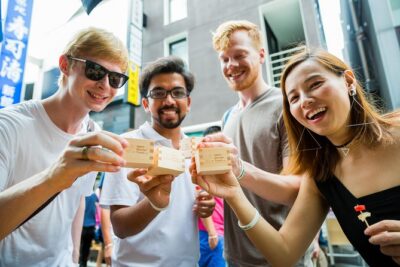
Tokyo Tsukiji Fish Market Food and Culture Walking Tour
Read our review →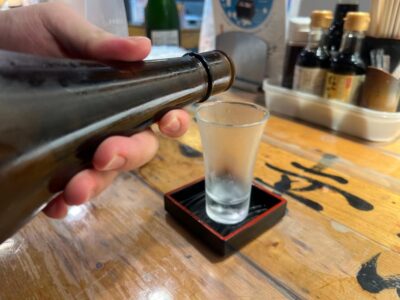
Shinjuku Food Tour (15 Dishes and 4 Eateries)
Read our review →
Best of Shinjuku: Izakaya Food Tour (4 Stops, 14+ Tastings)
Read our review →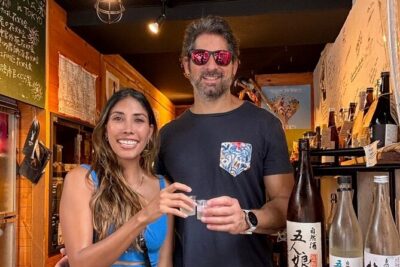
Tokyo Night Foodie Tour in Shinjuku – Seasonal Sushi, Wagyu Beef
Read our review →
Eat and Drink Like a Local: Tokyo Ueno Food Tour-Taverns&Ramen
Read our review →Browse the lists this tour appears in