
REVIEW · TOKYO
Tokyo: Shinjuku Food Tour (13 Dishes at 4 Local Eateries)
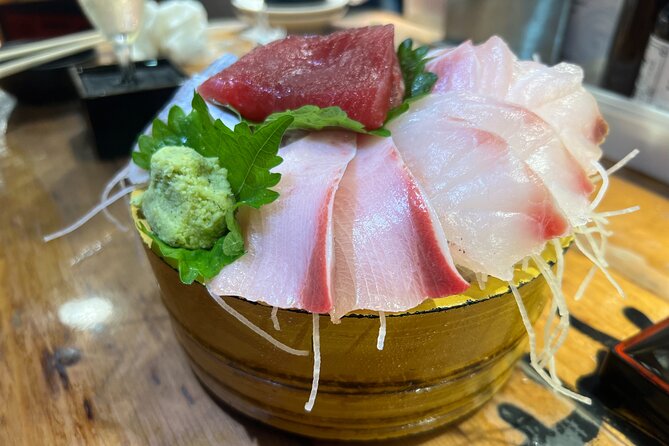
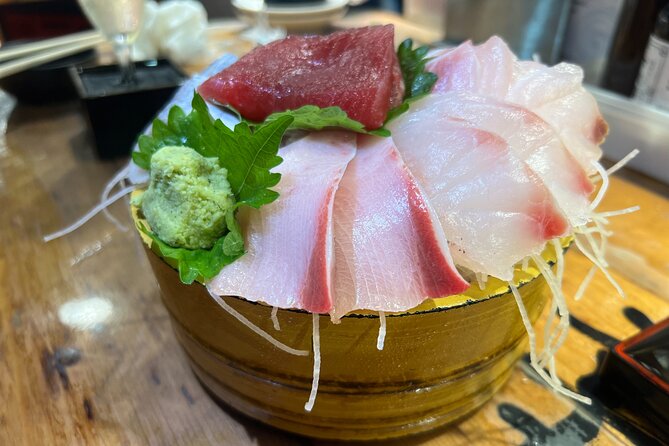
Shinjuku is easy to admire and surprisingly hard to eat well in. This three-hour walk cuts through the guesswork, taking you from the tiny lanes of Omoide Yokocho to Kabukicho and Golden Gai, with 13 Japanese dishes at four eateries along the way. You get food, two drinks, and a practical look at how these districts work.
I like the range of stops: a food stall, izakaya, traditional restaurant, and gastrobar give you more than one version of Tokyo dining. I also like the small maximum of 12 people, plus guides such as May, Hoshi, Igor, and Kei, who add ordering tips and suggestions for the rest of your time in Tokyo.
The main caution is that the guide and exact food experience can vary. Several guests praised the explanations and personal care, while others felt the food needed more context or found the group of 12 too large. Golden Gai may also be visited briefly or skipped, despite appearing in the route.
Key points at a glance
- Thirteen tastings are included: You do not stop to pay at each restaurant, and the food covers several Japanese dining styles.
- Three famous Shinjuku districts: Omoide Yokocho, Kabukicho, and Golden Gai give the walk a strong sense of place.
- Two drinks come with the tour: Alcoholic and nonalcoholic options are included.
- Four different food settings: Expect one stall, one izakaya, one traditional eatery, and one gastrobar.
- Small group format: The maximum is 12 people, useful in narrow lanes and compact restaurants.
- A useful first-night activity: You finish near the southeast exit of JR Shinjuku Station, with a better idea of where to eat next.
Why this Shinjuku food walk works well
The best reason to book this experience is simple: Shinjuku offers too many choices. You can spend an hour comparing restaurant signs, menus, and online ratings, or you can let a guide make the first round of decisions while you sample a broad spread of food.
That shortcut has real value, especially on a first visit to Tokyo. You are not just eating one large meal. You are trying small portions in several settings, moving through districts that can feel confusing after dark, and learning how the neighborhood changes from one block to the next.
The three-hour length is also well judged. It is long enough for a full evening of food without taking over your day. The walk is active, but the purpose is not sightseeing at a forced pace. You move between stops, sit down for parts of the meal, and pause for local stories.
I would book this early in a Tokyo stay. You can use the guide’s restaurant suggestions later, and the route helps you get your bearings before returning to Shinjuku on your own.
More Food Tours in Tokyo
- Tokyo Tsukiji Fish Market Food and Culture Walking Tour
★ 5.0 · 3,184 reviews - Tokyo: Shinjuku Food Tour (15 Dishes and 4 Eateries)
★ 4.9 · 2,033 reviews - Best of Shinjuku: Izakaya Food Tour (4 Stops, 14+ Tastings)
★ 5.0 · 1,863 reviews
Starting near Shinjuku Station
The meeting point is at AOKI Shinjukunishiguchi Honten, at 1-chome-8-5 Nishishinjuku. That location is near the west side of Shinjuku Station, one of Tokyo’s largest rail hubs, so allow time to find the correct exit and street.
This matters more than it sounds. Shinjuku Station is vast, and arriving at the wrong side can turn a short walk into a tiring trek. The tour confirmation gives the meeting point, so check it before setting out and keep the mobile ticket ready.
The tour ends near the southeast exit of JR Shinjuku Station. If you prefer to return to the Starbucks meeting point, the guide can escort you back. That is useful if the station feels like a maze or if you are staying on the west side.
The group maximum is 12 people. That is not a private tour, but it is a reasonable size for narrow alleys and small restaurants. Still, one person specifically felt that 12 was too many for the experience, so do not expect the intimacy of a two-person food crawl.
Omoide Yokocho and its tiny eateries
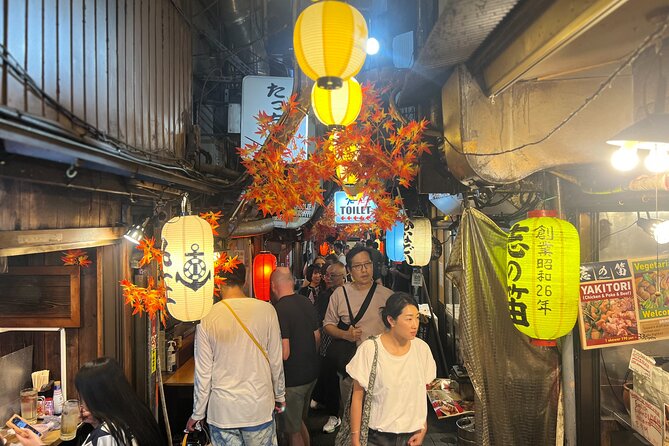
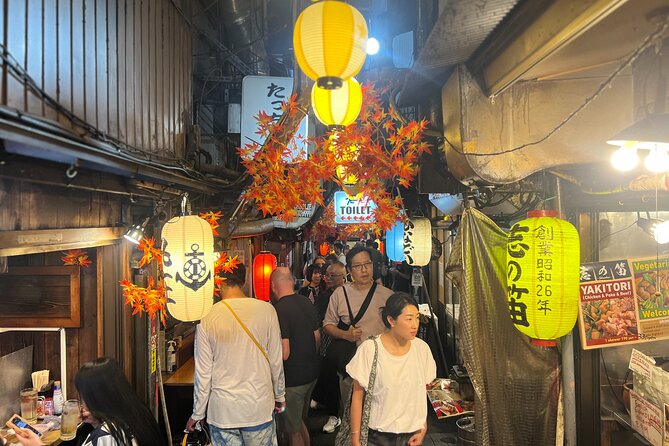
The first major stop is Omoide Yokocho, a tight collection of lanes lined with small izakayas and food stalls. The setting is part of the meal. These are compact places built for quick eating, conversation, and a close look at everyday Tokyo dining.
A guide is particularly helpful here because the lanes can feel crowded and the restaurants are small. You might not feel confident choosing a place or ordering from a short Japanese menu on your own. With the tour, the food is arranged in advance and you can focus on tasting and watching the neighborhood.
This is also where expectations matter. Omoide Yokocho is atmospheric, but it is not a polished restaurant district. You may find close seating, quick service, and dishes that arrive without a long explanation. One poor experience described raw food being placed on the table without enough instruction. If you want a detailed explanation of every ingredient, make a point of asking your guide.
The food selection is meant to be varied rather than centered on one signature dish. Depending on the evening and guide, you might encounter familiar Japanese comfort food alongside something less expected. One participant tried snails for the first time on the tour, which gives you an idea of the occasional adventurous edge.
Kabukicho, food, and Tokyo nightlife
From Omoide Yokocho, the walk continues into Kabukicho, Tokyo’s best-known entertainment district. Your guide explains the area’s different establishments and takes you to a traditional Japanese restaurant.
Kabukicho is useful context for a food tour because the neighborhood is not simply a dining zone. Restaurants, bars, entertainment venues, and large signs all compete for attention. A guide can explain the basic shape of the district and point out what you are seeing instead of leaving you to decode it alone.
The restaurant stop gives the evening a more settled meal. You may sit down, share several dishes, and learn how the food fits into Japanese dining customs. Katsuya pork was singled out as a memorable dish by one participant, along with the fact that the restaurant was presented as the oldest of its kind. Specific food choices can change, but the stop is designed to show a different setting from the narrow-lane eateries.
Several guides also add small sights during the walk. Kei was praised for including the giant 3-D cat, Godzilla on a building, and the red-light district while keeping the group moving. Those extras are not the main promise of the tour, but they make the route feel more connected to modern Shinjuku.
A few more food tours around Tokyo worth comparing
- Tokyo: Tsukiji Fish Market Food and Walking tour
★ 5.0 · 1,724 reviews - Tokyo Night Foodie Tour in Shinjuku – Seasonal Sushi, Wagyu Beef
★ 5.0 · 1,161 reviews - Eat and Drink Like a Local: Tokyo Ueno Food Tour-Taverns&Ramen
★ 5.0 · 957 reviews - Tokyo: Shibuya Food Tour (13 dishes and 4 Eateries)
★ 5.0 · 770 reviews
Golden Gai and the limits of the advertised route
Golden Gai is known for its narrow alleys and more than 200 tiny bars. Its postwar architecture gives you one of the clearest remaining glimpses of old Tokyo within central Shinjuku.
A walk through the area can be fascinating even if you are not entering the bars. The lanes are so small and the buildings so compact that the district feels unlike the broad station streets nearby. Your guide can explain how the nightlife area developed and how its tiny venues differ from larger entertainment businesses in Kabukicho.
There is one important qualification. The route identifies Golden Gai as a stop, but one participant said the group did not go there. That means the actual route can shift, perhaps because of timing, restaurant schedules, or conditions on the evening. If Golden Gai is a must-see for you, ask the guide at the start how much time will be spent there.
Do not book this solely as a Golden Gai bar tour. The included food and the broader Shinjuku walk are the core of the experience. Golden Gai is a useful part of the route when it happens, but the tour does not promise bar entry or a long stay inside the district.
Four eateries and 13 dishes
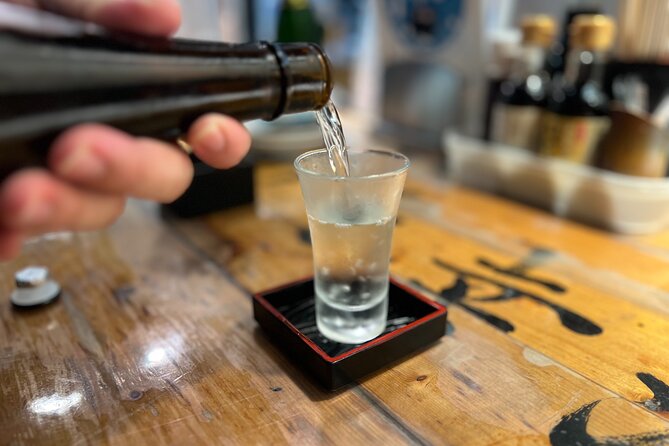
The food plan is the heart of the experience. You visit four different types of places:
- One food stall
- One izakaya
- One traditional Japanese eatery
- One gastrobar
That range helps you compare the mood and format of each place. Some food is eaten seated inside, while other tastings may be served on the street. One description of the route included tonkotsu at one stop and taiyaki as dessert at another, with four venues visited in total.
The 13 dishes are included in the price, so you do not need to manage separate payments during the walk. That makes the evening easy, particularly when the group is sharing food or moving quickly between venues.
The selection is not meant to be a formal tasting menu. It is closer to a guided introduction to neighborhood eating. You may taste several small items, learn what they are, and decide what deserves a return visit later.
This is where the guide can make or break the experience. May was praised for choosing fun places and good food. Hoshi was praised for explaining Japanese food and culture in clear English. Igor received strong praise for explaining the dishes and districts, and Kei was especially attentive to preferences and dietary restrictions. Those examples show the best version of the tour: food arrives with a story, a suggestion for how to eat it, or a reason the stop matters.
The weaker version is less satisfying. Some people felt the guide did not explain enough about the dishes or the restaurants. If a plate arrives and you are unsure what it is, ask directly. You will get more from the meal if you ask about ingredients, local habits, and the recommended way to eat it.
Drinks, pacing, and how filling it is
Two complimentary drinks are included, with alcoholic and nonalcoholic choices. That is a pleasant addition rather than the main attraction. You can enjoy a drink with the food without building extra purchases into the evening.
Come hungry, but not desperately hungry. Thirteen dishes over three hours can add up, and several people found the tour filling. Portions are not described in detail, so the total amount may vary, but this is clearly more than a token sampling.
The pace combines walking and eating. You move between the three main districts, stop at four food locations, and spend time hearing about the area. One person with a leg injury said the pace remained manageable, while another noted that you should be prepared to walk enough to work off the food.
Comfortable shoes are a sensible choice. The tour is not presented as a strenuous hike, but Shinjuku involves station corridors, city streets, and narrow lanes. If you have mobility concerns, tell the guide early. Lloyd helped one mother coordinate taxis between stops so she could continue enjoying the restaurants, but that kind of assistance should be arranged rather than assumed.
What the $86.22 price gets you
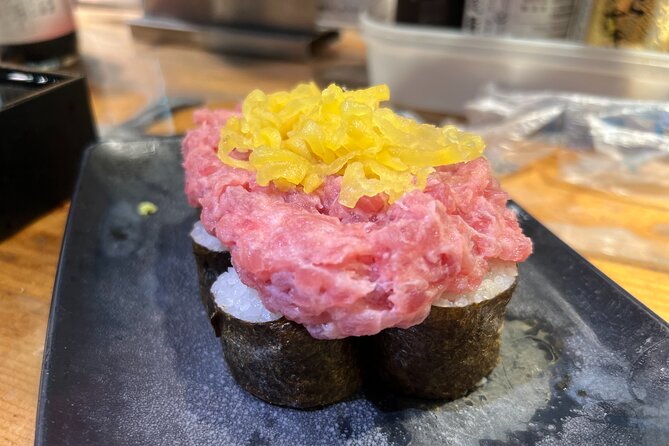
At $86.22 per person, this is not the cheapest way to eat in Shinjuku. You could buy individual meals for less, especially if you already know where to go and can order with confidence.
The price becomes easier to justify when you count what is included: a professional guide, 13 dishes, two drinks, four food settings, and a three-hour cultural walk. You are also paying for the time saved researching restaurants and the confidence of entering places you might otherwise pass by.
Value depends on your priorities. If you care most about quantity, a self-guided evening may cost less. If you want a broad introduction, local context, and a social group without arranging every meal yourself, the tour offers a fairer deal.
The high satisfaction score and 99 percent recommendation rate suggest that the experience works well for many people, but no food tour can guarantee that every dish will suit every palate. The occasional complaints about limited explanations and disappointing food are worth taking seriously. This is best seen as a guided introduction, not a guarantee of four perfect restaurants.
The guides make the difference
The guide names connected with this tour include May, Agathe, Mak, Emma, Nathan, Lloyd, Hoshi, Hina, Izzy, Kei, Paula, Elena, Ami, Igor, Shane, and Maya. That long list tells you the tour is run by a team rather than one fixed host, so your experience will depend in part on who leads your group.
The strongest guide style combines three jobs: keeping the group moving, explaining the food, and making Tokyo easier to understand. Hoshi was praised for excellent English and local advice. Elena was noted for explaining cultural background in an easy, engaging way. Nathan gave practical suggestions for the rest of a Tokyo stay.
Agathe’s group worked well for a solo visitor, who met other people and later made plans with them. That is one of the quiet benefits of a shared food walk. You sit down together, compare reactions, and may leave with new dinner companions.
If the guide is warm but light on explanations, the tour becomes a sequence of restaurant visits. If the guide adds context, the same restaurants become a lesson in Shinjuku’s food culture. Ask questions and tell the guide what you want to learn. That gives the evening a better chance of matching your interests.
Who should book this food tour?
I would recommend it to first-time Tokyo visitors who want a clear introduction to Shinjuku without spending their first evening guessing where to eat. It also suits solo visitors, couples, and small groups who like trying several dishes rather than ordering one large meal.
It is a good choice if you want:
- A planned food route with no separate payments at each stop
- A mix of familiar and unusual Japanese dishes
- A look at Omoide Yokocho, Kabukicho, and possibly Golden Gai
- Two included drinks
- A small shared group rather than a private guide
- Restaurant tips for the rest of your time in Tokyo
I would be more cautious if you want a quiet, high-end dinner, a fixed menu with guaranteed dishes, or a long and detailed explanation of every plate. The exact stops and guide style can vary, and the walk is not built around lingering at one restaurant.
Free cancellation is available up to 24 hours before the start time. Changes or cancellations inside that window are not accepted for a refund, so keep that deadline in mind when planning your Tokyo schedule.
Should you book it?
Book this tour if Shinjuku feels exciting but confusing, and you want a fast, filling introduction to its food streets. The combination of 13 tastings, four dining styles, two drinks, and local stories gives you plenty for three hours.
Skip it if you already have a carefully planned Shinjuku food list or if Golden Gai is the only reason you are interested. In that case, visit the district independently and spend the $86.22 on specific restaurants.
For most first-time visitors, I see this as a useful first or second-night activity. You get a social evening, a wide taste of Tokyo, and enough local guidance to make your next meal less intimidating.
FAQ
How long is the Shinjuku food tour?
The experience lasts approximately three hours.
How many dishes are included?
The tour includes 13 Japanese dishes at four eateries.
Are drinks included?
Yes. Two complimentary drinks are included, with alcoholic and nonalcoholic options.
What types of eateries are visited?
The food stops include one stall, one izakaya, one traditional Japanese eatery, and one gastrobar.
Which Shinjuku areas does the tour visit?
The route includes Omoide Yokocho, Kabukicho, and Shinjuku Golden Gai. The exact time spent at each area can vary.
Where does the tour start?
It starts at AOKI Shinjukunishiguchi Honten, at 1-chome-8-5 Nishishinjuku, Shinjuku City, Tokyo.
Where does the tour end?
The tour ends near the southeast exit of JR Shinjuku Station. You can ask the guide to escort you back to the Starbucks meeting point.
How many people can join the tour?
The maximum group size is 12 people.
What is the cancellation policy?
You can cancel at least 24 hours before the start time for a full refund. Cancellations or changes made less than 24 hours before the start time are not accepted for a refund.
Just added around Tokyo
- Eat/Drink like a LOCAL-Taverns & Ramen★ 4.9 · 23 reviews
- [1 Group Only] Tokyo Shinjuku Food Tour for Family★ 4.9 · 49 reviews
- Tokyo After 5: Authentic Japanese Food & Drink Night Tour★ 4.5 · 560 reviews
- Best of Shibuya Food Tour★ 5.0 · 612 reviews
- Tsukiji Fish Market Small-Group Food Walking Tour★ 5.0 · 621 reviews
- Tsukiji Fish Market: Street Food & Culture Walking Tour★ 5.0 · 669 reviews
- Tokyo: Shibuya Food Tour (13 dishes and 4 Eateries)★ 5.0 · 770 reviews
- Tokyo: Tsukiji Fish Market Food and Culture Walking Tour★ 4.7 · 757 reviews
Food Tours in Tokyo, compared.
Tokyo Tsukiji Fish Market Food and Culture Walking Tour
Read our review →
Shinjuku Food Tour (15 Dishes and 4 Eateries)
Read our review →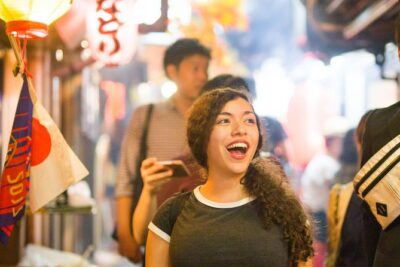
Best of Shinjuku: Izakaya Food Tour (4 Stops, 14+ Tastings)
Read our review →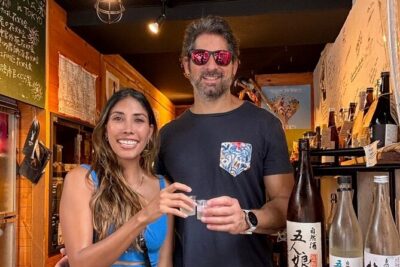
Tokyo Night Foodie Tour in Shinjuku – Seasonal Sushi, Wagyu Beef
Read our review →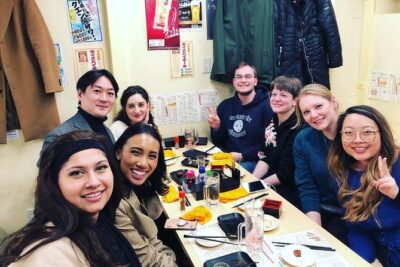
Eat and Drink Like a Local: Tokyo Ueno Food Tour-Taverns&Ramen
Read our review →
Browse the lists this tour appears in