
REVIEW · TOKYO
Tokyo: Wagyu and Sushi Gastronomic Journey
Tokyo’s best food lessons often happen in small rooms, not grand dining halls. This Shinjuku evening pairs carefully prepared sushi and Japanese Wagyu with a walk through Kabukicho, Omoide Yokocho, Hanazono Shrine, and Golden Gai. The food is the main event, while the streets give it context.
I like the small group of 10 or fewer, which should make it easier to ask questions and keep up in Shinjuku’s tight lanes. I also like the mix of two very different food experiences: delicate sushi and rich Wagyu beef. The main consideration is time. Three hours goes quickly, so this is a focused introduction rather than a full tour of Shinjuku’s food scene.
Key points at a glance
- Wagyu and sushi in one evening: Taste two of Japan’s most famous foods at separate venues.
- Shinjuku after dark: Walk through Kabukicho, see the Godzilla Head, and learn how the district shifts from daytime streets to nightlife.
- Omoide Yokocho: Pass through a narrow lane lined with tiny bars and places serving yakitori and Japanese comfort food.
- Hanazono Shrine: Enjoy a quieter pause among Shinjuku’s neon and crowds.
- Golden Gai finish: Explore a maze of more than 200 small bars shaped by Tokyo’s postwar drinking culture.
- Useful format: An English-speaking local guide leads the way, with dinner, drinks for those aged 20 and over, and two food venues included.
Why this Shinjuku food tour works
This experience is built around contrast. You begin near Nishishinjuku, then move into the bright signs and late-night energy of Kabukicho. From there, the route narrows into old-style lanes and small drinking districts. Food gives the evening a clear purpose, so you are not simply walking around looking at neon.
The tour also gives you a useful introduction to two major parts of Japanese dining. Wagyu lets you think about beef quality, marbling, regional differences, and cooking. Sushi shifts your attention to freshness, knife work, rice, seasonality, and restraint. Your guide explains what you are eating and helps turn an expensive meal into a more meaningful one.
At $154 per person, this is not a budget dinner. I would judge the price against what is included: a local guide, dinner, alcoholic drinks for participants aged 20 and above, two food stops, and a guided walk through several of Shinjuku’s best-known areas. If you already have restaurant plans and only want sightseeing, the price may feel high. If you want food, orientation, and nightlife in one compact evening, the value is easier to see.
The tour has earned a 4.3 rating from 24 published ratings, with especially strong praise for the Wagyu, sushi, and personal style of the guides. Emma, one guide named in the feedback, was described as warm and easy to talk with. Other comments repeatedly point to guides who explain each dish and add stories about dining in Tokyo. Guide quality matters here because the streets alone are easy to visit without paying for a tour.
More Food Tours in Tokyo
- Tokyo: Shinjuku Food Tour (13 Dishes at 4 Local Eateries)
★ 5.0 · 6,603 reviews - Tokyo Tsukiji Fish Market Food and Culture Walking Tour
★ 5.0 · 3,184 reviews - Tokyo: Shinjuku Food Tour (15 Dishes and 4 Eateries)
★ 4.9 · 2,033 reviews
Starting near Nishishinjuku
The meeting point is just in front of the 3rd Burger at 7-chōme-10-5 Nishishinjuku. You should arrive with enough time to find the spot, since the tour begins in a busy part of western Shinjuku and the group may move on promptly.
This is not a hotel pickup experience. You make your own way to the starting point, and transportation costs during the evening are not included. The stated range is about 200 to 800 yen, so keep some money available for local transport if your route requires it.
The small-group format is a real practical advantage. With no more than 10 people, you can hear explanations in narrow streets and ask about unfamiliar dishes without trying to attract a guide’s attention across a large crowd. It also helps when entering compact restaurants or bars, where space may be limited.
Kabukicho, Godzilla, and Shinjuku after dark
The Kabukicho section takes about 1.5 hours. This is the part of the evening that introduces you to Shinjuku’s famous entertainment district, with neon signs, restaurants, bars, and nightlife venues packed into a dense urban grid.
The Godzilla Head above the Shinjuku Toho Building is one of the route’s easy landmarks. It is a playful symbol of Tokyo pop culture and a useful reminder that Kabukicho is not only about drinking and dining. The district mixes movie culture, bright advertising, narrow streets, and a constant flow of people.
I would not expect a museum-style lesson here. The value comes from having a local guide point out what you are seeing and explain the district’s character as you walk. Shinjuku can feel confusing on a first visit, especially after sunset, and a guide helps you read the area rather than simply pass through it.
The drawback is that Kabukicho can be loud and crowded. You may need to stay close to the group, particularly around busy crossings and nightlife streets. This portion may feel less polished than a conventional sightseeing walk, but that is part of its appeal. You see a working entertainment district, not a staged attraction.
The quiet pause at Hanazono Shrine
Hanazono Shrine offers a sharp change of mood. After Kabukicho’s signs and traffic, the shrine provides a calmer place to consider traditional Japanese religious practice.
The information provided does not specify how long the group remains at the shrine, so think of it as one element of the walking route rather than a long formal shrine visit. Its value is in the contrast. You get a short break from the city’s noise and a glimpse of how older religious spaces remain part of central Tokyo.
I like this stop because it keeps the evening from becoming a simple parade of food and nightlife. You are reminded that Shinjuku has more than bars, restaurants, and bright screens. If you want a lengthy cultural lecture or detailed architectural tour, this experience may not go far enough. If you want a calm pause woven into a food walk, it earns its place.
More sushi and ramen crawls in Tokyo:
- Best of Shinjuku: Izakaya Food Tour (4 Stops, 14+ Tastings)
★ 5.0 · 1,863 reviews - Tokyo Night Foodie Tour in Shinjuku – Seasonal Sushi, Wagyu Beef
★ 5.0 · 1,161 reviews - Eat and Drink Like a Local: Tokyo Ueno Food Tour-Taverns&Ramen
★ 5.0 · 957 reviews - Tokyo: The Best of Izakaya in Shinjuku Food & Cultural Tour
★ 4.9 · 221 reviews
Omoide Yokocho and the feel of a tiny eatery
Omoide Yokocho is a narrow alleyway known for tiny bars and eateries. Yakitori and other Japanese comfort foods are associated with the lane, although the included dinner is specifically described as taking place at two distinct food venues focused on Wagyu and sushi.
That distinction matters. You should not assume every dish you see in Omoide Yokocho is part of your included meal. Some food descriptions are part of the neighborhood experience, while the dinner itself centers on the two main tastings.
The lane is valuable because it shows a more intimate side of Shinjuku. Small storefronts sit close together, and the scale is very different from a large restaurant or department-store food floor. You can see how Tokyo dining often works in compact spaces, with a few seats and a strong focus on the food in front of you.
Omoide Yokocho is also where you may appreciate having a guide. Tiny bars can be difficult to understand from the outside, and a local escort can explain the setting and keep the walk moving. Still, space is tight, so this may not suit you if you dislike close quarters or prefer a relaxed, spacious meal.
Wagyu explained beyond the price tag
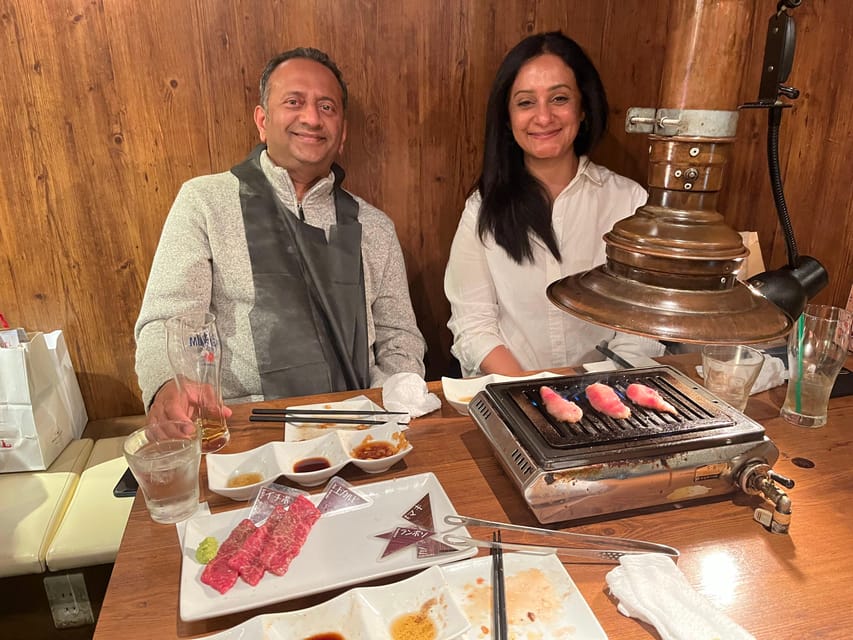
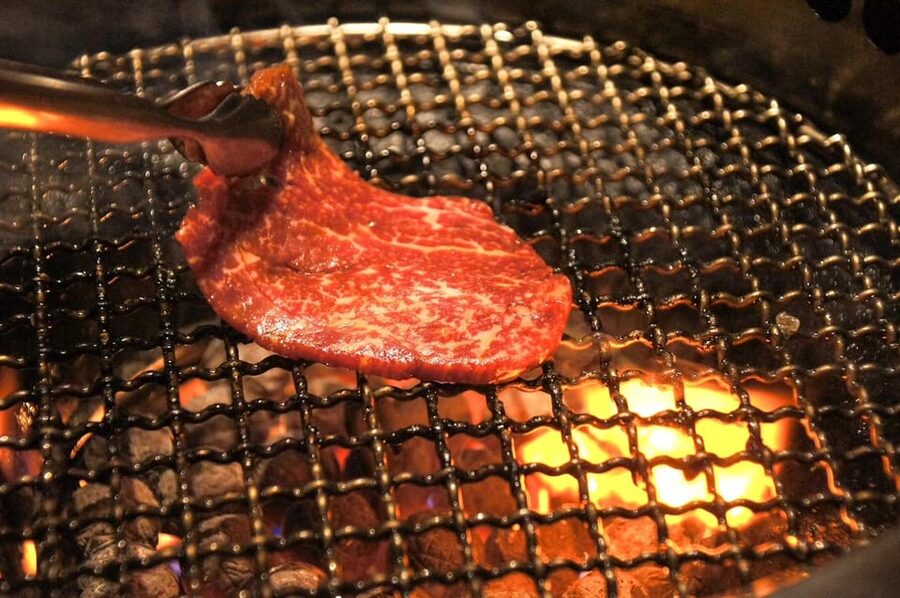
The Wagyu portion is one of the strongest reasons to book. You learn about the beef’s history, flavor, and regional variations rather than simply receiving a plate and a bill.
Wagyu is prized for its fat and texture, but the tour’s useful lesson is that the name covers more than one style. Regional differences affect how the beef is presented and understood. Your guide can connect those differences to the tasting, helping you notice flavor and mouthfeel instead of treating the meat as an expensive novelty.
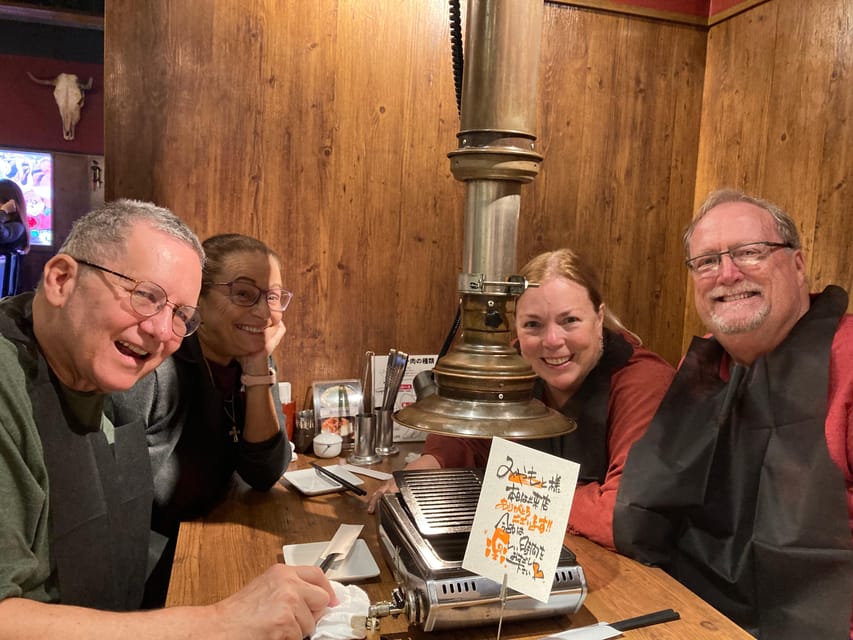
Several diners singled out the beef’s tenderness and described a first Japanese barbecue experience as a highlight. That suggests the Wagyu stop can work especially well if you have never tried high-grade Japanese beef. It also helps if you enjoy food explanations, since the guide gives the meal a story and a point of comparison.
Be realistic about the format. The supplied details do not state the exact cut, brand, number of pieces, or cooking method, so you should not book expecting a particular Wagyu label or a set quantity. The experience promises a Wagyu-focused dinner, not a technical butcher’s seminar.
Sushi with guidance instead of guesswork
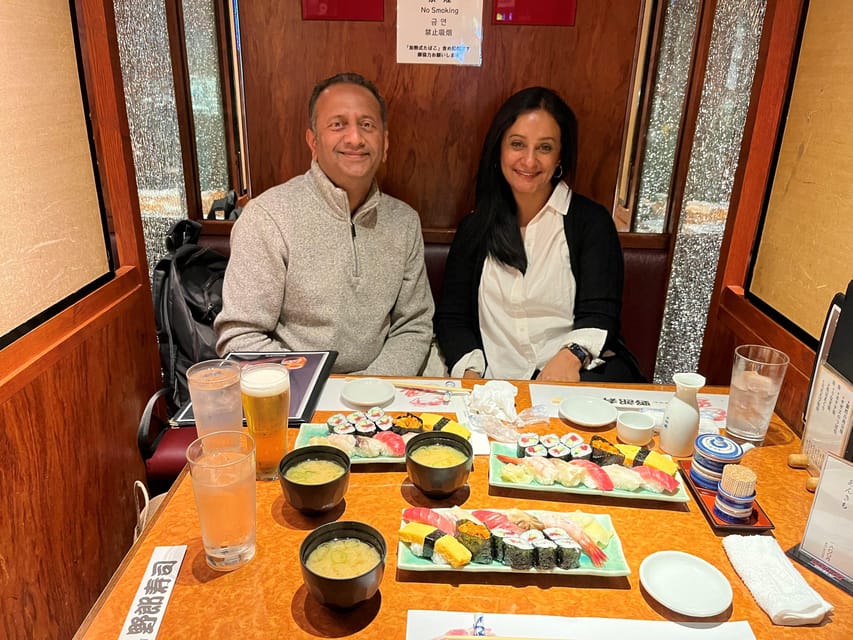
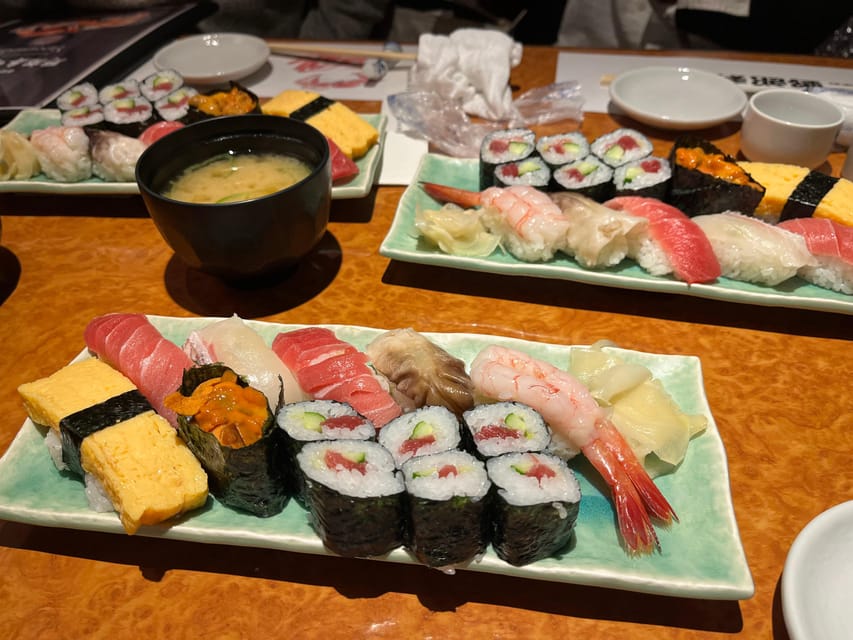
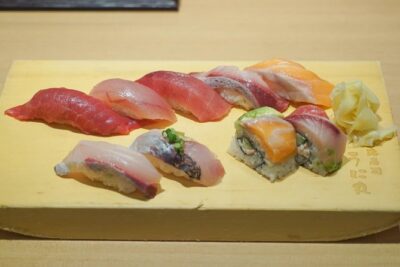
The sushi stop offers another kind of lesson. You watch chefs prepare delicate pieces with precise technique and seasonal ingredients, then receive guidance on what you are tasting.
Sushi can be intimidating when you are unfamiliar with Japanese dining customs or cannot identify the fish. An English-speaking guide gives you a way into the meal. You can ask about ingredients, preparation, and the balance between fish and rice. The best part is not simply eating fresh sushi. It is learning why each piece is presented as it is.
The food feedback is remarkably consistent: sushi quality, freshness, and flavor receive strong praise. The guide’s explanations add another layer, making the meal feel less like a checklist of famous foods and more like a lesson in Japanese dining.
The exact sushi menu is not provided, and seasonal ingredients are mentioned rather than named. I would treat that as a benefit if you like surprises and a limitation if you need a fixed menu. Anyone with dietary restrictions should ask before booking, since no specific substitutions are promised.
Golden Gai, where the evening ends
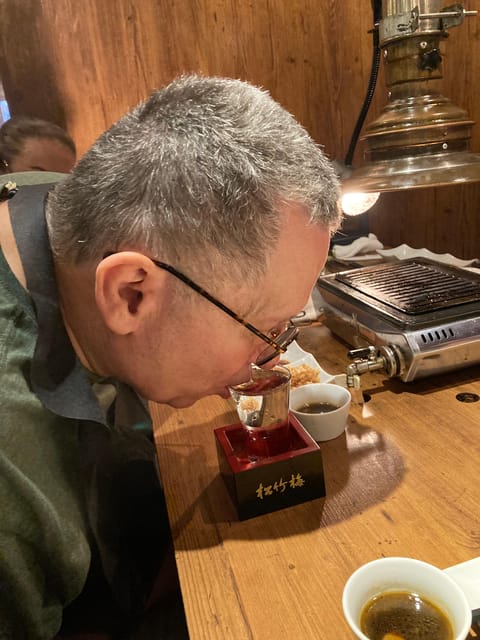
The final 1.5-hour guided section takes you through Shinjuku Golden Gai, a maze of more than 200 small bars. These tiny spaces have individual themes and offer an intimate drinking setting tied to Tokyo’s postwar culture.
Golden Gai is best understood as a neighborhood to observe, not a guarantee that you will enter a string of bars. The provided details say the tour finishes at Shinjuku Golden Gai and includes alcoholic beverages for participants aged 20 and above. They do not specify entry into a particular number of bars or the exact drink selection.
That makes the guide’s role important. A local can help you understand the area’s unusual scale and explain how it differs from ordinary nightlife districts. You may see signs and doorways that would be easy to overlook on your own.
The tour ends in Golden Gai, rather than returning you to your hotel. This is useful if you want to continue your own evening in Shinjuku, but you need to plan your way back. The maze is compact yet confusing, so note the finish point before the group separates.
What the $154 price includes
At $154, the tour sits in the premium food-experience bracket. You are paying for more than a meal, but you are also not receiving a full day of sightseeing.
The price includes:
- A local English-speaking guide
- Dinner
- Visits to two distinct food venues
- Alcoholic beverages for participants aged 20 and above
- Guided exploration of Kabukicho and Golden Gai
Transportation costs are separate, with an estimated range of 200 to 800 yen. Hotel pickup and drop-off are not included.
I see the best value for someone who wants a well-organized first evening in Shinjuku. You get major neighborhood highlights, two signature foods, and a guide who can explain what you are seeing. I see less value for an experienced Tokyo diner who already knows where to eat and is comfortable finding Golden Gai and Omoide Yokocho alone.
The published feedback is strongest on food quality and guide warmth. That is exactly what you want from this kind of outing. You are not booking a formal history tour with a short snack. You are booking a guided food evening that uses Shinjuku as its setting.
Who should book this experience
I would recommend it to first-time visitors who want a friendly introduction to Tokyo food and nightlife without planning every stop themselves. It also suits couples, solo visitors, and small groups who enjoy asking questions while they eat.
Food lovers will get the most from the Wagyu and sushi explanations. Pop-culture fans will appreciate the Godzilla Head. Anyone curious about Tokyo’s drinking districts will find Kabukicho and Golden Gai more useful with a local guide than alone.
I would hesitate if you want a quiet dinner, a fixed tasting menu, or a long visit at each stop. The route covers several neighborhoods in three to three and a half hours, so expect walking, transitions, and a quick pace. You should also be comfortable in narrow streets and small food venues.
Free cancellation is available up to 24 hours before the start, and you can reserve without paying immediately. If plans are uncertain, those terms make booking less risky. If you do book, make contact with the operator and arrive at the meeting point. If there is no contact from you on the day, the tour may be canceled, with a full refund issued in that situation.
Should you book the Tokyo Wagyu and Sushi Gastronomic Journey?
Book this tour if you want high-quality Wagyu and sushi paired with a guided look at Shinjuku after dark. The strongest parts are the food, the small group, and the guides’ personal explanations, with Emma among the guides praised for her friendly style.
Skip it if you only want the cheapest possible dinner or prefer to explore nightlife independently. At $154, the experience is worthwhile when you value context, local help, and a carefully planned route. It is less compelling if the food stops are all you need.
FAQ
How long does the tour last?
The tour lasts about three to three and a half hours.
Where does the tour begin?
It begins at 7-chōme-10-5 Nishishinjuku, just in front of the 3rd Burger.
Where does the tour finish?
The tour finishes at Shinjuku Golden Gai.
What food is included?
Dinner includes a Wagyu-focused experience and sushi at two distinct food venues.
Are drinks included?
Alcoholic beverages are included for participants aged 20 and above.
Is transportation included?
No. Transportation costs are separate and may range from 200 yen to 800 yen.
Is hotel pickup available?
No. Hotel pickup and drop-off are not included.
What language does the guide speak?
The tour is led in English by a live local guide.
Just added around Tokyo
- Tokyo: West-Side Cycling and Food Tour with Guide★ 5.0 · 37 reviews
- Tokyo: Togoshi Ginza Street Food Tour★ 5.0 · 34 reviews
- Tokyo: Allstar Food Tour★ 4.7 · 29 reviews
- Tokyo: The Best of Izakaya in Shinjuku Food & Cultural Tour★ 4.9 · 221 reviews
- Tokyo Tsukiji Food & Culture Private Tour Licensed Guide★ 4.9 · 28 reviews
- Tokyo: Locals´ Secret Food Tour // Eat like a Japanese★ 5.0 · 35 reviews
- Tokyo: Shibuya Food Tour (13 dishes and 4 Eateries)★ 5.0 · 178 reviews
- Tokyo: Best of Shibuya Food Tour★ 4.7 · 119 reviews
Food Tours in Tokyo, compared.
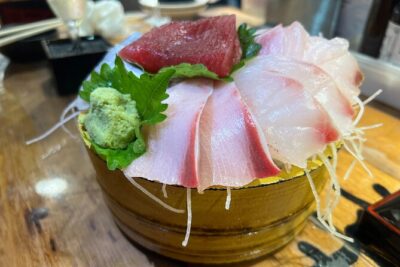
Shinjuku Food Tour (13 Dishes at 4 Local Eateries)
Read our review →
Tokyo Tsukiji Fish Market Food and Culture Walking Tour
Read our review →
Shinjuku Food Tour (15 Dishes and 4 Eateries)
Read our review →
Best of Shinjuku: Izakaya Food Tour (4 Stops, 14+ Tastings)
Read our review →
Tokyo Night Foodie Tour in Shinjuku – Seasonal Sushi, Wagyu Beef
Read our review →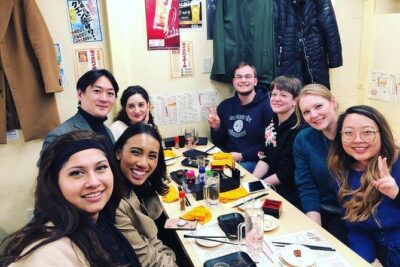
Eat and Drink Like a Local: Tokyo Ueno Food Tour-Taverns&Ramen
Read our review →Browse the lists this tour appears in