
REVIEW · TOKYO
Tokyo: Best of Shibuya Food Tour
Shibuya is more than the famous crossing and walls of neon. This three-hour food walk takes you into small restaurants, side streets, and a department-store food hall, where you can sample several kinds of Japanese food without having to decode every menu. I like the five-stop format and the way the walk connects food with everyday Japanese customs. I also like that guides such as Alex, Jane, Saika, Maya, and Kumie have helped visitors understand what they are eating, not simply handed over plates.
The main thing to consider is the price: $170 per person is a serious spend for three hours. The value depends on how much you want guidance, food variety, and cultural context. You should also expect plenty of walking and standing, and the group may be larger than the advertised limit in older bookings.
Key points at a glance
- Five food stops in three hours: Expect a succession of small food experiences rather than one long restaurant meal.
- Shibuya beyond Scramble Crossing: The route uses backstreets, compact eateries, and less obvious corners of the district.
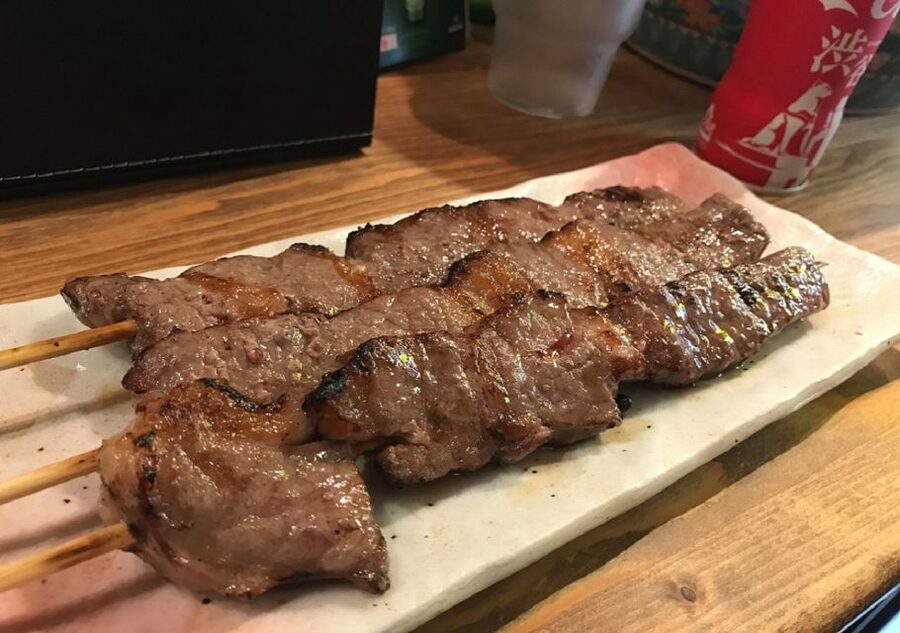
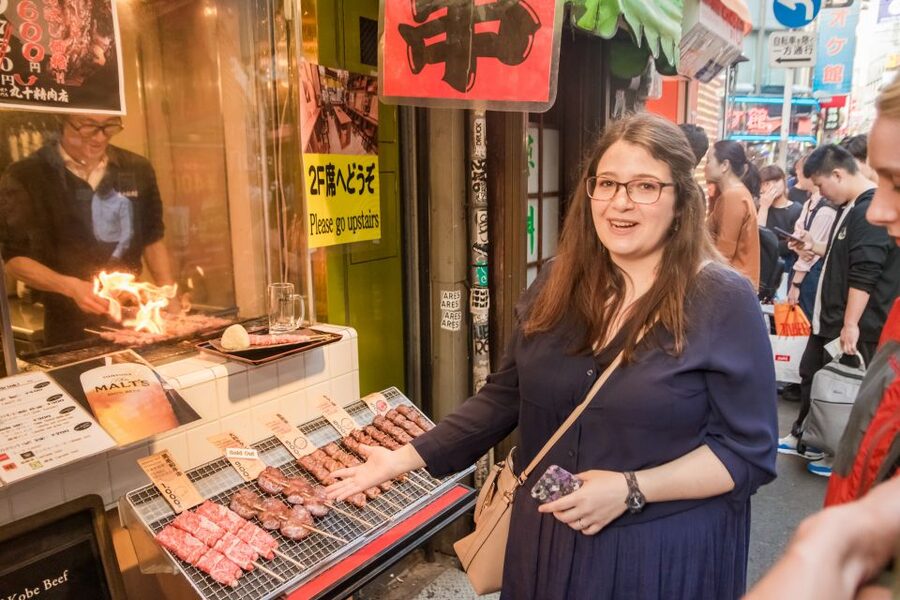
- Regional Japanese dishes: Past tours have included sushi, okonomiyaki, ramen, izakaya food, takoyaki, and Kobe beef, though the exact menu can vary.
- A department-store dessert finish: The final stop includes a tour and dessert in a Shibuya depachika, Japan’s famous basement food hall tradition.
- Small English-speaking group: The current format allows up to 10 participants, with two drinks included.
- Strict meeting procedure: Meet at the Hachiko wall mural, not the crowded dog statue, and arrive early because the guide waits only five minutes.
Why this food walk works in Shibuya
Shibuya can feel like a hard place to read. The district is packed with department stores, giant signs, train passengers, tiny bars, and restaurants tucked above or below street level. You can walk for an hour and still eat only what is easiest to spot.
A food guide gives you a practical way into that maze. Instead of spending your first evening guessing which doorway leads to dinner, you follow someone who can explain the setting, the food, and the small habits around it. The point is not only to fill up. It is to understand why a dish belongs in a certain kind of restaurant and how Japanese dining changes from one stop to the next.
I especially like the mix of places. The experience is not built around a single polished meal. It moves through different food settings, including the sort of independent restaurants and compact eateries that are easy to miss when you do not speak Japanese or know the neighborhood.
The tour has a 4.7 rating from 119 reviews, with particularly strong praise for the guides’ warmth, clear English, local advice, and ability to keep the pace comfortable. That matters in Shibuya, where a good guide can save you from feeling lost in the crowds.
More Food Tours in Tokyo
- Tokyo: Shinjuku Food Tour (13 Dishes at 4 Local Eateries)
★ 5.0 · 6,603 reviews - Tokyo Tsukiji Fish Market Food and Culture Walking Tour
★ 5.0 · 3,184 reviews - Tokyo: Shinjuku Food Tour (15 Dishes and 4 Eateries)
★ 4.9 · 2,033 reviews
Five stops, five chances to eat differently
The exact food lineup is not fixed in the information provided, so you should not book expecting a guaranteed dish list. Still, past outings give a useful picture of what the three hours can include.
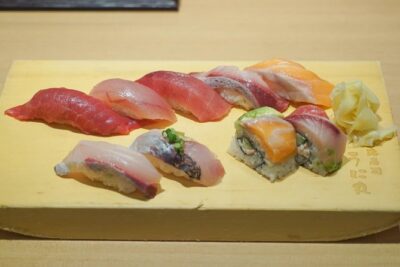
One group visited a standing sushi restaurant, an izakaya, an okonomiyaki restaurant, a ramen spot, and a local dessert stop. Another outing included sushi, okonomiyaki, Kobe beef, takoyaki, and dessert. These examples show the appeal of the format: you are sampling several parts of Japanese food culture rather than spending the whole afternoon on one specialty.
Sushi and small restaurant cooking
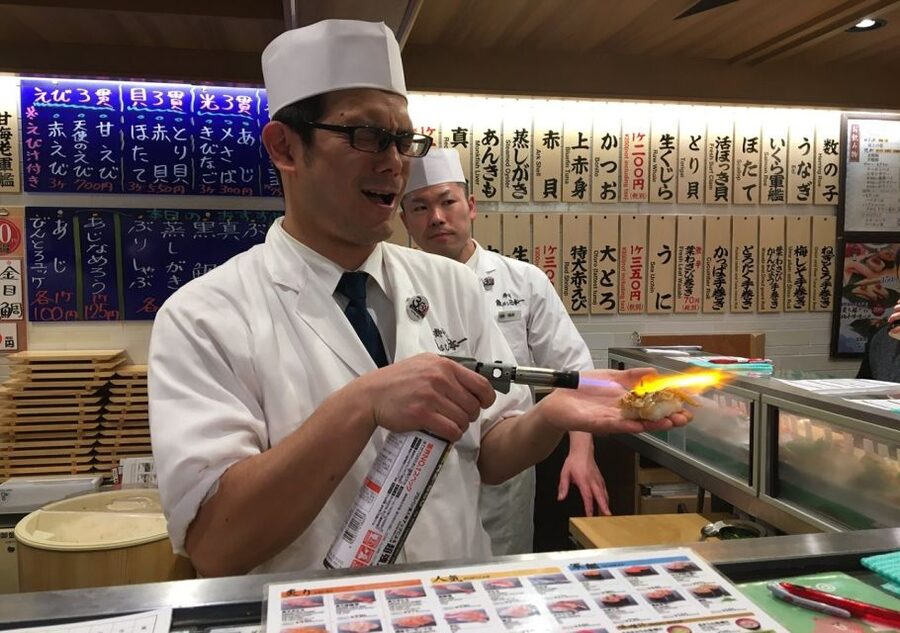
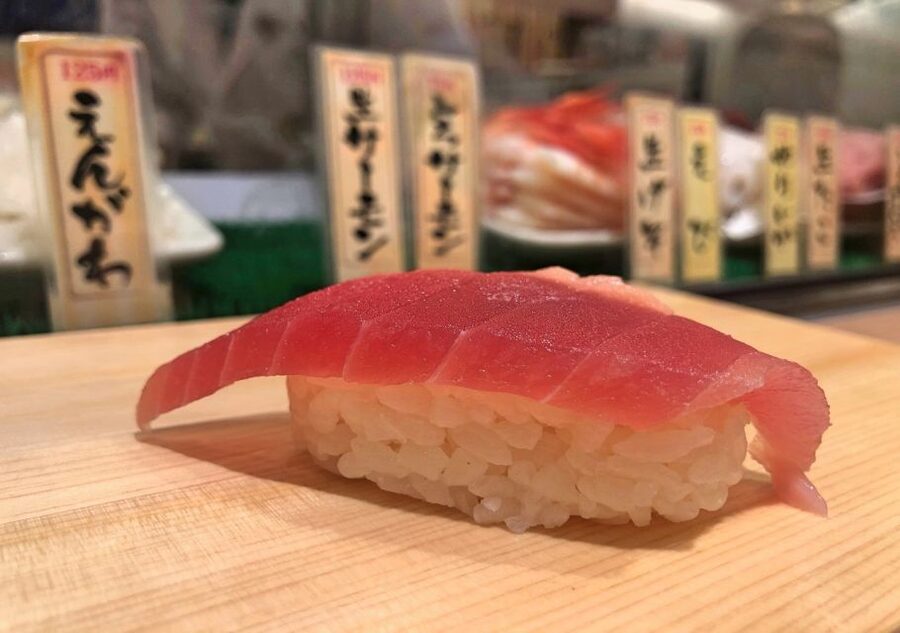
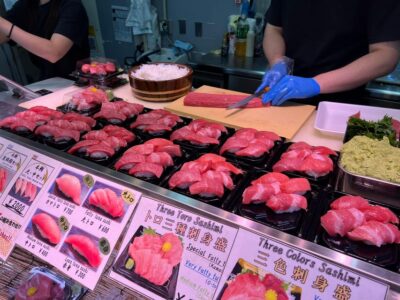
Sushi may be one of the first foods you associate with Japan, but the setting can change the experience. A standing restaurant, as one past itinerary included, feels very different from a formal sushi counter. It is quick, informal, and tied to the rhythm of the neighborhood.
A guide can also help you notice details that are easy to miss, from the way dishes arrive to the difference between a familiar food and a regional preparation. One participant described the sushi stop as the best sushi they had eaten on that trip, though individual taste and the daily menu will always play a part.
Izakaya food and local drinking customs
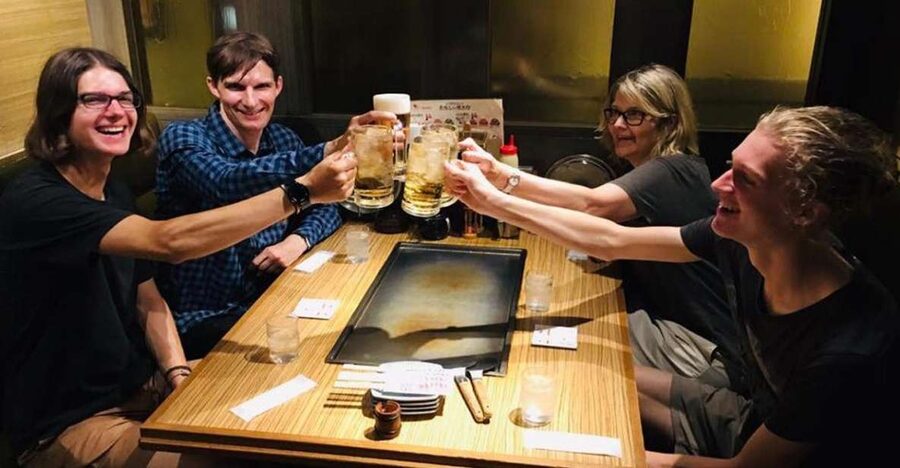
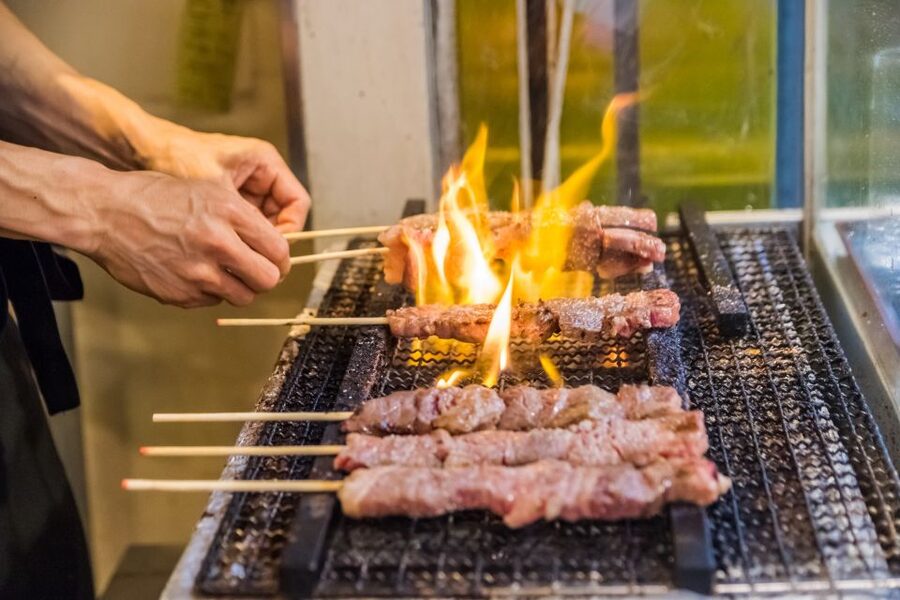
An izakaya is part restaurant, part neighborhood meeting place. Food is often ordered in small portions and shared alongside drinks. It is a useful stop because it shows you a social side of Japanese eating that a standard sightseeing meal may not reveal.
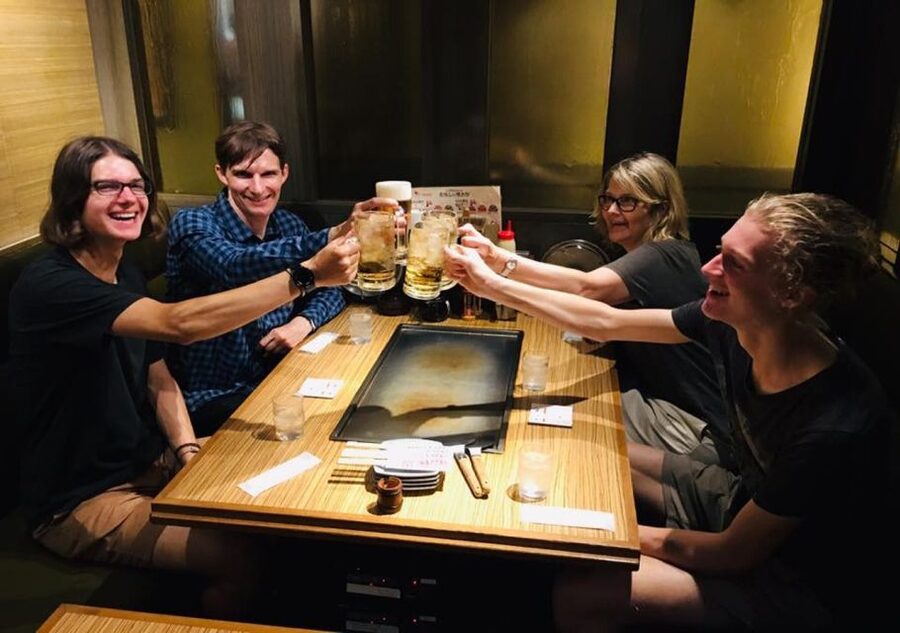
The two included drinks add value here, especially if one is served at a stop where drinks are part of the setting. You should remember that extra drinks are not included, so the price can rise if you keep ordering after the included servings.
A few more food tours around Tokyo worth comparing
- Best of Shinjuku: Izakaya Food Tour (4 Stops, 14+ Tastings)
★ 5.0 · 1,863 reviews - Tokyo: Tsukiji Fish Market Food and Walking tour
★ 5.0 · 1,724 reviews - Tokyo Night Foodie Tour in Shinjuku – Seasonal Sushi, Wagyu Beef
★ 5.0 · 1,161 reviews - Eat and Drink Like a Local: Tokyo Ueno Food Tour-Taverns&Ramen
★ 5.0 · 957 reviews
Okonomiyaki and regional variation
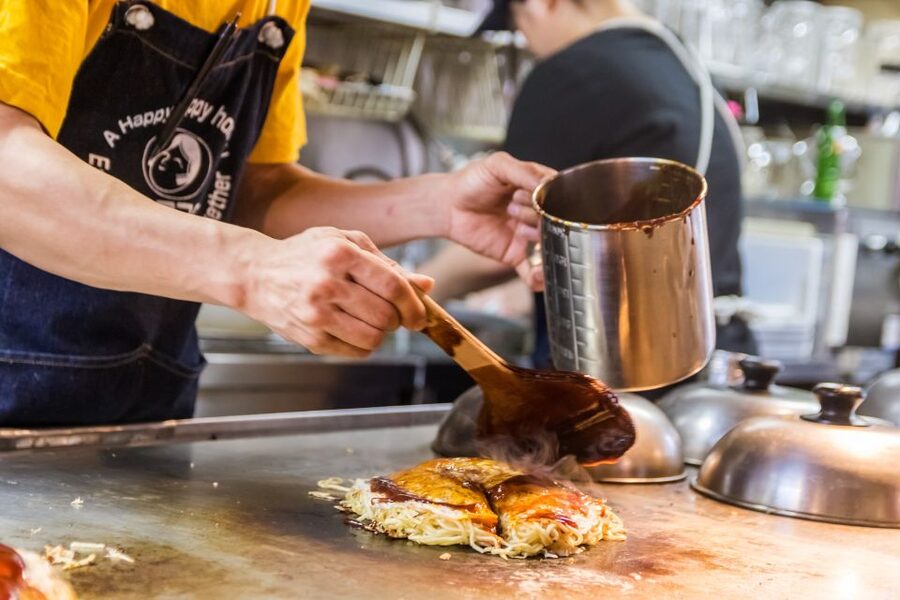
Okonomiyaki is often described as a Japanese savory pancake, but that simple label does not tell you much about its regional forms. One past stop served regional versions of the dish, giving the guide a natural opening to explain how Japanese food changes from one part of the country to another.
This was one of the better-liked stops in the feedback. If you enjoy food cooked in front of you or like dishes with a hands-on, informal feel, this may be a highlight. If you prefer quiet meals and plenty of table space, the compact restaurant setting could feel cramped.
Ramen, takoyaki, and heartier bites
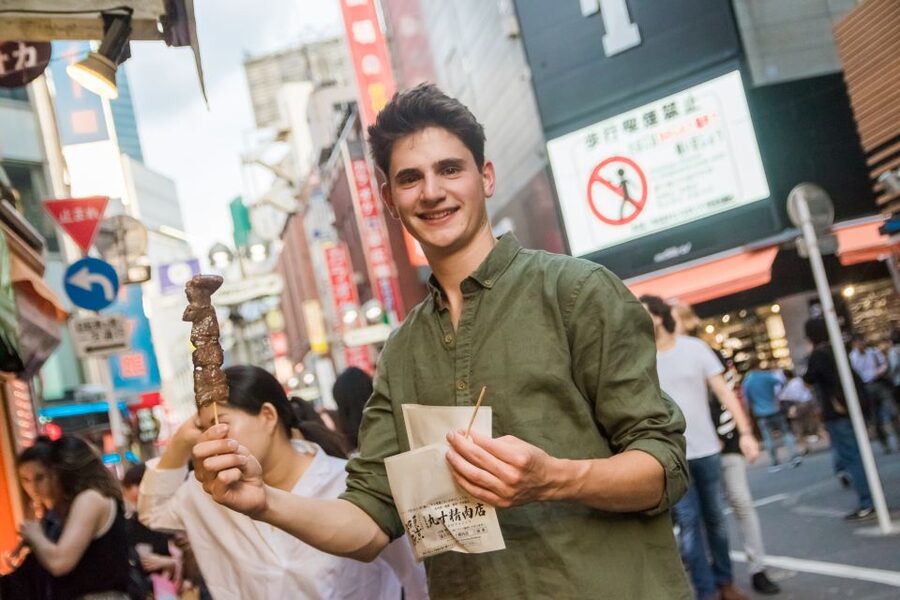
A ramen stop adds a familiar but useful contrast. You can compare the meal with the smaller portions served earlier, and you get a sense of how a quick bowl fits into city life. Takoyaki has also appeared on past tours, bringing a street-food angle to the route.
You should arrive hungry. Several diners described the portions as generous, and one person wished for half servings because the food became filling before the final stop. This is not a tasting menu where every bite is tiny. Pace yourself at the first few restaurants.
Dessert in a Shibuya depachika
The tour ends with dessert in a depachika, the basement food floor found beneath many Japanese department stores. This is a smart final stop because the setting broadens the experience beyond restaurants. You get a look at the careful presentation and wide choice found in Japanese department-store food halls.
The dessert is included, but other purchases are not. If you see something you want to take back to your hotel, you can buy it at your own expense. The final stop also gives you a calmer way to finish after walking through Shibuya’s busy streets.
The backstreets are the real reason to book
The food is the hook, but the walking route may be the most useful part of the experience. Shibuya’s famous crossing is easy to find. The smaller restaurants are not.
Past outings have used small independent restaurants, narrow alleys, basement food areas, and spaces where a first-time visitor might hesitate before entering. A guide can explain where you are going and how the place fits into local life. You also get stories about Japanese food, customs, and regional habits along the way.
Guides have added personal touches, too. Alex has been praised for mixing Japanese and Mexican cultural perspectives. Saika took photographs during a private outing and shared them afterward. Kumie adjusted food choices for dietary restrictions so everyone could take part. These details are not guaranteed, since guides vary, but they show the kind of human contact this tour is designed to provide.
The cultural commentary is not separate from the food. It comes while you walk, wait, order, and eat. That keeps the information practical instead of turning the outing into a lecture.
How the guides shape the experience
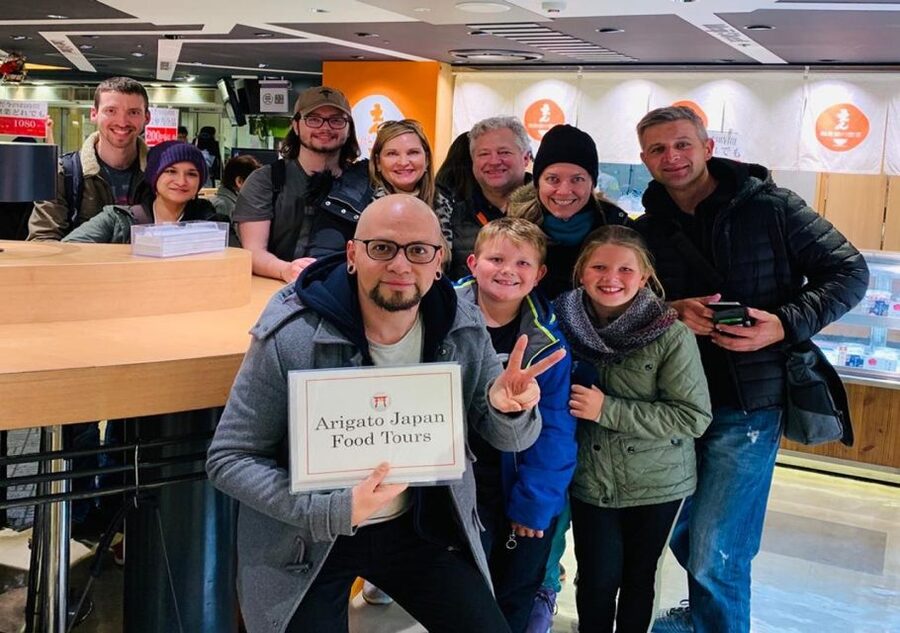
The guide is central to the value of this tour. The company uses English-speaking guides, and the feedback names several people who have made a strong impression, including Alex, Jane, Saika, Maya, Shion, Michie, Ryan, Kumie, and Sakura.
You cannot select a particular guide based on the information given, so do not book on the assumption that you will get one specific person. Still, the repeated pattern is encouraging: guides are described as friendly, energetic, patient, and good at explaining both food and local culture.
The best guides do more than translate a menu. They answer questions about Tokyo, suggest places to eat later in the trip, explain unfamiliar dishes, and help you feel comfortable in a busy part of the city. Several people left with restaurant recommendations and useful food phrases.
The small-group limit is currently 10 people. That is a good size for moving through narrow streets and fitting into compact restaurants, although an older booking had 12 participants and crossed paths with another group. If group size matters to you, confirm the current arrangement when booking.
The walking, standing, and food pace
This is an active food tour, not a seated progressive dinner. You walk between stops and may stand at some restaurants. One past outing had seating at only one of the food places, so comfortable shoes are essential.
That format is part of the charm, but it affects who will enjoy the tour. Families have had good experiences with children as young as six, eight, nine, ten, eleven, and twelve. Guides have adjusted the pace, offered hand warmers in cold weather, and allowed enough indoor rest for tired children. Still, children need to be willing to walk, stand, and try unfamiliar food.
The same applies to adults. If you have just arrived after a long flight, a three-hour food walk through crowded Shibuya may feel tiring. On the other hand, booking it early in your Tokyo stay can help you learn the area and collect ideas for later meals.
Come hungry, but do not skip breakfast or lunch entirely. The portions can be generous, and you want enough appetite for the final dessert.
Is $170 good value?
At $170 per person, this is not a budget food crawl. You are paying for more than the food itself: two drinks, dessert, five stops, a guide, translation help, route planning, and access to places you might not confidently enter alone.
The price makes more sense for first-time visitors who want a guided introduction to Japanese food. It can also work well for couples, families, and small groups who prefer one organized outing instead of researching several restaurants. The food alone may not justify the cost for someone comfortable ordering independently and exploring Shibuya without help.
You should also remember what is not covered. Transportation, extra food, extra drinks, gratuity, and hotel pickup are separate. Hotel pickup can be arranged for an additional charge. The tour itself begins at the station, so you need to reach the meeting point on your own.
One advantage is the reserve-now-and-pay-later option. Free cancellation is available up to 24 hours before the start time for a full refund. That gives you some flexibility, but the strict start-time rule still matters.
Meeting at the Hachiko mural
The meeting instructions deserve close attention. Meet outside Shibuya Station at the Hachiko exit, in front of the colorful wall mural of Hachiko. Do not use the famous Hachiko statue as your landmark. The statue area is crowded, while the mural is visible as soon as you leave the station.
You should face the large intersection with your back to the mural. Arrive early, especially if this is your first visit to Shibuya Station. The guide waits only an additional five minutes, and the group leaves after that.
Once the tour starts, the guide cannot provide directions or answer calls to help late arrivals. This is meant to keep the group moving and avoid disrupting restaurant arrangements, but it makes punctuality your responsibility.
Bring comfortable shoes and a passport. A copy of passport information is required for every participant aged 10 and over. The supplied information does not explain the exact reason for this requirement, so have the requested copy ready rather than trying to sort it out at the meeting point.
Who should book this Shibuya food tour?
I would choose this experience if you want a friendly introduction to Japanese food and prefer having someone explain the choices as you go. It is especially useful on a first Tokyo visit, when Shibuya feels exciting but confusing.
It suits adventurous eaters, couples, families with older children, and people who want cultural context along with dinner. It also works for anyone who likes small independent restaurants more than polished sightseeing venues.
I would think twice if you want a quiet, seated meal, have limited mobility, dislike standing, or already have a carefully planned list of Shibuya restaurants. The price is high, and the exact dishes are not guaranteed.
FAQ
How long is the Tokyo Best of Shibuya Food Tour?
The tour lasts three hours.
How many food stops are included?
The experience includes five food stops, with a variety of dishes served along the route.
Are drinks included?
Two drinks are included. Additional drinks and food can be purchased at your own expense.
Is dessert included?
Yes. Dessert is included, and the tour ends with a visit to a Shibuya depachika.
What language is the tour conducted in?
The tour is conducted in English by a live English-speaking guide.
How large is the group?
The current small-group format allows up to 10 participants.
Where is the meeting point?
Meet in front of the Hachiko wall mural outside Shibuya Station at the Hachiko exit. Do not meet at the Hachiko statue.
What happens if I arrive late?
The guide waits only five additional minutes after the scheduled start. After that, the tour leaves, and the guide cannot provide directions or be contacted by phone during the tour.
What should I bring?
Bring comfortable shoes, your passport, and a copy of passport information for every participant aged 10 and over.
Should you book it?
Book this tour if you want to eat your way into Shibuya rather than simply photograph it. The strongest reasons are the variety of stops, the backstreet route, the included drinks and dessert, and the chance to ask a local guide about food and daily life as you go.
I would not book it solely for the promise of one specific dish, since the menu can change. But if $170 fits your budget and you value a well-planned introduction to Japanese food, this is a useful first or second-night activity. Arrive early at the Hachiko mural, wear shoes made for walking, and save room for the depachika dessert.
Just added around Tokyo
- Tokyo: West-Side Cycling and Food Tour with Guide★ 5.0 · 37 reviews
- Tokyo: Wagyu and Sushi Gastronomic Journey★ 4.3 · 24 reviews
- Tokyo: Allstar Food Tour★ 4.7 · 29 reviews
- Tokyo: Togoshi Ginza Street Food Tour★ 5.0 · 34 reviews
- Tokyo: The Best of Izakaya in Shinjuku Food & Cultural Tour★ 4.9 · 221 reviews
- Tokyo Tsukiji Food & Culture Private Tour Licensed Guide★ 4.9 · 28 reviews
- Tokyo: Locals´ Secret Food Tour // Eat like a Japanese★ 5.0 · 35 reviews
- Tokyo: Shibuya Food Tour (13 dishes and 4 Eateries)★ 5.0 · 178 reviews
Food Tours in Tokyo, compared.
Shinjuku Food Tour (13 Dishes at 4 Local Eateries)
Read our review →
Tokyo Tsukiji Fish Market Food and Culture Walking Tour
Read our review →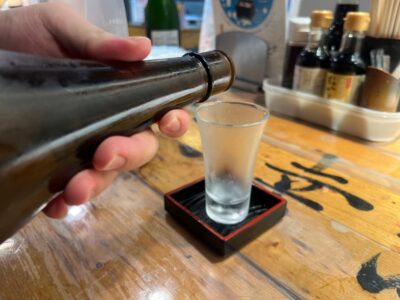
Shinjuku Food Tour (15 Dishes and 4 Eateries)
Read our review →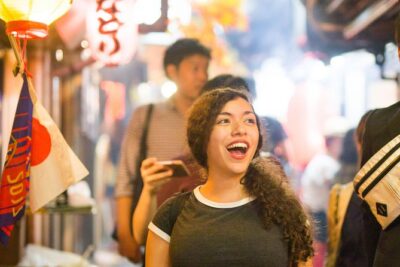
Best of Shinjuku: Izakaya Food Tour (4 Stops, 14+ Tastings)
Read our review →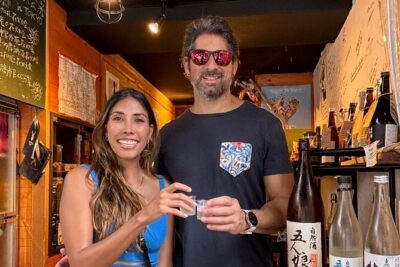
Tokyo Night Foodie Tour in Shinjuku – Seasonal Sushi, Wagyu Beef
Read our review →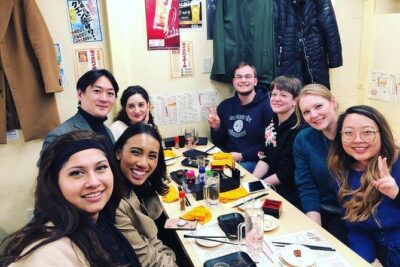
Eat and Drink Like a Local: Tokyo Ueno Food Tour-Taverns&Ramen
Read our review →Browse the lists this tour appears in