
REVIEW · TOKYO
Tokyo: Tsukiji Fish Market Guided Walking Tour
Tsukiji is easiest to appreciate when someone helps you read the signs, choose the right stalls, and keep you moving through its maze of food shops. This two-hour walking tour begins at Tsukiji Hongwanji temple, then spends most of its time in the outer market with an English-speaking guide.
I like the personal scale, with groups limited to 10, and I like the freedom to buy only what suits you. You can try tamago, oysters, sushi, wagyu beef, eel, sweets, and other samples without being locked into a set menu.
The main catch is that food and drinks are not included. Bring cash, and remember that a few premium bites can cost more than expected. The tour is best for curious eaters who want help navigating rather than a simple walk past the stalls.
Key points to know before you go
- Start with a temple: Tsukiji Hongwanji gives you a calm cultural introduction before the market crowds and food stalls.
- Spend about 100 minutes at the market: Most of the two-hour tour is devoted to shopping, tasting, and explanations in the outer market.
- Choose your own food: You pay directly for the items you want, which helps with allergies, preferences, and appetite.
- Expect practical guidance: Guides such as Jim, Rie, Yayoi, Sayaka, Haydn, and Minori help you find worthwhile stalls and order with confidence.
- Keep cash handy: Cash is specifically recommended, and some items, such as premium seafood or wagyu, can be costly.
- Small groups help: With no more than 10 participants, it is easier to hear the guide and stay together in crowded lanes.
Why Tsukiji works best with a guide
Tsukiji Outer Market is not simply one fish hall with a clear route. It is a collection of narrow streets and food businesses selling seafood, dried goods, vegetables, sweets, spices, prepared foods, and kitchen ingredients. You can walk around alone, but it is easy to miss the purpose of a stall or spend too much time deciding where to stop.
This is where the tour earns its $22 price. Your guide explains what you are looking at, points out ingredients used in Japanese cooking, and takes you to stalls selected for the group. Several guides, including Jim, Rie, Yayoi, and Sayaka, have been praised for explaining food and culture in a clear, friendly way.
I especially like that the food is optional. Some food tours charge one fixed price and give everyone the same tastings. Here, you can choose a small bite, skip seafood, or spend more on something that catches your eye. That makes the tour easier for mixed groups, including people with different appetites or food preferences.
The tradeoff is that your final cost depends on what you buy. The tour fee is low, but it is not the full food budget. Treat the $22 as payment for the guide, market orientation, and cultural context, then bring extra yen for tastings.
More Food Tours in Tokyo
- Tokyo: Shinjuku Food Tour (13 Dishes at 4 Local Eateries)
★ 5.0 · 6,603 reviews - Tokyo Tsukiji Fish Market Food and Culture Walking Tour
★ 5.0 · 3,184 reviews - Tokyo: Shinjuku Food Tour (15 Dishes and 4 Eateries)
★ 4.9 · 2,033 reviews
Meeting at Tsukiji Station and entering the temple
The meeting point is the Starbucks in front of Tsukiji Station. Your guide waits near the bench outside, so look for the person holding the tour details rather than wandering into the market on your own.
From there, the group walks about five minutes to Tsukiji Hongwanji. This first stop lasts around 15 minutes. It gives you a useful pause before the food-focused part of the morning or afternoon.
The temple is known for its detailed carvings and quiet interior. Guides explain its place in local religious life and introduce ideas connected with Japanese customs and food traditions. Haydn, Minori, and other guides have also added nearby shrines or temple details when time allowed, though the central temple visit is Tsukiji Hongwanji.
I like this opening because it prevents the tour from becoming a string of snacks. You first get a little context about the neighborhood and Japanese culture, then you see how those ideas connect with food, ritual, presentation, and daily life.
Do not expect a long temple tour. Fifteen minutes is enough to look at the architecture, hear the basic story, and take in the interior. The short stop also protects the main purpose of the outing, which is exploring Tsukiji Outer Market.
The 50-minute market walk
After another five-minute walk, you enter Tsukiji Outer Market. The first market segment lasts about 50 minutes and focuses on orientation, ingredient knowledge, and selected food stops.
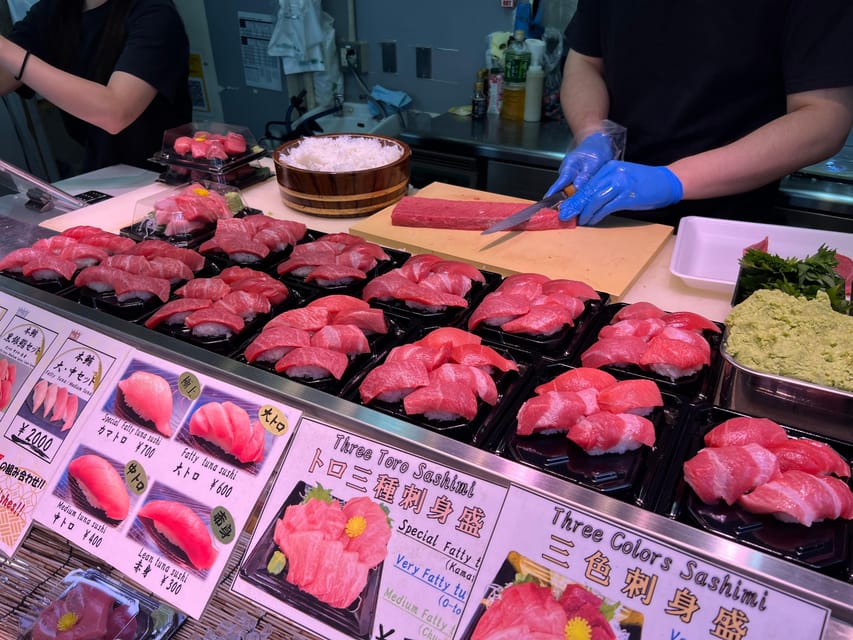
The market sells much more than raw fish. You might see fresh seafood, dried fish, shrimp, scallops, vegetables, nuts, spices, fruit, sweets, and cooking supplies. Your guide explains how different ingredients fit into Japanese meals and what makes certain products special.
This is also the point where a guide can save you time. Julie described being taken directly to stalls that would have been difficult to find alone. Other visitors appreciated having someone identify good places for wagyu, tuna, unagi eel, tamago, and sweets without getting caught in the confusion of the lanes.
The food choices can vary by guide and by what is available that day. Past stops have included fatty tuna, oysters, sea urchin, whale sashimi, wagyu beef skewers, fried eel, sake, matcha items, and sweet snacks. That does not mean every tour includes every dish. Think of the list as a sense of the range, not a fixed menu.
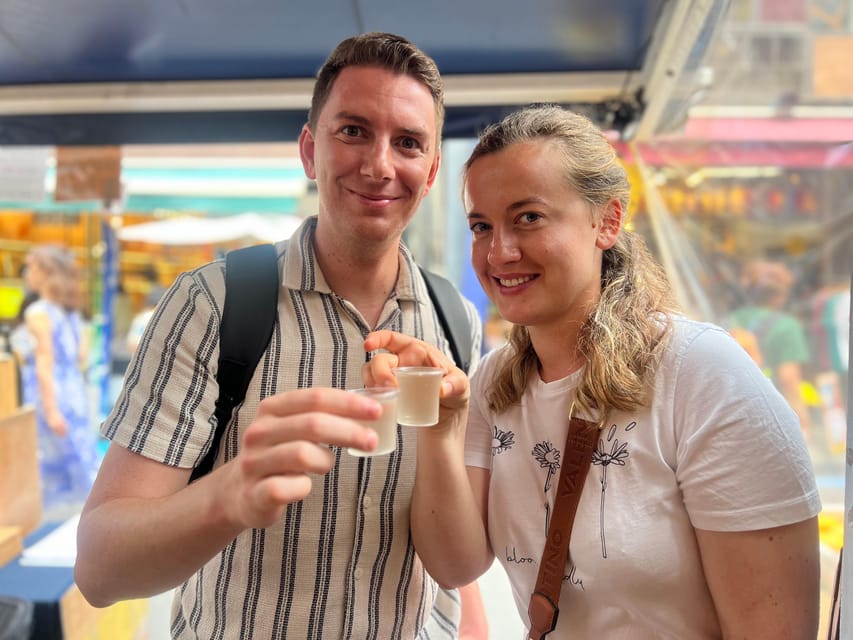
You may also receive small samples at some stalls. These complimentary tastes are a pleasant bonus, but the main food purchases are yours to make. Kimberly specifically noted that the guide helped the group sample tamago, oysters, sushi, wagyu, and other local foods while making clear that the group ordered and paid for what it wanted.
The second market segment and the value of choice
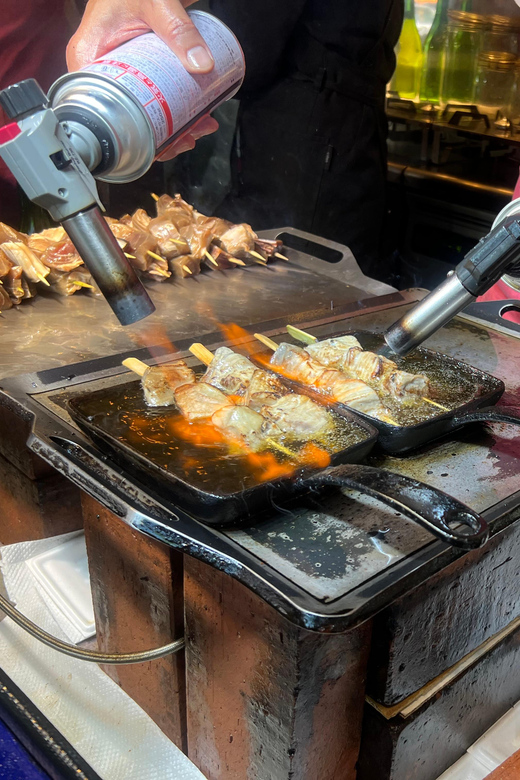
The remaining 50 minutes continues through Tsukiji Outer Market. This longer portion gives you time to stop at more stalls, compare ingredients, ask questions, and buy food at your own pace.
I like the flexible setup for practical reasons. If you do not eat seafood, you can lean toward beef, sweets, fruit, or other foods. Adam, who said seafood was not a favorite, still found enough variety to try several things. If you have a strong preference for fish, you can focus your budget on sushi, tuna, oysters, or other seafood rather than paying for items you do not want.
The arrangement can also help with food sensitivities, though you should still explain your needs clearly to the guide and vendor. David appreciated being able to order independently rather than accept a fixed selection. That makes the experience more comfortable for people who need to avoid certain foods.
The market can be crowded, even on a weekday morning. Sayaka and other guides have been praised for keeping groups together, helping with ordering, and steering people through packed lanes. That practical help is one of the strongest reasons to book instead of simply arriving at Tsukiji and hoping for the best.
There is a social side, too. Small groups can share a few plates or compare purchases. Martha liked the way shared small plates made the meal more enjoyable. With a maximum of 10 people, you still have a chance to ask questions without competing with a large crowd.
More seafood tours in Tokyo:
- Tokyo: Tsukiji Fish Market Food and Walking tour
★ 5.0 · 1,724 reviews - Tokyo: Tsukiji Fish Market Food and Culture Walking Tour
★ 4.7 · 757 reviews - Tsukiji Fish Market: Street Food & Culture Walking Tour
★ 5.0 · 669 reviews - Tsukiji Fish Market Small-Group Food Walking Tour
★ 5.0 · 621 reviews
What you might taste, and what it can cost
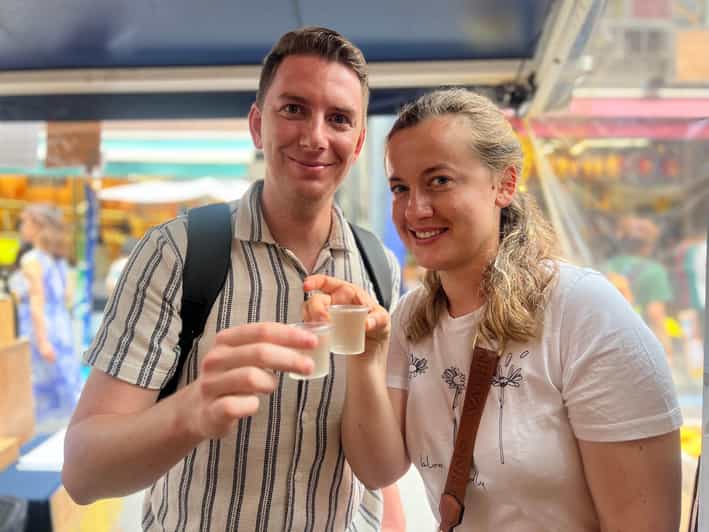
Food is the heart of the outing, but it is not part of the $22 price. Bring cash, as requested in the tour information, and set aside a separate amount for snacks and tastings.
You might spend very little if you focus on samples or one or two modest bites. You might spend considerably more if you choose premium tuna, wagyu, sea urchin, or several seafood items. Janine specifically warned that some products can be expensive, so ask the price before ordering if it is not clear.
The best part of paying as you go is control. You can try a single oyster, share a plate, or skip a stall entirely. You do not need to pretend to enjoy something simply because it was included in a package.
Expect a wide range of textures and flavors. Tamago offers a gentle, sweet introduction. Wagyu provides a rich meat option. Eel, sushi, oysters, dried seafood, and sweets show how broad Japanese market food can be. Some choices may be unfamiliar, so this is a good setting to try something new with guidance close at hand.
The guides also offer useful recommendations beyond the immediate tastings. Several have suggested places for sushi, Kobe beef, matcha, and other local specialties. Those tips can help you plan later meals, especially if you are visiting Tokyo for only a few days.
The guides make the difference
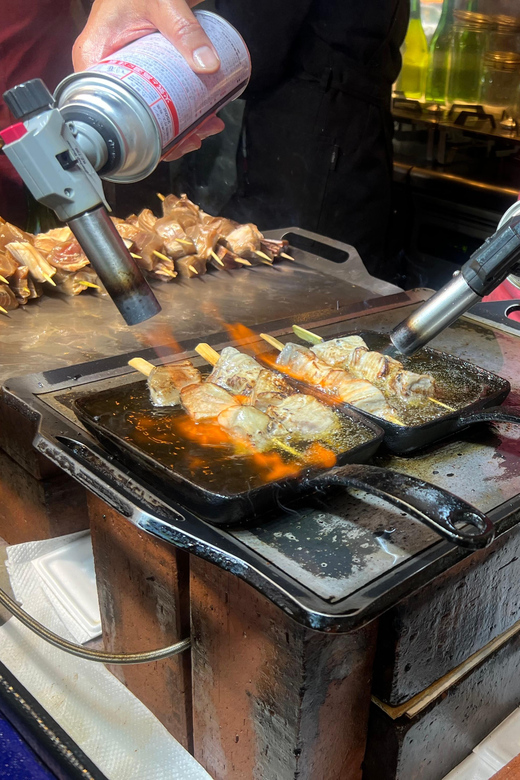
The experience depends heavily on the person leading your group. The available guides include Jim, Rie, Yayoi, Haydn, Sayaka, Minori, Nicolas, Shino, Miko, Kiwa, and others. Their styles vary, but the strongest pattern is clear: you want someone who can explain the market while also helping you move through it.
Jim has been praised for his explanations of food, history, and culture, along with his relaxed manner. Rie is known for friendly guidance, market knowledge, and helping groups find good seafood, wagyu, and other specialties. Yayoi and Minori bring energy to the walk and have guided groups toward favorite stalls and local foods.
Haydn has a particularly useful perspective as someone from Australia living in Japan. His clear English and explanations of both the temple and market helped make cultural details easier to follow. Nicolas has also been praised for covering fruit, dried goods, sweets, wagyu, and unagi in an organized way.
A good guide does more than name foods. You learn how ingredients are used, why certain products matter, and how Japanese food customs connect with the market. That is what turns a shopping area into a meaningful cultural stop.
Practical details that affect your day
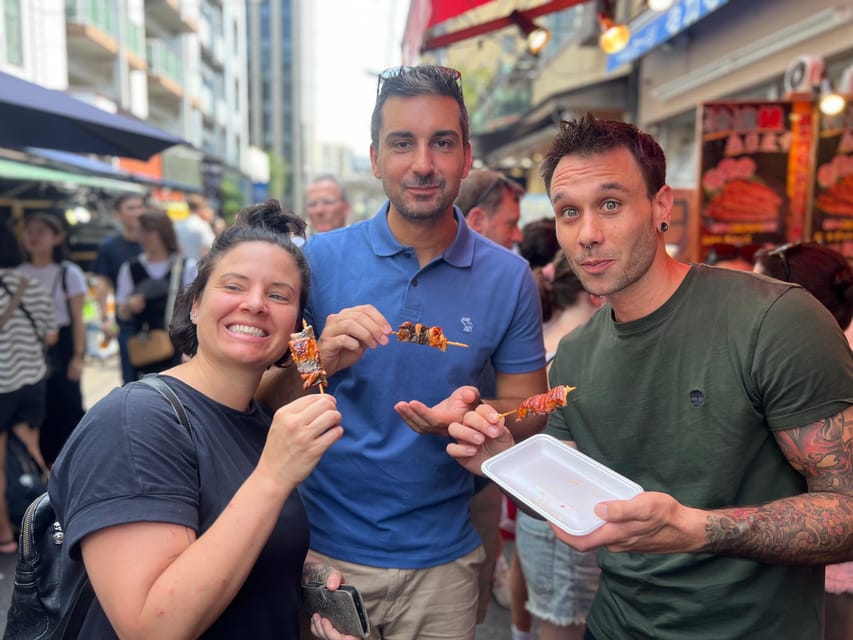
The tour lasts two hours and is conducted in English. It is a walking experience with two short five-minute transfers and extended time on your feet in the market.
Wear comfortable shoes. The route is not long in distance, but market lanes can be crowded and you may pause often. Keep your belongings close, stay with the group, and follow the guide through the narrow sections.
Morning availability can be especially useful because food stalls and market activity are a central part of the experience. The exact start time varies, so check availability when booking. You can choose from two starting options at the Starbucks near Tsukiji Station, with the same location also used for the return.
Photos taken during the tour are included. Entry to Tsukiji Outer Market and Tsukiji Hongwanji is free, so you are not paying an extra admission charge on top of the tour fee.
The tour allows free cancellation up to 24 hours before the start time, and you can reserve while paying later. Those policies help if your Tokyo schedule is still changing, but the more important planning point is simple: arrive at the Starbucks meeting point and bring cash for food.
Who should book this Tsukiji tour
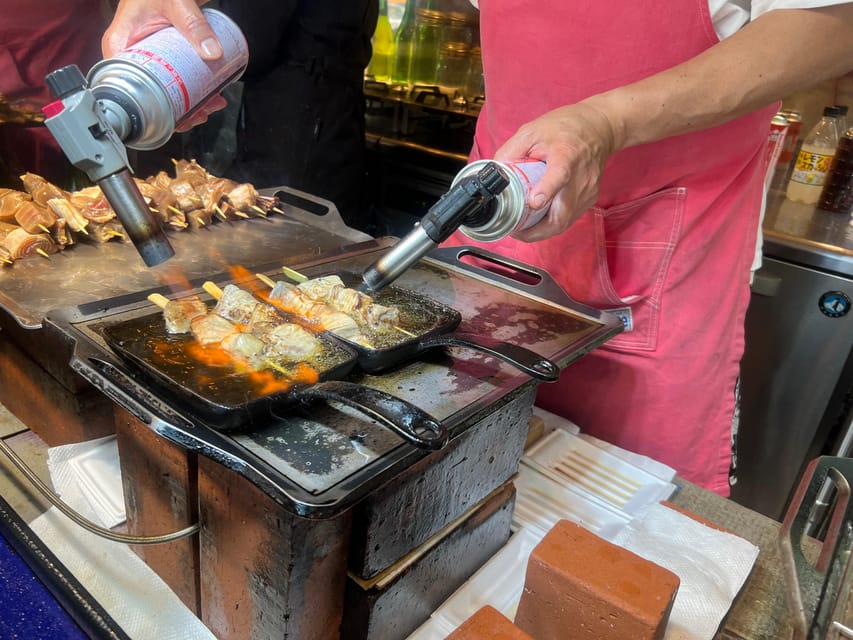
I would book this for a first visit to Tsukiji, especially if you want to taste several foods but do not know where to start. It is also a strong choice for solo visitors who would rather have company while sampling dishes and for couples or families who want different food options.
Food lovers will get the most from the tour, but you do not need to be a seafood expert. The guide can explain unfamiliar ingredients and point you toward meat, sweets, fruit, or cooked items if raw seafood is not appealing.
It also suits anyone who values context. If you only want to eat, you may prefer to explore independently and spend the full two hours at your own pace. This tour adds a temple visit, market history, food customs, and explanations of ingredients, so it is better for curious visitors than for people seeking a quick meal.
You should think twice if you dislike walking, crowded market lanes, or paying separately at several stalls. The group may move at a steady pace, and popular foods can add up. Still, the small group and flexible ordering make the outing easier to manage than a large, fixed-menu food tour.
Should you book the $22 experience?

Yes, if you want a practical introduction to Tsukiji and would like help finding food worth trying. The strongest value comes from the guide’s local knowledge, the small group size, the temple stop, and the freedom to choose your own purchases.
Book it early in your Tokyo stay if possible. That gives you recommendations for later meals and helps you understand Japanese ingredients before visiting other markets or restaurants. Bring cash, arrive hungry but not starving, and leave room in your budget for a few premium bites.
Skip it if you are already comfortable navigating Tsukiji and prefer total independence. For most first-time visitors, though, $22 is a sensible price for two hours of orientation, cultural explanation, and guided tasting choices.
FAQ
How long does the Tsukiji Fish Market tour last?
The tour lasts two hours.
Where does the tour meet?
You meet your guide at the Starbucks in front of Tsukiji Station. The guide waits near the bench outside the café.
What language is the tour conducted in?
The tour is conducted in English with a live English-speaking guide.
How large is the group?
The tour is limited to 10 participants.
Is food included in the tour price?
No. Food and drinks are not included. You choose and pay for the items you want at the market stalls.
Should I bring cash?
Yes. Cash is listed as something to bring, and you need it for optional food purchases.
Does the tour visit Tsukiji Hongwanji?
Yes. The tour includes a guided visit of Tsukiji Hongwanji for about 15 minutes.
How much time is spent at Tsukiji Outer Market?
About 100 minutes of the two-hour tour is allocated to the outer market, including guided walking, shopping, and food stops.
Can I cancel the tour for a refund?
Yes. You can cancel up to 24 hours in advance for a full refund.
More Shopping Tours in Tokyo
- Small Group Cooking Class & Market Food Tour in Florence
★ 5.0 · 1,574 reviews - Nishiki Market Brunch Walking Tour (7 Tastings + Brunch)
★ 5.0 · 1,355 reviews - Bologna Food & Market Tour with 6 Tastings, Pasta, Wines & More
★ 5.0 · 1,328 reviews - Seoul Street Food Market Tour
★ 5.0 · 1,226 reviews
More Market Food Tours in Tokyo
- Bangkok by Night: Temples, Markets and Food Tuk-Tuk Tour
★ 5.0 · 3,752 reviews - Chef Guided Food Tour of Pike Place Market
★ 5.0 · 3,733 reviews - Bangkok: Markets, Temples and Food Night Tour by Tuk Tuk
★ 4.9 · 2,371 reviews - London Bridge & Borough Market Food Tour with 7 Authentic Dishes
★ 5.0 · 1,972 reviews
Just added around Tokyo
- Eat/Drink like a LOCAL-Taverns & Ramen★ 4.9 · 23 reviews
- [1 Group Only] Tokyo Shinjuku Food Tour for Family★ 4.9 · 49 reviews
- Tokyo After 5: Authentic Japanese Food & Drink Night Tour★ 4.5 · 560 reviews
- Best of Shibuya Food Tour★ 5.0 · 612 reviews
- Tsukiji Fish Market Small-Group Food Walking Tour★ 5.0 · 621 reviews
- Tsukiji Fish Market: Street Food & Culture Walking Tour★ 5.0 · 669 reviews
- Tokyo: Tsukiji Fish Market Food and Culture Walking Tour★ 4.7 · 757 reviews
- Tokyo: Shibuya Food Tour (13 dishes and 4 Eateries)★ 5.0 · 770 reviews
Food Tours in Tokyo, compared.
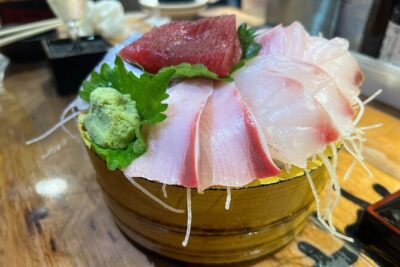
Shinjuku Food Tour (13 Dishes at 4 Local Eateries)
Read our review →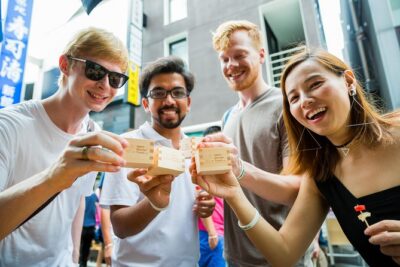
Tokyo Tsukiji Fish Market Food and Culture Walking Tour
Read our review →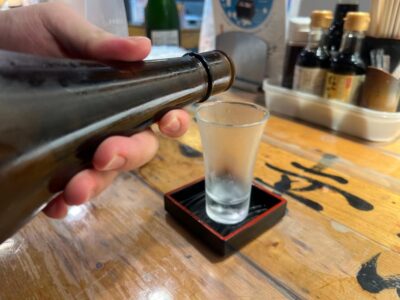
Shinjuku Food Tour (15 Dishes and 4 Eateries)
Read our review →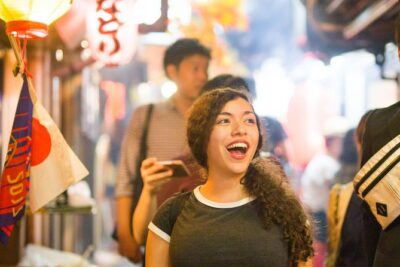
Best of Shinjuku: Izakaya Food Tour (4 Stops, 14+ Tastings)
Read our review →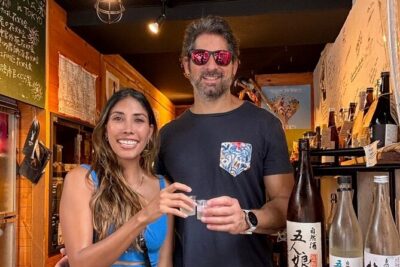
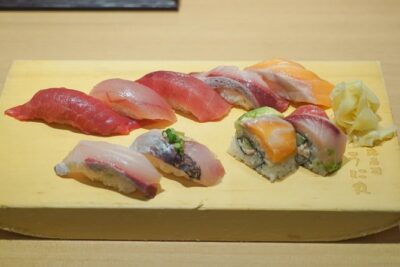
Tokyo Night Foodie Tour in Shinjuku – Seasonal Sushi, Wagyu Beef
Read our review →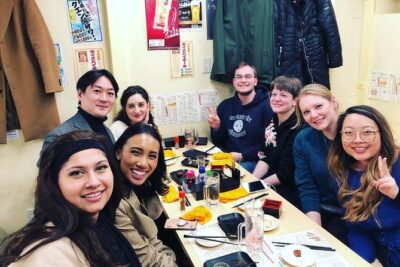
Eat and Drink Like a Local: Tokyo Ueno Food Tour-Taverns&Ramen
Read our review →
Browse the lists this tour appears in