
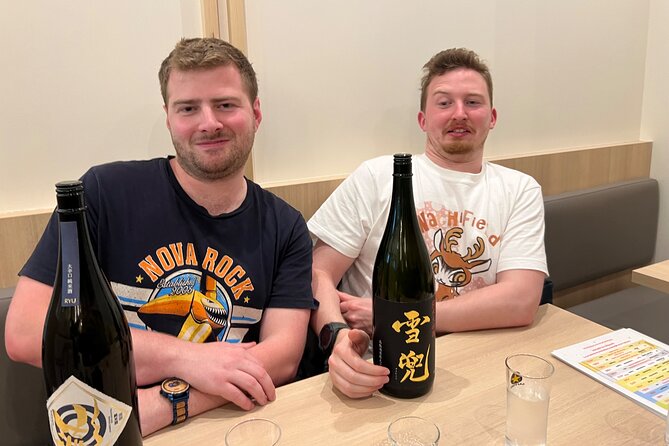
REVIEW · TOKYO
Tokyo: Shibuya Food Tour (13 dishes and 4 Eateries)
Shibuya’s neon streets are easy to admire and surprisingly easy to get lost in. This three-hour food walk takes you from Shibuya Crossing and Hachiko into Dogenzaka and Center-gai, where you stop at four eateries for 13 Japanese dishes, drinks, and dessert. Guides such as Hoshi, Naruto, and Kei have each led highly praised versions of the tour.
I like the generous range of food, from sushi and tuna to yakiniku, udon, karaage, dumplings, and sweets. I also like the small maximum of 10 people, which makes it easier to ask questions and get help ordering. The main caution is that the guide’s performance can vary. Most sessions sound warm and informative, but one poor experience included little explanation and skipped Hachiko.
Key points to know before booking
- Thirteen tastings at four eateries: You get a full evening of Japanese food rather than one sit-down meal.
- A useful first-night orientation: The walk covers Shibuya Crossing, Hachiko, Dogenzaka, and Center-gai.
- A small group of up to 10 people: This suits visitors who want personal attention without paying for a private tour.
- Food and drinks are included: Additional food and drinks cost extra, and alcohol is served only to people age 20 and older.
- Guide quality matters: Hoshi, Naruto, Kei, Will, Mat, and Benjamin are among the guides named in the feedback, but the tone and amount of explanation may differ.
- A filling three-hour outing: Several people found the portions generous, so arrive hungry rather than treating this as a light snack walk.
Four eateries, 13 tastes, and one busy Tokyo district
The basic idea is simple: walk a short route through Shibuya, stop at four local places, and let the guide order a selection for the group. You do not choose every dish yourself, so this works best if you want a broad introduction rather than a carefully controlled meal.
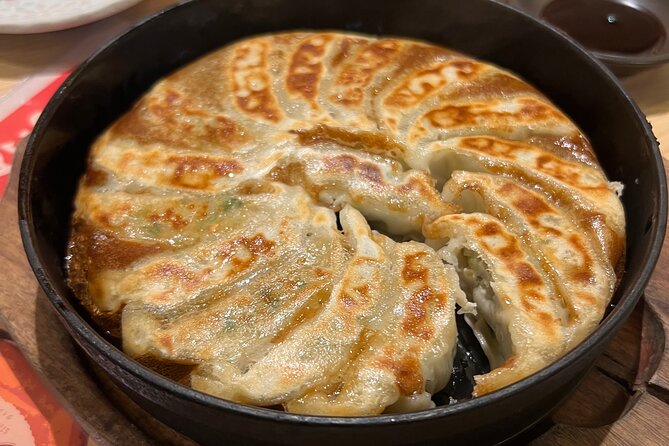
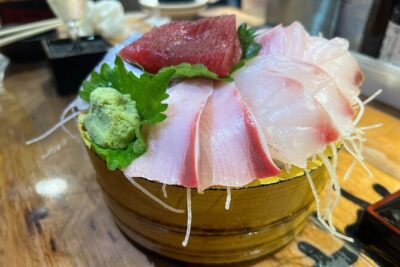
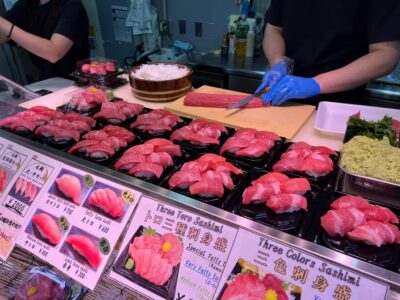
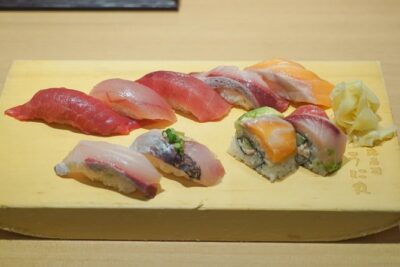
The advertised food range includes sushi, yakiniku, udon, and karaage. Other tastings can include dumplings, several types of tuna, drinks, and dessert. The precise menu may change, but the format gives you more variety than a standard restaurant booking.
That variety is the tour’s strongest feature. You may compare different textures and cooking styles in one evening instead of spending three hours on one bowl of noodles or one tray of sushi. You also get a chance to try items you might not recognize on a menu.
I would not book this expecting a fine-dining progression. It is a guided sampling walk, with food chosen for the group and the tour budget. One person found the meal less impressive in value than a much cheaper Michelin dinner, while others found the amount of food and drink well worth the price. Your expectations matter here.
More Food Tours in Tokyo
- Tokyo: Shinjuku Food Tour (13 Dishes at 4 Local Eateries)
★ 5.0 · 6,603 reviews - Tokyo Tsukiji Fish Market Food and Culture Walking Tour
★ 5.0 · 3,184 reviews - Tokyo: Shinjuku Food Tour (15 Dishes and 4 Eateries)
★ 4.9 · 2,033 reviews
Starting near Dogenzaka
The meeting point is Kusumoto Building, 1-chome-3-3 Dogenzaka, in Shibuya. The tour begins close to the district’s restaurant lanes, and the final stop is also in Shibuya, with the guide able to take you to Shibuya Station.
A mobile ticket is useful in this part of Tokyo. Shibuya has many exits, signs, streets, and elevated walkways, and the meeting point can feel less obvious than a major station entrance. Read the meeting instructions carefully and allow time to find the building.
The route is described as an easy walk between the eateries, but you should still wear comfortable shoes. You are moving through a dense city district, entering bars and izakayas, and spending much of the evening on foot.
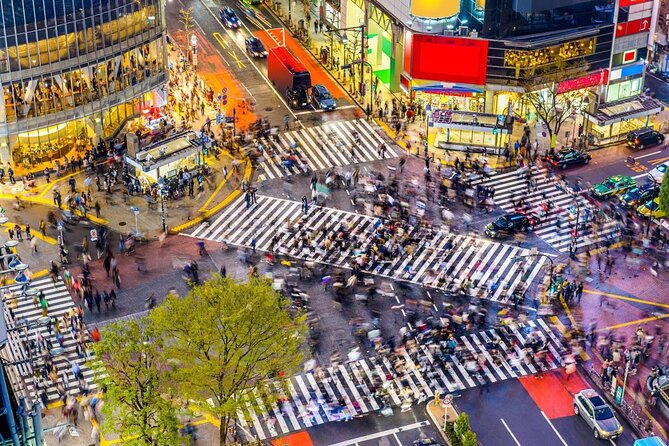
Shibuya Crossing in 15 minutes
The first sightseeing stop is Shibuya Crossing, Japan’s best-known pedestrian intersection and one of the district’s defining scenes. You spend about 15 minutes here, with free admission.
The crossing gives the tour an immediate sense of place. You are not simply being taken to a series of restaurants without context. You begin in the middle of Shibuya’s famous public stage, then move toward the smaller food streets nearby.
The limitation is time. Fifteen minutes is enough to see the crossing and walk through it, but not enough for a detailed city tour. If you want photographs from a particular viewpoint or a quiet look at the intersection, plan to return on your own.
One important point comes from the mixed feedback: the quality of the explanation at this stop depends heavily on the guide. Some guides, including Naruto, Hoshi, and Kei, were praised for their stories and local advice. One session crossed the intersection with almost no explanation. If the crossing matters to you, ask a direct question rather than waiting for a formal talk.
Hachiko and the story behind the statue
The planned second stop is Hachiko, the statue honoring the loyal Akita dog associated with Shibuya. This is listed as another 15-minute stop, also free.
Hachiko is more than a quick photo point. The story helps explain why this corner of Shibuya has become a meeting place and a symbol of loyalty in Japan. It is a useful bit of local background before the tour shifts from major sights to food streets.
There is a practical wrinkle. One person said the Hachiko stop was skipped entirely, despite being part of the planned route. That means you should not rely on the food tour as your only chance to see the statue. It is easy to visit separately around Shibuya Station, and doing so gives you more control over your time.
A few more food tours around Tokyo worth comparing
- Best of Shinjuku: Izakaya Food Tour (4 Stops, 14+ Tastings)
★ 5.0 · 1,863 reviews - Tokyo: Tsukiji Fish Market Food and Walking tour
★ 5.0 · 1,724 reviews - Tokyo Night Foodie Tour in Shinjuku – Seasonal Sushi, Wagyu Beef
★ 5.0 · 1,161 reviews - Eat and Drink Like a Local: Tokyo Ueno Food Tour-Taverns&Ramen
★ 5.0 · 957 reviews
Dogenzaka: local food streets and izakaya culture
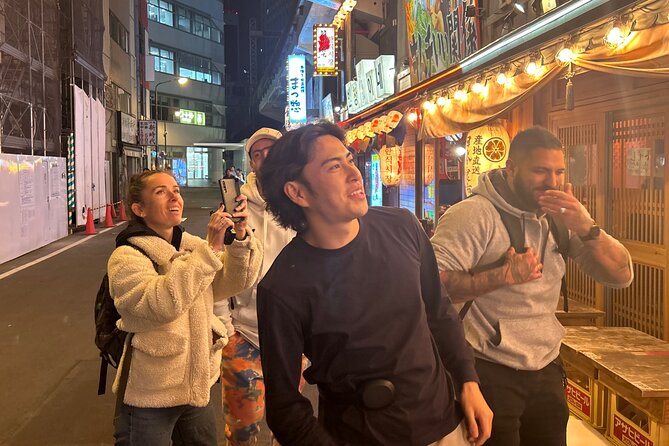
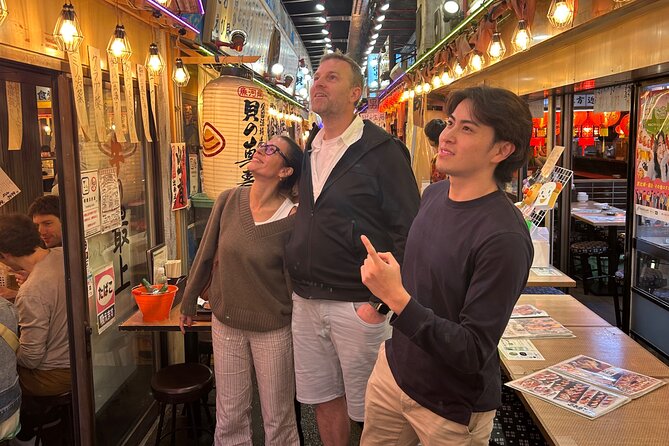
The tour then spends about an hour around Dogenzaka, a restaurant area filled with izakayas and small shops. This is where the evening begins to feel less like a sightseeing circuit and more like a local night out.
An izakaya is a Japanese drinking and dining place where people order several small dishes to share. That style fits this tour well. Instead of one large plate, you can taste many items, often with a drink alongside them. The guide also helps you understand what has arrived and how to eat it.
This is a particularly useful part of the tour for first-time visitors. Japanese menus can be difficult to interpret, and the food may arrive in an order or form you did not expect. Guides such as Hoshi were praised for demonstrating how to eat each dish, while Naruto and Kei were praised for explaining food and making recommendations for later in the trip.
The atmosphere is not polished or quiet. Dogenzaka is busy, and small eateries may feel compact. That is part of the appeal, but it may not suit you if you prefer a calm meal with plenty of personal space.
The route can also feel repetitive. One person felt the walk circled around Shibuya Station and passed near the starting point more than once. I would view this as a food-focused neighborhood walk, not a carefully designed architectural tour.
Center-gai and the final food stops
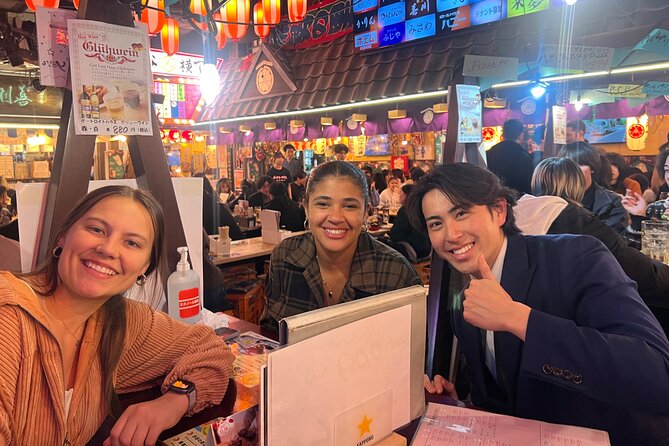
The second major neighborhood section is Shibuya Center-gai, one of the district’s busiest streets. The tour allows about an hour here, including food stops and walking.
Center-gai is a useful contrast with Dogenzaka. It is louder, more central, and packed with shops and entertainment venues. The route lets you see how quickly Shibuya shifts from an international attraction into narrow dining spots and casual local businesses.
The food at these later stops may include udon, karaage, more sushi or tuna, drinks, and dessert, depending on the evening’s arrangements. The meal is structured around sampling, so you can expect small portions across several stops, though the total can be surprisingly filling.
Dessert appears to be the final course. One session involved pastries pre-ordered because they can sell out, but the setting was described as a basement mall area rather than a traditional dessert shop. That detail points to an important truth about the tour: the food can be good even when the surroundings are plain.
You are paying for access, guidance, variety, and convenience, not a series of beautiful dining rooms. If atmosphere matters as much as taste, ask the guide about each stop as you go.
What the guides add to the evening
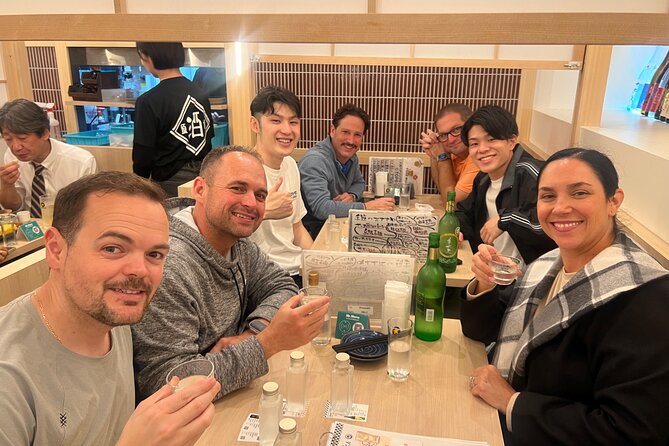
The guide is the deciding factor in this tour. A good guide turns a sequence of tastings into a useful introduction to Shibuya. A quiet guide may leave you with food but little sense of the district.
Hoshi is praised for being friendly, funny, considerate, and clear in English. He has also been described as someone who explains how to eat each dish, which is helpful when you encounter unfamiliar foods.
Naruto is repeatedly described as personable and fun. He has helped with directions to the meeting point, shared stories about food, offered suggestions for later meals, and connected well with families and children.
Kei is praised for clear pre-tour communication, local recommendations, and a strong grasp of the food. However, one session led by a guide named Kei was criticized for limited engagement, little sightseeing information, and a disappointing dessert setting. This is a reminder that guide names alone cannot guarantee the same style every time.
Will was described as friendly and easy to follow. Mat was praised for being thorough and thoughtful, while Benjamin was noted for taking the group through four eateries and explaining Japanese foods and alcoholic drinks.
The overall lesson is practical: ask questions. Ask why a dish is served that way, where locals eat nearby, and how to order it again. The best guides seem to respond warmly and offer useful advice for the rest of your stay. If your guide is less talkative, direct questions can help you get more from the evening.
Is $77.44 a fair price?
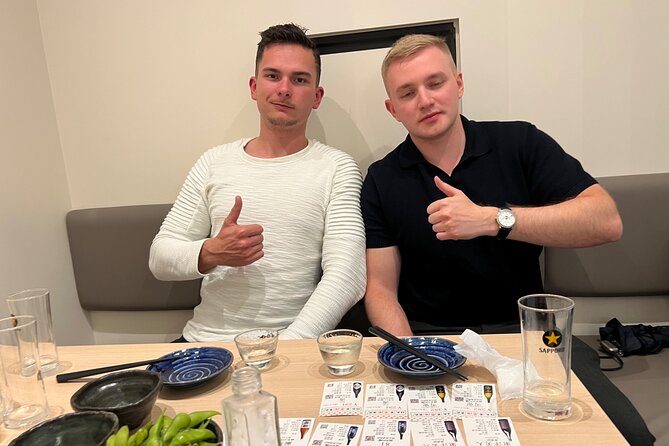
The listed price is $77.44 per person. Food and drinks, the English-speaking guide, walking tour, and admission to the local bars and izakayas are included. Additional food and drinks are not included.
On a simple meal comparison, the price may look high. You could certainly eat one filling Japanese meal for less. You are paying for four stops, 13 tastings, drinks, route planning, translation help, and the ability to enter places you might not confidently choose on your own.
The value improves if you are new to Tokyo, unsure about Japanese menus, or keen to sample many foods in one evening. It also helps if you want advice for the rest of your stay. The value is weaker if you already know Shibuya well, speak Japanese comfortably, or prefer choosing every dish and restaurant yourself.
Portion sizes appear generous. Several people said a family of four had enough food, and another described the meal as plentiful. Arrive hungry, but do not assume every session will feel like a formal dinner. The tour is built around shared tasting, and the exact balance of food and drink can vary.
For me, the price is reasonable for a first-night orientation if the guide is engaged and the menu covers the promised range. It is less convincing if the tour becomes only a series of orders with little explanation.
Who will enjoy this Shibuya food walk?
I would recommend it to first-time visitors who want an easy introduction to Japanese food without spending an evening decoding menus. It suits couples, families, and solo visitors who like meeting a small group.
Families may find the variety and relaxed pace appealing. The feedback includes strong praise for guides who connected with children, though alcohol is served only to people age 20 or older.
Food-focused visitors should also consider it, especially if you enjoy trying unfamiliar dishes. The tour can introduce you to foods you would not select alone, including different tuna preparations, dumplings, izakaya dishes, and local sweets.
I would be more cautious if you are a serious fine-dining enthusiast. One person compared the cost unfavorably with a Michelin meal, and the tour does not promise luxury settings or chef-led instruction. You may prefer a restaurant reservation where you control the menu.
The tour also suits anyone who dislikes navigating unfamiliar streets at night. The group stays together, and the guide can take you to Shibuya Station at the end. That convenience has real value after dark, especially on your first evening in Tokyo.
Timing, group size, and practical details
The tour lasts about three hours and has a maximum of 10 participants. That is small enough for personal attention but large enough that you should expect a shared group experience rather than a private guide.
Most people can participate, and the route is near public transportation. The tour requires good weather, and it may be canceled if the minimum number of participants is not reached. In either case, a different date or a full refund is offered.
Free cancellation is available when you cancel at least 24 hours before the start time. Changes or cancellations inside that period are not accepted for a refund.
The tour ends in Shibuya, and the guide can escort you to the station. Since the evening includes alcohol for eligible participants, this station guidance is a useful finish rather than a minor detail.
Should you book the Shibuya Food Tour?
Book it if you want many Japanese tastes in one evening, a small group, and help finding local-style eateries in a complicated district. The strongest sessions combine generous food with guides such as Hoshi or Naruto, who add humor, clear explanations, and useful recommendations.
Think twice if your priority is detailed sightseeing, a fixed menu, or polished dining rooms. The route may repeat parts of Shibuya, Hachiko may not always receive proper attention, and guide quality can vary.
At $77.44, I see this as a convenient introduction to Shibuya rather than a bargain meal. Arrive hungry, keep your expectations focused on variety and guidance, and ask questions throughout the walk. For a first visit, that can be a very practical way to start eating your way through Tokyo.
FAQ
How long does the Shibuya food tour last?
The tour lasts approximately three hours.
How many eateries does the tour visit?
You visit four local eateries in Shibuya.
How many dishes are included?
The tour includes 13 Japanese dishes. Examples include sushi, yakiniku, udon, karaage, dumplings, tuna, drinks, and dessert.
Is a guide included?
Yes. An English-speaking local guide leads the walking tour and can provide advice for the rest of your stay.
How many people can join the tour?
The maximum group size is 10 travelers.
Are alcoholic drinks included for everyone?
Alcoholic beverages are served only to participants who are 20 or older. Food and drinks are included, but additional food and drinks cost extra.
Just added around Tokyo
- Eat/Drink like a LOCAL-Taverns & Ramen★ 4.9 · 23 reviews
- [1 Group Only] Tokyo Shinjuku Food Tour for Family★ 4.9 · 49 reviews
- Tokyo After 5: Authentic Japanese Food & Drink Night Tour★ 4.5 · 560 reviews
- Best of Shibuya Food Tour★ 5.0 · 612 reviews
- Tsukiji Fish Market Small-Group Food Walking Tour★ 5.0 · 621 reviews
- Tsukiji Fish Market: Street Food & Culture Walking Tour★ 5.0 · 669 reviews
- Tokyo: Tsukiji Fish Market Food and Culture Walking Tour★ 4.7 · 757 reviews
- Eat and Drink Like a Local: Tokyo Ueno Food Tour-Taverns&Ramen★ 5.0 · 957 reviews
Food Tours in Tokyo, compared.
Shinjuku Food Tour (13 Dishes at 4 Local Eateries)
Read our review →
Tokyo Tsukiji Fish Market Food and Culture Walking Tour
Read our review →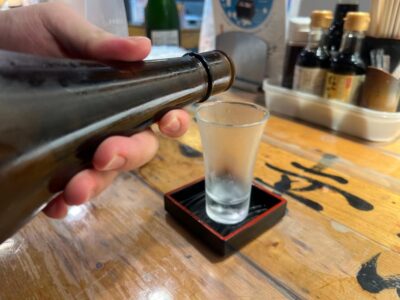
Shinjuku Food Tour (15 Dishes and 4 Eateries)
Read our review →
Best of Shinjuku: Izakaya Food Tour (4 Stops, 14+ Tastings)
Read our review →
Tokyo Night Foodie Tour in Shinjuku – Seasonal Sushi, Wagyu Beef
Read our review →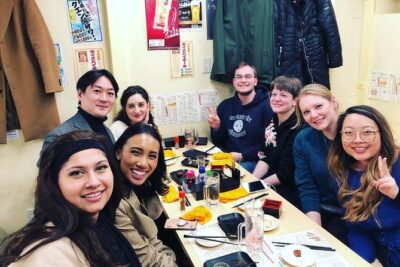
Eat and Drink Like a Local: Tokyo Ueno Food Tour-Taverns&Ramen
Read our review →Browse the lists this tour appears in