
REVIEW · TOKYO
Tokyo Tsukiji Fish Market Food and Culture Walking Tour
Tokyo’s Tsukiji tour is really a guided eating walk through the Outer Market, not a visit to the old inner wholesale market or tuna auction. That distinction matters. You will see fishmongers, prepared-food stalls, kitchenware shops, sea urchin, tanks of seafood, and perhaps a tuna being cut, but the famous wholesale operation moved elsewhere.
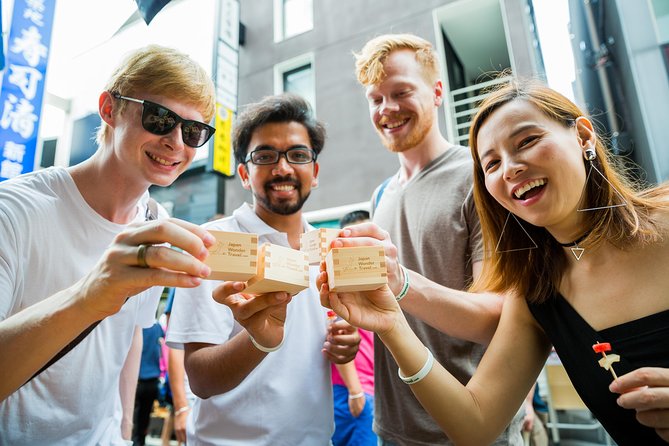
I like two things here. First, a good guide helps you make sense of a maze that can feel confusing on your own. Second, the tastings go well beyond sushi, with Wagyu beef, fish cakes, Japanese omelette, seasonal fruit, dashi soup, green tea, and either sushi or a seafood bowl. Guides such as Kiyo, Naz, Shoko, Masa, and Nick have been praised for adding useful food and cultural context.
The catch is the price and the uncertainty of the final meal. At $99.49 per person, this is worthwhile if you want guidance and explanation, but less so if your main goal is simply to eat a large breakfast. Food portions can feel modest, and the tour does not accommodate vegetarian, halal, gluten-free, or allergy-related needs.
Key points before you book
- Three hours in the Outer Market: Expect a food-focused walk through Tsukiji Jogai Market, nearby market areas, kitchen shops, and a fish bowl or sushi meal.
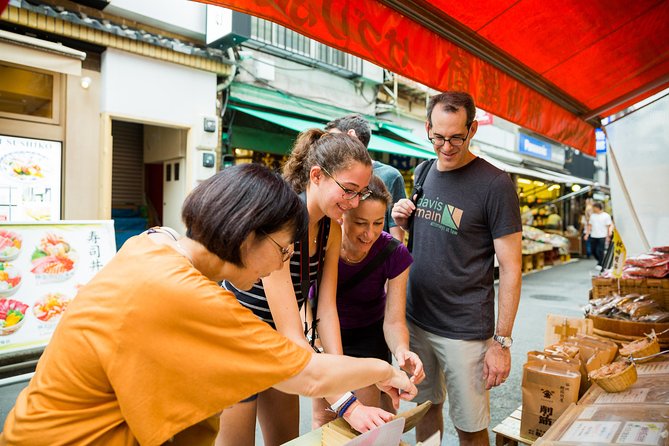
- A guide makes the difference: Strong guides explain ingredients, customs, market history, and how local shoppers use foods at home.
- More than seafood: Tastings can include Wagyu beef, tuna, fish cakes, Japanese omelette, fruit, dashi soup, seaweed, green tea, and tempura.
- Not the old inner market: The famous wholesale fish market is no longer in Tsukiji, and the Uogashi wholesale section closes on Wednesdays, Sundays, and holidays.
- Come hungry, but not starving: Lunch and snacks are included, though one disappointing experience described the food as lighter than expected.
- Fish is essential: This is not suitable if you cannot eat fish, and dietary substitutions are not available for listed restrictions.
What this Tsukiji food walk really offers
Tsukiji is one of those Tokyo areas where a guide can save you time and confusion. The streets are packed with small businesses selling seafood, preserved foods, kitchen tools, spices, sweets, and ready-to-eat snacks. Signs may be difficult to read, lines form quickly, and some stalls are designed more for local shoppers than for casual sightseers.
This tour gives you a route through that maze while someone explains what you are seeing. The experience is not a formal restaurant crawl. It is closer to a moving lesson in Japanese food, with stops to taste things along the way.
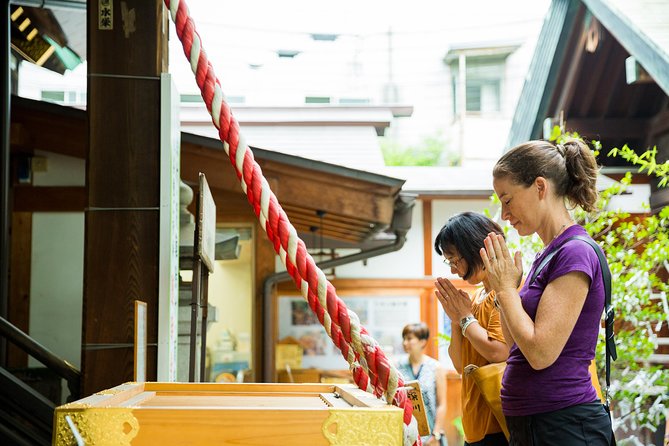
The tour begins at the main gate of Tsukiji Hongwan-ji Temple. You need to meet at the front side of the temple, not the back. The supplied directions warn that Google Maps may lead you to the wrong side, so give yourself extra time and check the gate before the start.
The group can include up to 20 people, though some departures are much smaller. A small group is especially useful here because crowded lanes make it hard to hear and easy to lose sight of a guide. It also gives you a better chance to ask about ingredients or pause briefly at a shop.
More Food Tours in Tokyo
- Tokyo: Shinjuku Food Tour (13 Dishes at 4 Local Eateries)
★ 5.0 · 6,603 reviews - Tokyo: Shinjuku Food Tour (15 Dishes and 4 Eateries)
★ 4.9 · 2,033 reviews - Best of Shinjuku: Izakaya Food Tour (4 Stops, 14+ Tastings)
★ 5.0 · 1,863 reviews
Starting at Tsukiji Hongwan-ji Temple
The meeting point is more than a practical landmark. Tsukiji Hongwan-ji Temple has an unusual architectural style and gives the tour a cultural beginning before the food stalls take over.
Guides have used the temple to explain its design and background before leading the group into the market. That opening helps set the tone. You are not just rushing from one snack to another. You are connecting the neighborhood’s food trade with one of Tokyo’s notable religious sites.
The guide leaves at the scheduled start time and cannot wait for late arrivals. There is no extension if you arrive late, and same-day late arrival or cancellation does not qualify for a refund. I would treat the meeting time seriously, especially if you are coming from another part of Tokyo.
Tsukiji Jogai Market: the main 90-minute walk
The longest part of the tour takes place in Tsukiji Jogai Market, the Outer Market. This is where you get the strongest sense of everyday food shopping.
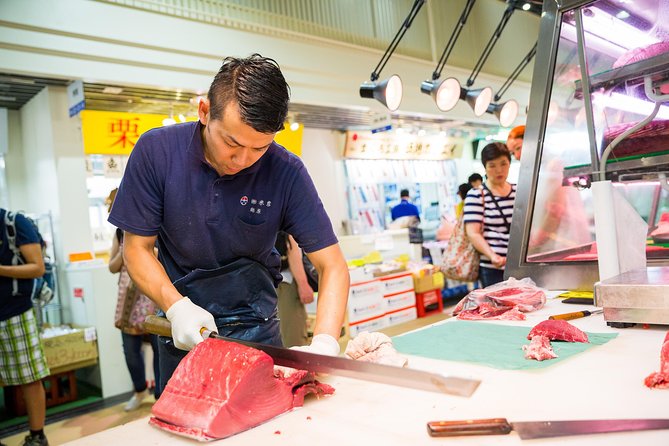
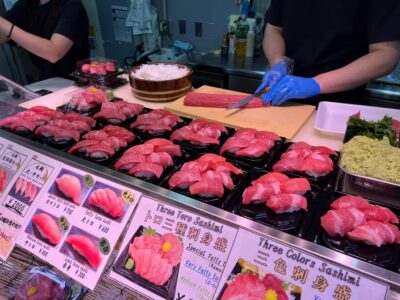
You might pass stalls selling fish, shellfish, seaweed, pickles, dried goods, cookware, and other ingredients. Depending on the day, you may see boxes of uni, pufferfish in tanks, or a large Bluefin tuna being cut. These details are useful because the market can look like a blur of counters and signs when you first enter.
A guide can explain why particular seafood matters, how it is sold, and which ingredients are common in Japanese cooking. One guide, Shoko, was especially appreciated for explaining how she used market foods and spices in her own kitchen. That sort of practical advice is more useful than a list of unfamiliar names.
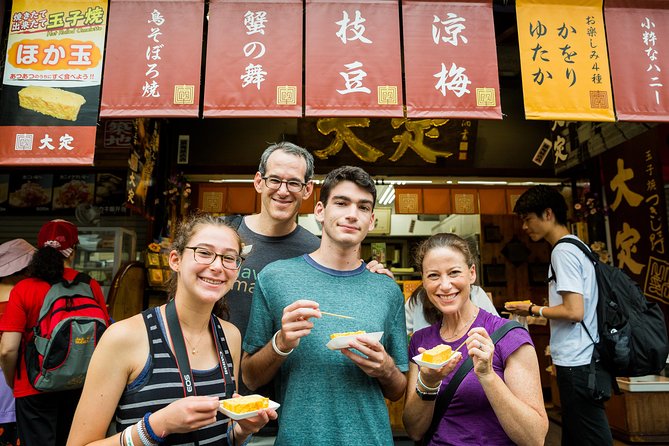
The tastings are the heart of the walk. The exact mix can vary, but the advertised examples include dashi soup, green tea, seaweed, fish cakes, Japanese omelette, tuna, Wagyu beef skewers, seasonal fruit, and other market foods.
This variety is a real strength. If you only eat sushi, you miss much of Japanese food culture. Fish cakes show how seafood is prepared into a different texture. Japanese omelette offers a sweet, soft contrast. Dashi introduces the savory stock used in many dishes. Wagyu adds a rich meat option, while fruit gives your palate a break.
The experience is also useful for cautious eaters. You can try small amounts of foods you may not order alone. One account described squid and eel sushi as memorable discoveries for someone who had never eaten sushi before. That does not mean every taste will suit you, but the range gives you several chances to find a new favorite.
The old market area and kitchen shops
The itinerary includes a shorter stop in the old Tsukiji market area for more food tasting. This section helps you see how the market has changed, but expectations need to be realistic.
The old inner wholesale market, once associated with Tsukiji’s tuna auction and large-scale seafood trade, is now at Toyosu. This tour does not take you into that former wholesale operation. The experience instead centers on the Outer Market, where many small food businesses continue to operate.
That difference has disappointed people who booked expecting to see the old wholesale fish market. Read the description carefully if the auction or wholesale floor is your main reason for coming. If you want prepared foods, local shopping, and a guide through the Outer Market, the change is less of a problem.
The tour may also pause at a shop selling kitchen tools. This is a good chance to look at Japanese knives, cooking equipment, or other practical souvenirs. You do not need to buy anything, and extra purchases are your responsibility, but the stop adds another layer to the market. Tsukiji is not just a place to eat. It is also a place where cooks shop for the tools and ingredients used at home and in restaurants.
A small group makes this portion easier. One guide helped the group choose ingredients to take home and offered advice on using them. Another made time for a requested shop after the scheduled tour. You should not expect every guide to extend the route, but a friendly request may lead to useful suggestions.
More seafood tours in Tokyo:
- Tokyo: Tsukiji Fish Market Food and Walking tour
★ 5.0 · 1,724 reviews - Tokyo: Tsukiji Fish Market Guided Walking Tour
★ 4.9 · 1,397 reviews - Tokyo: Tsukiji Fish Market Food and Culture Walking Tour
★ 4.7 · 757 reviews - Tsukiji Fish Market: Street Food & Culture Walking Tour
★ 5.0 · 669 reviews
Tsukiji Uogashi and the changing market calendar
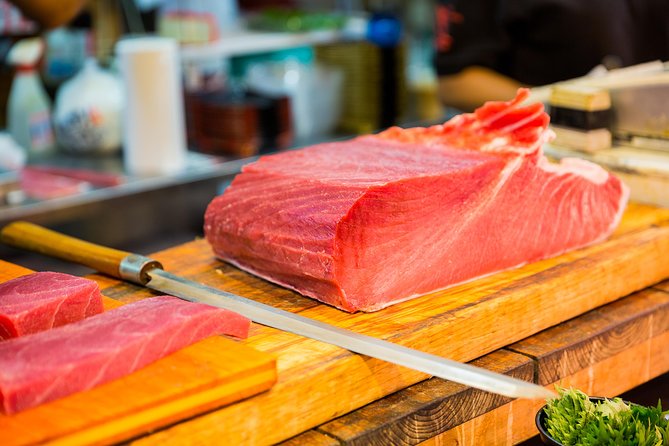
The route also passes through Tsukiji Uogashi, a smaller wholesale market area with many kinds of fresh fish. This gives you a closer look at the trade in seafood, but the stop depends on the calendar.
The Uogashi wholesale section is closed on Wednesdays, Sundays, and holidays, along with other market closure days. On those days, some advertised tastings, including Japanese omelette, fish cake, and fruit, may not be available.
This is one of the tour’s biggest practical limitations. The tour still operates on those days, but the food lineup can change. You may receive alternatives, yet you should not book a Sunday expecting the exact same experience as a weekday morning.
The market is also most enjoyable if you accept that it is an active working district. Narrow lanes, crowds, and vendor activity can slow the group. Wear comfortable walking shoes, keep your bag close, and avoid bringing anything awkward to carry.
The stated fitness level is moderate. The route lasts about three hours and includes steady walking, standing, and time on your feet while eating. It is not a strenuous hike, but it may be tiring for anyone with mobility concerns.
The final sushi or seafood bowl
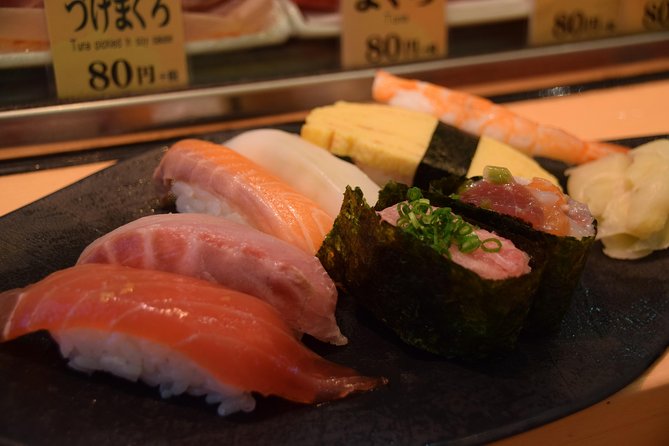
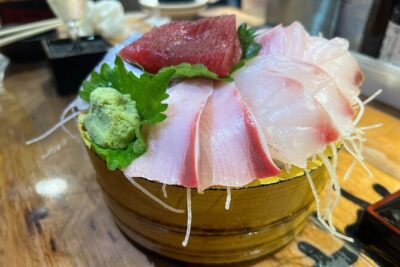
The tour ends with a meal of either sushi or a seafood bowl. The exact choice depends on the day and time, so you cannot select one with certainty in advance.
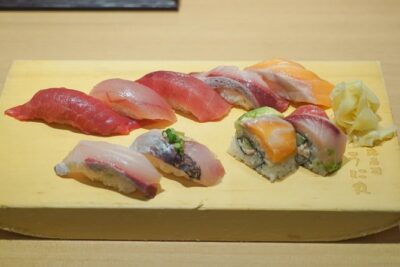
This final stop gives the tour a proper meal after the small tastings. It may also include a preparation demonstration. One particularly memorable version included watching a fish being prepared and then making sushi. Another ended with sashimi served at Moritaya, a restaurant that made a strong impression through its fish quality and presentation.
Still, keep your expectations measured. The meal is included, but this is not a luxury dining experience with an unlimited menu. One poor experience described the final restaurant as tourist-oriented and felt there was little choice once the group arrived. Most of the appeal comes from the guide’s explanation and the chance to taste market fish in context, not from choosing your own restaurant or ordering freely.
If the assigned restaurant suddenly closes, the operator provides an alternative. That is sensible, but it also means the final stop can change.
The guides shape the experience
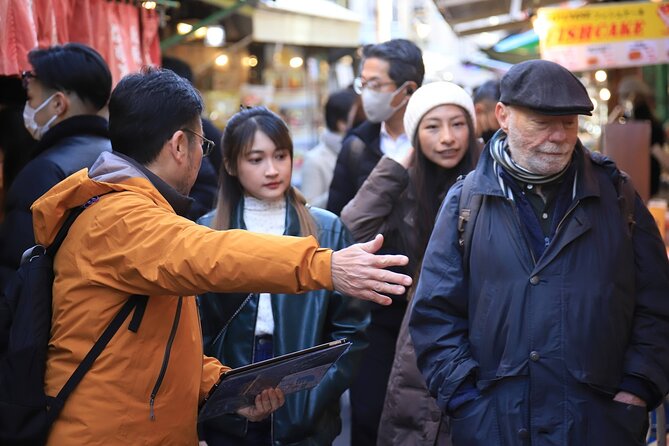
This is a guide-dependent tour. The route and food are important, but the guide determines how much you learn and how smoothly you move through the market.
The strongest guide reports describe people who explain local customs, answer questions, suggest foods, and keep a comfortable pace. Masa was praised for being patient, calm, humorous, and well informed about food and culture. Shoko helped with cooking ideas and shopping. Nick connected tastings with nearby landmarks and finished at a respected sashimi restaurant.
Other experiences were less satisfying. Some guides were described as young, slow, or lacking enthusiasm. One person found the explanations hard to understand. That range is worth considering because you cannot usually choose your guide when booking.
The good news is that the tour has a strong overall rating of 4.9 from more than 3,000 ratings, with 97 percent recommending it. That points to a generally dependable experience, but it does not erase the normal variation between guides, group sizes, market conditions, and food availability.
Is $99.49 a fair price?
At $99.49, this is not the cheapest way to visit Tsukiji. You can enter the Outer Market without paying admission and buy individual snacks on your own.
The fee makes sense if you value three things: a planned route, included tastings and lunch, and a local person who explains what you are seeing. A guide can also help you avoid spending time at random stalls or missing foods you would not recognize.
The value is weaker if you are comfortable exploring alone, want full control over your restaurant choices, or expect a large meal. The food is spread across several tastings, and portions may not satisfy a very hungry eater. I would eat a light breakfast before joining, rather than arriving ravenous and expecting a full feast.
The tour is also a good first activity in Tokyo because it introduces food customs and ingredients you can look for later. Guides often give useful advice about what to buy, how locals use certain foods, and when the market is most active.
Who should book this experience?
I would recommend it to first-time visitors who want a friendly introduction to Japanese food and prefer some structure. It also suits adventurous eaters who want to try fish, squid, eel, fish cakes, dashi, Wagyu, and other items without planning every stop.
It works well for couples, families with older children who can manage three hours of walking, and small groups who want help navigating together. The experience can also suit a repeat visitor. One person who had already visited Tsukiji found new places with a guide.
I would not choose it if you cannot eat fish, need strict allergy control, or follow vegetarian, halal, or gluten-free rules. The operator specifically says these requests cannot be accommodated. It is also a poor match if your priority is the old wholesale fish market, since that operation is no longer in Tsukiji.
Book at least a day ahead if you want the option of a full refund. You can cancel up to 24 hours before the start time, but cancellations or changes inside that window are not refunded or accepted.
Should you book the Tsukiji food tour?
Book it if you want context as well as food. The best version takes you past the obvious stalls, explains unfamiliar ingredients, and gives you enough samples to understand how Japanese seafood fits into daily cooking.
Skip it if you are happy to wander alone, want a large breakfast, or are mainly chasing the old tuna auction. Also check the day of the week. A Wednesday, Sunday, or holiday departure may miss the Uogashi wholesale section and several specific tastings.
For most first visits, the tour is a useful shortcut into Tsukiji. Just arrive on time, wear walking shoes, expect a changing food lineup, and think of the $99.49 as payment for guidance, tastings, and a prepared route rather than an all-you-can-eat meal.
FAQ
Where does the tour meet?
Meet your guide at the main gate on the front side of Tsukiji Hongwan-ji Temple, at 3-chōme-15-1 Tsukiji, Chuo City, Tokyo. Google Maps may direct you to the back side, so check the entrance carefully.
How long does the tour last?
The tour lasts about three hours and ends back at the meeting point.
What food and drinks are included?
Lunch and snacks are included. Tastings may include dashi soup, green tea, seaweed, fish cakes, Japanese omelette, Wagyu beef, fruit, tuna, and other foods. The final meal is either sushi or a seafood bowl, depending on the day and time.
Is the old wholesale fish market included?
The tour visits the Outer Market and passes through Tsukiji Uogashi when it is open. The former inner wholesale fish market is no longer in Tsukiji, so this is not a tour of the old tuna auction or wholesale floor.
What should I wear?
Wear comfortable walking shoes because the tour is mainly on foot. A moderate level of physical fitness is recommended.
Can the tour accommodate dietary restrictions?
No. Vegetarian, halal, gluten-free, and allergy-related requests cannot be accommodated. You also cannot join if you cannot eat fish. The minimum drinking age is 20, and guests under 20 receive a different drink.
More Shopping Tours in Tokyo
- London Bridge & Borough Market Food Tour with 7 Authentic Dishes
★ 5.0 · 1,972 reviews - Small Group Cooking Class & Market Food Tour in Florence
★ 5.0 · 1,574 reviews - Nishiki Market Brunch Walking Tour (7 Tastings + Brunch)
★ 5.0 · 1,355 reviews - Bologna Food & Market Tour with 6 Tastings, Pasta, Wines & More
★ 5.0 · 1,328 reviews
More Market Food Tours in Tokyo
- Tsukiji Fish Market Small-Group Food Walking Tour
★ 5.0 · 621 reviews - Bangkok by Night: Temples, Markets and Food Tuk-Tuk Tour
★ 5.0 · 3,752 reviews - Chef Guided Food Tour of Pike Place Market
★ 5.0 · 3,733 reviews - Bangkok: Markets, Temples and Food Night Tour by Tuk Tuk
★ 4.9 · 2,371 reviews
Just added around Tokyo
- Eat/Drink like a LOCAL-Taverns & Ramen★ 4.9 · 23 reviews
- [1 Group Only] Tokyo Shinjuku Food Tour for Family★ 4.9 · 49 reviews
- Tokyo After 5: Authentic Japanese Food & Drink Night Tour★ 4.5 · 560 reviews
- Best of Shibuya Food Tour★ 5.0 · 612 reviews
- Tsukiji Fish Market Small-Group Food Walking Tour★ 5.0 · 621 reviews
- Tsukiji Fish Market: Street Food & Culture Walking Tour★ 5.0 · 669 reviews
- Tokyo: Shibuya Food Tour (13 dishes and 4 Eateries)★ 5.0 · 770 reviews
- Tokyo: Tsukiji Fish Market Food and Culture Walking Tour★ 4.7 · 757 reviews
Food Tours in Tokyo, compared.
Shinjuku Food Tour (13 Dishes at 4 Local Eateries)
Read our review →
Shinjuku Food Tour (15 Dishes and 4 Eateries)
Read our review →
Best of Shinjuku: Izakaya Food Tour (4 Stops, 14+ Tastings)
Read our review →
Tokyo Night Foodie Tour in Shinjuku – Seasonal Sushi, Wagyu Beef
Read our review →
Eat and Drink Like a Local: Tokyo Ueno Food Tour-Taverns&Ramen
Read our review →
Browse the lists this tour appears in