
REVIEW · KYOTO
Kyoto Evening Gion Food Tour
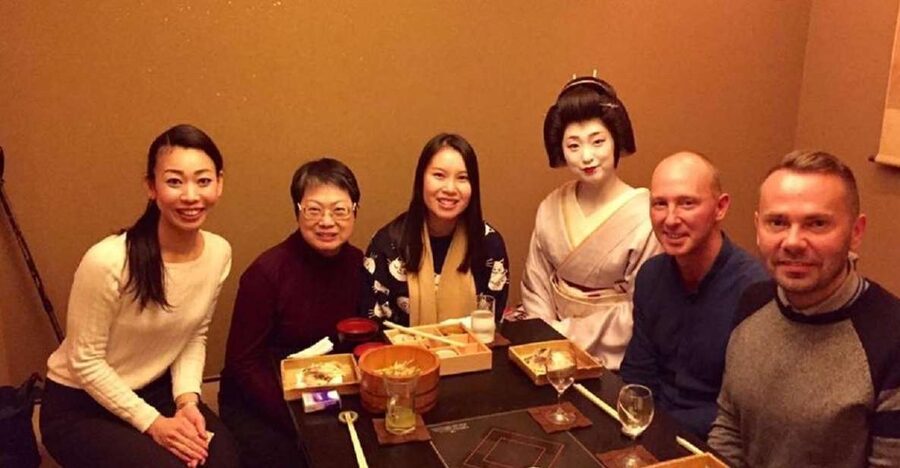
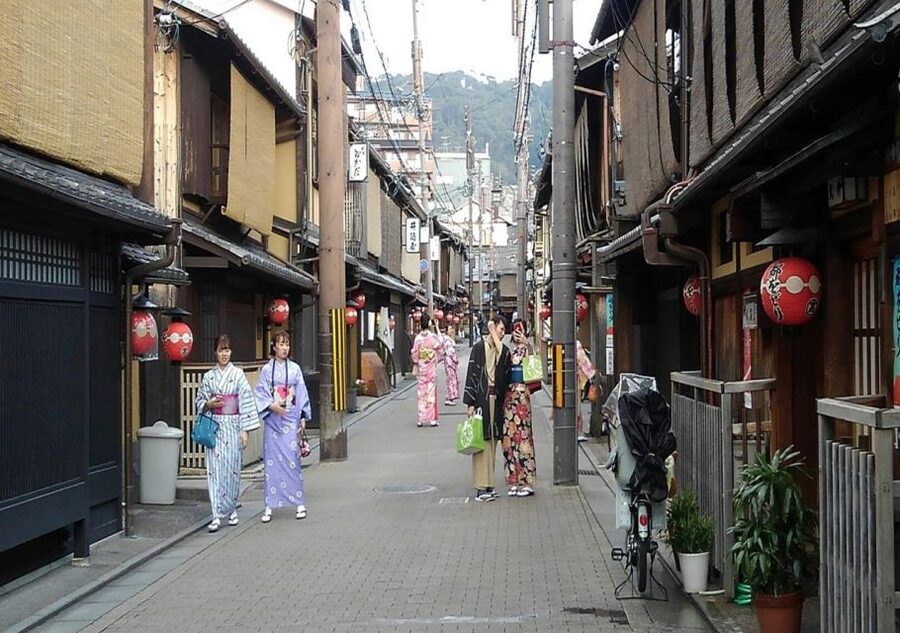
Kyoto’s old Gion district is at its most atmospheric after sunset, when lanterns glow over narrow lanes and traditional teahouses. This tour pairs that evening walk with a 10-course kaiseki dinner, giving you both the setting and the food in one three-hour outing.
I like the small group size, capped at 10, and the guides’ knack for making Gion easier to understand. Guides such as Miki, Sae, Marie, Russ, and Mickey have been praised for clear explanations and warm hosting. I also like that you get more than a meal: you hear how Maiko and Geiko culture works today and make a few snack stops along the way.
The main thing to consider is the food-tour label. The substantial eating takes place at the final restaurant, while the walking portion may include only a couple of small tastings. At $216 per person, this is best viewed as a guided Gion culture walk with a formal dinner, not a low-cost street-food crawl.
Key points to know before booking
- Gion after dark: Walk lantern-lit lanes around Gion and Shirakawa, with traditional architecture as the backdrop.
- A proper kaiseki meal: The included dinner has 10 courses, dessert, and one drink, with seasonal and regional ingredients.
- Maiko and Geiko context: Your English-speaking guide explains the customs, work, and current practices behind Kyoto’s famous entertainment districts.
- Small-group attention: The group is limited to 10, which makes it easier to ask questions and keep up in narrow streets.
- Limited snack tasting: Expect small local samples during the walk, but most of the meal comes at the final restaurant.
- Strict meeting timing: Meet outside the Japan Kanji Museum & Library, and do not count on the guide waiting more than five minutes.
Gion after sunset, when the setting does half the work
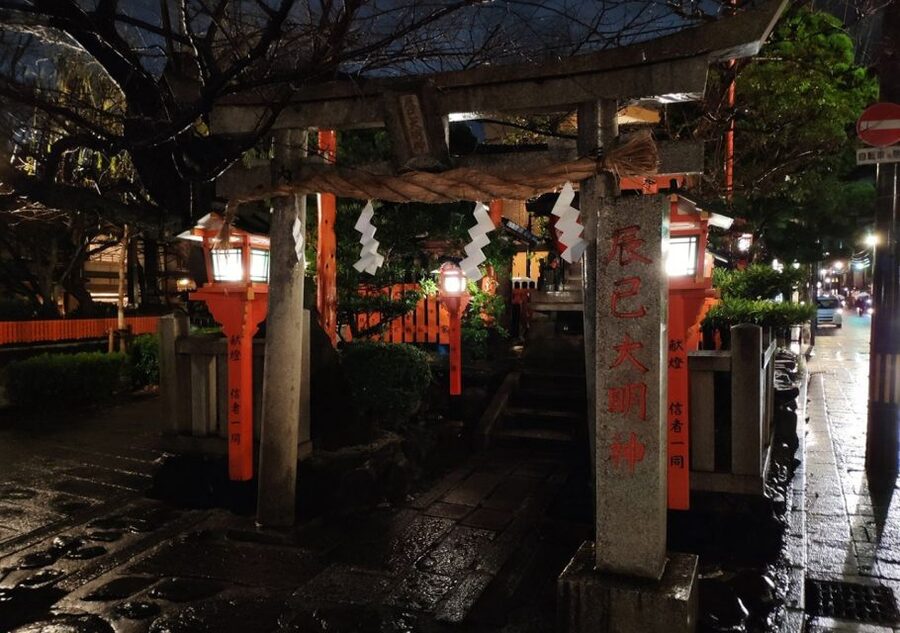
The tour begins in front of the Japan Kanji Museum & Library in Gionmachi Minamigawa. That meeting point puts you right in the historic district, rather than making you spend the first part of the evening getting there by bus or taxi.
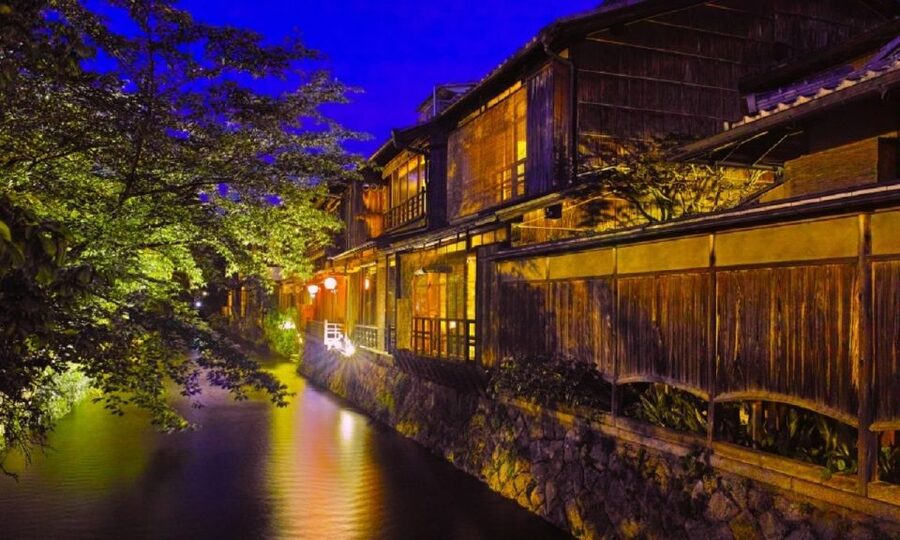
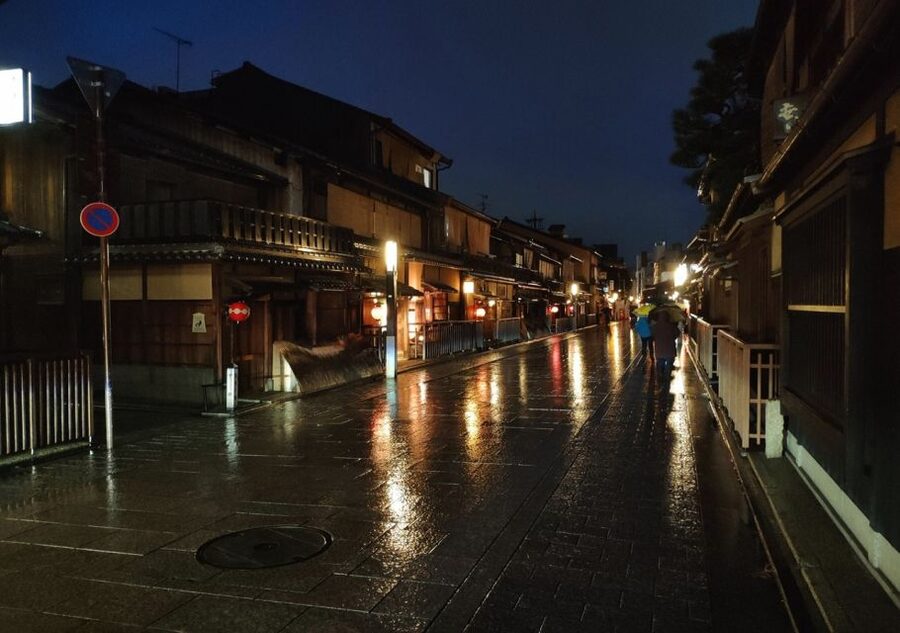
From here, the route leads through Gion and Shirakawa. These areas are known for wooden facades, narrow lanes, small bridges, traditional teahouses, and carefully maintained streets. At twilight, the architecture becomes part of the meal. Lantern light softens the buildings, and the quiet streets offer a far different view of Kyoto than the daytime crowds around its major temples.
I would book this for your first or second evening in Kyoto if you want help finding your bearings. One guide, David, was especially appreciated for offering practical advice about getting around Japan without making social blunders. That sort of guidance can be as useful as the sightseeing itself.
The walking is not difficult in the sense of a hike, but you will be on your feet and moving along paved streets for much of the three hours. Wear comfortable shoes. Gion’s lanes can be uneven, and formal dining is more enjoyable when your feet are not complaining.
More Food Tours in Kyoto
- Kyoto Night Foodie Tour in Gion (9+ dishes + 6 Sake tastings)
★ 5.0 · 1,762 reviews - Nishiki Market Brunch Walking Tour (7 Tastings + Brunch)
★ 5.0 · 1,355 reviews - Kyoto: Insider Sake Brewery Tour with Sake and Food Pairing
★ 5.0 · 704 reviews
Understanding Maiko and Geiko culture without treating it as a spectacle
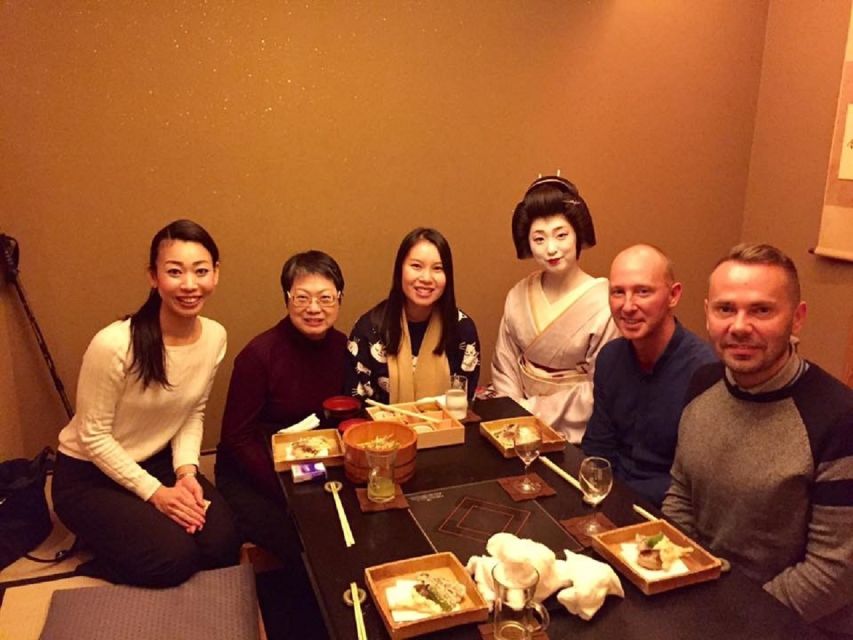
A major reason to choose this outing is the explanation of Maiko and Geiko life. The terms are often blurred in casual descriptions, yet they refer to a specific artistic and professional tradition in Kyoto. Your guide discusses their training, performance work, clothing, and place within the city’s entertainment districts.
This context matters because Gion is not a theme park. It is a working neighborhood with private teahouses and residents going about their evening. You may see a Maiko or Geiko moving between appointments, but that is not promised and should not be treated as the goal of the tour.
One group happened to see both a Geiko and a Maiko during the walk. That was a lucky moment, not an advertised part of the schedule. The sensible approach is to enjoy the streets, buildings, and stories first. If you see a performer, give her space and follow your guide’s advice about respectful behavior.
The best guides make this subject human rather than mysterious. Sae was praised for explaining the district, pointing out good spots for snacks and souvenirs, and sharing the local setting with energy. Miki was singled out for her grasp of Gion, food, and the Geiko world. Marie was described as professional, friendly, and fun to spend an evening with.
Guide assignments can change, so you should not book on the assumption that one particular person will lead your departure. Still, the repeated pattern is useful: the guides are expected to provide cultural explanation, not simply lead you from one address to the next.
Small food stops, with the main event saved for dinner
The walking portion includes stops for Kyoto-style snacks and traditional local tastes. These samples help break up the sightseeing and give you a quick sense of the city’s food culture before the formal meal.
Keep your expectations in the right place. One detailed account described two small bites at shops, with the main food served at the restaurant. That means this is not the kind of tour where you replace dinner by eating at a dozen market stalls. If you want a long procession of street-food portions, this format may feel light.
On the other hand, the limited samples leave room for the included dinner. You do not arrive at the restaurant already full from a string of heavy dishes. Depending on the stops and the day’s arrangements, you might try traditional Kyoto items connected with local shops and seasonal cooking.
The snack stops also give you a chance to see how food fits into ordinary Kyoto life. A guide can explain what you are tasting, how it is made, and why it belongs to the region. That kind of explanation is hard to get when you simply point at a display case and choose something at random.
Do not plan on adding lots of food along the way without checking first. Additional food and drinks are not included, and there is no promise of a particular snack menu. If you have dietary restrictions, tell the operator before the tour.
The 10-course kaiseki dinner is the centerpiece
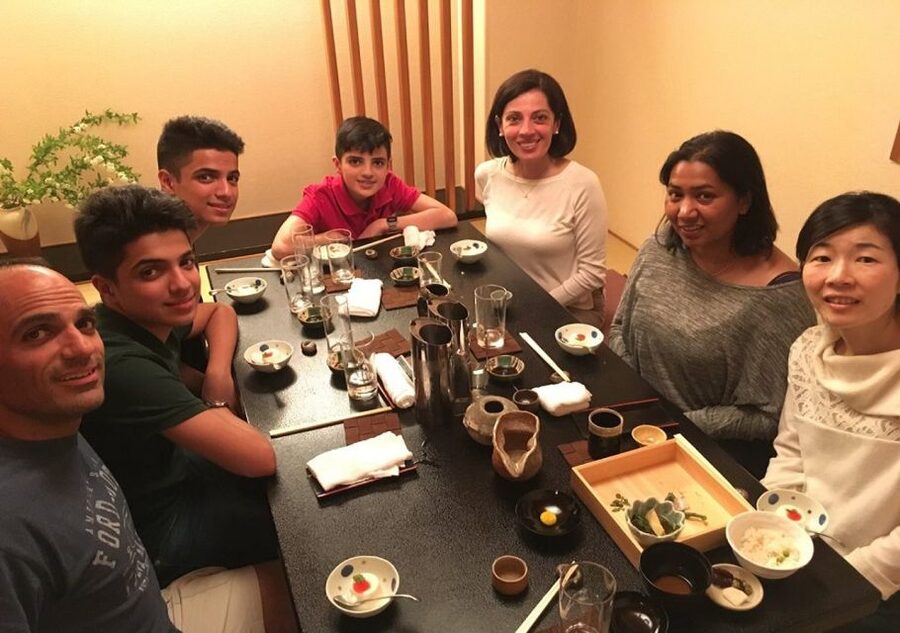
The final restaurant meal is where this outing earns its high price. You receive a 10-course dinner, dessert, and one drink. Kaiseki is built around small, carefully arranged courses, seasonal ingredients, and a progression of tastes and textures rather than one large plate.
The supplied description points to dishes and flavors such as miso, yuba, and grilled fish. Yuba, made from the delicate skin that forms on heated soy milk, is strongly associated with Kyoto cooking. The menu is seasonal, so you should expect the exact dishes to vary rather than arrive with a fixed Western-style menu.
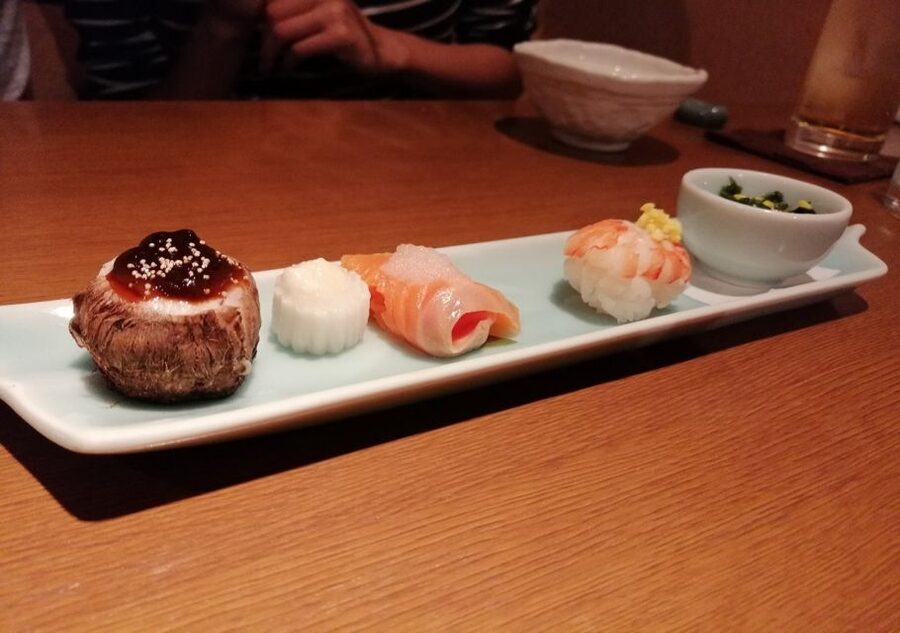
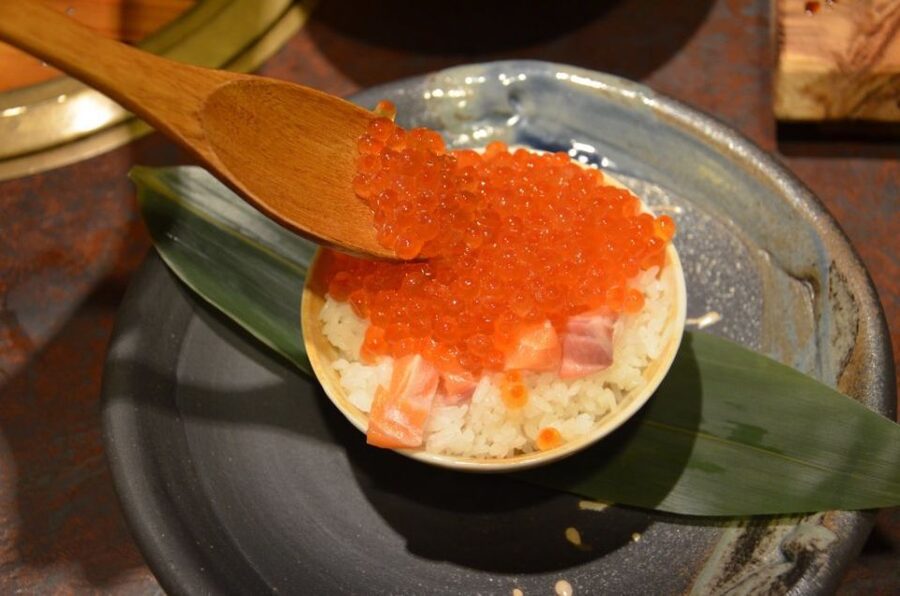
This is food designed to be looked at as well as eaten. Small dishes and Japanese ceramics form part of the presentation, and the meal moves at a measured pace. You get a chance to notice the arrangement, the colors, and the balance of flavors. If you usually rush through dinner, this is a good reason to slow down.
The meal has been described as delicious, superb, and unlike other food eaten in Japan. Another assessment was more restrained: the food was good rather than exceptional, while the atmosphere and guide made the evening enjoyable. That is a fair warning. A $216 tour should not be purchased solely on the hope of receiving the best meal of your trip.
The dinner’s value also depends on what you would otherwise pay for. You are not buying a restaurant reservation alone. The price covers the guide, the Gion walk, cultural interpretation, small tastings, a 10-course meal, dessert, and one drink. If you already plan to spend generously on a kaiseki dinner, adding the walking tour may make sense. If your priority is inexpensive local eating, it is a costly choice.
Additional drinks and food cost extra. Since only one drink is included, check the menu and budget accordingly if you would like more with dinner.
A few more food tours around Japan worth comparing
- Tokyo Night Foodie Tour in Shinjuku – Seasonal Sushi, Wagyu Beef
★ 5.0 · 1,161 reviews - Kyoto Night All-Inclusive Eats and Streets, Gion and Beyond
★ 4.6 · 576 reviews - Tokyo After 5: Authentic Japanese Food & Drink Night Tour
★ 4.5 · 560 reviews - Kyoto: Casual Pontocho Evening Food Tour
★ 4.8 · 31 reviews
What the small group changes
The group limit is 10 people. That is large enough to give the outing some social energy, but small enough for the guide to speak without using a microphone and answer questions without losing half the group.
Small groups matter in Gion. The streets and entrances are compact, and a large crowd would make it harder to move politely through the district. A group of 10 also makes it easier to hear explanations about architecture, food, and Geiko culture.
The guide quality shapes the evening more than almost any other part of the experience. Russ was praised for handling several food allergies and restrictions while keeping the group engaged. Ellen and two fellow guides were described as patient and careful not to rush explanations. Those details matter if your party includes children or people who need extra help with food choices.
A minimum of two people per booking is required. That is important for solo visitors, who cannot book this as a one-person reservation under the stated rules. Groups with children should also note that a copy of passport information is required for every participant aged 10 and over.
Timing, meeting point, and practical planning
The tour lasts three hours, with starting times varying by date. The exact departure time should be checked before booking. Since it is an evening activity, leave enough time to reach Gion without relying on a last-minute connection.
The meeting point is in front of the Japan Kanji Museum & Library at Gionmachi Minamigawa, Higashiyama Ward, Kyoto, 605-0074. Your guide carries a sign. The guide waits no more than five minutes after the scheduled start, so arrive early rather than trying to time your arrival to the exact minute.
Hotel pickup is not included. It may be arranged for an additional fee, but the standard plan is to make your own way to the meeting point. Transportation costs are also separate. This is worth factoring into the real price, especially if your hotel is outside central Kyoto.
Wear comfortable shoes and tell the operator about allergies or dietary requirements in advance. The dinner is carefully structured, so last-minute changes may be harder to manage than they would be at a casual noodle shop.
Cancellation is free up to 24 hours before the start time for a full refund. You can also reserve and pay later, which helps if you are building a Kyoto schedule around weather, temple visits, and restaurant plans.
Who will get the most from this Kyoto evening
I would recommend this tour to someone who wants a polished first look at Gion without spending hours researching the district. It suits couples, families with older children, and small groups who value clear explanations and a memorable sit-down dinner.
It is also a good fit if you are curious about Maiko and Geiko culture but want a respectful introduction rather than a staged performance. The guide gives you context for what you see and helps you understand that the district is a living workplace.
Food-focused visitors should look closely at the format. You receive plenty of courses at dinner, but the walking snacks are limited. If you want to eat your way through markets, department-store basements, and tiny counter shops, another food tour may suit you better.
The price may be harder to justify for budget-conscious visitors or anyone who has already arranged a high-end Kyoto dinner. In that case, you are paying mainly for the guide, setting, and cultural explanation. For a special evening, that combination can be worthwhile. For a cheap meal, it is not.
My verdict on the $216 price
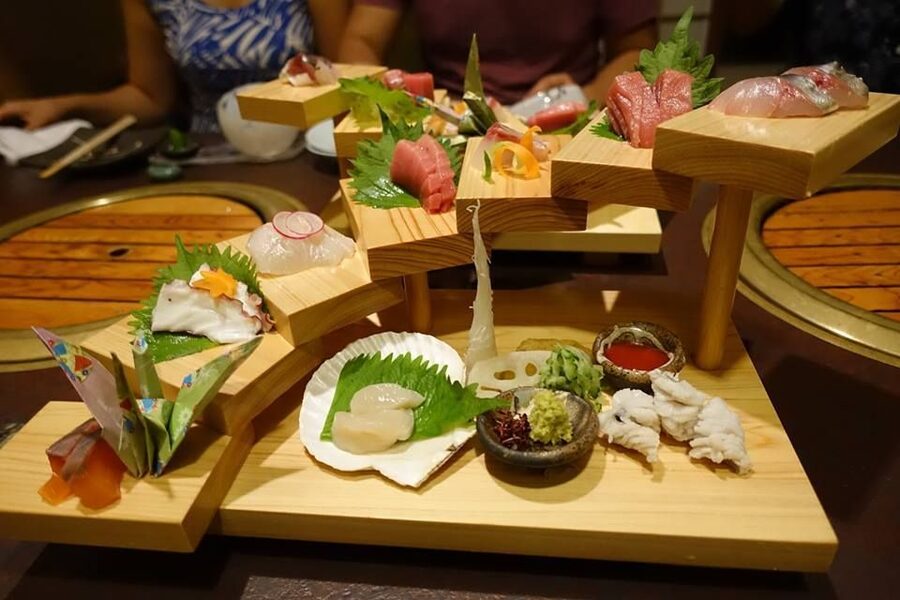
At $216 per person, this is a premium evening. The cost is easier to understand when you separate the pieces: three hours with an English-speaking guide, a small group, neighborhood touring, snack samples, a 10-course seasonal dinner, dessert, and one drink.
The most praised part is the guiding. Sae, Miki, Marie, Russ, Mickey, and other named guides have been appreciated for warmth, cultural explanation, patience, and practical help. That is important because a mediocre guide would leave you with an expensive dinner and a walk you could partly repeat on your own.
The dinner receives strong praise overall, but one careful assessment found it good rather than outstanding. I would treat the meal as a well-presented part of a broader evening, not as a guaranteed culinary revelation.
Book it if you want a smooth, educational introduction to Gion paired with a formal Kyoto dinner. Skip it if your ideal food tour means many substantial tastings, spontaneous eating, and a lower bill. The honest description is a Gion cultural walk that finishes with kaiseki, and on those terms, it offers solid value for a special night.
FAQ
Where does the Kyoto Evening Gion Food Tour meet?
Meet in front of the Japan Kanji Museum & Library at Gionmachi Minamigawa, Higashiyama Ward, Kyoto, Kyoto Prefecture 605-0074, Japan.
How long does the tour last?
The experience lasts three hours. Starting times vary, so check availability for your chosen date.
What language is the tour conducted in?
The tour is conducted in English by a live English-speaking guide.
How many people are in the group?
The group is limited to 10 participants.
What food and drinks are included?
The tour includes a 10-course dinner, dessert, and one drink. Additional drinks and food are not included.
Is hotel pickup included?
No. Hotel pickup is not included, though it can be arranged for an additional charge. Transportation costs are also separate.
What should I wear?
Wear comfortable shoes because the experience includes walking through Gion and Shirakawa.
Can I advise the operator about allergies or dietary requirements?
Yes. You should inform the operator about food allergies or dietary requirements.
What are the booking and cancellation rules?
A minimum of two people per booking is required. You can cancel up to 24 hours in advance for a full refund, and reserve now while paying later. A copy of passport information is required for all participants aged 10 and over.
Just added around Japan
- Kyoto: Nishiki Market Tour with a Local Foodie & Tastings★ 4.5 · 67 reviews
- Kyoto: Replica food making experience★ 4.8 · 70 reviews
- Kyoto: Foodie Night Tour in Gion with 9 dishes + 6 Sake★ 4.4 · 26 reviews
- Kyoto: Nishiki Market and Depachika Food Tour with a Local★ 4.7 · 76 reviews
- Kyoto: Local Food Tasting Tour at the Nishiki Market★ 4.7 · 135 reviews
- Kyoto: Gion & Pontocho Food Tour with 13 Dishes★ 4.9 · 235 reviews
- Kyoto: Casual Pontocho Evening Food Tour★ 4.8 · 31 reviews
- Kanazawa: Private Food Tasting Walking Tour★ 4.7 · 25 reviews
Food Tours in Kyoto, compared.
Kyoto Night Foodie Tour in Gion (9+ dishes + 6 Sake tastings)
Read our review →
Nishiki Market Brunch Walking Tour (7 Tastings + Brunch)
Read our review →
Insider Sake Brewery Tour with Sake and Food Pairing
Read our review →
Kyoto Night All-Inclusive Eats and Streets, Gion and Beyond
Read our review →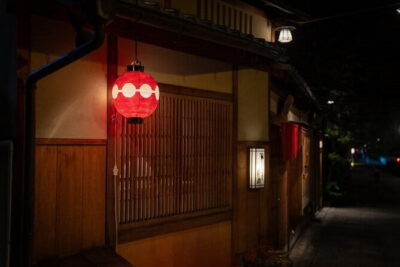
Nishiki Market and Depachika Food Tour with a Local
Read our review →
Browse the lists this tour appears in