
REVIEW · KYOTO
Kyoto: Nishiki Market and Depachika Food Tour with a Local
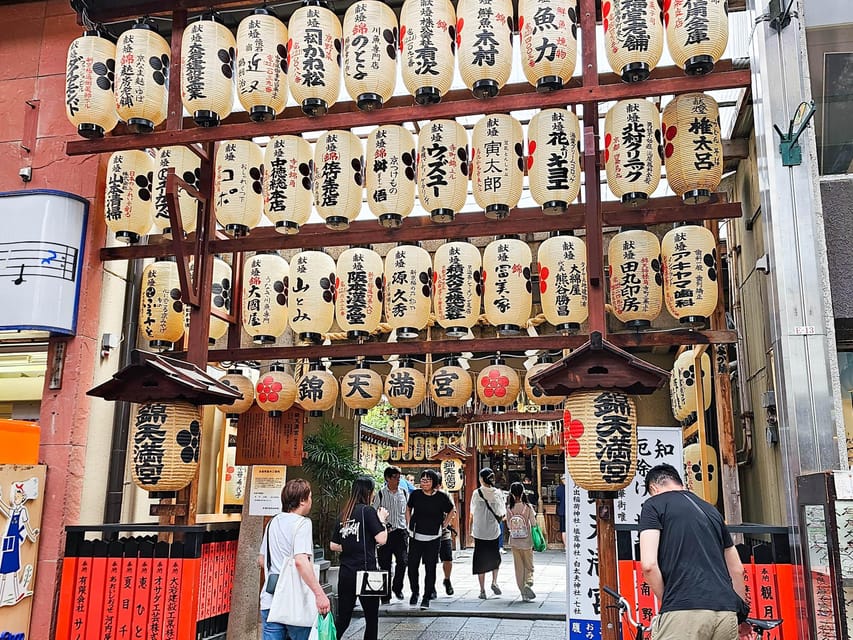
Kyoto’s food culture makes the most sense when you can see it, smell it, and taste it in small bites. This compact walk takes you from the polished basement food hall at Daimaru Kyoto to the crowded stalls of Nishiki Market, then finishes at Nishiki Tenmangu Shrine.
I like the mix of places: the depachika shows how Japanese department stores turn food shopping into an art, while Nishiki gives you a closer look at old-fashioned stalls and Kyoto specialties. I also like the small group of up to nine, which makes it easier to ask about unfamiliar foods and get personal suggestions.
The main drawback is the pace. Two hours is enough for an introduction, not a full meal or a leisurely shopping trip. One participant also found the tasting plan unclear, so ask your guide early what foods are included and when you will try them.
Key points at a glance
- Daimaru’s depachika: Start in a basement food hall filled with sweets, prepared dishes, produce, and gourmet foods.
- Nishiki tasting stops: Try yuba sashimi, a soy milk donut, Nishiki gyoza, and tempura made with hamo fish.
- Kyoto food context: Guides such as Mao, Jasmine, Boris, Ai, and Kats have explained ingredients, customs, and local eating habits.
- Nishiki Tenmangu Shrine: End with a short visit to a Shinto shrine dedicated to learning.
- Useful two-hour format: Multiple start times and same-day booking make this easy to fit around a packed Kyoto schedule.
- Bring cash and good shoes: You will walk and may want to buy extra food after the tastings.
Starting at Apple Kyoto and heading underground
The meeting point is Apple Kyoto. Arrive at least 10 minutes early, since the guide waits only 10 minutes before moving on. This matters in central Kyoto, where traffic and crowded streets can make a short journey take longer than a map app suggests.
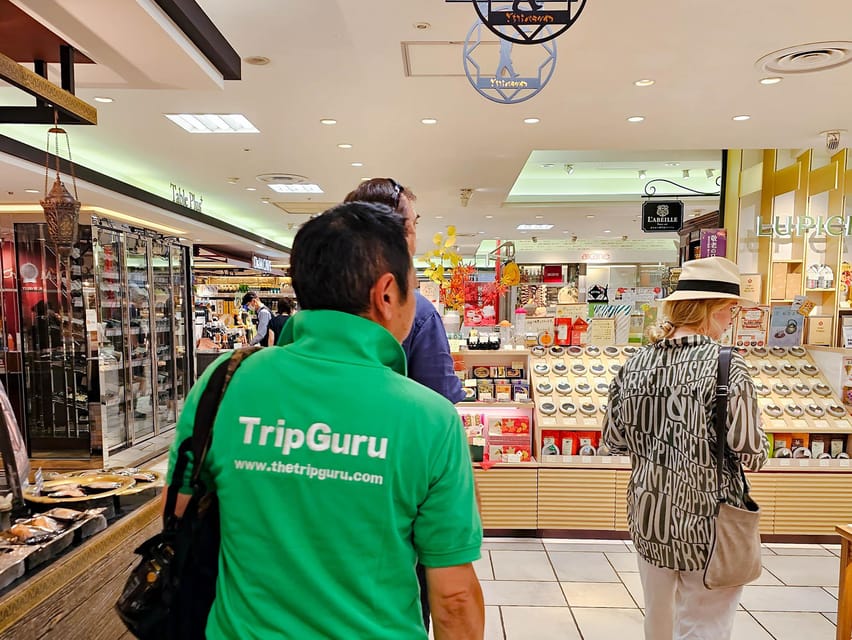
The walk first heads to Daimaru Kyoto, a department store near the shopping streets of central Kyoto. Its food hall sits below street level, in the Japanese department store tradition known as a depachika. The word refers to an underground food market, and the setting is very different from Nishiki Market.
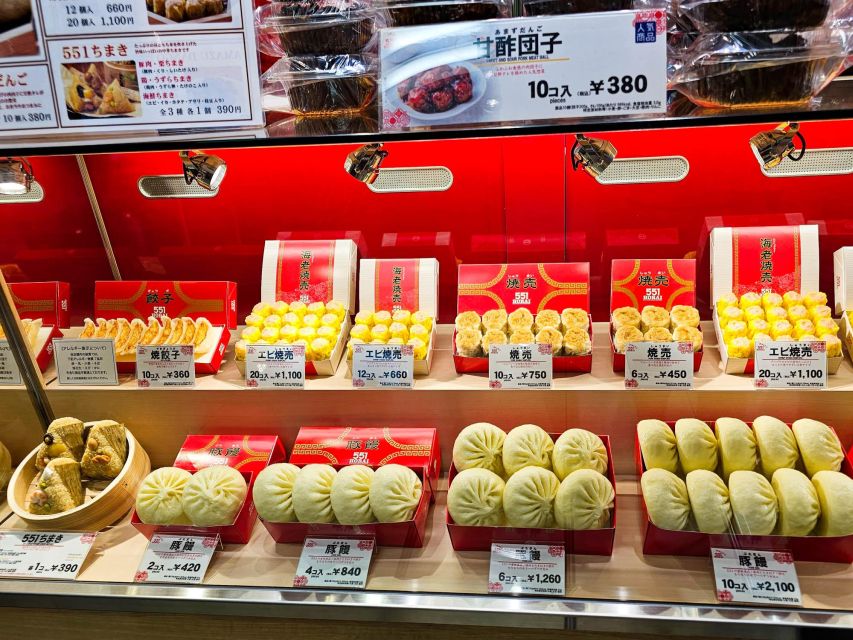
Here you can expect neat displays of sweets, boxed meals, fresh foods, and prepared dishes. Traditional Japanese treats sit beside international food, so this is a useful first stop if you are still learning what you like. It also shows an important part of daily food life in Japan: department stores often devote serious space and care to food.
The Daimaru visit is scheduled for about an hour and a half, although the whole activity is described as two hours. In practice, the exact timing may shift depending on the group and the guide. One participant, Katherine, said she lingered longer than expected at Daimaru because there was so much to see. That is a fair warning: the displays can easily tempt you into spending your time and money before reaching the market.
Your guide may point out what is worth buying and what is better admired. Ai, for example, helped one participant understand the difference between useful food purchases and expensive items such as premium cantaloupes. That kind of advice is valuable because depachika prices can range from reasonable to eye-watering.
More Food Tours in Kyoto
- Kyoto Night Foodie Tour in Gion (9+ dishes + 6 Sake tastings)
★ 5.0 · 1,762 reviews - Nishiki Market Brunch Walking Tour (7 Tastings + Brunch)
★ 5.0 · 1,355 reviews - Kyoto: Insider Sake Brewery Tour with Sake and Food Pairing
★ 5.0 · 704 reviews
What the included tastings actually add
The food samples give the walk structure. You are not simply being led past stalls while someone names dishes. The listed tastings include yuba sashimi, a soy milk donut, Nishiki gyoza, and tempura made with hamo fish.
Yuba is the delicate skin that forms on the surface of simmering soy milk. It is closely linked with Kyoto cooking and has a soft, subtle texture. If you have never tried it, tasting it at the market gives you a better sense of Kyoto’s preference for restrained flavors than reading about it on a menu.
The soy milk donut offers a sweeter and more familiar contrast. Nishiki gyoza brings a savory snack into the mix, while hamo tempura introduces a fish associated with Kyoto cuisine. Hamo has many fine bones, so preparation matters. The point is not to leave stuffed, but to sample several kinds of food without having to commit to a full serving at every stall.
Extra food and drinks are not included. You should also bring cash for purchases, since the tour includes tasting but not every tempting item you see. One participant returned later for the tofu skin sushi introduced during the walk, which is a good sign that the tasting can help you identify foods worth seeking out on your own.
Ask about the planned samples at the beginning. One person expected more direction about when food would be served and ended up trying fewer items than hoped. The experience works best when you treat it as a guided introduction and speak up if you are hungry or want to understand the tasting schedule.
Reading Nishiki Market beyond the crowds
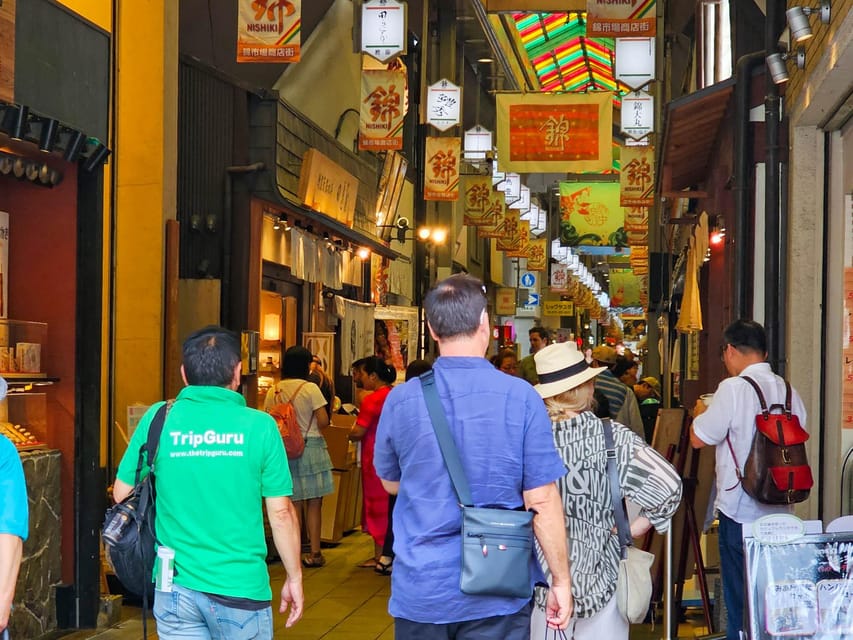
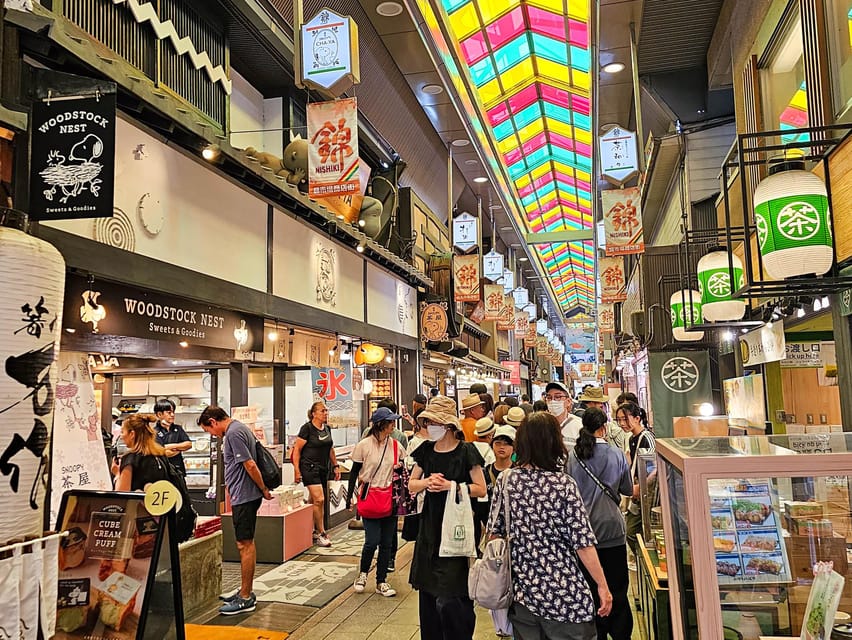
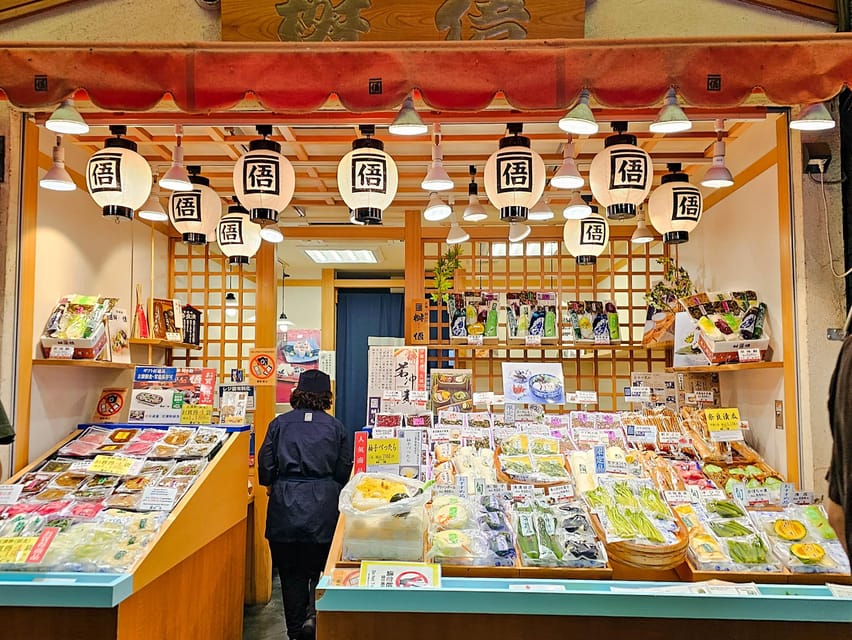
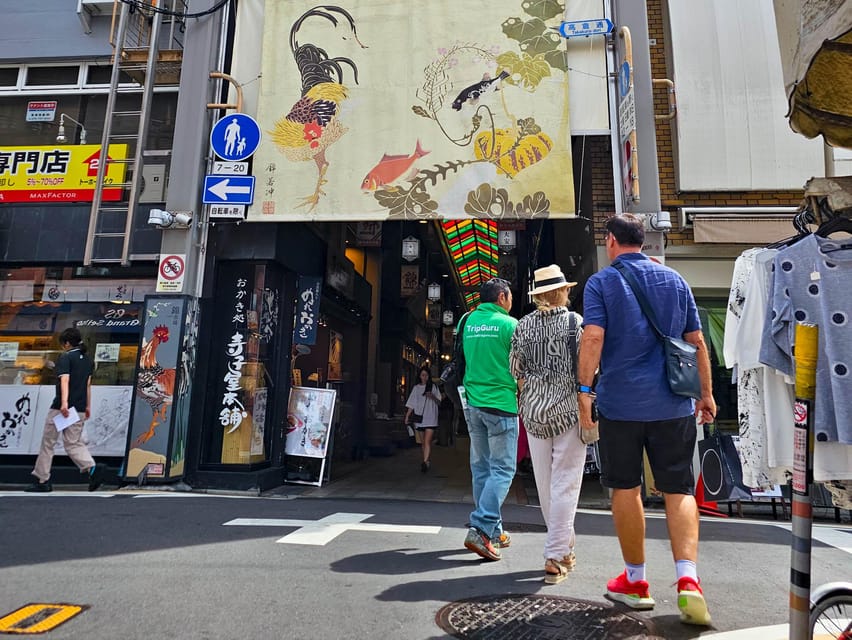
Nishiki Market is often called Kyoto’s Kitchen, and the name fits. The covered arcade runs through a dense row of food stalls and small shops selling seasonal ingredients, Kyoto specialties, pickles, sweets, seafood, knives, and cookware.
The market is lively and can feel tight, especially at busy times. You will likely stop often, make room for other people, and watch your step while looking at the displays. Comfortable shoes are a must, and a camera is useful if you want to remember the foods and shop fronts.
A guide adds value here because many items are not obvious to a first-time visitor. You may recognize a familiar shape but not know how it is prepared, when it is eaten, or whether it is meant as a snack, a side dish, or an ingredient for home cooking. Guides have explained food customs, ingredients, and the history of individual stalls, helping turn a quick market walk into a lesson in Kyoto eating habits.
The family-run nature of many businesses is another reason to take this section slowly. Some shops have been operated by the same families for generations. You are not just looking at a row of snack counters. You are seeing a working food street where specialist shops sell the products that support Kyoto cooking.
There is also time for shopping. Elizabeth appreciated having room to browse while Jasmine arranged the tastings. That balance suits you if you want both a guided introduction and the freedom to buy something for later. The guide can suggest where to look, but you are not required to purchase food.
Families and cautious eaters should speak up. Boris adjusted the food choices for a child with a limited palate while still offering more adventurous tastes to the adults. That flexibility can make the tour work for mixed groups, though the narrow market aisles and amount of walking are not ideal for people with mobility problems.
A quiet pause at Nishiki Tenmangu Shrine
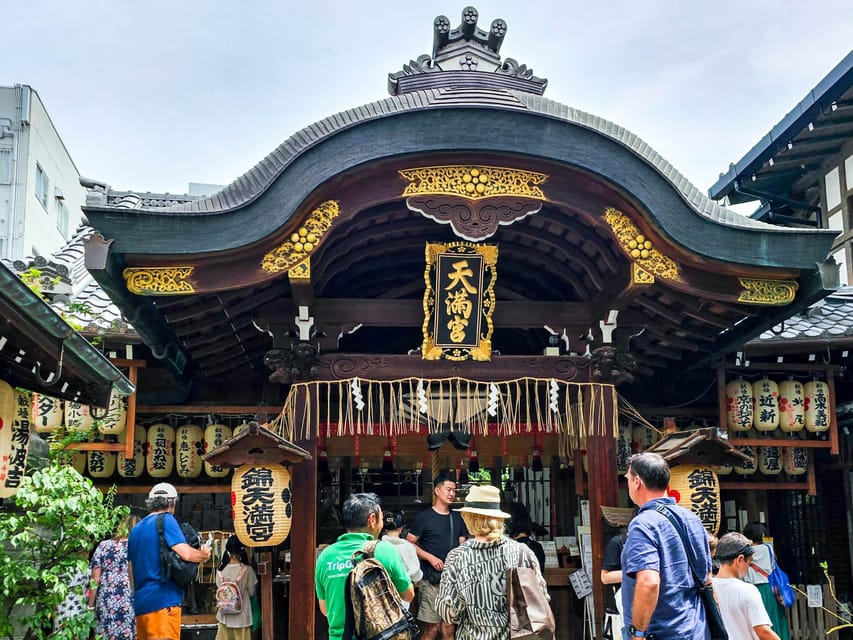
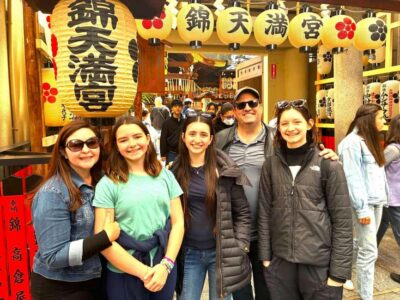
After the food stops, the group visits Nishiki Tenmangu Shrine. It is a small Shinto shrine near the market, dedicated to the deity of learning. The setting gives the tour a useful change of rhythm after the crowded arcade.
Your guide explains basic shrine customs, including cleansing your hands at the water fountain. You can also look at the architectural details and take a short pause before continuing toward Kyoto-Kawaramachi Station.
This is not a major sightseeing visit, and the shrine portion lasts about 30 minutes. That is part of its appeal. You get a little cultural context without giving up half a day that might be needed for temples, gardens, or other parts of Kyoto.
Several guides have gone beyond food descriptions here, explaining what the shrine features mean and how to behave at a Shinto site. If this is your first time in Japan, that practical explanation can be as useful as the food information. It helps you approach later shrines with more confidence.
More tours led by locals in Japan:
- Hungry Osaka Street Food Tour:15 Tastings & 3 Drinks with a Local
★ 5.0 · 1,727 reviews - Eat and Drink Like a Local: Tokyo Ueno Food Tour-Taverns&Ramen
★ 5.0 · 957 reviews - Kyoto: Nishiki Market Tour with a Local Foodie & Tastings
★ 4.5 · 67 reviews - Eat/Drink like a LOCAL-Taverns & Ramen
★ 4.9 · 23 reviews
The guide can make or break the experience
The tour is conducted in English, but the guide assigned to you can vary. Guides named in participant feedback include Mao, Jasmine, Boris, Ai, Kats, Richard, Vincent, Yoku, Miya, and Simon. The strongest pattern is clear: the best guides explain not only what you are eating, but why it matters.
Mao was praised for her warmth, enthusiasm, and explanations of both cuisine and shrine customs. Boris handled questions patiently and adjusted food choices for a child. Richard shared suggestions about other places to eat and drink, while Ai offered practical buying advice in the department store and market.
Kats, who was described as Kyoto-born, was particularly useful for local context and suggestions for the rest of a stay. Vincent was also noted for clear English and an enjoyable walk through the food hall and market.
Guide quality can never be completely standardized, but the small group helps. With no more than nine people, you can ask about a dish, request help with pronunciation, or explain a dietary preference. The guide also has a better chance of noticing if someone is hesitant about a sample.
This is not a private tour, so you should expect the group’s interests to affect the pace. A curious group may spend longer at the market. A group focused on tastings may move more quickly. Keep your expectations flexible, and tell the guide what matters most to you at the start.
Is $42 a fair price for two hours?
At $42 per person, this is not the cheapest way to walk through Nishiki Market. You can enter the market on your own for free and buy small portions as you go. If you are confident ordering unfamiliar foods and enjoy doing your own research, self-guided exploration will cost less.
The price makes more sense if you value food explanations, organized tastings, and local guidance. You receive an English-speaking guide, several included samples, a route through both a department store food hall and the market, and a short shrine visit. You also save the time and uncertainty of deciding which stalls to try.
For a first day in Kyoto, that orientation can be useful. You can learn which foods appeal to you, then return later to buy more. The tour also works well for a short visit because it takes only two hours and offers several starting times.
It is less suitable if you want a large lunch. The listed samples are varied, but additional food is at your own cost, and the tour is designed around tasting rather than sitting down for a full meal. I would schedule it before a later meal, or treat the market snacks as part of a wider food day.
Same-day booking and payment later add flexibility, while cancellation is free up to 24 hours before the start time. The tour does not include hotel pickup or drop-off, so you need to reach Apple Kyoto yourself and make your own way from the finish at Kyoto-Kawaramachi Station.
Who should book this Kyoto food walk?
I would choose this for a first-time visitor who wants a friendly introduction to Japanese food without spending an entire day on a formal culinary tour. It is also a good fit for solo visitors, couples, and families who want a guide’s help choosing dishes.
Food fans will appreciate the contrast between Daimaru’s polished displays and Nishiki’s specialist shops. Shoppers will like having time to browse, while curious beginners benefit from explanations of ingredients and customs.
I would think twice if you have mobility limitations, heart or respiratory problems, or are pregnant, since the activity is not considered suitable for those conditions. The walking, crowds, and standing can also be tiring. If you want a quiet, slow meal, this is not the right format.
Should you book it?
Book this tour if you want a short, well-organized introduction to Kyoto food and prefer tasting with guidance rather than guessing at market stalls. The combination of depachika, Nishiki Market, and a shrine gives you more range than a simple snack crawl.
Skip it if you are comfortable exploring alone, need a full meal, or want lots of time for shopping. For everyone else, $42 is a reasonable price for a compact orientation, especially early in a Kyoto stay. Arrive early, wear comfortable shoes, bring cash, and ask your guide at the outset which tastings are planned.
FAQ
Where does the tour start?
The meeting point is Apple Kyoto. Your guide will wear a TripGuru shirt or hold a TripGuru sign.
Where does the tour finish?
The tour finishes at Kyoto-Kawaramachi Station.
How long is the experience?
The activity lasts two hours. You can check available starting times when booking.
What food is included?
Included tastings are yuba sashimi, a soy milk donut, Nishiki gyoza, and tempura made with hamo fish.
Is the tour conducted in English?
Yes. The tour has an English-speaking live guide.
How many people are in the group?
It is a small-group tour limited to nine participants.
More Shopping Tours in Japan
- Tsukiji Fish Market: Street Food & Culture Walking Tour
★ 5.0 · 669 reviews - Tsukiji Fish Market Small-Group Food Walking Tour
★ 5.0 · 621 reviews - Kuromon Market Food Walking Tour in Osaka (6 stops, 6 tastes)
★ 5.0 · 550 reviews - Kyoto: Local Food Tasting Tour at the Nishiki Market
★ 4.7 · 135 reviews
More Market Food Tours in Japan
- Tokyo Tsukiji Fish Market Food and Culture Walking Tour
★ 5.0 · 3,184 reviews - Tokyo: Tsukiji Fish Market Food and Walking tour
★ 5.0 · 1,724 reviews - Tokyo: Tsukiji Fish Market Guided Walking Tour
★ 4.9 · 1,397 reviews - Tokyo: Tsukiji Fish Market Food and Culture Walking Tour
★ 4.7 · 757 reviews
Just added around Japan
- Kyoto: Nishiki Market Tour with a Local Foodie & Tastings★ 4.5 · 67 reviews
- Kyoto: Replica food making experience★ 4.8 · 70 reviews
- Kyoto: Foodie Night Tour in Gion with 9 dishes + 6 Sake★ 4.4 · 26 reviews
- Kyoto Evening Gion Food Tour★ 4.9 · 35 reviews
- Kyoto: Local Food Tasting Tour at the Nishiki Market★ 4.7 · 135 reviews
- Kyoto: Gion & Pontocho Food Tour with 13 Dishes★ 4.9 · 235 reviews
- Kyoto: Casual Pontocho Evening Food Tour★ 4.8 · 31 reviews
- Kanazawa: Private Food Tasting Walking Tour★ 4.7 · 25 reviews
Food Tours in Kyoto, compared.
Kyoto Night Foodie Tour in Gion (9+ dishes + 6 Sake tastings)
Read our review →
Nishiki Market Brunch Walking Tour (7 Tastings + Brunch)
Read our review →
Insider Sake Brewery Tour with Sake and Food Pairing
Read our review →
Kyoto Night All-Inclusive Eats and Streets, Gion and Beyond
Read our review →
Nishiki Market Tour with a Local Foodie & Tastings
Read our review →Browse the lists this tour appears in