
REVIEW · TOKYO
Tokyo: 2-Hour Vegan and Vegetarian Ramen Guided Walking Tour
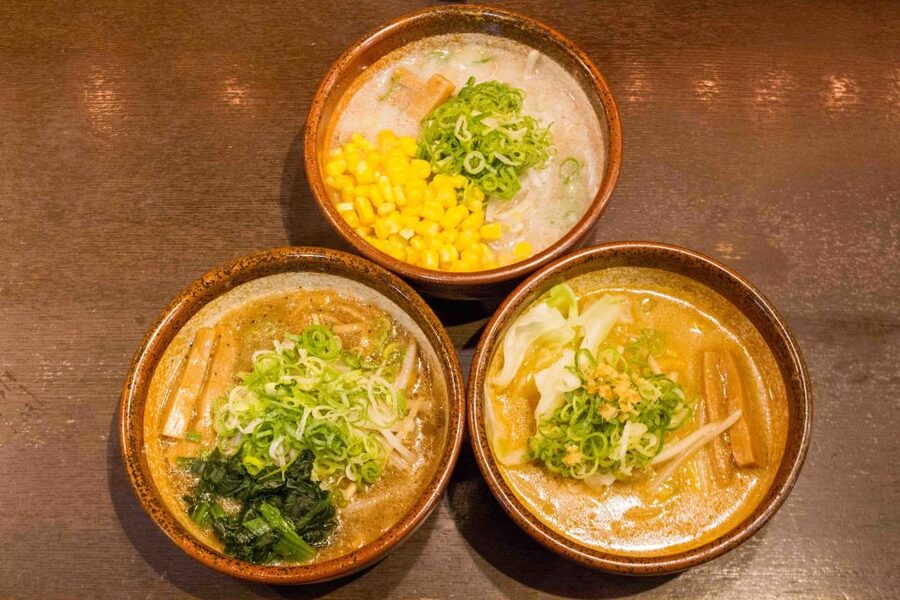
Four small bowls, two neighborhoods, and a train ride give this tour a smart introduction to Tokyo ramen. You try vegan ramen at a Hokkaido-style shop, then compare it with Tokyo-style tsukemen, or dipping ramen, in Shinjuku. The format lets you sample widely without committing to four full meals.
I like the dietary flexibility, especially the availability of gluten-free noodles and non-vegan broth options. I also like the way the tour connects food with place, explaining why Hokkaido and Tokyo matter in ramen culture rather than simply taking you from one restaurant to another.
The main drawback is the price: $96 per person is a serious spend for two hours, and your train fare from Shibuya to Shinjuku costs extra. The small portions help you taste four styles, but anyone hoping for one large, filling bowl may prefer to visit a ramen shop independently.
Key points to know before booking
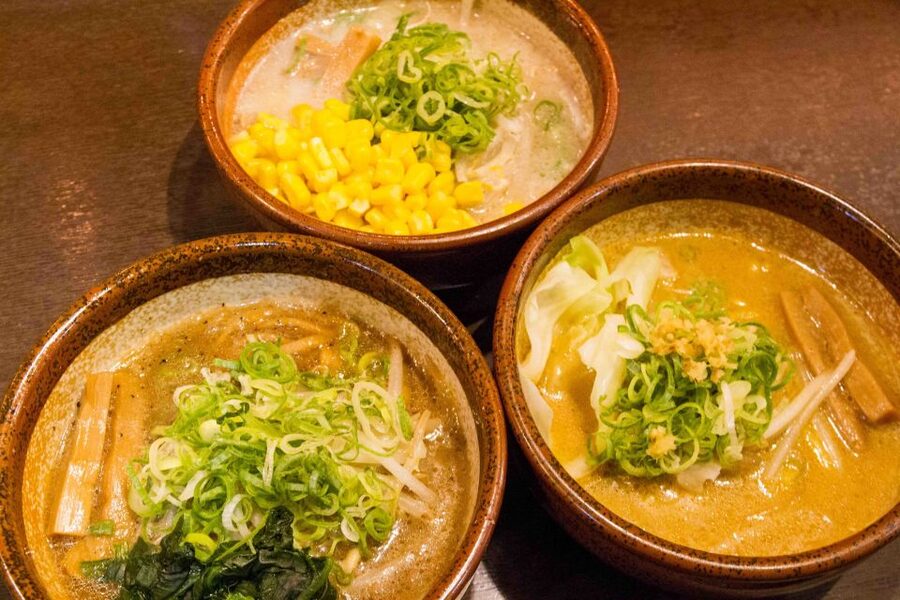
- Four mini bowls in two shops: You get a useful comparison rather than one standard serving of ramen.
- Hokkaido meets Tokyo: One stop focuses on Hokkaido-style ramen, while the other serves classic Tokyo tsukemen.
- Good vegan coverage: Every ramen bowl is vegan, with non-vegan broth options and gluten-free noodles available.
- English-speaking food guide: Guides such as Brian, Makayla, Bunga, Frank, and Sahori have led past tours.
- Shibuya to Shinjuku by train: Bring a transit card or cash, since the train fare is not included.
- Best for curious eaters: You get food education, neighborhood orientation, and practical ideas for returning to a favorite shop.
Four ramen bowls, not one oversized meal
The clever part of this experience is the tasting format. Four mini bowls let you compare broths, noodles, toppings, and regional styles without filling up after the first stop.
That matters in Tokyo, where ramen shops often focus on one narrow style. On your own, you might order one bowl and leave knowing only that you liked it or did not. Here, you can compare four versions in a single afternoon or morning, then decide which style deserves a return visit for a full serving.
The portions are also useful for plant-based eaters. Vegan ramen can be harder to find than conventional ramen in Tokyo, especially if you want several different styles rather than one dependable restaurant. This tour gathers those options into a planned route.
You also receive one drink. The tour does not include a full meal beyond the four mini bowls, so think of it as a guided tasting lunch or dinner rather than an all-you-can-eat experience.
More Food Tours in Tokyo
- Tokyo: Shinjuku Food Tour (13 Dishes at 4 Local Eateries)
★ 5.0 · 6,603 reviews - Tokyo Tsukiji Fish Market Food and Culture Walking Tour
★ 5.0 · 3,184 reviews - Tokyo: Shinjuku Food Tour (15 Dishes and 4 Eateries)
★ 4.9 · 2,033 reviews
Meeting at Hachiko before the ramen begins
The meeting point is in front of Shibu Hachi Box, across from the Hachiko statue in Shibuya. Your guide waits farther to the left, under the word Shibu, holding a Tokyo Ramen Tours sign.
This is a busy part of Tokyo, so give yourself enough time to find the exact spot. Hachiko is an easy landmark, but the area around Shibuya Station can feel confusing when you first arrive. Look for the guide’s sign rather than assuming the meeting point is directly beside the statue.
The location works well for a first taste of Tokyo. Shibuya gives you an immediate sense of the city’s scale, crowds, signs, and street energy before the tour narrows its focus to ramen. The route then moves to Shinjuku, giving you two major districts in a short outing.
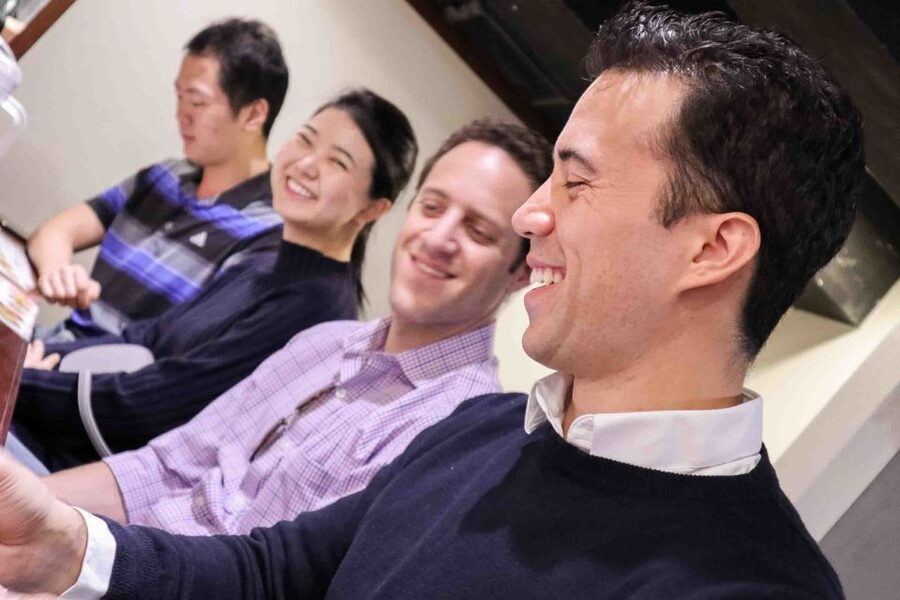
Past guides have included Brian, Makayla, Bunga, Frank, and Sahori. The guide assigned to your booking may be different, but the experience is designed around an English-speaking host who explains the food and helps you manage the route.
First stop: Hokkaido-style ramen in Shibuya
The first ramen shop specializes in authentic Hokkaido-style ramen. Hokkaido occupies an important place in the ramen world, and the guide explains how the region helped shape the dish’s development and reputation.
You receive several mini bowls during the tour, including a sample at this first restaurant. The small size is helpful here because it allows you to pay attention to the differences in flavor and texture instead of rushing through a large portion.
The Hokkaido stop gives the tour its regional focus. Ramen is not one fixed recipe across Japan. It changes from place to place, and the guide uses this shop to explain why regional identity matters. For a first-time ramen eater, that context can change the way you look at a bowl. You begin to notice the broth, noodle style, and toppings as part of a local tradition rather than as unrelated ingredients.
You should also ask questions here. The guides have explained ramen’s preparation, Japanese food culture, and the differences among flavor profiles. That makes the stop more useful than a simple restaurant recommendation.
The tour description identifies every bowl as vegan, while also noting that non-vegan broth options are available for each. If you are vegan, vegetarian, or simply want to compare different broths, tell the guide clearly at the start. Gluten-free noodles are also available, but you should request them in advance or at the beginning so the restaurant can prepare the right option.
Riding the train from Shibuya to Shinjuku
The group takes the train between the two ramen shops. Train fare is not included, so bring an IC transportation card or cash for a ticket.
This transfer is a practical part of the outing, not wasted time. It shows you how close the two districts are while giving the tour a change of setting. It also means you should not treat the meeting point and restaurant locations as one compact walking loop.
The train ride adds a small planning detail. Keep your transportation card ready, and do not assume the $96 price covers every cost during the tour. The extra fare should be modest, but it is still worth knowing before you book.
If you are traveling with someone who moves slowly, has trouble with stairs, or needs step-free access, ask before reserving. The experience is listed as unsuitable for wheelchair users, and a station-to-station transfer can make access more complicated.
More sushi and ramen crawls in Tokyo:
- Best of Shinjuku: Izakaya Food Tour (4 Stops, 14+ Tastings)
★ 5.0 · 1,863 reviews - Tokyo Night Foodie Tour in Shinjuku – Seasonal Sushi, Wagyu Beef
★ 5.0 · 1,161 reviews - Eat and Drink Like a Local: Tokyo Ueno Food Tour-Taverns&Ramen
★ 5.0 · 957 reviews - Tokyo: The Best of Izakaya in Shinjuku Food & Cultural Tour
★ 4.9 · 221 reviews
Second stop: Tokyo-style tsukemen in Shinjuku
The second restaurant focuses on classic Tokyo tsukemen. Instead of noodles sitting in a bowl of broth, tsukemen presents the noodles and dipping broth separately. You dip each portion into the concentrated broth as you eat.
This gives you a clear contrast with the first stop. Rather than judging four bowls by appearance alone, you get to experience a different way of eating ramen. The guide explains where Tokyo fits into ramen culture and why the city has played such an important role in shaping the dish.
The Shinjuku stop also brings the tour into another famous Tokyo district. You will not receive a full sightseeing tour of Shinjuku, but the route gives you a useful introduction to the area and may help you decide where to return later.
Some people will prefer one of the four tastings strongly. That is part of the value. You can ask the guide where to return for a full bowl, and one useful strategy is to book the tour early in your Tokyo stay. Then you can revisit your favorite shop later, as a few past participants suggested.
What the vegan and vegetarian options really mean
Finding vegetarian ramen in Tokyo can take work. Finding several varieties in different restaurants takes more planning, especially if you do not read Japanese or do not know which shops handle dietary requests well.
This tour removes much of that uncertainty. All four ramen tastings are vegan, and non-vegan broth options are available for each bowl. Gluten-free noodles are available too, making the tour useful for more than one type of diner.
Still, you should communicate your needs carefully. The information confirms that these options are available, but it does not say that every ingredient issue is handled in the same way. If you have a severe allergy, ask the operator about cross-contact and restaurant procedures before booking.
The tour can also work for mixed groups. A vegan diner can sample the planned vegan bowls, while someone else may choose non-vegan broth where offered. That is more convenient than forcing a group to split up for separate meals.
Halal diners should ask a specific question before reserving. A halal-focused version has been discussed as a possible option if demand grows, but the tour details do not confirm that the current experience is halal-certified or designed as a halal tour.
What your guide adds beyond the food
The strongest part of the tour is the guide’s role. You are not just being led to two restaurants. You are given a framework for understanding ramen’s regional roots, cooking process, and place in Japanese food culture.
Past guides have been praised for making the information easy to follow and for answering broader questions about Tokyo. That can be especially useful early in a trip, when you are still deciding what to eat and see.
A guide named Frank, for example, has been described as helpful with questions about Tokyo and nearby places. Brian has been praised for his friendly manner and strong ramen knowledge, while Makayla has been described as both fun and educational. Bunga has led tastings centered on four vegan ramen varieties, and Sahori has guided a tour taken soon after arrival in Japan.
Those names reflect guides who have led past bookings, not a guarantee of who you will meet. The important point is the small-group approach. Private and small-group options are available, giving you more room to ask about ingredients, etiquette, food customs, and where to eat next.
Is $96 good value for two hours?
At $96 per person, this is not a budget ramen meal. You are paying for four mini bowls, a drink, two restaurant visits, an English-speaking guide, neighborhood movement, and the work involved in arranging vegan and vegetarian-friendly tastings.
I think the value depends on your priorities. If you already know Tokyo well, speak Japanese, and are comfortable researching plant-based ramen on your own, you may find the cost high. You could likely spend less by choosing one restaurant independently.
For a first visit, the value is easier to see. You get several styles in one sitting, learn what you like, and avoid spending separate meals on trial and error. The guide also helps you find restaurants you might not locate on your own. One past participant described the ramen as among the best they had eaten and said they would not have found the shops without the tour.
The train fare is extra, but that should not change the overall calculation much. The bigger question is whether the guide and access to several carefully selected bowls justify the premium over an ordinary ramen lunch.
Timing, group size, and comfort
The tour lasts two hours, with starting times that depend on availability. An 11 a.m. departure can work well if you want ramen as an early lunch and a free afternoon afterward. A small group may also be possible at that time, though group size can vary.
A morning booking has another advantage: it can be a gentle way to begin exploring Shibuya before moving on to Shinjuku. One past booking on a Monday at 11 a.m. happened to be private because no other participants joined, but you should not count on having the tour to yourself.
The route requires walking in two busy districts and taking a train. Wear comfortable shoes and leave room in your schedule for the transfer. Wheelchair users should not book this experience, since it is specifically listed as unsuitable for wheelchair access.
Free cancellation is available up to 24 hours before the tour for a full refund. You can also reserve now and pay later, which helps if your Tokyo plans are still shifting.
Who should book this ramen tour?
I would recommend it most strongly to:
- Vegans and vegetarians who want more than one safe ramen option.
- First-time visitors who want food guidance and neighborhood orientation together.
- Ramen fans who care about regional styles and preparation.
- Mixed-diet groups that need flexible broth choices.
- Curious eaters who prefer four small tastings to one large bowl.
- People who want restaurant ideas for later in the trip.
I would be less quick to recommend it to someone mainly seeking a cheap, filling lunch. The portions are deliberately small, the train fare is extra, and the $96 price reflects the guide and tasting structure rather than simple food cost.
Should you book the Tokyo vegan ramen tour?
Book it if vegan or vegetarian ramen is a priority and you want to compare several styles without doing the research yourself. The combination of Hokkaido ramen, Tokyo tsukemen, four mini bowls, and an English-speaking food guide gives you a useful introduction to ramen in only two hours.
I would book it near the start of your stay, especially if you want to return to the shop you like best. Ask ahead about gluten-free noodles, broth choices, severe allergies, and halal needs. If you want a full bowl, plan another ramen meal afterward or return to your favorite stop later.
For the right eater, this is less about filling up and more about learning what kind of ramen you want to chase through Tokyo.
FAQ
How long does the ramen tour last?
The tour lasts two hours.
How many ramen tastings are included?
You receive four mini bowls of ramen, along with one drink.
Are all the ramen bowls vegan?
Yes. The tour includes four vegan ramen tastings. Non-vegan broth options are also available for each bowl.
Are gluten-free noodles available?
Yes, gluten-free noodles are available. Tell the guide or restaurant about this need when you begin the tour.
Where does the tour meet?
Meet in front of Shibu Hachi Box, across from the Hachiko statue in Shibuya. The guide waits farther to the left under the word Shibu with a Tokyo Ramen Tours sign.
Is train fare included?
No. You travel by train from Shibuya to Shinjuku, so bring a transportation card or cash for the train fare.
More Walking Tours in Tokyo
- Tokyo: Tsukiji Fish Market Food and Walking tour
★ 5.0 · 1,724 reviews - Tokyo: Tsukiji Fish Market Guided Walking Tour
★ 4.9 · 1,397 reviews - Tokyo: Tsukiji Fish Market Food and Culture Walking Tour
★ 4.7 · 757 reviews - Tsukiji Fish Market: Street Food & Culture Walking Tour
★ 5.0 · 669 reviews
More Vegan Food Tours in Tokyo
- Shibuya Tokyo: Sushi Making Class (Vegan/Vegetarian/Halal)
★ 4.7 · 29 reviews - Ha Noi Walking Food Tour, Non Vegetarian,Vegan, vegetarian Option
★ 5.0 · 846 reviews - Vegan Street Food & Stories of Hanoi
★ 5.0 · 282 reviews - Vegan Walk Not Just Vegan Food
★ 5.0 · 266 reviews
Just added around Tokyo
- Tokyo: West-Side Cycling and Food Tour with Guide★ 5.0 · 37 reviews
- Tokyo: Togoshi Ginza Street Food Tour★ 5.0 · 34 reviews
- Tokyo: Wagyu and Sushi Gastronomic Journey★ 4.3 · 24 reviews
- Tokyo: Allstar Food Tour★ 4.7 · 29 reviews
- Tokyo: The Best of Izakaya in Shinjuku Food & Cultural Tour★ 4.9 · 221 reviews
- Tokyo Tsukiji Food & Culture Private Tour Licensed Guide★ 4.9 · 28 reviews
- Tokyo: Locals´ Secret Food Tour // Eat like a Japanese★ 5.0 · 35 reviews
- Tokyo: Shibuya Food Tour (13 dishes and 4 Eateries)★ 5.0 · 178 reviews
Food Tours in Tokyo, compared.
Shinjuku Food Tour (13 Dishes at 4 Local Eateries)
Read our review →
Tokyo Tsukiji Fish Market Food and Culture Walking Tour
Read our review →
Shinjuku Food Tour (15 Dishes and 4 Eateries)
Read our review →
Best of Shinjuku: Izakaya Food Tour (4 Stops, 14+ Tastings)
Read our review →
Tokyo Night Foodie Tour in Shinjuku – Seasonal Sushi, Wagyu Beef
Read our review →
Eat and Drink Like a Local: Tokyo Ueno Food Tour-Taverns&Ramen
Read our review →Browse the lists this tour appears in