
REVIEW · TOKYO
Tokyo: Shinjuku Food Tour (15 Dishes and 4 Eateries)
Shinjuku is easiest to understand after dark, when narrow lanes, tiny bars, food counters, and bright Kabukicho signs all begin competing for your attention. This three-hour walking food tour gives you a useful way into that maze, pairing up to 13 Japanese dishes with visits to four different eateries.
I like the range: you may go from fresh fish and sake to pork cutlet, grilled chicken, Okinawan food, takoyaki, and a sweet taiyaki finish. I also like the guides’ local storytelling. Guides such as Daichi, Fu, Igor, Aika, Hina, and Lloyd have been praised for explaining food, customs, landmarks, and Shinjuku’s past in clear, friendly terms.
The main thing to note is that the title refers to 15 dishes, while the detailed tour information says 13 dishes. The food list can also change with the season, restaurant schedules, and availability. If you need a fixed menu or a quiet sit-down dinner at every stop, this may not be the right fit.
Key points to know before you book
- Four different food settings: Expect one food stall, one izakaya, one traditional eatery, and one gastrobar rather than a single long restaurant meal.
- Shinjuku after dark: The route covers Golden Gai, Omoide Yokocho, and Kabukicho, giving you a quick introduction to the city’s nightlife districts.
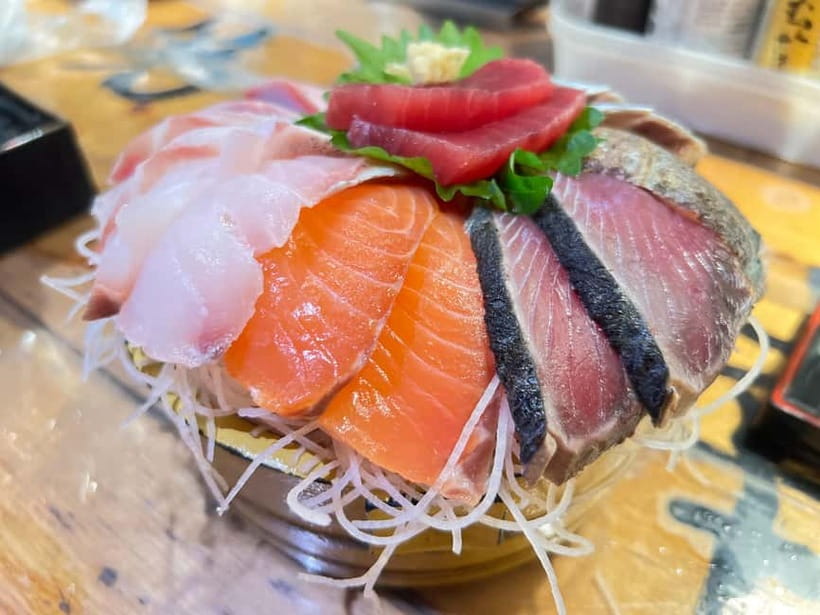
- A broad Japanese menu: Possible tastings include sashimi, sake, tonkatsu, yakitori, takoyaki, Okinawan dishes, seaweed salad, tempura tuna, and taiyaki.
- Small-group format: The tour is designed for a small group, which helps when walking through crowded Shinjuku streets and fitting into compact eateries.
- Two included drinks: You receive two complimentary drinks, alcoholic or non-alcoholic.
- Bring an appetite: The food is described as plentiful, and several people have found the portions filling enough to replace a full evening meal.
Why this Shinjuku food tour works so well
A first evening in Shinjuku can feel like sensory overload. Shinjuku Station has many exits, the streets are crowded, and the best places to eat are not always obvious from the main roads. I like having a guide handle the decisions while you concentrate on tasting, asking questions, and watching the city unfold.
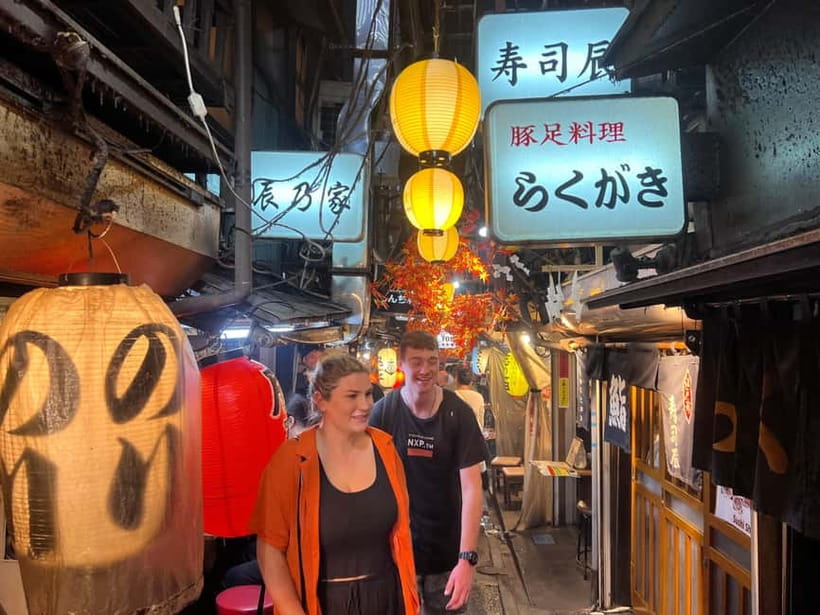
This is not simply a list of dishes. The walking links three very different parts of Shinjuku. Golden Gai gives you tight lanes and tiny drinking spots. Omoide Yokocho, also called Memory Lane, offers a look at an older style of Tokyo street dining. Kabukicho adds the bright, late-night side of the district.
The food helps make those places easier to understand. A guide can explain why an item is served in a certain way, what to do with an unfamiliar sauce, or how a casual Japanese meal differs from the food you may find in a formal restaurant. I especially value that kind of help on a first visit, when a menu can be difficult to read and it is tempting to order only the dishes you already know.
The format also encourages variety. Instead of ordering one large plate, you sample smaller portions across several stops. That gives you a better chance to try something new without committing to an entire meal of it.
More Food Tours in Tokyo
- Tokyo: Shinjuku Food Tour (13 Dishes at 4 Local Eateries)
★ 5.0 · 6,603 reviews - Tokyo Tsukiji Fish Market Food and Culture Walking Tour
★ 5.0 · 3,184 reviews - Best of Shinjuku: Izakaya Food Tour (4 Stops, 14+ Tastings)
★ 5.0 · 1,863 reviews
Meeting by Shinjuku Station’s west side
The meeting point is outside by the blue AOKI sign, next to Starbucks Nishiguchi on the west side of Shinjuku Station. Yodobashi Camera is a nearby landmark and can help you get oriented if you are asking for directions.
I would arrive early. Shinjuku Station is huge, and the difference between the east and west sides matters. Give yourself time to find the correct exit, cross the busy streets, and locate the blue sign without starting the tour already flustered.
The guide contacts you through WhatsApp, so download it before the tour. That is a small but important practical detail. Keep your phone charged, and check the meeting map before leaving your hotel.
The tour returns to the same α 107 Building area after about three hours. It is a walking tour, so wear shoes you can manage on city pavement. The route is not presented as a strenuous hike, but you will be on your feet between food stops.
Golden Gai: tiny lanes and a quick look at old Shinjuku
The first major area is Golden Gai, where the tour spends about an hour on a guided walk. This district is known for its narrow lanes and very small bars, many with only a handful of seats. It feels far removed from the broad roads and towering signs around the station.
Golden Gai is valuable as a visual introduction. You are not just being taken from restaurant to restaurant. You are learning how much of Shinjuku’s nightlife is packed into a few lanes, and how different the scale can be from the rest of Tokyo.
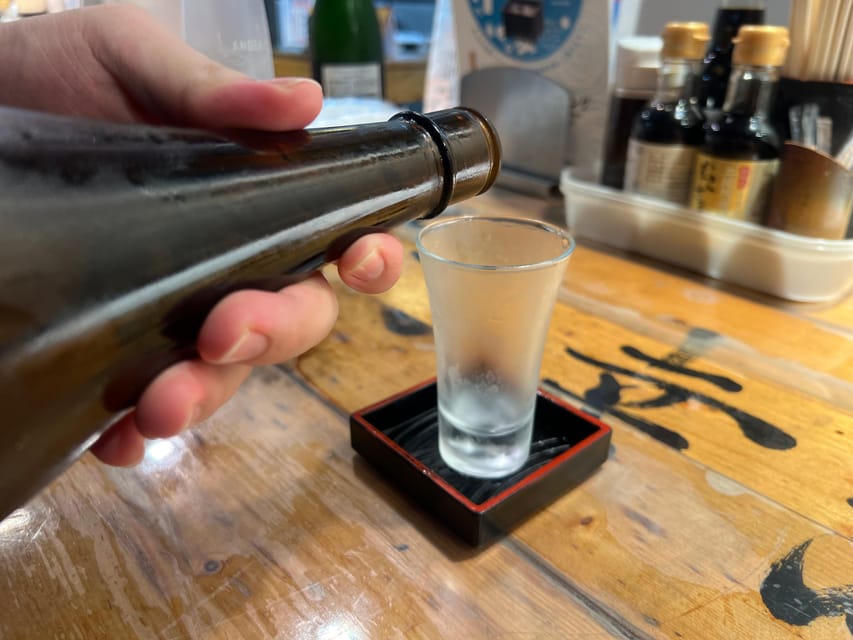
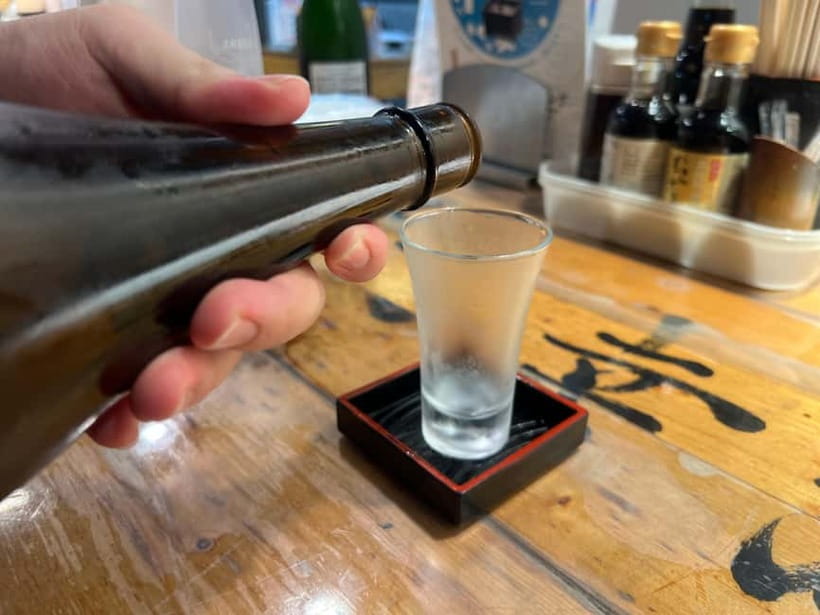
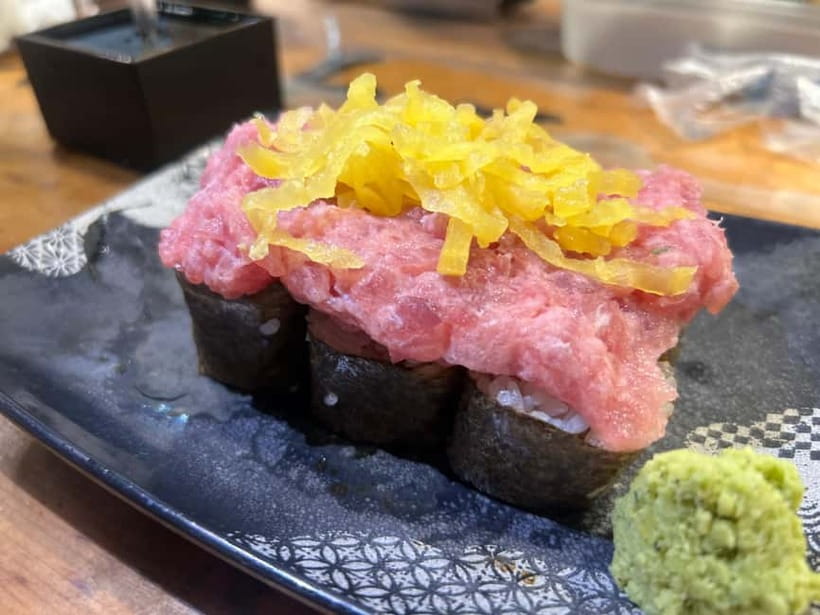
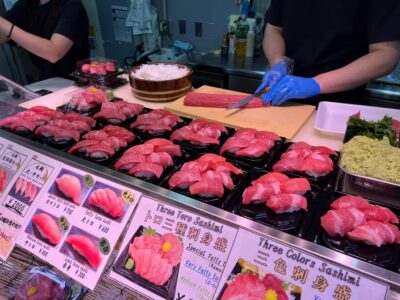
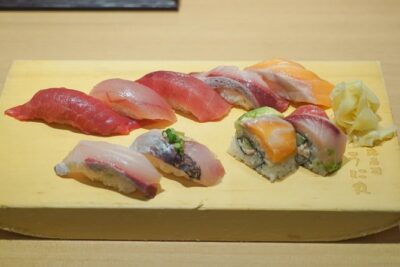
The food stop here or nearby may include fresh fish, sashimi, and sake, though exact dishes depend on availability. Mackerel has been a favorite for some diners, while others have enjoyed fresh fish and a first drink that set the tone for the evening.
Sake is a useful tasting on this route because a guide can explain what you are drinking rather than leaving you to choose from an unfamiliar list. A non-alcoholic option is available among the two included drinks, so you do not need to drink alcohol to take part.
Golden Gai is also one of the places where the tour’s small-group format matters. The lanes are tight, and a large group would be awkward. Keep your expectations realistic, though. A guided walk through this district does not mean every stop will be a long meal in a private room. You are seeing a busy nightlife quarter while moving between tastings.
Omoide Yokocho: Memory Lane and the older side of Tokyo dining
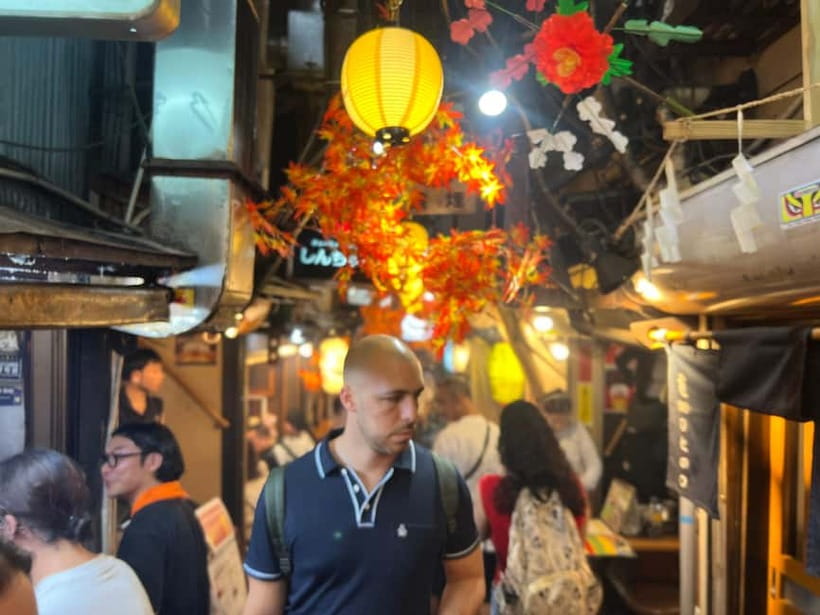
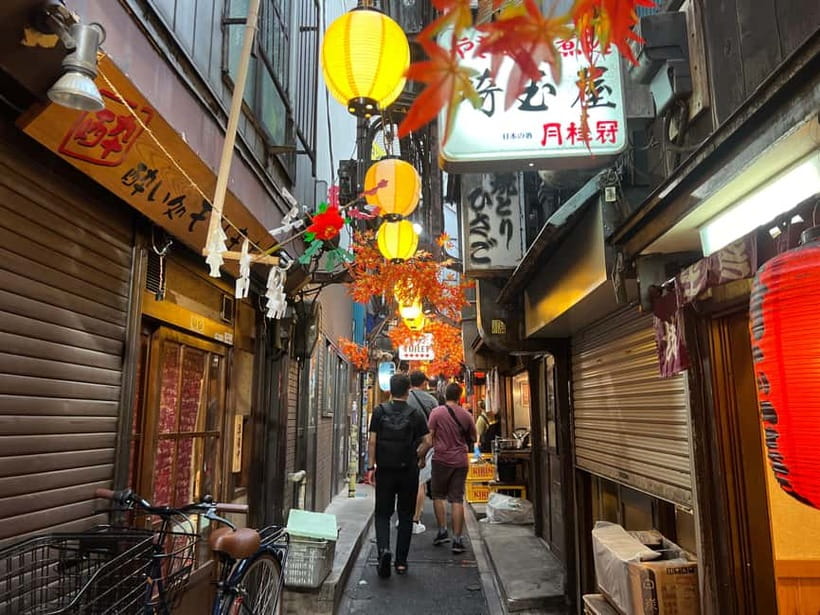
The route continues toward Omoide Yokocho, often translated as Memory Lane. This narrow food alley is one of the most memorable parts of the walk, with compact dining spaces and a strong connection to an older image of Shinjuku.
The tour may not stop for a full meal inside Omoide Yokocho itself. That matters if this is the place you most want to eat. You can still see the lane with a guide, learn about its place in the district, and return on your own later if you want more time.
This stop gives the food tour some needed context. The district is not just neon and modern restaurant chains. Small lanes such as this show a more intimate side of urban Tokyo, where the setting is close, the menu is focused, and the experience depends as much on atmosphere as on table size.
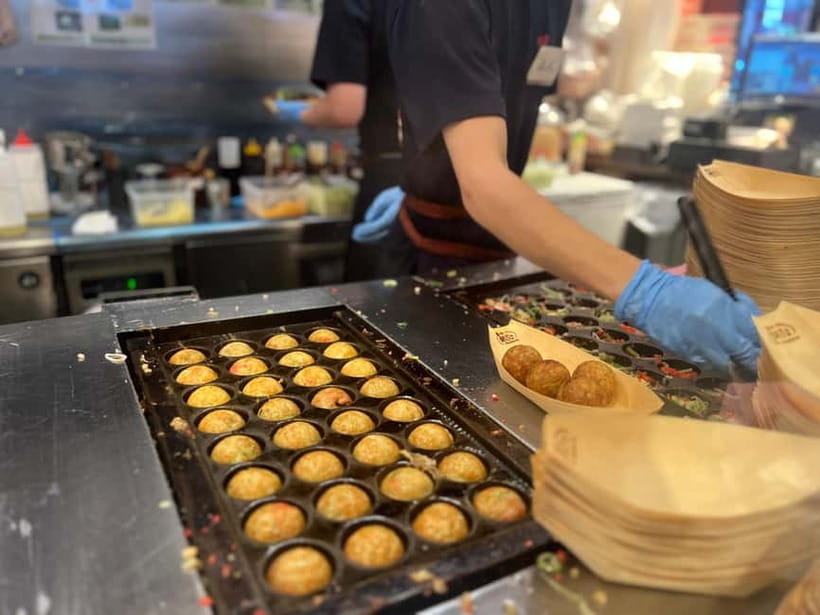
The tour’s street food component may include something such as takoyaki, depending on the day. These hot batter balls with octopus are a familiar Japanese snack, but they are best understood when you know how hot they can be and how they fit into casual evening eating.
Eating food from a stall and consuming it on the street is not the same as dining in a restaurant. One person specifically found that distinction disappointing. I think the difference is worth accepting if you want a varied walking route, but you should choose another experience if your priority is four formal restaurant visits.
A few more food tours around Tokyo worth comparing
- Tokyo: Tsukiji Fish Market Food and Walking tour
★ 5.0 · 1,724 reviews - Tokyo Night Foodie Tour in Shinjuku – Seasonal Sushi, Wagyu Beef
★ 5.0 · 1,161 reviews - Eat and Drink Like a Local: Tokyo Ueno Food Tour-Taverns&Ramen
★ 5.0 · 957 reviews - Tokyo: Shibuya Food Tour (13 dishes and 4 Eateries)
★ 5.0 · 770 reviews
Kabukicho: bright signs, nightlife, and a final round of food
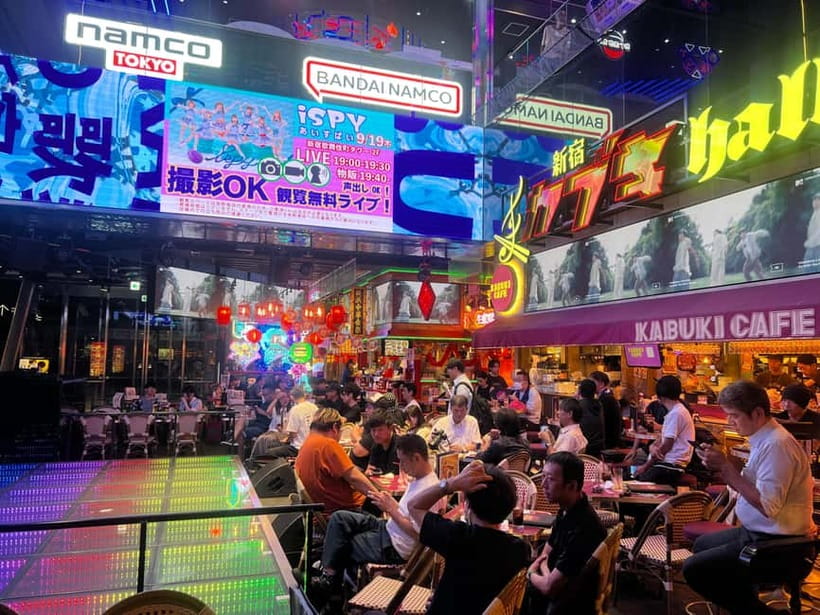
Kabukicho provides the tour’s most theatrical setting. Bright signs and late-night businesses give this part of Shinjuku a very different feel from the quiet lanes of Golden Gai. Your guide adds useful background about the area and helps you read the surroundings without trying to cover every corner.
The restaurants selected for the food stops can include an izakaya, a traditional eatery, and a gastrobar. An izakaya is built around small dishes and drinks, making it a good match for a tasting tour. Here you might try yakitori, grilled chicken skewers, or other casual Japanese dishes.
Tonkatsu is another likely highlight. Several people have singled out the pork cutlet, including one family who visited a long-running restaurant said to have operated for more than 64 years. The appeal is simple: crisp coating, tender pork, and a substantial portion that can make the tour feel like dinner rather than a string of samples.
The route has also included Okinawan food. That is a welcome change from a menu made up only of the dishes most visitors already recognize. Seaweed salad and tempura tuna have been praised as memorable choices, and children have enjoyed some of the less familiar dishes too.
The final stop may be taiyaki, a fish-shaped cake filled with a sweet filling. It makes sense as a finish because the earlier food can be savory and filling. Like every other dish on this tour, it is subject to restaurant and seasonal availability.
What you may actually eat
The exact menu changes, so I would treat the following as a guide rather than a promise:
- Sashimi or other fresh fish
- Mackerel
- Japanese sake
- Tonkatsu
- Yakitori
- Takoyaki
- Okinawan dishes
- Seaweed salad
- Tempura tuna
- Taiyaki
- Other seasonal or restaurant-specific items
The tour information describes up to 13 Japanese dishes at four eateries, while the experience title says 15 dishes. I would confirm the current count when booking if that number matters to you.
The strongest feature is not any single famous food. It is the contrast between dishes. You get raw, fried, grilled, savory, sweet, familiar, and less familiar tastes in one evening. That makes this a smart introduction for someone who wants to learn what to order during the rest of a Japan trip.
You should tell the operator about food restrictions in advance. Since the menu changes and includes fish, pork, seafood, and alcohol, the guide needs clear information before the tour begins. Do not assume every substitution will be possible at the last moment.
The guides make the difference
The company uses different English-speaking guides, so your experience will depend partly on who leads your group. The strongest guide feedback has centered on clear explanations, warm conversation, good organization, and the ability to keep a small group involved.
Fu has been praised for explaining Shinjuku’s history and answering questions. Daichi has been noted for choosing a varied menu and sending a full food list afterward. Igor has been appreciated for relaxed commentary and practical area information. Hina received particular praise for her food selections and attention to individual needs.
Other guides named by participants include Aika, Lloyd, Sabina, Emma, Karen, Elena, Taiga, Shane, Agata, Maya, Izzy, and Han. The recurring pattern is a host who explains customs and food while keeping the pace social rather than turning the evening into a lecture.
That matters because the meal itself can be copied. You can find sashimi, tonkatsu, and yakitori on your own. The guide’s value comes from choosing places, translating the setting, helping with unfamiliar dishes, and giving you ideas for the rest of your stay.
Is $85 a fair price?
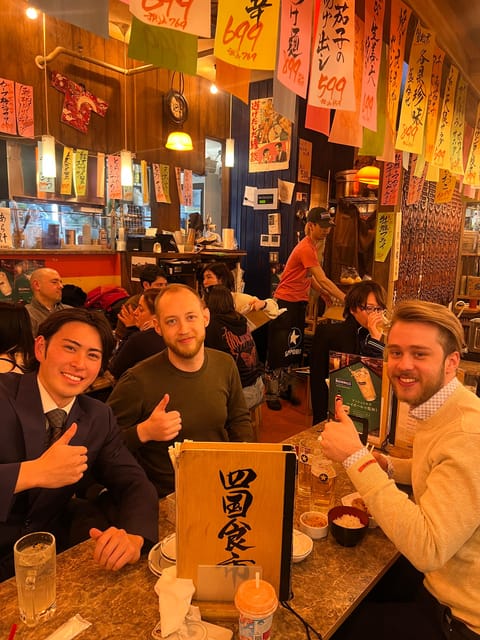
At $85 per person, this is not the cheapest way to eat in Tokyo. You could spend less by ordering individual snacks and using casual restaurants on your own.
The price becomes easier to justify if you count the full package: about three hours, four food settings, up to 13 dishes, two drinks, a walking tour through three important Shinjuku areas, and an English-speaking guide. You are also paying for restaurant selection and for the time saved avoiding menus and places that may not suit a first-time visitor.
The tour can replace dinner for many people. Several food stops provide enough to leave you full, and one person specifically advised arriving with a large appetite. If you tend to eat lightly, the amount may be more than you want.
I see the best value for first-time visitors, solo travelers who want company, couples who would rather not plan an evening, and families willing to try unfamiliar foods. It is less useful for an experienced Tokyo diner who already knows Shinjuku well and wants to choose every restaurant personally.
Who should book, and who should skip it
Book this if you want a friendly introduction to Shinjuku at night, especially if you are unsure where to eat. It suits people who want food and local background together, not a restaurant ranking or a formal culinary class.
Families can enjoy it, and children have liked the mix of pork cutlet, cakes, and other approachable dishes. Still, the walking, crowded streets, compact eateries, and changing menu may be tiring for very young children.
You should also book it if you enjoy trying dishes you might not order alone. The guide can make that first bite less intimidating, and the small portions across several stops reduce the risk of being stuck with a full plate you dislike.
Skip it if you require a fixed 15-dish menu, need every stop to be a seated restaurant meal, or have serious dietary restrictions that were not discussed in advance. The tour is flexible by design, and that flexibility is both its strength and its main limitation.
FAQ
How long does the Shinjuku food tour last?
The tour lasts three hours, though one experience was described as lasting about three and a half hours. Starting times vary, so check availability when booking.
Where does the tour meet?
Meet outside by the blue AOKI sign next to Starbucks Nishiguchi on the west side of Shinjuku Station. Yodobashi Camera is a nearby landmark.
Which areas does the walking route cover?
The route includes Golden Gai, Omoide Yokocho, and Kabukicho, then returns to the α 107 Building area.
How many dishes are included?
The detailed tour information includes up to 13 Japanese dishes at four eateries. The experience title refers to 15 dishes, so confirm the current count if this is important to you.
What types of food might be served?
Possible dishes include sashimi, sake, tonkatsu, yakitori, takoyaki, Okinawan food, seaweed salad, tempura tuna, and taiyaki. The selection changes with season and restaurant availability.
Are drinks included?
Yes. Two complimentary drinks are included, and they can be alcoholic or non-alcoholic.
Can I report food allergies or dietary restrictions?
Yes. You should advise the operator about food restrictions before the tour so the guide can plan around them where possible.
Just added around Tokyo
- Eat/Drink like a LOCAL-Taverns & Ramen★ 4.9 · 23 reviews
- [1 Group Only] Tokyo Shinjuku Food Tour for Family★ 4.9 · 49 reviews
- Tokyo After 5: Authentic Japanese Food & Drink Night Tour★ 4.5 · 560 reviews
- Best of Shibuya Food Tour★ 5.0 · 612 reviews
- Tsukiji Fish Market Small-Group Food Walking Tour★ 5.0 · 621 reviews
- Tsukiji Fish Market: Street Food & Culture Walking Tour★ 5.0 · 669 reviews
- Tokyo: Tsukiji Fish Market Food and Culture Walking Tour★ 4.7 · 757 reviews
- Tokyo: Shibuya Food Tour (13 dishes and 4 Eateries)★ 5.0 · 770 reviews
Food Tours in Tokyo, compared.
Shinjuku Food Tour (13 Dishes at 4 Local Eateries)
Read our review →
Tokyo Tsukiji Fish Market Food and Culture Walking Tour
Read our review →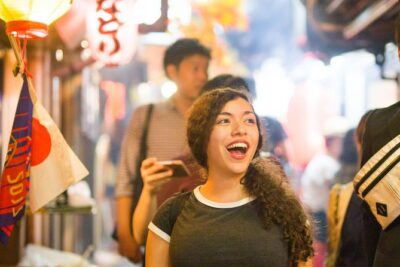
Best of Shinjuku: Izakaya Food Tour (4 Stops, 14+ Tastings)
Read our review →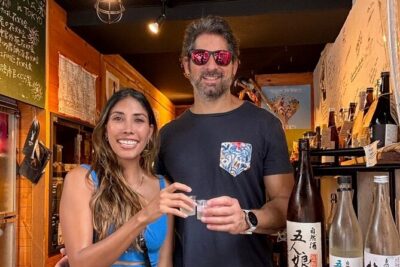
Tokyo Night Foodie Tour in Shinjuku – Seasonal Sushi, Wagyu Beef
Read our review →
Eat and Drink Like a Local: Tokyo Ueno Food Tour-Taverns&Ramen
Read our review →
Browse the lists this tour appears in