
REVIEW · TOKYO
Tokyo: Secret Food Walking Tour
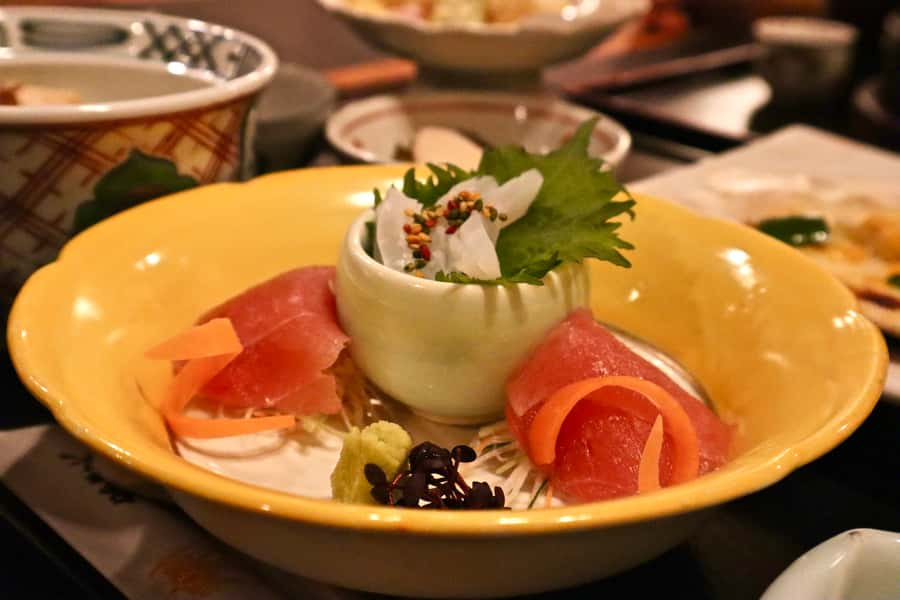
Tokyo’s food culture comes at you fast on this three-hour Ueno food walk. You’ll start with fresh sushi, move on to gyoza and yakitori, then finish with sweets, matcha ice cream, and a secret dish. It is a generous introduction to Japanese eating, not a dainty sampler.
I like the mix of familiar favorites and less obvious stops, and I like that the small group is limited to 10 people. You also get a useful English-speaking guide, with guides such as Kaho and Kyoko praised for their warm approach. The main consideration is that the food gets more attention than detailed commentary about the neighborhood, so this suits hungry food lovers more than travelers seeking a full Ueno history lesson.
Key points at a glance
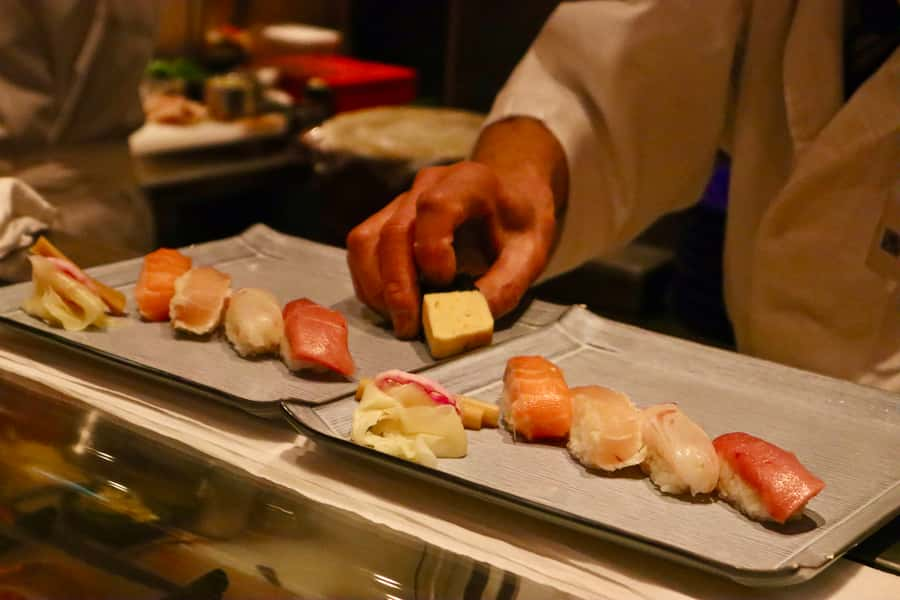
- Seven food moments in about three hours: Expect sushi, gyoza, yakitori, a drink stop, manju or seasonal fruit, matcha ice cream, and a final secret dish.
- A local route through Ueno: You begin inside JR Ueno Station, then leave the station area for downtown streets and small local eating spots.
- A filling tour: Come hungry. The portions and number of stops can add up to a full meal, with some people leaving very comfortably fed.
- Small-group format: The group is limited to 10 participants, making it easier to ask questions and follow the guide through busy streets.
- English guidance: The guide explains Japanese food, customs, and local stories in English, with guides such as Kaho and Kyoko among the hosts.
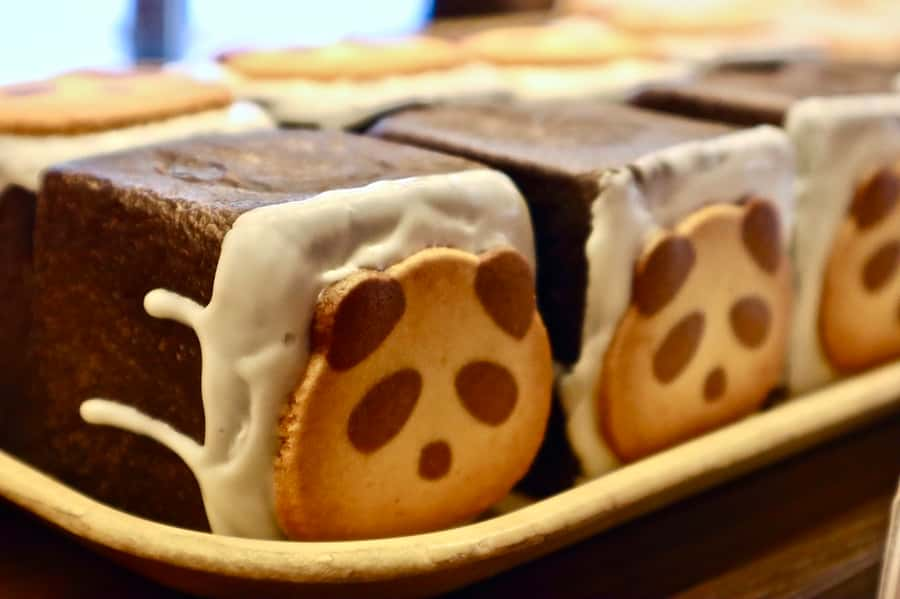
- Simple meeting point: Look for the orange Secret Tours umbrella outside the JR Central Gate, near the Hard Rock Cafe entrance beside the Andersen bakery.
Why this Ueno food tour works well
At $151 per person, this is not a cheap way to grab lunch in Tokyo. You can eat sushi, gyoza, and yakitori for much less if you order on your own. The price pays for the guide, planning, several stops, and the confidence of knowing what to order and how to approach places that may feel unfamiliar.
That value is strongest on a first visit to Japan. You get a broad tasting menu in one outing, plus explanations about ingredients and eating customs. You also avoid spending your first few days guessing at menus or walking past small restaurants because you are unsure how they work.
I would not book this only for a deep study of Ueno’s past. The food and friendly guiding are the main draw. The walking adds some local context, but the commentary may be lighter than you expect from a dedicated history tour.
The 10-person limit helps. It is small enough for the guide to keep the group together and answer questions, though it is not a private tour. You will still be moving through station areas, narrow streets, and busy food spots at a group pace.
More Food Tours in Tokyo
- Tokyo: Shinjuku Food Tour (13 Dishes at 4 Local Eateries)
★ 5.0 · 6,603 reviews - Tokyo Tsukiji Fish Market Food and Culture Walking Tour
★ 5.0 · 3,184 reviews - Tokyo: Shinjuku Food Tour (15 Dishes and 4 Eateries)
★ 4.9 · 2,033 reviews
Meeting at JR Ueno Station
The tour begins inside the JR Ueno Station building, outside the JR Central Gate. The meeting point is near the entrance to Hard Rock Cafe, but the cafe has several entrances, which can cause confusion.
Use the entrance on the other side of the bakery named Andersen. The guide carries a Secret Tours orange umbrella, so look for that rather than relying only on the cafe sign. If you need help from station staff or a local person, show this Japanese text:
JR上野駅 中央改札外のハードロックカフェ入口付近
That detail is worth saving on your phone before you leave. Ueno Station is large, and a few extra minutes spent finding the correct exit can make the start feel rushed. The tour ends back at the same meeting point, which is useful if you want to continue exploring Ueno afterward.
Wear comfortable shoes. Three hours on foot, with repeated stops and station walking, is much easier in supportive footwear than in fashionable but unforgiving shoes.
First stop: fresh sushi near the station
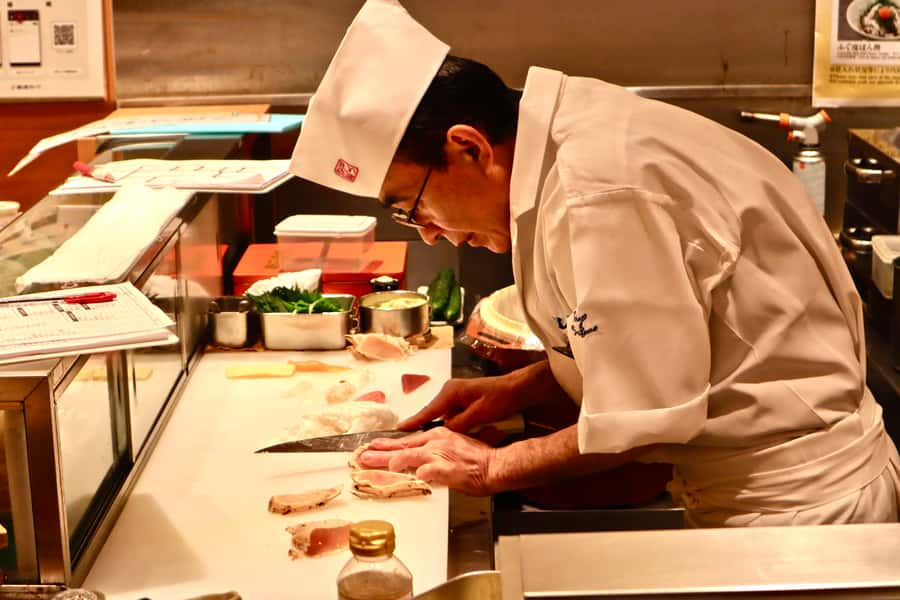
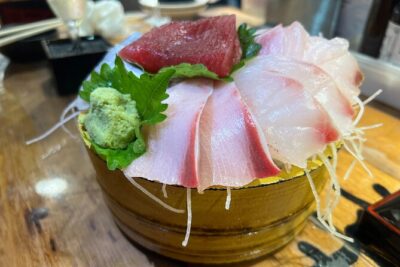
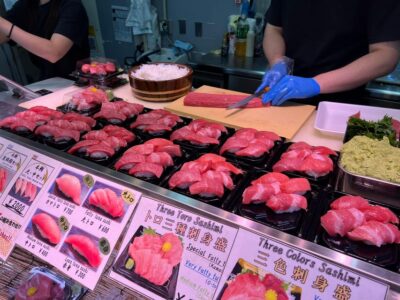
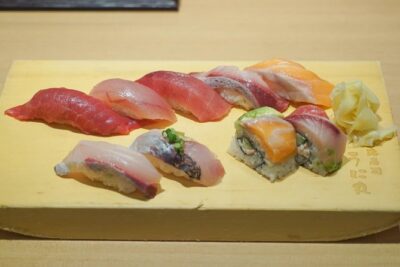
The food begins at one of the area’s popular sushi shops. This is a smart first stop because sushi gives you an immediate taste of everyday Japanese dining and gets the meal started without delay.
You can expect freshly made sushi rather than a long lesson in formal sushi technique. The value here is the chance to try a local shop with a guide who can explain what you are eating and how sushi fits into Japanese food culture.
For a first-time visitor, that guidance matters. You may already know sushi from home, but the selection, preparation, and setting can feel different in Japan. A guide can help connect the plate to local habits instead of leaving you to treat it as simply another restaurant meal.
The timing of the first stop may matter to you. One food-focused assessment suggested that a slightly later start would fit the opening time of the first restaurant better. When you check available start times, look closely at the schedule and be ready for the possibility that the first stop sets the rhythm for the rest of the outing.
Walking from the station into downtown Ueno
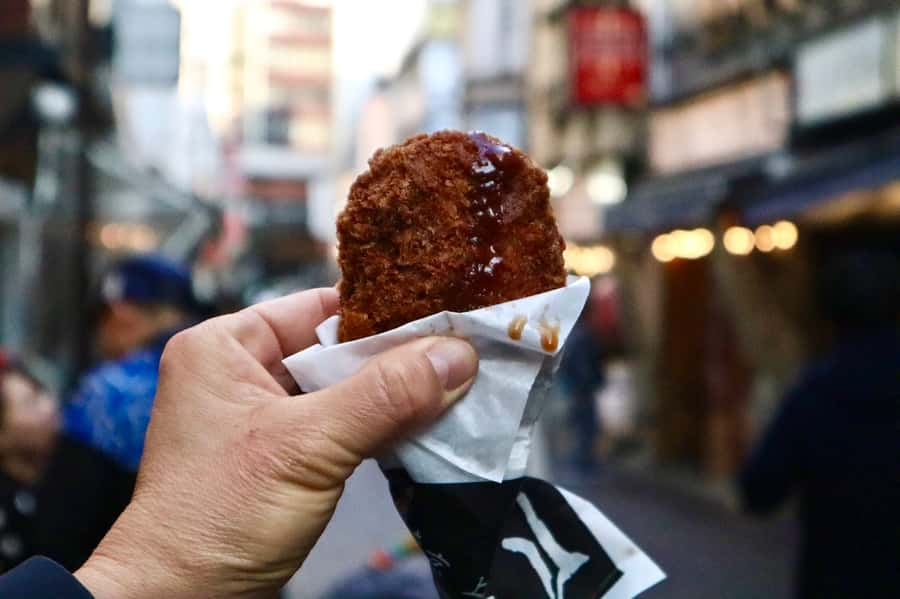
After sushi, you walk through the local streets near Ueno Station and then move away from the busiest station area toward the downtown district. This transition is one of the better parts of the experience because the tour is not just a sequence of restaurant tables.
You see how food sits within the daily life of the neighborhood. The walk also gives your guide room to explain local customs, the area, and the dishes ahead. The amount of history can vary with the guide and the questions you ask, so speak up if you want more context.
The route is not presented as a major sightseeing circuit. You should think of it as a food walk with neighborhood views, not a complete tour of Ueno’s temples, museums, and landmarks. A small shrine has been part of the experience, adding a short cultural pause between meals, but the food remains the center of attention.
More off-the-list food tours in Tokyo:
- Tokyo: Locals´ Secret Food Tour // Eat like a Japanese
★ 5.0 · 35 reviews - Alicante: Secret Flavors Food Tour
★ 4.8 · 1,514 reviews - Southern & Secret Walking Food Tour
★ 4.5 · 1,413 reviews - Edinburgh Food Tour with Scotch, Haggis, a Secret Dish & More
★ 5.0 · 1,172 reviews
Gyoza: fried or steamed dumplings
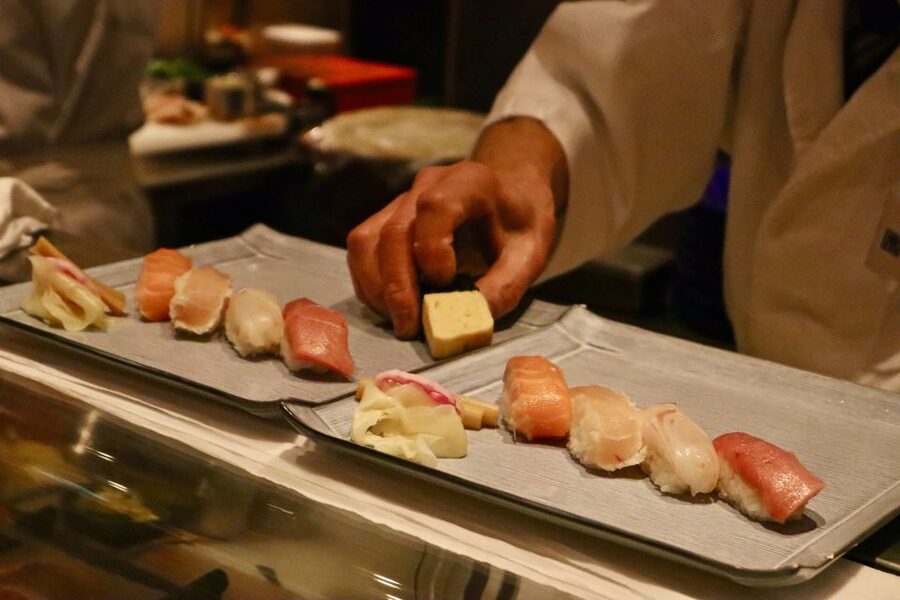
The next major taste is gyoza, Japanese dumplings filled with minced meat and vegetables. You may get them fried or steamed, depending on the stop and the day.
Gyoza is a useful dish to try with a guide because the format is familiar to many people, yet the Japanese version has its own role and style. It is casual, quick, and closely tied to everyday eating. The guide can help explain what is inside and how the dish fits with other foods on the route.
This is also where the tour starts to feel like a full meal rather than a tasting session. You have already eaten sushi, and the dumplings add a warm, savory course. If you normally eat lightly at lunch, pace yourself.
The local restaurant stops are part of the appeal. You visit places you might not choose on your own, particularly if you cannot read Japanese or are unsure about ordering. The tradeoff is that small local venues may feel less predictable than a restaurant chosen from an international guidebook. That is part of the point, but it may not suit someone who wants a polished, fixed dining room.
Yakitori and a standing drink stop
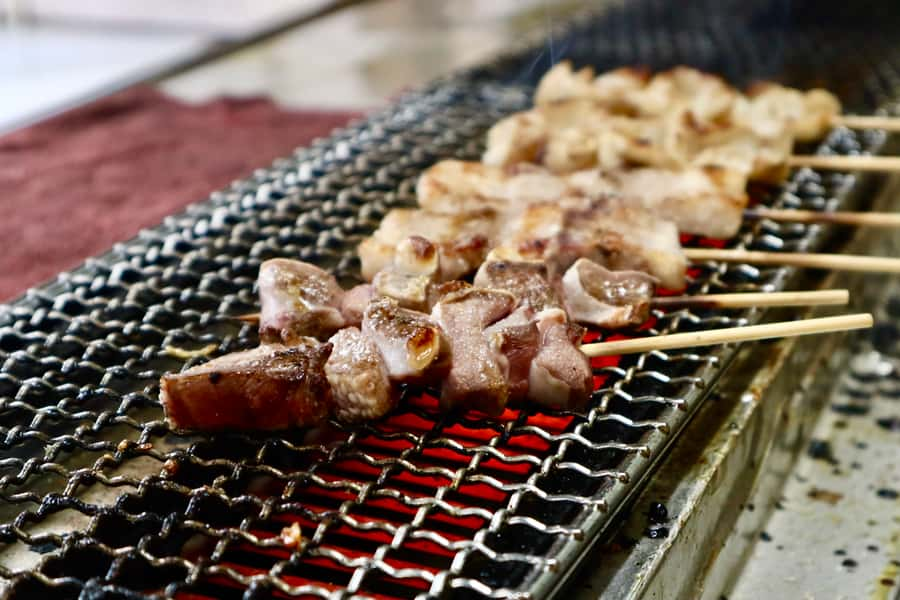
A short hop later, you reach a tachinomiya, a stand-up place for eating and drinking. Here you try yakitori, skewered chicken, with a draft beer or a flavored sawa.
Yakitori is one of the best foods for a casual Tokyo food walk. It is simple in appearance, but the appeal comes from the seasoned meat, the grill, and the social setting. A standing restaurant gives you a closer look at a relaxed style of Japanese dining that you might not encounter at a conventional sit-down meal.
I like this part because it changes the pace. Sushi and gyoza take place as food stops, while the tachinomiya feels more like a local evening habit. You get a taste of the social side of eating, not just a list of dishes.
Check the drink details when booking. Food is included, but the activity information does not separately spell out whether every alcoholic drink is covered in the price. If you do not drink alcohol, ask the guide about alternatives. The tour description focuses on draft beer or flavored sawa at this stop, so anyone with dietary or drink restrictions should clarify ahead of time.
Sweet stops: manju, seasonal fruit, and matcha ice cream
The route then shifts from savory dishes to sweets. Depending on the season, you may try manju or freshly cut fruit.
Manju is a traditional Japanese sweet often made with a soft outer layer and a sweet filling. It gives the tour a small connection to older Japanese snack traditions, while seasonal fruit offers a lighter and more direct taste of what is available at that time of year.
The exact sweet is not fixed, which means the experience can change with the season. That is a plus if you like local food as it is actually served, but a drawback if you are booking mainly for one specific item.
Matcha ice cream follows. It is an easy crowd-pleaser, though the flavor can surprise you if you expect ordinary vanilla. Matcha brings a grassy, slightly bitter note, and the ice cream balances it with sweetness.
By this stage, you have sampled several very different tastes: seafood, dumplings, grilled chicken, and sweets. That range is one reason the tour works well as an introduction to Japanese food. It gives you more than one narrow specialty and helps you identify what you want to seek out later in your trip.
The final secret dish
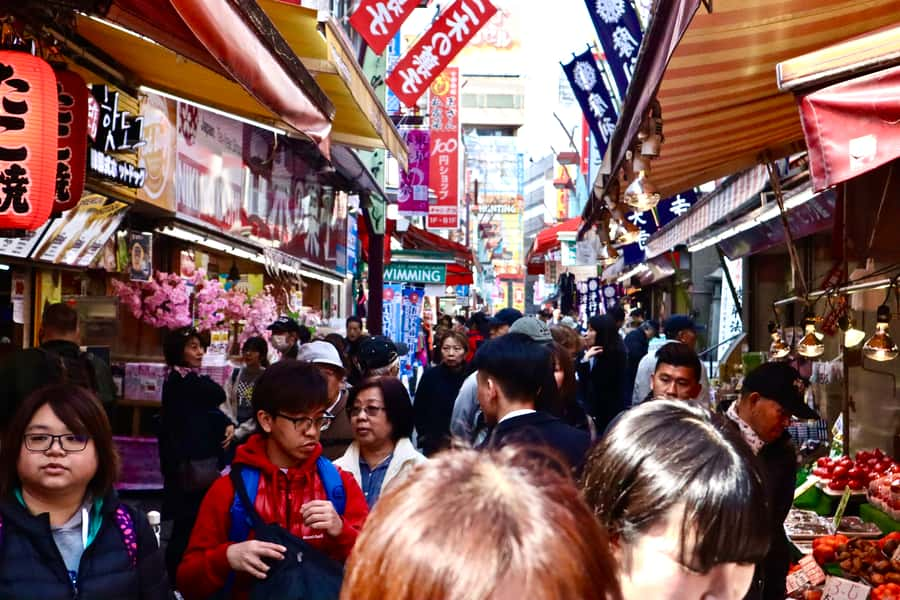
As with the other Secret Tours outings, the experience ends with a secret dish in a cozy setting. The exact food is not announced in advance, so you should arrive with some flexibility.
A surprise final dish can be fun after you have already tried the planned stops. It may also be the part that makes the tour feel less like a standard checklist. You get one last chance to try something you might not have ordered independently.
At the same time, this is the least predictable element. If you have strict dietary limits, allergies, or strong dislikes, tell the operator before booking and confirm what can be accommodated. The provided details do not list a set menu for the secret dish.
The final stop also helps explain why you should not eat breakfast immediately beforehand. The combination of sushi, gyoza, yakitori, sweets, ice cream, and the final dish is substantial. You do not need to arrive starving, but you should leave room.
Food knowledge versus neighborhood history
The guide explains local food, culture, and stories connected to dishes such as yakitori and gyoza. English is the tour language, and the small group gives you a fair chance to ask about ingredients, customs, and restaurant etiquette.
Guides such as Kaho and Kyoko have been praised for their pleasant, warm manner. That personal side matters on a food tour. A good guide helps you feel comfortable entering unfamiliar places and keeps the group moving without making the meal feel rushed.
Keep your expectations measured about history. You will hear some background about Tokyo and the area, and the route can include a shrine, but the tour is built around eating. If you want detailed historical interpretation at every stop, pair this with a separate Ueno sightseeing tour.
I would use this experience early in a Tokyo visit. It can give you a working list of foods to order later and show you how casual local dining feels. You may also find it useful near the start of a trip because the guide can answer practical questions about Japanese meals.
Who should book this experience
This tour fits you well if:
- You want to try several Japanese foods in one outing.
- You are visiting Japan for the first time and want help ordering.
- You enjoy small local restaurants more than polished tourist venues.
- You prefer a guided introduction to food over a formal cooking class.
- You are comfortable walking and eating a fairly large amount.
- You want an English-speaking guide and a group of no more than 10 people.
Families can also consider it. An eight-year-old has enjoyed the format, but children vary in how they handle unfamiliar foods and a three-hour eating schedule. Parents should also note that the drink stop is part of the route, even though the food remains the main focus.
This is less suitable if you need a fully fixed menu, want a private tour, or are mainly interested in architecture and detailed historical commentary. It may also be poor value for confident Tokyo diners who already know Ueno’s food scene and can order comfortably on their own.
Practical value at $151 per person
The price makes sense when you count the guide, food at several stops, and the time saved finding suitable places. It is not the right choice if your main goal is the cheapest possible meal.
I would compare it with the cost of booking several small meals independently. You would likely spend less on food alone, but you would also need to find the venues, choose what to order, manage the route, and handle any uncertainty around local dining customs.
The tour’s strongest value is its range. You are not paying for one famous restaurant. You are paying for a guided sequence that includes sushi, gyoza, yakitori, sweets, ice cream, and a secret dish, all in one neighborhood walk.
Food is included, while transportation and hotel pickup or drop-off are not. You meet at Ueno Station and return there, so plan your own way to the meeting point. Free cancellation is available up to 24 hours in advance, and you can reserve now and pay later, which gives you some room if your Tokyo plans change.
Should you book the Ueno food walk?
Book it if you want a filling, friendly introduction to Japanese food and prefer to let a guide handle the restaurant choices. The mix of sushi, gyoza, yakitori, sweets, and a secret final dish gives you plenty to talk about and remember, while the small group keeps the outing manageable.
Skip it if you are seeking a detailed Ueno history tour, a private dining experience, or the lowest-cost way to eat. For most first-time visitors who arrive hungry and curious, the price is reasonable for the variety and guidance. Save the meeting-point Japanese text, wear comfortable shoes, and do not eat a large meal beforehand.
FAQ
How long does the Tokyo Secret Food Walking Tour last?
The tour lasts about three to three and a half hours. The stated duration is three hours, and the guided food tour may run slightly longer.
Where does the tour meet?
You meet inside JR Ueno Station, outside the JR Central Gate, near the Hard Rock Cafe entrance beside the Andersen bakery. Look for the guide with the Secret Tours orange umbrella.
Where does the tour finish?
The activity ends back at the same meeting point near JR Ueno Station.
What food will I try?
The route includes sushi, gyoza, yakitori, manju or seasonal fruit, matcha ice cream, and a secret dish. The yakitori stop also offers a draft beer or flavored sawa.
Is the tour conducted in English?
Yes. The tour has a live English-speaking guide.
How large is the group?
The tour is limited to 10 participants. It does not include transportation or hotel pickup and drop-off.
More Walking Tours in Tokyo
- Tokyo: Tsukiji Fish Market Food and Walking tour
★ 5.0 · 1,724 reviews - Tokyo: Tsukiji Fish Market Guided Walking Tour
★ 4.9 · 1,397 reviews - Tokyo: Tsukiji Fish Market Food and Culture Walking Tour
★ 4.7 · 757 reviews - Tsukiji Fish Market: Street Food & Culture Walking Tour
★ 5.0 · 669 reviews
More Food Walks in Tokyo
- Tsukiji Fish Market Small-Group Food Walking Tour
★ 5.0 · 621 reviews - Reykjavik Food Walk – Local Foodie Adventure in Iceland
★ 5.0 · 18,952 reviews - New Orleans Food Walking Tour of the French Quarter with Small-Group Option
★ 5.0 · 6,118 reviews - Naples: Street Food Walking Tour with Local Guide
★ 4.9 · 4,976 reviews
Just added around Tokyo
- Tokyo: West-Side Cycling and Food Tour with Guide★ 5.0 · 37 reviews
- Tokyo: Wagyu and Sushi Gastronomic Journey★ 4.3 · 24 reviews
- Tokyo: Allstar Food Tour★ 4.7 · 29 reviews
- Tokyo: Togoshi Ginza Street Food Tour★ 5.0 · 34 reviews
- Tokyo: The Best of Izakaya in Shinjuku Food & Cultural Tour★ 4.9 · 221 reviews
- Tokyo Tsukiji Food & Culture Private Tour Licensed Guide★ 4.9 · 28 reviews
- Tokyo: Locals´ Secret Food Tour // Eat like a Japanese★ 5.0 · 35 reviews
- Tokyo: Shibuya Food Tour (13 dishes and 4 Eateries)★ 5.0 · 178 reviews
Food Tours in Tokyo, compared.
Shinjuku Food Tour (13 Dishes at 4 Local Eateries)
Read our review →
Tokyo Tsukiji Fish Market Food and Culture Walking Tour
Read our review →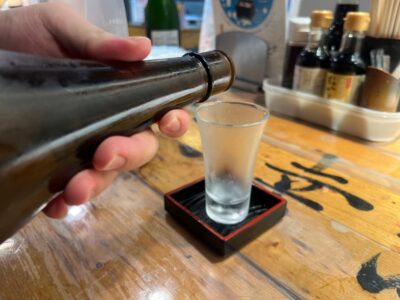
Shinjuku Food Tour (15 Dishes and 4 Eateries)
Read our review →
Best of Shinjuku: Izakaya Food Tour (4 Stops, 14+ Tastings)
Read our review →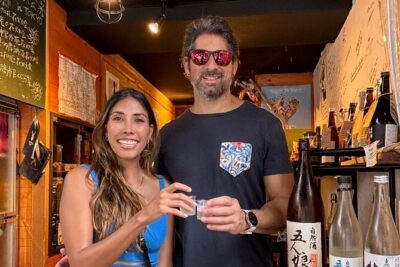
Tokyo Night Foodie Tour in Shinjuku – Seasonal Sushi, Wagyu Beef
Read our review →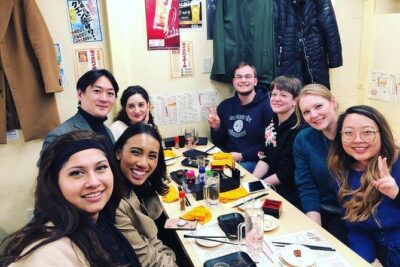
Eat and Drink Like a Local: Tokyo Ueno Food Tour-Taverns&Ramen
Read our review →Browse the lists this tour appears in