
REVIEW · TOKYO
Shinjuku Tokyo: Authentic Japanese Home-Style Culinary Class
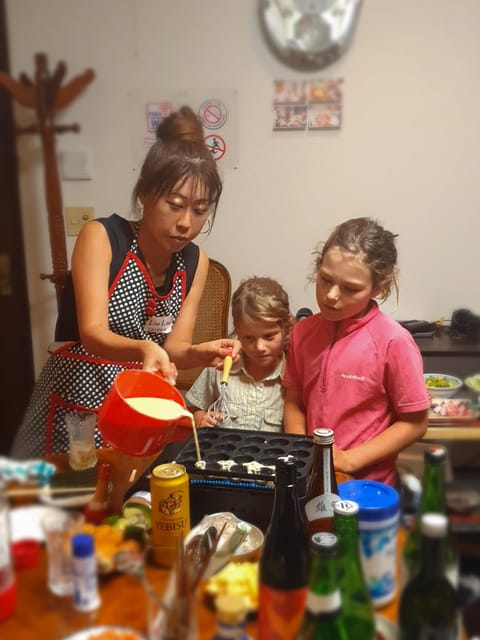
The best part of this class is that you do not just watch a chef prepare a polished Japanese meal. You help make one yourself, from rolling sushi and shaping gyoza to turning takoyaki in its pan. The food is familiar, but the lesson shows how it fits into everyday Japanese home cooking.
I like the choice of menus, which lets you aim for festival food, sushi, a filling gozen meal, or the Osaka favorites okonomiyaki and yakisoba. I also like the friendly, personal teaching style reported with instructors including Kana, Lulu, Kayo, Chieko, and Miyuki. The main consideration is that menu choice may be limited if another group joins the class, and the exact kitchen address arrives only after booking.
Key points
- Central Shinjuku setting: You cook in a kitchen studio in or around Shinjuku, handy for a day in central Tokyo.
- Four main menu choices: Pick okonomiyaki and yakisoba, gyoza and takoyaki, rolled sushi and teriyaki, or a traditional gozen set.
- Real participation: You prepare dishes rather than simply watching a demonstration.
- English instruction: The class is taught in English, with explanations of ingredients, techniques, and food culture.
- Dietary flexibility: Vegetarian, vegan, allergy-related, and other food requests can be discussed in advance.
- A generous meal: The dishes you prepare become your lunch or meal, with drinking water included.
A Japanese cooking class near Shinjuku
This 150-minute class takes place in a kitchen studio in or around Shinjuku, one of Tokyo’s most useful bases. You receive the exact address after booking, so do not head toward the station expecting a shopfront with a large sign. Wait for the organizer’s message and save the directions, photos, and contact details before leaving your hotel.
The central location matters. You can fit the lesson into a day of sightseeing around Shinjuku, though you should allow time to find the building. One person had trouble locating the entrance and lost about 15 minutes before calling the organizer. That is an easy problem to avoid if you read the arrival instructions carefully and do not assume the address leads directly to a visible door.
The kitchen setting is intended to feel personal rather than theatrical. If you and your group are the only participants, you may receive a private class. If another group attends, the lesson can become a shared activity, and your ability to choose a menu may be reduced. That uncertainty is worth knowing before you book, especially if your group has strong preferences.
More Food Tours in Tokyo
- Tokyo: Shinjuku Food Tour (13 Dishes at 4 Local Eateries)
★ 5.0 · 6,603 reviews - Tokyo Tsukiji Fish Market Food and Culture Walking Tour
★ 5.0 · 3,184 reviews - Tokyo: Shinjuku Food Tour (15 Dishes and 4 Eateries)
★ 4.9 · 2,033 reviews
What happens during the 150 minutes
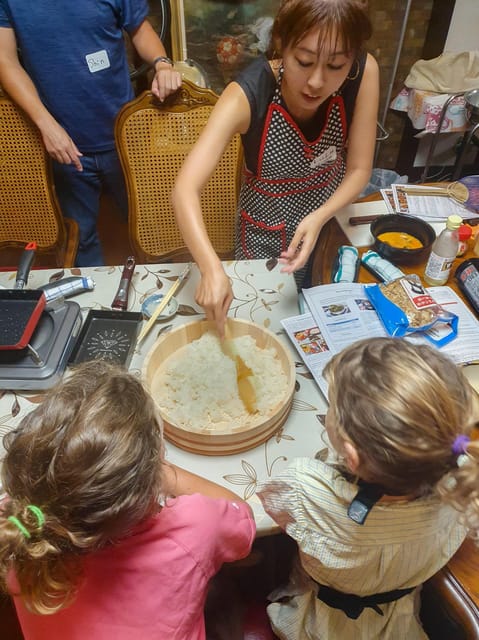
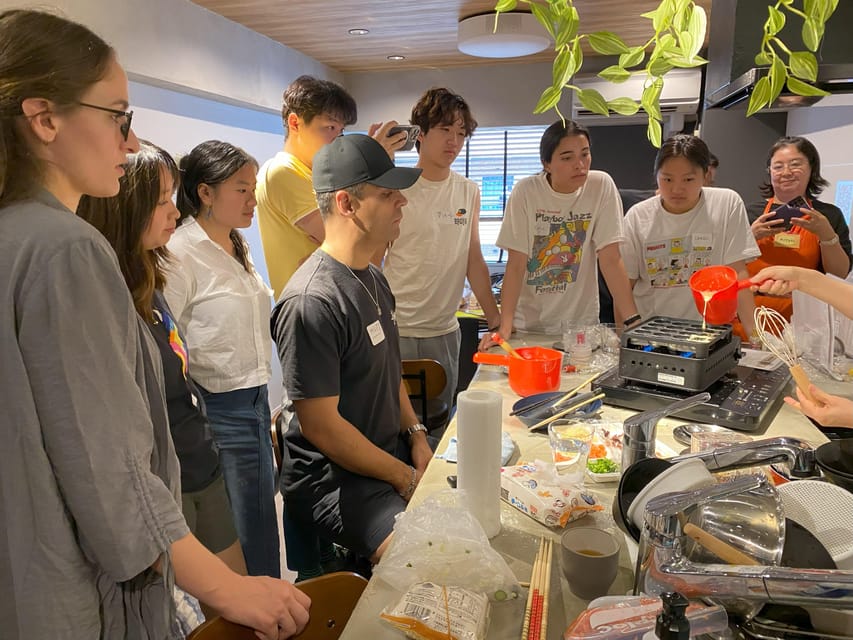
The ingredients are prepared before you arrive. That saves time and lets you focus on practical work, rather than spending half the lesson washing vegetables or measuring every ingredient from scratch.
Your instructor introduces the selected dishes, explains the main ingredients, and walks you through the steps. The teaching is in English, and the class has been used successfully by couples, families, teenagers, children, and people who already cook at home. The strongest benefit is the chance to ask questions while you work. You are not left trying to copy a demonstration from across a crowded room.
The exact balance between doing and watching can vary. Some participants describe the class as highly interactive, while one experienced cook would have preferred more hands-on time during certain steps. If you are eager to cook every component yourself, tell the instructor early. The class includes active preparation, but a host may handle some parts to keep the meal moving within the two-and-a-half-hour schedule.
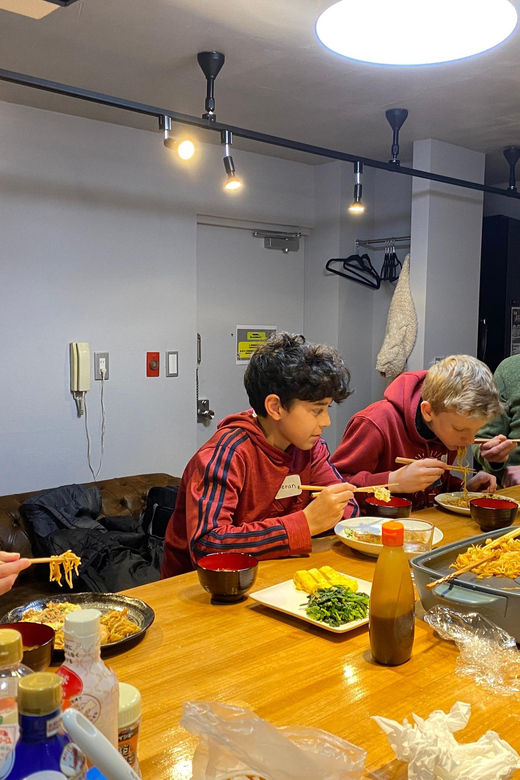
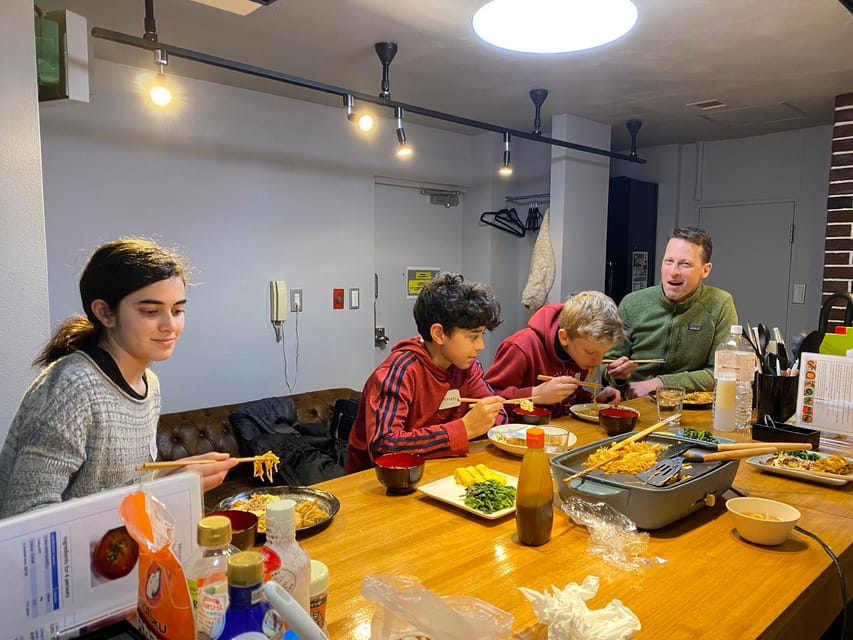
After the cooking, you sit down and eat what you made. The amount can be substantial, particularly with menus containing several dishes. The meal is not a small tasting plate. You should arrive hungry, but not so hungry that you rush through the instructions.
Four menus, four different Japanese food lessons
Okonomiyaki and yakisoba
Menu A gives you two casual Japanese favorites in one sitting. Okonomiyaki combines batter, chopped cabbage, and other ingredients cooked on a teppan grill, then finished with sauces and toppings. Yakisoba uses stir-fried noodles, vegetables, and commonly pork or seafood with a sweet-savory sauce.
This is a good choice if you want lively cooking and familiar comfort food. You learn how Japanese cooks build flavor with sauces and toppings, and you get two dishes that are easy to picture making again at home.
The drawback is that this menu may be less suitable if you want a delicate or formal Japanese meal. It is hearty, saucy food, and ingredients may need adjustment for vegetarians, vegans, or people avoiding seafood or pork.
A few more food tours around Tokyo worth comparing
- Shibuya Tokyo: Sushi Making Class (Vegan/Vegetarian/Halal)
★ 4.7 · 29 reviews - Small Group Cooking Class & Market Food Tour in Florence
★ 5.0 · 1,574 reviews - Athens: Food Market Visit and Cooking Class with Wine
★ 4.9 · 1,087 reviews - Undiscovered Charleston: Half Day Food, Wine & History Tour with Cooking Class
★ 5.0 · 948 reviews
Gyoza and takoyaki
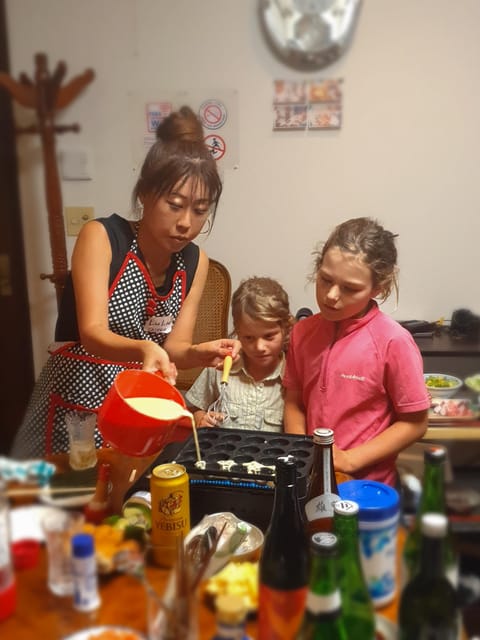
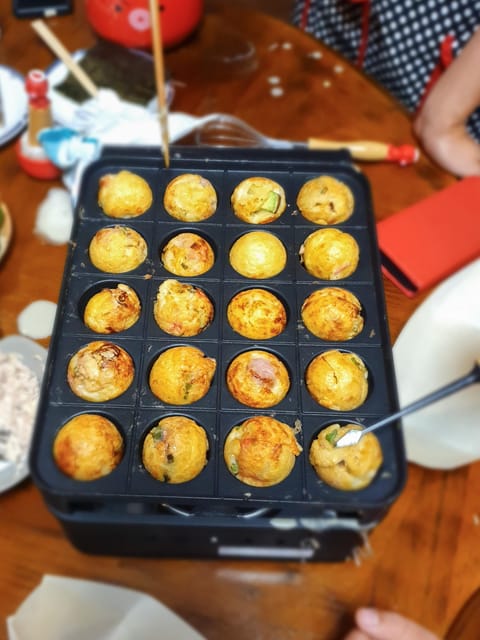
Menu B is especially hands-on. You make Japanese gyoza, pan-fried until crisp, and takoyaki, the round savory dumplings associated with Osaka and summer festivals.
Takoyaki is the unusual choice here. Many people can find sushi or ramen abroad, but turning takoyaki in its special pan is a different skill. It makes this menu a strong pick for families and groups who want a playful cooking task rather than a quiet lesson.
You should tell the instructor about allergies or dietary restrictions before the class. Takoyaki fillings and gyoza ingredients can vary, so early notice gives the kitchen time to discuss suitable options.
Rolled sushi and teriyaki
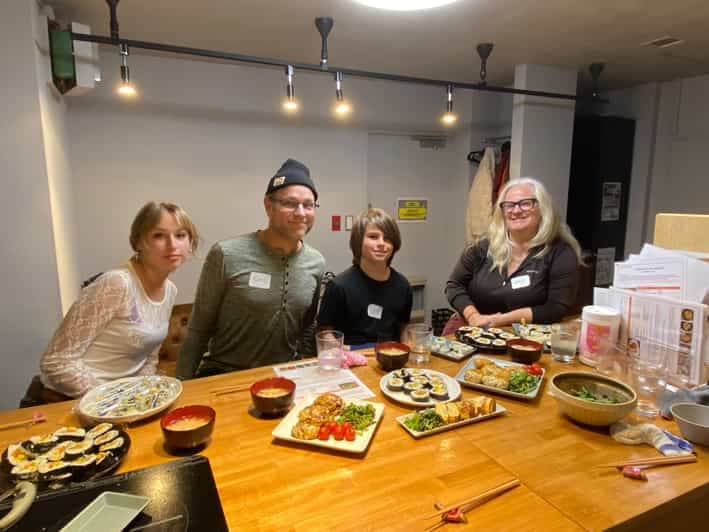
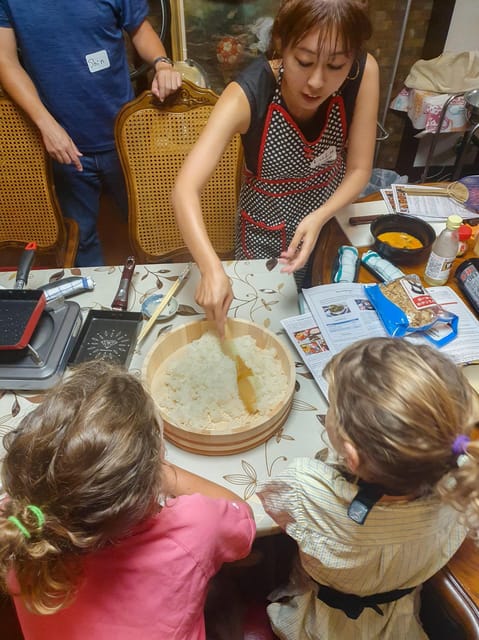
Menu C pairs rolled sushi with yellowtail or chicken teriyaki, side dishes, and miso soup. You roll and cut the sushi yourself, then prepare a familiar glazed main dish.
This is a practical menu for anyone who wants recipes to repeat at home. Several participants left with enough guidance to make sushi and miso soup again, and recipes may be provided after the lesson. The combination also gives you a useful contrast between careful assembly and hot-pan cooking.
Choose this menu if sushi is high on your Tokyo wish list, but remember that rolling neat pieces takes practice. The point is not restaurant-level presentation on the first attempt. The pleasure comes from learning the method, then eating the results.
Traditional gozen set
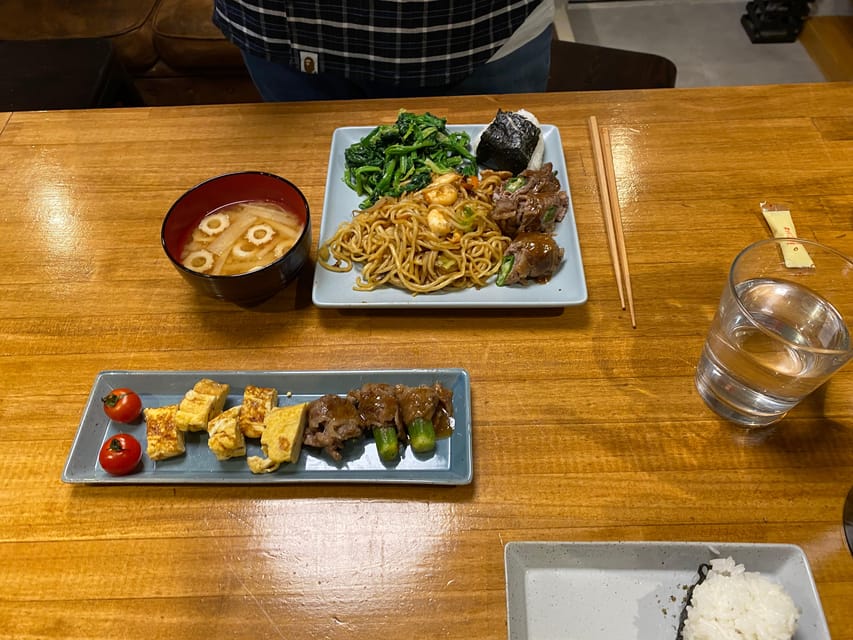
Menu D is the most rounded option. A gozen set includes a meat plate, a fish plate, a side dish, miso soup, and an onigiri rice ball.
I would choose this menu if you want to understand the structure of an everyday Japanese meal rather than focus on one famous dish. You see how several modest portions work together, with different textures and flavors on one tray.
The menu can also be adjusted. One family chose the gozen set and requested chicken teriyaki, which the instructor accommodated. Still, do not rely on last-minute changes. Send your requests before the class.
A requested menu
Menu E is open to discussion. You can submit a request and decide with the instructor what is possible. This is useful for a food-focused group, but it is not a guarantee that every dish can be prepared. Contact the provider before booking if your request is central to the experience.
The instructors make the difference
The instructors are not just there to read out a recipe. They explain Japanese ingredients, cooking methods, and the place each dish has in Japanese food culture.
Kana receives especially strong praise for her warm manner, clear English, and care with questions. Lulu is described as attentive and flexible, including helping with menu changes, plating, cultural information, and local restaurant suggestions. Kayo is noted for explaining both the dishes and the techniques in a way that worked well for a family.
Other instructors include Chieko, Miyuki, Aki, Miho, Yuki, and Erica. The exact teacher depends on the date and group. You should expect an English-speaking instructor, but not necessarily a particular named person unless the provider confirms that in advance.
The class works well for families because the teaching can be adapted to different ages. One group included four children aged seven to twelve, and another family brought a teenager who wanted to learn more about cooking. Adults who already cook can also gain useful ideas, especially about Japanese sauces, ingredients, and presentation.
Food allergies and dietary choices
Tell the organizer about allergies before you arrive. This is not a class where you should simply avoid an ingredient once cooking starts, since sauces, broths, fillings, and toppings may contain hidden components.
Vegetarian and vegan requests can be accommodated, and the menu can be discussed around other food preferences. Several people received adjustments for allergies or vegetarian diets. The safest approach is to explain every restriction clearly at booking, including the difference between an allergy, an intolerance, and a preference.
The class is also useful for people who want to understand unfamiliar ingredients. The instructor can explain how they are used, rather than leaving you with a recipe full of names you do not recognize.
Is $88 good value?
At $88 per person, this is not a budget meal. You are paying for more than lunch, though. The fee includes ingredients, cooking tools, drinking water, instruction, and all taxes. You also receive roughly two and a half hours of organized activity in central Tokyo.
The value is strongest if you want practical skills and cultural context. A restaurant meal might cost less, but it will not show you how to roll sushi, make gyoza, prepare miso soup, or build a gozen set. A shorter cooking demonstration might also cost less, but it may not give you the same chance to handle the ingredients.
The price makes less sense if you mainly want to eat Japanese food and have little interest in cooking. You could spend the same time visiting several restaurants in Shinjuku. This class earns its cost through participation, personal attention, and recipes you can use after returning home.
The food quantity appears generous, and you eat the finished dishes together. That turns the lesson into a complete meal rather than an activity followed by another restaurant booking.
Who should book this class?
I would recommend it most strongly to:
- Families wanting an activity that works for children and adults
- Couples who prefer a shared meal with a practical element
- Visitors who want recipes they can recreate at home
- People curious about Japanese home cooking, not only restaurant food
- Vegetarians or visitors with food restrictions who arrange details in advance
- Experienced home cooks interested in Japanese ingredients and methods
It is less suited to you if you dislike group activities, need a fixed menu, or want a highly formal chef-led demonstration. The experience can be private when your group is the only booking, but that depends on the schedule.
It also requires a little flexibility. The instructor may adjust the menu, another group may attend, and some cooking steps may be demonstrated rather than completed entirely by each participant.
Booking and timing tips
The activity lasts 150 minutes, with starting times based on availability. Free cancellation is available up to 24 hours before the class, and you can reserve now and pay later, which helps if your Tokyo plans are still shifting.
After booking, wait for the exact meeting address and the organizer’s message. Check the information before setting out from Shinjuku Station, and keep the phone number available in case the entrance is not obvious.
Mention allergies, vegetarian or vegan needs, children in the group, and any preferred menu as early as possible. If you are booking with only your own group, ask how menu selection works for your date. That small message can prevent disappointment.
Should you book it?
Book this class if you want to do more than photograph Japanese food. The strongest reasons are the central Shinjuku location, the range of menus, the English instruction, and the chance to eat a substantial meal that you helped prepare.
I especially like Menu B for families and first-time cooks because takoyaki and gyoza give you clear, memorable tasks. Menu D is better for anyone who wants a picture of everyday Japanese home cooking, while Menu C is the practical choice for sushi fans who want recipes to take home.
At $88, it is a considered purchase, but the two-and-a-half-hour lesson, ingredients, equipment, meal, and personal guidance make it fair value for an active food experience. Just confirm the address and dietary details, and accept that the final menu and group setup may depend on the day.
FAQ
Where does the cooking class take place?
It takes place at a kitchen studio in or around Shinjuku, Tokyo. The exact address is sent after booking.
How long does the class last?
The class lasts 150 minutes, or two and a half hours, including cooking and eating the meal.
What language is the class taught in?
The instructor teaches in English.
What menus can I choose from?
The main choices are okonomiyaki and yakisoba, gyoza and takoyaki, rolled sushi with teriyaki, and a traditional gozen set. You may also request another menu for discussion.
Can I choose my menu after booking?
You can select from the available options when booking. If another group attends the same class, you may not be able to choose the menu, so confirm this with the provider.
Can vegetarians and vegans join?
Yes. The class is designed to accommodate vegetarian and vegan preferences, but you should provide the details in advance.
What should I do if I have a food allergy?
Tell the organizer before the class. The menu and available options can then be discussed ahead of time.
Are ingredients and cooking equipment included?
Yes. Ingredients, cooking tools, drinking water, and all fees and taxes are included.
Can I cancel the booking?
You can cancel up to 24 hours in advance for a full refund. Reserve now and pay later is also available.
Just added around Tokyo
- Tokyo: West-Side Cycling and Food Tour with Guide★ 5.0 · 37 reviews
- Tokyo: Wagyu and Sushi Gastronomic Journey★ 4.3 · 24 reviews
- Tokyo: Allstar Food Tour★ 4.7 · 29 reviews
- Tokyo: Togoshi Ginza Street Food Tour★ 5.0 · 34 reviews
- Tokyo: The Best of Izakaya in Shinjuku Food & Cultural Tour★ 4.9 · 221 reviews
- Tokyo Tsukiji Food & Culture Private Tour Licensed Guide★ 4.9 · 28 reviews
- Tokyo: Locals´ Secret Food Tour // Eat like a Japanese★ 5.0 · 35 reviews
- Tokyo: Shibuya Food Tour (13 dishes and 4 Eateries)★ 5.0 · 178 reviews
Food Tours in Tokyo, compared.
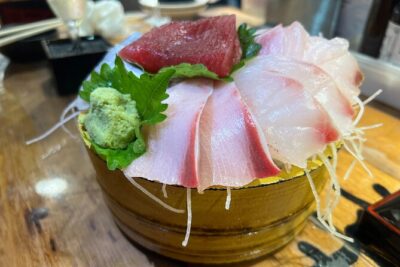
Shinjuku Food Tour (13 Dishes at 4 Local Eateries)
Read our review →
Tokyo Tsukiji Fish Market Food and Culture Walking Tour
Read our review →
Shinjuku Food Tour (15 Dishes and 4 Eateries)
Read our review →
Best of Shinjuku: Izakaya Food Tour (4 Stops, 14+ Tastings)
Read our review →
Tokyo Night Foodie Tour in Shinjuku – Seasonal Sushi, Wagyu Beef
Read our review →
Eat and Drink Like a Local: Tokyo Ueno Food Tour-Taverns&Ramen
Read our review →Browse the lists this tour appears in