
REVIEW · CHARLESTON
Undiscovered Charleston: Half Day Food, Wine & History Tour with Cooking Class
Charleston’s food culture makes more sense when you see where it came from. This half-day experience pairs a 90-minute walk through the historic district with a chef-led cooking demonstration and a three-course lunch, turning Charleston’s past into something you can taste.
I like the way Chef Forrest Parker links famous sights such as the Pineapple Fountain and Rainbow Row with lesser-known stories about enslaved cooks, crops, and the people who shaped Lowcountry cuisine. I also like the small-group format, capped at 11 people, which gives the walk and lunch a personal feel. The main consideration is the weather: you spend real time outdoors, and a rainy day can shorten or rearrange the walking portion.
Key points to know before booking
- Chef Forrest Parker leads the entire experience: You get one guide for the history walk, cooking demonstration, and lunch rather than a handoff between separate tour companies.
- The 90-minute walk focuses on food as well as architecture: Charleston’s buildings and streets are explained through the crops, labor, cultures, and cooking traditions connected to them.
- The meal includes three chef-prepared courses: Each course uses heritage Lowcountry ingredients and comes with a wine tasting pour from Bistro Au Vin.
- The group is limited to 11 people: This is a more intimate setup than a large sightseeing group, especially during the cooking demonstration.
- You take home the recipes: The handout makes the experience useful beyond the meal, particularly if you want to recreate dishes such as shrimp and grits.
- Dietary needs require advance notice: Vegetarian, vegan, pescatarian, dairy-free, nut-free, and gluten-free requests can usually be accommodated when arranged ahead of time.
Why this tour works better than a standard food walk
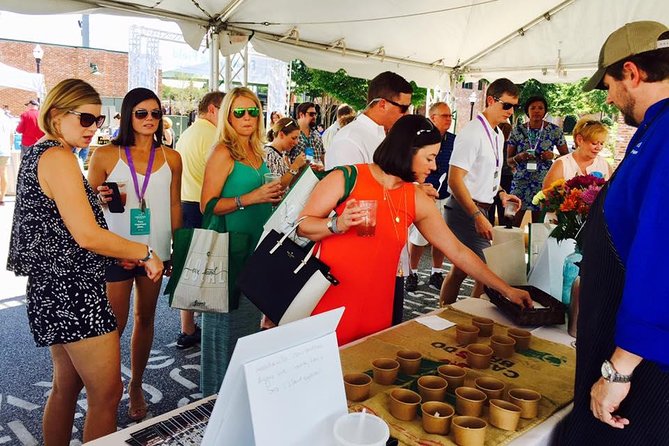
A typical food tour moves from one tasting stop to another. That can be fun, but it often leaves you with a collection of bites and only a loose idea of how they fit into the city’s story.
This experience takes a different route. The food is the subject of the walking tour, not simply a reward at the end. Chef Forrest explains how Charleston’s cuisine developed through Indigenous ingredients, African cooking knowledge, European traditions, local agriculture, and the complicated system of slavery that shaped the city.
That connection gives the landmarks more meaning. Instead of seeing a handsome street and moving on, you learn why certain foods became local staples and whose labor made those traditions possible. The tone is not limited to pretty architecture and easygoing Southern charm. Forrest also addresses difficult parts of Charleston’s past, including the role of enslaved chefs and workers.
I find that approach useful because Charleston’s food is often presented as if it appeared fully formed. It did not. This tour gives you a clearer sense of the people and forces behind dishes now treated as local classics.
More Food Tours in Charleston
- Charleston French Quarter or Brunch Food Tour with 7+ Tastings
★ 5.0 · 1,853 reviews - Downtown Charleston Food Tour
★ 4.5 · 1,376 reviews - Savor the Flavors of Charleston Walking Food Tour
★ 4.5 · 881 reviews
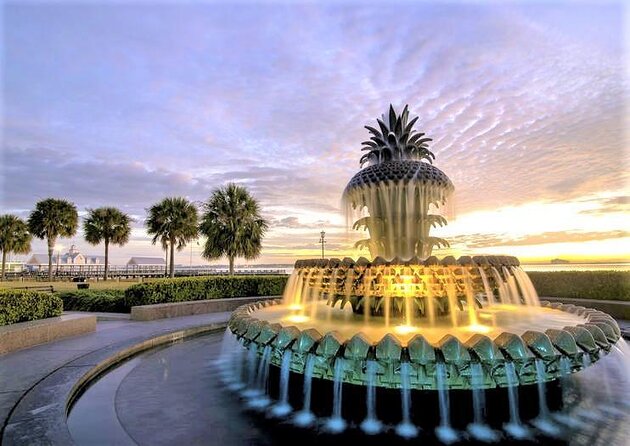
Starting at the Pineapple Fountain at 9 a.m.
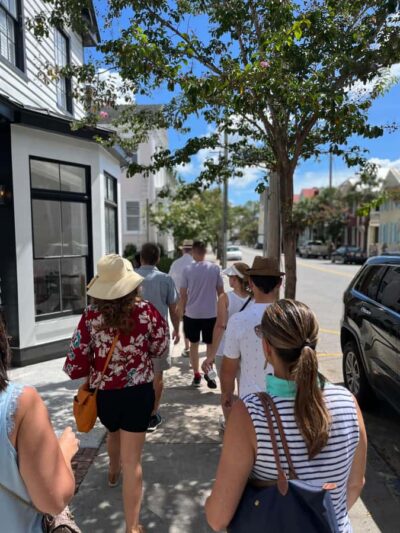
The meeting point is the Pineapple Fountain at 1 Vendue Range, beside Charleston Waterfront Park. The tour begins at 9 a.m. and ends back at the same general meeting point, making it easy to fit into a morning or early afternoon plan.
Arrive ready to walk. The physical demand is moderate rather than strenuous, but Charleston’s historic district has uneven surfaces, warm weather, and limited shade in some areas. Comfortable shoes matter more than dressing up for the lunch.
Beginning near the waterfront is a smart way to get your bearings. Waterfront Park offers an immediate introduction to Charleston’s historic core, and the pineapple symbol itself has become closely tied to the city’s welcoming image. From there, Forrest takes you through the old district, mixing major sights with less obvious locations.
The early start has two advantages. First, you avoid placing the tour during the hottest part of the day. Second, you finish with enough time left for other plans, although the four-hour schedule is substantial enough that you should not book a tight appointment immediately afterward.
Charleston Waterfront Park and the food behind the scenery
Waterfront Park is more than a photo stop. It provides the setting for a discussion of Charleston as a port city and a place where ingredients, people, and cooking traditions arrived from many directions.
The tour’s focus is not a technical lecture on architecture. Forrest uses buildings, streets, and public spaces to explain how food shaped local life. You might look at the city’s physical beauty, then hear about the agricultural products that supported it or the labor systems that made its wealth possible.
This is one of the strongest parts of the experience for anyone who wants more than a list of dates. The food angle gives the story an everyday scale. Crops, kitchens, recipes, and dining habits can explain social change in a way that feels easier to grasp than a string of historical names.
The walk also includes stories about lesser-known people. One especially important thread concerns an enslaved chef whose recipe still helps define local menus. That detail matters because it corrects the common habit of crediting famous restaurants or later chefs while overlooking the cooks whose skills laid the groundwork.
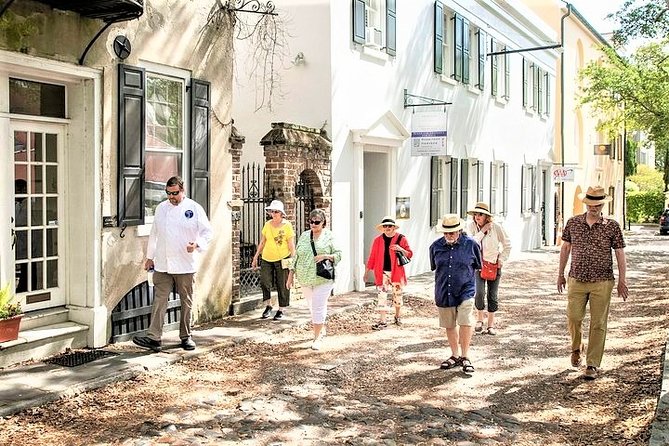
Rainbow Row and the historic district
Rainbow Row is one of Charleston’s most recognizable sights, with its line of brightly painted historic houses. It is an obvious stop, but the tour does not treat it as the whole story.
Forrest uses well-known landmarks as anchors, then moves beyond the postcard view. The point is not simply to photograph Rainbow Row and hear a quick architectural fact. You get a broader explanation of how Charleston’s streets, homes, and commercial areas developed alongside its food culture.
The walking route also passes through parts of the French Quarter and other streets that can be easy to miss when you are exploring on your own. The experience does not promise a secret route in the dramatic sense. Its value is that a chef with a specific interest in Charleston’s culinary past points out details you might otherwise walk past.
The 90-minute length feels well judged for this format. A shorter walk would make the history feel rushed. A much longer walk could leave you tired before lunch, especially in hot or wet conditions. Still, you should expect a real city walk, not a quick stroll between dining rooms.
More food and wine tours in the USA:
- St. Augustine’s Wine, Cocktail and Food Experience
★ 5.0 · 1,251 reviews - From Split: Krka Waterfalls, Food & Wine Tasting Tour
★ 5.0 · 9,326 reviews - From Split: Krka Waterfalls, Food & Wine Tasting Tour
★ 4.9 · 6,598 reviews - Winner 2025 Undiscovered Lisbon Food & Wine Tour by Eating Europe
★ 5.0 · 6,390 reviews
Food history that does not avoid hard subjects
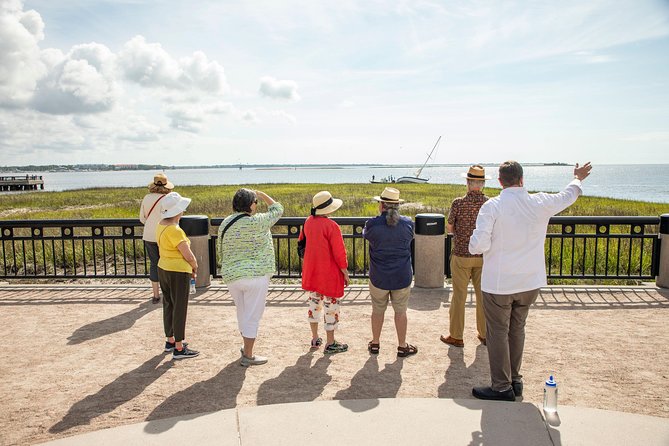
Charleston food has a pleasant reputation: shrimp and grits, sweet tea, seafood, rice, and polished Southern cooking. A worthwhile tour needs to show more than the pleasant side.
Forrest’s approach includes humor and lively storytelling, but it also covers the uncomfortable parts of the city’s past. That balance is important. The food traditions of the Lowcountry cannot be separated from slavery, unequal power, forced labor, and the African cooking knowledge that survived and influenced local cuisine.
I appreciate that the tour treats this material as part of the food story rather than an optional side note. You are not asked to choose between an entertaining outing and a serious history lesson. The two subjects are connected.
The tone may not suit someone who wants a purely lighthearted morning. If you prefer a food tour with only tastings and cheerful anecdotes, the historical discussion may feel more substantial than expected. If you want a more honest look at how Charleston became a food destination, it adds real value.
A cooking demonstration with Forrest Parker
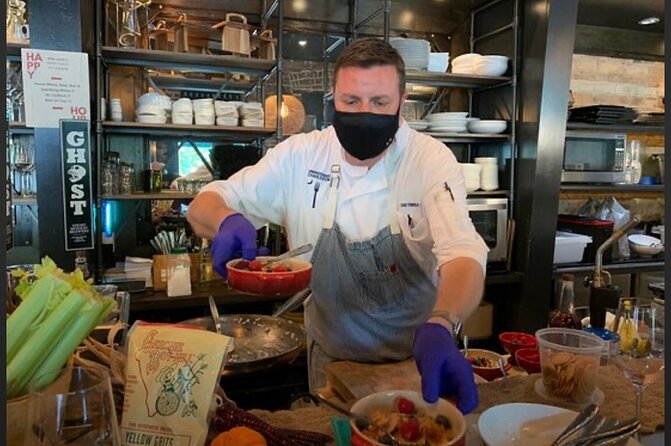
After the walk, the experience moves indoors to a cozy bistro, where Forrest demonstrates how to prepare three of his Lowcountry recipes. The format is interactive in the sense that you watch the preparation, hear the techniques explained, and then eat the finished food.
This is not a hands-on cooking class where each person chops, stirs, and plates an individual dish. The information describes a demonstration followed by lunch, so you should book it for instruction and conversation rather than kitchen practice.
That distinction matters. A demonstration lets you focus on the chef’s methods and explanations without worrying about your own timing. Forrest has more than two decades of cooking experience, and the recipes reflect his own interpretation of Lowcountry classics rather than a generic restaurant menu.
Shrimp and grits appears in the experience’s most praised food descriptions, along with dishes such as gazpacho. The exact menu can vary, so do not book expecting a fixed list of courses. The key promise is a three-course meal built around Lowcountry flavors and heritage ingredients.
Forrest’s personality is a major part of the format. His style is witty, direct, and conversational. The cooking portion is not simply a quiet demonstration followed by a plate placed in front of you. He continues the storytelling, explains what he is making, and connects the dishes back to the morning walk.
Three courses with wine pairings
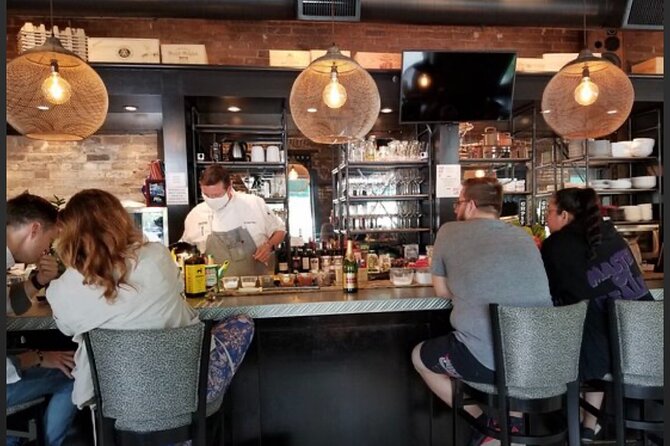
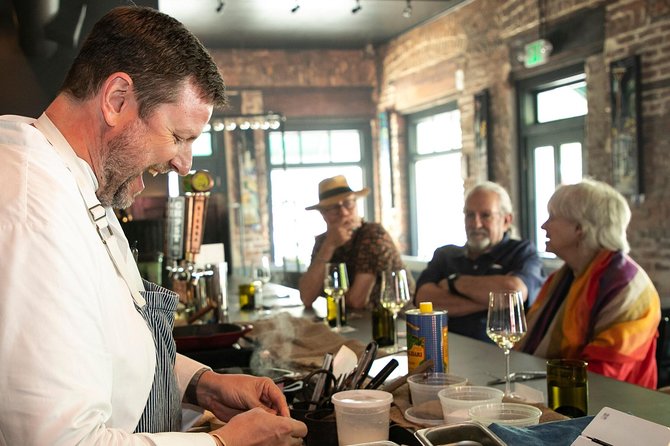
Lunch is served after the demonstration, with each course paired with a wine tasting pour from Bistro Au Vin. The pairing gives the meal more structure than a casual tasting, while the small setting keeps it from feeling like a formal wine seminar.
Additional wine is available for purchase, but the included pours are the central part of the meal. If you do not drink alcohol, Charleston sweet tea and filtered water are available, along with coffee or tea.
The food is the main reason to choose this tour over a standard sightseeing walk. You are not eating a quick snack between landmarks. The meal is prepared by the same chef who has just explained the ingredients, techniques, and local background.
That makes the lunch valuable even if you have other restaurant reservations in Charleston. The format gives you a close look at one chef’s version of Lowcountry cooking, rather than attempting to represent every part of the city’s dining scene.
The menu descriptions emphasize heritage ingredients and classic Southern flavors. Do not assume that every dish will be familiar or mild. Lowcountry cooking can be seafood-centered, and the chef regularly handles shellfish, meat, eggs, dairy, nuts, and gluten. If you have a dietary need, contact the provider before the tour. Vegetarian, vegan, pescatarian, dairy-free, nut-free, and celiac-friendly arrangements may be possible, but the kitchen needs advance notice.
Recipes make the experience last longer
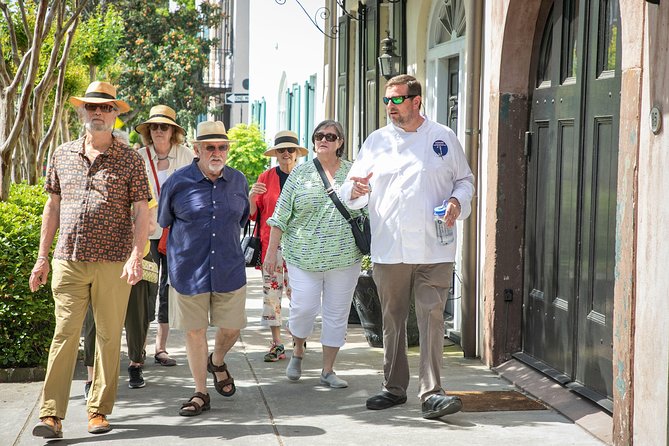
The recipe handout is a small but useful feature. Many food tours end when the last bite is gone. Here, you leave with copies of Forrest’s recipes, giving you a practical way to continue the experience at home.
Of course, cooking the dish yourself will not reproduce the setting, the chef’s timing, or the meal served at the bistro. It can still help you understand the ingredients and techniques that define the dishes.
This is especially useful if you enjoy cooking or want a souvenir with more purpose than another photograph. The recipes also give you a way to explain the food to friends and family after the trip. You can tell the story of the dish while preparing it, rather than simply saying that lunch was good.
Group size, pace, and weather
The maximum group size is 11 people. That is small enough for a more personal conversation and a clear view of the cooking demonstration. It also means the tour may sell out on popular dates, so flexibility with your schedule helps.
The pace is described as moderate, with a 90-minute walk through the historic district. Service animals are allowed, and the meeting point is near public transportation. The experience is offered in English.
Weather deserves serious attention. The walking portion takes place outdoors, and the tour requires good weather. In poor conditions, the provider may offer another date or a full refund. The format can also be adjusted when conditions change. On one especially wet outing, the meal came first and the walk followed after the weather improved.
That flexibility is helpful, but you should still bring weather-appropriate clothing and avoid scheduling something that cannot move if the forecast looks poor. The walk is an important part of the experience, so losing it would change the balance of the tour.
Who will enjoy this Charleston experience most
I would choose this tour for someone visiting Charleston for the first time who wants a strong introduction to both the city and its food. It is also a good fit if you have already seen the major sights but want a more specific subject to guide your exploration.
Food lovers will get the most from the meal and demonstration, especially if you enjoy hearing why a dish matters as much as tasting it. History-minded visitors will appreciate the focus on labor, culture, architecture, and the people behind Charleston’s cooking traditions.
The format also suits couples, friends, family groups, and special occasions. Several parts of the experience lend themselves to birthdays and other celebrations, but the morning is not only for festive outings. The combination of walking, storytelling, and lunch gives a small group plenty to talk about.
I would be less likely to recommend it to someone who dislikes walking, avoids historical discussion about slavery, or wants a fully hands-on cooking class. It may also feel too long if your main goal is a quick tasting stop.
Is the four-hour format good value?
The value comes from combining three separate elements: a guided historic walk, a cooking demonstration, and a substantial lunch with wine. If you booked each piece independently, you would spend more time arranging them and might not get the same link between the city’s past and its food.
The small group adds to the value because the chef is present throughout. You are not paying for a large group lecture followed by a pre-set restaurant meal. You get a single point of view from Forrest Parker, a chef-guide who can move from Charleston’s streets to the kitchen without changing subjects.
The included recipes also matter. They are not the main reason to book, but they give you something practical to take home. If the tour price is higher than a basic walking tour or a simple lunch, the longer schedule and combined format explain the difference.
As with any food experience, value depends on what you want. If you would happily pay for a good lunch and a guided city tour separately, this is an efficient pairing. If you only want inexpensive samples, it may not be the right match.
Should you book Undiscovered Charleston?
Book it if you want Charleston explained through food, not just photographed through its architecture. Chef Forrest Parker’s strength is the connection between the street and the plate: the waterfront, Rainbow Row, the French Quarter, enslaved cooks, local ingredients, cooking methods, wine, and lunch all fit into one morning.
I especially recommend it for a first or second day in Charleston. The walk helps you understand the historic district, and the meal gives you an early introduction to Lowcountry flavors. Make your dietary needs known in advance, allow the full four hours, and check the weather before you go.
Skip it if you want a large, anonymous sightseeing group, a purely light food crawl, or a hands-on class where you do the cooking yourself. For everyone else, this is a thoughtful way to connect Charleston’s past with the food on your plate.
FAQ
Where does the tour begin?
The tour begins at the Pineapple Fountain at 1 Vendue Range in Charleston’s Waterfront Park. The start time is 9 a.m.
How long does the experience last?
The full experience lasts about four hours. The walking portion lasts approximately 90 minutes, followed by the cooking demonstration and lunch.
Where does the tour end?
The activity ends back at the meeting point near the Pineapple Fountain.
Is wine included?
Yes. Bistro Au Vin provides wine tasting pours paired with Chef Forrest Parker’s recipes. Additional wine is available for purchase. Sweet tea, filtered water, coffee, and tea are available for people who do not want wine.
Can dietary restrictions be accommodated?
Common dietary needs, including vegetarian, vegan, pescatarian, dairy-free, nut-free, and celiac-friendly requests, may be accommodated with advance notice. Contact the provider directly before the experience so the kitchen can prepare.
What happens if the weather is poor?
The experience requires good weather. If it is canceled because of poor conditions, you can choose another date or receive a full refund. Free cancellation is also available up to 24 hours before the start time.
More Workshops in the USA
- Hanoi: Handcrafted Wood Carving Workshop with Local Artisan
★ 5.0 · 733 reviews - Brussels: Waffle Making Workshop – All You Can Eat
★ 4.6 · 615 reviews - Paris: French Macaron Culinary Class with a Chef
★ 4.9 · 591 reviews - Milan: Italian Cooking Class with Food and Wine
★ 4.7 · 509 reviews
More Cooking Classes in the USA
- Atlanta: Historic Market Food Tour and Biscuit Cooking Class
★ 4.9 · 25 reviews - Small Group Cooking Class & Market Food Tour in Florence
★ 5.0 · 1,574 reviews - Athens: Food Market Visit and Cooking Class with Wine
★ 4.9 · 1,087 reviews - Vietnamese Food Cooking Class in Hanoi with Market Experience
★ 5.0 · 778 reviews
Just added around the USA
- Miami: Intimate Sailing in Biscayne Bay w/ Food and Drinks★ 4.7 · 34 reviews
- Miami: Little Havana Cuban Food and Culture Walking Tour★ 4.8 · 223 reviews
- Los Angeles: Downtown Food Tour★ 4.6 · 43 reviews
- Las Vegas: Foodie Walking Tour on The Strip with Tastings★ 5.0 · 24 reviews
- Key West: Schooner Sunset Sail with Food & Drinks★ 4.9 · 318 reviews
- Key West: Cuban and Caribbean Food and Cultural Walking Tour★ 4.9 · 128 reviews
- Key West Signature Sunset Cruise with Open Bar, Food & Music★ 4.5 · 418 reviews
- Kauai: Local Tastes Small Group Food Tour★ 4.4 · 125 reviews
Food Tours in Charleston, compared.
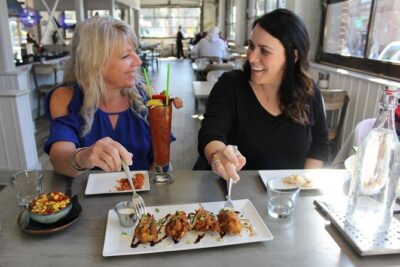
Charleston French Quarter or Brunch Food Tour with 7+ Tastings
Read our review →
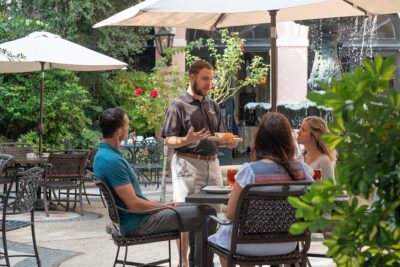
Savor the Flavors of Charleston Walking Food Tour
Read our review →
Browse the lists this tour appears in