
REVIEW · MILAN
Milan: Italian Cooking Class with Food and Wine
Milan’s Chef and the City turns dinner into a hands-on lesson. You may make fresh tagliatelle, gnocchi, ravioli, bruschetta, or tiramisù, depending on the class menu, then eat what you helped prepare. I like the personal cooking stations and the practical recipes you can repeat at home. I also like the relaxed meal afterward, with wine and time to chat.
The main thing to know is that the exact dishes can change. Some sauces, such as long-cooked ragù, may be prepared in advance because three hours is not enough to make everything from start to finish. If you want a fully hands-on lesson for every single element, this may feel a little limited.
Key points to know before booking
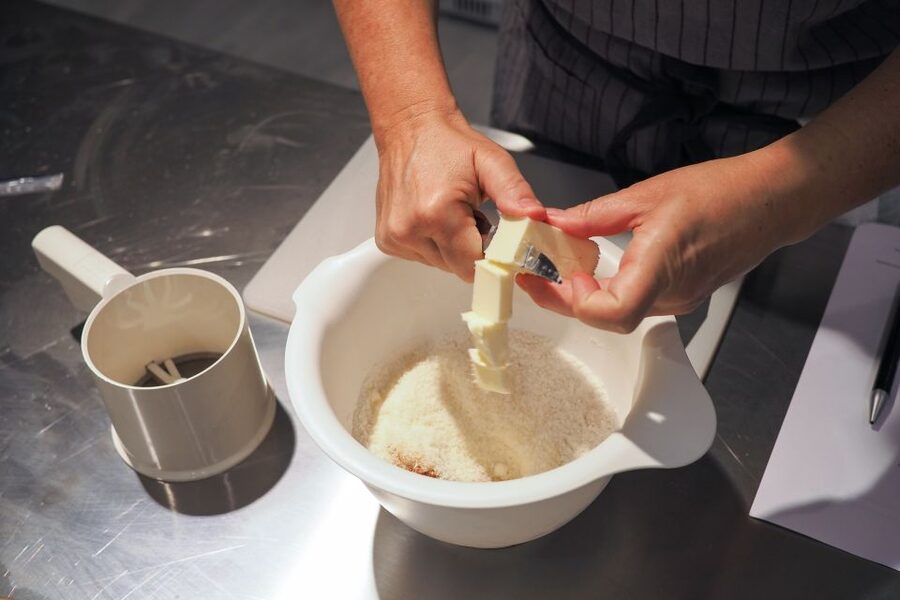
- Three dishes in three hours: The class usually covers an appetizer, a main course, and a dessert, with menus that can include pasta, gnocchi, bruschetta, tiramisù, or strudel.
- Chef Ilaria leads many sessions: She explains techniques, food traditions, and small details such as why classic carbonara should not contain cream.
- You work at your own station: Tools, gloves, and aprons are supplied, so you can focus on the food rather than packing equipment.
- The meal is part of the lesson: After cooking, you sit down together, eat the dishes, and drink included wine.
- Recipes go home with you: This is useful for fresh pasta and sauces, not just a pleasant memory from Milan.
- Come without large luggage: The cooking lab does not allow pets, smoking, or large bags, and it is not suitable for children under 10 or people with mobility impairments.
What makes this Milan cooking class worth three hours
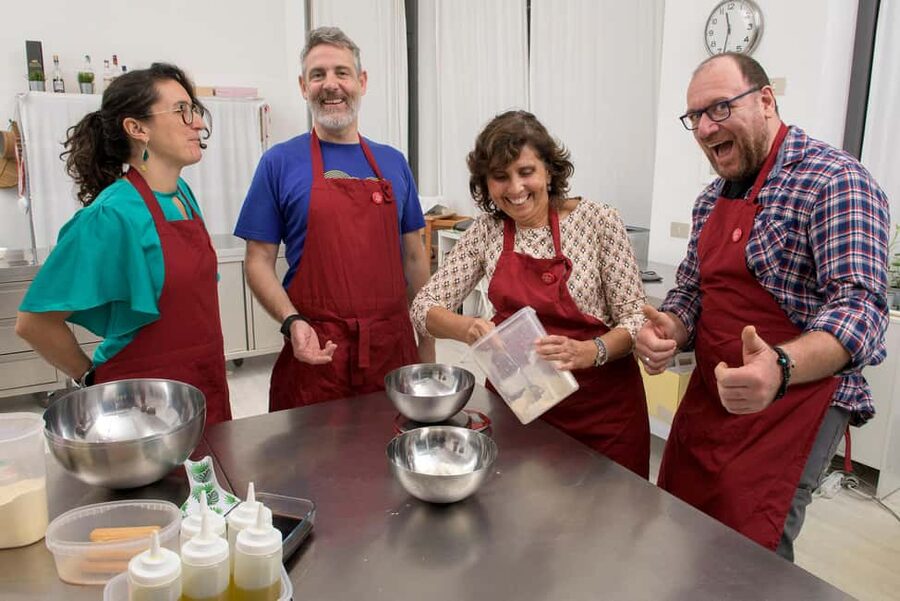
Italian food is often taught best through small actions: how soft dough should feel, how much flour is too much, when pasta is ready, and why a sauce needs more time than the recipe suggests. This workshop gives you that sort of practical instruction rather than only a demonstration.
You work with an Italian chef at a personal desk, using the tools provided. That matters for beginners. You are not expected to own a pasta machine or know the difference between every flour before you arrive. The class is set up to let you handle the ingredients, ask questions, and correct mistakes as you go.
Chef Ilaria is the main personality associated with the experience. Her teaching style comes across as warm, funny, and direct. She explains not only what to do, but why a technique works. One especially useful lesson concerns carbonara: cream and bacon may be common adaptations outside Italy, but they are not part of the classic Roman preparation. That sort of detail gives the class a cultural edge without turning it into a lecture.
The teaching is in Italian and English. English-language instruction has been described as clear, and the class suits both first-time cooks and people who already spend time in the kitchen.
More Food Tours in Milan
- Milan’s Authentic Street Food tour: A Gourmet Experience
★ 4.5 · 717 reviews - Milan: Guided Street Food Walking Tour with Food Tasting
★ 4.8 · 654 reviews - Milan: Sunset Navigli Food & Drinks Tour by Do Eat Better
★ 4.5 · 517 reviews
Arriving at Chef and the City
The meeting point is a street-level shop called Chef and the City. Look for three large windows and three red signs with the business name. When you arrive, ring the bell at the main window door.
This is not a tour that collects you from a hotel. You need to make your own way to the cooking studio, and private transportation is not included. Leave extra time to find the entrance, especially if you are carrying ingredients, gifts, or shopping bags from earlier in the day. Large bags and luggage are not allowed inside.
The venue is a professional cooking lab, so expect a working kitchen rather than a restaurant dining room. Aprons, gloves, and cooking tools are supplied. You should tie back long hair before the class begins and follow the kitchen rules.
The opening: snacks, introductions, and kitchen rules
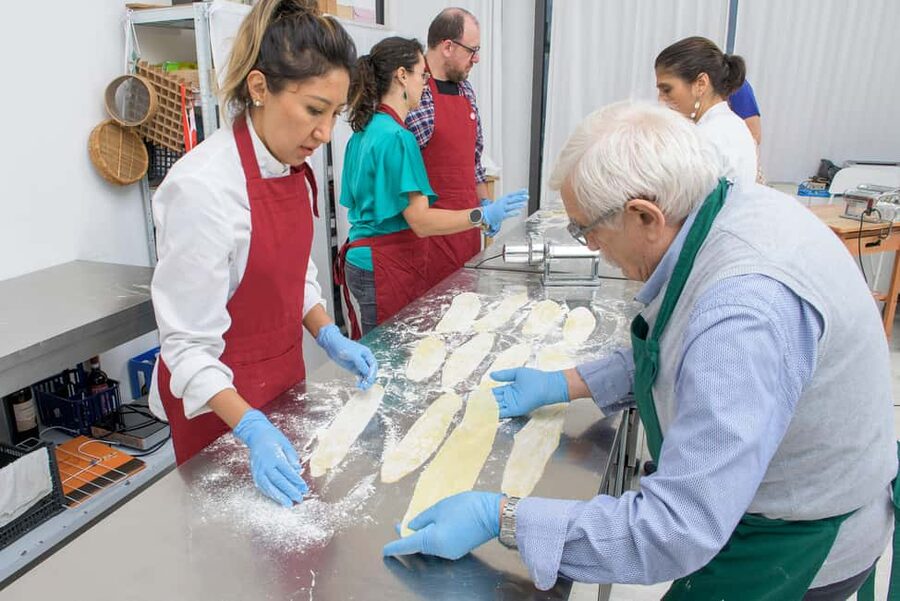
The first part of the session helps everyone settle in. Light snacks may include cheese, sun-dried tomatoes, mortadella, and olives. Cookies, biscuits, candies, coffee, tea, infusions, and water are also available.
These small bites are useful, but do not treat them as the main meal. The best food comes later, after you have cooked. During the preparation itself, the kitchen asks you not to eat or drink, taste ingredients, or work with loose hair. Those rules may seem strict if you are used to casual home cooking, but they make sense in a professional lab.
This is also when the group begins to take shape. The class can be a social experience, with people from different countries working at nearby stations. Some sessions are very small, while others include enough people to create a lively shared table. The exact group size is not specified, so I would not book this expecting either a private lesson or a large party.
Solo visitors can fit in well here. You are paired with a group activity rather than left to cook alone, and the shared meal gives everyone an easy reason to talk.
Making pasta from scratch
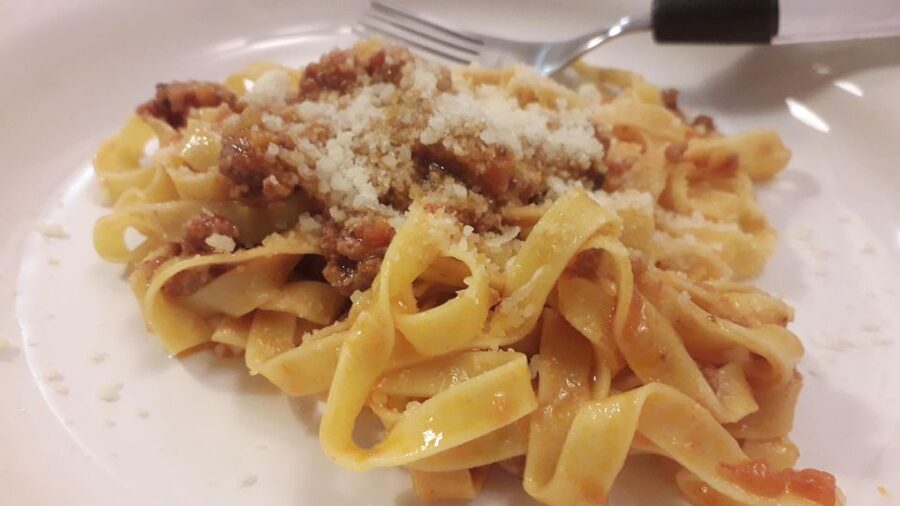
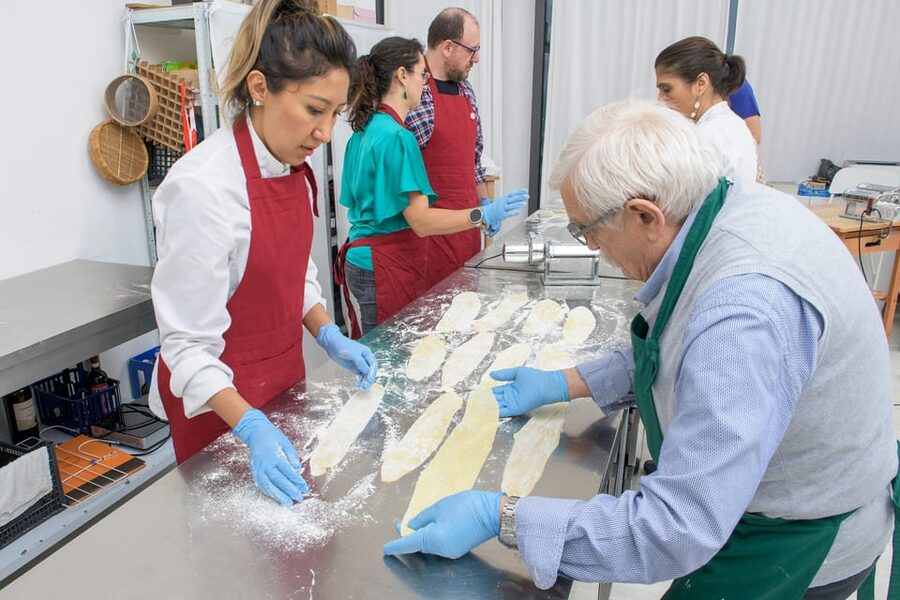
Fresh pasta is usually the heart of the workshop. Depending on the menu, you might make tagliatelle, ravioli, or another pasta shape. You learn how to mix and work the dough, then use the equipment to roll and shape it.
This is where the class earns much of its practical value. A written recipe cannot tell you exactly how dough should feel under your hands. The chef can show you when it is too wet, when it needs more flour, and how thin the sheets should be. You also get to see how a pasta machine works, which is helpful if you plan to buy one later.
The pasta lesson can be very hands-on, but the level of cooking varies by menu. Some sessions focus mainly on mixing, cutting, and shaping. If the sauce has already been made, you may not cook that part yourself. This is not necessarily a weakness. Ragù needs hours to develop, and a three-hour workshop has to choose where to spend its time.
The recipes are supplied afterward, including sauces used during the meal. That allows you to repeat the full dish at home, even when the class could not prepare every component from scratch.
More food and wine tours in Italy:
- Winner 2025 Florence Sunset Food & Wine Tour by Eating Europe
★ 5.0 · 5,015 reviews - Rome Food Tour: Unlimited Tastings with Fine Wine & Barolo
★ 5.0 · 3,365 reviews - Rome: Guided Food Walking Tour with Wine in Trastevere
★ 4.9 · 3,105 reviews - Rome: Trastevere Food tour with Free-Flowing Fine Wine
★ 5.0 · 2,853 reviews
Appetizers and side dishes with a no-waste approach
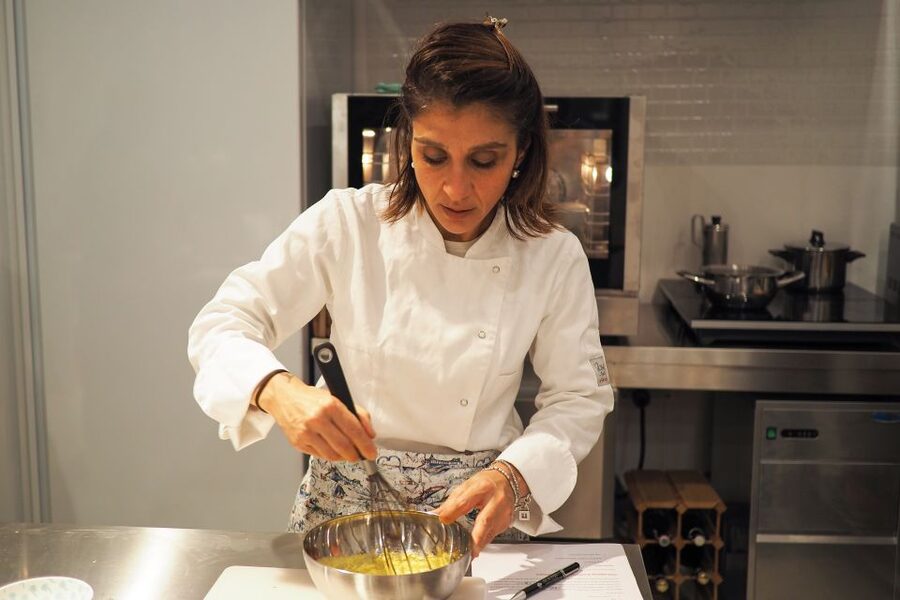
The first course may be bruschetta or another traditional Italian starter. Bruschetta is simple, but it rewards careful preparation. You learn how to balance bread, toppings, seasoning, and texture rather than piling ingredients together without thought.
Other possible dishes include eggplant parmigiana or focaccia. The menu is not fixed in the information provided, so you should check the current selection when booking if one particular dish matters to you.
The workshop also presents Italian cooking as practical and low-waste. The emphasis is on using ingredients sensibly and avoiding unnecessary waste. That is useful for home cooks, since the goal is not to recreate a restaurant kitchen with expensive equipment. You receive ideas that can work in an ordinary kitchen.
One point worth keeping in mind: a no-waste approach does not mean every recipe is quick. Fresh pasta and baked dishes still require time and care at home. The class gives you the method, but you will need to plan properly when you recreate it.
Gnocchi, sauces, and the dishes you may actually cook
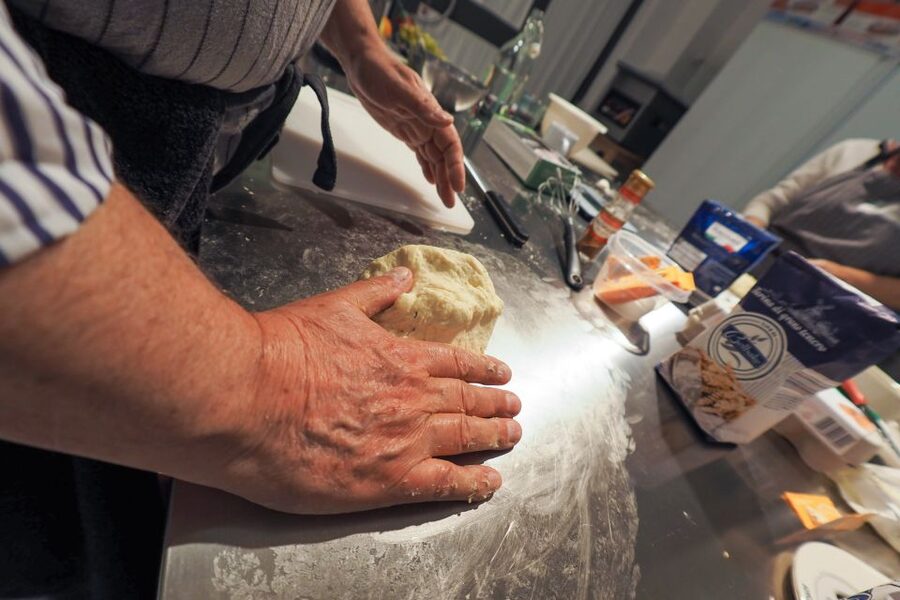
Gnocchi may appear on the menu, sometimes with butter and sage. This is a good lesson in restraint. The sauce is simple, so the texture of the gnocchi matters. If the pieces are too heavy, too wet, or overcooked, the final dish suffers.
You may also work with cacio e pepe or ragù. These sauces teach two different sides of Italian cooking. Cacio e pepe depends on managing cheese, pepper, pasta water, and heat. Ragù depends more on patience and slow cooking. The chef can explain both, but the class schedule may require one or both sauces to be prepared before you arrive.
That distinction is important when comparing Milan cooking classes. This is not always a complete start-to-finish production of every plate. It is a focused lesson in selected techniques, followed by a meal that includes the finished sauces and pasta.
The class has enough variety to keep the session moving. Cutting, mixing, shaping, and assembling alternate with explanations and short pauses. Several people found the pace efficient, with three courses covered without the evening feeling dragged out.
Dessert: tiramisù, biscotti, or strudel
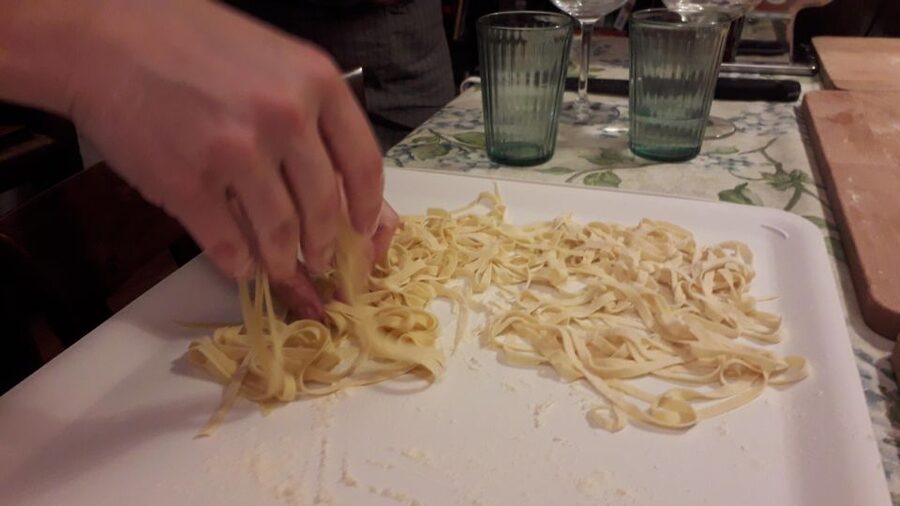
Dessert changes from session to session. Possibilities include tiramisù, biscotti or cantucci, and apple strudel. Tiramisù is especially useful because it looks easy but depends on balance: the cream, coffee, biscuits, and sweetness must work together.
The chef also explains differences between local practice and versions found abroad. One useful example is the warning that traditional tiramisù does not need amaretto, even though that addition is common in some countries. These details make the class more than a generic pasta lesson.
Biscotti and cantucci are practical choices for home cooking because they keep better than many fresh desserts. They are also easier to prepare in advance. If you want to learn tiramisù specifically, check the menu for your date rather than assuming it will be included.
Dessert is part of the three-dish structure, not an extra course added at the end. That gives you a clear meal pattern: starter, main dish, and something sweet.
Sitting down to eat with wine
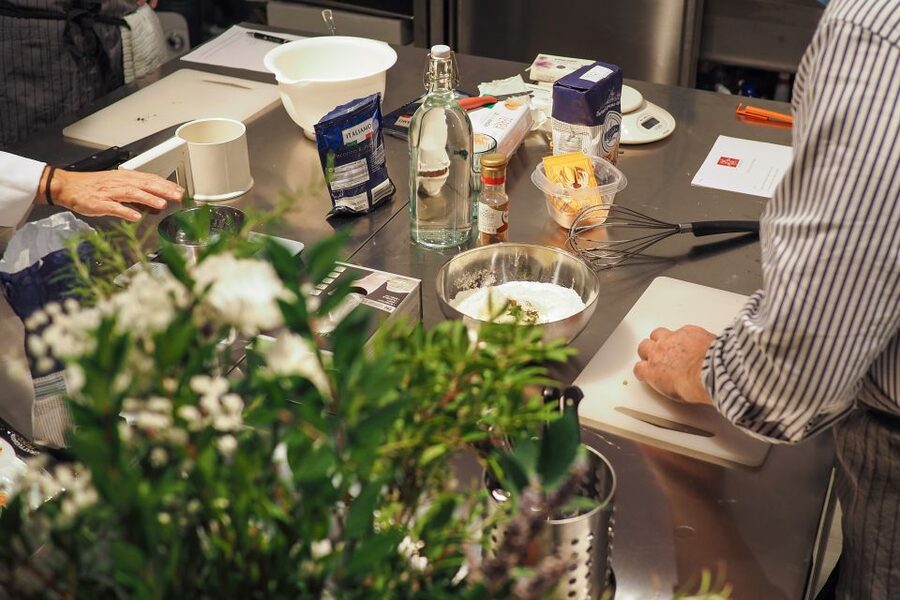
Once the cooking is finished, everyone moves to the dining area and eats together. This is the payoff, but it is also part of the teaching. You see how the finished food looks, taste the texture you worked toward, and get a chance to ask final questions.
Wine is included, and both red and white wine may be served. Coffee, tea, water, and other nonalcoholic drinks are also available. Drink sensibly, especially if you are cooking later in the session. The kitchen rules prohibit food and drinks while you work, so the wine belongs at the shared meal rather than beside your cutting board.
The group meal creates a friendly finish. You may be seated with people you met only an hour earlier, but shared food does quick work. If you prefer a quiet private dinner, this social format may not suit you. If you enjoy meeting people while eating, it adds real value.
There is also plenty of food overall. Snacks are served during the experience, followed by the dishes prepared for the meal. The exact quantity can vary with the menu and group, but this is not designed as a tiny tasting.
The chef’s teaching style and what you take home
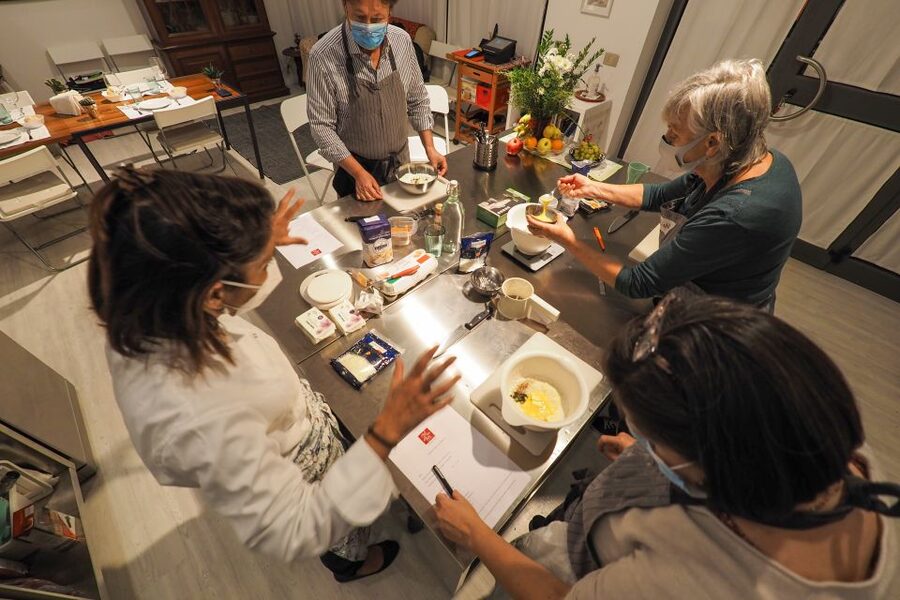
The strongest part of this experience is the instruction. Chef Ilaria is described as energetic, personable, and funny, while assistant instructors such as Klara and Fernando may lead or support particular sessions. Scheduling can affect which chef teaches your class, so do not assume Ilaria will be present every time.
The teaching combines technique and food culture. You learn how to shape pasta, handle ingredients, and build sauces, but you also hear the background behind the dishes. That makes the meal easier to remember once you return home.
You receive copies of the recipes. This is a major benefit at $80 per person, since you are not paying only for a one-night activity. The recipes give you a way to repeat the meal and use the methods you learned. They are intended to be manageable at home, although fresh pasta may require a rolling pin or pasta machine depending on the shape.
The class also appears attentive to food restrictions. A gluten-free participant was able to join fully, and the chef has taken dietary needs into account. Still, I would tell the provider about allergies or dietary restrictions before booking. The available menu and substitutions are not guaranteed in the activity details.
Price, timing, and who gets the best value
At $80 per person for three hours, the price includes food, wine and other beverages, tools, gloves, aprons, instruction, and recipes. That is a fair package for Milan, particularly if you value an activity that combines a lesson with dinner.
The value is strongest for three kinds of people:
- First-time pasta makers who want clear instruction and a meal afterward.
- Couples and friends looking for a social evening rather than another museum visit.
- Home cooks who want practical Italian recipes and technique tips to use later.
The value is weaker if you want a private chef, a fixed menu, or a full lesson on every ingredient from raw preparation to final plate. Because menus vary and some sauces may be prepared ahead, you should see the workshop as a guided introduction to Italian cooking, not professional culinary training.
Three hours is enough to feel substantial without taking the whole day. You can fit the class into a Milan sightseeing plan, but do not schedule an important appointment immediately afterward. Cooking, eating, and conversation can run at a relaxed pace.
Free cancellation is available up to 24 hours before the start time, and you can reserve while paying later. Those policies help if your Milan schedule is still changing.
Who should skip it
This experience is not wheelchair accessible and is not suited to people with mobility impairments. The cooking stations and professional kitchen setup may require standing and moving around.
Children under 10 are not allowed. Pets, smoking, luggage, and large bags are also prohibited. Leave shopping and suitcases at your accommodation rather than arriving with them.
If you dislike group activities, the shared meal may feel too social. The class can be small and personal, but it is still built around cooking with other people.
Should you book Chef and the City?
I would book it if you want to make fresh pasta, learn a few useful Italian kitchen rules, and eat a relaxed meal with wine afterward. The recipes, hands-on stations, and clear English instruction give the $80 price real value.
I would not book it expecting a fixed menu or a complete lesson in every sauce. Ask what dishes are planned for your date, tell the provider about dietary needs, and arrive without large bags. For an approachable, social cooking class in Milan, Chef and the City is a strong choice, especially for beginners and anyone who wants to bring a little Italian cooking home.
FAQ
How long does the Milan cooking class last?
The activity lasts three hours.
How much does the cooking class cost?
The listed price is $80 per person.
What dishes might I prepare?
The menu can include fresh tagliatelle, gnocchi, ravioli, bruschetta, focaccia, eggplant parmigiana, cacio e pepe, ragù, tiramisù, biscotti, cantucci, and apple strudel. The exact three dishes can vary.
Is wine included?
Yes. Wine is included, along with food and other beverages. Red and white wine may be available.
Do I receive the recipes?
Yes. The chef provides copies of the recipes so you can make the dishes at home.
Are cooking tools and clothing provided?
Yes. Cooking tools, gloves, and aprons are included.
What language is the class taught in?
The host or greeter speaks Italian and English.
Can I bring luggage or a large bag?
No. Luggage and large bags are not allowed in the cooking lab.
Is the activity suitable for children or wheelchair users?
No. Children under 10 are not permitted, and the activity is not wheelchair accessible or suitable for people with mobility impairments.
More Workshops in Italy
- Cinque Terre: Pesto Making Class with Wine and Food Tasting
★ 4.7 · 109 reviews - Athens: Food Market Visit and Cooking Class with Wine
★ 4.9 · 1,087 reviews - Undiscovered Charleston: Half Day Food, Wine & History Tour with Cooking Class
★ 5.0 · 948 reviews - Vietnamese Food Cooking Class in Hanoi with Market Experience
★ 5.0 · 778 reviews
More Cooking Classes in Italy
- Small Group Cooking Class & Market Food Tour in Florence
★ 5.0 · 1,574 reviews - Florence: Cooking Class with Local Food Market Tour
★ 4.9 · 407 reviews - Sicilian Cooking Class in Taormina
★ 5.0 · 186 reviews - Cooking Class: Your Culinary Love Affair in Sorrento
★ 5.0 · 161 reviews
Just added around Italy
- Milan: Street Food Walking Tour★ 4.7 · 180 reviews
- Milan’s Full-Meal Gourmet Food Tour – More Than Tastings★ 4.8 · 81 reviews
- Milan: Delicious Food Tour and City Center Sightseeing★ 4.8 · 111 reviews
- Lucca: 3-Hour Bikes & Bites Foodie Adventure like a Local★ 5.0 · 111 reviews
- Lucca: Guided Food Walking Tour with Tastings★ 4.8 · 112 reviews
- Lucca: Morning Food Tour with Snacks and Coffee★ 4.9 · 72 reviews
- Lecce: Street Food Tasting and Sightseeing Tour★ 4.8 · 197 reviews
- Lazise: Winery Tour with Garda Wines and Food Tasting★ 4.8 · 278 reviews
Food Tours in Milan, compared.
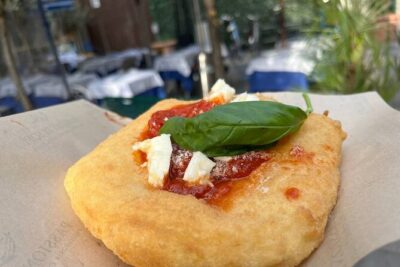
Milan’s Authentic Street Food tour: A Gourmet Experience
Read our review →
Guided Street Food Walking Tour with Food Tasting
Read our review →
Sunset Navigli Food & Drinks Tour by Do Eat Better
Read our review →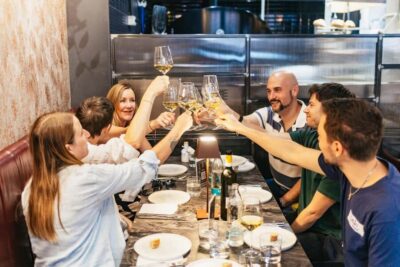
Delicious Food Tour and City Center Sightseeing
Read our review →
Milan’s Full-Meal Gourmet Food Tour – More Than Tastings
Read our review →Browse the lists this tour appears in