
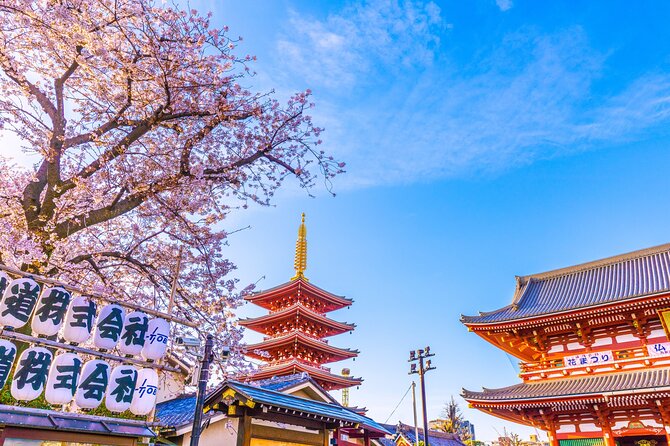
REVIEW · JAPAN
Tokyo: Asakusa & Sensoji ー Oldest Temple Walking Tour (2hrs)
The best thing about this walk is its mix of Sensoji’s solemn temple customs and Asakusa’s everyday shopping streets. You move from incense smoke and fortune slips to matcha sweets, melon bread, sword shops, and a supermarket where locals buy groceries.
I like the clear route and the chance to ask a local guide about details you could easily miss. I also like the gentle pace, which gives you time to look around without turning the temple into a box-ticking stop. The main caution is the food tasting: it is advertised, but at least one booking did not include it, so do not book this solely for included snacks.
Key points at a glance
- Kaminarimon starts the story: Learn the outer gate’s proper name, symbols, and history before entering the temple district.
- Sensoji is more than a photo stop: You can wash your hands, use incense, draw a fortune, and make a traditional prayer.
- Temple and shrine traditions meet: Asakusa offers a rare chance to see Buddhist and Shinto sites close together.
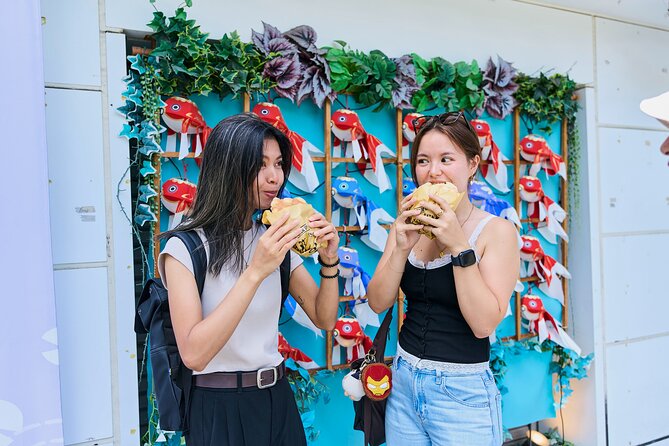
- The food trail is varied: Expect matcha sweets, possible street-food tasting, melon bread, menchi-katsu, skewers, and local snacks.
- Old crafts remain visible: The route can include a pro knife shop, sword stores, kimono shops, and a shop selling samurai sword and ninja goods.
- The group stays small: A maximum of 15 people makes questions and guide contact easier than on a large bus tour.
Why this two-hour Asakusa walk works
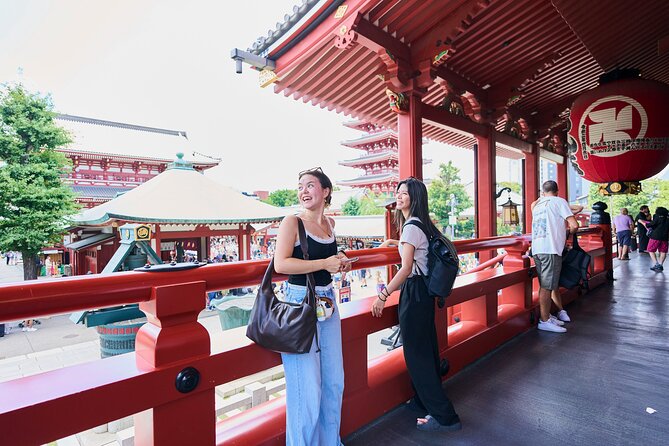
Asakusa is easy to visit on your own, but it is not always easy to understand. The main temple entrance, Nakamise shopping street, side lanes, food stalls, and old-style shops spread across a busy neighborhood. A good guide gives the area a shape.
This tour does that in two hours. It does not attempt to cover all of Tokyo. Instead, it stays in one district and links the sights in a sensible order, beginning at the Kaminarimon Police Box and returning to the same meeting point.
That return is useful. You can leave your hotel with a light plan, follow the route, and finish close to where you began. Since the tour uses a mobile ticket and starts near public transportation, it is also easy to fit into a first or final day in Tokyo.
The group limit is 15 people. That is not the same as a private tour, but it is small enough for a guide to answer questions and adjust the pace within reason. The guides named in the feedback include Keiko, Yui, Josh, Nono, Nanami, Naoto, Naruto, and Aiko. The experience may vary by guide, but the strongest pattern is a friendly, patient approach with plenty of local explanation.
A few more food tours around Japan worth comparing
- Tokyo Tsukiji Fish Market Food and Culture Walking Tour
★ 5.0 · 3,184 reviews - Tokyo: Tsukiji Fish Market Food and Walking tour
★ 5.0 · 1,724 reviews - Tokyo: Tsukiji Fish Market Guided Walking Tour
★ 4.9 · 1,397 reviews
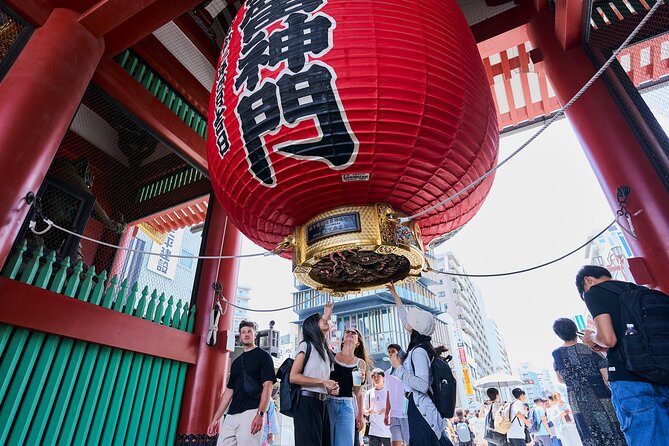
Kaminarimon, where Asakusa makes its first impression
Meet at the Kaminarimon Police Box, at 1-chome-3-1 Asakusa. The tour begins at the outer gate of Sensoji, one of the most recognizable entrances in Tokyo.
The guide explains the gate’s proper name, its history, and the meaning of its large features. This is a smart opening because Kaminarimon is often treated as a quick photograph. You get more from it once you know what you are looking at.
Take your time with the details before moving on. The first stop is planned for about 20 minutes, and admission is free. That leaves room for questions without adding a ticket line or a complicated entrance procedure.
This part suits first-time visitors especially well. If you already know Sensoji’s basic story, you may find it familiar, but the guide can still point out small symbols and customs that are easy to miss when you are moving with the crowd.
Nakamise Street, souvenirs with a side of snacks
From Kaminarimon, you continue along Nakamise Shopping Street. This is the main approach to Sensoji, lined with souvenir shops and food stands.
The route gives you about 20 minutes here. That is enough to sample something, scan the shop displays, and note places to return to later. It is not enough for a serious shopping session, so keep your first visit focused.
You may find traditional-style gifts, snacks, small keepsakes, and familiar Tokyo souvenirs. The guide’s value is practical here. Instead of wandering every side street at random, you can ask which foods are worth trying and which shops fit your interests.
The food element needs a little care. The tour description includes a local street-food tasting, but one booking specifically found that the promised tasting did not happen. Treat any tasting as part of the possible experience, not as the sole reason to pay for the tour. You will still walk through the food area and receive recommendations.
Sensoji: customs you can take part in
Sensoji receives about 20 minutes on the planned route. It is Tokyo’s oldest temple and the central stop of the walk.
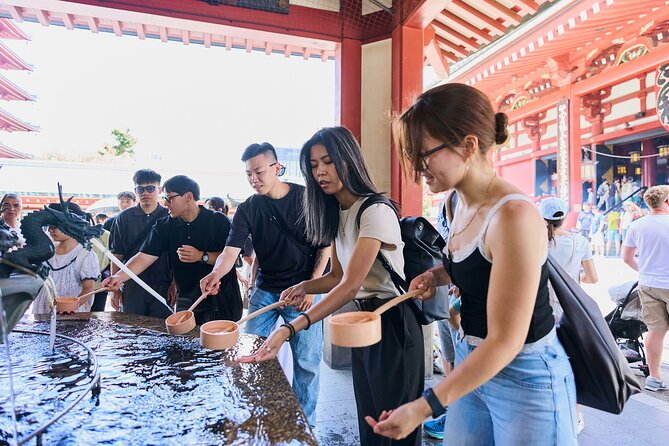
This is not just a chance to look at a large Buddhist site from outside. You can purify your hands with water, enjoy the incense smoke, draw a fortune, and make a traditional prayer. A guide helps explain what these actions mean and how to take part without guessing.
That instruction is worth paying for if you are new to Japan. Temple customs can feel simple once someone shows you the order and purpose. You avoid the awkward moment of copying the person in front of you without knowing why.
You can also ask about the fortune you draw. The supplied information does not promise translation or interpretation for every fortune, so ask your guide what help is available. If you receive an unlucky result, do not panic. The important point here is learning how the custom works.
Sensoji can be crowded, and 20 minutes passes quickly. You may not get a quiet, reflective visit at the busiest times. Still, having the guide frame the site turns a short stop into a useful introduction. You can return afterward if you want more time for photographs or prayer.
Same city, a completely different plate:
- Tokyo: Shinjuku Food Tour (13 Dishes at 4 Local Eateries)
★ 5.0 · 6,603 reviews - Osaka: Shinsekai Food Tour with 13-15 Dishes at 5 Eateries
★ 4.8 · 2,204 reviews - Osaka Food Tour: 13 Dishes at 5 Local Eateries
★ 5.0 · 2,149 reviews - Tokyo: Shinjuku Food Tour (15 Dishes and 4 Eateries)
★ 4.9 · 2,033 reviews
Yogodo, koi ponds, and rows of Jizo statues
The walk continues to Sensoji Yogodo for around five minutes. This is a smaller stop, but it adds a different mood after the main temple grounds.
You can see a goshuin desk, a pond with koi, and rows of Jizo statues. The area is also known as a popular photo spot. The guide can explain the story connected with the statues, which gives the stop more meaning than a quick look at figures lined beside a path.
A goshuin is a temple seal collected in a special book. The tour information identifies the desk but does not say that a seal is included in the price. If collecting one matters to you, ask your guide about the current process rather than assuming it is part of the tour.
The five-minute timing is brief. Think of Yogodo as a thoughtful pause, not a full visit. It works well for people who enjoy small religious details and quieter corners, though photographers may want to stay longer after the official walk ends.
Matcha sweets at Kaminari Issa
Next comes Kaminari Issa, a local sweets shop focused on matcha. The planned stop lasts around five minutes.
Possible treats include matcha soft serve, matcha truffles, and seasonal desserts. The stop adds a modern food note to a route otherwise filled with temple customs and traditional storefronts.
Five minutes is enough to taste or buy a small item, but not enough to study the full selection. If you are passionate about matcha, ask the guide what is available that day. Seasonal items can change, and the supplied details do not guarantee a particular sweet.
This is also where expectations matter. The tour includes several food-related stops, but it does not state that every snack is included in the $19.90 price. Plan to pay for purchases yourself unless the guide clearly tells you otherwise.
Old Edo streets and everyday Asakusa
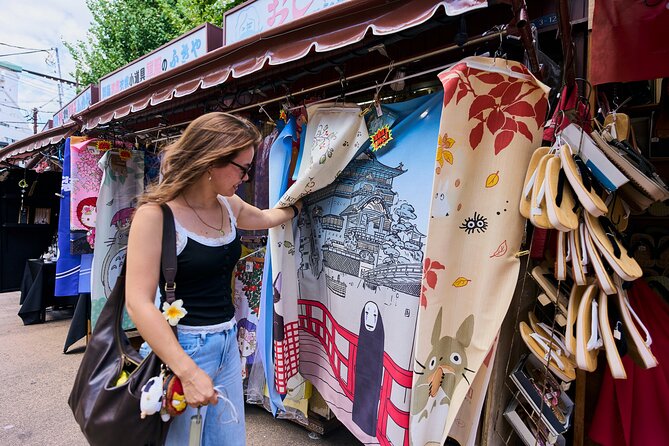
After the temple and matcha stop, the route moves through local shopping streets with snack stands, souvenir sellers, and traditional storefronts. You may see the famous melon bread and other casual street foods.
This portion is one of the tour’s strongest ideas. Sensoji draws the crowds, but the surrounding streets show how Asakusa functions beyond the temple gates. You get a look at ordinary shopping, small food businesses, and old-style stores that continue to serve the neighborhood.
The route also reaches Hoppy Street, where you can observe locals enjoying daytime drinks. The street is associated with casual eating and drinking rather than formal sightseeing. It gives the walk a more relaxed, lived-in feel.
The guide can point out shops that recall the Edo period, including sword stores and kimono shops. The tour does not turn these into museum visits, so think of them as storefront discoveries. You will have a chance to see what remains of Asakusa’s older commercial character while walking between stops.
Menchi-katsu, skewers, and retro storefronts
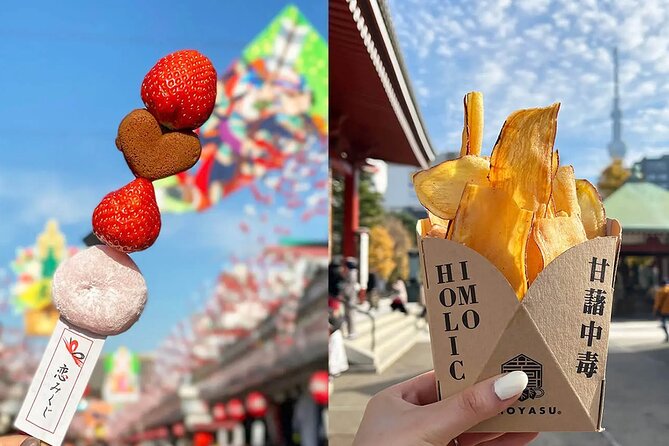
Another section of the walk has an old Edo-style look, with playful shop fronts, unusual vending machines, and snack sellers.
Menchi-katsu, a fried minced-meat cutlet, and skewers are among the foods you may encounter. These are practical foods for a walking tour: small, quick, and easy to eat while moving. If you have dietary limits, ask before buying, since the supplied details do not provide ingredient or allergy guidance.
The guide’s recommendations are useful here because many stalls look tempting. A local can help you choose between a famous item and something less obvious. Still, the tour’s short duration means you should not expect a full food crawl with long tasting stops.
This stretch will appeal to you if you like ordinary city life more than polished attractions. It is less useful if your main aim is a long temple visit or a structured shopping trip. The tour gives you an introduction, then leaves room for a return visit on your own.
Knives, swords, and Japanese craft shops
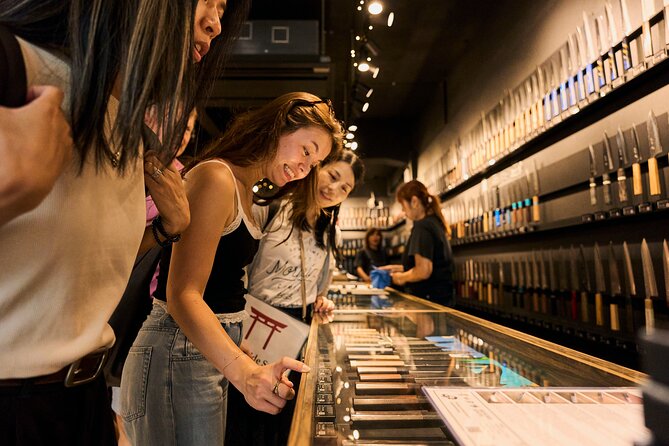
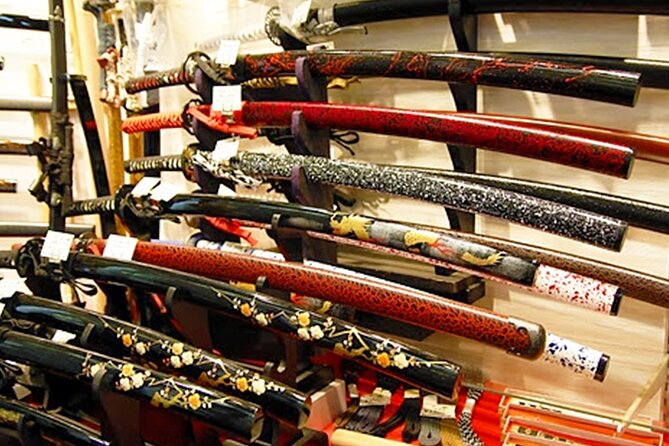
The experience may include an introduction to a local knife shop, where you can see traditional sharpening in action. Japanese knives are known for precision and careful craftsmanship, and this stop gives that subject a practical focus.
The tour also highlights a samurai sword and ninja gear store. You may see swords, related goods, and other items tied to popular images of Japan. The supplied information does not promise a demonstration at every booking, so regard the knife-shop visit as an optional point of interest rather than a fixed performance.
These stores are a good fit for curious shoppers who want context before buying. A guide can help explain what you are seeing and direct you to a reputable shop. Since the tour description does not include purchases, shipping, or prices, consider the walk an introduction, not a buying service.
Finishing at a Japanese supermarket
The official end is Ozeki Asakusa Kaminarimon Grocery & Supermarket, with about 10 minutes to browse.
This is a fine final stop because it shifts the focus from tourist souvenirs to everyday Japanese groceries. You can look for packaged foods and small gifts that give a more ordinary sense of what people buy in Japan.
Ten minutes is a short visit. You will not have time to inspect every aisle, especially if the store is busy. Make a quick note of anything you want to buy, then return after the tour if you need more time.
The experience ends back at the meeting point. That makes it easy to continue exploring Asakusa, revisit a food stall, or return to a shop you spotted earlier.
What the $19.90 price really buys
At $19.90 per person, this is a low-cost guided introduction rather than a full private cultural tour. The value comes from the route, explanations, and local orientation. You are paying to understand what you see and to find the useful food and shopping streets faster.
Admission to the listed stops is free, so the price is not covering entrance tickets. That is both good and limiting. You avoid extra ticket costs, but the experience depends heavily on the guide’s explanations and recommendations.
The strongest value appears if you are visiting Asakusa for the first time, want light walking, or feel unsure about temple customs. It is also useful early in your Tokyo stay, since you can return to the shops and foods you discover.
If you already know Sensoji well and prefer to set your own pace, the value is less clear. You could walk the area without a guide. The difference is the added context and the chance to ask questions.
The tour has a five-star overall rating from 217 ratings and a 100 percent recommendation figure, but the practical lesson is not to expect every detail to be identical each time. Guides such as Nono have adjusted the pace for tired visitors, while Josh has been praised for clear English and local insight. One booking reported that the food tasting did not happen, so keep your expectations flexible.
Who should book this walk?
I would choose this tour for a first visit to Asakusa, especially if you want history without a long lecture. Families may like the mix of sweets, shops, statues, and hands-on temple customs. One guide, Keiko, has used handwritten food cards and stickers to make the route more engaging for children.
It also suits tired visitors. The route is only about two hours, and the feedback describes the walking as manageable. Nono was specifically noted for being patient and adapting to a jet-lagged parent and daughter.
Food-focused visitors should book only if they are happy with recommendations and possible tastings, not a guaranteed meal. The route includes many chances to buy snacks, but no included feast.
The maximum group size is 15. That keeps the walk personal enough for questions, though it cannot guarantee a private experience. Most people can participate, and the meeting point is near public transportation.
Free cancellation is available if you cancel at least 24 hours before the start time. Within 24 hours, the payment is not refunded, and changes are not accepted. Cutoff times use Tokyo local time, so check your schedule carefully.
Should you book the Asakusa Sensoji walk?
Book it if you want a friendly, compact introduction to Sensoji and the streets around it. The best reasons are the clear route, practical temple guidance, small-group format, and range of local stops from matcha sweets to knives and groceries.
Skip it if you want a long, quiet temple visit, a guaranteed food tasting, or extensive shopping time. For $19.90, it offers solid orientation and local context, but you should leave room in your day to return to the places that catch your eye.
FAQ
Where does the tour start?
The tour starts at the Kaminarimon Police Box at 1-chome-3-1 Asakusa, Taito City, Tokyo 111-0032, Japan.
Where does the tour end?
The activity ends back at the meeting point.
How long does the walking tour last?
The tour lasts approximately two hours.
How much does the tour cost?
The listed price is $19.90 per person.
Is the tour offered with a mobile ticket?
Yes. The experience includes a mobile ticket.
How many people can join the tour?
The maximum group size is 15 people.
Are entrance tickets included?
The listed stops have no admission charge. The tour information does not list separate entrance tickets.
Does the tour include food tasting?
The tour description includes local street food tasting, but one booking reported that the tasting did not take place. Treat food tasting as subject to the day’s arrangements, and expect to pay separately for food unless your guide says otherwise.
Can I cancel for a full refund?
Yes, if you cancel at least 24 hours before the experience start time. Cancellations within 24 hours are not refunded, and changes made within that period are not accepted.
Just added around Japan
- Best of Hiroshima Food Tour★ 5.0 · 32 reviews
- Hiroshima Izakaya Food and Drink Night Tour★ 5.0 · 297 reviews
- All-inclusive Hiroshima Nighttime Food and Cultural Immersion★ 4.5 · 60 reviews
- Tokyo Allstar Food Tour★ 4.5 · 206 reviews
- Tokyo: Best Ginza Food Tour at 3 Local Eateries★ 5.0 · 83 reviews
- Chef’s Choice Sushi and Tempura Luxury Foodie Tour in Ginza★ 5.0 · 35 reviews
- Adventurous Japanese Food Tour in Tokyo★ 4.5 · 53 reviews
- Tokyo : Asakusa Food Tour – 12 Dishes & 3 Drinks★ 5.0 · 44 reviews
Food Tours in Japan, compared.
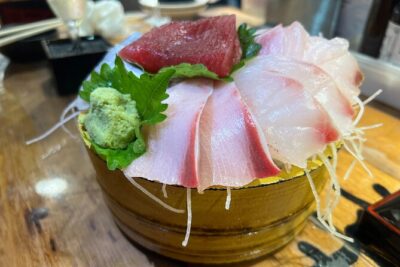
Shinjuku Food Tour (13 Dishes at 4 Local Eateries)
Read our review →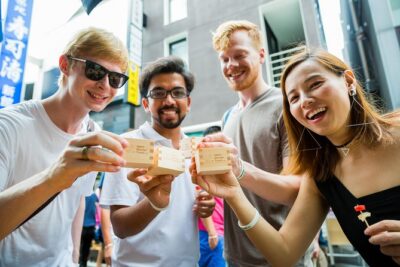
Tokyo Tsukiji Fish Market Food and Culture Walking Tour
Read our review →
Shinsekai Food Tour with 13-15 Dishes at 5 Eateries
Read our review →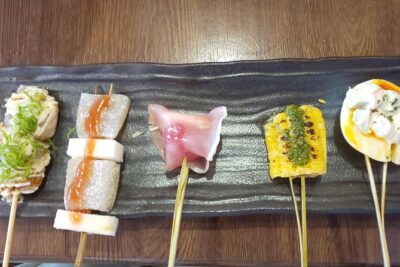
Osaka Food Tour: 13 Dishes at 5 Local Eateries
Read our review →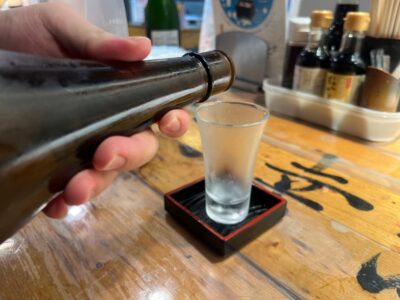
Shinjuku Food Tour (15 Dishes and 4 Eateries)
Read our review →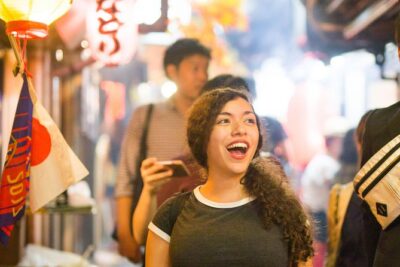
Best of Shinjuku: Izakaya Food Tour (4 Stops, 14+ Tastings)
Read our review →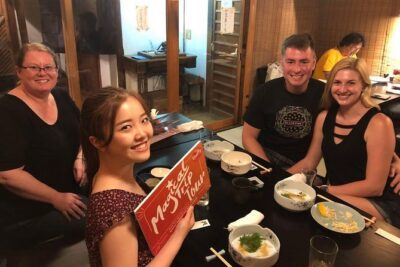
Kyoto Night Foodie Tour in Gion (9+ dishes + 6 Sake tastings)
Read our review →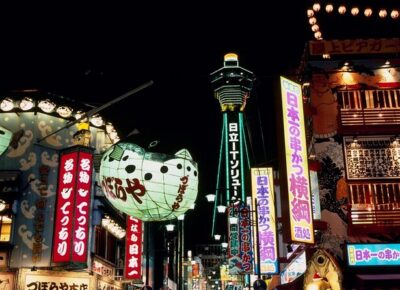
Hungry Osaka Street Food Tour:15 Tastings & 3 Drinks with a Local
Read our review →Browse the lists this tour appears in