
REVIEW · TOKYO
Tokyo: West-Side Cycling and Food Tour with Guide
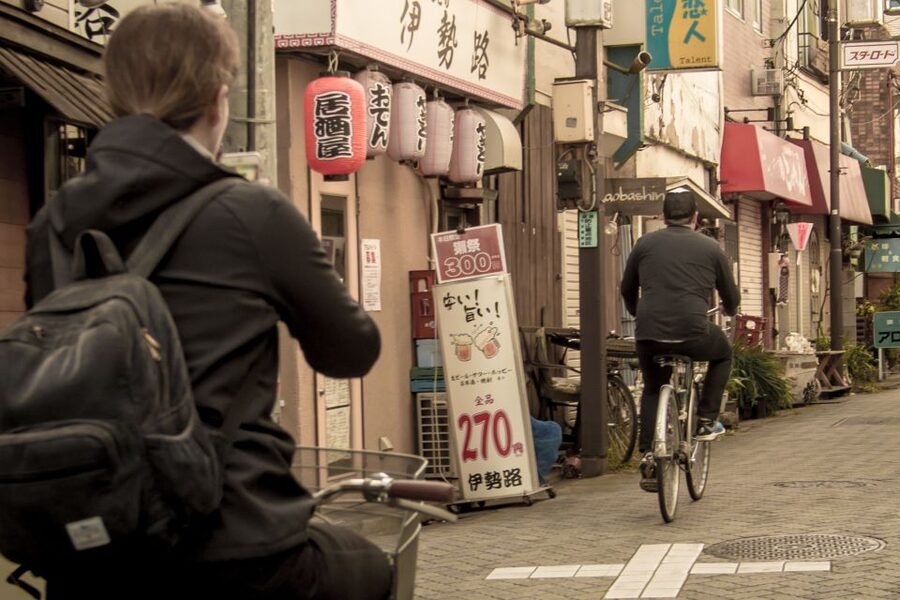
Tokyo’s west side feels far removed from the giant crossings and neon avenues most first-time visitors picture. On this 3.5-hour bike and food outing, you ride through Nakano, Koenji, and Asagaya, using narrow side streets, riverside paths, and local activity hubs that are easy to miss on foot.
I like the mamachari bicycles, because their baskets and upright position suit relaxed neighborhood riding. I also like the food stops and Andy’s easy way of explaining Japanese customs, from bicycle parking to the small choices behind everyday meals.
The catch is simple: you need to be comfortable riding 12 to 15 kilometers on occasionally narrow, crowded, and uneven streets. The tour generally runs in rain, and the food is not suited to vegans, people with allergies, or anyone needing a special diet.
Key points at a glance
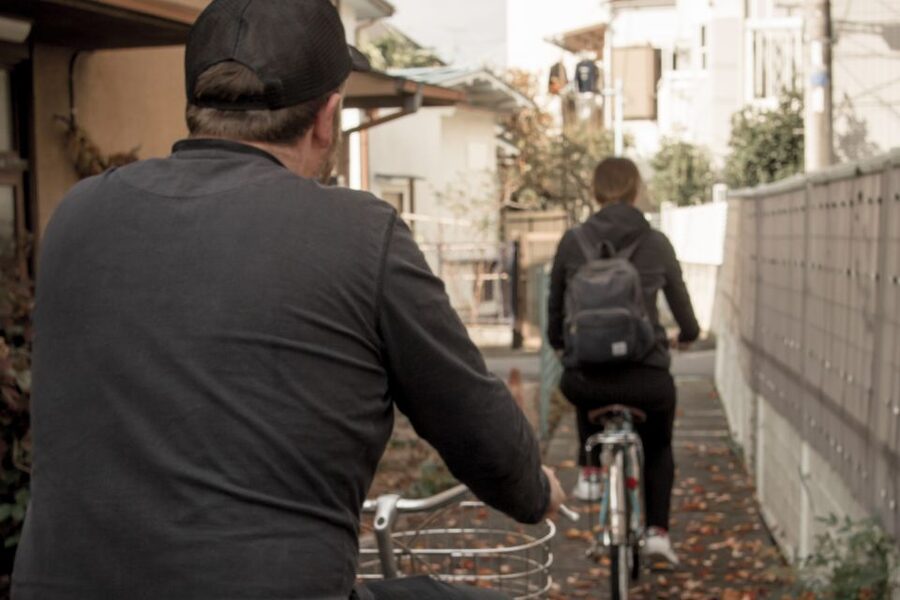
- Ride a real mamachari bicycle: These practical Japanese city bikes have front baskets and an upright riding position, though they may feel creaky or unfamiliar at first.
- See three west-side neighborhoods: Nakano, Koenji, and Asagaya offer a close look at residential streets, local shops, and daily routines beyond central Tokyo.
- Eat along the way: The price includes two street food items, a simple local lunch, and one bottled drink.
- Learn Tokyo’s bicycle rules: Your guide explains bicycle parking systems and the habits that make cycling work in a dense city.
- Meet at Koenji Station: The station is six minutes from Shinjuku by JR train and 18 minutes from Shibuya, making this an easy half-day outing.
- Expect a small-group feel: Private or small-group departures are available, with live guiding in English.
Why west Tokyo works so well by bicycle
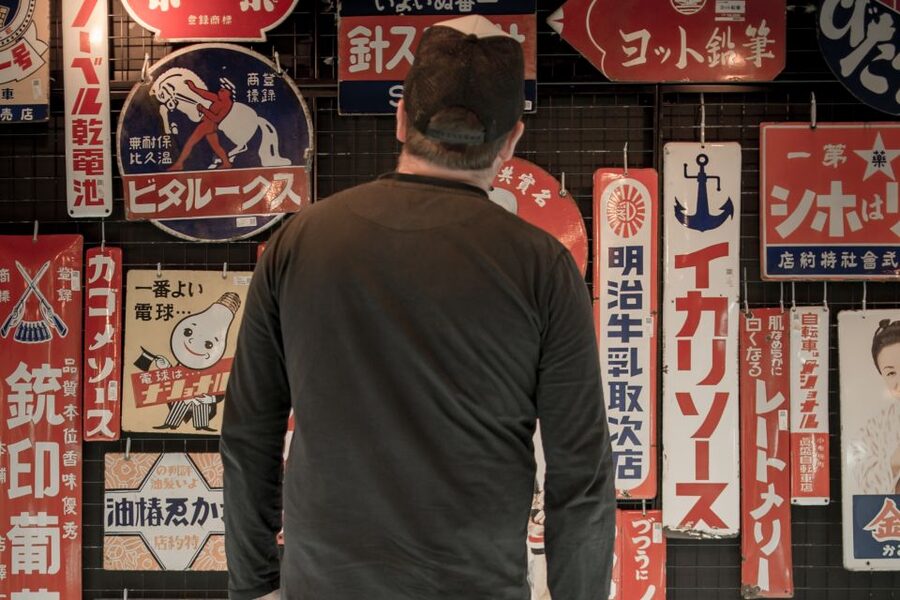
Central Tokyo rewards efficient trains, but the west side rewards slower movement. A train can take you from one major stop to another, yet it skips the narrow streets between them. Walking reveals more, but covering three neighborhoods on foot would take much of your morning and leave less time for food.
The bicycle fills that gap. You can cover roughly 7.5 to 9.5 miles at a leisurely pace while still noticing the little things: a quiet residential lane, a local shopping area, a river path, or the way bicycles are stored and parked in a city with limited space.
This is not a sightseeing ride built around famous monuments. You will not spend the morning ticking off Tokyo landmarks. Instead, you get a practical introduction to how people move, eat, shop, and live in the inner west side.
That difference matters. If you already know Shinjuku, Shibuya, and Asakusa, this outing gives you a useful second view of Tokyo. If this is your first day in the city, it can also help you understand how much of Tokyo exists beyond the main tourist routes.
More Food Tours in Tokyo
- Tokyo: Shinjuku Food Tour (13 Dishes at 4 Local Eateries)
★ 5.0 · 6,603 reviews - Tokyo Tsukiji Fish Market Food and Culture Walking Tour
★ 5.0 · 3,184 reviews - Tokyo: Shinjuku Food Tour (15 Dishes and 4 Eateries)
★ 4.9 · 2,033 reviews
Starting at Koenji Station
You meet the guide directly outside the ticket gates at Koenji Station five minutes before departure. Look for the guide wearing a baseball cap. The group leaves on time, so this is not the moment to arrive at the station and start searching for the right exit.
Koenji is on the JR network and is easy to reach from major bases. The ride takes about six minutes from Shinjuku and about 18 minutes from Shibuya. Those short travel times make the tour convenient even if you are staying in one of Tokyo’s best-known central districts.
Andy is the named guide associated with this experience. He is an Australian transplant with a strong connection to the area, and his guiding style combines local cultural insight with a relaxed sense of humor. You can expect the tour to be conversational rather than a formal lecture.
That is useful in a neighborhood tour. The value is not only in knowing where to turn. It is in having someone explain why a street looks the way it does, how local customs work, and what you are seeing as you pass through.
Getting used to the mamachari bikes
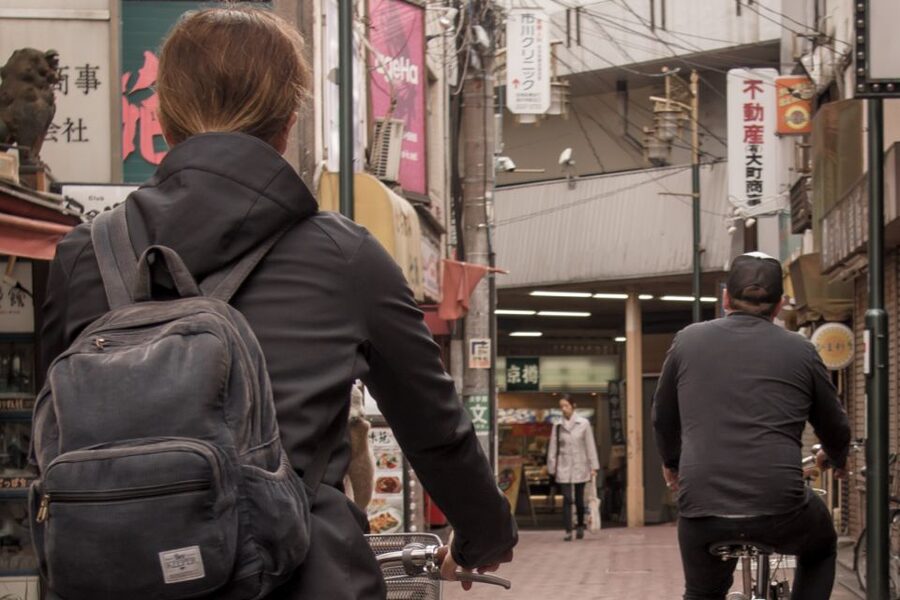
The bicycles are salvaged mamachari bikes, a familiar type of Japanese utility bicycle. They have a practical, upright design and a basket at the front. You are not signing up for a sporty road ride, and that is part of the appeal.
The bikes are described as well maintained, though some can be creaky or squeaky. That should not surprise you. These are everyday city bicycles, not sleek performance machines. The upright posture and front basket are better suited to a slow ride through local streets than to speed.
You should be over 140 centimeters, or about 4 feet 7 inches, to ride comfortably. Children under 10 are not accepted, and the tour is not suitable for anyone who is not confident on a bicycle.
Pay attention during the first part of the ride. Tokyo streets can be narrow, and you may share space with cars, pedestrians, and other cyclists. You will also encounter uneven surfaces and occasional sharp turns. The pace is described as leisurely, but leisurely does not mean effortless.
The guide leads the group, which helps you feel more secure when the route turns into a maze of side streets. Still, you remain responsible for handling your own bicycle. If you have not ridden for years, this is not the best place to relearn.
Nakano, Koenji, and Asagaya at street level
The route links three west-side neighborhoods, each with its own feel. The tour does not present them as isolated attractions. Instead, you move through them as connected parts of everyday Tokyo.
Nakano gives you a first taste of the area’s mix of local commerce and residential streets. You may find yourself riding where the city feels active but not staged for sightseeing. The point is not a single grand attraction. It is the steady change in street life as you move away from the main station areas.
Koenji serves as both the meeting point and one of the main areas explored. Known for its local character, Koenji is a good place to notice how a neighborhood can feel creative, lived-in, and busy without looking like a major tourist district. The narrow lanes make the bicycle especially useful, though they also demand attention.
Asagaya adds another layer to the ride. Moving between the three areas helps you see the west side as a broad patchwork of local communities rather than one uniform part of Tokyo. The experience is strongest when you let the guide point out small details that would otherwise pass unnoticed.
You will also use riverside bike paths. These sections offer a break from tighter streets and give the group room to ride at a more comfortable rhythm. The route still remains urban, but the change in pace helps keep the 12 to 15 kilometers manageable.
A few more food tours around Tokyo worth comparing
- Rome: Appian Way & Aqueducts E-Bike Tour (Catacombs & Food)
★ 4.9 · 1,498 reviews - Rome by Night – Ebike Small Group Tour – Food and Wine (Option)
★ 5.0 · 1,275 reviews - Rome by Night: E-bike Small Group Tour -Food & Wine (Option)
★ 4.9 · 1,233 reviews - Bangkok: Must-Try Hidden Bike & Food Experience
★ 4.9 · 613 reviews
What the food stops add
Food is not an afterthought here. The tour includes two popular street food items, a simple Japanese lunch, and one bottled drink. Bicycle parking fees and cycling liability insurance are also included, so the $110 price covers more than the guide and bike.
The street food stops give you quick tastes of ordinary local eating. They are useful because they connect the neighborhoods to the food people actually buy during the day, rather than turning lunch into a formal dining event.
The lunch is simple and local. A small noodle-bar stop has been part of the experience, giving you a chance to sit down, refuel, and ask questions while the guide explains the food and local habits. Do not expect a long restaurant meal or a choice-heavy menu. The appeal is the setting and the everyday quality of the stop.
The bottled drink is a small inclusion, but it is welcome after several hours outside. The tour also includes opportunities to ask about vending-machine drinks and other details that can seem confusing when you first arrive in Japan.
Food restrictions are the main limitation. The experience does not cater to personal tastes, dietary requirements, or allergies. It is specifically not suitable for vegans or people with food allergies. If you have a serious restriction, do not assume that substitutions will be available.
Tokyo’s bicycle culture, explained while you ride
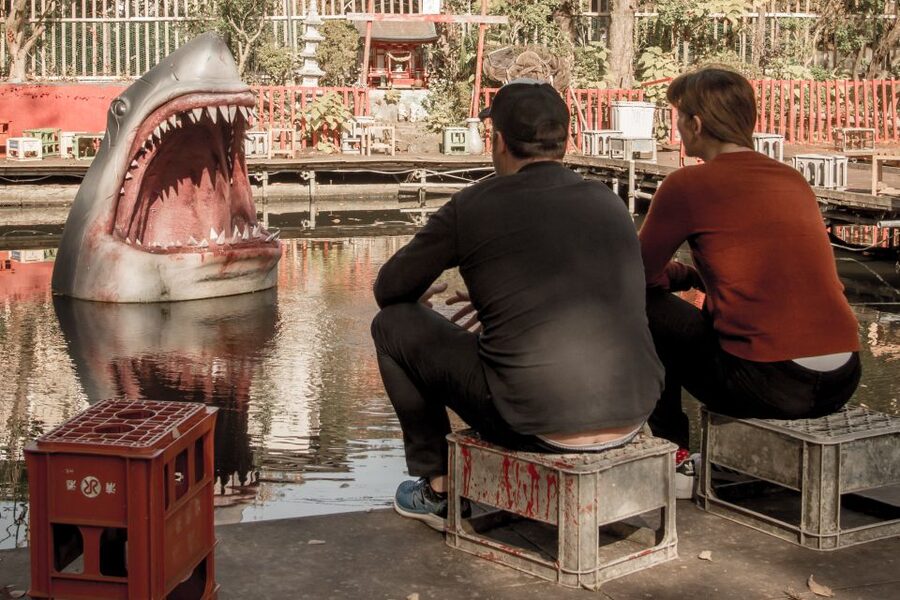
One of the more unusual features is the attention given to bicycle parking. Tokyo’s cycling culture is easy to notice, but the rules and systems behind it are less obvious. The guide helps you understand how bicycles fit into a crowded city where open space is limited.
You will pay no separate bicycle parking fees during the tour. That is practical, but the larger benefit is learning what responsible cycling looks like in Tokyo. This can help you if you plan to rent a bicycle later in your trip or simply want to avoid leaving one in the wrong place.
The tour also includes cycling liability insurance. That does not remove the need to ride carefully, but it adds useful protection to an activity that takes place on public streets.
I especially like this part because it turns transport into a cultural subject. You are not merely using a bicycle to get from one stop to the next. You are seeing how a dense city makes room for a common, low-key form of transport.
Weather, distance, and what to bring
This is an outdoor activity in all seasons and generally proceeds in rain. Bring clothing that can handle getting wet, and do not book it if a bad-weather ride would ruin your day.
The tour covers about 12 to 15 kilometers at a relaxed pace. That is a moderate distance for a regular cyclist, but the narrow roads, uneven surfaces, and repeated stops can make it feel more demanding than a flat recreational path.
Wear comfortable clothing and shoes that work for cycling and walking. You should also bring your passport or another ID card, hand sanitizer or tissues, and a garbage bag. The last item is practical since you may need to carry small rubbish until a suitable bin appears.
Because the experience leaves on time, arrive before the five-minute meeting window rather than treating it as a target arrival time. Missing the group would be especially inconvenient once the ride has moved into the neighborhood streets.
Is $110 a fair price?
At $110 per person, this is not the cheapest way to spend a half day in Tokyo. You could explore Koenji or Asagaya independently for much less, especially if you only paid for train fare and lunch.
The value comes from the combination. You receive a bicycle, an English-speaking guide, two street food items, lunch, a bottled drink, parking fees, and cycling liability insurance. You also get a planned route through several areas that can be hard to connect efficiently on your own.
A private or small-group option can make the cost easier to justify if you want plenty of time for questions or prefer a more personal pace. For solo visitors, couples, and friends who value local context over major sights, the price is reasonable.
I would not choose it mainly for food. The meal is simple, and the tour does not promise a wide range of choices. I would choose it for the way the food, cycling, and neighborhood access work together.
Who should book this ride?
This tour suits you if you:
- Enjoy active sightseeing but prefer a relaxed pace
- Want to see Tokyo beyond Shinjuku, Shibuya, and the major sights
- Are comfortable riding in narrow urban streets
- Like asking questions about customs and daily life
- Eat a standard diet without serious allergies or restrictions
- Prefer a small-group or private experience
- Have at least 3.5 hours available for a guided outing
It is less suitable if you dislike bicycles, have limited mobility, need a strict diet, or want a polished cycling route with no traffic or rough surfaces. It also may not be a good match for very young children, since children under 10 are not accepted.
The tour can work well near the start of a Japan trip because it gives you useful context for later days. It can also be a good final Tokyo activity if you want to leave the central sightseeing circuit and spend a few hours seeing ordinary neighborhood life.
Should you book the West-Side Cycling and Food Tour?
Book it if you want local Tokyo at a human pace, with food and cultural explanation built into the ride. Andy’s friendly guiding style, the front-basket mamachari bicycles, and the route through Nakano, Koenji, and Asagaya give the experience a clear sense of place.
Skip it if you need dietary flexibility, dislike riding in traffic, or want famous landmarks. For the right person, this is a strong use of half a day and a thoughtful way to see a side of Tokyo that trains and guidebooks often pass by.
FAQ
Where does the tour begin?
The tour begins directly outside the ticket gates at Koenji Station on the JR train network. The guide will be wearing a baseball cap.
How long is the experience?
The tour lasts 210 minutes, or 3.5 hours. Check availability for the specific starting times.
How far do you ride?
You should expect to ride roughly 7.5 to 9.5 miles, or 12 to 15 kilometers, at a leisurely pace.
What food and drinks are included?
The price includes a simple local lunch, two popular street food items, and one bottled drink.
Is the tour suitable for people with food allergies or special diets?
No. The experience does not cater to personal tastes, dietary requirements, or allergies. It is not suitable for vegans or people with food allergies.
What happens if it rains?
The tour generally proceeds in rainy weather, so you should be prepared to get wet. It is an outdoor activity that may be affected by weather conditions.
Just added around Tokyo
- Tokyo: Togoshi Ginza Street Food Tour★ 5.0 · 34 reviews
- Tokyo: Wagyu and Sushi Gastronomic Journey★ 4.3 · 24 reviews
- Tokyo: Allstar Food Tour★ 4.7 · 29 reviews
- Tokyo: The Best of Izakaya in Shinjuku Food & Cultural Tour★ 4.9 · 221 reviews
- Tokyo Tsukiji Food & Culture Private Tour Licensed Guide★ 4.9 · 28 reviews
- Tokyo: Locals´ Secret Food Tour // Eat like a Japanese★ 5.0 · 35 reviews
- Tokyo: Shibuya Food Tour (13 dishes and 4 Eateries)★ 5.0 · 178 reviews
- Tokyo: Best of Shibuya Food Tour★ 4.7 · 119 reviews
Food Tours in Tokyo, compared.
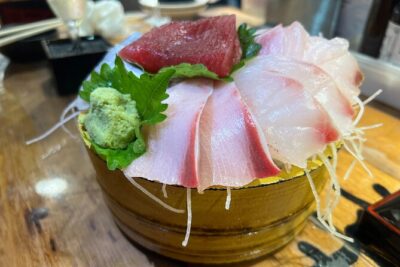
Shinjuku Food Tour (13 Dishes at 4 Local Eateries)
Read our review →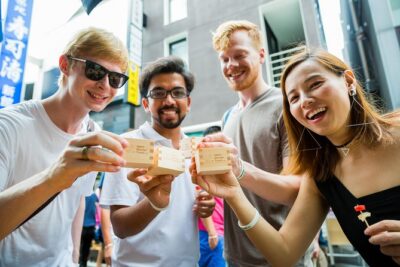
Tokyo Tsukiji Fish Market Food and Culture Walking Tour
Read our review →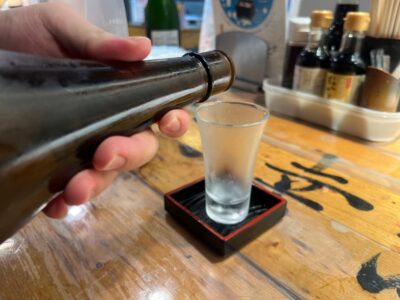
Shinjuku Food Tour (15 Dishes and 4 Eateries)
Read our review →
Best of Shinjuku: Izakaya Food Tour (4 Stops, 14+ Tastings)
Read our review →
Tokyo Night Foodie Tour in Shinjuku – Seasonal Sushi, Wagyu Beef
Read our review →
Eat and Drink Like a Local: Tokyo Ueno Food Tour-Taverns&Ramen
Read our review →Browse the lists this tour appears in