
REVIEW · TOKYO
Tokyo: Allstar Food Tour
Tokyo’s best food stories often begin in the gap between grand department stores and a narrow alley under the train tracks. This three-hour tour takes you from polished Ginza to the old-school izakaya lanes of Yurakucho, where lanterns, sizzling skewers, and casual neighborhood bars show a less formal side of the city.
I like the sharp contrast between the two districts, and I like the focus on regional snacks rather than one long restaurant meal. The small group, capped at 10 people, also gives guides such as Motoko, Sandra, and Josh room to explain Japanese food customs and answer questions.
The main consideration is the price: $181 per person is a serious outlay for three hours, especially since transportation, gratuity, and extra food or drinks cost more. It makes the most sense on your first Tokyo evening, when local guidance and a ready-made meal can save you guesswork.
Key points to know before you book
- Ginza and Yurakucho in one evening: See Tokyo’s most polished shopping district alongside the retro restaurant alleys below and beside the railway tracks.
- Small group, up to 10 people: The size suits questions, conversation, and visits to compact izakaya spaces.
- Regional and seasonal tasting: Expect several dishes, snacks, two drinks, and a dessert rather than a single set meal.
- Historic rice crackers: Try a specialty snack connected with a recipe more than 200 years old, plus a shop with more than 300 years of history.
- Strong guide-led cultural context: The food comes with explanations of customs, local eating habits, and the Showa-era character of Yurakucho.
- A useful first-night choice: The meeting point is easy to find at the Ginza Wako Building, close to Ginza Station.
Starting at the Ginza Wako Building
The tour begins in front of the Ginza Wako Building, the familiar clock-tower landmark at Ginza 4-chome Crossing. From Ginza Station, follow signs for the Ginza 4 chome Crossing Gate, pass through the fare gate, and leave through Exit A9. The meeting point is about a minute from the station.
That simple start matters. Ginza has several large crossings and plenty of department stores, so meeting at a named landmark is far easier than trying to locate a small restaurant on your own. Give yourself enough time to get out of the station, since Tokyo station passages can be confusing if you are carrying luggage or arriving during the evening rush.
The setting also frames the tour nicely. Ginza is associated with luxury shops, polished facades, and expensive dining. Yet the evening quickly shifts toward small bars, old food traditions, and places where the emphasis is on eating well rather than displaying wealth.
Your English-speaking guide leads the walk and explains what you are seeing along the way. Past guides have included Motoko, Sandra, Josh, Ryan, Anne, and Satoshi, with food knowledge and local recommendations repeatedly forming a central part of the experience. Guide quality can vary from person to person, but this tour clearly depends on a personable host who can make the food and streets easier to understand.
More Food Tours in Tokyo
- Tokyo: Shinjuku Food Tour (13 Dishes at 4 Local Eateries)
★ 5.0 · 6,603 reviews - Tokyo Tsukiji Fish Market Food and Culture Walking Tour
★ 5.0 · 3,184 reviews - Tokyo: Shinjuku Food Tour (15 Dishes and 4 Eateries)
★ 4.9 · 2,033 reviews
Ginza’s polished streets and Tokyo’s food culture
Ginza is Japan’s most luxurious and expensive district, but it is not just a shopping zone. It is also a useful place to discuss how Tokyo eats, how department stores present food, and how regional specialties reach the capital.
The tour introduces customs as you move between stops. You learn about the place of food in Japanese daily life, the difference between familiar Japanese dishes and food from other parts of Asia, and the way local bars operate. These explanations give context to what is on your plate.
I especially like this approach for a first visit. Japanese dining can involve unfamiliar rules, from ordering and sharing to handling small dishes and drinks. A guide can explain those points in the moment without making the evening feel like a formal class.
The experience also includes seasonal and regional flavors. The details of the exact menu can change, so you should not book expecting a fixed list of dishes. Instead, think of it as a guided tasting route that introduces foods from different parts of Japan and shows how Tokyo gathers them in one city.
The historic snack stop
One of the more distinctive parts of the route is a specialty snack shop with more than 300 years of history. The tour also includes crisp rice crackers made from a recipe dating back more than 200 years.
These are not just filler between restaurant stops. Rice crackers, known broadly in Japan as senbei, are a useful entry point into the country’s regional food traditions. Texture, seasoning, shape, and preparation can differ, and a long-running recipe gives your guide a chance to explain how everyday snacks can carry family and business traditions across generations.
This stop should appeal to anyone who enjoys food markets and small specialty shops more than grand restaurant dining. You get a taste, a story, and a sense of how Japanese food culture includes simple items made with care.
The age claims refer to different parts of the experience, so do not treat them as one single 300-year-old recipe. The snack shop has more than 300 years of history, while the rice cracker recipe is described as more than 200 years old. That distinction is small but useful when you are deciding what kind of food tour this is.
Yurakucho and the izakaya under the tracks
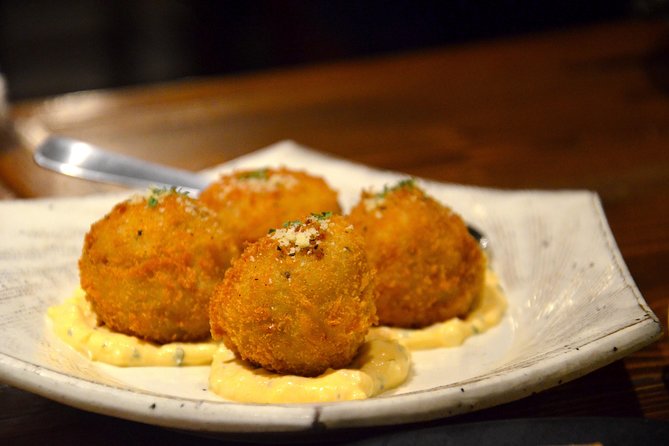
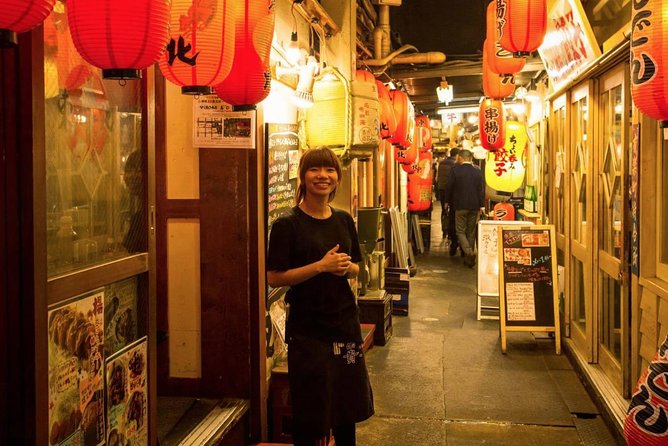
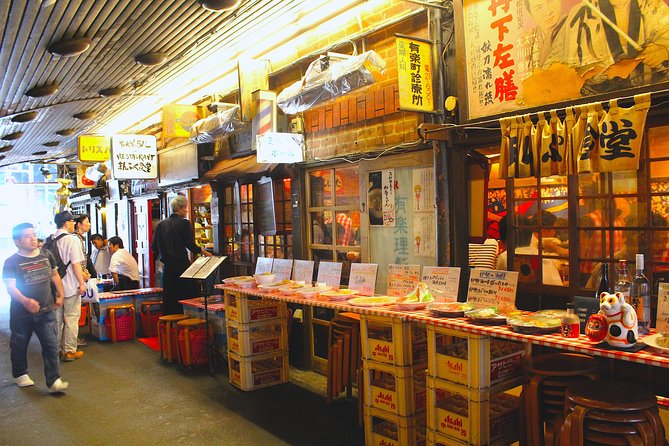
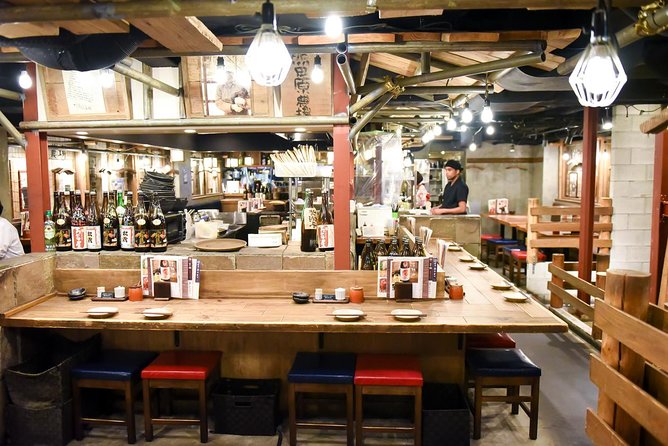
The mood changes when you reach Yurakucho. Here, the tour turns toward Yokocho alleys and small izakaya, Japanese pubs where people gather for food, drinks, and conversation.
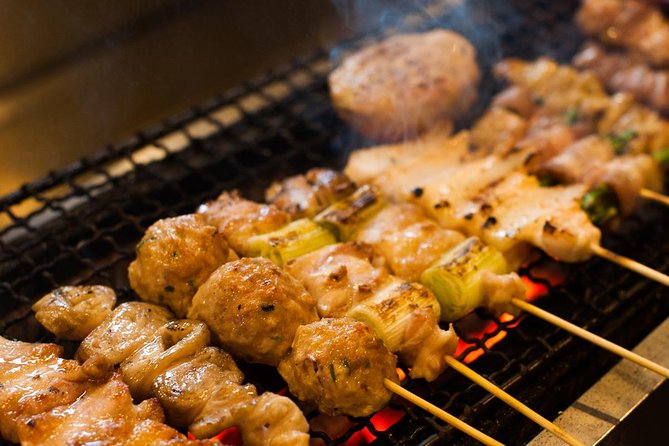
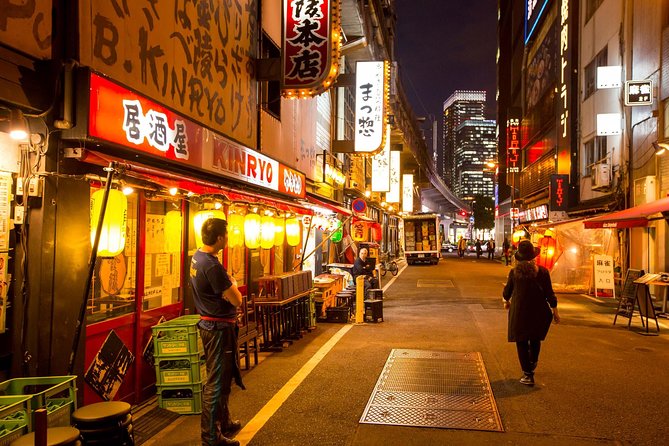
The railway setting is part of the appeal. Some of the restaurants operate beneath the rail line, creating a compact, noisy atmosphere that feels far removed from Ginza’s broad avenues. Red lanterns and neon signs light the lanes, while the smell of grilled seafood and skewers drifts through the walkways.
You may visit several kinds of food stops, including small izakaya and local restaurants. Past tour experiences have included yakitori restaurants under the tracks, a side-street bar, an organic or eco-focused restaurant, and department store food counters with thousands of products. The precise order and selection can change, but the overall idea is consistent: sample several pieces of Tokyo’s food life rather than sit in one dining room for three hours.
The izakaya portion is likely to be the most memorable for many people. These restaurants can be tiny, and the setting may feel close and lively. That is part of the charm, but it also means this tour may be less comfortable for anyone who prefers quiet rooms, wide aisles, or a slow formal dinner.
The guide’s role is important here. A first-time visitor may walk past these places without knowing which door to open or how to order. With a local host, you can focus on the food, the atmosphere, and the stories rather than worrying about whether you are using the restaurant correctly.
A few more food tours around Tokyo worth comparing
- Best of Shinjuku: Izakaya Food Tour (4 Stops, 14+ Tastings)
★ 5.0 · 1,863 reviews - Tokyo: Tsukiji Fish Market Food and Walking tour
★ 5.0 · 1,724 reviews - Tokyo Night Foodie Tour in Shinjuku – Seasonal Sushi, Wagyu Beef
★ 5.0 · 1,161 reviews - Eat and Drink Like a Local: Tokyo Ueno Food Tour-Taverns&Ramen
★ 5.0 · 957 reviews
What you eat and drink during three hours
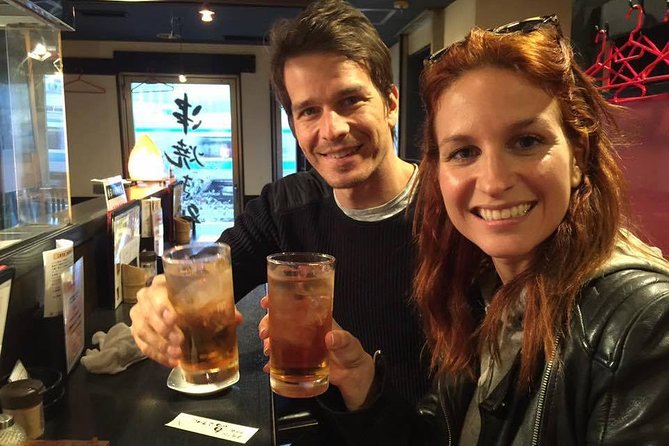
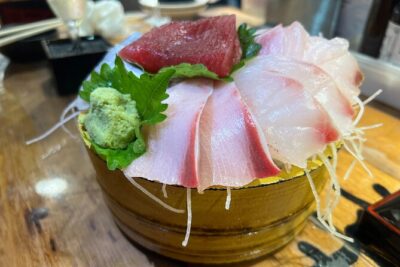
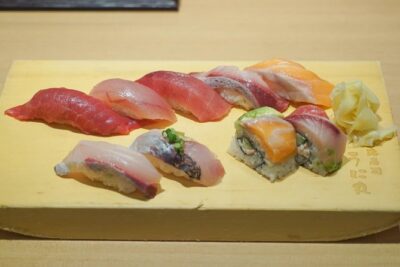
The package includes a variety of dishes at multiple food stops, two drinks, unique desserts, and snacks. The route covers more than one style of food, with past experiences including sushi, ramen, grilled foods, rice crackers, and regional specialties.
Do not expect a full menu of unlimited food. You are tasting across several locations, and additional food or drinks are available only at your own expense. The included two drinks make the evening feel social, but you should budget extra if you want more alcohol or additional dishes.
The food is not presented as a list of famous Tokyo icons alone. The point is to connect dishes with their regional origins and with the customs surrounding them. That makes the tour more useful than simply checking off sushi and ramen.
The final dessert gives the route a clear finish. Dessert is included, though the exact sweet is not specified. I appreciate that the evening ends with something deliberately sweet rather than fading out after the last savory dish.
If you have dietary needs, options are available, but you should communicate them before booking. Food tours work best when the guide and restaurants know in advance what you can and cannot eat.
Why the small group matters in Yurakucho
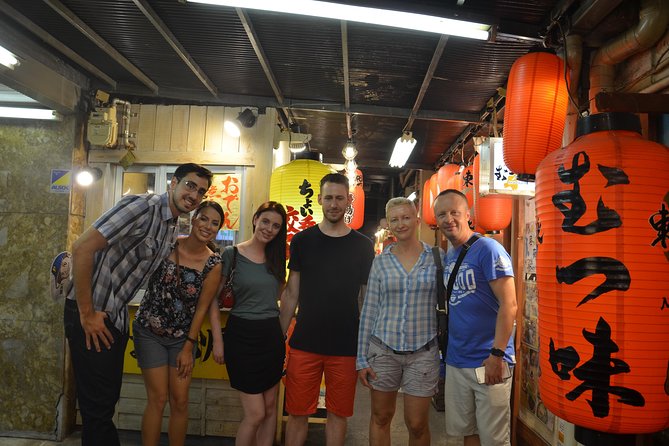
A maximum of 10 people is a good fit for this particular route. Small izakaya and side-street restaurants are not ideal for a large coach group, and a smaller party can move through narrow lanes with less fuss.
You also get more time to speak with the guide. Josh, for example, has been described as approachable and funny, while Motoko’s style has included humor, personal recommendations, and explanations of the food. Sandra has been praised for clear information and good food choices. These details cannot guarantee who you will meet, but they show the kind of host who makes this experience work.
The small group also helps create a shared evening. One past booking paired visitors with another couple, making the meal feel social without the size of a large organized tour. If you are traveling alone, contact the supplier by email before booking, as single participants have a special booking note.
The passport requirement is another practical detail. A copy of passport information is required for all participants aged 10 and over. Arrange that before the meeting time so it does not become a last-minute problem.
Is $181 good value?
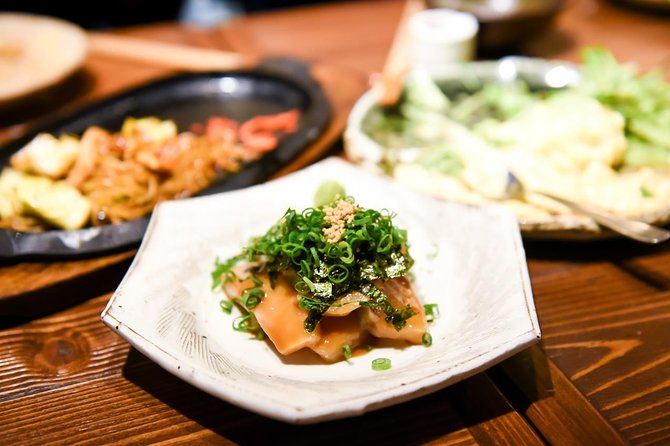
At $181, this is not a cheap food walk. You are paying for more than the food itself: a live English-speaking guide, access to several stops, cultural explanations, two drinks, a dessert, and the convenience of having the evening organized.
The value is strongest if you are new to Tokyo, unsure about izakaya dining, or arriving at the start of a longer Japan trip. A good guide can help you understand dishes and customs that might otherwise remain unexplained. You also get a practical introduction to two central districts without spending your first evening working out where to eat.
The value is weaker if your main aim is simply to consume as much food as possible. You will not receive unlimited drinks, and transportation, gratuity, and extra purchases are not included. Independent diners who are comfortable ordering in Tokyo can likely spend less.
Timing helps. One past experience began early enough to avoid the heaviest dinner rush. That is a useful advantage, since a slightly earlier start can make it easier to get into compact restaurants and move between stops.
You can reserve now and pay later, which helps if your Tokyo plans are still changing. Cancellation is free up to 24 hours before the tour for a full refund.
Who should book this Tokyo food tour?
I would point this tour toward first-time visitors who want food and orientation together. You get a look at Ginza, a taste of Yurakucho, and a practical introduction to izakaya customs in one evening.
It also suits food-focused couples, small groups of friends, and solo visitors who prefer a hosted meal to guessing their way through unfamiliar restaurants. The tour’s mix of regional snacks, grilled food, drinks, and dessert gives you more range than a single restaurant reservation.
Families should check the details carefully. The passport requirement applies to participants aged 10 and over, and the evening pub setting may suit older children better than very young ones. The information confirms dietary options are available, but it does not provide a full list of restrictions, so ask before booking.
You may want to skip it if you dislike standing, narrow restaurant spaces, or lively dining rooms. The Yurakucho alleys are part of the experience, and their close quarters are not for everyone.
My verdict on the Ginza and Yurakucho route
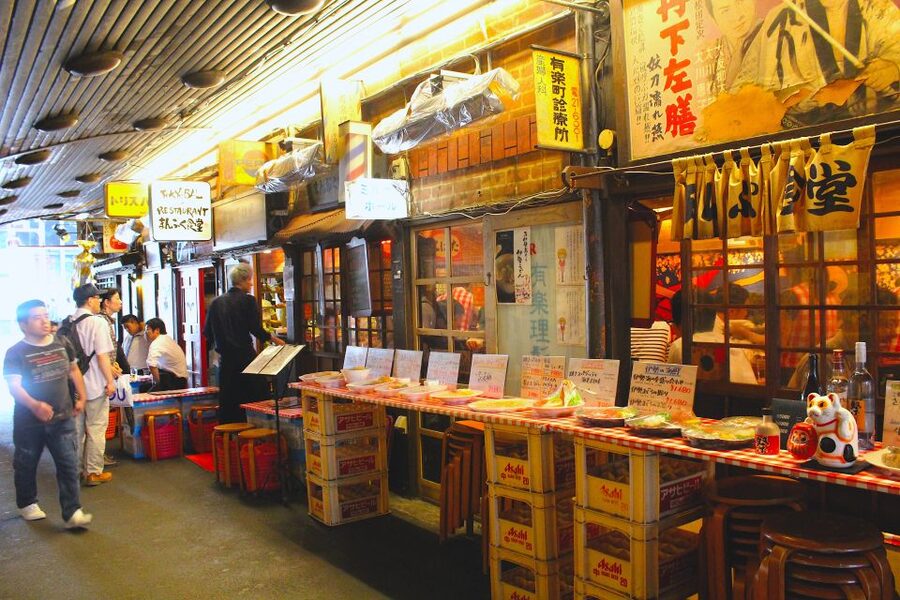
I like this tour because it uses food to explain a real contrast in Tokyo. Ginza shows the city’s polished public face, while Yurakucho reveals the casual dining culture tucked under the railway tracks.
The strongest features are the small group format, the guide’s cultural explanations, and the range of stops. The historic snack shop and long-running rice cracker recipe add a welcome sense of place, while the izakaya visit gives you a practical look at how locals eat and socialize.
The $181 price requires thought. Book it if you value guidance, cultural context, and a carefully arranged first evening. Skip it if you are mainly seeking the lowest-cost meal or prefer to choose every restaurant yourself.
For many visitors, this works best on the first or second night in Tokyo. You finish with a fuller understanding of Ginza, Yurakucho, Japanese food customs, and the kinds of places you may want to revisit on your own.
FAQ
Where does the Tokyo Allstar Food Tour meet?
The meeting point is in front of the Ginza Wako Building, about a minute’s walk from Ginza Station.
How do I reach the meeting point from Ginza Station?
Follow signs for the Ginza 4 chome Crossing Gate, pass through the fare gate, and exit via A9.
How long does the food tour last?
The tour lasts three hours.
What neighborhoods does the tour visit?
The route visits Ginza and Yurakucho, including Yurakucho’s Yokocho alleys and izakaya areas.
How many people can join the tour?
The group is limited to 10 participants.
What is included in the price?
The price includes food at multiple stops, two drinks, snacks, dessert, and an English-speaking local guide.
Are transportation and gratuity included?
No. Transportation costs, gratuity, and additional food or drinks are not included.
Can dietary options be arranged?
Dietary options are available. You should provide the relevant information before booking so the supplier can prepare.
Is free cancellation available?
Yes. You can cancel up to 24 hours in advance for a full refund.
Is a passport copy required?
A copy of passport information is required for every participant aged 10 and over.
Just added around Tokyo
- Tokyo: West-Side Cycling and Food Tour with Guide★ 5.0 · 37 reviews
- Tokyo: Wagyu and Sushi Gastronomic Journey★ 4.3 · 24 reviews
- Tokyo: Togoshi Ginza Street Food Tour★ 5.0 · 34 reviews
- Tokyo: The Best of Izakaya in Shinjuku Food & Cultural Tour★ 4.9 · 221 reviews
- Tokyo Tsukiji Food & Culture Private Tour Licensed Guide★ 4.9 · 28 reviews
- Tokyo: Locals´ Secret Food Tour // Eat like a Japanese★ 5.0 · 35 reviews
- Tokyo: Shibuya Food Tour (13 dishes and 4 Eateries)★ 5.0 · 178 reviews
- Tokyo: Best of Shibuya Food Tour★ 4.7 · 119 reviews
Food Tours in Tokyo, compared.
Shinjuku Food Tour (13 Dishes at 4 Local Eateries)
Read our review →
Tokyo Tsukiji Fish Market Food and Culture Walking Tour
Read our review →
Shinjuku Food Tour (15 Dishes and 4 Eateries)
Read our review →
Best of Shinjuku: Izakaya Food Tour (4 Stops, 14+ Tastings)
Read our review →
Tokyo Night Foodie Tour in Shinjuku – Seasonal Sushi, Wagyu Beef
Read our review →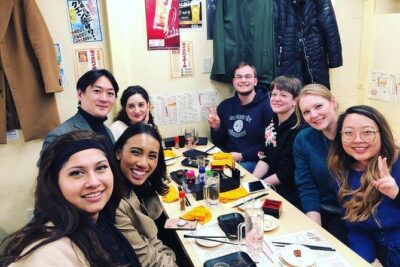
Eat and Drink Like a Local: Tokyo Ueno Food Tour-Taverns&Ramen
Read our review →Browse the lists this tour appears in