
REVIEW · TOKYO
Tokyo: 3-Hour Food Tour of Shinbashi at Night
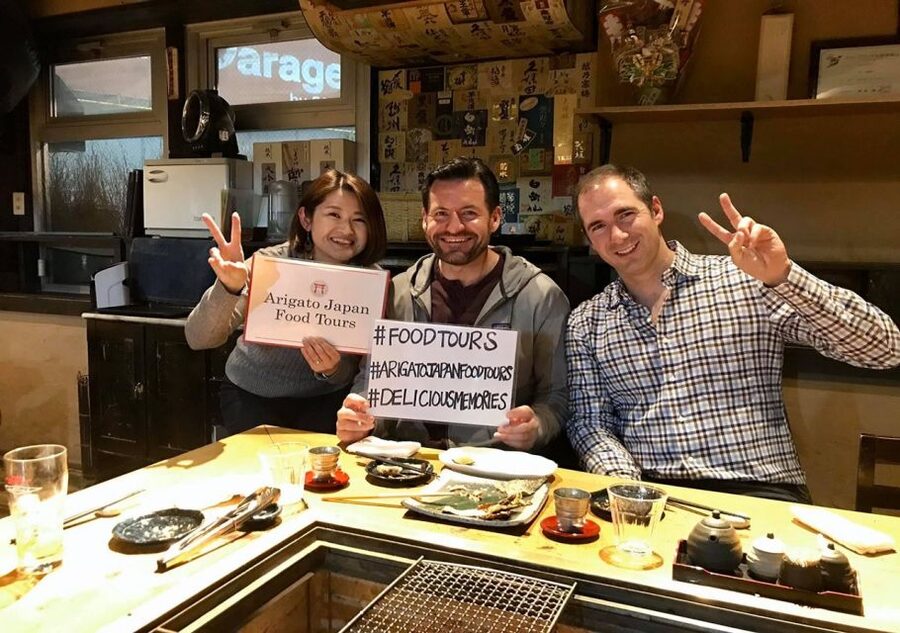
Shinbashi after dark is not Tokyo’s polished postcard scene. It is a working neighborhood of narrow lanes, small eating places, smoky counters, and office workers unwinding over food and drinks. This three-hour food walk takes you into that everyday side of the city, with ramen, Wagyu, sake, and a traditional dessert along the way.
I like the way the tour combines food with local pub culture, rather than treating each dish as an isolated sample. I also like the small-group format, which gives you a better chance to ask questions and follow your guide through tight backstreets. The main drawback is the price, $170 per person before extra drinks, food, transportation, and gratuity.
Key points at a glance
- Shinbashi after work: Walk through the retro backstreets where office workers go to eat and relax.
- A full three-hour food route: Expect several stops featuring ramen, Wagyu, sake, and dessert.
- Regional sake tasting: Sample different styles of Japanese sake and learn how their flavors change.
- A guide-led introduction: English-speaking guides such as Ray, Francois, Tommy, Yappy, and others explain food customs and ordering.
- Small groups only: The tour accepts no more than 10 people, making conversation easier.
- Adults only: Every participant must be at least 20 years old, and smoking is allowed in many parts of Shinbashi.
Shinbashi’s after-work side of Tokyo
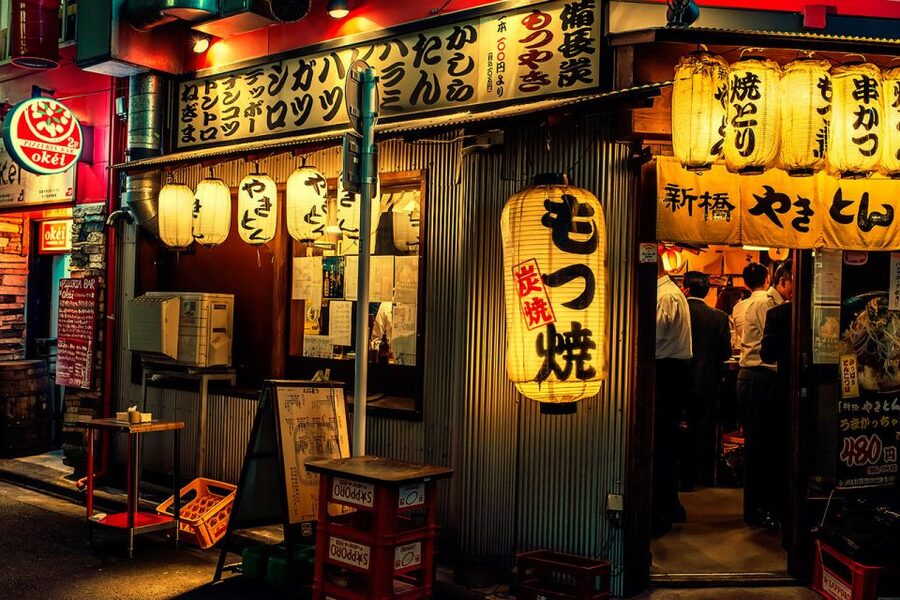
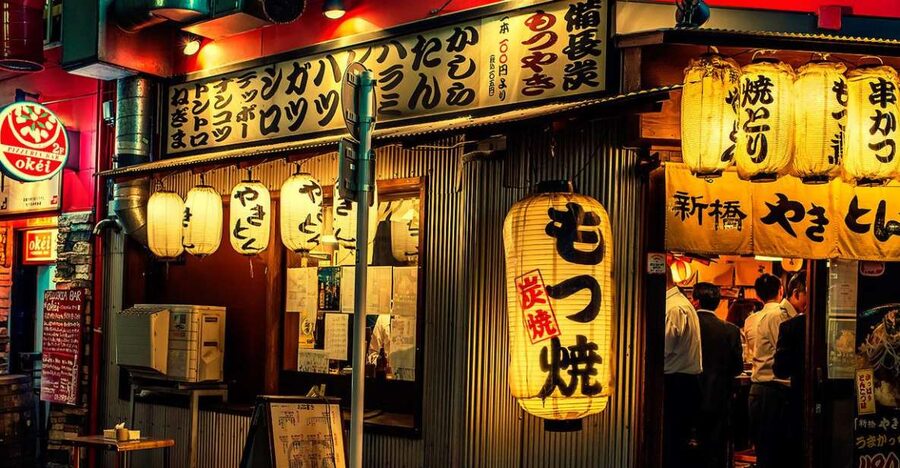
Shinbashi sits close to Tokyo’s major business districts, but its character changes once the office day ends. The area is known for compact bars, small restaurants, and old-fashioned lanes where workers gather for a meal and a drink.
That setting gives this tour its purpose. You are not simply checking off famous dishes. You are seeing how people in Tokyo eat after work, how small restaurants operate, and how food fits into a night out. The route uses backstreets that can be hard to find on your own, especially if you cannot read Japanese menus or do not know which door leads to which kind of restaurant.
Your meeting point is easy to identify: the decommissioned steam engine outside the Hibiya exit of Shinbashi Station. The location is useful, but arrive early. The guide can wait only five minutes after the scheduled start, then the group leaves. Once the tour begins, the guide cannot provide directions by phone because the stops depend on fixed restaurant arrangements.
More Food Tours in Tokyo
- Tokyo: Shinjuku Food Tour (13 Dishes at 4 Local Eateries)
★ 5.0 · 6,603 reviews - Tokyo Tsukiji Fish Market Food and Culture Walking Tour
★ 5.0 · 3,184 reviews - Tokyo: Shinjuku Food Tour (15 Dishes and 4 Eateries)
★ 4.9 · 2,033 reviews
What the three-hour route gives you
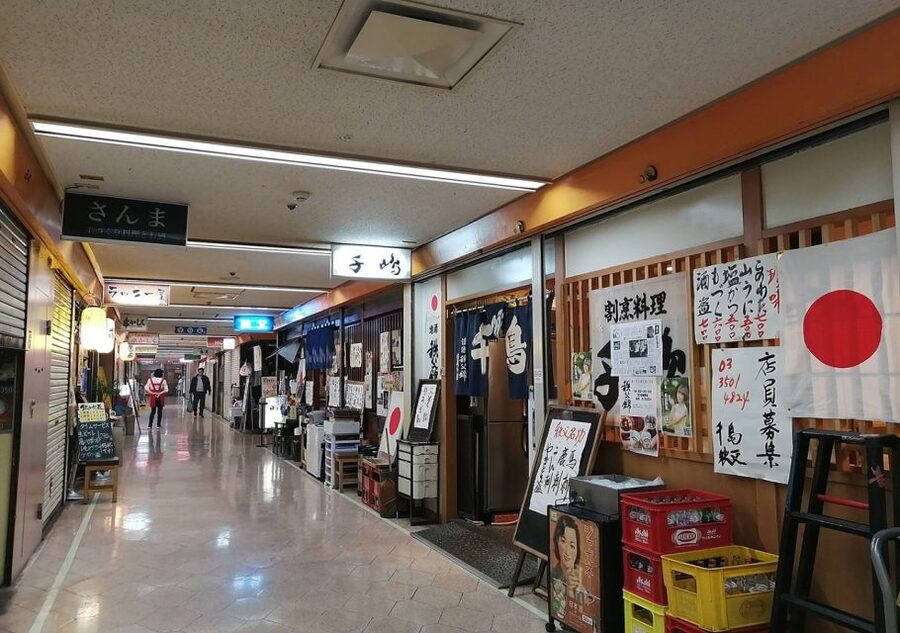
The tour visits several food stops rather than one large meal. That format suits Tokyo, where a good evening often means moving from one small place to another and ordering a few items at each stop.
The exact order can vary, but the food focus includes a steaming bowl of ramen, seared Wagyu, a sake tasting, and a traditional dessert. You should think of the route as a guided progression through savory food, drinks, and sweets, not as a sit-down dinner with a single menu.
I like this approach because you get a wider sense of Japanese dining. Ramen shows the comfort-food side of the night. Wagyu brings a more luxurious bite. Sake introduces a drink with regional styles and subtle differences. Dessert gives the evening a proper finish.
Portions and restaurant details are not specified in advance, so do not book this expecting a fixed tasting menu with every item listed. Additional food and drinks can be purchased at your own expense. If you have a large appetite or want several alcoholic drinks, your final cost will be higher than the advertised price.
Ramen first: Tokyo comfort in a bowl
A steaming bowl of ramen is one of the most useful foods for understanding casual Japanese dining. It is quick, satisfying, and closely tied to the after-work rhythm of neighborhoods like Shinbashi.
Here, the attraction is not only the noodles. Your guide can explain how the broth, toppings, and seasonings work together, and how ramen fits into a night that may include several different stops. The heat of the bowl also makes this a particularly welcome part of the route in cooler weather.
You should arrive ready to eat, but not stuffed. Since the tour includes several stops, it is better to leave room for later dishes. The meal is also more social than a standard restaurant visit. You may be eating near local office workers, with the guide helping you understand customs that are easy to miss when you are on your own.
Wagyu with a smoky edge
The Wagyu stop changes the pace. Instead of a large serving, expect the appeal to come from a carefully cooked piece of richly marbled beef, seared until the surface has a light smoky char.
This is one of the tour’s more luxurious moments, and it helps explain why Japanese dining can move so easily between inexpensive comfort food and premium ingredients. The description emphasizes buttery, tender beef, but the value of the stop also comes from learning how it is prepared and why the texture matters.
Do not assume Wagyu means a large steak. On a multi-stop food tour, the serving is best understood as one part of a wider meal. That is a strength if you want variety, but a weakness if you are looking for a full Wagyu dinner.
A few more food tours around Tokyo worth comparing
- Tokyo Night Foodie Tour in Shinjuku – Seasonal Sushi, Wagyu Beef
★ 5.0 · 1,161 reviews - Tokyo After 5: Authentic Japanese Food & Drink Night Tour
★ 4.5 · 560 reviews - Winner 2025 Florence Sunset Food & Wine Tour by Eating Europe
★ 5.0 · 5,015 reviews - Saigon By Night and Street Food By Motorbike | Opt: Ao Dai Riders
★ 5.0 · 4,066 reviews
A regional sake tasting with useful guidance
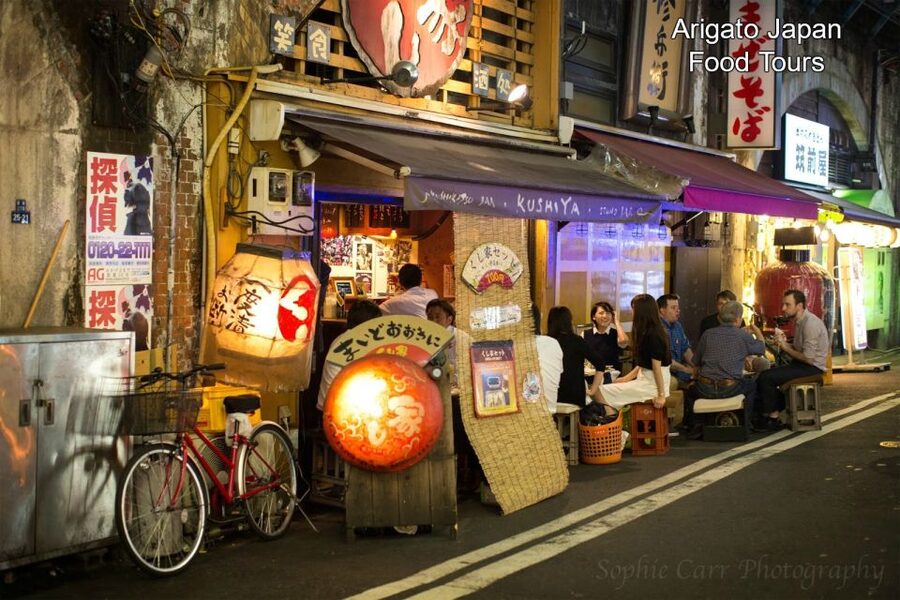
Sake is often harder to approach than food. Bottles can have unfamiliar names, labels may be difficult to read, and the difference between styles is not always obvious after one sip.
The tasting gives you a structured introduction. You can compare regional sake and notice how aroma, sweetness, smoothness, and complexity change from one sample to another. The goal is not simply to drink. It is to learn what you like and perhaps gain enough confidence to order sake later in your trip.
This part is for adults only. Everyone on the tour must be at least 20, the legal drinking age in Japan. You should also remember that additional drinks are not included in the $170 price.
The setting matters here. Sake makes more sense when it is presented as part of Japanese pub culture, alongside food and conversation. Several guides have also helped participants learn small dining customs, including how to thank staff when leaving. These practical lessons can be more useful than a long lecture about sake production.
Dessert and the final taste of the evening
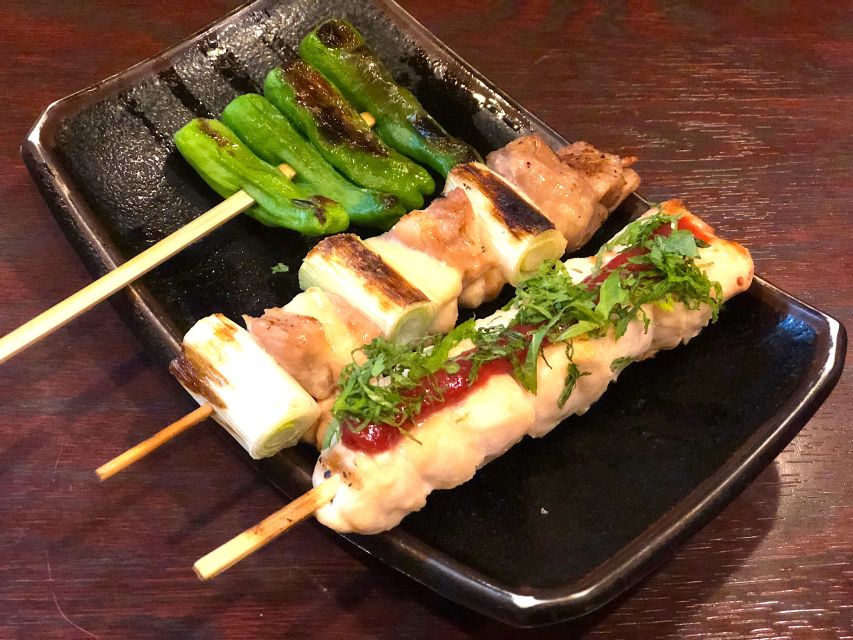
The route ends with a traditional dessert. The information does not specify the exact sweet, so you should expect a Japanese dessert experience rather than a guaranteed named item.
That final stop is a good choice. After ramen, beef, and sake, something sweet gives the night a clear finish. It also rounds out the tour by showing that Japanese food culture is not limited to noodles, sushi, or grilled meat.
Food tours often save dessert for the end because it gives you a simple way to remember the route as a complete meal. If you have dietary restrictions, ask the provider before booking, since the available information does not list substitutions or allergy arrangements.
The guides are a major part of the experience
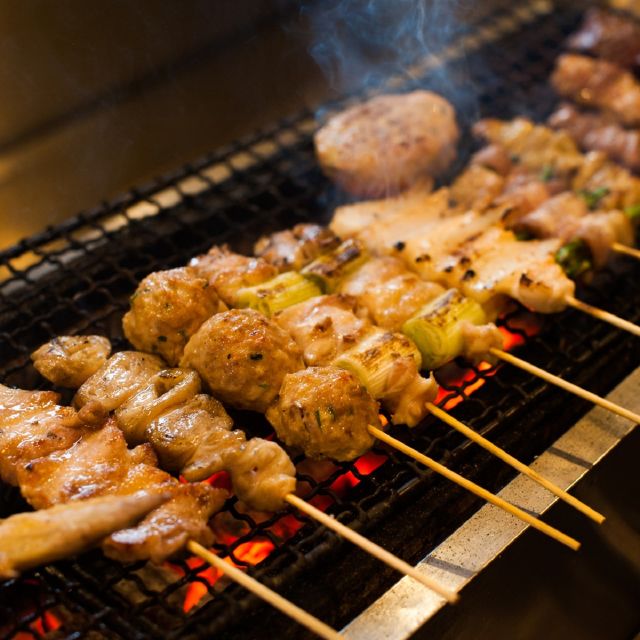
The company uses English-speaking guides, and the guide can shape the evening as much as the food does. Named guides in past tours include Ray, Francois, Tommy, Yappy, Marc, Yoko, Ryan, and Anne.
Ray has been especially good at explaining food and bar culture, along with small visual aids for dining manners. Francois has also added personal touches, including a birthday surprise and karaoke after the official tour for one group. Tommy has provided useful suggestions for the rest of a Tokyo stay, while Yappy has combined food knowledge with a lively manner and local karaoke options.
These details point to an important benefit: the guide is not merely leading you from door to door. You can ask about ordering, neighborhood customs, other places to eat, and how to handle the rest of your time in Tokyo. The specific guide will vary, so do not book based on one person alone. Instead, expect an English-speaking host with a personal approach to food and local life.
The tour has also worked well for different kinds of groups. A guide has adjusted ordering for a family member, helped celebrate a birthday, and even joined participants for karaoke afterward when they arranged it separately. Karaoke is not part of the advertised tour, so treat those moments as guide-dependent extras rather than promised features.
Why the small group size matters in Shinbashi
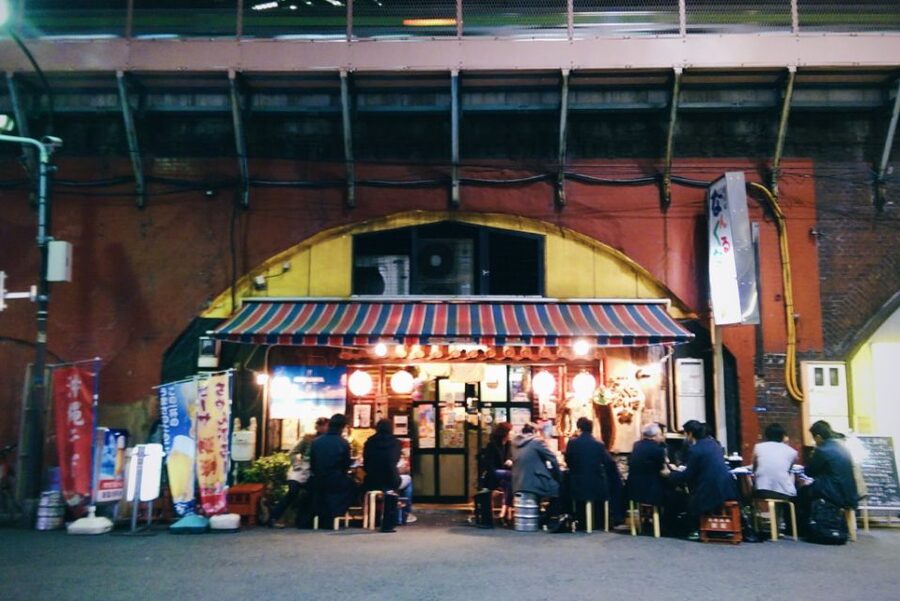
The group is limited to 10 people. That is a practical limit for Shinbashi, where restaurants may be compact and alleys can be narrow.
A smaller group also makes it easier to hear explanations, ask questions, and stay connected while walking. You are less likely to feel like you are following a flag through the neighborhood. The tradeoff is that small-group tours can feel more social, so this may not suit you if you want a completely private evening.
The route is a walking experience, and comfortable shoes are recommended. You will be moving between stops for three hours, even if the pace feels manageable. Shinbashi also permits smoking in most areas, which is worth knowing if you are sensitive to smoke. The atmosphere is part of the neighborhood, but it may affect your enjoyment.
Is $170 a fair price?
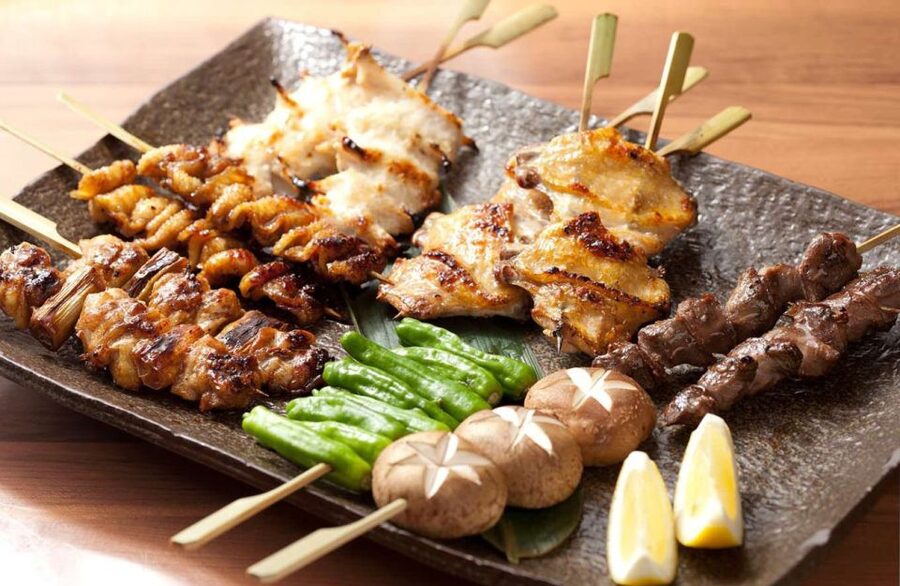
At $170 per person, this is not a budget dinner. The cost includes the food stops, sake tasting, and English-speaking guide, but not transportation, gratuity, hotel pickup, or extra food and drinks.
The value depends on what you want from a night in Tokyo. If you only want to eat ramen and drink sake as cheaply as possible, you can spend less on your own. You are paying the premium for access, interpretation, and confidence: someone else handles the restaurant choices, explains what you are eating, and leads you through streets that may be difficult to navigate.
I see the price as more reasonable for first-time visitors, solo travelers who want company, and food-focused visitors who prefer a planned route. It is less compelling for repeat Tokyo visitors who already know Shinbashi or for people who want a long, leisurely meal in one restaurant.
Keep a little extra money available. Transportation is not included, and you can buy more food or drinks if you wish. Gratuity is also separate.
Timing, meeting point, and cancellation
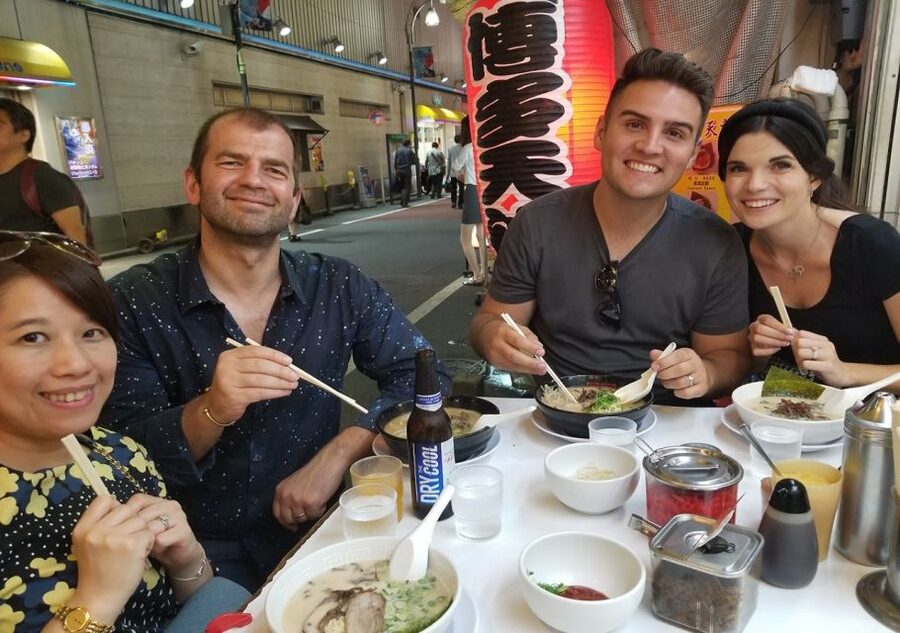
The tour lasts three hours, with starting times shown according to availability. The meeting point is in front of the retired steam engine at the Hibiya exit of Shinbashi Station.
Plan your route to the station before the start time. The five-minute waiting limit is strict, and the guide cannot stop to give phone directions after departure. This is especially important in a large station complex, where the wrong exit can cost you several minutes.
You can cancel up to 24 hours before the tour for a full refund. A reserve-now, pay-later option is also available, which helps if your Tokyo schedule is still shifting.
Who should book this Shinbashi food tour?
I would choose this tour if you want to understand how Tokyo eats after work, not just sample famous dishes. It suits adults who enjoy walking, trying several foods, and asking questions about dining customs.
It is also a good pick if you feel unsure about small Japanese restaurants. Your guide can help you cross the language and etiquette gap, which makes the evening less stressful and more rewarding.
You may want to skip it if you are under 20, dislike smoky areas, need a guaranteed menu for dietary reasons, or want a quiet private dinner. It is also not the best value for someone who plans to buy only a small amount of food and avoid extra drinks.
Final booking advice
Book this Shinbashi tour if you want a guided introduction to ramen, Wagyu, sake, dessert, and the city’s after-work pub scene in one evening. The strongest part is the combination of food and neighborhood context. You get more than dishes, but you also avoid the uncertainty of choosing every stop yourself.
Before paying, check the start time, arrange your route to the steam engine meeting point, wear comfortable shoes, and remember that the $170 price does not cover extra purchases or gratuity. If those terms suit you, this is a smart first-night choice for adults who want Tokyo to feel a little less mysterious and a lot more local.
FAQ
How long does the Tokyo Shinbashi food tour last?
The tour lasts three hours.
Where is the meeting point?
Meet in front of the decommissioned steam engine at the Hibiya exit of Shinbashi Station.
What food and drinks are included?
The tour includes local dishes at several food stops, a regional sake tasting, and a traditional dessert. The food route features ramen and Wagyu.
Is hotel pickup included?
No. Hotel pickup is not included, but it can be arranged for an additional charge.
Are transportation costs included?
No. Transportation costs are separate.
Can I buy extra food or drinks?
Yes. Additional food and drinks may be purchased at your own expense.
What language is the tour offered in?
The tour is conducted in English by a live English-speaking guide.
What is the minimum age?
Only adults aged 20 and over can join the tour.
More 3-Hour Experiences in Tokyo
- Eat Like a Local: Venice 3-Hour Small-Group Food Tasting Tour
★ 5.0 · 3,137 reviews - Porto: 3-Hour Food Tour
★ 4.9 · 807 reviews - Shanghai: 3-Hour Local Food Tasting Tour
★ 4.9 · 806 reviews - Classic 3-Hour Food Tour in Colorado Springs
★ 5.0 · 408 reviews
Just added around Tokyo
- Tokyo: West-Side Cycling and Food Tour with Guide★ 5.0 · 37 reviews
- Tokyo: Togoshi Ginza Street Food Tour★ 5.0 · 34 reviews
- Tokyo: Wagyu and Sushi Gastronomic Journey★ 4.3 · 24 reviews
- Tokyo: Allstar Food Tour★ 4.7 · 29 reviews
- Tokyo: The Best of Izakaya in Shinjuku Food & Cultural Tour★ 4.9 · 221 reviews
- Tokyo Tsukiji Food & Culture Private Tour Licensed Guide★ 4.9 · 28 reviews
- Tokyo: Locals´ Secret Food Tour // Eat like a Japanese★ 5.0 · 35 reviews
- Tokyo: Shibuya Food Tour (13 dishes and 4 Eateries)★ 5.0 · 178 reviews
Food Tours in Tokyo, compared.
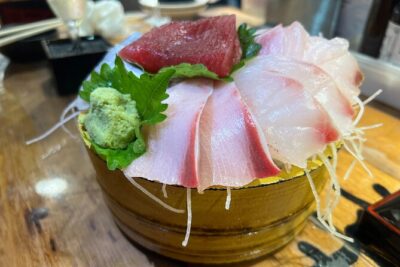
Shinjuku Food Tour (13 Dishes at 4 Local Eateries)
Read our review →
Tokyo Tsukiji Fish Market Food and Culture Walking Tour
Read our review →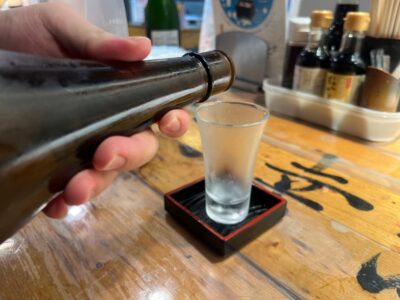
Shinjuku Food Tour (15 Dishes and 4 Eateries)
Read our review →
Best of Shinjuku: Izakaya Food Tour (4 Stops, 14+ Tastings)
Read our review →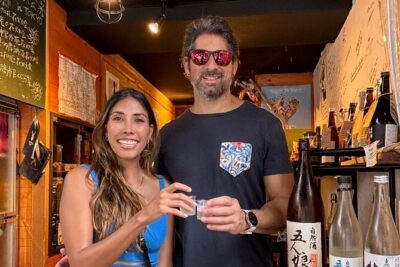
Tokyo Night Foodie Tour in Shinjuku – Seasonal Sushi, Wagyu Beef
Read our review →
Eat and Drink Like a Local: Tokyo Ueno Food Tour-Taverns&Ramen
Read our review →Browse the lists this tour appears in