
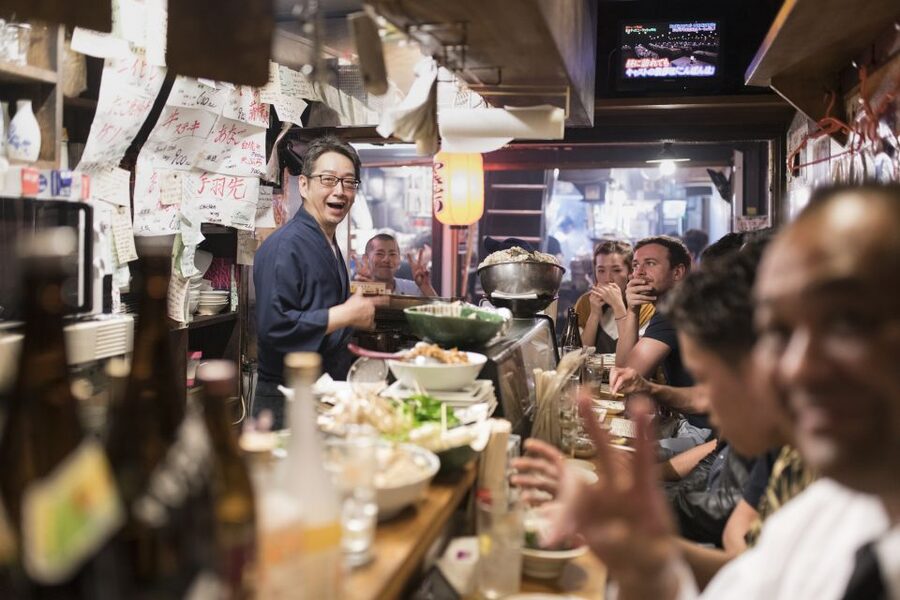
REVIEW · TOKYO
Tokyo: Private Personalized Local Food Tour
Tokyo’s best food moments often happen away from the famous department-store basements. This private walk leads you into backstreet izakayas, yatai-style stalls, and neighborhood eateries where the plan can change with your appetite. I like the personal food questionnaire, and I like that your host can help with customs, menus, and train directions as well as dinner.
The strongest part is the human connection. Guides such as Mari, Steven, Apy, and Ady have helped visitors try unfamiliar dishes, find local places, and get their Tokyo bearings. The tradeoff is that $172 per person is a serious price for three hours, and food beyond the included tastings, along with any transport between stops, costs extra.
Key points
- A flexible route through Nakano and other local districts: Meet at JR Nakano Station or arrange pickup from a central Tokyo hotel, then follow the evening where your appetite leads.
- Eight to ten tastings at two or three eateries: Expect a spread that may include ramen, oden, karaage, grilled skewers, miso eggplant, and Japanese drinks.
- A host matched to your interests: Your questionnaire helps shape the pace, food choices, and general mood of the walk.
- Useful help beyond the plate: Guides have explained Japanese customs, translated menus, suggested later meals, and helped visitors use Tokyo’s railway system.
- Good for first-time Tokyo visitors: The tour can combine food, neighborhood orientation, and a gentle introduction to ordering in Japan.
- Private and accessible: The experience is for your group, is listed as wheelchair accessible, and includes English or Japanese guidance.
A Tokyo food walk that changes with your appetite
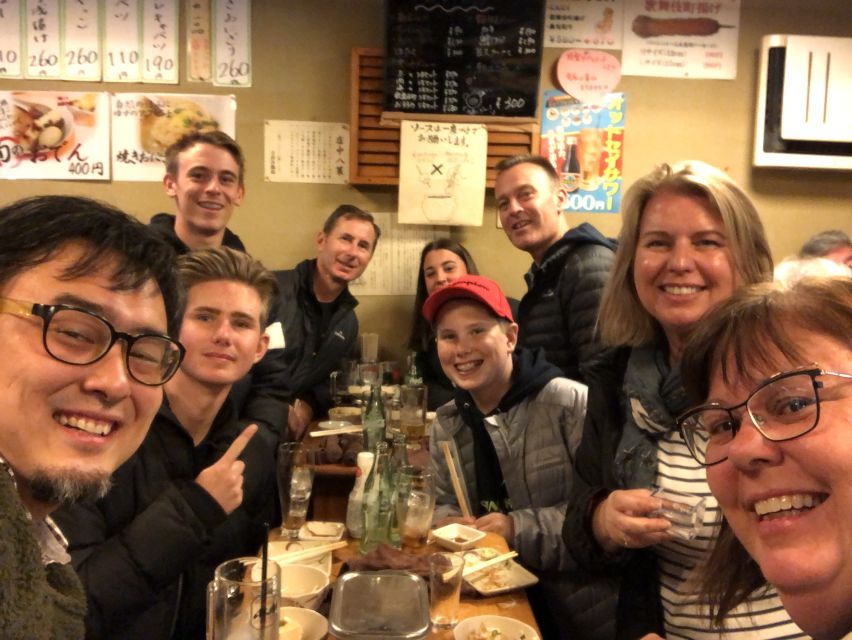
This is not a fixed restaurant crawl where every group eats the same set menu. After booking, you fill out a short questionnaire about your tastes, interests, personality, and preferred mood. That information helps the company pair you with a suitable local host.
You might say you want classic comfort food, less familiar Japanese dishes, vegetarian options, a relaxed family evening, or a first look at local drinking culture. Your host then suggests a route and stays in touch before the tour. That early communication matters in Tokyo, where a little planning can save time and prevent confusion at a small restaurant.
The meeting point is JR Nakano Station, in Nakano City, though hotel pickup can be arranged from central Tokyo hotels. Nakano is a useful setting for this kind of experience. It has a more everyday feel than the city’s biggest sightseeing zones, with arcades, small restaurants, lantern-lit lanes, and neighborhood drinking spots.
The route can begin around the retro Sun Mall, where ramen steam and glowing signs set the tone. It can also start in a quieter lane with oden and sake. The important point is that the exact order is not locked in. Your host watches the clock, your energy, and your reactions to the food.
More Food Tours in Tokyo
- Tokyo: Shinjuku Food Tour (13 Dishes at 4 Local Eateries)
★ 5.0 · 6,603 reviews - Tokyo Tsukiji Fish Market Food and Culture Walking Tour
★ 5.0 · 3,184 reviews - Tokyo: Shinjuku Food Tour (15 Dishes and 4 Eateries)
★ 4.9 · 2,033 reviews
First stops: ramen, oden, or a local introduction
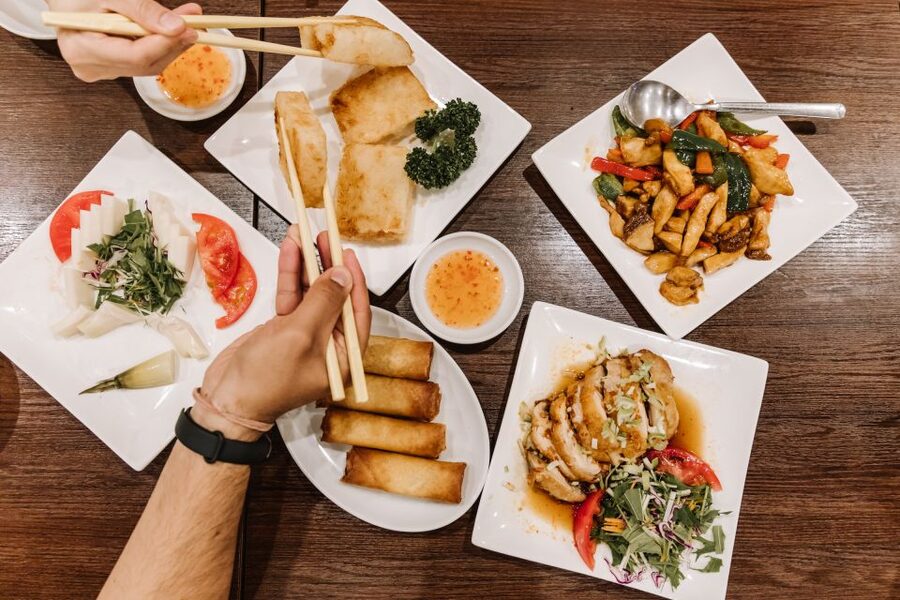
A good host will usually use the first stop to help you settle into Tokyo’s food customs. That might mean a bowl of ramen, a few oden items, or a drink paired with a small dish. The opening course is less about eating a large meal and more about setting the rhythm for the next two hours.
One visitor began with a local ramen shop at opening time. There was already a short line, but the wait was worthwhile. That is a useful clue about how this tour works: your host may take you somewhere popular with local diners, not simply somewhere with an empty table for convenience.
Oden is another possible introduction. Simmered ingredients in a light broth are especially welcome on a cool evening, and the dish gives your host a natural way to explain how Japanese menus are shared and ordered. Sake can appear here, though drink choices depend on the route and your preferences.
I like this opening because it gives you a chance to ask basic questions without feeling rushed. How do you order? Is this eaten with chopsticks or a spoon? What is the difference between one kind of sake and another? Your host can answer while you eat, rather than delivering a formal lecture.
Moving through Sun Mall and Nakano’s side streets
The walking between stops is part of the experience, not dead time. Sun Mall and the lanes around Nakano offer a change of pace from Tokyo’s giant avenues and major department stores. You see where small restaurants fit into daily life, how signs compete for attention, and how a short side street can hold several places worth trying.
The tour is private, so you can ask to slow down, take photographs, or make a spontaneous stop. A host may point out a shrine, a bonsai display, a local landmark, or a useful restaurant for another night. One family even combined food with bonsai and cherry blossoms during its outing.
Do not expect a formal sightseeing tour with a set list of monuments. The value is the local orientation. You may learn which station exit is useful, how the neighborhood is laid out, and where to return when you want another meal without a guide.
Some routes have taken place in Shibuya, Ueno, Ameyoko, or near Tsukiji, depending on the group’s interests and the host’s plan. Those examples show the range of the service, but you should confirm the proposed neighborhood before you go if the location matters to you.
Eight to ten dishes across two or three eateries
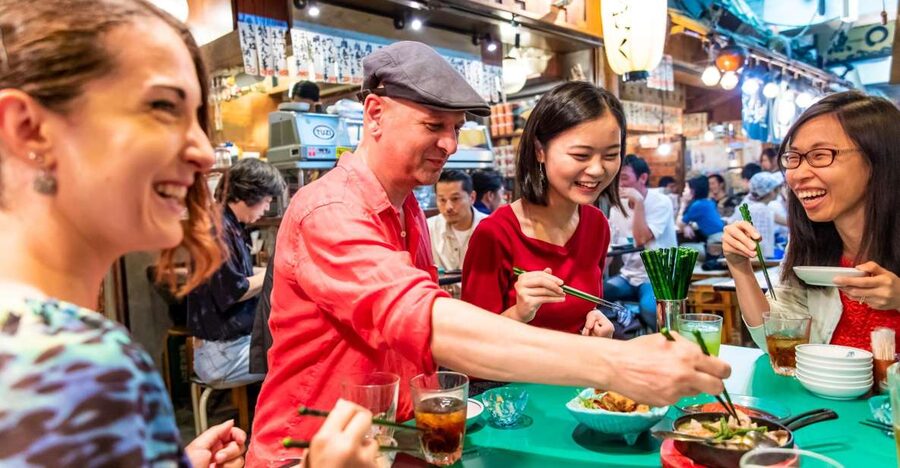
The included food is spread across two or three establishments, with roughly eight to ten local dishes and drink tastings. This is enough variety to give you a broad sample, but it is not an all-you-can-eat feast.
Possible dishes include crispy karaage, grilled skewers, miso eggplant, ramen, oden, and other small plates. You may also try plum wine or sake. The point is to sample several styles rather than fill up on one large entrée.
That format suits me better than a single restaurant meal when I am new to a city. You can compare textures and flavors, ask why a dish is served in a certain way, and decide what you would order again. It also lowers the risk of committing to a full plate of something unfamiliar.
Still, eight to ten tastings can be interpreted in different ways. Some may be small shared portions, and the precise dishes are not guaranteed. If you have a large appetite, budget for an extra snack or meal afterward. Additional food and drinks are not included.
The same applies to alcohol. The listed tastings include traditional drinks, but further orders are at your own cost. If one stop is particularly enjoyable, you may want to linger, but doing so could reduce the time available for the rest of the route.
More private food tours in Tokyo:
- Tokyo Tsukiji Food & Culture Private Tour Licensed Guide
★ 4.9 · 28 reviews - Private Street Food Tour by Motorbike/Car with Local Students
★ 5.0 · 3,950 reviews - Private Street Food Evening Walking Tour in Ho Chi Minh City
★ 5.0 · 3,175 reviews - Private Street Food Motorbike Tour in Ho Chi Minh City
★ 5.0 · 2,180 reviews
The host makes or breaks the evening

The food matters, but the host is the real variable. The strongest experiences described by past participants came from guides who were warm, flexible, and able to explain what was in front of them.
Apy helped one couple get oriented on its first day in Tokyo, including a basic introduction to the rail system. Ady combined good food with easy conversation. Mari took a group to an off-the-beaten-path place and handled a dietary restriction carefully. Steven explained where dishes came from and discussed Japanese customs over the meal.
Other hosts have brought small gifts, suggested restaurants for later in the trip, helped reserve train tickets, and offered vegetarian ramen ideas. These details are valuable because they continue helping you after the three-hour tour ends.
The company assigns a host after reading your questionnaire, so you do not normally pick a specific person. English and Japanese are available. The language ability may vary by host, but the experience is designed to match you with someone who fits your interests and communication style.
I would be clear about your needs in the questionnaire. State dietary restrictions, your comfort level with raw or unfamiliar food, whether you are traveling with children, and how much walking you prefer. One host successfully handled a vegetarian in a mixed group and a young child, but direct information gives your host a better chance to plan well.
What the food stories add to the meal
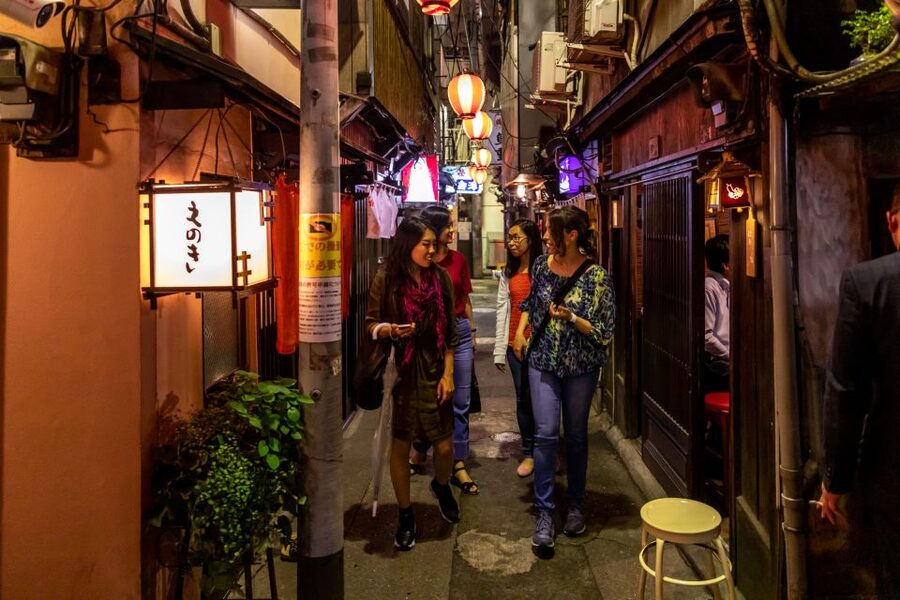
A food tour is more useful when it explains why a dish matters. Several guides have discussed the origin of dishes, regional connections, restaurant customs, and the everyday habits behind Japanese meals.
That context can be simple. Your host might explain how to approach an izakaya, how shared plates work, or what kind of drink pairs with a grilled dish. You may learn why one restaurant is known for skewers while another is a better stop for oden or ramen.
The level of explanation can differ. One outing in Ameyoko included excellent food and sake but less area-specific and cultural detail than expected. The guide was pleasant and helpful in other ways, including assistance with train reservations, but the experience leaned more toward companionship than a formal food lesson.
That is an important distinction. If you want a structured culinary class with detailed instruction at every stop, this may feel loose. If you want a friendly local companion who can answer questions as they arise, the flexible approach should suit you.
Dietary needs, children, and different food comfort levels
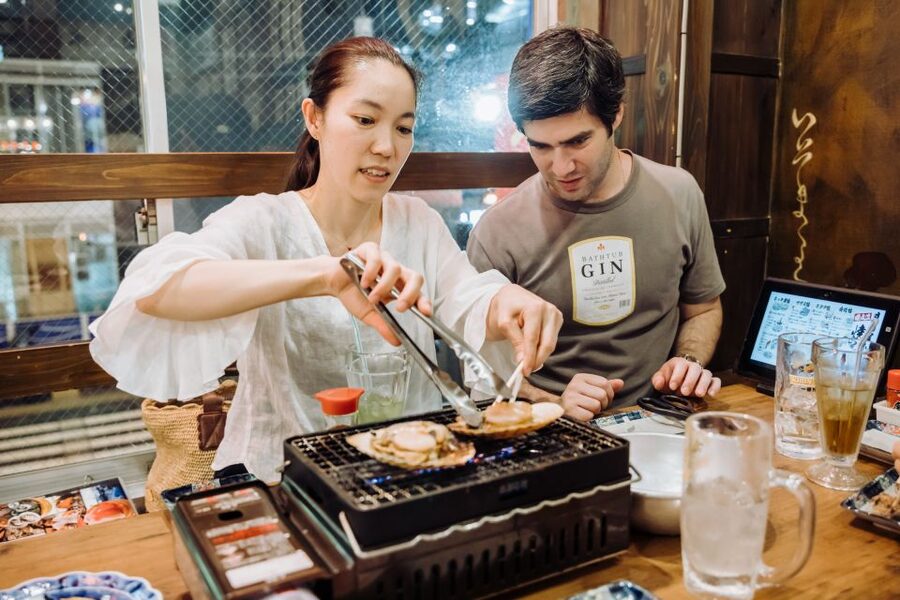
The private format is a strong advantage for mixed groups. A vegetarian, a child, and an adventurous eater do not have to follow the same pace as a large shared group.
Tell your host exactly what you can and cannot eat. The tour can be shaped around your preferences, but the information provided does not promise a dedicated allergy-free menu or a particular cuisine. You should discuss serious allergies directly before the experience.
Children can take part, though the pace and food choices should be discussed in advance. A past family group enjoyed multiple food stops, and another group included a young child alongside a vegetarian. That suggests the format can work for families when the host has clear guidance.
For cautious eaters, the tour can begin with familiar food such as ramen or karaage before moving toward oden, eggplant, skewers, or regional specialties. For adventurous eaters, tell your host you want surprises. The spontaneous stops are most rewarding when you are open to trying something you would not order from a translated menu.
Walking, transport, and the practical details
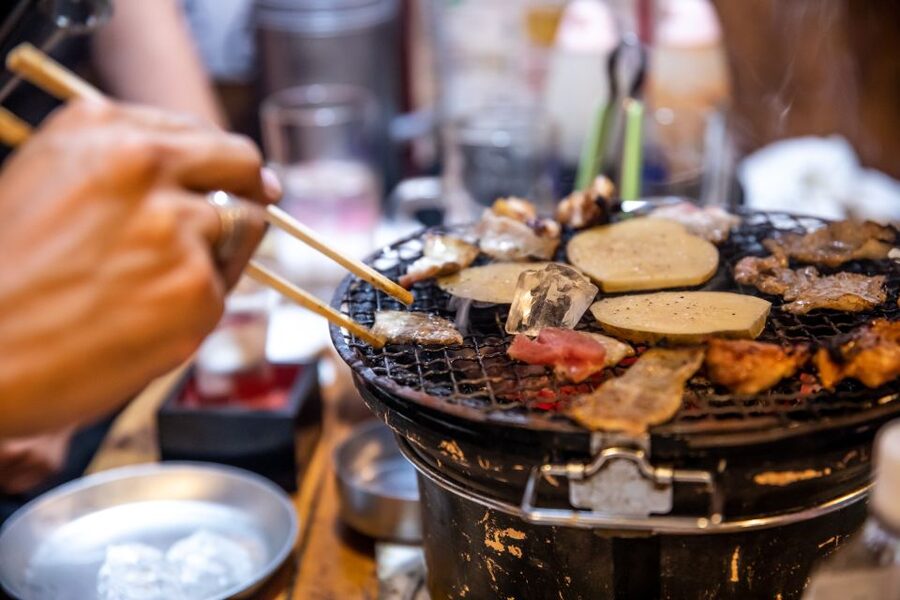
Plan for a walking evening. A private vehicle is not included, and public transport or local taxis may be used between sites. Those costs are separate, so ask your host about the likely route and transport budget after booking.
Hotel pickup is available from central Tokyo hotels, but pickup does not turn the tour into a private car service. You may still walk to stations, move through arcades, and transfer between neighborhoods.
The experience is listed as wheelchair accessible. Because the tour uses streets, eateries, and possibly public transportation, I would still discuss your exact mobility needs before the day. Ask about the proposed route, station transfers, and restaurant access.
Three hours is enough for several tastings and a neighborhood walk, but it passes quickly. I would book it early in your Tokyo stay if you want restaurant advice for later nights. I would also avoid scheduling a major ticketed attraction immediately afterward, since a spontaneous food stop or a slow conversation can affect the pace.
Cancellation is free up to 24 hours before the start time, and you can reserve now and pay later. Starting times depend on availability.
Is $172 per person a good value?
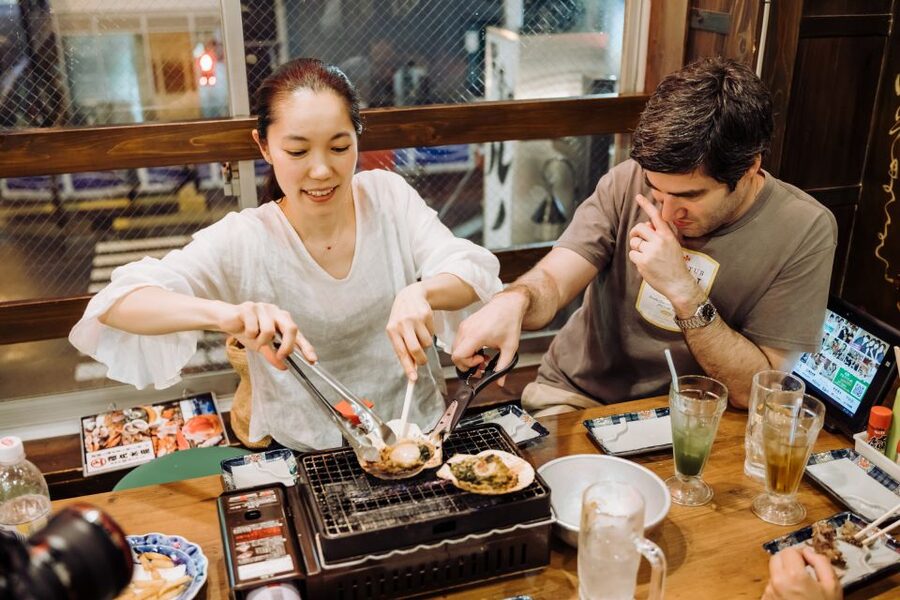
At $172 per person, this is not a budget dinner. You are paying for the food and drinks, but also for a private host, advance planning, language help, neighborhood navigation, and a route shaped around your group.
The value is strongest for first-time visitors who feel uncertain about ordering, Tokyo’s rail system, or choosing small local restaurants. A host can do in three hours what might take you several evenings of trial and error. You may also leave with ideas for the rest of your trip.
The price makes less sense if you are already comfortable eating alone in Tokyo, have a firm list of restaurants, or mainly want a large meal. You could spend less by visiting an izakaya yourself, though you would lose the translation, personal planning, and local context.
For a couple or small private group, the cost buys an easy first-night introduction. For a larger group, check the final per-person pricing and inclusions carefully. Extra drinks, added dishes, attraction tickets, and transport are not covered.
Who should book this Tokyo food tour?
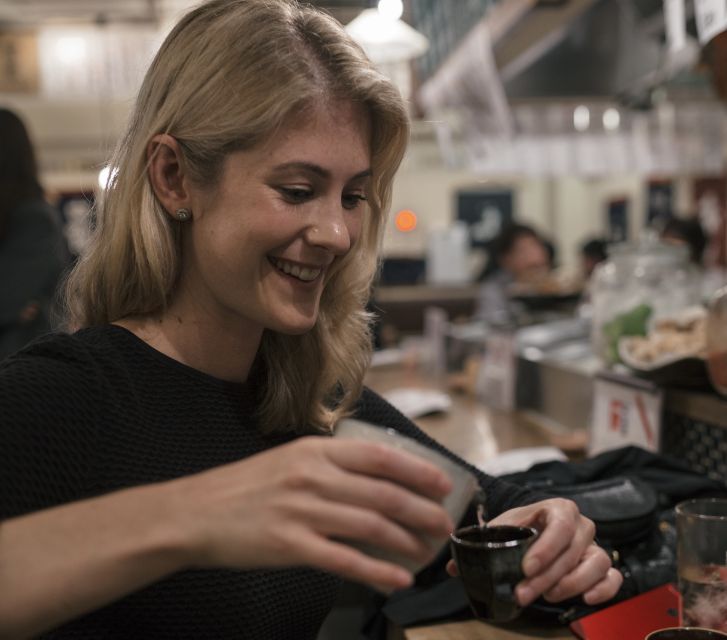
I would recommend it most strongly to first-time Tokyo visitors, curious eaters, couples, families, and small groups who want food to lead the sightseeing. It is also a good fit if you prefer conversation over a formal tour script.
You should book it if you want to discover ordinary neighborhood places, try several dishes in one evening, and have someone explain the small rules of Japanese dining. It is especially useful at the start of a Japan trip, when help with trains, customs, and future meal choices has extra value.
I would think twice if you need a guaranteed menu, a fixed restaurant list, a fully guided history walk, or a low-cost meal. The route is intentionally flexible, and the host’s style affects how much cultural explanation you receive.
Should you book the private Tokyo food walk?
Book it if you want a personal introduction to Tokyo through food rather than a checklist of famous sights. The best parts are the changing route, the two or three eateries, and the chance to meet a host who can continue helping you after the final dish.
Before paying, send clear notes about allergies, vegetarian needs, children, walking comfort, alcohol, and the neighborhood you hope to visit. Ask what is included in the proposed plan and how much extra transport may cost.
At $172, this is a splurge. For the right group, the combination of eight to ten tastings, local guidance, and practical Tokyo help can justify it. For independent eaters on a tight budget, save the money and explore an izakaya on your own.
FAQ
How long is the private Tokyo food tour?
The experience lasts three hours.
How much does the tour cost?
The listed price is $172 per person.
How many dishes are included?
You receive approximately eight to ten local dishes and drink tastings.
How many eateries will we visit?
The experience includes tastings at two to three eateries.
Where does the tour meet?
The standard meeting point is JR Nakano Station, 5 Chome Nakano, Nakano City, Tokyo 164-0001, Japan.
Can the host pick us up at our hotel?
Hotel pickup can be arranged from any central Tokyo hotel.
Is transportation included?
No. This is a walking tour. Public transportation or local taxis may be used between sites, and those costs are extra.
What languages are available?
The tour is available with live guidance in English or Japanese.
Is this a private group experience?
Yes. The experience is arranged for a private group.
Can I cancel for a full refund?
Yes. You can cancel up to 24 hours in advance for a full refund. You can also reserve now and pay later.
Just added around Tokyo
- Tokyo: West-Side Cycling and Food Tour with Guide★ 5.0 · 37 reviews
- Tokyo: Togoshi Ginza Street Food Tour★ 5.0 · 34 reviews
- Tokyo: Wagyu and Sushi Gastronomic Journey★ 4.3 · 24 reviews
- Tokyo: Allstar Food Tour★ 4.7 · 29 reviews
- Tokyo: The Best of Izakaya in Shinjuku Food & Cultural Tour★ 4.9 · 221 reviews
- Tokyo Tsukiji Food & Culture Private Tour Licensed Guide★ 4.9 · 28 reviews
- Tokyo: Locals´ Secret Food Tour // Eat like a Japanese★ 5.0 · 35 reviews
- Tokyo: Shibuya Food Tour (13 dishes and 4 Eateries)★ 5.0 · 178 reviews
Food Tours in Tokyo, compared.
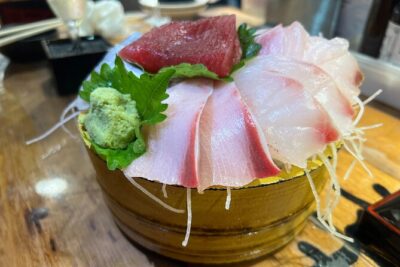
Shinjuku Food Tour (13 Dishes at 4 Local Eateries)
Read our review →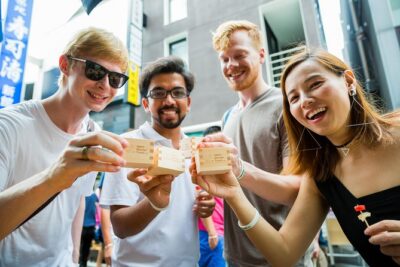
Tokyo Tsukiji Fish Market Food and Culture Walking Tour
Read our review →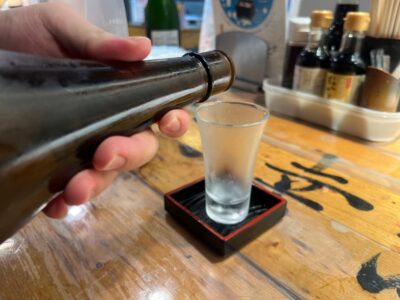
Shinjuku Food Tour (15 Dishes and 4 Eateries)
Read our review →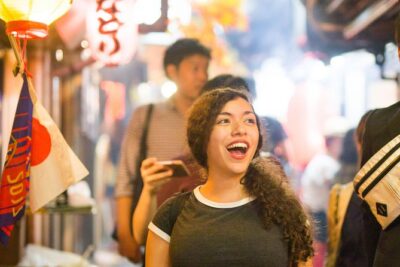
Best of Shinjuku: Izakaya Food Tour (4 Stops, 14+ Tastings)
Read our review →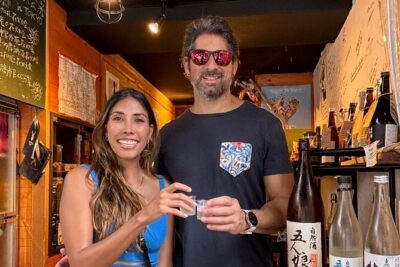
Tokyo Night Foodie Tour in Shinjuku – Seasonal Sushi, Wagyu Beef
Read our review →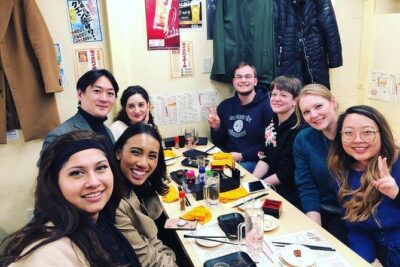
Eat and Drink Like a Local: Tokyo Ueno Food Tour-Taverns&Ramen
Read our review →Browse the lists this tour appears in