
REVIEW · TOKYO
Tokyo: 7 Kinds of Sake Tasting with Japanese Food Pairings
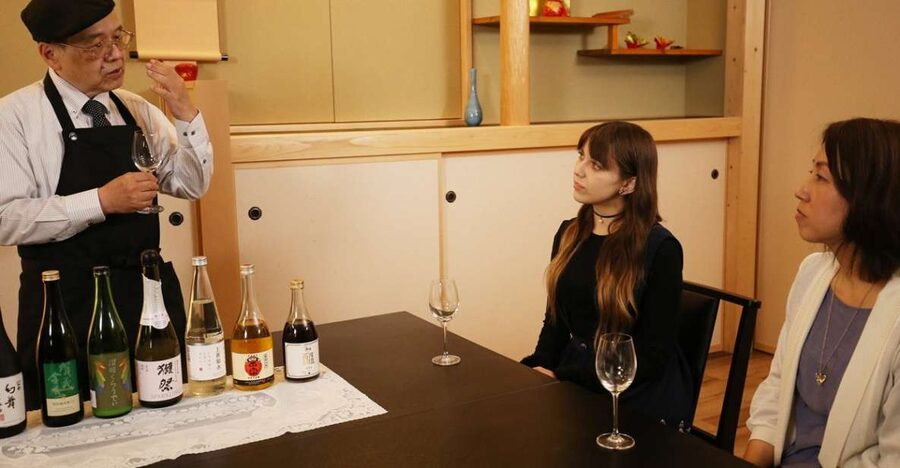
Tokyo’s best sake lesson may be the one that lets you taste first and sort out the jargon as you go. In 75 minutes near Tokyo Tower, you’ll sample seven styles of sake, moving from sparkling and sweet pours to savory examples and a dessert sake to finish.
I like the clear food pairings, which turn each pour into a practical lesson rather than a string of unrelated drinks. I also like the small group, capped at 10 people, since it gives you a real chance to ask about production, serving styles, and what to buy in Japan.
The main drawback is the meeting point. The Kikai Shinko Kaikan building can be hard to spot and the actual session takes place below street level, so allow extra time to find it. At $106 per person, this is good value if you want guided instruction and food, but less so if you only want a quick drink.
Key Points to Know Before Booking
- Seven pours, seven pairings: Each sake comes with a Japanese or Western bite designed to show how food changes its flavor.
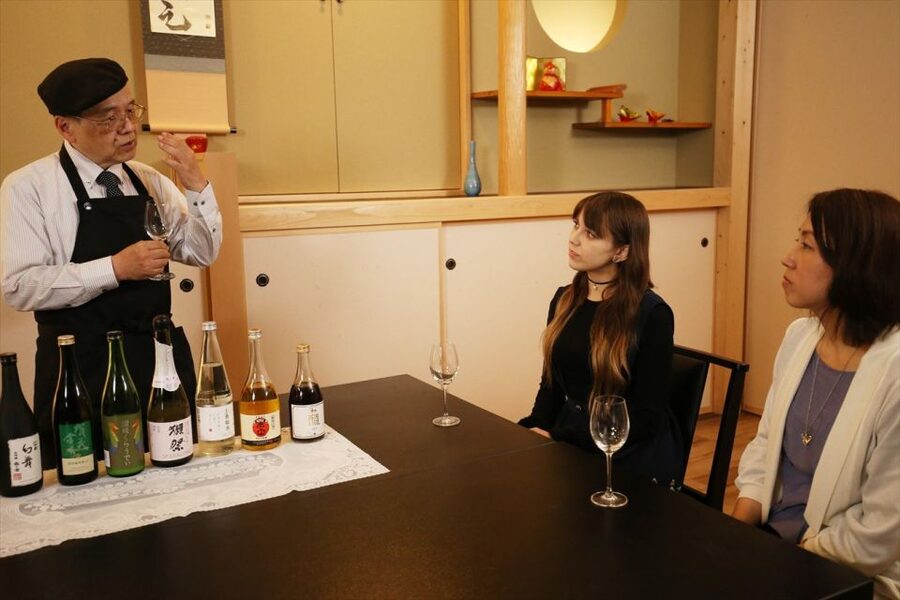
- A compact sake lesson: An accredited instructor covers production, varieties, Japanese customs, and sake’s place in religious and social life.
- A useful range of styles: Expect samples from sparkling and sweet sake to savory varieties and a dessert-style pour.
- Small groups matter: The experience holds no more than 10 people, and some sessions have only two or three participants.
- Near Tokyo Tower: The location is convenient for pairing with a tower visit, but the entrance can be confusing.
- For adults only: Participants must be at least 20 years old.
Seven Sakes, Not One Generic Drink
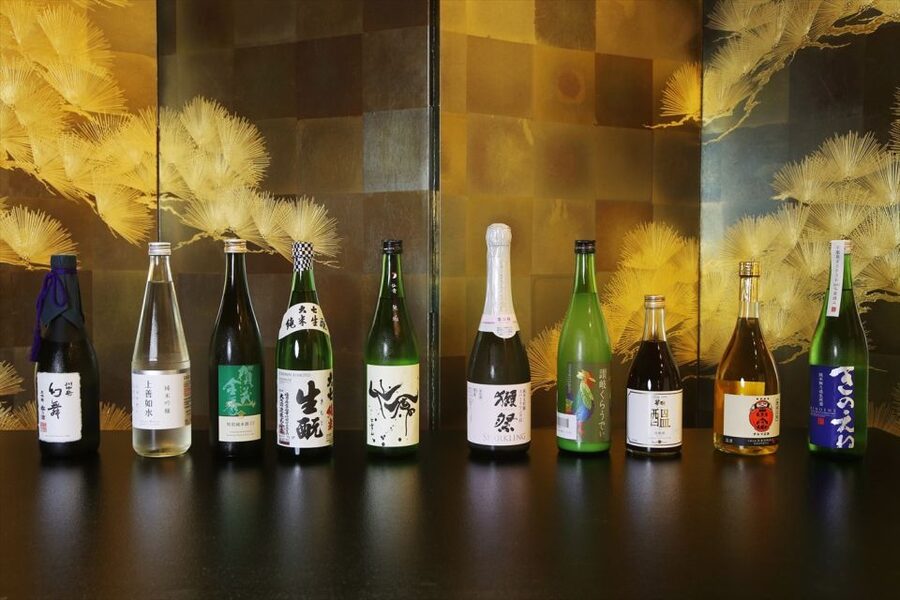
Many first-time sake tastings make one mistake: they treat sake as a single flavor. This session avoids that by giving you seven different samples. You get a useful spread, from lighter and sparkling styles through sweeter and more savory pours, then a dessert sake at the end.
That range matters. If you have only tried warm sake at a restaurant, you may be surprised by how broad the category is. Some sake can feel crisp and delicate, while another may seem fuller, sweeter, or more suited to food than sipping alone.
The session is not presented as a blind drinking exercise. Your instructor explains what you are tasting and why the samples differ. You should leave with a better sense of the styles you prefer, even if you do not remember every technical term.
The final dessert-style sake is a nice touch. It gives the tasting a clear finish and may appeal to people who usually prefer sweet drinks. It also keeps the session from ending on the strongest or driest sample.
More Food Tours in Tokyo
- Tokyo: Shinjuku Food Tour (13 Dishes at 4 Local Eateries)
★ 5.0 · 6,603 reviews - Tokyo Tsukiji Fish Market Food and Culture Walking Tour
★ 5.0 · 3,184 reviews - Tokyo: Shinjuku Food Tour (15 Dishes and 4 Eateries)
★ 4.9 · 2,033 reviews
What the Instructor Explains About Sake
The lesson covers the basic story of sake, how it is produced, and the different types you can find in Japan. You’ll also hear about its role in Japanese religion, ceremony, and everyday tradition. Sake has been part of Japanese culture for more than a thousand years, so the cultural part adds useful context to the glass in front of you.
The instructor is a nationally accredited sake teacher, and the activity is conducted in English. Names associated with particularly praised sessions include Tanaka-san and Taka-san. One participant also described the guide as a training sake sommelier, which suggests that the teaching style can vary slightly by session while remaining focused on production and tasting.
I like this format because you do not need prior knowledge. The class explains enough to help beginners, yet the seven-sake structure gives experienced drinkers room to compare styles. You can ask about serving, regional differences, and the types of sake sold in Japan without having to sit through a long formal lecture.
The cultural discussion is especially useful if you plan to visit shrines, attend a Japanese meal, or buy sake as a gift. You gain a little understanding of why the drink appears in ceremonies and celebrations, rather than seeing it only as another alcoholic beverage.
The Food Pairings Make the Lesson Practical
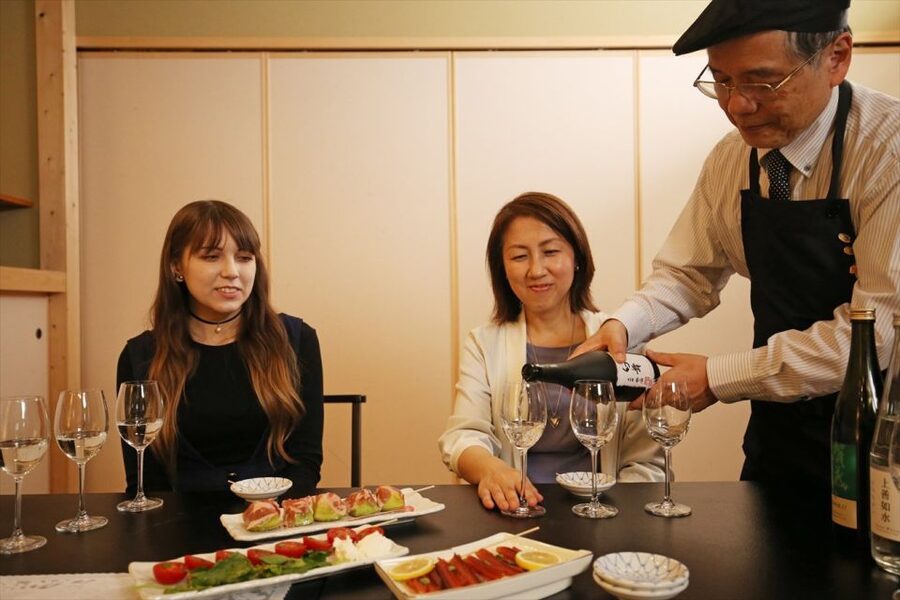
Each pour comes with a food pairing, for seven pairings in total. The menu combines Japanese and Western dishes, with examples described by participants including Japanese cheese, raw vegetables, duck, and small cooked bites served warm.
This is one of the strongest parts of the experience. Food does not simply fill the table. It helps you notice how sweetness, acidity, weight, and savory flavors work with different sake styles. A sake that seems sharp on its own may feel softer with food, while a sweet sample may make more sense beside a salty or rich bite.
Some items are prepared in front of you, so the food element is more than a plate of packaged snacks. Still, this is a tasting meal, not a full dinner. You should arrive ready for several carefully portioned bites rather than expecting a large multi-course restaurant meal.
The Japanese and Western mix also makes the pairings easier to understand. You can see that sake is not limited to sushi or traditional dishes. The point is to help you think about pairing in general, and to give you ideas for ordering beyond the usual combination of sake and raw fish.
A 75-Minute Session With Room for Questions
Seventy-five minutes is a sensible length for this format. Seven samples require enough time to taste, eat, listen, and compare, but the session should still fit comfortably into a day of sightseeing.
The short duration also keeps the alcohol manageable compared with a long afternoon tasting. You are still sampling seven drinks, so take the pace seriously and use the food to slow things down. The activity is for adults aged 20 and older.
The group limit is 10 people. That is small enough to feel personal without requiring the price of a private class. Some sessions have been very small, with just two people or a guide and a single booking party. You cannot count on having a private lesson, but the possibility of a quiet session is a real advantage.
A small group also helps when the instructor explains the differences between samples. You can ask a follow-up question without interrupting a large crowd. If you are curious about the sake you might buy in Japan, this is the time to ask.
A few more food tours around Tokyo worth comparing
- Best of Shinjuku: Izakaya Food Tour (4 Stops, 14+ Tastings)
★ 5.0 · 1,863 reviews - Tokyo: The Best of Izakaya in Shinjuku Food & Cultural Tour
★ 4.9 · 221 reviews - Sake & Food Pairing with Sake Professional
★ 5.0 · 28 reviews - Kyoto Night Foodie Tour in Gion (9+ dishes + 6 Sake tastings)
★ 5.0 · 1,762 reviews
Finding the Kikai Shinko Kaikan Building
The meeting point is the main entrance of the Kikai Shinko Kaikan building on the first floor, directly opposite Tokyo Tower. The location is near a major sight, but the entrance is not as obvious as you might expect.
You may be directed to True Japan Tour in room B109 on the basement level if you cannot find the instructor. The tasting itself is held in a basement demonstration kitchen and lunchroom used for cooking classes, not in a prominent bar or hotel lounge.
That setting has two sides. It can feel more like a working cultural class than a polished cocktail venue, which suits the practical teaching style. But the basement location and building layout can cause trouble if you arrive at the last minute.
I suggest reaching the Tokyo Tower area early, then checking the building entrance carefully. The instructions have been described as confusing, and one participant had to circle the building twice before calling for help. If you do not see your instructor right away, go to the B1 True Japan Tour room rather than wandering the surrounding streets.
The location is easy to combine with sightseeing near Tokyo Tower. Just remember that being close to the tower does not mean the entrance will be self-evident.
Is $106 a Fair Price?
At $106 per person, this is not a bargain drink stop. You are paying for seven samples, seven food pairings, an English-language lesson, and an accredited sake instructor in a small group.
For someone who already knows sake and simply wants to taste a few labels, the price may feel high. A restaurant or department store tasting could cost less, though it would not necessarily provide the same food pairing structure or instruction.
For a first-time visitor, the value is stronger. You get a guided introduction in one sitting, plus enough food to make the tasting feel like a planned cultural activity rather than a series of bar pours. You also avoid ordering at random and wondering why one sample tastes so different from another.
The value rises if you ask questions and use the lesson to guide later meals and purchases. If the instructor helps you identify the type of sake you like, that information can save money during the rest of your trip. The experience is best seen as a compact class with food, not as seven drinks sold separately.
Who Will Enjoy This Sake Tasting
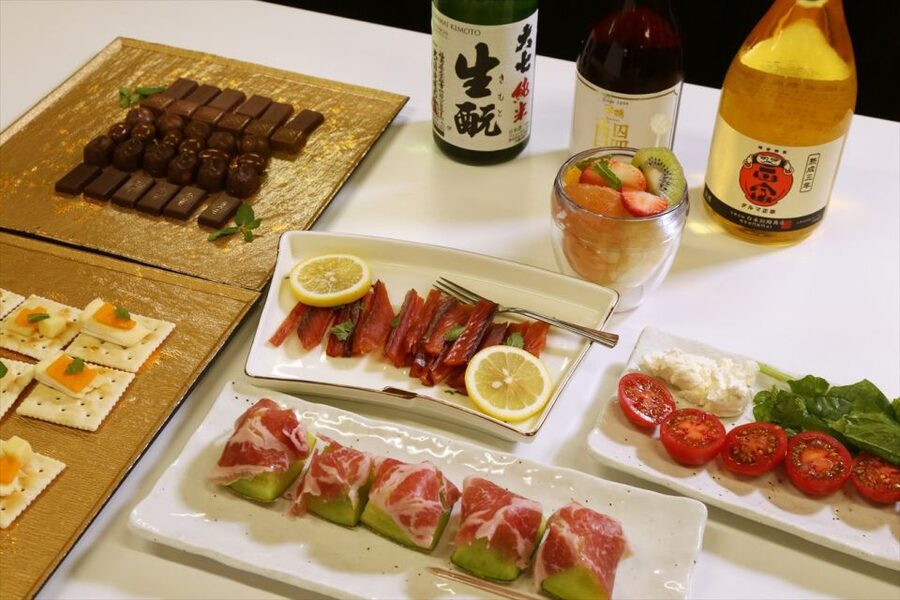
This suits you if you like food and drink but do not know much about sake. The instruction is in English, the group is limited, and the seven-style format gives you a clear way to compare what is in each glass.
It also works well for couples, parents traveling with adult children, and friends who want an indoor cultural activity near Tokyo Tower. One participant attended with a son, and the format appears flexible enough for both serious drinkers and complete beginners.
You do not need to be a sake expert. In fact, newcomers may get the most from the explanations of brewing, serving, and food matching. The session can also help you decide what to order later in Japan, since sake menus often offer more choices than visitors expect.
This is not the best pick for anyone seeking a full meal, a late-night party, or a brewery visit. There is no hotel pickup, and the activity stays in one teaching space. It is a focused tasting class with food, not a city tour.
People who dislike sweet alcoholic drinks may still find the range interesting, but the dessert-style sake will not appeal to everyone. Likewise, anyone who wants a private session should understand that the normal format is a small shared group, even though some dates may be nearly private.
Booking Details That Matter
You can cancel up to 24 hours before the start time for a full refund. The reserve-now, pay-later option is useful if your Tokyo schedule is still changing, especially during a trip with many timed attractions.
The activity is wheelchair accessible. It is offered in English, and the group size is limited to 10 participants.
Since the meeting point is in a building rather than a clearly marked outdoor attraction, save the building name and the B1 room information before leaving your hotel. The Tokyo Tower reference helps, but it should not be your only plan for finding the instructor.
The experience lasts 75 minutes, with starting times depending on availability. Check the time carefully before booking so you can reach the building without rushing from another part of Tokyo.
Should You Book It?
Book this if you want a friendly, structured introduction to sake and care about the food as much as the drink. The seven samples cover a useful range, the pairings give the lesson a practical purpose, and the small group makes it easier to ask questions.
I would especially recommend it early in a Tokyo visit. You can use what you learn at izakayas, restaurants, department stores, and sake shops for the rest of your trip.
Skip it if you want a large dinner, a brewery tour, or the cheapest possible way to sample alcohol. Also skip it if finding a basement meeting room sounds stressful. For everyone else, $106 buys more than seven pours. It buys a compact cultural lesson, a meal of thoughtful bites, and a clearer idea of what kind of sake belongs in your glass.
FAQ
Where does the sake tasting take place?
Meet at the main entrance of the Kikai Shinko Kaikan building on the first floor, directly opposite Tokyo Tower in Tokyo’s Minato City. If you cannot find the instructor, visit True Japan Tour in room B109 on the B1 floor.
How long does the experience last?
The sake tasting lasts 75 minutes.
How many types of sake will I taste?
You will taste seven different sake varieties, including sparkling, sweet, savory, and dessert-style samples.
Is food included?
Yes. Seven food pairings are included, with Japanese and Western dishes served alongside the sake.
Is the activity conducted in English?
Yes. The instructor speaks English, and the session includes explanations of sake production, varieties, and cultural significance.
How many people can join the group?
The group is limited to 10 participants. Some sessions may be much smaller, depending on bookings.
Can people under 20 join?
No. The activity is not suitable for anyone under 20 years old.
More Sake Tasting in Tokyo
- Kyoto: Insider Sake Brewery Tour with Sake and Food Pairing
★ 5.0 · 704 reviews - Kyoto: Foodie Night Tour in Gion with 9 dishes + 6 Sake
★ 4.4 · 26 reviews
Just added around Tokyo
- Tokyo: West-Side Cycling and Food Tour with Guide★ 5.0 · 37 reviews
- Tokyo: Togoshi Ginza Street Food Tour★ 5.0 · 34 reviews
- Tokyo: Wagyu and Sushi Gastronomic Journey★ 4.3 · 24 reviews
- Tokyo: Allstar Food Tour★ 4.7 · 29 reviews
- Tokyo: The Best of Izakaya in Shinjuku Food & Cultural Tour★ 4.9 · 221 reviews
- Tokyo Tsukiji Food & Culture Private Tour Licensed Guide★ 4.9 · 28 reviews
- Tokyo: Locals´ Secret Food Tour // Eat like a Japanese★ 5.0 · 35 reviews
- Tokyo: Shibuya Food Tour (13 dishes and 4 Eateries)★ 5.0 · 178 reviews
Food Tours in Tokyo, compared.
Shinjuku Food Tour (13 Dishes at 4 Local Eateries)
Read our review →
Tokyo Tsukiji Fish Market Food and Culture Walking Tour
Read our review →
Shinjuku Food Tour (15 Dishes and 4 Eateries)
Read our review →
Best of Shinjuku: Izakaya Food Tour (4 Stops, 14+ Tastings)
Read our review →
Tokyo Night Foodie Tour in Shinjuku – Seasonal Sushi, Wagyu Beef
Read our review →
Eat and Drink Like a Local: Tokyo Ueno Food Tour-Taverns&Ramen
Read our review →Browse the lists this tour appears in