
REVIEW · TOKYO
Shinjuku: Food Tour – 15 Dishes at 4 local eateries
Shinjuku is easiest to understand with a plate in front of you. This three-hour evening tour links four local eateries with walks through Omoide Yokocho, Kabukicho, and Golden Gai, serving up to 15 Japanese dishes and three drinks along the way. You get the food, the neighborhood, and someone to explain what you are eating.
I especially like the generous variety and the way the meal is spread across several stops. Sushi, crispy kushikatsu, juicy gyoza, tonkatsu, takoyaki, sake, and other Japanese favorites give you a broad first taste without asking you to commit to one restaurant. I also like the guides’ practical help with menus, etiquette, and ordering. Guides such as Sota, Ayaka, Shun, Yuto, and Sakura have been praised for making the evening friendly and easy to follow.
The main consideration is pace and setting. This is casual neighborhood dining, not a polished restaurant crawl, and Shinjuku can be crowded and confusing at night. The meeting point near the East Exit Police Box may take patience to find, and the food selection can change with the season and restaurant availability.
Key points at a glance
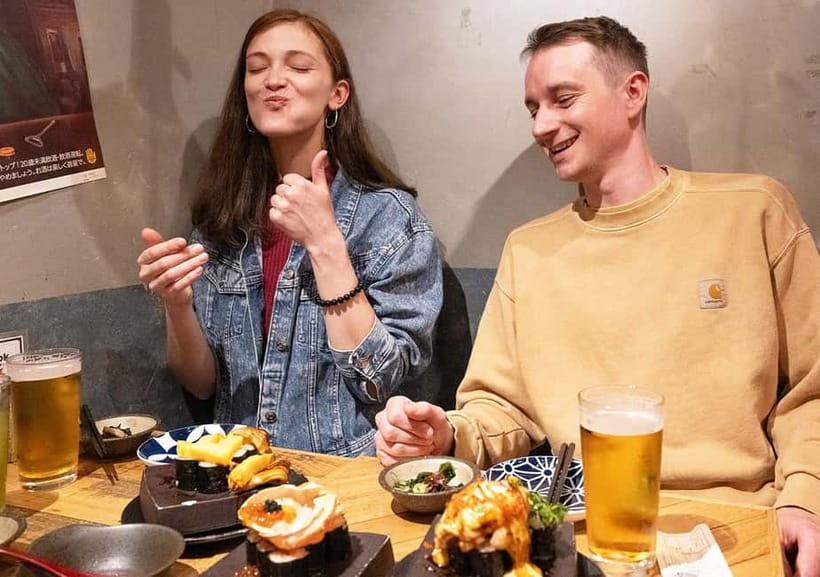
- Four different eateries: Move from food stalls and izakayas to specialty restaurants and a bar rather than eating one long meal in one place.
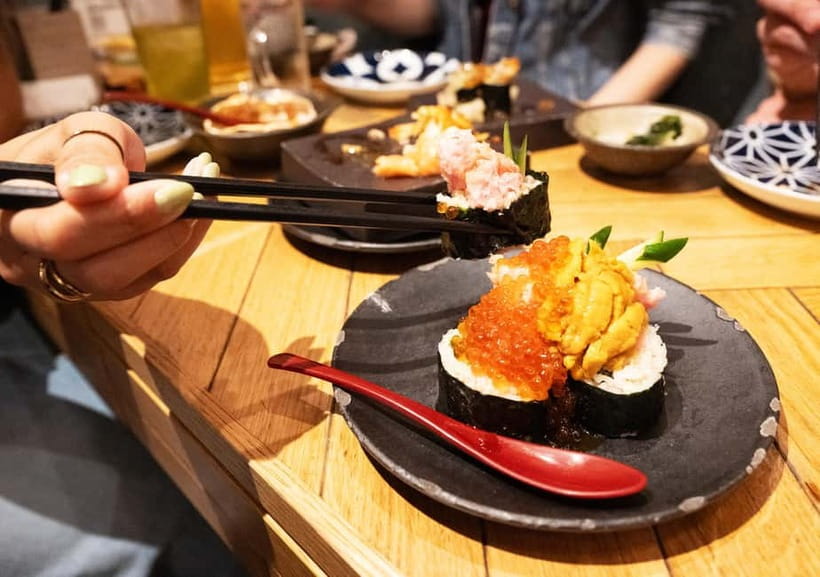
- Up to 15 dishes: Expect a full meal with sushi, gyoza, tonkatsu, takoyaki, kushikatsu, and other Japanese staples.
- Three drinks included: The package information lists alcohol and non-alcoholic drinks, with examples including sake, lemon sour, highball, and plum wine.
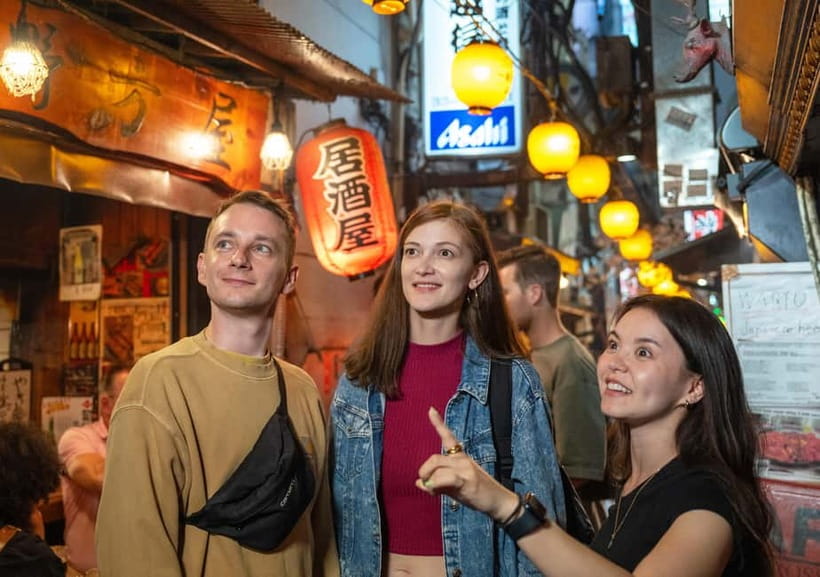
- Three famous Shinjuku areas: Walk through Omoide Yokocho, Kabukicho, and Golden Gai while your guide explains the streets around you.
- Useful local help: Guides can explain food customs, Japanese etiquette, menu choices, and drink recommendations.
- Good first-night choice: The route gives you a social introduction to Shinjuku without requiring you to find small local places on your own.
Why this Shinjuku food tour works
Many Tokyo food tours focus on one famous dish. This one takes a wider view. Over three hours, you get a string of small meals and drinks that show how people eat out in Shinjuku, from quick snacks to sit-down izakaya food.
I like this format for a first or second night in Tokyo. You can try dishes you may not recognize, ask questions as they arrive, and decide what deserves a second order later in your trip. A guide also removes some of the usual friction: reading menus, choosing unfamiliar dishes, understanding drinking customs, and finding smaller places tucked among Shinjuku’s busy streets.
The emphasis is not fine dining. You should expect straightforward food prepared by local restaurants, with atmosphere and variety doing as much work as presentation. That is part of the appeal. You are not paying for a formal tasting menu. You are paying for a meal, a walking tour, local interpretation, and access to places you might not choose by yourself.
The social side matters, too. The tour is designed to be enjoyed with other people, and several guides have been praised for making small groups feel relaxed. If you are traveling alone, this can be an easy way to share a Japanese evening without arranging dinner companions in advance.
More Food Tours in Tokyo
- Tokyo: Shinjuku Food Tour (13 Dishes at 4 Local Eateries)
★ 5.0 · 6,603 reviews - Tokyo Tsukiji Fish Market Food and Culture Walking Tour
★ 5.0 · 3,184 reviews - Tokyo: Shinjuku Food Tour (15 Dishes and 4 Eateries)
★ 4.9 · 2,033 reviews
Starting at Shinjuku Station’s East Exit
The tour begins at the Shinjuku Station East Exit Police Box, at 3-38-1 Shinjuku, Shinjuku-ku. Look for a guide holding a sign marked Local Guide Stars.
Give yourself extra time to reach this point. Shinjuku Station is enormous, and even a simple meeting point can feel less simple once you are among the signs, crowds, and multiple station exits. One person specifically found the meeting point tricky, though the issue was resolved once the group met. I would use the supplied map before leaving your hotel and arrive early rather than trying to navigate the station at the last minute.
The guide may contact you through WhatsApp, so download the app before the tour. This is a small but important detail. If the guide needs to clarify the meeting place or contact you on the day, you do not want to be installing the app outside the station.
The tour is available in English or Japanese. The assigned guide varies, but past hosts have included Sota, Akira, Ayaka, Shun, Yuto, Sakura, Noa, Hannah, and others. Their personalities differ, yet the repeated strengths are clear: friendly conversation, good English from the English-speaking guides, help with food choices, and explanations of local customs.
Omoide Yokocho and the first taste of Shinjuku
The first major area is Omoide Yokocho, a narrow dining lane close to the station. The tour allows about an hour here, including food and guided walking.
Omoide Yokocho is a good place to begin because it quickly shifts you away from the scale of the station. The lanes are compact, restaurant signs crowd the view, and the dining rooms tend to feel informal and close together. Your guide can help you understand what is being served and how to approach the setting without overthinking it.
This is where the tour’s small-dish format makes sense. Instead of filling up on one large plate, you can sample several foods. Depending on the day, you might encounter sushi, dumplings, fried items, or other familiar Japanese bar food. The exact menu is not fixed, so do not book this expecting a precise list of 15 named dishes.
The food is meant to be shared. That is useful because it gives you permission to try something new without ordering a full serving for yourself. If you have never tried takoyaki, kushikatsu, or a Japanese drink before, you can start with a taste and ask the guide what to notice.
The drawback is that narrow lanes and small eateries are not ideal for anyone who wants a quiet, spacious dinner. You may be standing or sitting close to other people, and the atmosphere is part of the experience. Guests under 20 may join, but they cannot drink alcohol.
Kabukicho, food, and the city after dark
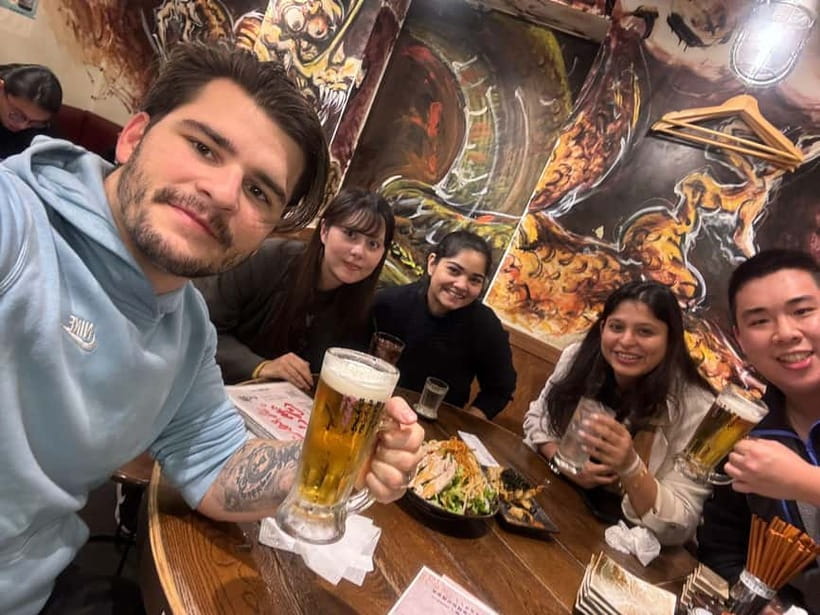
The route continues into Kabukicho, the best-known nightlife district in Shinjuku. The tour spends roughly another hour here, combining food with a guided walk.
Kabukicho gives the evening a different mood from Omoide Yokocho. It is larger, louder, and packed with signs, restaurants, bars, arcades, and entertainment venues. A guide adds context as you walk, helping you see more than a collection of bright storefronts.
The food stop here may include some of the tour’s most familiar comfort dishes. Gyoza, tonkatsu, crispy fried foods, and takoyaki are the sort of dishes that work well in a casual evening meal. You may also get recommendations on how to dip, season, or eat a dish, details that can make a simple snack more interesting.
Several guides have been praised for explaining the cultural side of the meal rather than simply naming each dish. Ayaka, for example, has been singled out for answering questions about Tokyo and Japanese culture, while Yuki has been praised for explaining why certain customs are followed. That kind of explanation is useful when you are not sure whether a sauce is for dipping, pouring, or sharing.
Kabukicho can be crowded, especially on a Saturday night. Keep close to the group and wear shoes suited to walking. This is not a long-distance hike, but the evening includes three hours of moving between restaurants and exploring streets. The walking breaks also help, since 15 dishes and several drinks can add up quickly.
A few more food tours around Tokyo worth comparing
- Best of Shinjuku: Izakaya Food Tour (4 Stops, 14+ Tastings)
★ 5.0 · 1,863 reviews - Tokyo: Tsukiji Fish Market Food and Walking tour
★ 5.0 · 1,724 reviews - Tokyo Night Foodie Tour in Shinjuku – Seasonal Sushi, Wagyu Beef
★ 5.0 · 1,161 reviews - Eat and Drink Like a Local: Tokyo Ueno Food Tour-Taverns&Ramen
★ 5.0 · 957 reviews
Golden Gai and the final drinks
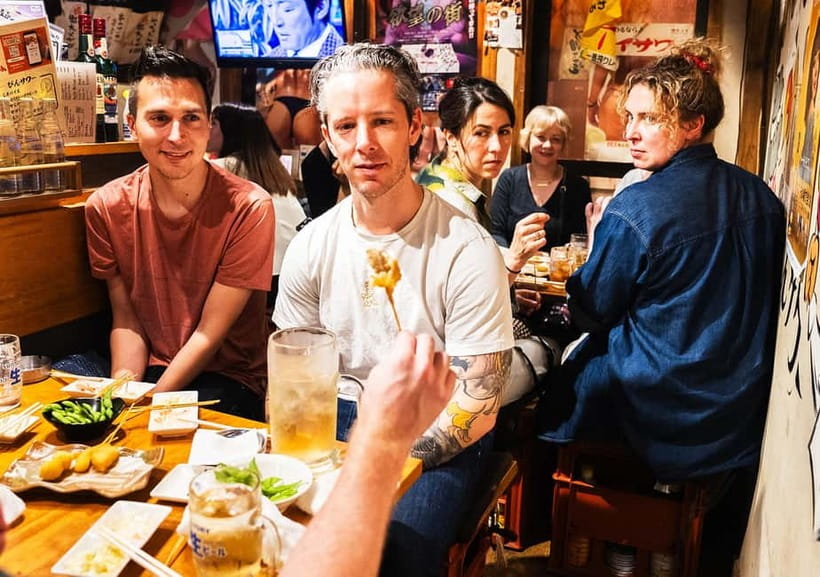
The last major area is Golden Gai, where the tour spends about an hour before returning to the East Exit Police Box.
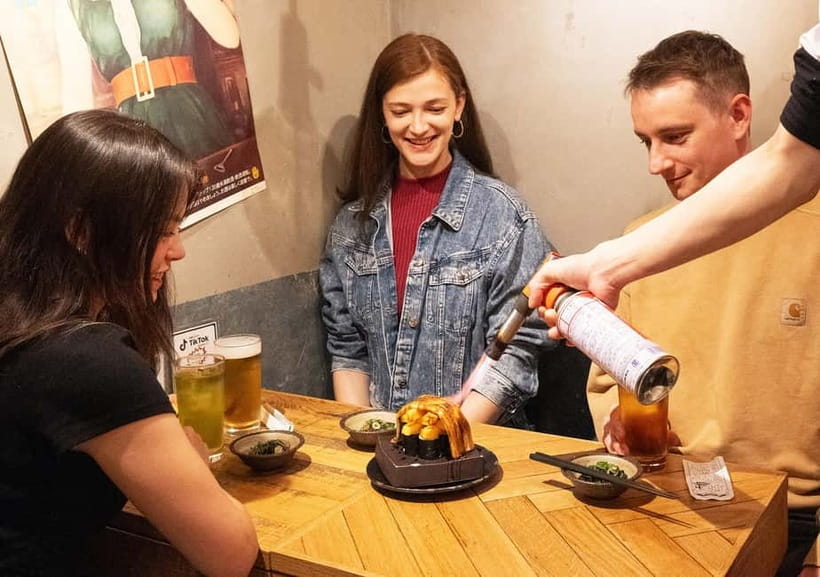
Golden Gai is known for its tiny bars and narrow lanes. It offers a more intimate contrast with the wide streets of Kabukicho, and it is a fitting place to finish a food-and-drink evening. The exact bar or restaurant can vary, but the route may include a sake stop where you taste several types of Japanese sake.
One past evening included three different sakes, and another included drinks such as a lemon sour, highball, and plum wine. The package information lists three drinks, including alcoholic and non-alcoholic choices. The shorter summary for the activity mentions two drinks, so I would confirm the current drink allowance when booking. Either way, extra food and drinks are not included.
This final stop is less about eating a large plate and more about understanding Japanese drinking culture. A guide can suggest a drink based on your taste and explain the differences between options. If you do not drink alcohol, say so clearly. The tour welcomes younger participants, but anyone under 20 must choose non-alcoholic drinks.
Golden Gai can be cramped. Some small bars may have limited room, and you should not expect a private table or a quiet lounge. If you enjoy atmospheric places and a bit of friendly bustle, it can be a memorable finish. If you dislike tight spaces or prefer a calm meal, this part may feel less comfortable.
What you are likely to eat
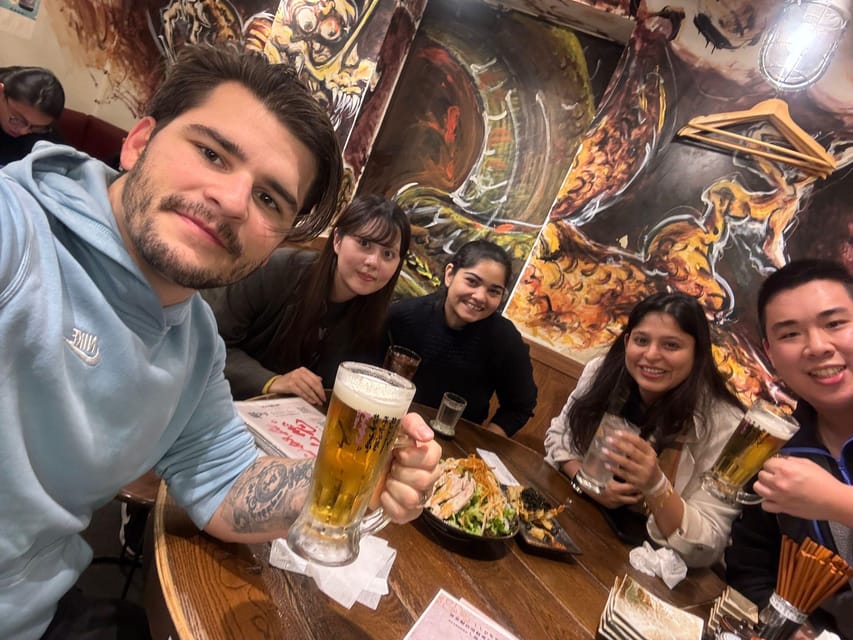
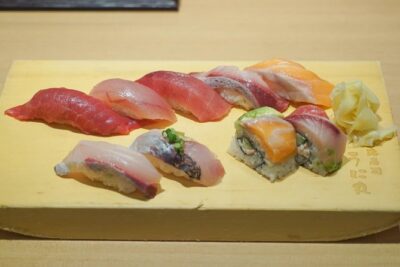
The tour advertises up to 15 dishes, enough for a full meal. The examples include:
- Fresh sushi
- Crispy kushikatsu
- Juicy gyoza
- Tonkatsu
- Takoyaki
- Other izakaya and Japanese specialty dishes
- Matcha ice cream on some departures
The menu changes with the season and restaurant availability. That flexibility is sensible in Tokyo, where a restaurant may change its offerings or a particular dish may not be available every night. It does mean you should treat the food list as a guide, not a promise.
I like the balance between recognizable foods and dishes you might not order alone. Sushi and gyoza are easy entry points, while kushikatsu, takoyaki, regional snacks, or unfamiliar bar dishes add some discovery. Your guide can help if you have dietary preferences or are unsure about a menu item, but the supplied information does not promise a specific dietary menu. Contact the operator before booking if allergies or strict restrictions are important.
Portions appear designed for tasting but are substantial enough to make a full dinner. One evening included generous portions, and another group finished the tour feeling very full. Still, eat lightly beforehand. A snack may be wise if you have special dietary needs, but arriving after a large meal would defeat much of the point.
The guides are a major part of the value
The food matters, but the guide determines how much you get from the night. A good host can turn a sequence of dishes into a useful introduction to Japan.
Sota has been praised for explaining each dish and offering recommendations, with his experience living in the United Kingdom helping him bridge cultural differences. Shun has been described as funny, engaging, and easy to relate to, while also offering suggestions for what to see and eat after the tour. Ayaka has repeatedly been praised for her energy, area knowledge, and willingness to help with questions after the scheduled route.
Those details matter because the tour is not only about eating. You can ask why a dish is served a certain way, how sake is chosen, where to find a bakery later in your trip, or which part of Shinjuku deserves another visit. One guide even followed up with a list of bakery recommendations after the tour.
The guide assignment is not fixed, so you cannot book a specific host. That is a consideration if you are choosing mainly for one person. The repeated pattern, though, is a warm and conversational style, with guides such as Noa, Hannah, Miiko, Yuto, Rinna, and Sakura praised for making groups feel included.
Is $72 a fair price?
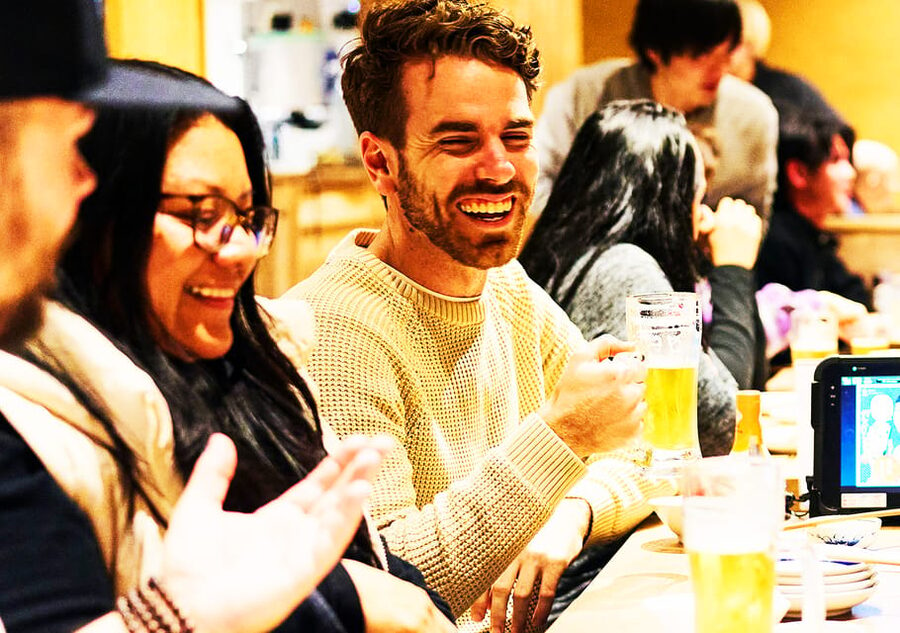
At $72 per person, this is not the cheapest way to eat in Shinjuku. You could order individual dishes more cheaply if you already know where to go and feel comfortable reading menus, choosing restaurants, and navigating the nightlife streets alone.
The price looks more reasonable when you count the full package: up to 15 dishes, three drinks according to the included details, four eateries, three hours of guiding, and neighborhood walks through some of Tokyo’s most famous evening districts. You are also paying for the chance to try several places without wasting money on dishes you dislike.
For a first visit, I see the strongest value in the guidance. A restaurant meal is easy to buy. The harder part is knowing which small places to enter, what to order, how much food to request, and how to move between Omoide Yokocho, Kabukicho, and Golden Gai without losing time.
The value is weaker if you are already an experienced Tokyo diner, have a strict list of restaurants, or want premium sushi and formal service. This tour is about range, access, and company, not luxury.
Who should book this evening?
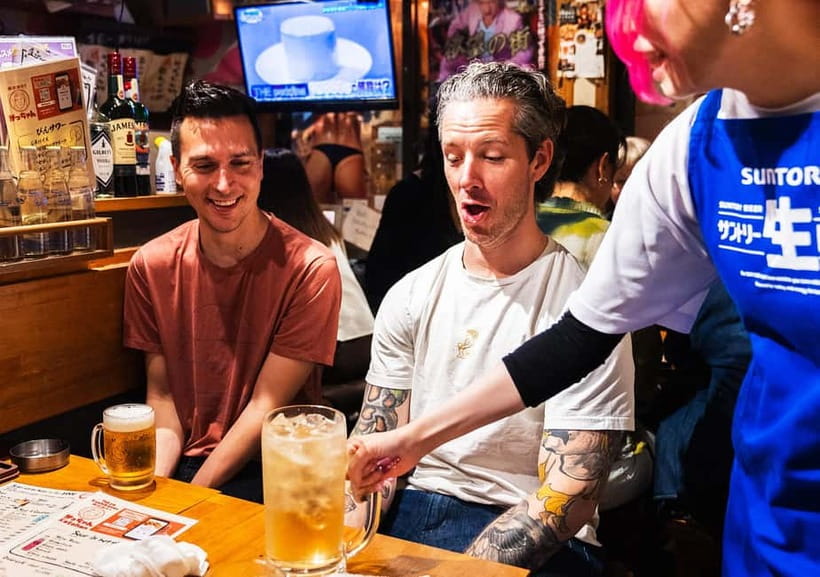
I would recommend it to first-time Tokyo visitors, solo diners, couples, and families with older children or teenagers who want a guided introduction to Japanese food. It is also useful for anyone who wants to see Shinjuku at night but would rather not plan the route alone.
Food-focused travelers will enjoy the number of dishes, while culture-focused travelers will appreciate the explanations of etiquette and neighborhood life. The tour also suits people who like to ask questions as they go. Several guides have been praised for adjusting the evening to the group and suggesting further places to eat after the tour.
I would be more cautious if you need a fixed menu, a quiet restaurant, spacious seating, or a fully private experience. The route can change, the streets can be crowded, and the restaurants are chosen for local character rather than polished comfort.
Cancellation is free up to 24 hours before the tour, and you can reserve now and pay later. The activity lasts three hours and returns to the starting point near the East Exit Police Box.
My verdict on the Shinjuku food tour
Book this if you want a social, varied introduction to Shinjuku after dark. The strongest reasons are the 15-dish format, the four different eateries, and the guides’ help with food, drinks, etiquette, and local streets.
Skip it if you are looking for high-end dining or need every dish planned in advance. For most first-time visitors, though, $72 buys more than dinner. It buys a well-organized way to get oriented, taste widely, and leave with a short list of places worth returning to.
FAQ
Where does the Shinjuku food tour begin?
It begins at the Shinjuku Station East Exit Police Box, located at 3-38-1 Shinjuku, Shinjuku-ku, Tokyo. Look for the guide holding a Local Guide Stars sign.
How long does the tour last?
The tour lasts three hours and returns to the Shinjuku Station East Exit Police Box.
How many dishes are included?
Up to 15 Japanese dishes are included, and the amount is intended to be enough for a full meal.
How many drinks are included?
The included details list three drinks, with alcoholic and non-alcoholic options. A separate summary mentions two drinks, so confirm the current allowance when booking.
Which neighborhoods does the route visit?
The route includes Omoide Yokocho, Kabukicho, and Golden Gai, with guided walking in each area.
What kinds of food might I try?
Possible dishes include sushi, kushikatsu, gyoza, tonkatsu, takoyaki, and other Japanese specialties. The menu may change with the season and restaurant availability.
Is alcohol included?
Alcoholic drinks may be included among the three drinks, along with non-alcoholic choices. Participants under 20 may join but cannot consume alcohol.
What languages are available?
Live guiding is available in English and Japanese.
Can I cancel the booking?
You can cancel up to 24 hours in advance for a full refund. Reserve now and pay later is also available.
Just added around Tokyo
- Tokyo: West-Side Cycling and Food Tour with Guide★ 5.0 · 37 reviews
- Tokyo: Togoshi Ginza Street Food Tour★ 5.0 · 34 reviews
- Tokyo: Wagyu and Sushi Gastronomic Journey★ 4.3 · 24 reviews
- Tokyo: Allstar Food Tour★ 4.7 · 29 reviews
- Tokyo: The Best of Izakaya in Shinjuku Food & Cultural Tour★ 4.9 · 221 reviews
- Tokyo Tsukiji Food & Culture Private Tour Licensed Guide★ 4.9 · 28 reviews
- Tokyo: Locals´ Secret Food Tour // Eat like a Japanese★ 5.0 · 35 reviews
- Tokyo: Shibuya Food Tour (13 dishes and 4 Eateries)★ 5.0 · 178 reviews
Food Tours in Tokyo, compared.
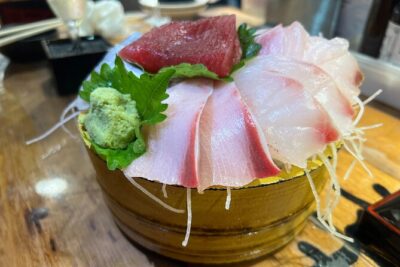
Shinjuku Food Tour (13 Dishes at 4 Local Eateries)
Read our review →
Tokyo Tsukiji Fish Market Food and Culture Walking Tour
Read our review →
Shinjuku Food Tour (15 Dishes and 4 Eateries)
Read our review →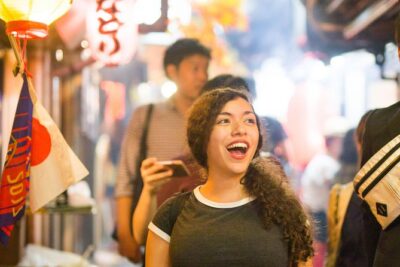
Best of Shinjuku: Izakaya Food Tour (4 Stops, 14+ Tastings)
Read our review →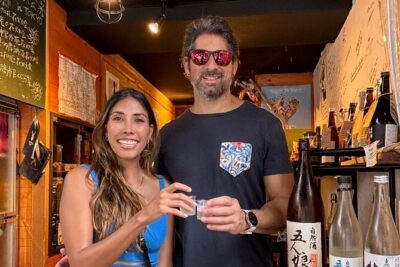
Tokyo Night Foodie Tour in Shinjuku – Seasonal Sushi, Wagyu Beef
Read our review →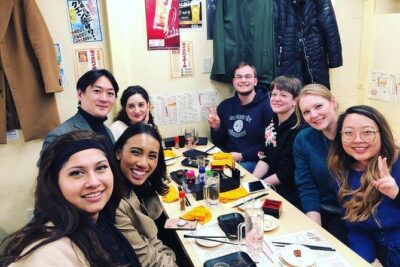
Eat and Drink Like a Local: Tokyo Ueno Food Tour-Taverns&Ramen
Read our review →Browse the lists this tour appears in