
REVIEW · TOKYO
Tokyo: Authentic Food Tour in Ginza and Shimbashi
Tokyo’s luxury shopping district has a second face after you leave the department stores: small eateries, local dishes, and old-fashioned food stops tucked between polished streets. This three-hour walking tour takes you through Ginza, Yurakucho, and Shimbashi, giving you a taste of the city beyond its famous storefronts.
I like the small group of no more than 10 and the chance to ask a local guide about Japanese food customs as you go. I also like the route itself, which links three nearby districts rather than keeping you in one dining room. The main drawback is that the food is described broadly as regional dishes and traditional desserts, so you will not know the exact menu before booking.
Key points at a glance
- Three Tokyo districts in one evening: Walk through Ginza, Yurakucho, and Shimbashi, with about 50 minutes set aside for food at each stop.
- Local eateries rather than famous sights: The focus is on places most tourists may miss, not on landmark sightseeing.
- English-speaking guides: Guides including Doren, Reo, Ryota, and Yota have led the experience, with food and culture as the main subjects.
- A compact route: The walking sections are listed as about five minutes each, making this manageable for most visitors who are comfortable on foot.
- A useful first-night choice: You can pick up food ideas and Tokyo dining advice while getting a feel for central Tokyo.
- Flexible booking: You can cancel up to 24 hours before the start for a full refund, or reserve now and pay later.
Why Ginza is a smart place to start a food tour
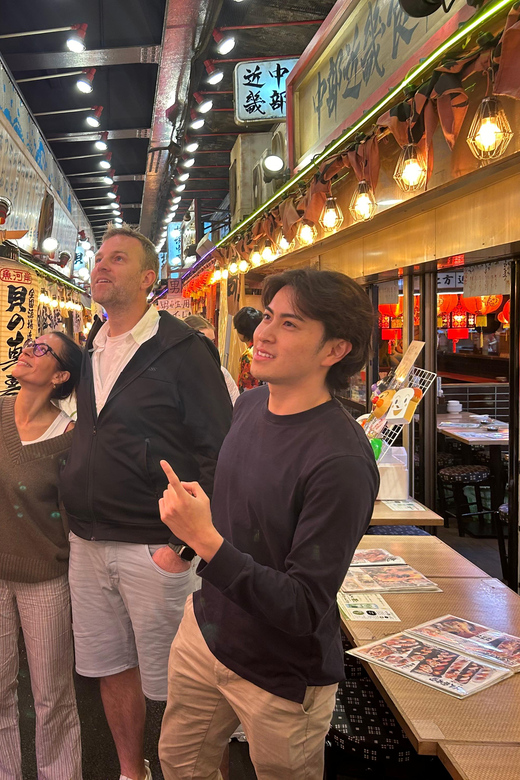
Ginza is often presented as Tokyo’s district of department stores, designer labels, and bright signs. That polished image is only part of the story. It is also a practical base for exploring central Tokyo food, since Ginza, Yurakucho, and Shimbashi sit close together and each has its own feel.
This tour uses that contrast well. You begin at Tokyu Plaza Ginza, then walk into areas where food is the reason to stop. The route helps you see how a major commercial district can sit beside smaller restaurants and traditional eating places.
I especially like this approach for a first visit. You are not spending three hours crossing Tokyo on trains. Instead, you get a short walk between stops, time to eat, and a guide who can explain what you are seeing. If you have just arrived in Japan, that local context can help you make better choices for the rest of your trip.
The tour is also useful if you care more about everyday food than formal sightseeing. It does not promise a grand parade of Tokyo landmarks. Its appeal is smaller and more practical: eat several local foods, talk with someone who lives in the culture, and leave with ideas for your next meal.
More Food Tours in Tokyo
- Tokyo: Shinjuku Food Tour (13 Dishes at 4 Local Eateries)
★ 5.0 · 6,603 reviews - Tokyo Tsukiji Fish Market Food and Culture Walking Tour
★ 5.0 · 3,184 reviews - Tokyo: Shinjuku Food Tour (15 Dishes and 4 Eateries)
★ 4.9 · 2,033 reviews
Meeting at Tokyu Plaza Ginza
The meeting point is in front of the BOSS store at Tokyu Plaza Ginza. You should come up from Exit C2 or C3 of Ginza Station. Once you reach street level, the store should be directly in front of you.
This is a sensible meeting point, but Ginza has plenty of entrances and large buildings, so give yourself time to find the correct exit. The listed coordinates are 35.672245025634766, 139.7624053955078. Having the meeting point saved on your phone is a good idea, especially if you are arriving during a busy evening.
The starting location also makes the tour easy to fit into a day of central Tokyo sightseeing. You can reach Ginza by subway and then finish back at Tokyu Plaza Ginza, rather than ending in an unfamiliar part of the city. The route returns to the same building at the end.
The first 50 minutes in Ginza
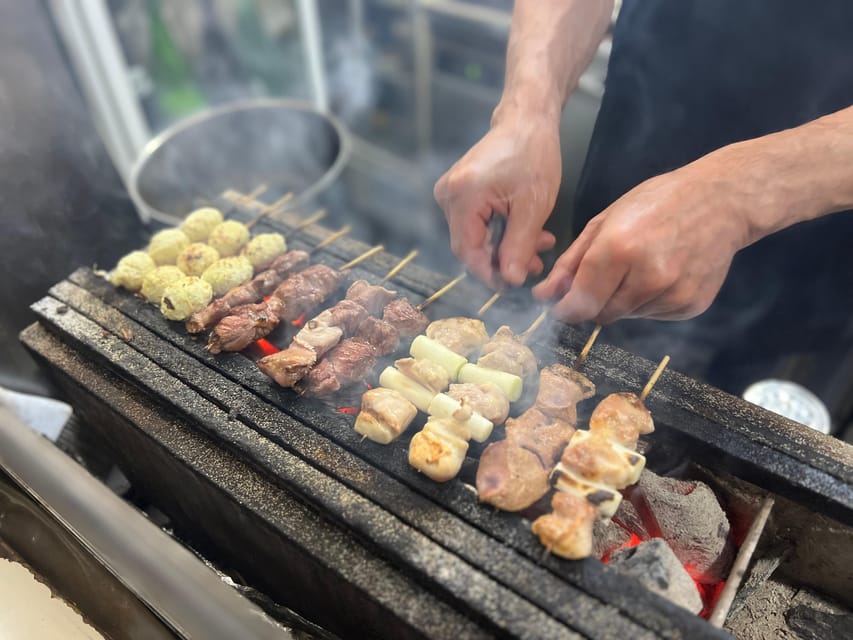
The first food section takes place in Ginza and lasts about 50 minutes. The exact restaurant and dishes are not specified in advance, which gives the guide room to use local stops rather than forcing every group into a fixed menu.
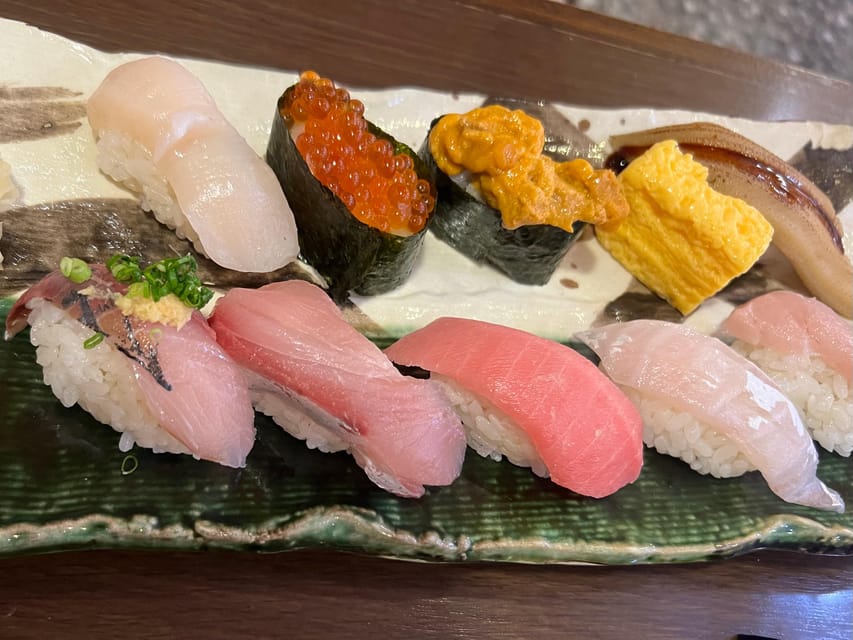
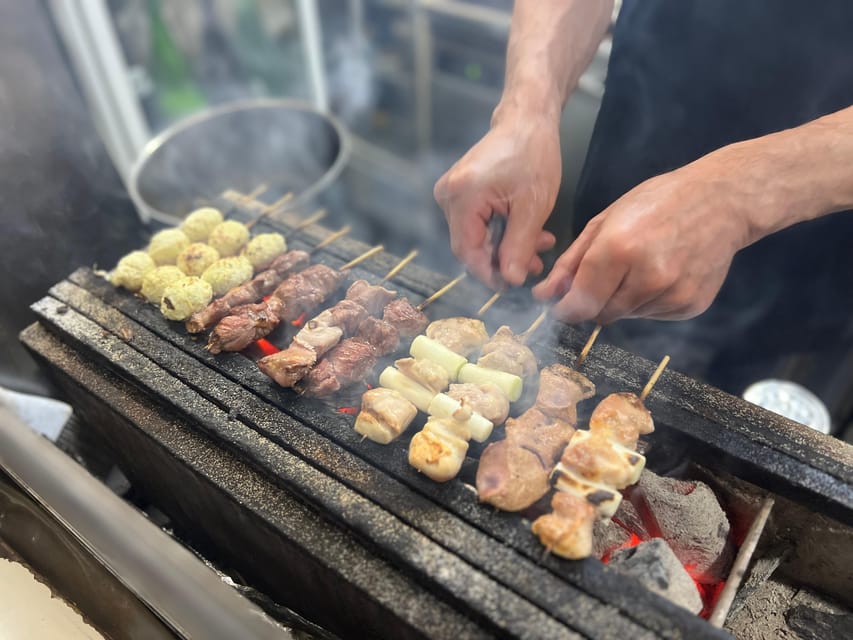
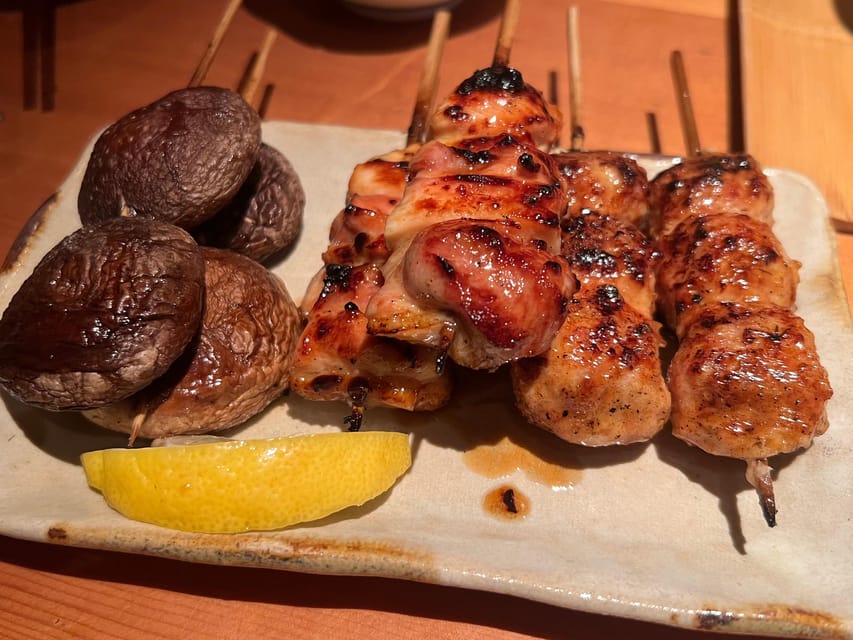
That flexibility is useful, but it means you should not book this expecting a guaranteed list of sushi, ramen, or other named dishes. The experience promises authentic Japanese foods, regional food, and traditional desserts. The focus is on what you eat and how it fits into local food culture, not on a printed menu of exact items.
Ginza is a good opening district because it changes quickly as you walk. You may start among major shops and elegant streets, then reach a more modest restaurant where the food carries the conversation. Your guide can help explain ordering habits, dining manners, and the place a dish holds in Japanese life.
I would pay close attention during this first stop. It is the best time to tell your guide about food preferences or questions, and it gives you a chance to see how the tour is paced. Since each food section lasts around 50 minutes, you should expect a focused stop rather than a long, leisurely dinner at one restaurant.
The five-minute walk to Yurakucho
After Ginza, the route continues on foot to Yurakucho. The listed walk takes about five minutes, so this is not a demanding transfer. You stay within central Tokyo and get a short break between food stops.
Yurakucho adds a different setting to the route. The tour description does not promise a particular venue or dish here, so I would treat this stop as a chance to taste another part of Tokyo’s local food scene rather than as a specific attraction.
The second food segment lasts about 50 minutes. By this point, you will have a useful comparison between the first and second stops. A guide can point out differences in atmosphere, customs, and food choices, which is one of the better reasons to take a guided tour instead of simply choosing restaurants at random.
The walking time is short, but you should still wear comfortable shoes. The route includes three food stops and several walks, and a three-hour tour can feel longer if you are standing for much of it. Wheelchair users should note that the experience is not suitable for wheelchairs.
A few more food tours around Tokyo worth comparing
- Best of Shinjuku: Izakaya Food Tour (4 Stops, 14+ Tastings)
★ 5.0 · 1,863 reviews - Tokyo: Tsukiji Fish Market Food and Walking tour
★ 5.0 · 1,724 reviews - Tokyo Night Foodie Tour in Shinjuku – Seasonal Sushi, Wagyu Beef
★ 5.0 · 1,161 reviews - Eat and Drink Like a Local: Tokyo Ueno Food Tour-Taverns&Ramen
★ 5.0 · 957 reviews
Shimbashi and the final food stop
The last section takes you from Yurakucho to Shimbashi, again with a listed walk of about five minutes. The food stop in Shimbashi lasts about 50 minutes before the group returns to Tokyu Plaza Ginza.
Shimbashi is a useful final stop because it completes the route through three connected central districts. The tour presents it as another chance to try food that many tourists might miss. Since the exact restaurants are not stated, the guide’s choices matter a great deal here.
This is also the point where the cultural side of the tour can become most useful. Guides such as Doren, Reo, Ryota, and Yota have been praised for being friendly, funny, considerate, and keen to explain Japanese life. Those details matter because a food tour is not only about getting fed. It is about understanding what you are ordering, how people eat it, and where to look for similar places later.
The schedule lists 50 minutes in each of the three districts, plus three five-minute walks. That adds up to 165 minutes, close to the advertised three hours. Allow a little extra time around the edges if you have a train reservation or another booking immediately afterward.
What the guides add to the experience
The guide is the main reason to choose this tour over a self-guided food walk. The route itself is compact, but finding small local restaurants and understanding what to order can be difficult when you cannot read Japanese or do not know the local habits.
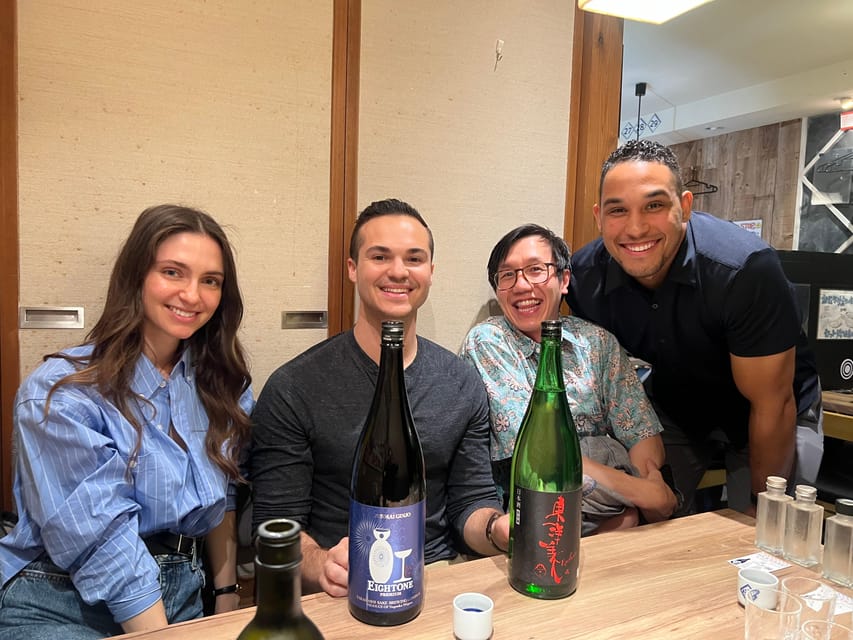
The guides who have led this experience include Doren, Reo, Ryota, and Yota. The strongest praise centers on their personalities as much as their food knowledge. Doren has been described as an excellent companion for a relaxed evening. Reo is noted for being considerate and for sharing both food and aspects of Japanese life. Ryota has been praised for interesting, funny conversation, while Yota is known for making the evening friendly and informative.
You should not assume that one particular guide will lead your tour, but these names give you a sense of the intended style. This is not a silent restaurant crawl. You are encouraged to talk, ask questions, and use the guide for suggestions about the rest of your Tokyo itinerary.
That last point is especially helpful. If you are at the start of your trip, ask where to eat next, which districts fit your interests, and how to approach Japanese restaurants. The guide may be able to help you plan, though the activity does not promise a full private itinerary service.
What you are likely to eat
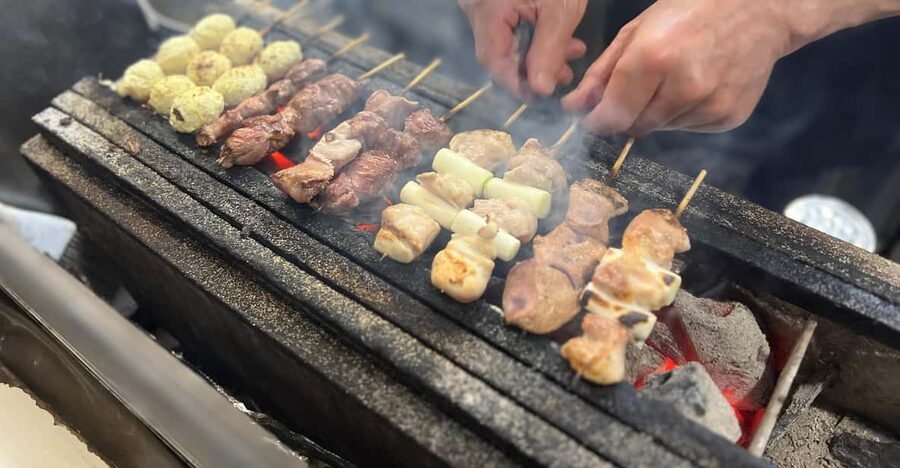
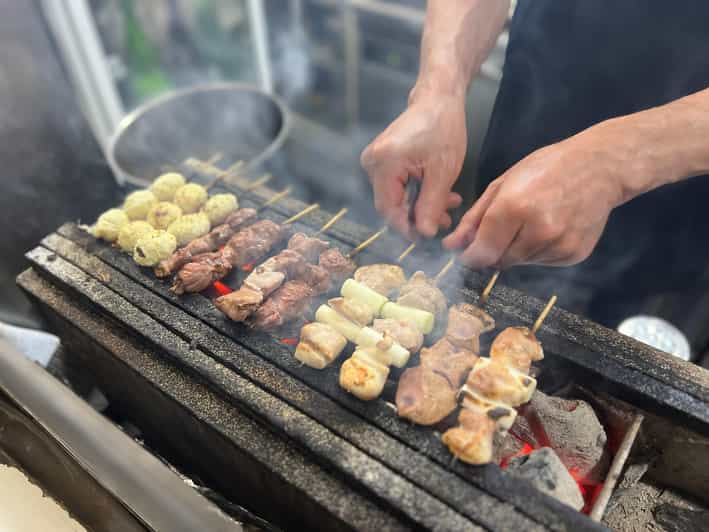
The experience promises authentic local foods, regional dishes, and traditional desserts. It does not publish a fixed list of menu items, so you should book it for variety and local guidance rather than for one specific food.
That uncertainty cuts both ways. It allows the guide to choose restaurants that fit the day and the group, and it may lead you to places you would not find on your own. At the same time, a picky eater or someone with a strict food plan may prefer a tour that names every dish in advance.
You should also remember that the price does not come with a stated drinks package or a detailed food count in the information provided. The tour includes visits to food stops, but you should check the current booking details for exactly what is covered and whether drinks or extra orders cost more.
The traditional desserts are a welcome detail. Many food tours focus only on savory dishes, while dessert gives you another way to see Japanese food customs. Here, the dessert selection is not specified, so think of it as part of the discovery rather than a guaranteed specialty.
Is $146 a fair price?
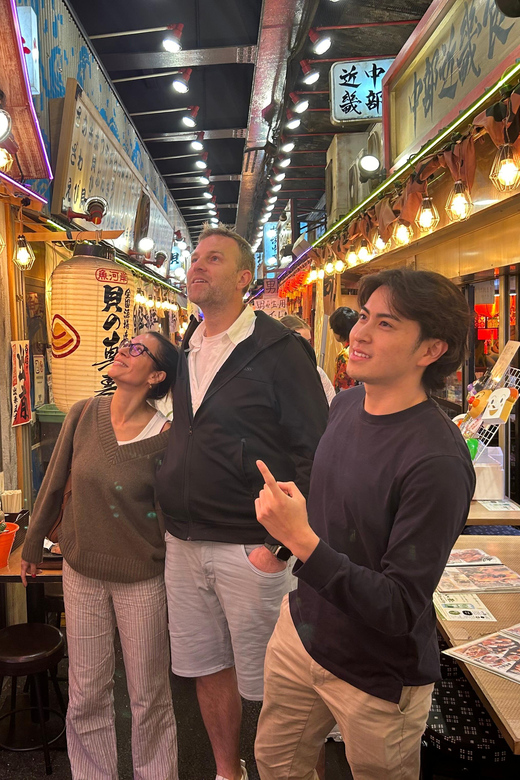
At $146 per person, this is not a cheap way to grab dinner in Tokyo. You are paying about $48.67 per scheduled hour, before considering what food is included. A local guide, small group, restaurant coordination, and language help are the main parts of the value.
The price makes more sense if you are new to Tokyo, nervous about ordering, or keen to find places beyond the obvious tourist routes. It can also be good value if the tour saves you from several poor restaurant choices during your first evening. The cultural explanations and itinerary advice add value that you would not get from simply eating alone.
The calculation is less favorable if you already know Tokyo well or prefer to choose every restaurant yourself. You may spend less by visiting Ginza, Yurakucho, and Shimbashi independently, though you would lose the guide’s local direction and the ease of having the stops arranged.
The rating is 4.9 out of 5 from 33 ratings, which suggests strong satisfaction overall. I would still read the offer carefully for the current food inclusions, since the supplied details do not name the number of dishes or drinks.
Group size, pace, and comfort
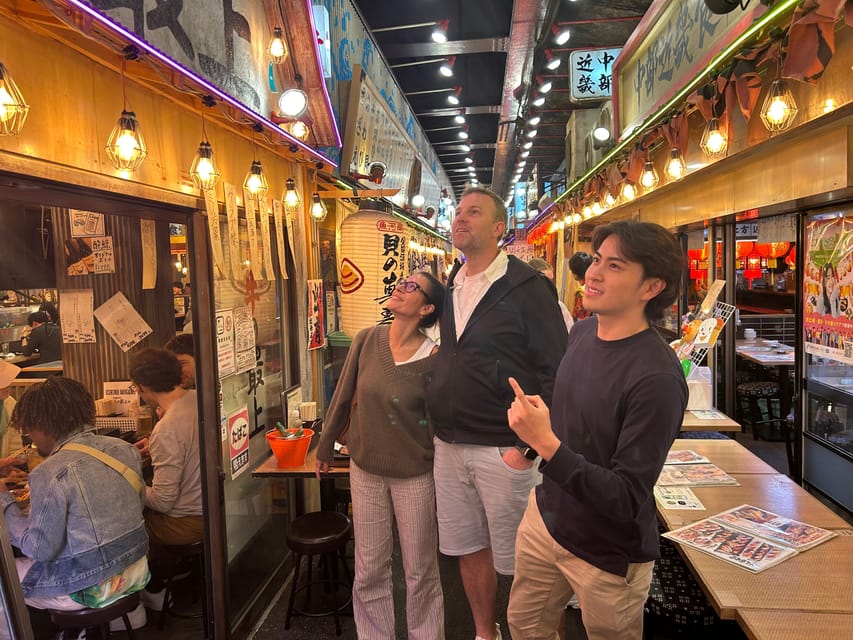
The group is limited to 10 participants. That is small enough for conversation with the guide without making the tour feel like a large march through the city. It also leaves room for questions about food, culture, and later sightseeing.
The pace is fairly clear: walk for about five minutes, eat for about 50 minutes, then repeat. This should suit you if you like a planned evening with regular stops. It may feel restrictive if you prefer to linger at one restaurant or move slowly through the streets.
The activity is not suitable for wheelchair users. Everyone should be comfortable walking between the three areas and standing or sitting at the food stops. Since the tour takes place in central Tokyo, comfortable footwear is more useful than formal clothing, even if you are starting in stylish Ginza.
The tour is offered in English with a live guide. That matters most when you want to ask follow-up questions, rather than simply hear a memorized talk. Small groups also make it easier to mention allergies or food dislikes, though you should confirm how dietary needs are handled before booking because no specific dietary policy is provided.
Who should book this Ginza food tour?
I would choose this experience if you want a friendly introduction to Tokyo food without spending your first evening figuring out the city alone. It is a strong match for solo visitors, couples, and small groups who like trying several places and talking with a local.
It also suits people who have already seen the major sights and now want a more ordinary side of central Tokyo. You will not get a long history lecture or a major sightseeing circuit. You will get food, short walks, and local conversation.
Families may find the three-hour length manageable, but the food choices are not fully listed, so parents should check whether the expected dishes suit their children. The tour is less suitable for anyone using a wheelchair, anyone wanting a fully published menu, or anyone seeking a drinks-heavy nightlife crawl.
Book it early in your Tokyo stay if you can. The guide’s suggestions may help with the rest of your meals, and the route gives you a useful sense of central Tokyo before you explore on your own.
Final verdict: a useful first taste of central Tokyo
I would book this tour if your priority is finding local food with help from an English-speaking guide. The best features are the compact three-district route, the small group, the mix of savory food and dessert, and the chance to ask practical questions about Japanese dining.
I would skip it if $146 feels too high for an evening meal, or if you need a precise menu before paying. The experience is built around discovery, and the exact restaurants and dishes are not guaranteed in the information provided.
For most first-time visitors who want an easy, social introduction to Ginza, Yurakucho, and Shimbashi, it is a sensible choice. Just arrive at the correct station exit, wear comfortable shoes, and keep an open mind about what appears on the table.
FAQ
How long is the Tokyo food tour?
The tour lasts three hours.
How much does the tour cost?
The listed price is $146 per person.
Where does the tour meet?
Meet in front of the BOSS store at Tokyu Plaza Ginza. Use Exit C2 or C3 of Ginza Station to reach street level.
Where does the tour finish?
The route returns to Tokyu Plaza Ginza.
Which areas does the tour visit?
The tour visits Ginza, Yurakucho, and Shimbashi.
What language is the tour offered in?
The live tour guide speaks English.
How many people can join the group?
The group is limited to 10 participants.
Can I cancel the booking?
You can cancel up to 24 hours in advance for a full refund. You can also reserve now and pay later.
Just added around Tokyo
- Tokyo: West-Side Cycling and Food Tour with Guide★ 5.0 · 37 reviews
- Tokyo: Togoshi Ginza Street Food Tour★ 5.0 · 34 reviews
- Tokyo: Wagyu and Sushi Gastronomic Journey★ 4.3 · 24 reviews
- Tokyo: Allstar Food Tour★ 4.7 · 29 reviews
- Tokyo: The Best of Izakaya in Shinjuku Food & Cultural Tour★ 4.9 · 221 reviews
- Tokyo Tsukiji Food & Culture Private Tour Licensed Guide★ 4.9 · 28 reviews
- Tokyo: Locals´ Secret Food Tour // Eat like a Japanese★ 5.0 · 35 reviews
- Tokyo: Shibuya Food Tour (13 dishes and 4 Eateries)★ 5.0 · 178 reviews
Food Tours in Tokyo, compared.
Shinjuku Food Tour (13 Dishes at 4 Local Eateries)
Read our review →
Tokyo Tsukiji Fish Market Food and Culture Walking Tour
Read our review →
Shinjuku Food Tour (15 Dishes and 4 Eateries)
Read our review →
Best of Shinjuku: Izakaya Food Tour (4 Stops, 14+ Tastings)
Read our review →
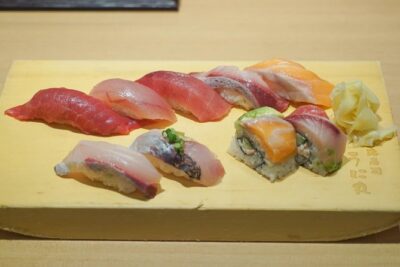
Tokyo Night Foodie Tour in Shinjuku – Seasonal Sushi, Wagyu Beef
Read our review →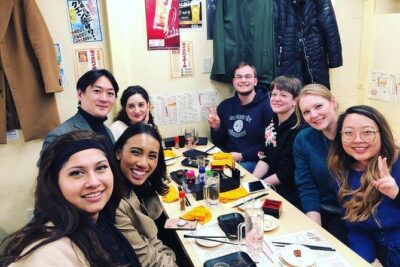
Eat and Drink Like a Local: Tokyo Ueno Food Tour-Taverns&Ramen
Read our review →Browse the lists this tour appears in