
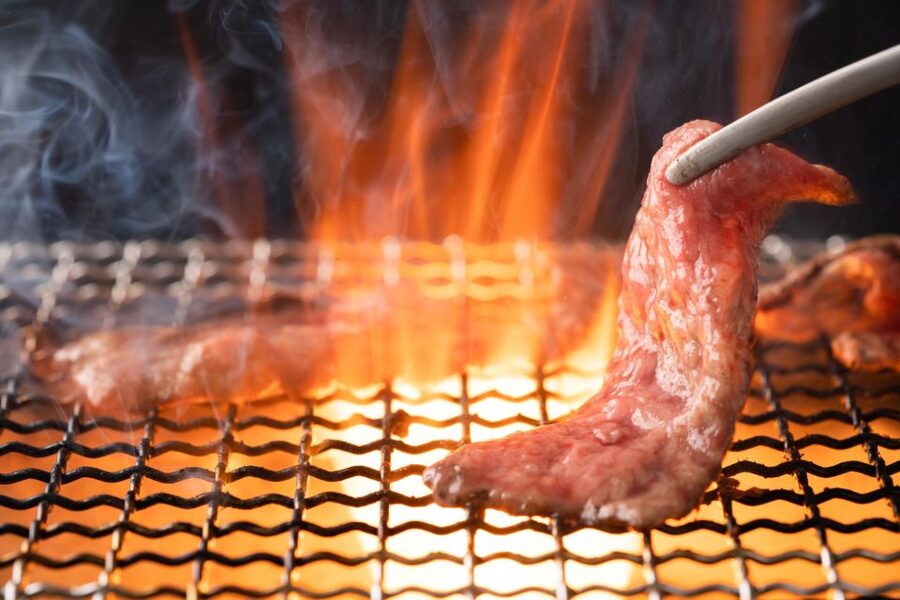
REVIEW · JAPAN
Tokyo: Night Foodie Tour in Shinjuku
The best part of this Shinjuku evening is the three-stop food line-up: chef-prepared sushi, hands-on Wagyu yakiniku, then a sweet or boozy finish near Kabukicho. You get a good look at Tokyo’s food culture without having to decode every menu or hunt for each restaurant yourself.
I like the small-group feel, which lets guides such as Tosh, Kazu, Yuki, and Amy spend real time helping with dishes and questions. I also like the route through Shinjuku, including Kabukicho and Golden Gai, since the short walks connect dinner with a useful look at the neighborhood.
The main consideration is price. At $127 per person, this is not a cheap progressive dinner, and the portions are better described as high-quality tastings than a giant feast. The final stop can also vary in appeal, especially if you prefer a full dessert to Japanese snacks or a drink.
Key points at a glance
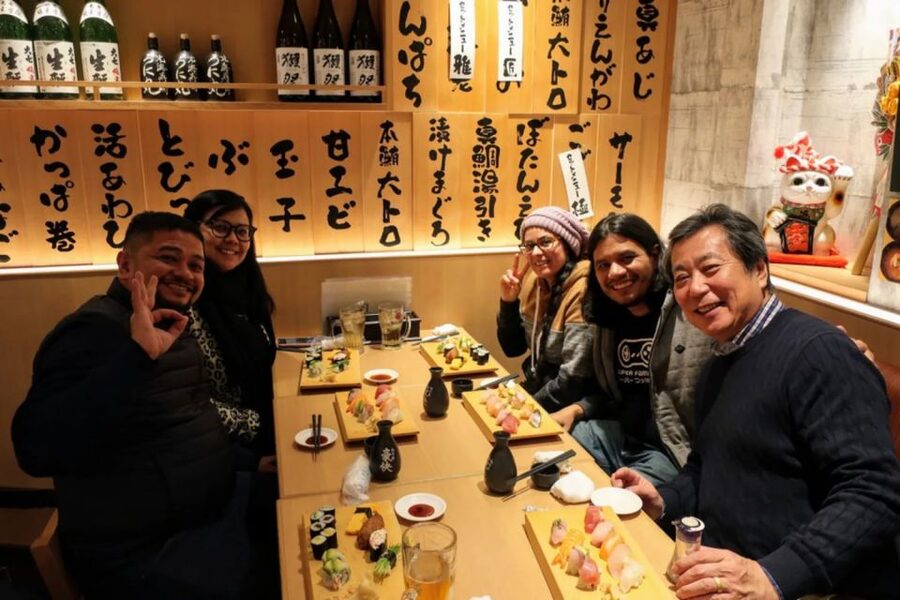
- Chef-selected sushi first: Watch an itamae prepare seasonal nigiri in a local sushi restaurant, with a vegetarian option available.
- Wagyu you cook yourself: Grill thin slices of Japanese beef at a yakiniku restaurant and learn how to handle the tabletop BBQ.
- Kabukicho after dark: Walk through Shinjuku’s famous entertainment district with context from an English-speaking guide.
- A flexible final stop: Finish with dessert, Japanese snacks, or an alcoholic drink, depending on the group and venue.
- Good for a first night: Your guide handles restaurant finding, ordering help, and neighborhood orientation.
- Bring cash and comfortable shoes: The route includes walking, stairs or inaccessible venues, and some places may not accept the payment method you expect.
Why this food tour works in Shinjuku
Shinjuku can feel like several cities packed into one district. Department stores, railway exits, tall hotels, narrow lanes, shrines, izakayas, karaoke shops, and nightlife streets all press together. It is easy to eat well here, but it is not always easy to know where to begin.
This is where the tour earns its keep. Your guide meets you by the black pillar next to Uniqlo Shinjuku Nishiguchi, about a seven to eight minute walk from the JR Shinjuku Station West Exit. Look for the orange MagicalTrip sign. From there, you move between three food stops while your guide explains what you are eating and points out parts of Shinjuku you might otherwise pass without noticing.
The experience is listed as three hours, while the detailed schedule allows about three and a half hours with the guide. Plan your evening around the longer figure. The route is conducted in English, and private or small-group formats are available.
I see this as a guided introduction rather than a restaurant crawl built around maximum quantity. The food is meant to show off particular Japanese specialties, and the walks give you context between courses. If you want to eat until you can barely move, this probably is not the right choice. If you want help making sense of Shinjuku’s food scene, it is a much stronger fit.
A few more food tours around Japan worth comparing
- Kyoto Night Foodie Tour in Gion (9+ dishes + 6 Sake tastings)
★ 5.0 · 1,762 reviews - Tokyo Night Foodie Tour in Shinjuku – Seasonal Sushi, Wagyu Beef
★ 5.0 · 1,161 reviews - Kyoto Night All-Inclusive Eats and Streets, Gion and Beyond
★ 4.6 · 576 reviews
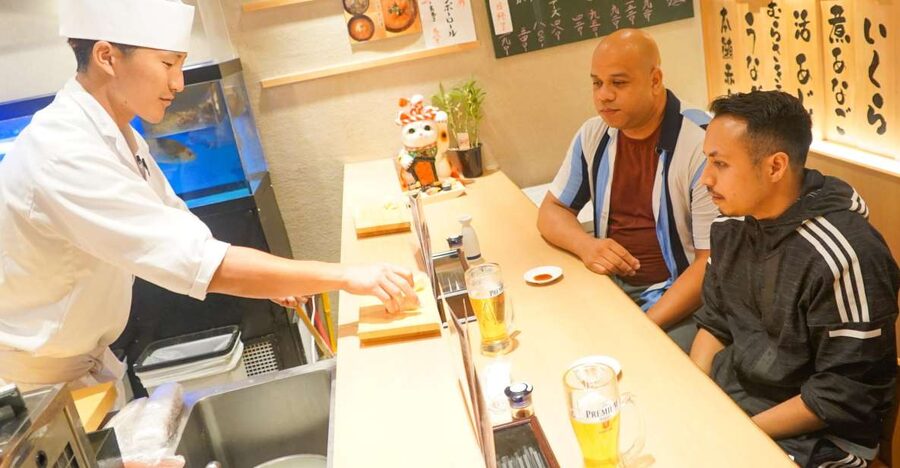
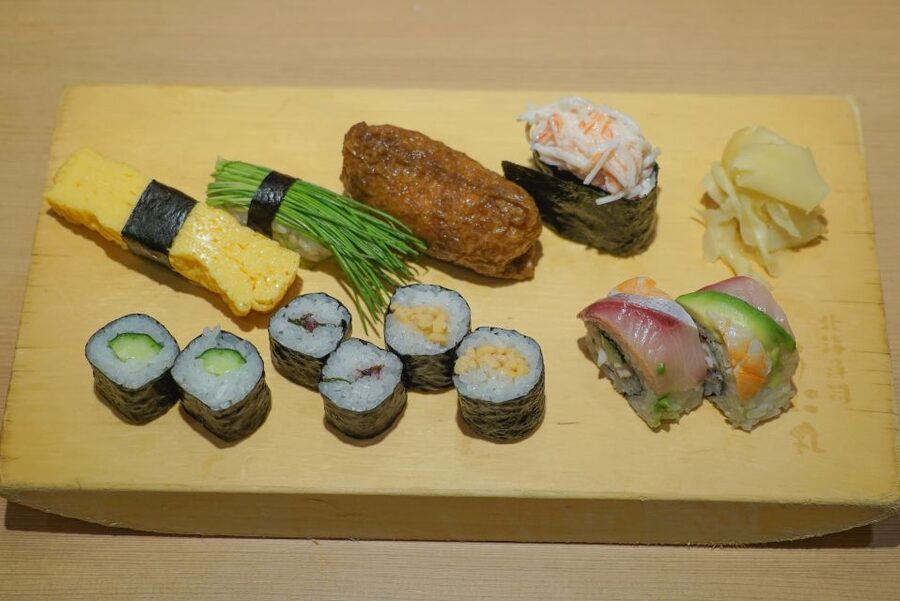
First course: seasonal sushi with an itamae
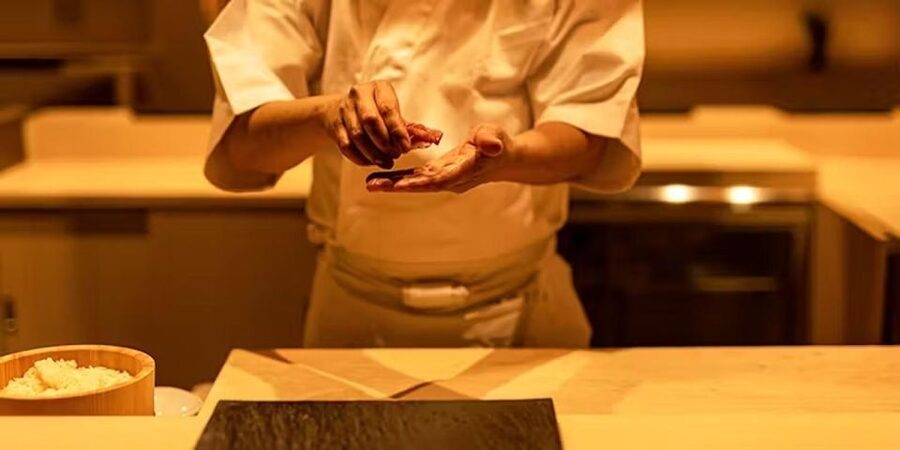
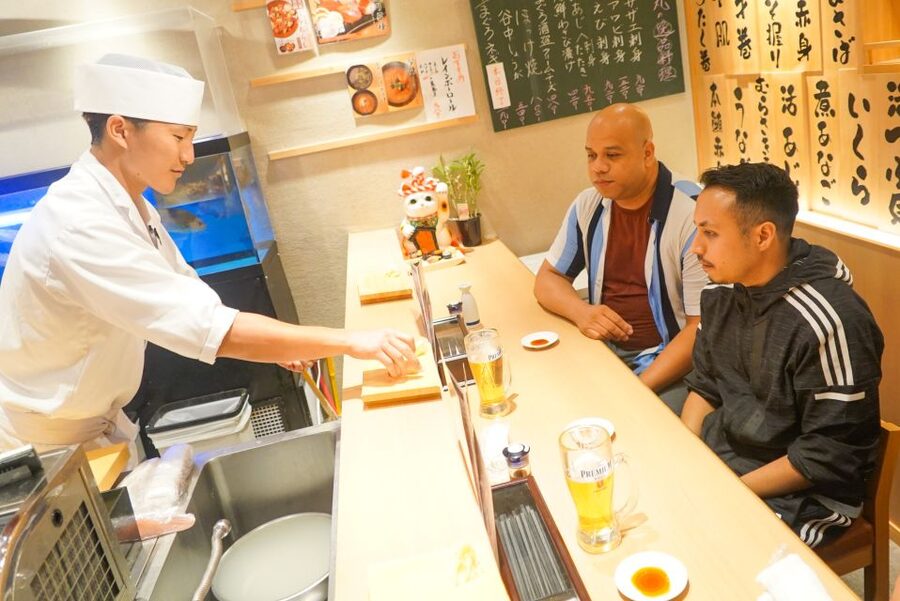
The evening begins at a local sushi restaurant. The special touch is watching the chef prepare nigiri in front of you. This gives the first meal a bit of theater, but it also makes the food easier to understand. You can see the preparation, follow your guide’s explanation, and try the chef’s seasonal choices rather than simply ordering from an unfamiliar menu.
The omakase-style course means the chef chooses the selection. That can be a pleasant way to eat in Japan because it removes the pressure of choosing every piece. It also means you should be comfortable with some uncertainty. The exact sushi served can change with the season and the restaurant’s selection that evening.
The food is presented as a seasonal sushi course, and a vegetarian menu is available. Still, the operator does not promise an allergy-free meal or guarantee that every dietary request can be met. Food is prepared in kitchens run by the individual restaurants, and substitutions may not always be possible. Tell the guide about restrictions before you sit down, but do not book this as a carefree option for severe allergies.
One useful detail comes through in the way guides handle mixed groups. Amy, for example, arranged a more suitable plate for an 11-year-old who mainly liked salmon sushi. That does not mean every request can be accommodated, but it shows why having a guide can help when children or less adventurous eaters are at the table.
The sushi is a highlight for many people, and one practical warning is worth keeping in mind: after tasting especially good sushi here, ordinary sushi elsewhere may seem disappointing. The portion is not intended to replace every meal of the day, but it sets a high bar for the night.
Walking through Kabukicho between meals
After sushi, you walk through Kabukicho for about ten minutes before the next restaurant. This is a short segment, but it helps connect the food with the setting. Kabukicho is one of Tokyo’s best-known nightlife districts, with bright signs, narrow streets, restaurants, bars, and entertainment venues operating late into the evening.
Your guide can explain the area’s layout, customs, and history as you go. Guides such as Fuji, Chihiro, and Yosh Aida have been praised for adding background about Shinjuku rather than simply leading the group from one reservation to the next. Some tours may also include a shrine or extra local sights along the route, though the exact walk can vary.
Do not expect a long sightseeing tour. The focus remains food, and the walking portions are brief. But this is useful orientation for your own later exploring. You learn how the West Exit area, Kabukicho, and Golden Gai relate to one another, which makes Shinjuku less confusing when you return on your own.
Keep your group together and pay attention to the guide’s meeting instructions. Shinjuku is crowded, especially at night, and the streets can look alike when you are following signs and restaurant entrances.
Second course: grilling Wagyu at a yakiniku table
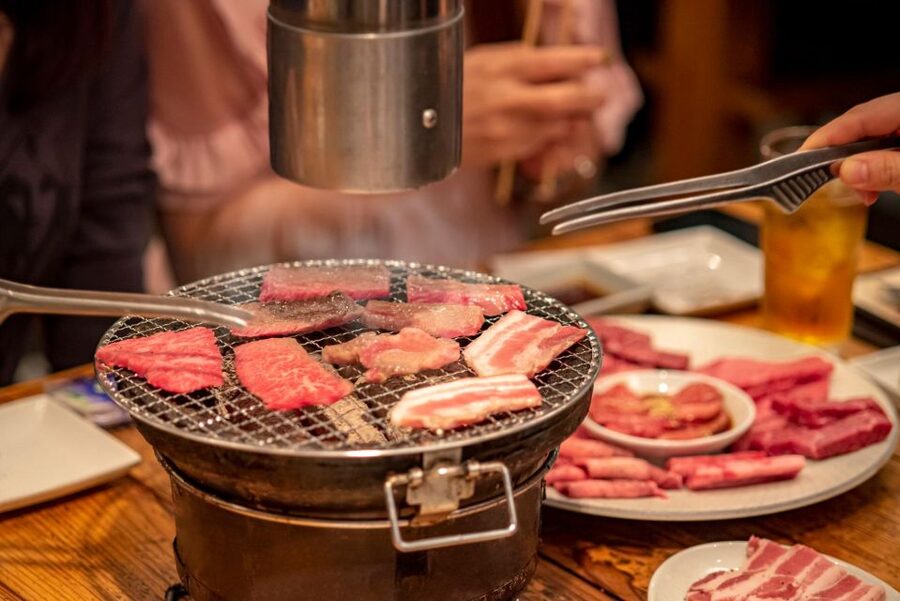
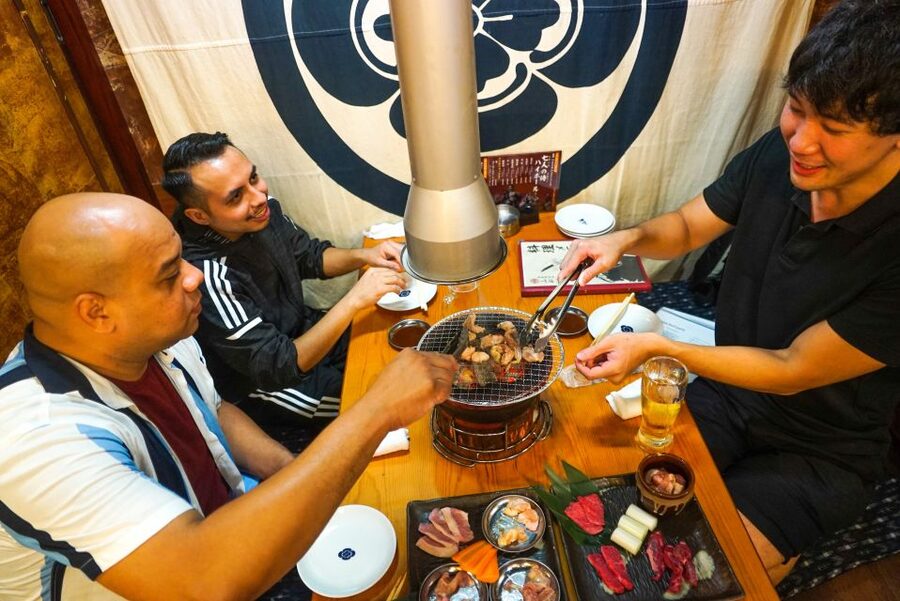
The second major stop is a Japanese yakiniku restaurant near Shinjuku West or Kabuki-cho. Here, thin slices of Wagyu are cooked on a traditional tabletop grill. Your guide explains how to grill and eat the beef, so you do not need prior yakiniku experience.
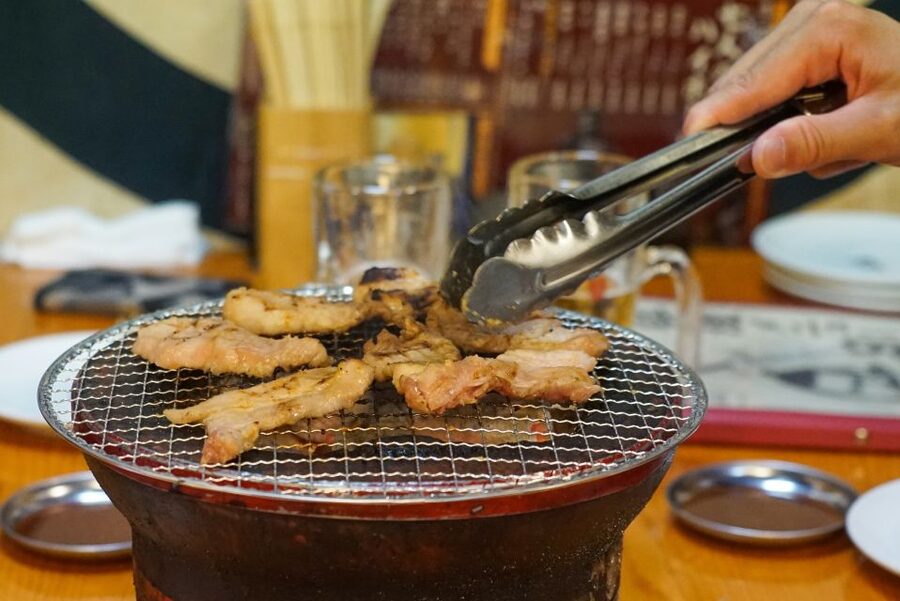
This stop is more interactive than the sushi course. You control the cooking, watch the meat change quickly over the heat, and eat it soon after it is ready. Some reports describe unusual touches such as rubbing cooked beef on a salt block. Details like that depend on the chosen restaurant, but they show the kind of hands-on meal this part of the tour aims to provide.
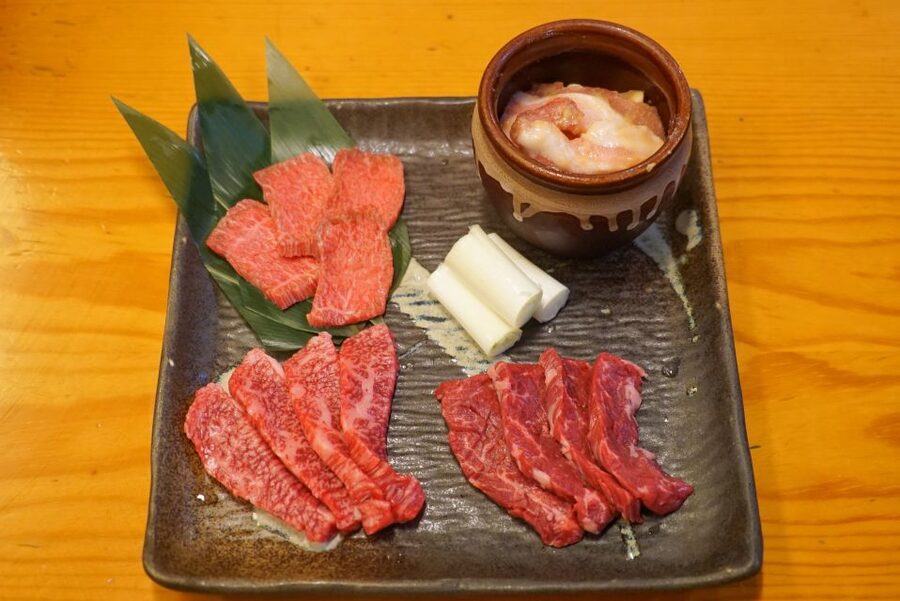
The Wagyu course is included as a full dinner serving, and a vegetarian option is listed. The phrase full dinner should not be confused with an all-you-can-eat meal. One useful expectation is modest portions of high-end food. You get a carefully chosen taste of Japanese beef culture rather than an unlimited barbecue session.
I like this stop because it gives you something to do, not just something to receive. It also makes the guide useful in a practical way. A guide can help explain cooking times, ordering customs, sauces, and how the meal fits into Japanese dining culture. That assistance matters when you are dealing with a hot grill and unfamiliar cuts.
The restaurant setting may feel more formal than a tiny local eatery. One person would have preferred smaller places with more dishes to sample, while still appreciating the food and organization. That is a fair point. If your priority is the most casual possible meal, this tour may feel polished rather than rough around the edges.
Same city, a completely different plate:
- Tokyo: Shinjuku Food Tour (13 Dishes at 4 Local Eateries)
★ 5.0 · 6,603 reviews - Tokyo Tsukiji Fish Market Food and Culture Walking Tour
★ 5.0 · 3,184 reviews - Osaka: Shinsekai Food Tour with 13-15 Dishes at 5 Eateries
★ 4.8 · 2,204 reviews - Osaka Food Tour: 13 Dishes at 5 Local Eateries
★ 5.0 · 2,149 reviews
Dessert, drinks, and the late-night finish
The final food stop lasts about forty minutes. Depending on the group, your guide takes you to a local bar, snack bar, or Japanese snack restaurant. Adults may receive an alcoholic drink, while family groups with children are directed to a Japanese snack restaurant.
The inclusions list two drinks, with alcohol available, as well as dessert or an alcoholic drink at the final stop. Since the exact finish can vary, you should not book this expecting one fixed dessert or one specific bar. You might receive sweets, packaged Japanese snacks, chocolate, crackers, or a drink in a casual neighborhood setting.
This last stop has a different mood from the sushi and yakiniku. It is less about a signature dish and more about conversation, novelty, and the atmosphere of Shinjuku after dark. A snack buffet-style ending has been particularly memorable for some groups, while others found the dessert stop less impressive than the sushi and Wagyu.
That unevenness is worth weighing. The first two stops carry the culinary weight of the tour. The last stop adds variety and gives you a relaxed place to talk, but it may not feel like a grand finale for someone focused only on restaurant quality.
The legal drinking age in Japan is 20. If you are under 20, traveling with children, or simply do not drink, the family-friendly snack option makes the tour more adaptable.
Golden Gai and the route back
The tour includes a short guided look at Golden Gai before returning to the black pillar meeting point. Golden Gai is known for its tight lanes and tiny bars, and even a ten-minute walk can help you recognize the area and understand its place in Shinjuku nightlife.
Do not expect to stop at every interesting doorway. The time is limited, and the tour’s purpose is to show you the district while moving between food venues. Still, this final orientation can be useful if you want to come back later with a better sense of direction.
The route is on foot, so wear shoes you can manage for several hours. Summer in Japan can reach 40°C, while winter temperatures can fall to about -5°C. Dress for the season, since the tour moves outdoors between indoor stops. Some venues are not suitable for wheelchairs or strollers, and the tour is not recommended for wheelchair users.
Guide quality and group style
The guide is a major part of the value here. The food stops are fixed in broad terms, but the evening can feel very different depending on who leads it. The strongest guides do more than translate menus. They explain Japanese customs, help you order, keep the group moving, and answer the small questions that arise during dinner.
Names that have received especially warm praise include Tosh, Kazu, Yohei, Yuki, Fuji, Amy, Max, Hiro, Rai, and Ken. Guests have also appreciated guides such as Saki, Chihiro, Momo, and Yosh Aida for mixing neighborhood information with food explanations. You cannot select a particular guide unless the booking system allows it, so treat these names as examples of the guide team rather than a guarantee.
The experience is available as a private or small group tour. That matters if you are traveling alone, with children, or with people who have different comfort levels around unfamiliar food. A solo participant can still have a social evening, while a private group may get more room for questions and requests.
The guide may also take photos during the night. This is a nice extra when you are busy eating and do not want to keep stopping for pictures.
Is $127 a fair price?
At $127 per person, the tour costs more than simply choosing three inexpensive Shinjuku meals. You are paying for the food, two drinks, a dessert or final drink, a certified English-speaking guide, restaurant coordination, neighborhood interpretation, and tour photos.
The value is strongest if you would otherwise struggle with menus, restaurant choices, or finding the correct entrances. It is also good value for a first evening in Tokyo when you want a planned route and an introduction to Shinjuku without spending time researching each stop.
The value is weaker if you already know Shinjuku well, speak Japanese comfortably, or mainly want a large quantity of food. You can spend less by eating independently, but you will give up the guide’s explanations and the convenience of moving directly between selected venues.
Free cancellation is available up to 24 hours before the start time, and you can reserve now and pay later. Bring cash for extra food and drinks, since additional purchases are not included.
Who should book this Shinjuku evening?
I would recommend this experience to first-time visitors who want a gentle introduction to sushi, Wagyu, Kabukicho, and Golden Gai. It also suits couples, solo visitors, families with older children, and anyone who wants help navigating a complicated district at night.
It is a particularly smart choice for your first or second night in Tokyo. You can gather restaurant ideas, learn the basic layout of Shinjuku, and return later with more confidence.
I would hesitate if you have severe allergies, require guaranteed substitutions, use a wheelchair, or want a long, casual crawl through many tiny eateries. I would also think twice if your appetite is large and the $127 price needs to buy a very substantial dinner.
Should you book it?
Book this tour if you want quality over quantity, appreciate a guide who explains local customs, and like the idea of combining dinner with a short night walk through Shinjuku. The sushi and Wagyu stops are the main reasons to go, while the final snack or drink and the Kabukicho walk round out the evening.
Skip it if you prefer choosing every dish yourself or can comfortably handle Shinjuku’s restaurants on your own. For most first-time visitors, though, the combination of chef-prepared sushi, tabletop Wagyu, and a guided look at Tokyo nightlife makes the price easier to justify.
FAQ
Where does the tour meet?
Meet in front of the black pillar next to the Uniqlo Shinjuku Nishiguchi shop. It is about a seven to eight minute walk from the JR Shinjuku Station West Exit. Your guide will hold an orange MagicalTrip sign.
How long does the tour last?
The activity is advertised as three hours, while the detailed schedule allows about three and a half hours with the guide. Check the available start times when booking.
What food is included?
You receive a seasonal chef-selected sushi course, a Wagyu beef yakiniku dinner, two drinks, and dessert or an alcoholic drink at the final stop.
Are vegetarian options available?
Vegetarian menus are available for the sushi and Wagyu portions. Allergy-free meals and every dietary substitution cannot be guaranteed because the food is prepared by the individual restaurants.
Is alcohol included?
Alcohol is available, and the package includes two drinks plus dessert or an alcoholic drink at the final stop. The legal drinking age in Japan is 20.
Is the tour suitable for children?
The tour is open to all ages. For families with children, the final stop can be a Japanese snack restaurant rather than a bar.
Is the tour wheelchair accessible?
No. Some locations are not accessible by wheelchair or stroller, and the experience is not suitable for wheelchair users.
Can I cancel or pay later?
You can cancel up to 24 hours in advance for a full refund. Reserve now and pay later options are also available.
Just added around Japan
- Best of Hiroshima Food Tour★ 5.0 · 32 reviews
- Hiroshima Izakaya Food and Drink Night Tour★ 5.0 · 297 reviews
- All-inclusive Hiroshima Nighttime Food and Cultural Immersion★ 4.5 · 60 reviews
- Tokyo Allstar Food Tour★ 4.5 · 206 reviews
- Adventurous Japanese Food Tour in Tokyo★ 4.5 · 53 reviews
- Tokyo: Best Ginza Food Tour at 3 Local Eateries★ 5.0 · 83 reviews
- Chef’s Choice Sushi and Tempura Luxury Foodie Tour in Ginza★ 5.0 · 35 reviews
- Tokyo : Asakusa Food Tour – 12 Dishes & 3 Drinks★ 5.0 · 44 reviews
Food Tours in Japan, compared.
Shinjuku Food Tour (13 Dishes at 4 Local Eateries)
Read our review →
Tokyo Tsukiji Fish Market Food and Culture Walking Tour
Read our review →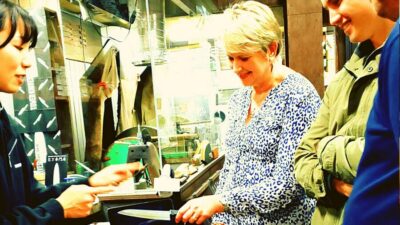
Shinsekai Food Tour with 13-15 Dishes at 5 Eateries
Read our review →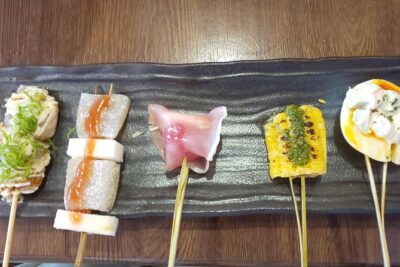
Osaka Food Tour: 13 Dishes at 5 Local Eateries
Read our review →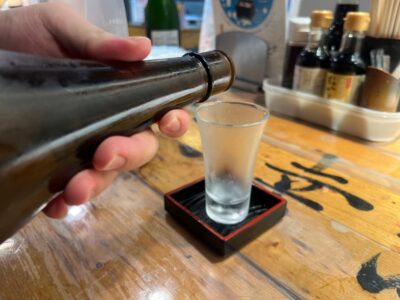
Shinjuku Food Tour (15 Dishes and 4 Eateries)
Read our review →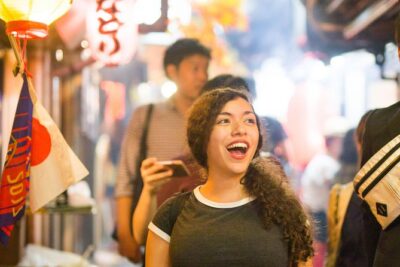
Best of Shinjuku: Izakaya Food Tour (4 Stops, 14+ Tastings)
Read our review →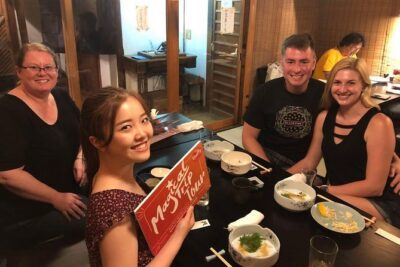
Kyoto Night Foodie Tour in Gion (9+ dishes + 6 Sake tastings)
Read our review →
Hungry Osaka Street Food Tour:15 Tastings & 3 Drinks with a Local
Read our review →Browse the lists this tour appears in