
REVIEW · JAPAN
Same-Day Osaka Food Crawl with local food and Hidden gems
Osaka’s best food often hides behind a plain doorway or on a side street, not beneath a giant restaurant sign. This small-group crawl takes you through Namba’s local eating spots, with a guide who can help you choose dishes, order, translate, and adjust the route to your appetite.
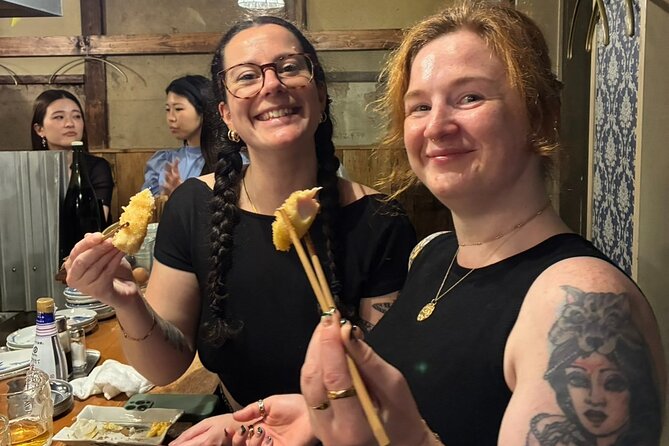
I like the freedom to pick what I actually want to eat, and I like the small group limit of eight people. Guides such as Kota, Risa, Sue, Kazu, and Haru have taken visitors to places they would likely have missed alone, from packed izakayas to quiet neighborhood restaurants.
The key catch is simple but important: food and drinks cost extra. At $42.28 per person, you are paying for the guide and local access, not a set meal. That can be good value if you want choice, but a poor fit if you expect a prepaid tasting tour.
Key points to know before booking
- You choose the menu: Try takoyaki, kushikatsu, sushi, yakitori, oden, okonomiyaki, doteyaki, or drinks based on your own tastes.
- Namba is the main stage: Most of the three-hour walk takes place around Namba, with time at Hozen-ji Temple and Dotonbori.
- Small groups help: The maximum is eight people, making narrow restaurants and personal ordering help easier.
- Guides do more than lead: Guides including Risa, Sue, Haru, Miki, and Ryu have helped with translation, food choices, local customs, and neighborhood stories.
- Bring a separate food budget: Lunch, dinner, breakfast, snacks, drinks, and transportation are not included.
- The route suits first-time visitors: You return to the starting point with a better sense of where to eat in central Osaka.
Why this Osaka food crawl works best for curious eaters
This is not a fixed parade of prepaid samples. It is closer to having a local friend show you around Namba and help you make sense of a busy food district.
That difference matters. Japanese menus can be hard to read, small restaurants may have few English signs, and ordering several dishes for a group can feel awkward if you do not know what fits together. An English-speaking guide takes away much of that friction.
The flexible format also lets you shape the evening. You might focus on Osaka classics such as takoyaki and okonomiyaki, ask for skewers and fried foods, or spend more time on sushi, sashimi, sake, and other drinks. Dietary needs can be discussed with the guide, and Sue has arranged alternative plans for gluten-free dishes.
I especially like this setup for someone visiting Osaka for the first time. You can sample a few foods, learn what you enjoy, then return to one of the restaurants or districts later on your own. It is a useful first-night orientation as well as a meal outing.
The tradeoff is that the quality of the experience depends partly on your guide and partly on your choices. Several guides have been praised for warmth, translation, and local recommendations, while one new guide was still finding their feet. The format is personal rather than polished, which is often the point, but it may not feel like a tightly scripted sightseeing product.
More food crawls in Japan:
- Asakusa Highlights: Street Food Crawl Tour (7+ Local Bites)
★ 5.0 · 206 reviews - Porto: Evening Local Food Crawl with Drink Pairings
★ 4.9 · 395 reviews - Mexican Street Food Crawl in Playa del Carmen
★ 5.0 · 102 reviews
Starting underground in Namba
The meeting point is Osaka JOINER Japan in Namba Walk, at 1-chome 9 Sennichimae, Chuo Ward, near South Street 3 on the basement level. Namba is a practical place to begin because it connects shopping arcades, restaurants, shrines, station areas, and Dotonbori within a compact central zone.
The first section lasts about two hours and 20 minutes. That gives your guide time to walk through the district, explain what you are seeing, and stop at several places rather than rushing through one restaurant.
Namba can feel confusing at first. Underground passages, shopping streets, department stores, and side lanes all blend together. A guide is particularly useful here because the goal is not just to reach famous Dotonbori, but to help you notice the smaller places along the way.
Depending on the guide and your preferences, you could stop at a grab-and-go counter, sit down in an izakaya, or visit more than one restaurant. One outing included three sit-down restaurants and a small window shop. Another included five food stops, with takoyaki, fried skewers, sushi, udon, and daifuku.
That variety is one of the strongest reasons to book. You are not locked into a single style of dining. You may get a quick bite first, then share several dishes at a restaurant, and finish with a drink or dessert.
Keep your expectations realistic, though. The exact stops are not guaranteed. The guide chooses places based on your tastes, the group’s requests, and what works during the tour. If you have your heart set on one specific dish, mention it early.
From takoyaki to kushikatsu
Osaka is often called Japan’s kitchen, and this crawl gives you a chance to try the city’s familiar specialties in context.
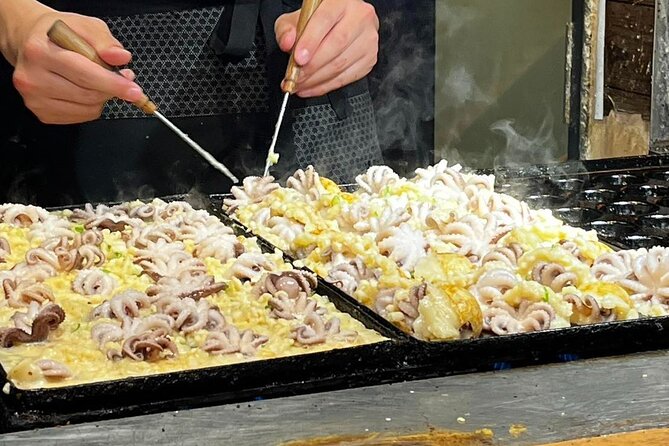
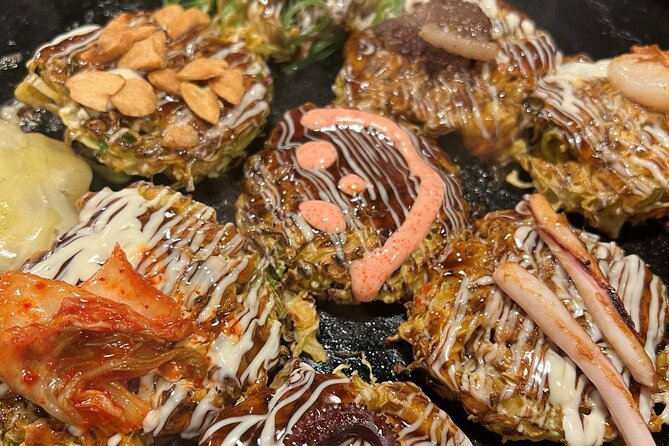
Takoyaki are hot octopus-filled batter balls, usually cooked in a molded pan and topped with sauce and other garnishes. They are easy to share, but be careful with the first bite because the center can be very hot.
Kushikatsu means food on skewers that has been coated and fried. You might find meat, vegetables, or seafood. It is a useful choice for a group because everyone can select different skewers, though fried food can become heavy if you order too much too early.
Okonomiyaki is a savory pancake made with cabbage and other ingredients. The name suggests a dish prepared according to what you like, and it is one of the most recognizable Osaka foods. If you want a substantial meal, this may be more filling than a succession of small snacks.
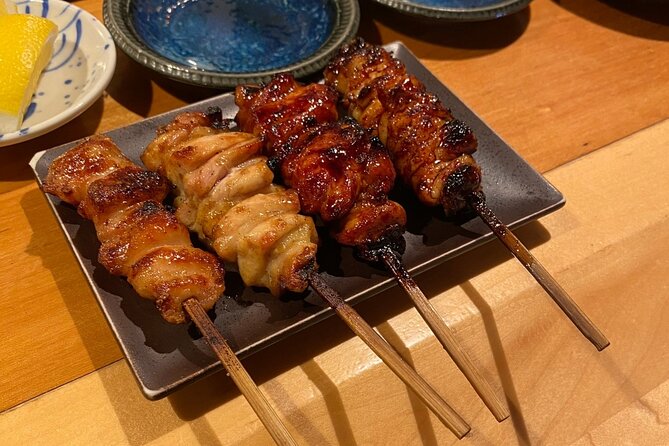
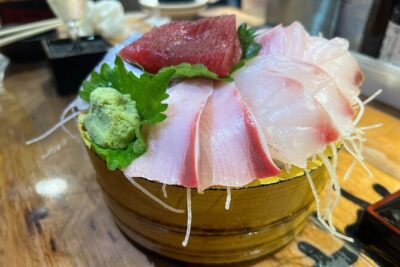
The crawl can also include yakitori, or chicken skewers, along with oden, sushi, sashimi, udon, daifuku, and doteyaki. Doteyaki is a less familiar Osaka dish, making it a good pick if you want to move beyond the usual first-visit list.
No one menu fits every group. You can ask for seafood, meat, lighter foods, local drinks, or several types of sake. One guide tailored a visit around sake, while another helped a group with varied dietary needs. Your guide can explain options, but you still pay for every dish and drink you order.
Izakayas and small restaurants around Namba
The most valuable part of the experience may be the door-opening help. Small izakayas can be intimidating when you cannot read the menu or are unsure about ordering customs. A guide can make the first visit feel manageable.
An izakaya is a Japanese pub where people order several small dishes with drinks. It is not always a formal dinner, and the best approach is usually to share. Your guide can suggest a few items, watch the total, and help you avoid ordering more than the group needs.
Several guides have taken small groups to a mix of crowded bars, quiet restaurants, and classic izakayas. That variety gives you a clearer picture of how Osaka eats than a single restaurant would.
The small group limit matters here. With no more than eight people, it is easier to fit into compact dining rooms and easier for the guide to keep track of different preferences. One small group had only two people, creating a relaxed, almost private outing.
There is no promise of a private tour, however. Group discounts are available, but the experience remains a group activity unless your booking happens to be small. If you want a carefully planned private dining event, confirm the arrangement before paying.
More off-the-list food tours in Japan:
- Alicante: Secret Flavors Food Tour
★ 4.8 · 1,514 reviews - Southern & Secret Walking Food Tour
★ 4.5 · 1,413 reviews - Edinburgh Food Tour with Scotch, Haggis, a Secret Dish & More
★ 5.0 · 1,172 reviews - Rome Food Tour: Hidden Gems of Trastevere with Dinner & Wine
★ 5.0 · 1,166 reviews
Hozen-ji Temple adds a quiet pause
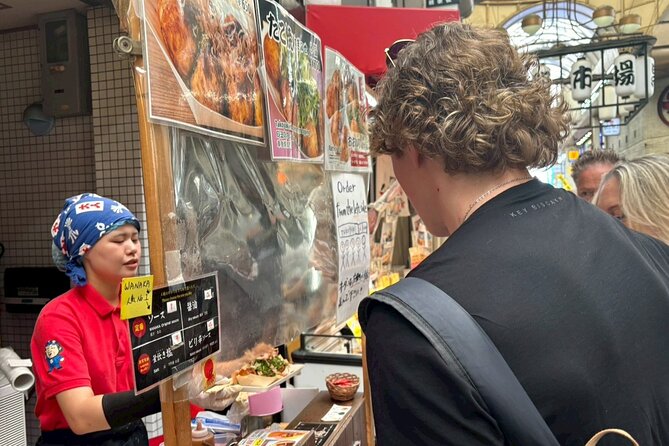
After the main Namba section, the group spends about 20 minutes at Hozen-ji Temple.
This small temple sits in the middle of the downtown district, making it an appealing contrast to the shopping streets and restaurant lanes. The stop is not a major sightseeing visit with a long guided lecture. Instead, it gives you time to see a local religious site and learn about a tradition connected with the temple.
The short visit also breaks up the food crawl. You can slow down, look around, and see a different side of central Osaka before continuing toward Dotonbori.
A guide may point out details you would otherwise pass without noticing. The experience is strongest when you treat Hozen-ji as a neighborhood stop, not as a grand temple complex. Twenty minutes is enough for a quick look, but not enough for an extended temple visit.
Dotonbori’s lights and famous signs
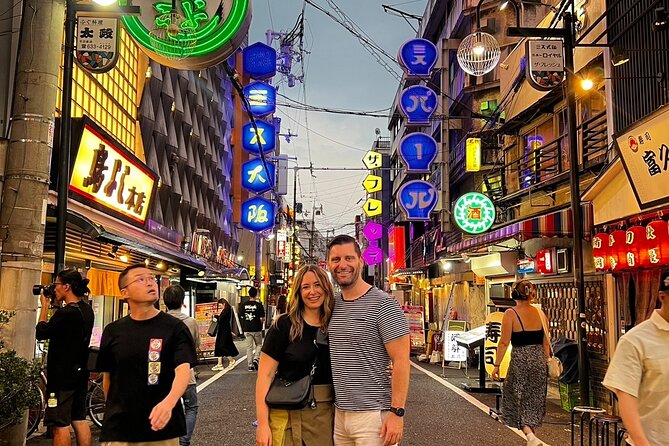
The final listed stop is Dotonbori, with about 20 minutes set aside for shops, local food signs, souvenirs, and photographs.
This is Osaka’s most recognizable food district, known for oversized advertising figures and the canal-side streets. It is the place to take the classic photos and see the city’s theatrical side.
Dotonbori is also where the tour’s contrast becomes clear. You see the famous signs and major food businesses, but the guide can point you toward less obvious places nearby. That balance is useful: you get the postcard scene without spending the whole tour in the most tourist-focused lanes.
The stop is brief, so do not expect a full shopping session. If you want souvenirs, note that the activity ends back at the original meeting point, and you can return to Dotonbori later on your own.
What the $42.28 price really buys
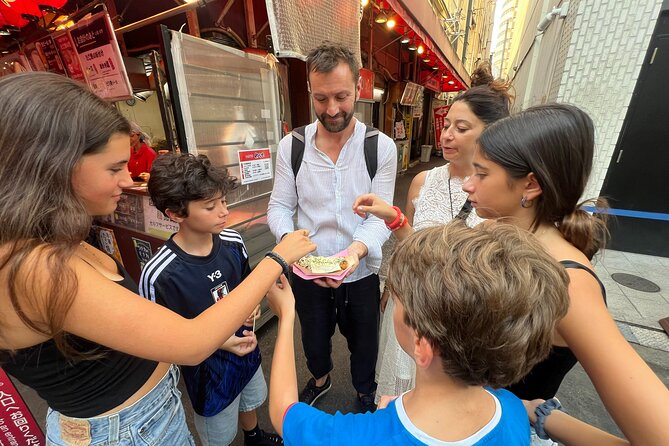
At $42.28 per person, the price is reasonable if you want guidance rather than a prepaid feast. Your fee covers an English-speaking guide, local orientation, ordering help, and access to places that can be difficult to approach alone.
It does not cover food, drinks, transportation, breakfast, lunch, or dinner. This is the detail that deserves the most attention before booking. Your final spending depends on how much you order and the restaurants your group chooses.
The pay-as-you-go system has a real advantage. You can skip foods you dislike, spend more on sushi or sake, choose a cheaper snack, or stop eating when you are full. A guide has also kept track of separate costs for a group, which is useful when several people order different dishes.
Still, the price can feel high if you only want to be shown a few restaurant doors. One person arrived expecting at least some food to be included and left before completing the activity. Read the inclusions carefully and set aside a separate meal budget.
The free cancellation policy allows a full refund when you cancel at least 24 hours before the start time. Changes or cancellations inside that window are not refunded.
Guide style makes a real difference
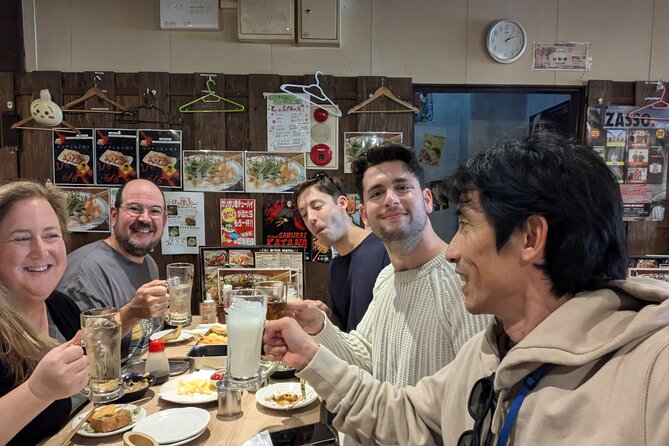
The guide is central to this experience. Names associated with past outings include Kota, Gil, Tony, Kazu, Sue, Ken, Momomi, Risa, Haru, Ryu, Miki, Kyoko, Satsuki, and Shehab. You may not be assigned to any particular person, so treat these examples as an indication of the range of personalities rather than a guarantee.
The strongest guiding style here is friendly, flexible, and practical. Risa has helped with translation and ordering. Sue has explained Osaka cuisine and adjusted plans for gluten-free eating. Haru has combined food with neighborhood stories, while Ryu has adapted the route to a group’s preferred dishes.
That personal approach is why this tour can feel more useful than a standard food checklist. You learn what to order, how to enter small restaurants, and which areas are worth revisiting.
The less polished side is that guides may have different levels of experience. One guide was new and occasionally showed it, although the group still reached the small restaurants they wanted. If you need a strict schedule and a professional culinary lecture, this may feel informal.
Who should book this experience
I would recommend it to you if you:
- Are visiting Osaka for the first time and want help with Namba food spots.
- Like choosing your own dishes rather than receiving a fixed tasting menu.
- Want to try several foods without committing to one long dinner.
- Need help with menus, translation, or dietary requests.
- Enjoy small restaurants, izakayas, street food, and local drinks.
- Prefer a small group and a relaxed walking route.
I would be more cautious if you want all food included, need guaranteed access to a particular restaurant, or dislike making choices during a meal. It is also not the best match if you want a pure sightseeing tour, since the food stops are the main event.
The walk is listed at about three hours, and most people can participate. The meeting point is near public transportation, service animals are allowed, and the group maximum is eight.
Should you book the Namba food crawl?
Book this tour if you see the $42.28 fee as payment for local guidance, translation, and restaurant access, then are comfortable paying separately for what you eat.
I like it most as a first food outing in Osaka. You can test takoyaki, kushikatsu, okonomiyaki, sushi, yakitori, or local drinks, then return to your favorites later. The Hozen-ji Temple and Dotonbori stops add just enough sightseeing to keep the evening from becoming a restaurant-to-restaurant march.
Skip it if you expect a meal included in the ticket. For everyone else, especially curious eaters who want a flexible route through Namba, this is a practical way to get started.
FAQ
Is food included in the Osaka food crawl?
No. Food and drinks are not included. You choose what you want to order at recommended restaurants and pay for those items separately.
How long does the activity last?
The experience lasts approximately three hours. About two hours and 20 minutes are allocated to Namba, followed by about 20 minutes at Hozen-ji Temple and 20 minutes in Dotonbori.
What foods might I try?
Possible foods include takoyaki, kushikatsu, sushi, sashimi, yakitori, oden, okonomiyaki, doteyaki, udon, daifuku, and other local dishes. The exact choices depend on your tastes and the group’s requests.
Where does the tour start and end?
It starts at Osaka JOINER Japan in Namba Walk, South Street 3, on the basement level at 1-chome 9 Sennichimae, Chuo Ward, Osaka. The activity ends back at the meeting point.
How large is the group?
The activity has a maximum of eight people. Group discounts are available.
Can I cancel for a refund?
Yes. You can receive a full refund if you cancel at least 24 hours before the start time. Cancellations or changes made less than 24 hours before the start time are not refunded.
Just added around Japan
- Kyoto: Replica food making experience★ 4.8 · 70 reviews
- Kyoto: Nishiki Market Tour with a Local Foodie & Tastings★ 4.5 · 67 reviews
- Kyoto: Foodie Night Tour in Gion with 9 dishes + 6 Sake★ 4.4 · 26 reviews
- Kyoto: Nishiki Market and Depachika Food Tour with a Local★ 4.7 · 76 reviews
- Kyoto Evening Gion Food Tour★ 4.9 · 35 reviews
- Kyoto: Local Food Tasting Tour at the Nishiki Market★ 4.7 · 135 reviews
- Kyoto: Gion & Pontocho Food Tour with 13 Dishes★ 4.9 · 235 reviews
- Kyoto: Casual Pontocho Evening Food Tour★ 4.8 · 31 reviews
Food Tours in Japan, compared.
Shinjuku Food Tour (13 Dishes at 4 Local Eateries)
Read our review →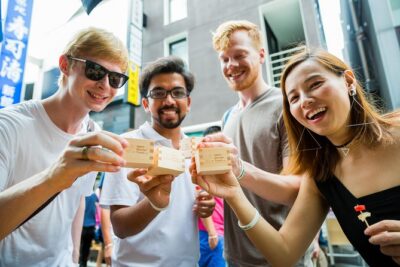
Tokyo Tsukiji Fish Market Food and Culture Walking Tour
Read our review →
Shinsekai Food Tour with 13-15 Dishes at 5 Eateries
Read our review →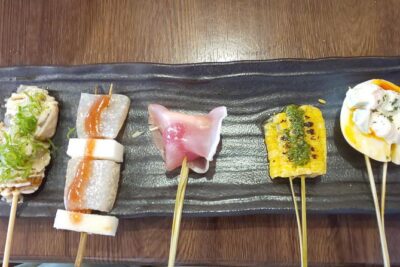
Osaka Food Tour: 13 Dishes at 5 Local Eateries
Read our review →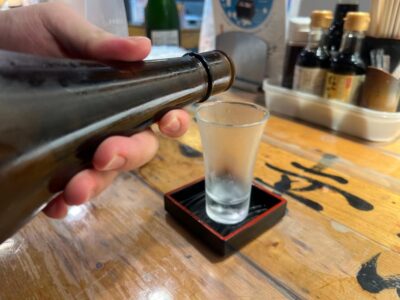
Shinjuku Food Tour (15 Dishes and 4 Eateries)
Read our review →
Best of Shinjuku: Izakaya Food Tour (4 Stops, 14+ Tastings)
Read our review →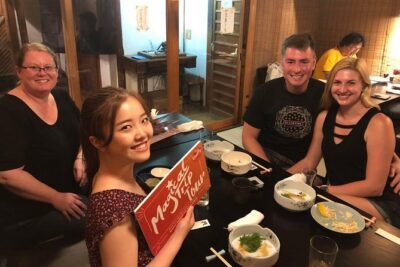
Kyoto Night Foodie Tour in Gion (9+ dishes + 6 Sake tastings)
Read our review →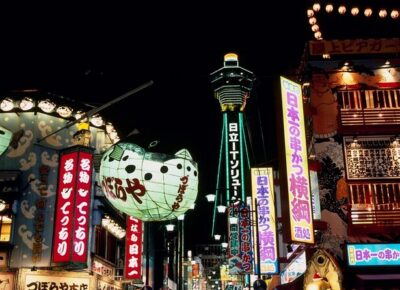
Hungry Osaka Street Food Tour:15 Tastings & 3 Drinks with a Local
Read our review →Browse the lists this tour appears in