
REVIEW · JAPAN
Tokyo Allstar Food Tour
Tokyo’s best food moments often happen under train tracks or behind an unmarked doorway, not in a famous restaurant with a polished tourist menu. This evening walk takes you from Ginza’s grand storefronts to Gado Shita’s old-school eateries and Shimbashi’s intimate izakayas, with local food and drinks along the way.
I like the small group limit of 10, which gives your guide time to explain customs and answer questions. I also like the mix of substantial restaurant stops and quick tastings, including yakitori, regional specialties, tea, sweets, and dessert. The main caution is price: at $231 per person, you should expect more than a light sampling tour, yet a few itineraries may leave you wanting a late dinner.
Key points to know before you book
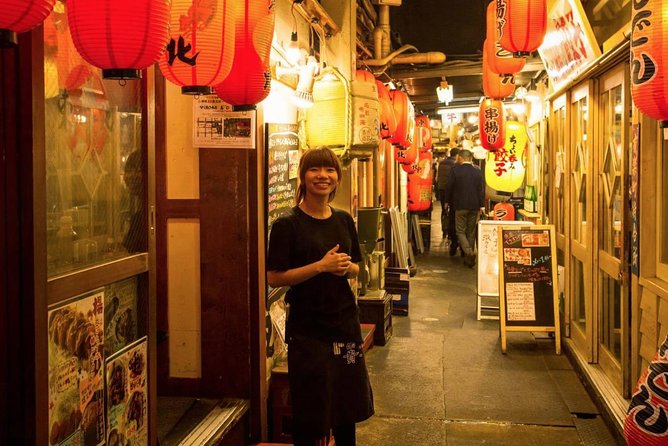
- Three Tokyo districts in one evening: Walk from Ginza to Gado Shita and finish around Shimbashi Station.
- Four food stops: Expect regional tastings, yakitori, dessert, and one complimentary drink.
- Small groups matter: The maximum is 10 people, with guides such as Josh, Ryan, Yuko, Kay, Norma, and Asami leading recent departures.
- The setting is part of the meal: Gado Shita puts you under the city’s train tracks, while Ginza supplies a sharp contrast of luxury shops and polished food displays.
- Dietary requests are supported: Vegan, vegetarian, pescetarian, and gluten-free options are listed, but pork can be difficult to avoid.
- Plan for walking: You need moderate fitness, and the tour runs from 4:00 p.m. for about three hours.
Why this evening route works
This is not simply a parade of snacks. The route shows you three very different faces of central Tokyo in a short stretch of time.
You begin near the Wako Ginza Clock Tower, a handy landmark on Chuo-dori. From there, your guide leads you through the Ginza area, past the Takarazuka Theater, Ginza Six, and Kabuki-za. These are sightseeing stops rather than admission visits, so you look, listen, and keep moving toward the food.
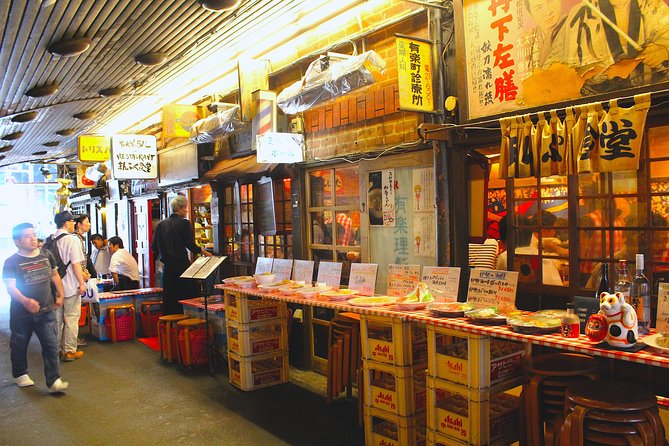
The strongest part of the route is the change in mood. Ginza is carefully dressed and expensive. Gado Shita, literally the area beneath the tracks, is narrower, louder, and more casual. Shimbashi then brings you into a district filled with local pubs and small restaurants. I like this progression because it gives the meal a sense of place instead of treating food as an isolated activity.
Your guide also explains Japanese food customs and dining manners. That help is useful in an izakaya, where menus, serving styles, and shared plates can feel unfamiliar. Guides including Josh, Ryan, Shige, Kay, Hirotake Watanabe, Yuko, Norma, and Asami have been praised for warmth, humor, clear explanations, and making a mixed group feel included.
A few more food tours around Japan worth comparing
- Tokyo: Shinjuku Food Tour (13 Dishes at 4 Local Eateries)
★ 5.0 · 6,603 reviews - Tokyo Tsukiji Fish Market Food and Culture Walking Tour
★ 5.0 · 3,184 reviews - Osaka: Shinsekai Food Tour with 13-15 Dishes at 5 Eateries
★ 4.8 · 2,204 reviews
Starting in Ginza under the glow of the clock tower
Meet at 4:00 p.m. by the Seiko House Ginza Clock Tower at 4-chōme-5-11 Ginza. The meeting point is easy to identify, and the timing gives you a useful transition from afternoon sightseeing into Tokyo’s dinner hours.
Ginza is known for department stores, designer brands, galleries, theaters, and immaculate displays. Your guide points out places such as Ginza Six and Kabuki-za, but the point is not to tour these buildings inside. Instead, they provide context for the neighborhood and show how close Tokyo’s luxury shopping district sits to humble food counters and old drinking streets.
One entertaining part of the walk is seeing the price gap in Japanese food culture. Ginza shops may display carefully presented fruit, including melons priced around $500. Nearby pastry cases are arranged with the precision of jewelry displays. You do not need to buy these items for the experience to be worthwhile, but they make a memorable contrast with the inexpensive-looking streets you visit later.
The walk also passes Karasumori Jinja, a small shrine near Shimbashi. It is another reminder that Tokyo’s modern commercial districts still contain compact religious sites and neighborhood corners that are easy to miss when you rush between major attractions.
Gado Shita: Tokyo’s old train-track dining streets
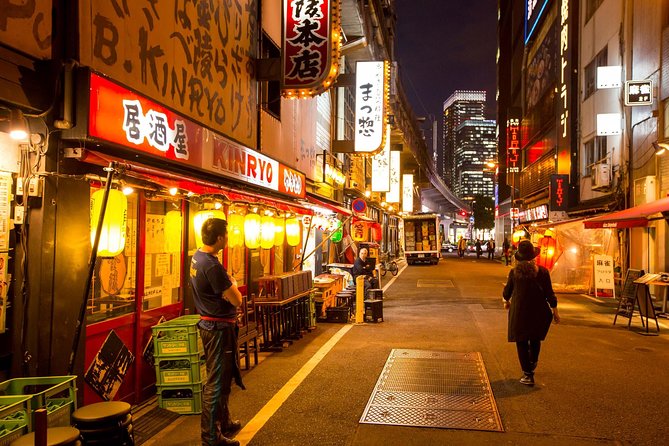
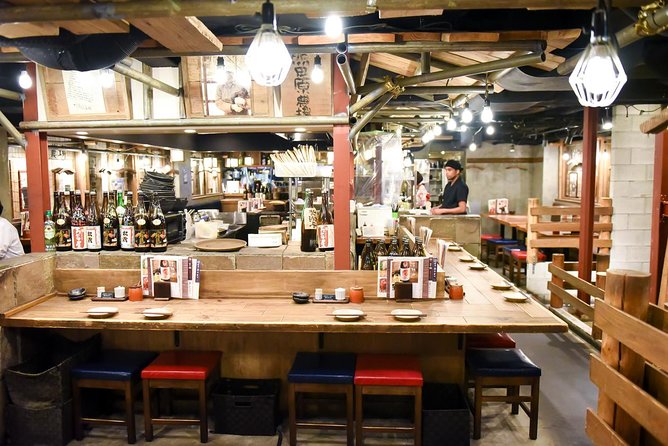
The route’s most distinctive setting is Gado Shita, the restaurant zone directly beneath the elevated railway tracks. Here, narrow lanes, bright signs, close-set tables, and cooking smells create a very different mood from Ginza’s broad avenues.
This area recalls an older Tokyo, with small establishments serving office workers and residents after work. It is the kind of place many visitors would hesitate to enter alone, especially when a restaurant has limited English signage or a menu that assumes local knowledge. Having a guide handle the introductions removes much of that uncertainty.
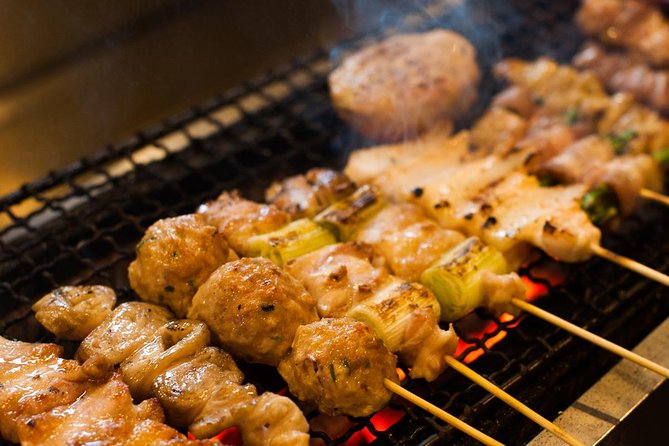
At the izakayas, you sample yakitori and drinks. Yakitori is grilled chicken, usually served in small portions and seasoned in different ways. The format makes it easy to compare flavors without committing to one large dish, although the exact skewers and substitutions can change according to restaurant schedules and available ingredients.
Food here is social. Plates may be shared, drinks arrive alongside the dishes, and the meal moves at a relaxed pace. Your guide can explain how to approach the food, what sauces are for, and how the restaurant fits into Japanese dining culture. I find that setting more valuable than simply receiving a list of ingredients.
Keep your expectations flexible. The stops can change because of holidays, weather, restaurant schedules, or other conditions. That flexibility protects the experience, but it also means you should not book this expecting a fixed menu with a guaranteed list of every dish.
Four stops, with food ranging from familiar to surprising
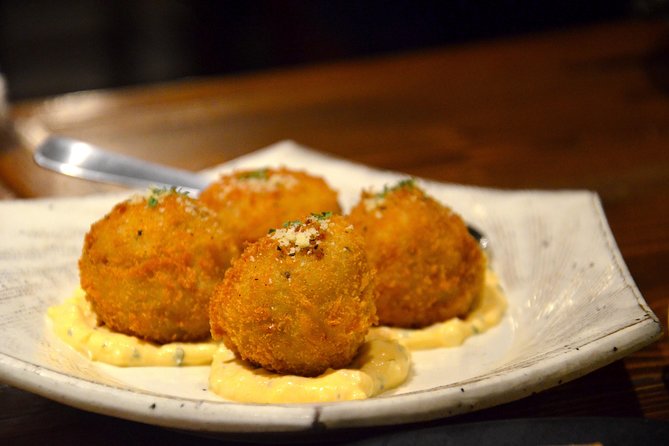
The tour includes four food stops, regional tastings, dessert, and one complimentary drink. The descriptions from past departures suggest a mix rather than one long sit-down dinner.
You might begin with appetizers and a drink, then try dishes such as seared bonito, regional food from southern Japan, green tea, cookies, mochi, miso, sauces, and other small items. Yakitori is one of the clearest recurring themes, while dessert gives the evening a sweet finish.
Some departures include two main restaurant visits plus several shorter tasting stops. That setup has two advantages. You get to see more types of food businesses, and you can try ingredients in small amounts. It also has a drawback: a quick tea or cookie sample may feel more like a shop visit than a full food stop.
That distinction matters at this price. At $231 per person, I would book this for access, guidance, and cultural context rather than for the cheapest possible meal. If your main goal is to eat a large dinner, you may find the amount uneven. Some people finish very well-fed, while others have wanted a proper meal afterward.
For me, the value improves when you use the tour as an introduction to Tokyo dining. Pay attention to the restaurants and dishes you like. Several guides have pointed participants toward places worth revisiting, and the route can give you ideas for later meals.
Same city, a completely different plate:
- Osaka Food Tour: 13 Dishes at 5 Local Eateries
★ 5.0 · 2,149 reviews - Tokyo: Shinjuku Food Tour (15 Dishes and 4 Eateries)
★ 4.9 · 2,033 reviews - Best of Shinjuku: Izakaya Food Tour (4 Stops, 14+ Tastings)
★ 5.0 · 1,863 reviews - Kyoto Night Foodie Tour in Gion (9+ dishes + 6 Sake tastings)
★ 5.0 · 1,762 reviews
Shimbashi brings the evening to its most local-feeling stretch
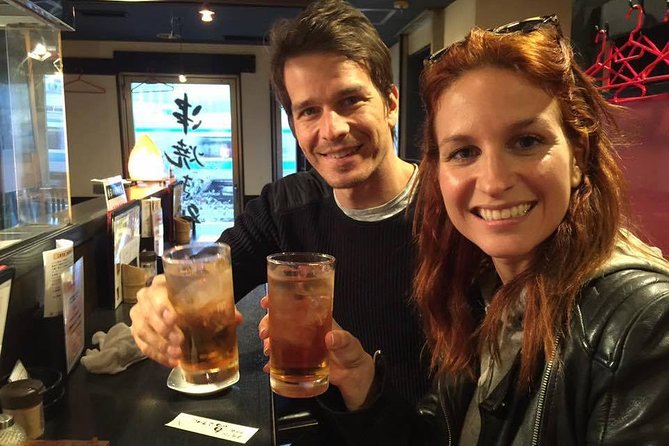
The tour finishes in Shimbashi, near JR Shimbashi Station, at 2 Chome-17 Shinbashi. This is a practical ending point, since you can continue by train or find another meal nearby if the tastings did not fill you up.
Shimbashi is known here for rustic eateries and izakayas used by local residents. The setting feels more relaxed than Ginza, and the compact restaurants give you another chance to see how Tokyo’s after-work dining culture operates.
I especially like ending in Shimbashi rather than returning to the original meeting point. You see a clear geographic progression and finish near a major transportation hub. The route does involve steady walking between stops, so wear comfortable shoes and avoid treating this as a seated dinner with occasional sightseeing.
The final stop can vary. Restaurant hours, public holidays, weather, and other practical matters may lead to substitutions. That is normal for a small food tour, but you should view the itinerary as a framework rather than a promise of exact venues.
Guide quality is a major part of the value
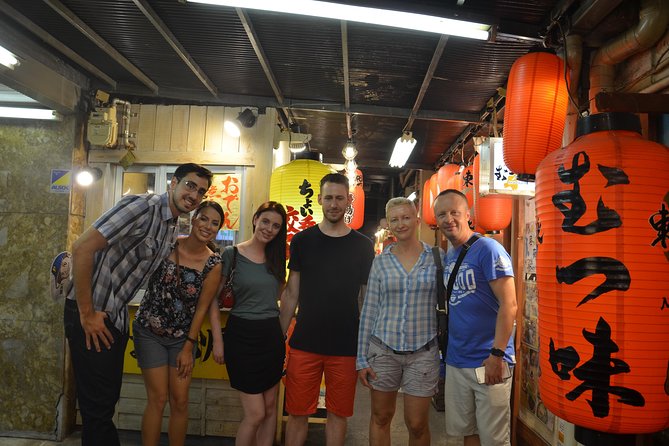
The food is important, but the guide can make or break this experience. A good guide keeps the group together, explains unfamiliar dishes, handles ordering, and adds enough Tokyo context without turning every stop into a lecture.
Josh is frequently praised for being funny, warm, and informative, with useful facts about Tokyo and Japanese food. Ryan is noted for combining strong food knowledge with an easy personality, and for making the walk educational without making it stiff. Yuko and her assistant have been described as thoughtful and helpful, while Kay is known for keeping the group entertained.
Other named guides include Shige, Norma, Hirotake Watanabe, and Asami. The specific guide depends on your departure, so you should not book with the assumption that one particular person will lead your tour. Still, the range of positive guide feedback suggests that personal hosting is one of the experience’s strongest features.
The group limit of 10 helps. In a smaller group, you can ask about etiquette, ingredients, neighborhoods, and later dining ideas without shouting over a crowd. It also makes it easier for the guide to notice dietary needs and keep everyone involved.
Dietary needs and the question of pork
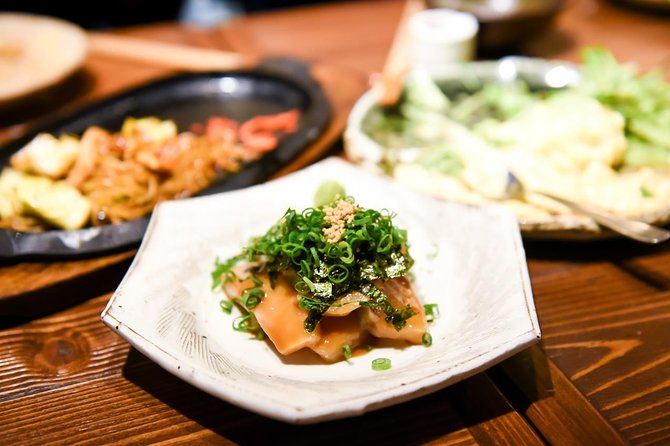
Vegan, vegetarian, pescetarian, and gluten-free requests are supported. You should provide accurate information when booking and remind your guide at the start, since the route and dishes may require substitutions.
Pork deserves special attention. One departure worked well for many dietary needs, but a strict no-pork diet may not fit every version of this tour. Yakitori often means chicken, but the wider selection of izakaya dishes can include pork, meat-based sauces, or shared preparation areas.
If you eat broadly and enjoy trying unfamiliar foods, the menu should feel more rewarding. If you avoid several ingredients, ask for confirmation before committing and keep in mind that the exact restaurants may change.
Children are welcome when accompanied by an adult. Children aged 10 and above require a copy of passport information, and the minimum drinking age is 21. The tour is family-friendly in its general setup, but the evening izakaya atmosphere may suit older children better than very young ones.
Is $231 a fair price?
The price is the tour’s biggest decision point. At $231 per person, you are paying for a local guide, four food stops, regional tastings, dessert, one drink, a small group, and access to places that can be hard to navigate alone.
That is not the same as paying $231 for a restaurant meal. You are also buying route planning, translation help, cultural explanation, and the confidence to enter unfamiliar food businesses. For a first evening in Tokyo, those services can have real value.
Still, I would not call it a bargain food crawl. The amount of food can vary, and short tasting stops may be lighter than expected. A few people have finished hungry, especially if they expected 18 to 20 substantial tastings. Check your expectations: this is a guided neighborhood experience with food, not a banquet.
The price makes the most sense if you want local orientation early in your Tokyo stay. It makes less sense if you already know Tokyo’s izakayas, speak Japanese well, or mainly want the greatest quantity of food for your money.
Practical details for a smooth evening
The tour lasts about three hours and begins at 4:00 p.m. That timing lets you see Ginza in the change from daylight to evening illumination, then enter Shimbashi as its restaurants become active.
Use public transportation to reach the clock tower, and expect to finish at JR Shimbashi Station. Hotel pickup and drop-off are not included, and transportation costs are separate. A mobile ticket is provided.
Wear shoes suited to walking. The route is not presented as strenuous, but you need moderate physical fitness and will move between several neighborhoods and stops.
The experience requires good weather and a minimum number of participants. If poor weather or low enrollment causes cancellation, you can choose another date or receive a full refund. You can also cancel for a full refund up to 24 hours before the start time. Within 24 hours, refunds and changes are not accepted.
The tour has a 4.7 rating from 206 ratings, with 95 percent recommending it. Those figures fit the overall picture: strong guide service, memorable neighborhood access, and food that is usually well received, balanced against a high price and some variation in how much you eat.
Should you book the Tokyo Allstar Food Tour?
I would book this if you want a guided first look at Tokyo food culture and prefer small local eateries to a polished restaurant crawl. It is especially useful early in your visit, when you still need help with menus, dining manners, neighborhood layout, and choosing places you might return to.
Book it with realistic expectations. You will walk, share small portions, and follow a route that may change. You may eat enough for dinner, or you may want another meal afterward. If you avoid pork or have several dietary restrictions, confirm the fit before paying.
For a curious eater who values access and conversation, the move from Ginza’s luxury displays to Gado Shita’s train-track izakayas and Shimbashi’s casual food streets is a memorable way to spend an evening. If you only want maximum food at the lowest cost, choose a less expensive meal-focused option instead.
FAQ
Where does the Tokyo Allstar Food Tour begin?
It begins at the Seiko House Ginza Clock Tower, 4-chōme-5-11 Ginza, Chuo City, Tokyo 104-0061, Japan.
Where does the tour finish?
The tour finishes near JR Shimbashi Station, at 2 Chome-17 Shinbashi, Minato City, Tokyo 105-0004, Japan.
What time does the experience start?
The tour starts at 4:00 p.m. and lasts approximately three hours.
What food and drinks are included?
The experience includes regional food tastings, dessert, four food stops, and one complimentary drink. Additional food and drinks cost extra.
Can dietary restrictions be accommodated?
The tour is listed as vegan, vegetarian, pescetarian, and gluten-free friendly. Exact dishes and restaurants can change, and strict pork avoidance may be difficult.
How many people are in the group?
The maximum group size is 10 people. Children must be accompanied by an adult, and the minimum drinking age is 21.
Just added around Japan
- Best of Hiroshima Food Tour★ 5.0 · 32 reviews
- Hiroshima Izakaya Food and Drink Night Tour★ 5.0 · 297 reviews
- All-inclusive Hiroshima Nighttime Food and Cultural Immersion★ 4.5 · 60 reviews
- Adventurous Japanese Food Tour in Tokyo★ 4.5 · 53 reviews
- Tokyo: Best Ginza Food Tour at 3 Local Eateries★ 5.0 · 83 reviews
- Chef’s Choice Sushi and Tempura Luxury Foodie Tour in Ginza★ 5.0 · 35 reviews
- Tokyo: Asakusa & Sensoji ー Oldest Temple Walking Tour (2hrs)★ 5.0 · 213 reviews
- Tokyo : Asakusa Food Tour – 12 Dishes & 3 Drinks★ 5.0 · 44 reviews
Food Tours in Japan, compared.
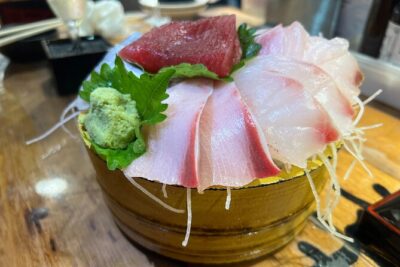
Shinjuku Food Tour (13 Dishes at 4 Local Eateries)
Read our review →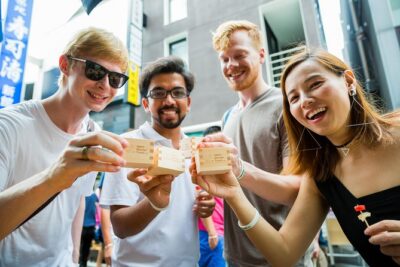
Tokyo Tsukiji Fish Market Food and Culture Walking Tour
Read our review →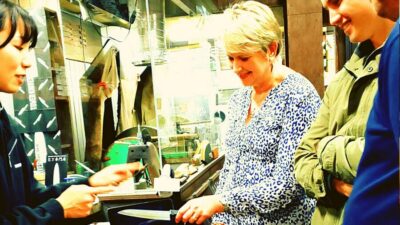
Shinsekai Food Tour with 13-15 Dishes at 5 Eateries
Read our review →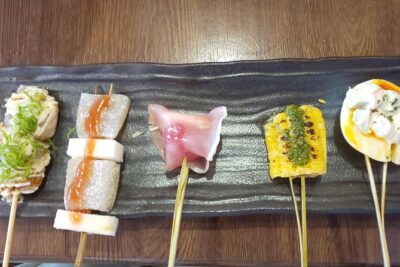
Osaka Food Tour: 13 Dishes at 5 Local Eateries
Read our review →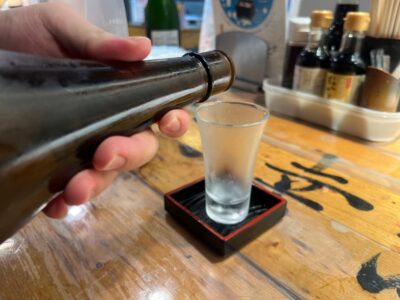
Shinjuku Food Tour (15 Dishes and 4 Eateries)
Read our review →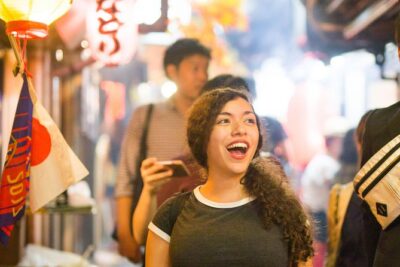
Best of Shinjuku: Izakaya Food Tour (4 Stops, 14+ Tastings)
Read our review →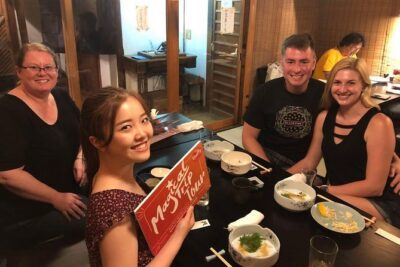
Kyoto Night Foodie Tour in Gion (9+ dishes + 6 Sake tastings)
Read our review →
Hungry Osaka Street Food Tour:15 Tastings & 3 Drinks with a Local
Read our review →Browse the lists this tour appears in