
REVIEW · OSAKA
Hungry Osaka Street Food Tour: 15 Dishes & 3 Drinks
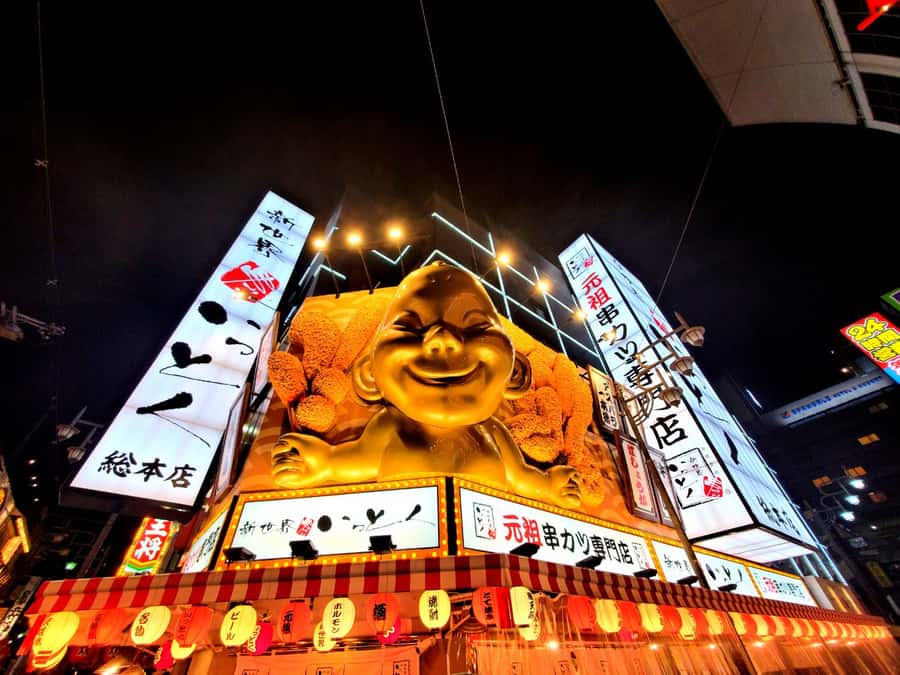
Osaka’s best food experience here is not a single famous dish. It is the way 15 small plates turn one evening into a tour of Shinsekai’s eating culture, from fried kushikatsu and gooey takoyaki to oden and Osaka-style udon. Guides such as Andy, Anna, Scott, Tim, and Kenzo add local stories while handling the ordering.
I like the mix of five different food stops and the fact that you eat in places you might skip if you cannot read Japanese menus. I also like the social setup: small groups, shared dishes, and enough time to talk with your guide and fellow diners. The main catch is that this is a large amount of food, and the tour cannot cater for vegan or gluten-free diets.
Key points at a glance
- Fifteen dishes across five stops: Eat at an izakaya, food stall, standing bar, yakitori restaurant, and another local restaurant.
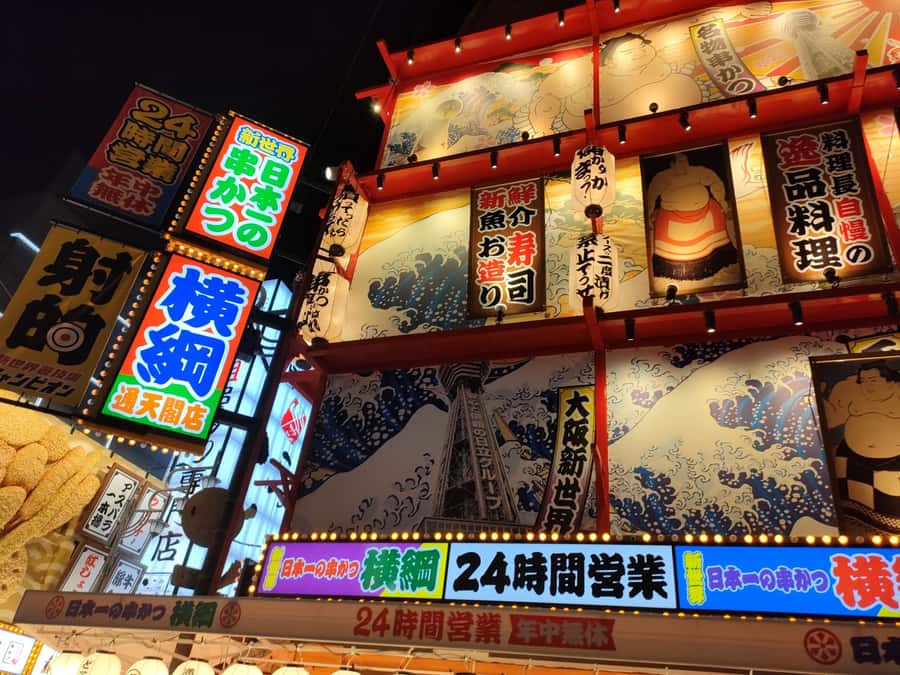
- Shinsekai after dark: Walk through Osaka’s retro district while hearing stories about its past and food culture.
- Classic Osaka flavors: Try kushikatsu, doteyaki, takoyaki, karaage, oden, udon, grilled skewers, dessert, and more.
- Friendly English-speaking guides: Andy, Anna, Scott, Tim, Kenzo, and other guides are praised for humor, warmth, and local insight.
- Good value for hungry eaters: The $79 price includes the food and either two or, according to the overview, three drinks, so confirm the current drink allowance when booking.
- Plan around dietary limits: Vegetarian options may be possible with advance notice, but vegan and gluten-free diets cannot be accommodated.
Why Shinsekai is the right place for an Osaka food tour
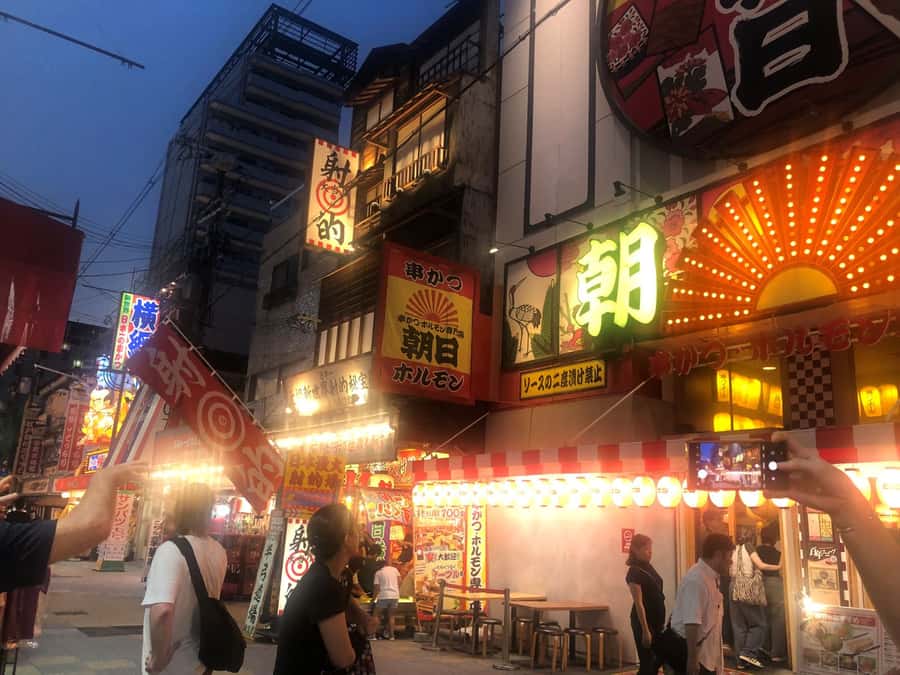
Shinsekai gives you a different side of Osaka from the polished shopping streets around Namba and Umeda. It is a retro neighborhood with narrow lanes, old-style eateries, neon signs, and a long-standing connection to inexpensive local food.
You begin at Ebisucho Station, near Exit 3, and meet at the top of the stairs 15 minutes before the start. From there, your guide leads you on foot between food stops. The tour ends back at the same meeting point, so you do not need to arrange a late-night ride from an unfamiliar part of town.
I like this setup because the neighborhood itself becomes part of dinner. You are not simply carried from restaurant to restaurant. You see the streets, watch the area come alive, and learn why certain foods matter in Osaka. The walking also gives you a little breathing room between plates, though you should still arrive very hungry.
The experience lasts about three hours. That is enough time for a proper evening without taking your whole night. You can book it early in your Osaka stay to get restaurant ideas and neighborhood bearings, or use it at the end of your trip as a final food-focused night.
More Food Tours in Osaka
- Osaka: Shinsekai Food Tour with 13-15 Dishes at 5 Eateries
★ 4.8 · 2,204 reviews - Osaka Food Tour: 13 Dishes at 5 Local Eateries
★ 5.0 · 2,149 reviews - Hungry Osaka Street Food Tour:15 Tastings & 3 Drinks with a Local
★ 5.0 · 1,727 reviews
Stop one: kushikatsu and doteyaki in true Osaka fashion
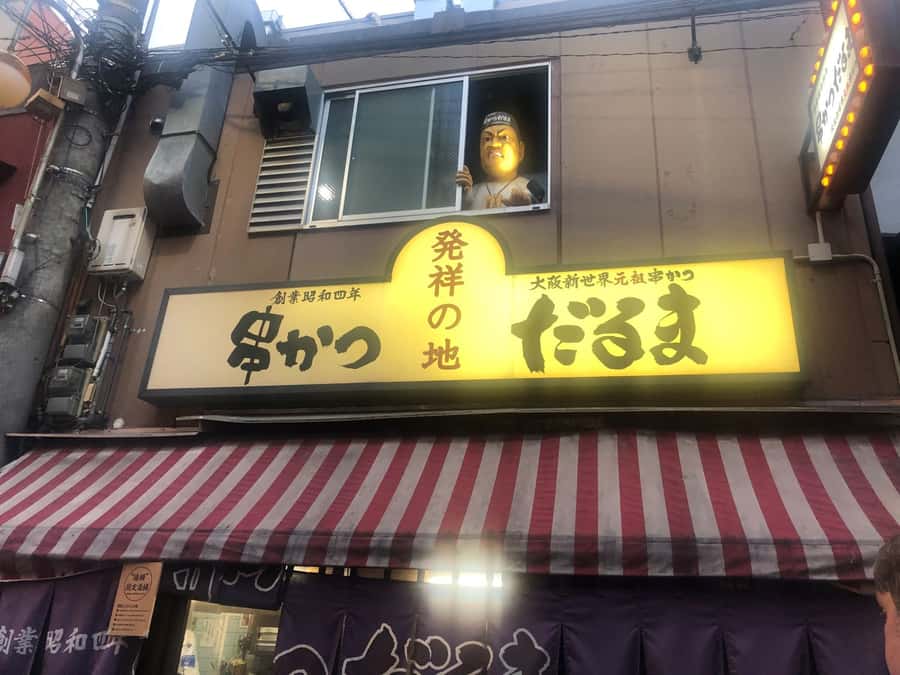
The opening dishes introduce two foods closely linked with Osaka. Kushikatsu consists of meat and vegetables on skewers, coated in a light batter and fried. It is simple, savory food, but the pleasure comes from trying different combinations and eating them in a casual local setting.
The tour also serves doteyaki, a slow-cooked beef tendon dish flavored with miso. It has a soft, hearty texture and a deep savory taste. Roasted garlic adds a bold side note, so this is not the gentlest opening if you prefer very mild food.
Your first drink is paired with this stop. The food and drink help set the tone: this is not a formal tasting menu with tiny decorative portions. It is casual neighborhood eating, served in places built for conversation and repeat visits.
A guide matters here because some of these foods may not be obvious to order on your own. Your guide can explain what is on the plate, help with Japanese ordering, and tell you how the dish fits into local eating habits. Andy has been especially praised for moving comfortably between English and Japanese and for having friendly relationships with restaurant staff.
Stop two: karaage and Osaka’s famous takoyaki
Next comes karaage, Japan’s crisp, juicy fried chicken. The tour includes different seasonings, giving you a chance to compare flavors instead of eating one standard piece and moving on.
One especially useful feature is the visit to a karaage bar stand. A small specialty stop like this is easy to miss when you are exploring by yourself, particularly if you do not know what the Japanese signs mean. It also breaks up the meal with a different setting from the first restaurant.
Then comes takoyaki, Osaka’s signature street snack. These round octopus balls are cooked in cast-iron molds until browned outside and soft inside, then finished with sauces and toppings. They are filling, hot, and often messy in the best possible way.
Takoyaki can be hotter than it looks, so take a moment before eating. The soft center is part of the appeal, but it also means you should not rush through the first bite. Your guide can explain the dish and help you understand how it is usually served.
This part of the tour is a strong choice for first-time visitors because it covers foods many people associate with Osaka, while still presenting them in ordinary local stops rather than as a checklist of tourist attractions.
Stop three: charcoal-grilled skewers at a yakitori restaurant
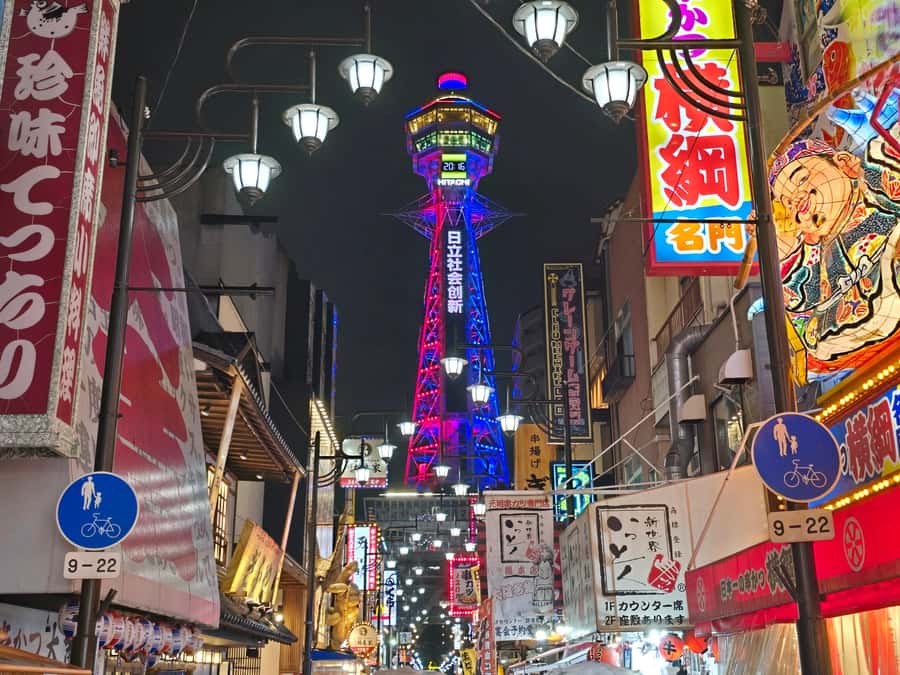
A yakitori restaurant brings a smoky change of pace. You eat skewers of grilled meat and vegetables, along with marinated side dishes and another drink.
The appeal here is the atmosphere as much as the food. Yakitori places tend to be compact and social, and the charcoal cooking gives the skewers a clear roasted flavor. The portions are designed for sharing, which makes this a natural point in the evening to compare favorites with the people at your table.
The guide helps the group order without confusion and makes sure different tastes are considered. Several guides, including Tim and Scott, are praised for keeping everyone involved while explaining the food and local customs in an easygoing way.
You should know that the meal moves through several styles of food, so preferences can matter. Tell your guide early if you dislike seafood, strong flavors, or certain meats. A seafood allergy was handled successfully for one family by arranging alternatives, but you should contact the company before booking with any specific dietary need.
More street food nights in Japan:
- Tsukiji Fish Market: Street Food & Culture Walking Tour
★ 5.0 · 669 reviews - Asakusa Highlights: Street Food Crawl Tour (7+ Local Bites)
★ 5.0 · 206 reviews - Dubai: Old Town, Creek, Museums, Souks, & Street Food Tour
★ 4.8 · 10,816 reviews - Ho Chi Minh City Street Food Tour & Sightseeing By Motorbike
★ 5.0 · 9,413 reviews
Stop four: oden at a standing bar
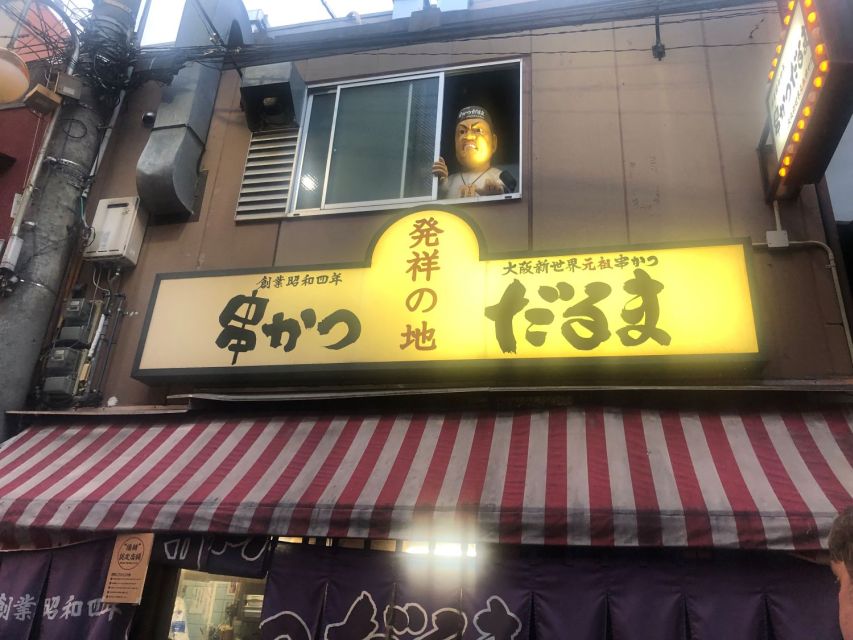
The final savory stretch takes you to a standing bar for oden. This Japanese comfort food consists of vegetables, fish cakes, and other ingredients simmered in a seaweed-based broth.
Oden is a good reminder that Japanese street food is not all fried food and bright sauces. It is warm, gentle, and broth-focused. You might find daikon, fish cakes, or other simmered ingredients in the selection, though the exact dishes can vary.
The standing bar also changes the rhythm of the night. Instead of sitting through every course, you get a more casual stop where people eat, drink, and move along. For some people, this is the most local-feeling part of the tour. For others, standing may be less comfortable after several hours of food, so keep that in mind.
The company notes that restaurants can occasionally be full or closed. If that happens, the group is taken to another location. This means the exact sequence and restaurant names may change, but the overall food focus remains the same.
Stop five: Osaka-style udon and something sweet
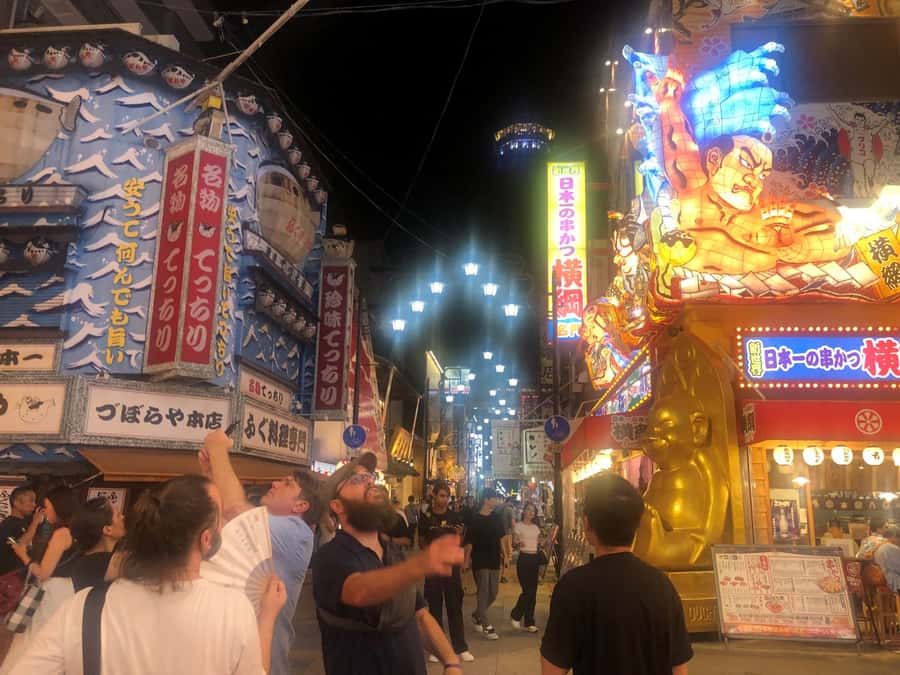
The evening finishes with udon noodles in a savory Osaka-style broth, followed by dessert. Udon is a satisfying final dish because the thick noodles and warm soup bring the meal to a proper close.
The noodle stop has been a favorite for diners who enjoy traditional food more than flashy presentation. It is also a useful contrast with takoyaki, karaage, and kushikatsu. You get to taste how Osaka handles simple staples, not just its famous snack foods.
The dessert provides a small sweet ending, though the exact item is not specified. If you still have room, you may also have a final local drink. Here the tour details need careful reading: the overview describes three local drinks, while the included section lists two drinks. The material also says the tour was updated with another drink. I would confirm the current number when booking rather than assume three are guaranteed.
How the guides shape the evening
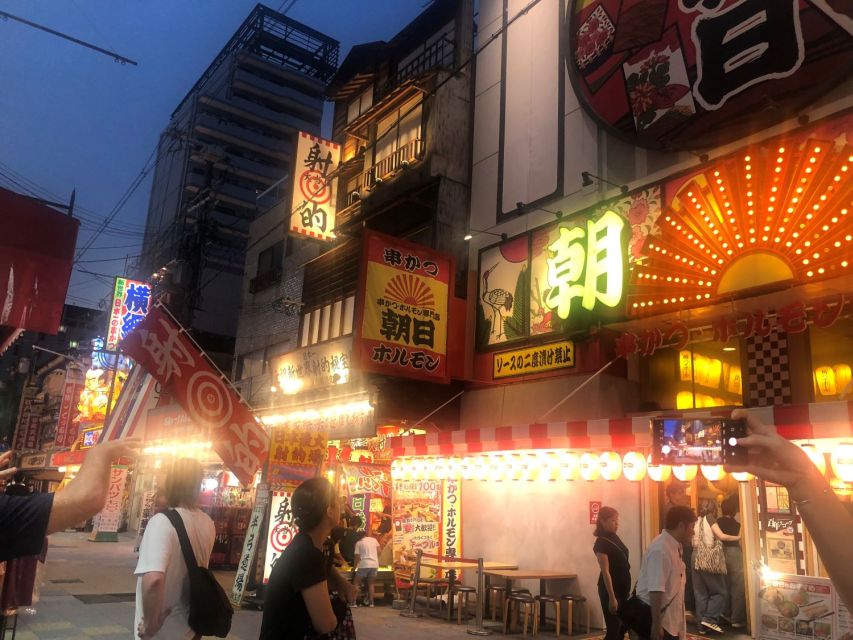
The food is the reason to book, but the guide can decide how relaxed the night feels. The named guides include Andy, Scott, Tim, Anna, and Kenzo. Their styles differ, yet the strongest pattern is warmth, humor, and a willingness to answer questions about Osaka beyond the plate.
Andy is described as lively, funny, and good at bringing a group together. He also explains history and culture while translating and ordering. Anna is praised for her energy, friendly manner, and ability to make children and adults feel included. Scott is a calm, approachable host who talks about the local food scene and Osaka culture.
Tim is a good fit if you enjoy historical facts and a relaxed sense of humor. Kenzo is noted for taking time with each person in the group and for explaining both food and Japanese customs.
You cannot choose a guide from the information provided, so book for the tour itself rather than expecting one particular person. Still, the repeated praise for the whole guide team is reassuring. A good host is especially useful in small eateries where menus, seating, and ordering may not be obvious.
What $79 gets you, and where the value lies
At $79 per person, this is not the cheapest way to eat in Osaka. You can buy individual street snacks for much less. The value comes from the range of food, the number of stops, the drinks, the guide, and the access to restaurants you might not find or feel comfortable entering alone.
Fifteen dishes is a substantial amount. You are not paying for one signature snack and a short walk. You are getting a full evening meal spread over five places, with several Osaka specialties and different restaurant styles.
The cost makes more sense if you are new to Japan, enjoy trying many things, or want someone else to handle ordering and translation. It is less compelling if you already know Osaka well, speak Japanese, and prefer choosing one restaurant at your own pace.
The group setting also adds value for solo visitors and couples who enjoy meeting people. Several people describe making friends during the tour, and the shared dishes naturally create conversation. Families can enjoy it too, although children under five are not permitted and the pace may be tiring for very young children.
Dietary limits and practical planning
Vegetarians may be accommodated, but you must contact the company before booking. Do not wait until the meeting point, since the food stops need advance planning.
The tour is not suitable for vegans or people with gluten intolerance. Seafood allergies should also be discussed in advance. Alternatives may be possible, but you should never rely on last-minute changes for a serious allergy.
Arrive at Ebisucho Station’s Exit 3 fifteen minutes early. You are meeting at the top of the stairs, not inside a restaurant. Wear comfortable shoes because you walk between stops, and avoid eating a large meal beforehand.
The tour is conducted in English. Video and audio recording are not allowed. You can cancel for a full refund up to 24 hours in advance, and the reserve-now, pay-later option may help if your Osaka schedule is still changing.
Who should book this Osaka food tour?
I would book this for a first or second evening in Osaka if you want a friendly introduction to local food and Shinsekai. It gives you dishes to recognize later, restaurants to remember, and a better sense of how neighborhood eating works.
It also suits adventurous eaters who prefer variety. You try fried foods, grilled skewers, simmered dishes, noodles, dessert, and drinks in one night. If you are unsure what to order in Japan, the guide removes much of the guesswork.
I would skip it if you need a vegan or gluten-free menu, dislike shared meals, or want a quiet, carefully paced dinner. The number of dishes can be overwhelming, especially if you arrive without an appetite. You should also confirm the current drink allowance because the tour information gives both two and three drinks.
Should you book it?
For most food-focused visitors, yes. The combination of five local stops, a walk through Shinsekai, 15 dishes, and a personable English-speaking guide makes $79 a fair price for a three-hour evening.
Book it early in your Osaka stay if you want help getting oriented. Arrive hungry, tell the company about dietary needs before paying, and confirm whether the current package includes two or three drinks. If those conditions suit you, this is a lively and practical way to meet Osaka through the food people actually eat.
FAQ
Where does the tour start?
Meet at the top of the stairs at Exit 3 of Ebisucho Station on the Metro Sakaisuji Line.
How early should I arrive?
Arrive 15 minutes before the tour starts.
Where does the tour end?
The tour ends back at the meeting point near Ebisucho Station.
How long does the experience last?
The tour lasts about three hours.
How many dishes are included?
The experience includes up to 15 dishes.
How many drinks are included?
The included section lists two drinks, while the overview describes three local drinks and mentions a recent added drink. Confirm the current allowance when booking.
Is the tour conducted in English?
Yes. English is listed as the tour language.
Are vegetarian options available?
Vegetarian options may be available, but you must contact the company before booking.
Can vegans or people with gluten intolerance join?
No. The tour is listed as unsuitable for vegans and people with gluten intolerance.
Are children allowed?
Children under five are not permitted. Families with older children can join, and one guide has accommodated a child with a seafood allergy by arranging alternatives.
What happens if a restaurant is closed or full?
The group is taken to an alternative location.
Can I cancel for a refund?
Yes. You can cancel up to 24 hours in advance for a full refund.
Just added around Japan
- Kyoto: Replica food making experience★ 4.8 · 70 reviews
- Kyoto: Nishiki Market Tour with a Local Foodie & Tastings★ 4.5 · 67 reviews
- Kyoto: Foodie Night Tour in Gion with 9 dishes + 6 Sake★ 4.4 · 26 reviews
- Kyoto: Nishiki Market and Depachika Food Tour with a Local★ 4.7 · 76 reviews
- Kyoto Evening Gion Food Tour★ 4.9 · 35 reviews
- Kyoto: Local Food Tasting Tour at the Nishiki Market★ 4.7 · 135 reviews
- Kyoto: Gion & Pontocho Food Tour with 13 Dishes★ 4.9 · 235 reviews
- Kyoto: Casual Pontocho Evening Food Tour★ 4.8 · 31 reviews
Food Tours in Osaka, compared.

Shinsekai Food Tour with 13-15 Dishes at 5 Eateries
Read our review →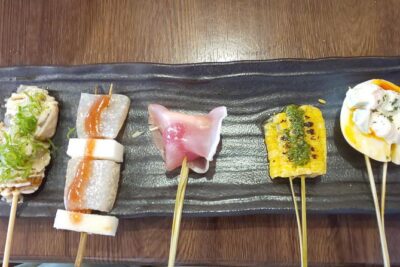
Osaka Food Tour: 13 Dishes at 5 Local Eateries
Read our review →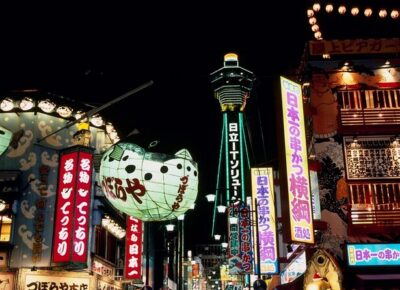
Hungry Osaka Street Food Tour:15 Tastings & 3 Drinks with a Local
Read our review →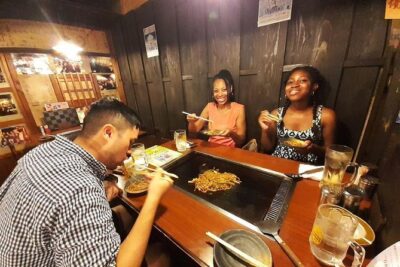
Osaka Local Foodie Walking Tour in Dotonbori and Shinsekai
Read our review →
Kuromon Market Food Walking Tour in Osaka (6 stops, 6 tastes)
Read our review →
Guided Food Tour with 12 Dishes at 4 Local Eateries
Read our review →Browse the lists this tour appears in