
REVIEW · JAPAN
2.5-Hour Nagoya Tour: Castle History, Local Food & City View
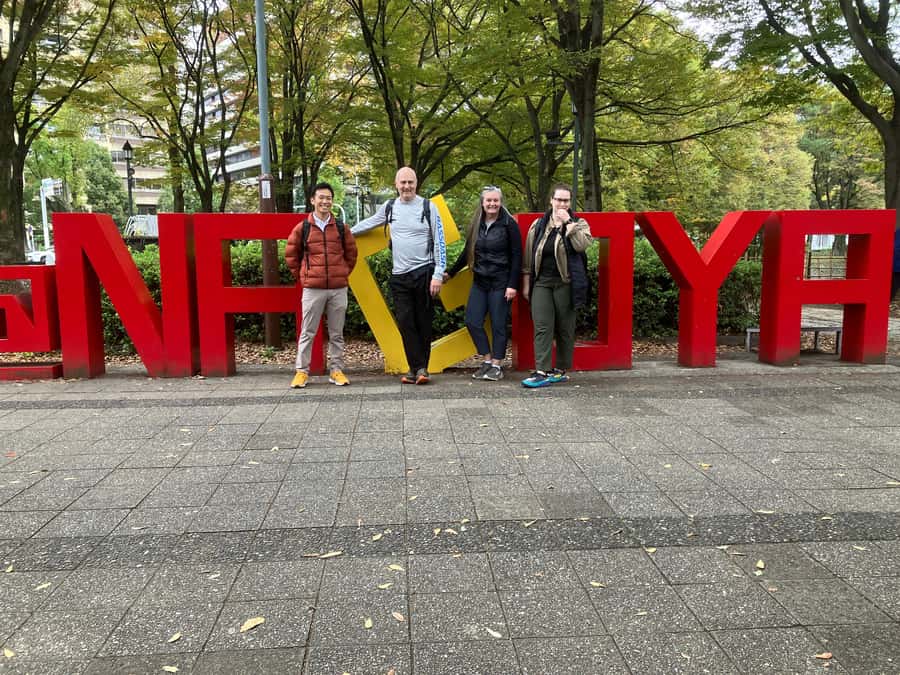
Nagoya Castle gives you a lot in a short walk: stone walls, samurai-era design, quiet garden paths, and the richly decorated Honmaru Palace. Then the tour shifts from architecture to food at Kinshachi Yokocho, where you can get a quick introduction to Nagoya’s distinctive dishes. The change of pace is the best feature.
I like the included castle admission, since you do not have to sort out another ticket, and I like the guides’ focus on meaning rather than dates alone. Toshi, Mariko, Risa, Kanna, Ray, and others are praised for clear explanations, local suggestions, and keeping the group on time.
The main limitation is the clock. You get about 90 minutes at Nagoya Castle and 30 minutes at Kinshachi Yokocho, so this is an efficient introduction, not a slow food crawl or a full-day castle visit. Food and drinks cost extra, and you must arrange your own way to the meeting point.
Key points at a glance
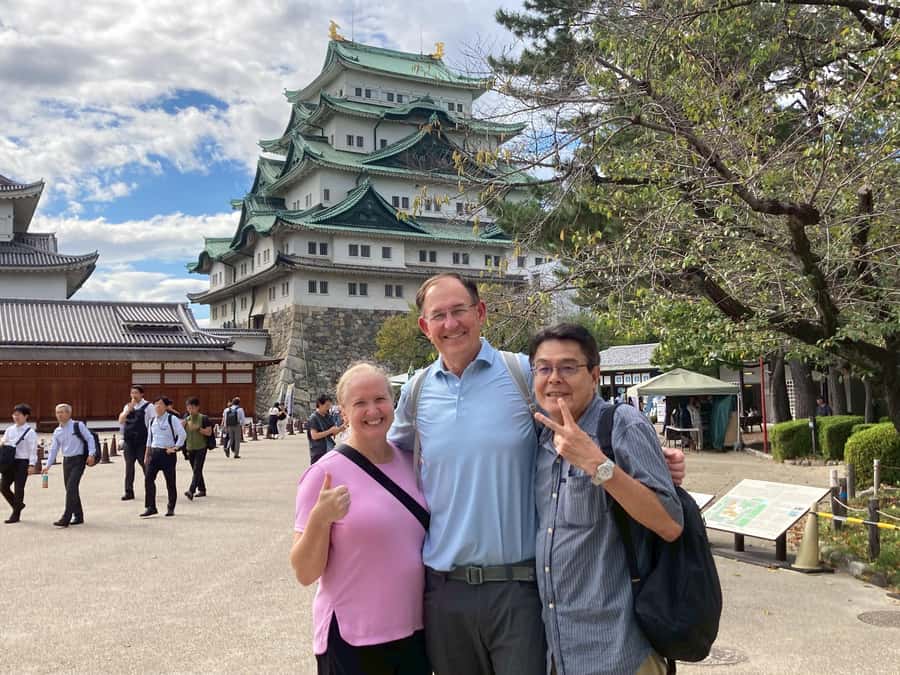
- Nagoya Castle in 90 minutes: See the East Gate, Ninomaru Garden, Honmaru Palace, stone walls, and sliding screen paintings with a guide.
- Local food without a long detour: Kinshachi Yokocho offers a quick look at Nagoya dishes, traditional-style buildings, shops, and street food.
- A strong choice for short stays: The 2.5-hour format works well when you have only part of a day in Nagoya.
- English guidance throughout: The tour is conducted in English, with guides such as Toshi, Mariko, Risa, Kanna, and Ray praised for clear explanations.
- Good practical value: The $41 price includes the guided castle visit and admission, but not transport, food, drinks, or personal purchases.
- Walking matters: Wear comfortable shoes and bring sunscreen on sunny days. A camera is worthwhile for the gardens and palace details.
Why this short Nagoya tour works
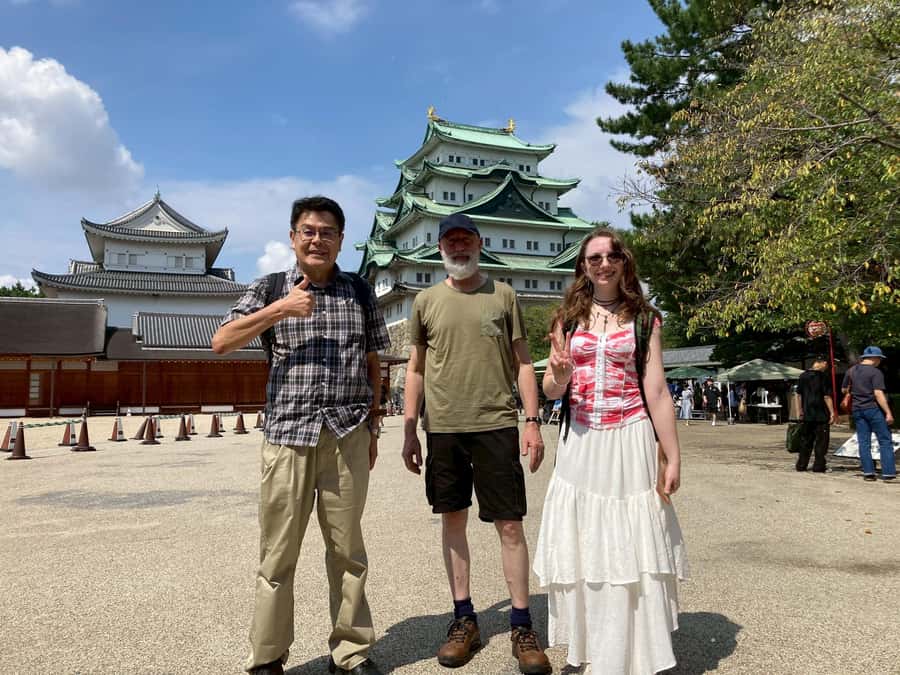
Nagoya can be easy to underestimate. Many visitors pass through on the way to another city, yet its castle and food culture give you a clear sense of the city in a compact area. This experience links those two subjects neatly.
You begin with power and ceremony at Nagoya Castle. You finish with everyday flavor at Kinshachi Yokocho. That pairing helps you understand Nagoya as more than a transport hub or industrial city. You see how the old ruling class is presented through buildings and art, then how local identity appears on menus and in shopping streets.
The pace is brisk but reasonable for a 150-minute outing. You should not expect time to inspect every corner of the castle grounds. You should expect a guided route that points out the parts most useful to a first-time visitor.
The English-speaking guide is important here. Castle grounds can look impressive even without explanation, but the design, paintings, and samurai connections mean more when someone gives you the setting. The strongest praise has gone to guides who explain the era and cultural meaning, answer questions, and keep everyone oriented.
More food and history walks in Japan:
- Amsterdam Food and Cultural Tour with Tastings
★ 5.0 · 4,315 reviews - Barcelona: Tapas Walking Tour with Food, Wine, and History
★ 4.8 · 4,261 reviews - Sevilla Food Tour: Tapas, Wine, History & Traditions
★ 5.0 · 3,468 reviews
Entering Nagoya Castle through the East Gate
The tour enters through Nagoya Castle’s East Gate. This gives the outing a clear start and avoids wasting the opening minutes on a general introduction outside the site.
Nagoya Castle is the major historical stop, and you spend about 1.5 hours here. That time should cover the principal sights while leaving enough room for questions and photographs. You will walk across castle grounds, so this is not a sit-down lecture or a bus-based overview.
The castle’s appeal is partly visual. Its stone walls and traditional architecture make the setting easy to appreciate right away. The guide adds the part you cannot get from photographs: how the buildings relate to samurai culture, the period’s social order, and the castle’s role in Nagoya’s past.
I would pay close attention during the first explanation of the castle. It gives you a framework for the rest of the visit. Instead of seeing each gate, wall, and room as a separate object, you can understand how the site was built to communicate authority and protect an important center of power.
The tour is especially useful if Japanese history is new to you. The guides have been praised for explaining the background of the era in an accessible way. Toshi, in particular, is noted for moving beyond simple dates and sharing cultural context, while Mariko is praised for keeping the group organized and on time.
Ninomaru Garden: a quieter side of the castle
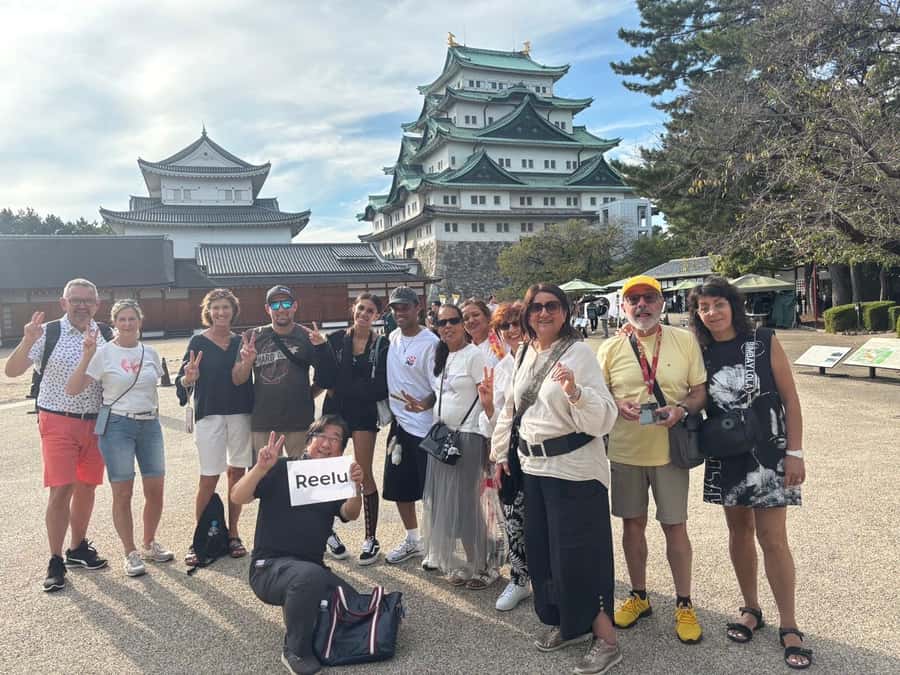
Ninomaru Garden provides a welcome change from the castle’s formal architecture. You walk through a peaceful garden area where the setting feels less ceremonial and more reflective.
This stop matters because it breaks up the visual weight of the walls and palace buildings. If you are moving quickly, it can be tempting to treat the garden as a path between major sights. I would not. It gives you a chance to slow down, look at the arrangement of the grounds, and see how Japanese garden design shapes the mood of the castle complex.
The garden visit is included in the guided route, so you do not need to plan a separate detour. Still, do not expect a long independent garden visit. The schedule has to keep moving toward the palace and the food area.
Bring a camera, but keep it ready rather than letting photography take over. The tour is short, and the guide’s explanation is one of the reasons to book a guided visit instead of walking through the grounds alone.
Honmaru Palace and the palace paintings
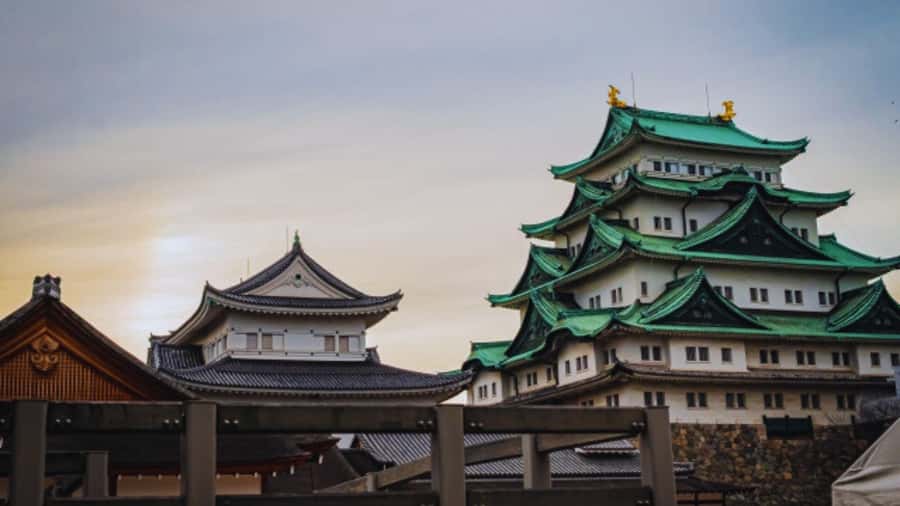
Honmaru Palace is the artistic centerpiece of the castle visit. Inside, you can see traditional sliding screen paintings and decorative interiors that show a more refined side of samurai-era life.
The palace is valuable because it adds detail to the broad story told by the castle walls. Outside, you get scale and power. Inside, you see how status was expressed through rooms, surfaces, decoration, and carefully planned spaces.
This is also where a guide earns the admission price. You can admire the paintings without help, but an English explanation can point out why particular rooms and decorations matter. Several guides have been praised for answering questions and making the visit feel personal rather than rushed.
You should expect a fairly full 90-minute castle segment. There is enough time for the main sights, but not enough for a leisurely wander through every garden path or room. If you are the kind of person who wants to read every sign, take long photographs, and explore at your own pace, the group schedule may feel limiting.
For most first-time visitors, I think the trade is worthwhile. You get a coherent story and see the essential areas without spending half a day working out the route yourself.
A few more food tours around Japan worth comparing
- Ho Chi Minh City Street Food Tour & Sightseeing By Motorbike
★ 5.0 · 9,413 reviews - Private Street Food Evening Walking Tour in Ho Chi Minh City
★ 5.0 · 3,175 reviews - Top Notch Street Food Motorbike Tour In Ho Chi Minh City
★ 5.0 · 2,667 reviews - Historic Ybor City Food Walking Tour
★ 5.0 · 2,210 reviews
From palace interiors to Kinshachi Yokocho
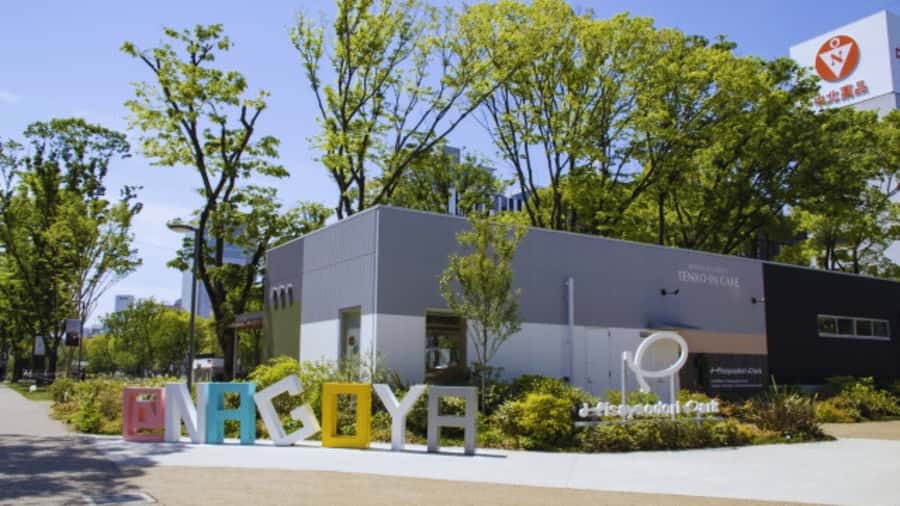
After the castle, the tour moves to Kinshachi Yokocho near the site. The change is practical as well as cultural. You leave the formal setting of the castle and enter an area lined with traditional-style buildings, food options, and souvenir shops.
You have about 30 minutes here. Think of this as an introduction to Nagoya food, not a full meal tour. Your guide explains local dishes and food customs while you browse. You can decide what interests you, but food and drinks are not included in the tour price.
That arrangement has both advantages and drawbacks. It keeps the base price at a reasonable $41 and allows you to choose what you actually want to buy. On the other hand, you should budget extra if you want to taste several items, and the short stop may force you to choose between eating, shopping, and asking questions.
Kinshachi Yokocho is useful even if you are not hungry. Nagoya has its own food identity, and a guide can help you recognize dishes you might otherwise pass by. The stop also gives you a chance to ask for local recommendations. Ray is specifically praised for offering useful local suggestions, while Toshi shared advice about a less tourist-focused place for sake tasting.
Do not expect that sake stop to be part of this tour. It was a recommendation, not an included activity. The useful point is that a good guide may help you plan what to do after the castle visit ends.
What the $41 price really covers
At $41 per person, this tour is fairly priced if you value explanation and a simple route. The admission fee to Nagoya Castle is included, along with the guided visit, Ninomaru Garden, and Honmaru Palace.
You are mainly paying for three things:
- Access: Castle admission is already handled.
- Time saved: A guide takes you directly through the key areas.
- Context: You receive explanations about architecture, samurai culture, palace art, and Nagoya food.
Transport is not included, and neither are food, drinks, or personal expenses. You need to get to the meeting point yourself, and the exact starting point can vary according to the option you book. The listed coordinates are 35.18241330124308, 136.90480732801836.
The supplied meeting options include Nagoya Monument and 名古屋港ポートビル. The listed finish is 名古屋港ポートビル. Because the starting point can vary, check the selected option carefully before you set out. This matters most if you are coming from a cruise ship or have a tight return schedule.
For a short visit, the value is stronger than it may first appear. A self-guided castle visit costs less in guide fees, but you would need to organize your own route and research the context. If you have only a morning or afternoon, the tour’s structure can prevent wasted time.
A good fit for cruise schedules and first visits
The tour is designed for people with limited time, and the format supports that purpose. You see the castle’s main cultural sights, then get a quick food orientation in 2.5 hours.
I would consider it a good fit if:
- You are visiting Nagoya for the first time.
- You want an English explanation of the castle.
- You have a short stop in the city.
- You prefer a planned route to figuring out the castle alone.
- You want local food suggestions but do not need a formal tasting menu.
- You enjoy asking questions during a guided walk.
It may be less suitable if you want an unhurried photography session, a long meal, or extensive time inside every part of the castle. The tour has a clear timetable, and the 30-minute food stop is brief.
Cruise passengers should pay special attention to transport time. The tour itself lasts about 2.5 hours, but getting to the meeting point and returning afterward are your responsibility. Allow enough time for both, especially if the finish is away from your ship.
Guide quality and the human side of the visit
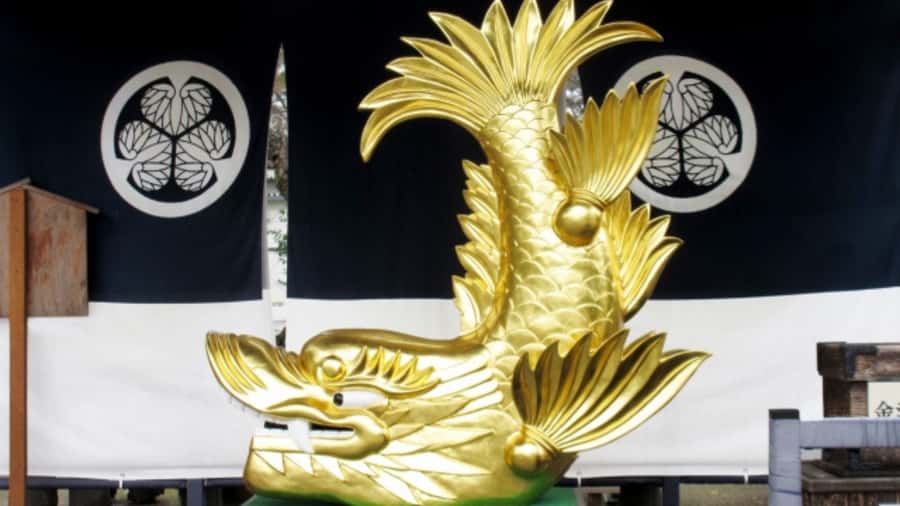
The guide can make or break a short historical tour. Here, the strongest pattern is clear communication, patience, and organization.
Toshi is praised for explaining history and culture in a personal way and for answering even small questions. Mariko is noted for keeping the group oriented and on schedule. Risa is described as insightful and fun, while Kanna is praised for answering questions throughout the walk. Ray is singled out for being accommodating and offering local suggestions.
Other guides, including Shu, have also been praised for being friendly and educational. One visitor specifically appreciated seeing areas outside the usual path with an easy-to-understand guide.
Guide assignments can change, so you should not book on the assumption that one particular person will lead your group. The useful takeaway is that the experience depends on live English guidance rather than an audio device or printed route.
The current rating is 4.5 from 36 reviews, with repeated praise for the guides’ historical explanations, friendliness, and ability to make a short tour feel organized. That matches what this format needs most: clear direction and good judgment about what to explain when time is limited.
Practical tips before you go
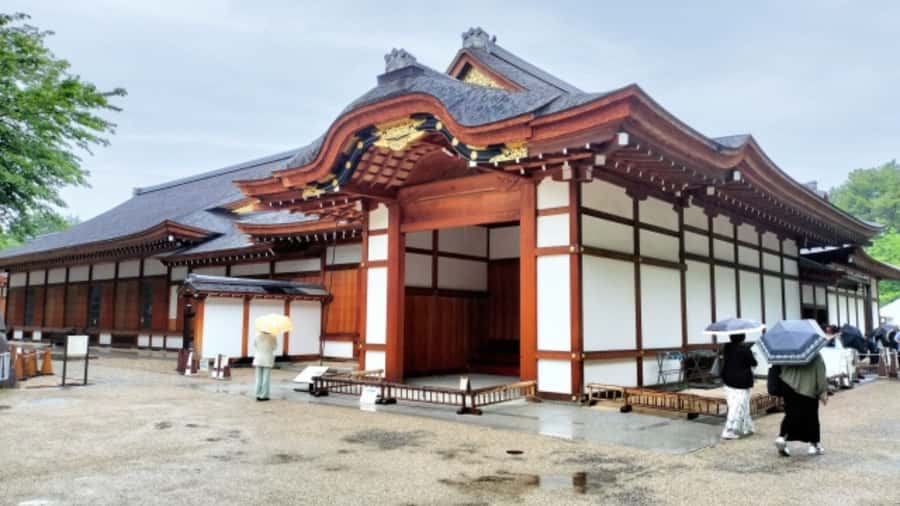
Wear comfortable shoes. The route includes castle grounds, garden paths, and walking between the castle area and Kinshachi Yokocho.
Bring a camera, but also bring sunscreen on sunny days. Much of the experience takes place outdoors, and the garden and stone walls are best enjoyed when you are not worrying about the sun.
Keep some room in your budget for food, drinks, and souvenirs. The tour explains Nagoya’s dishes, but purchases are separate.
Arrive with a few questions in mind. You might ask about the castle’s role in the era, the palace paintings, or which local foods are easiest to try during a short stay. Guides such as Toshi, Mariko, and Kanna have been praised for taking time with questions, so use that opportunity.
Cancellation is free up to 24 hours before the tour for a full refund. You can also reserve now and pay later, which helps if your Nagoya plans are still shifting.
Should you book this Nagoya Castle tour?
Book it if you want a focused first look at Nagoya and prefer to understand what you are seeing rather than simply photograph it. The combination of Nagoya Castle, Ninomaru Garden, Honmaru Palace, and Kinshachi Yokocho gives you a useful overview of the city’s past and food culture without taking an entire day.
I would be more cautious if your priority is a slow visit or a serious food experience. Ninety minutes at the castle and 30 minutes at the food area are enough for orientation, but not for exhaustive exploration.
For cruise passengers, first-time visitors, and anyone with a tight schedule, the $41 cost is sensible because admission and a live English guide are included. Just confirm the meeting option, plan your own transport, wear good shoes, and treat the food stop as a tasting opportunity rather than a complete meal.
FAQ
How long does the Nagoya Castle and food tour last?
The tour lasts approximately 2.5 hours, or 150 minutes. The listed duration may range from 150 minutes to 3 hours depending on availability and the selected option.
Is Nagoya Castle admission included?
Yes. Admission to Nagoya Castle is included, along with the guided visit, Ninomaru Garden, and Honmaru Palace.
Is the tour conducted in English?
Yes. The tour includes a live English-speaking guide.
Does the price include food and drinks?
No. Food, drinks, and personal expenses are not included. You can browse and choose what to buy at Kinshachi Yokocho.
How much time is spent at Nagoya Castle?
The planned castle visit lasts about 1.5 hours. It includes the castle grounds, Ninomaru Garden, Honmaru Palace, and the palace’s sliding screen paintings.
Where does the tour start and finish?
The meeting point can vary depending on the option booked. The listed starting options include Nagoya Monument and 名古屋港ポートビル, and the listed finish is 名古屋港ポートビル. Check your selected option before going.
What should I bring?
Wear comfortable shoes and bring a camera. Sunscreen is recommended on sunny days.
Just added around Japan
- Kyoto: Nishiki Market Tour with a Local Foodie & Tastings★ 4.5 · 67 reviews
- Kyoto: Replica food making experience★ 4.8 · 70 reviews
- Kyoto: Foodie Night Tour in Gion with 9 dishes + 6 Sake★ 4.4 · 26 reviews
- Kyoto: Nishiki Market and Depachika Food Tour with a Local★ 4.7 · 76 reviews
- Kyoto: Local Food Tasting Tour at the Nishiki Market★ 4.7 · 135 reviews
- Kyoto Evening Gion Food Tour★ 4.9 · 35 reviews
- Kyoto: Gion & Pontocho Food Tour with 13 Dishes★ 4.9 · 235 reviews
- Kyoto: Casual Pontocho Evening Food Tour★ 4.8 · 31 reviews
Food Tours in Japan, compared.
Shinjuku Food Tour (13 Dishes at 4 Local Eateries)
Read our review →
Tokyo Tsukiji Fish Market Food and Culture Walking Tour
Read our review →
Shinsekai Food Tour with 13-15 Dishes at 5 Eateries
Read our review →
Osaka Food Tour: 13 Dishes at 5 Local Eateries
Read our review →
Shinjuku Food Tour (15 Dishes and 4 Eateries)
Read our review →
Best of Shinjuku: Izakaya Food Tour (4 Stops, 14+ Tastings)
Read our review →
Kyoto Night Foodie Tour in Gion (9+ dishes + 6 Sake tastings)
Read our review →
Hungry Osaka Street Food Tour:15 Tastings & 3 Drinks with a Local
Read our review →Browse the lists this tour appears in