
REVIEW · MARKET FOOD TOURS
Arusha: Traditional Tanzania Cooking Class & Food Market Tour
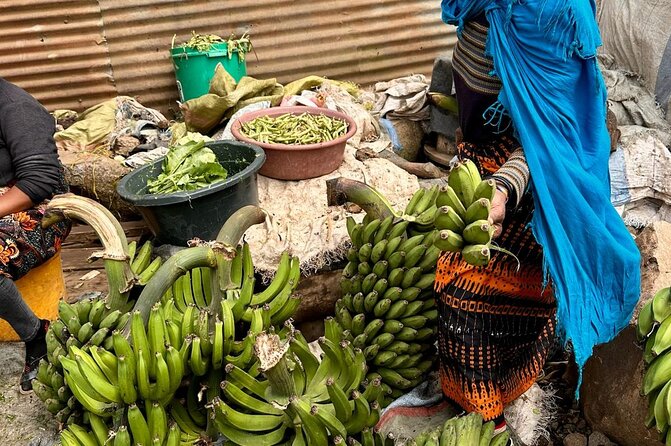
Arusha’s best food lesson begins before the cooking. You’ll walk through the central food market, see produce and other local ingredients, meet vendors, and choose two dishes for the class. Then you’ll ride local transport to Sanawari and cook with a local chef in a working Tanzanian kitchen.
I like the market-to-meal format, which gives the food a clear connection to daily life. I also like that your meal includes ingredients bought that day, hotel pickup and drop-off near central Arusha, and a chance to use ordinary local transport. The main thing to consider is the kitchen: expect charcoal burners, a gas burner, tubs, low tables, and basic tools, not a polished cooking studio.
Key points to know before booking
- The market comes first: Spend about 30 to 45 minutes in Arusha’s central food market before cooking.
- You choose two dishes: Your guide explains local foods, then helps you select two for the lesson.
- The kitchen is genuinely basic: Cooking may happen with charcoal burners, a gas burner, low tables, and simple utensils.
- Sanawari adds a local feel: The class takes place in this neighborhood after a ride on common public transport.
- Lunch or dinner is included: You eat what you prepare, while drinks and market spices cost extra.
- The price covers more than a class: At $42 per person, you get transport, market shopping, instruction, ingredients, and a full meal.
Why the market is the real beginning
The first useful lesson is not about chopping or stirring. It is about seeing what Tanzanian cooking starts with.
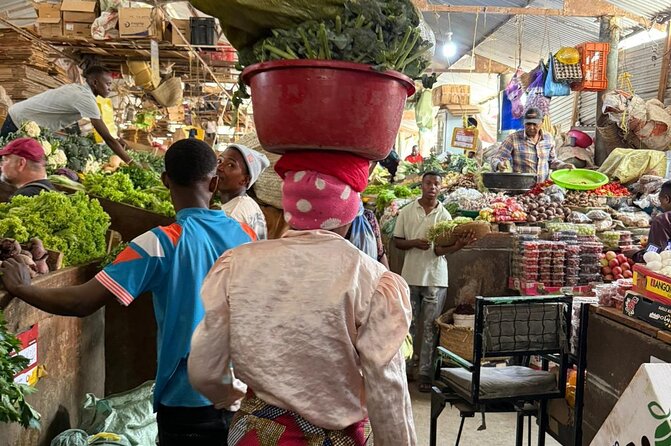
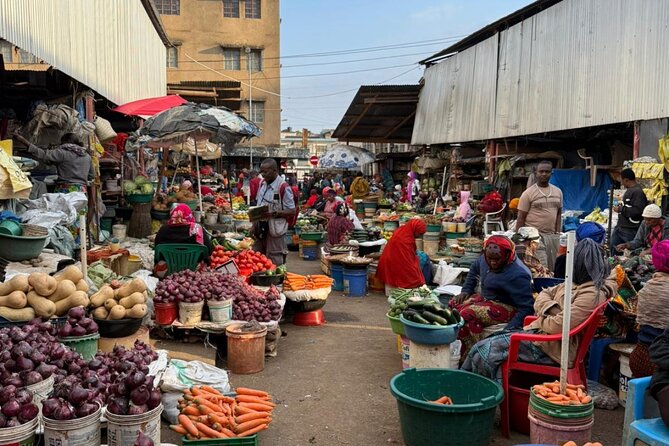
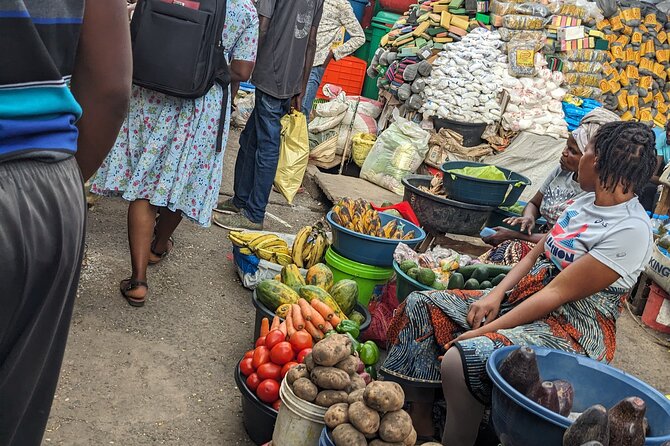
Your guide takes you to Arusha’s central food market, where you spend roughly 30 minutes, sometimes closer to 45 minutes depending on the pace. The market carries fresh foods from Tanzania along with a small amount of imported stock. You’ll see the ingredients in their everyday setting rather than laid out in measured portions inside a cooking school.
Guides such as Israel, Jack, James, Lameck, Magret, Bariki, and Fen have led this experience. The guide’s role matters here. A market can be confusing if you do not know what you are looking at, but the guide can explain the foods, how people use them, and what makes them part of local meals.
This is also your chance to meet vendors and see ordinary Arusha life up close. The market is a working place, not a display arranged for visitors, so you should expect activity, close quarters, and the sights and smells that come with a real food market.
I like this opening because it gives you context before the meal. You are not simply handed a dish and told that it is Tanzanian. You see where the ingredients come from and take part in choosing what ends up in the cooking pot.
More market tours in the world:
- Bangkok by Night: Temples, Markets and Food Tuk-Tuk Tour
★ 5.0 · 3,752 reviews - Chef Guided Food Tour of Pike Place Market
★ 5.0 · 3,733 reviews - Tokyo Tsukiji Fish Market Food and Culture Walking Tour
★ 5.0 · 3,184 reviews
Choosing two dishes for the lesson
After the market visit, your guide explains the local food options available that day. You then select two dishes for the cooking lesson.
The exact choices are not fixed in the information provided, so you should think of the menu as seasonal and flexible rather than a set restaurant-style list. Past classes have included dishes such as ugali and ndizi. The selection may also depend on what is fresh and available at the market.
That flexibility is a strength if you want a practical food lesson. You can ask questions, compare ingredients, and choose foods that interest you. It also means you should not book this expecting a precise menu printed in advance.
The small shopping stop is part of the class cost. You are not asked to pay separately for the ingredients used in the meal. The guide helps with the market purchase, then you continue to the cooking location.
This part can be especially useful if you are heading on to a safari or another part of Tanzania and want to recognize local food later. You begin to see that food is not just a finished plate. It is a collection of ingredients bought, carried, cleaned, prepared, and shared.
Riding from the market to Sanawari
The cooking class takes place in Sanawari, a short distance from the central market. The tour uses common local transport for this part of the outing.
That transport is not a luxury transfer, and it is not meant to be. It gives you a brief look at how people in Arusha move around the city. For some visitors, this is one of the most memorable details because it turns a simple transfer into part of the cultural experience.
You should allow for the fact that transport and road conditions can affect the schedule. The full activity lasts about four hours, but the individual stops listed for the market and class do not account for every transfer and pause. Pickup time, market pace, the food purchase, the ride, and cooking all shape the day.
Hotel pickup and drop-off are offered for accommodations near the city center. When you book, send clear hotel details and watch for the confirmation message by WhatsApp or email. Pickup is a useful benefit in Arusha, especially if you are unfamiliar with the city or planning the class around other activities.
What cooking in a local kitchen really means
The kitchen is the part that requires the clearest expectations.
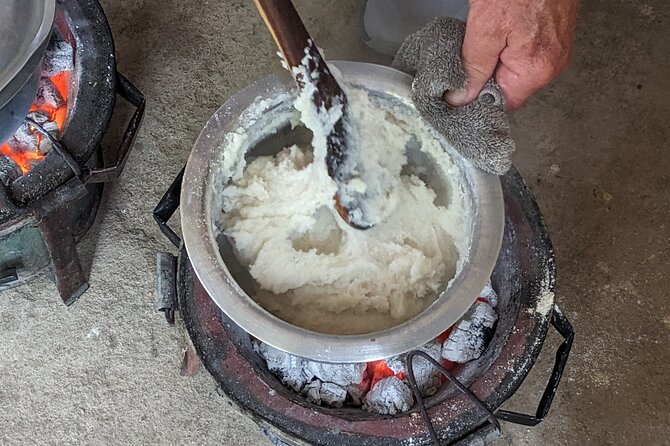
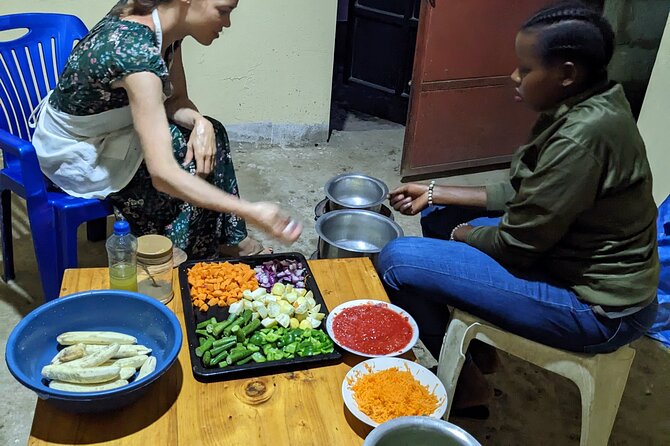
This is not a modern teaching kitchen with high counters, sinks at every station, electric appliances, and a polished row of utensils. The cooking may take place around a low table with charcoal burners, a gas burner, large tubs, and basic implements.
That setup is less convenient than a standard cooking school, but it is also the point. You get a look at how meals are prepared in an ordinary local setting, using the tools and fuel available there. If you want a clean, highly organized class built for culinary professionals, this will feel rough around the edges.
If you want to understand daily cooking in Tanzania, the simple setup adds value. The method becomes part of the lesson. You see the heat source, the preparation area, and the practical work involved in getting a meal ready.
The class is described as hands-on and interactive. Your chef guides you through the preparation of the two selected dishes, while the tour team explains the food and its place in Tanzanian life. The guides are frequently praised for being friendly, warm, and enthusiastic, with Israel and Magret receiving particular attention for their explanations and ability to keep the class moving.
Do not expect a formal chef demonstration followed by a silent meal. The appeal is participation. You help prepare the food, ask questions, and then eat what you have made.
More cooking classes in the world:
- Small Group Cooking Class & Market Food Tour in Florence
★ 5.0 · 1,574 reviews - Athens: Food Market Visit and Cooking Class with Wine
★ 4.9 · 1,087 reviews - Undiscovered Charleston: Half Day Food, Wine & History Tour with Cooking Class
★ 5.0 · 948 reviews - Vietnamese Food Cooking Class in Hanoi with Market Experience
★ 5.0 · 778 reviews
The meal is part of the price
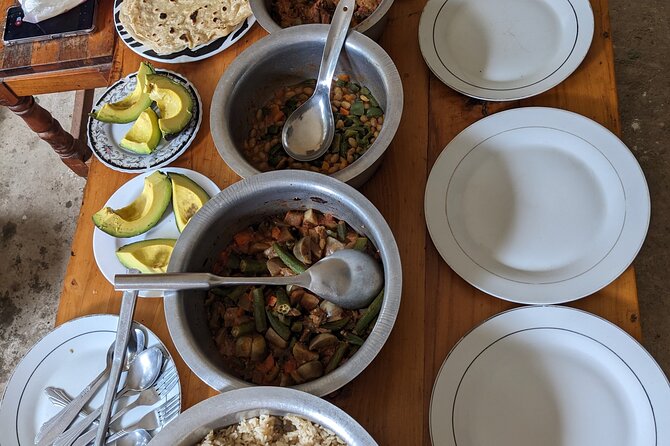
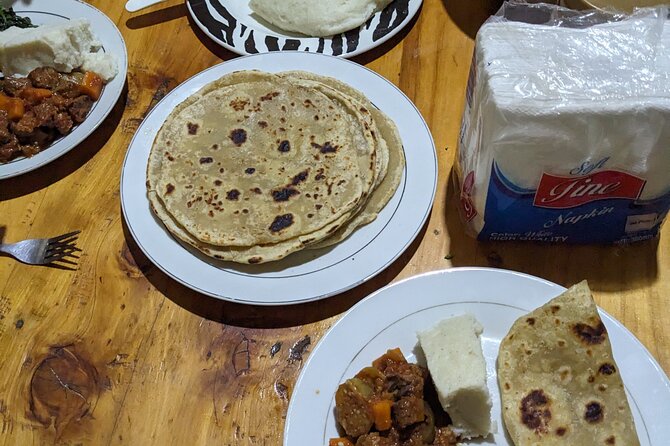
After cooking, you sit down to eat the meal. Lunch or dinner is included for the people taking part, and the food you prepare is the main payoff of the class.
This makes the $42 price easier to assess. You are paying for more than 90 minutes of instruction. The fee includes hotel pickup and drop-off near central Arusha, a guided market visit, local transport connected with the outing, ingredients bought at the market, use of the local kitchen, cooking instruction, and the finished meal.
Drinks are not included. You can buy water, soda, or beer along the way, but bring some extra money if you want something with your food. Spices bought from the market are also excluded, so do not assume that any spice purchase will be covered by the tour fee.
At $42, this is a good value for someone who wants a half-day activity with both food and cultural contact. The value is weaker if you only want to taste prepared food, since a market tour or restaurant meal may cost less and require less time. The strength here is the combination of shopping, transport, cooking, and eating.
The portion of the experience you value most will depend on your interests. Food lovers will appreciate the preparation. Culture-focused visitors may care more about the market, public transport, and home-style setting. Families and small groups can enjoy the shared work, provided everyone is comfortable with basic facilities.
The guides shape the day
The guide is important because the market and kitchen are not self-explanatory.
A good guide helps you understand what you are seeing, explains how local foods are used, and keeps the transitions clear. The names connected with this activity include Israel, Jack, James, Lameck, Magret, Bariki, and Fen. Guide assignments can vary, so you may not receive a particular person, but these are the names associated with the experience.
Israel is described as positive and enthusiastic, while Magret is noted for holding attention during the food lesson. Jack and Lameck are also associated with warm welcomes and clear cultural explanations. Fen has worked with Israel during classes.
You should still ask questions. What is this ingredient? How is it usually cooked? Is the dish eaten at breakfast, lunch, or dinner? What changes when it is made for a family rather than a class? Those questions turn a short food stop into something more useful.
The guides also help with social manners in the market. A central market is a place where people are working, so follow your guide’s advice about photos, shopping, and where to stand. Treat vendors as people going about their day, not as scenery.
Timing, group size, and practical comfort
The advertised duration is about four hours. The market portion is listed at roughly 30 minutes, and the cooking class at about one hour and 30 minutes. The rest of the time covers pickup, shopping, transport, preparation, and the meal.
The activity can accept up to 200 people, according to the supplied information. That is a large possible maximum, though the actual feel of your class will depend on the booking date and group arrangement. If you prefer a quiet, intimate lesson, ask about the expected group size when you book.
Most people can participate, and the activity is near public transportation. Still, the basic kitchen and market setting may not suit everyone. You should be comfortable with a low work surface, simple tools, and an informal cooking environment.
Wear practical clothing and shoes suitable for a food market and an ordinary kitchen. The information does not promise a private kitchen, modern plumbing, air conditioning, or restaurant-style service, so plan for a straightforward local setting.
The experience requires good weather. If poor weather causes cancellation, you are offered another date or a full refund. You can cancel for a full refund up to 24 hours before the start time, but changes or cancellations inside that 24-hour window are not accepted.
Who will enjoy this Arusha food experience
I would recommend this to you if you want to connect a meal with the people, shopping, and tools behind it. It works especially well for:
- Food and culture enthusiasts who want to cook rather than only eat.
- First-time visitors to Arusha who want a guided introduction to a local market.
- Visitors with a free half-day before or after other Tanzania plans.
- Families and groups that enjoy a shared, hands-on activity.
- Curious cooks who want to see how charcoal and basic equipment affect preparation.
I would think twice if you need a polished kitchen, a fixed menu, professional cooking equipment, or a predictable restaurant setting. The charm comes from the ordinary surroundings, and those surroundings also bring less comfort and less control.
This is also not the right pick if drinks, take-home spices, or a large amount of prepared food are important to you. Those are not included. Takeaway food may be available after the meal, but you should treat that as an option rather than a guaranteed part of the package.
Is the $42 price fair?
For a four-hour outing, $42 is fair when you use all parts of it. The market tour alone would not justify the full price for every visitor, and the cooking lesson is held in a simple setting. But the fee also covers the ingredients, transport connected with the activity, hotel transfers near central Arusha, instruction, and the meal.
I especially like that the shopping cost is included. It means you can focus on learning and choosing food instead of counting every ingredient purchase. The meal is also more satisfying because you prepared it yourself.
The best value comes when you treat this as a cultural activity with food at its center. If you compare it only with a restaurant meal, it may look expensive. If you compare it with a guided market visit, transport, a cooking class, and lunch or dinner combined, the price makes better sense.
Should you book it?
Book this class if you want an honest look at everyday Tanzanian food, from market stall to cooking fire. The central market, the ride to Sanawari, the choice of two dishes, and the plain kitchen give you more than a standard cooking demonstration.
Skip it if you want luxury, a fixed menu, or a modern culinary studio. For everyone else, this is a practical and reasonably priced way to spend four hours in Arusha, especially if you value local contact more than polished presentation.
FAQ
How long does the Arusha cooking class and market tour last?
The experience lasts approximately four hours. The central market visit takes about 30 minutes, and the cooking class in Sanawari lasts about one hour and 30 minutes, with the remaining time used for pickup, shopping, transport, preparation, and the meal.
What is included in the $42 price?
The price includes a guided central market tour, cooking instruction, hotel pickup and drop-off near Arusha city center, ingredients bought fresh from the market, local transport used during the activity, use of the local kitchen, and the meal you prepare.
Are drinks included?
No. Water, soda, and beer are not included, but you can buy drinks along the way.
Can I choose what I cook?
You choose two dishes from the local food options explained by your guide on the day. The exact choices may depend on what is available at the market.
What kind of kitchen is used?
The class uses a local kitchen rather than a modern cooking school. The setting may include low tables, charcoal burners, a gas burner, large tubs, and basic cooking tools.
What is the cancellation policy?
You can cancel at least 24 hours before the start time for a full refund. Cancellations or changes made less than 24 hours before the activity are not accepted for a refund. If poor weather causes the activity to be canceled, you can choose another date or receive a full refund.
More Workshops in the world
- Brussels: Waffle Making Workshop – All You Can Eat
★ 4.6 · 615 reviews - Paris: French Macaron Culinary Class with a Chef
★ 4.9 · 591 reviews - Milan: Italian Cooking Class with Food and Wine
★ 4.7 · 509 reviews - Ao Nang: Hands-on Learn to Cook 3 Popular Thai’s street food
★ 4.8 · 417 reviews
More Shopping Tours in the world
- London Bridge & Borough Market Food Tour with 7 Authentic Dishes
★ 5.0 · 1,972 reviews - Tokyo: Tsukiji Fish Market Food and Walking tour
★ 5.0 · 1,724 reviews - Nishiki Market Brunch Walking Tour (7 Tastings + Brunch)
★ 5.0 · 1,355 reviews - Bologna Food & Market Tour with 6 Tastings, Pasta, Wines & More
★ 5.0 · 1,328 reviews
Just added around the world
- PRIVATE ISTANBUL FOOD TOUR & Hidden Pearls of the old city★ 5.0 · 43 reviews
- Taste of Istanbul – Food & Culture★ 5.0 · 54 reviews
- The Award-Winning PRIVATE Food Tour of Istanbul: The 10 Tastings★ 5.0 · 462 reviews
- Istanbul Food Tour – History and Culture of Turkish Culinary★ 5.0 · 265 reviews
- Private and guided Food and Culinary Tour of Istanbul★ 5.0 · 27 reviews
- Half-Day Istanbul Private Food Tour & Culinary Experience★ 5.0 · 28 reviews
- Taste Of Old City Street Food Tour with Local Guide★ 5.0 · 64 reviews
- Eating Like a Local: Learn About Diverse Culinary Culture of Turkey★ 5.0 · 86 reviews
Market Food Tours, compared.
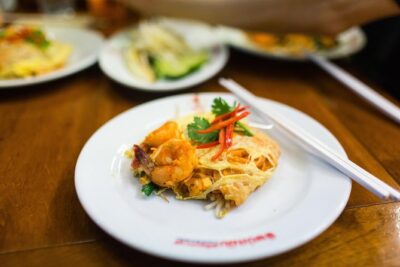
Bangkok by Night: Temples, Markets and Food Tuk-Tuk Tour
Read our review →
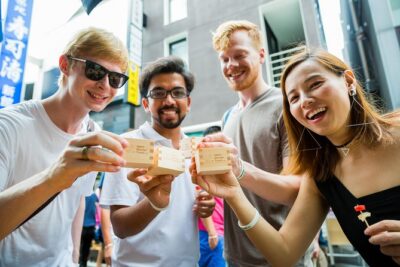
Tokyo Tsukiji Fish Market Food and Culture Walking Tour
Read our review →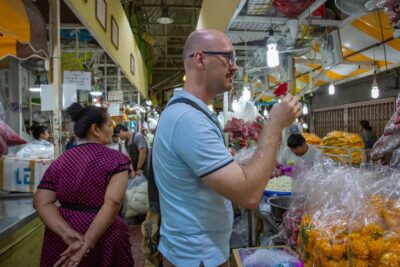
Markets, Temples and Food Night Tour by Tuk Tuk
Read our review →
London Bridge & Borough Market Food Tour with 7 Authentic Dishes
Read our review →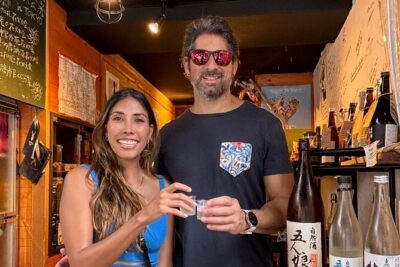
Small Group Cooking Class & Market Food Tour in Florence
Read our review →
Browse the lists this tour appears in