
REVIEW · SINGAPORE
Singapore: Local Hawker Food Tour with Tastings
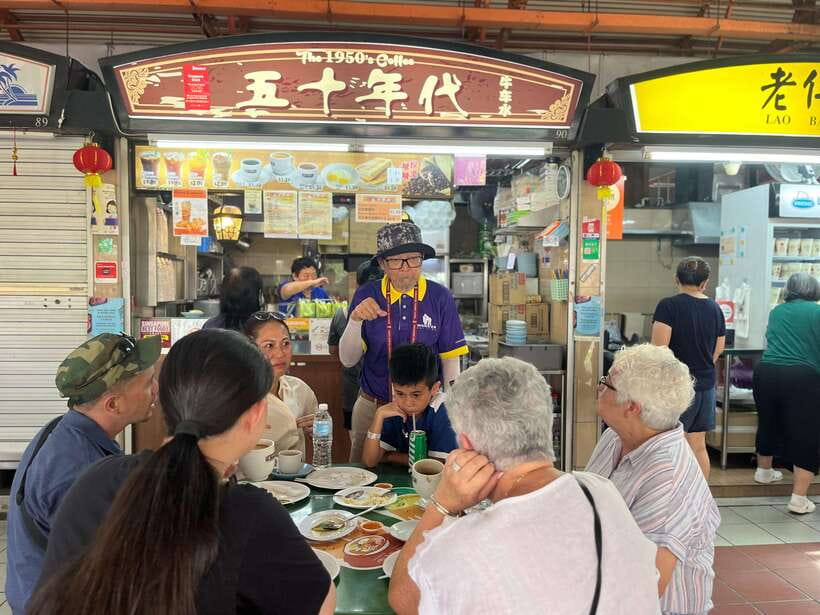
Singapore’s best food often comes from a simple stall, not a polished restaurant. This three-hour tour takes you through Chinatown’s hawker centres for 9 to 10 local tastings, including food from Michelin Guide listed and Bib Gourmand stalls. An assistant may go ahead to queue and secure seats, so you spend more time eating and less time waiting.
I like the small group format, which makes it easier to ask questions and hear your guide in a noisy food centre. I also like the mix of food and neighbourhood history. Guides such as William, Richard, Swee Lin, and Jon have been praised for explaining how immigration, colonial rule, family recipes, and daily life shaped Singapore’s food.
The main drawback is that the menu is fixed. You cannot adjust dishes for allergies, seafood concerns, peanuts, soy sauce, or other dietary needs. You should also expect outdoor walking in heat or rain, and the tour starts on time with no refund for late arrival or a missed departure.
Key points at a glance
- Michelin-listed hawker stalls: Taste food from well-known stalls without doing the research yourself.
- Three Chinatown food centres: Hong Lim Market and Food Centre, Maxwell Food Centre, and Chinatown Complex each offer a different look at local eating.
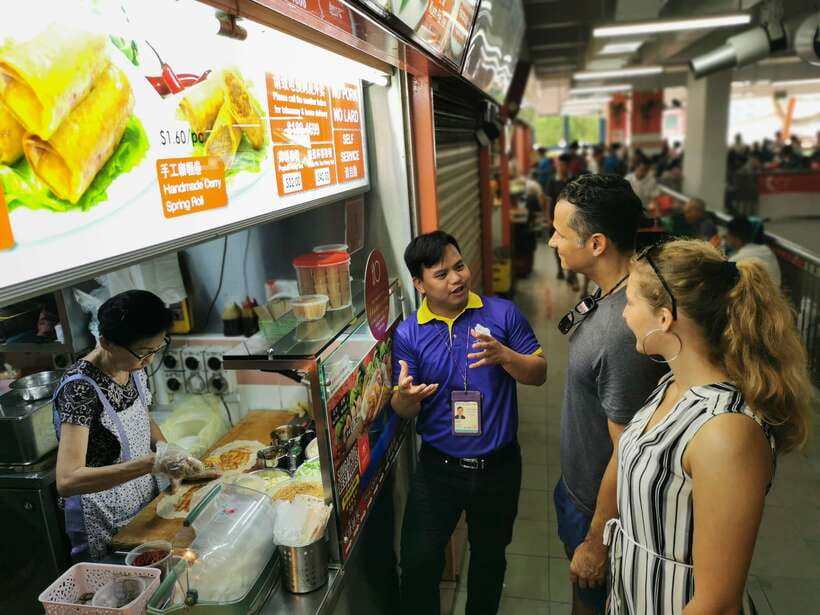
- Queue help included: A guide or assistant may order ahead and arrange seating at busy stalls.
- Food with context: Learn how Singapore’s Chinese, Malay, Indian, and other communities influenced its everyday cooking.
- Easy walking pace: The route suits people with low fitness levels, but it is not suitable for wheelchair users or anyone needing walking assistance.
- A filling morning or afternoon: The portions can add up quickly, so arrive hungry and plan little or no food immediately afterward.
Why this Chinatown food tour works
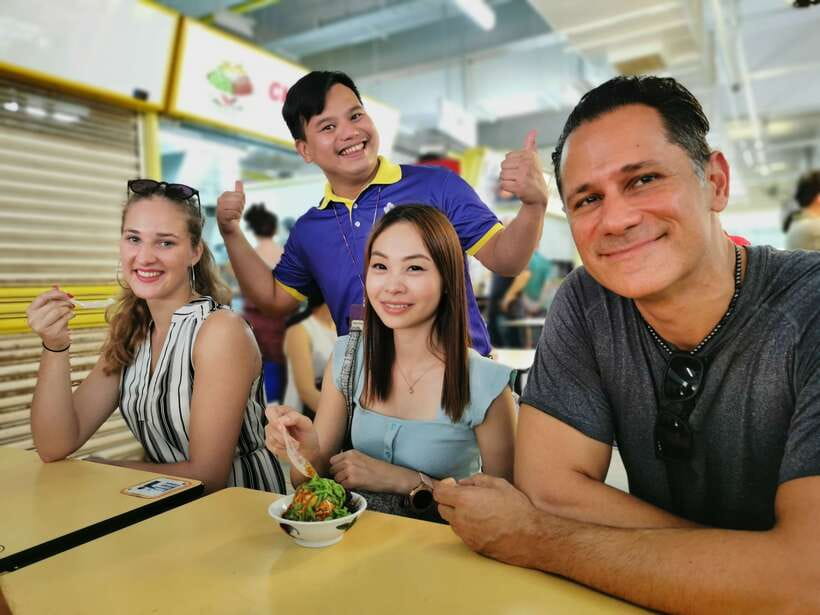
Singapore’s hawker centres can feel confusing on a first visit. Menus may be unfamiliar, queues can be hard to judge, and seating works by local custom rather than restaurant procedure. This tour removes much of that guesswork.
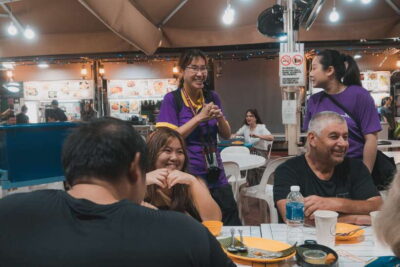
You meet at Chinatown MRT Exit E, at street level outside Starbucks. Look for the guide in a purple shirt. From there, you walk into one of Singapore’s most useful food districts, where temples, mosques, old streets, and food centres sit close together.
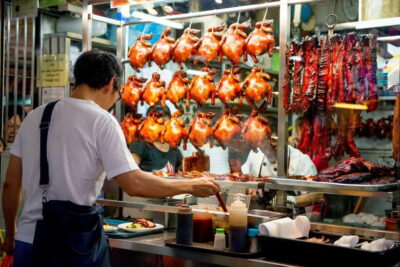
The food is the main event, but the setting matters. You are not simply moving between restaurants. You are seeing how ordinary Singaporeans eat, how hawker stalls earn a following, and why food centres remain part of the city’s social life.
The tour costs $72 per person. That is not a cheap way to eat in Singapore, since hawker food itself can be inexpensive. The value comes from the guide, the selection of stalls, the advance queueing, the shared seating, and the explanation that turns a plate of food into part of the city’s story.
If you are confident ordering alone and already know which stalls you want, you can spend less by exploring independently. If you have only a short stay, or you want a well-organized introduction without researching every stall, the price is easier to justify.
A few more food tours around Singapore worth comparing
- Small Group: Michelin and Local Hawker Food Tour with 9 tastings
★ 5.0 · 1,890 reviews - Small Group: Singapore Street Food & Night Tour with 9 tastings
★ 5.0 · 1,240 reviews - The Award-Winning PRIVATE Food Tour: 10 Tastings of 3 Cultures
★ 4.5 · 1,017 reviews
Hong Lim Market and Food Centre: your first taste
Hong Lim Market and Food Centre is the first major food stop. Starting here gives you an early look at the practical side of Singaporean eating: open stalls, shared tables, fast service, and a wide choice packed into one building.
You receive part of the tour’s tasting selection here. The exact dishes are not specified in advance, so you should expect the menu to reflect the stalls available on the day rather than a fully customizable plan.
This is where the queue arrangement matters most. Popular stalls can draw long lines, and standing in one can eat into a three-hour tour. Having a guide or assistant order ahead means you can hear the explanation, find a seat, and receive the food with less fuss.
Listen for the difference between a food centre and a restaurant. You are not being served at a private table with individual orders. Dishes are shared, and plates may be divided among the group. One practical point is worth noting: the portioning can occasionally feel uneven if several people are reaching for the same plate, so speak up politely if you have not had a fair share.
The food stops are spaced with walking, which helps. Even so, the overall amount is generous. Several people have found the included food more filling than expected, so do not schedule a large meal right after the tour.
Chinatown’s religious buildings and old streets
After the first food stop, the route passes Jamae Chulia Mosque and Sri Mariamman Temple. You do not have a formal visit at each site, but the walk gives your guide a chance to explain Chinatown as a meeting place for different communities.
The mosque and temple sit within the same broader district as Chinese temples and hawker centres. That proximity helps make sense of Singapore’s food culture. The city’s cooking did not develop from one tradition alone. Migration, trade, colonial rule, and religious communities all affected what people cooked and ate.
You also walk along South Bridge Road, with scenic views and historic buildings along the way. This section keeps the tour from becoming a series of indoor food stops. It also gives you a break between tastings, though much of the walking is outdoors.
Singapore is hot and humid, and rain can arrive quickly. Bring an umbrella or poncho, drink water, and wear comfortable shoes. The pace is manageable for people with low fitness levels, but the tour is not suitable for wheelchair users or anyone who needs walking assistance.
Maxwell Food Centre: a famous stop with useful guidance
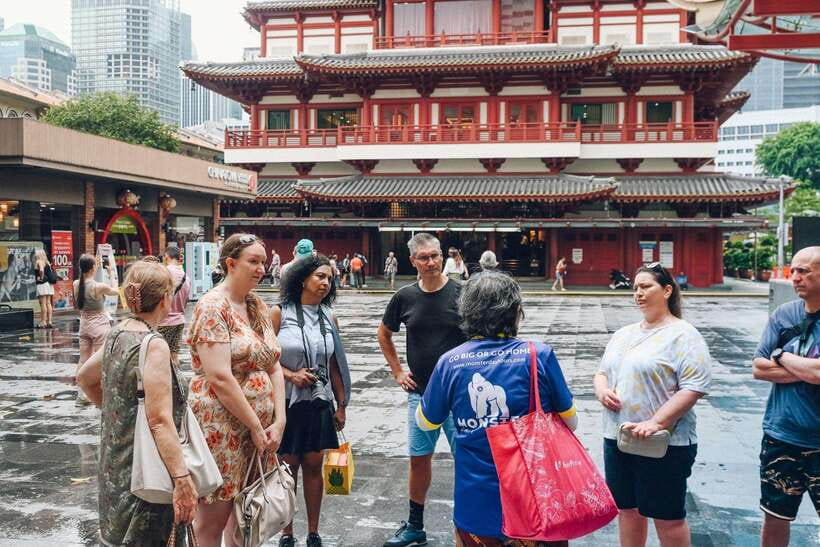
Maxwell Food Centre is one of the best-known food centres in Chinatown, and it is a natural place to introduce famous, high-demand stalls. The tour includes another round of tastings here, with food chosen from local favourites and Michelin Guide recognized vendors.
The real benefit is guidance. A good guide does more than name a dish. You can learn why a particular stall matters, how its reputation developed, and what makes hawker food different from a standard restaurant meal.
Several guides have been praised for adding broader social context. William has been especially appreciated for combining food explanations with everyday Singaporean life. Richard has been praised for warmth and enthusiasm, while Swee Lin has a strong interest in food heritage and the way different cultures shaped local dishes. Jon has been noted for explaining both the origins and preparation of the food in a lively way.
Guide quality can vary from one departure to another, as it does on any group tour. One useful caution is that a guide may speak quickly or softly in a noisy hall. If you cannot hear, ask the guide to repeat the point. The small group makes that easier than it would be on a large coach tour.
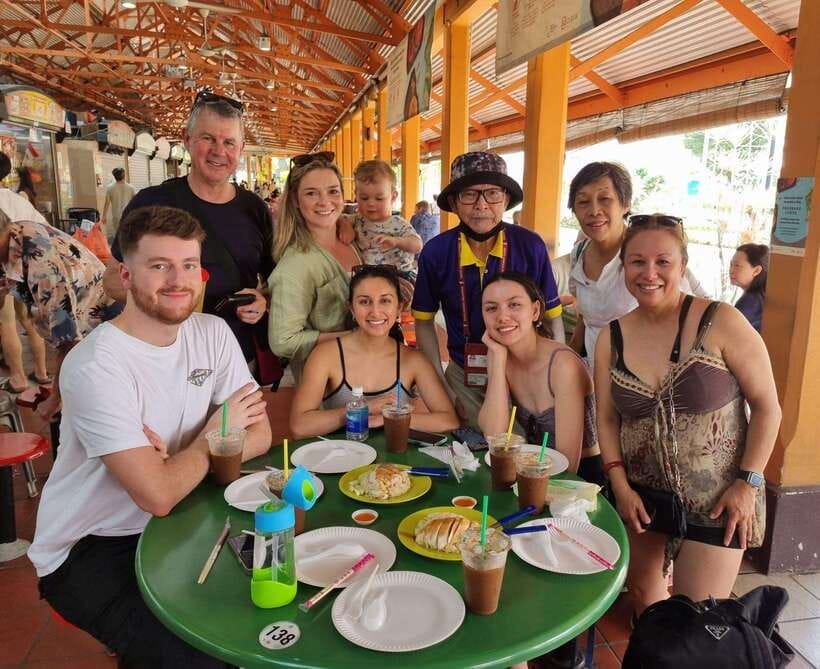
You may also share tables with people you have just met. That is part of the hawker-centre experience, and the small group often makes conversation easy. The group limit is described as up to 12 in the tour highlights, while the booking information states a limit of 10 participants. Either way, this is intended to be a small group rather than a large procession.
Same city, a completely different plate:
- Singapore: Chinese, Indian & Arabic Quarters, Culture & Food Tour
★ 5.0 · 789 reviews - Singapore: UNESCO Street Food & Cultural Experience
★ 5.0 · 524 reviews - Singapore: Guided Street Food Tour at Night
★ 4.5 · 393 reviews - Singapore: Foodie Experience Guided Tour with 5 Tastings
★ 4.7 · 291 reviews
Sago Street and the Buddha Tooth Relic Temple
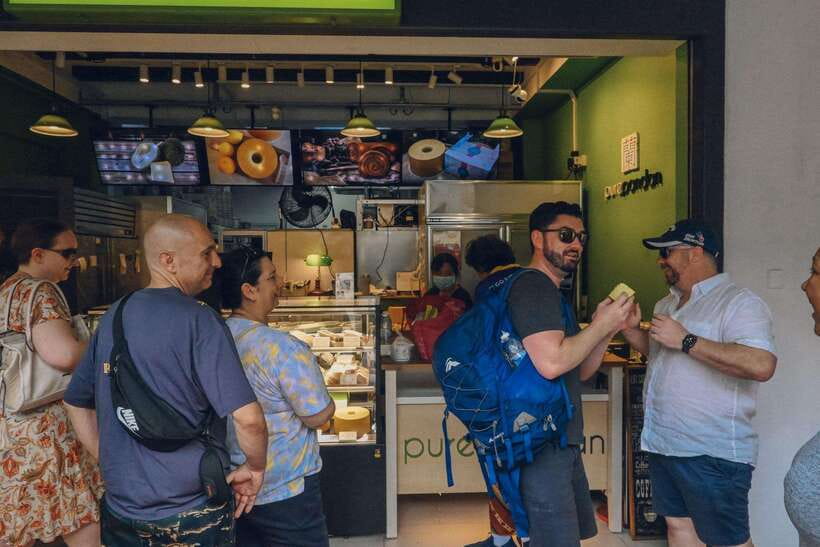
The walking route continues through Sago Street and past the Buddha Tooth Relic Temple. These are not separate food tastings, but they add colour and orientation to the Chinatown portion of the tour.
Sago Street gives you another chance to see the older side of the district between meals. The Buddha Tooth Relic Temple is a striking landmark and a useful reminder that Chinatown is not only a dining area. You pass by it rather than taking part in a long interior visit, so keep your expectations focused on the food walk rather than a full temple tour.
This part of the route is also useful for digestion. The food is plentiful, and the pauses between tastings help keep the pace comfortable. One three-hour schedule can feel short when a guide is explaining both food and local history, so the route wisely combines sightseeing with movement instead of stopping for long lectures.
You finish at Chinatown Complex after walking through the surrounding streets. The tour does not include transport, so you are responsible for reaching the meeting point and continuing on from the final stop.
What you actually eat and drink
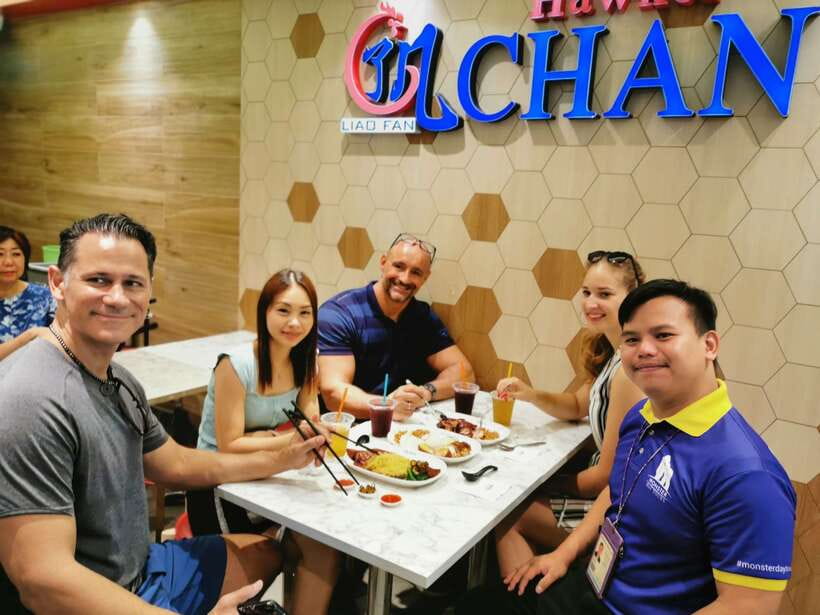
The tour includes 9 to 10 local hawker foods and drinks. The selection includes Michelin Guide listed and Bib Gourmand stalls, along with established local breakfast favourites.
The exact menu is not customizable. This is important for anyone with food allergies or strong dietary limits. The tour is specifically unsuitable for people with food allergies, and the fixed tastings may include ingredients such as peanuts, seafood, soy sauce, or other items you need to avoid.
You should also expect shared food rather than a personal plate of every dish. The guide may explain ingredients, preparation, and cultural background as the group eats. That makes the meal more educational, but it means you may not control every choice.
For a picky eater, the range may still work well, but you should only book if you are comfortable trying the set menu. For an adventurous eater, this format is a strong introduction because you can sample more than you would likely order on your own.
Bring cash for optional purchases. Extra food, extra drinks, personal spending, and tips are not included. You may want to return to a favourite stall later, and having cash makes that easier.
The guide makes the difference
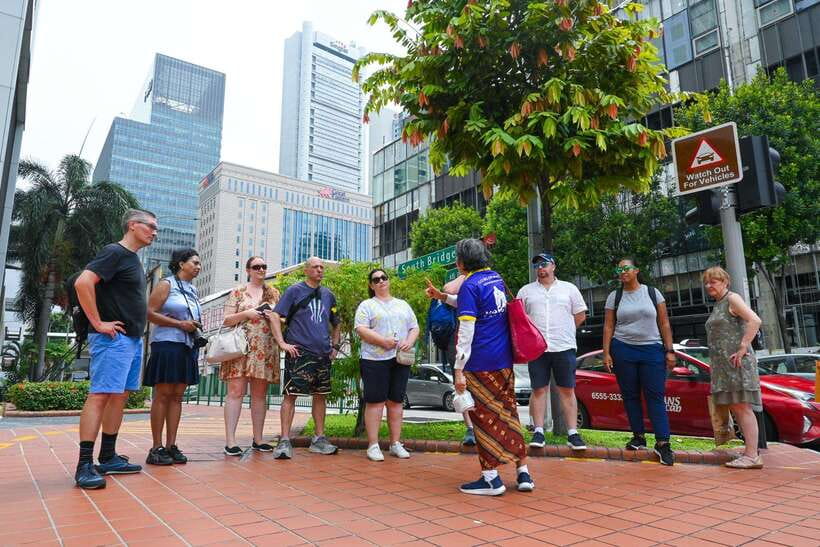
The strongest part of this experience is the human explanation. The food centres are accessible on their own, but a guide helps you notice details you might otherwise miss.
Guides named in the tour feedback include Edwin, Big Jon, William, Marcus, Heng, Swee Lin, Richard, Lin, Linda, Joyce, Atikh, and YC. Several have been praised for balancing food information with stories about Singaporean customs, immigration, colonial history, and daily life.
The best guides also help you feel comfortable at the stalls. They explain what you are eating, keep the group together, answer questions, and help arrange food and seats. That service matters in a crowded food centre, especially on a first visit.
There is no guarantee that you will have a particular guide. You should book this as a food and culture tour led by an English-speaking local guide, not as a private tour with a named host.
Timing, comfort, and practical details
The advertised duration is three hours, with starting times that vary by date. Check the available departure before booking. The tour starts promptly, and late arrivals are not given extra time or a refund.
Wear casual clothes and comfortable footwear. A moderate amount of walking is required, some of it outdoors. Bring water, an umbrella or rain gear, and cash.
The activity is suitable for participants aged 7 and above. It can work well for families and older visitors who can walk independently, but the route is not suitable for wheelchair users or people who require walking assistance.
The small group helps with comfort and communication. It also makes queueing and seating easier than they would be with a large party. If you are travelling with a larger family or group, confirm the available group size before booking, since the information gives both 10 and 12 as the maximum.
You can cancel up to 24 hours ahead for a full refund, and the reserve-now, pay-later option keeps your plans flexible. Those policies are useful if your Singapore schedule is still changing, but they do not protect you from missing the meeting point.
Who should book it
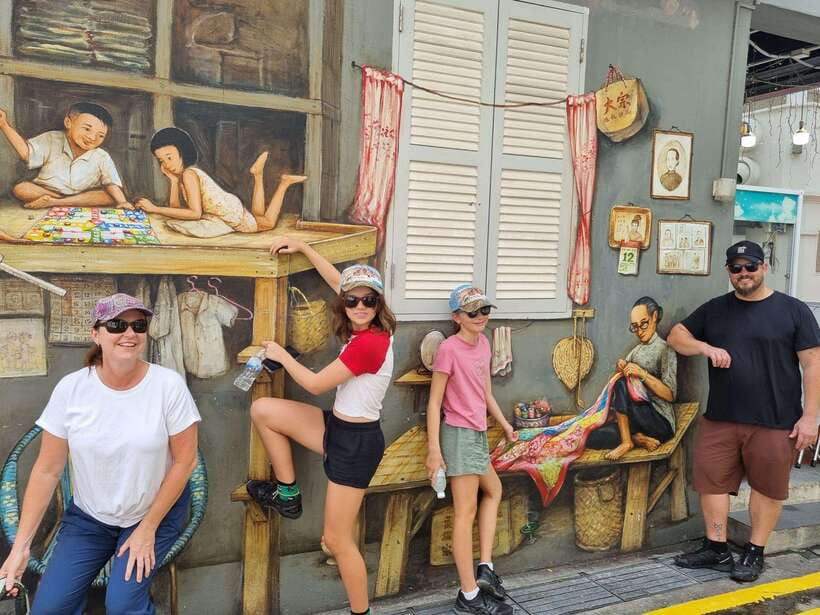
I would choose this tour early in a Singapore visit. You get an introduction to several hawker centres, learn what to look for, and leave with enough confidence to return on your own.
It is particularly useful for:
- First-time visitors who want an organized introduction to hawker food
- People who enjoy food with cultural and historical explanation
- Families with children aged 7 or older who can walk comfortably
- Solo visitors who prefer eating with a small group
- Anyone who dislikes researching popular stalls and waiting in long queues
I would skip it if you have serious allergies, strict dietary rules, limited mobility, or little interest in shared food. I would also skip it if you already know Singapore’s hawker centres well and prefer choosing every dish yourself.
Should you book the Singapore hawker food tour?
Book it if you want a generous, guided introduction to Singaporean food and do not mind paying for convenience. The queue assistance, fixed selection, and Chinatown route make the experience easy to follow, while the food stories give it more substance than a simple tasting walk.
Arrive hungry, bring water and rain protection, and tell your guide if you cannot hear or need a point repeated. With those expectations, the $72 price can be good value for a first taste of Singapore’s hawker culture.
FAQ
Where does the tour meet?
Meet at Chinatown MRT Exit E, at street level outside Starbucks. Look for a guide wearing a purple shirt.
How long does the tour last?
The tour is scheduled for three hours. Starting times vary, so check availability for your chosen date.
How many food tastings are included?
The tour includes 9 to 10 local hawker foods and drinks.
Which places does the tour visit?
The food stops are at Hong Lim Market and Food Centre, Maxwell Food Centre, and Chinatown Complex. The walking route also passes Jamae Chulia Mosque, Sri Mariamman Temple, South Bridge Road, Sago Street, and the Buddha Tooth Relic Temple.
Is transport included?
No. Transport to and from the tour is not included.
Is the food menu customizable?
No. The food items are fixed and cannot be customized for individual preferences or dietary needs.
Can I join with a food allergy?
No. The tour is not suitable for people with food allergies. Ingredients may include peanuts, seafood, soy sauce, or other items that could cause a reaction.
Is the tour suitable for children?
Participants must be at least 7 years old.
Can I cancel for a refund?
Yes. You can cancel up to 24 hours in advance for a full refund. Late arrivals and no-shows are not refunded.
Just added around Singapore
- Street Food, Cultural & Historical Tour of 3 Ethnic Quarters★ 5.0 · 23 reviews
- Singapore: Local Street Food Tasting Tour★ 4.8 · 36 reviews
- Singapore: Private Food Tour – 10 Tastings with Locals★ 4.7 · 194 reviews
- Singapore: Guided Street Food Tour at Night★ 4.5 · 393 reviews
- Singapore: Foodie Experience Guided Tour with 5 Tastings★ 4.7 · 291 reviews
- Singapore: Hawker Culture Food Tour and Sightseeing★ 4.8 · 23 reviews
- Singapore: Food and Bike Tour: Katong District★ 4.9 · 38 reviews
- Singapore: Little India Hawker Street Food Tour★ 4.8 · 27 reviews
Food Tours in Singapore, compared.
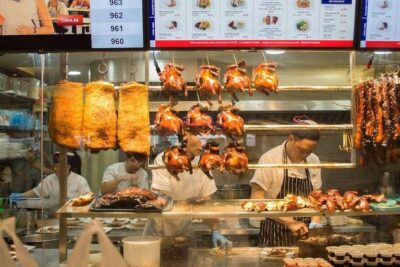
Small Group: Michelin and Local Hawker Food Tour with 9 tastings
Read our review →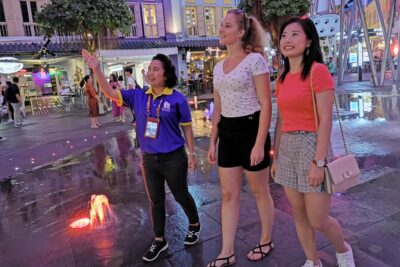
Small Group: Singapore Street Food & Night Tour with 9 tastings
Read our review →
The Award-Winning PRIVATE Food Tour: 10 Tastings of 3 Cultures
Read our review →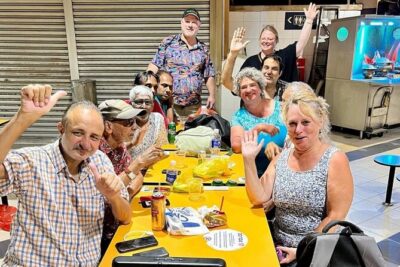
Chinese, Indian & Arabic Quarters, Culture & Food Tour
Read our review →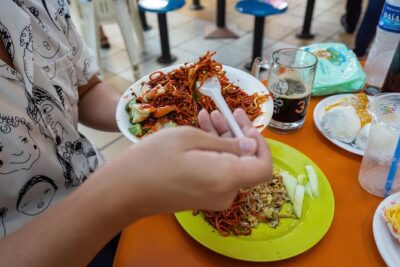
Browse the lists this tour appears in