
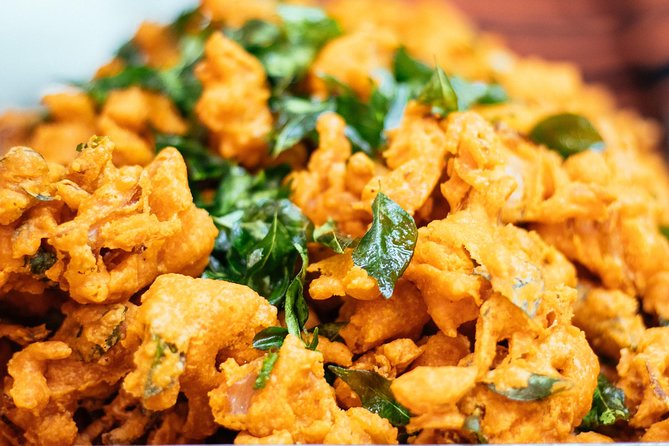
REVIEW · SINGAPORE
The Award-Winning PRIVATE Food Tour: 10 Tastings of 3 Cultures
Singapore’s food culture makes the perfect city introduction: one meal can move from Malay curry to Chinese dim sum to Indian bread, all within a few neighborhoods. This private three-hour tour gives you a local guide, 10 food and drink tastings, and a useful route through Kampong Gelam, Little India, and Chinatown.
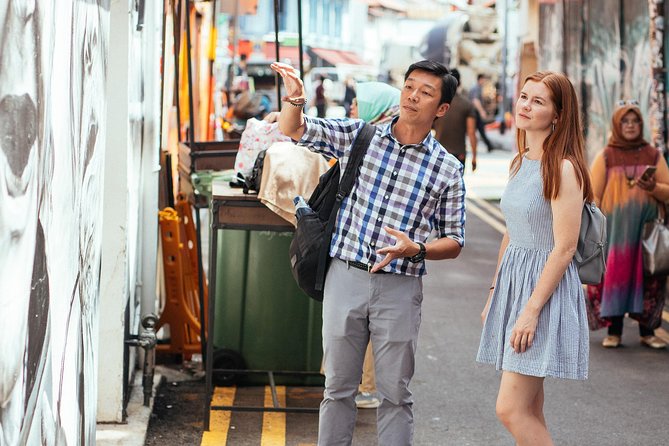
I especially like the one-on-one format, which lets you ask about Singapore’s history, daily life, and food customs without keeping up with a large group. I also like the effort made for dietary needs. Guides such as Marcus, Arthur, Stefan, Adam, and Jon have adapted the route, found gluten-free choices, or brought food to a tired guest.
The main caution is the price: $152.22 per person is a serious sum for hawker food, even with a private guide. The tasting count and pacing can also vary, and much of the food is filling rice, bread, pastry, and noodle-based fare. Come hungry, but not expecting a sit-down restaurant meal.
Key points to know before booking
- Ten tastings across three food traditions: Expect Malay, Chinese, and Indian dishes and drinks, including dim sum, Indian breads, curries, teh tarik, and rojak.
- A genuinely private outing: Only your party and the English-speaking local guide take part, so the route can respond to your interests and dietary needs.
- Three important districts: The route links Kampong Gelam, Little India, and Chinatown, giving the food a cultural setting rather than treating each dish as an isolated sample.
- Useful for first-time visitors: The tour works as an edible orientation to Singapore and can help you decide where to eat during the rest of your stay.
- Plan for a full stomach: Some tastings are small, but ten samples across three hours can add up quickly, especially when breads, rice, noodles, and pastries are involved.
- No attraction admissions or hotel pickup: You meet at 56 Arab Street, use public transport or your own way to the start, and visit landmarks from the outside.
Why this tour works as a first taste of Singapore
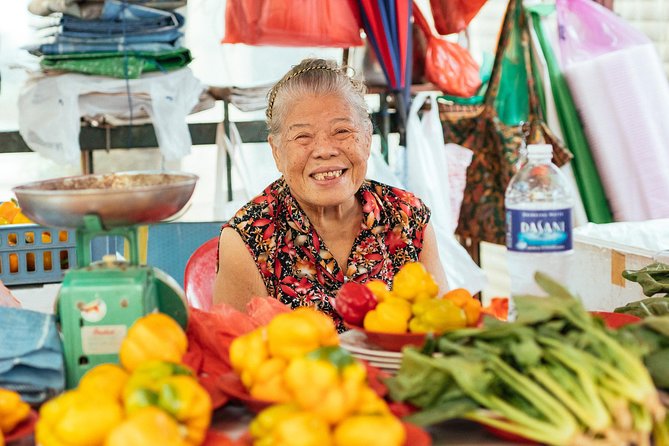
Singapore can be easy to admire and surprisingly hard to eat well in without a plan. Hawker centers are friendly and affordable once you understand them, but the number of stalls and unfamiliar dish names can leave you guessing.
This tour gives you a food map. Instead of spending your first days ordering at random, you get an introduction to three of the cultures that shape Singapore’s cooking. Your guide can explain what a dish is, how it is normally eaten, and why it matters locally.
The food is only half the point. Between tastings, you walk through historic districts and see how Malay-Muslim, Indian, and Chinese communities helped form modern Singapore. That makes the tour more useful than a simple sequence of snacks.
The private format changes the feel of the outing. You can ask why one tea is pulled through the air, how a curry differs from another, or which dishes locals eat for breakfast. If your group has children, older family members, or different appetites, your guide can adjust the pace more easily than a fixed group tour.
The experience has a strong record overall, with a 4.7 rating from 1,017 reviews and 93 percent recommendation. That does not make every guide or every route identical, but it does suggest a dependable basic format with plenty of room for the individual guide to shape the day.
More private food tours in the world:
- Private Street Food Tour by Motorbike/Car with Local Students
★ 5.0 · 3,950 reviews - Private Street Food Evening Walking Tour in Ho Chi Minh City
★ 5.0 · 3,175 reviews - Private Street Food Motorbike Tour in Ho Chi Minh City
★ 5.0 · 2,180 reviews
Starting among the shophouses of Kampong Gelam
The meeting point is 56 Arab Street, in Kampong Gelam. This is a practical beginning because the district gives you a strong visual and cultural setting before the first bite.
Kampong Gelam is Singapore’s Malay-Muslim quarter, north of the Singapore River. The area is known for its shophouses, Arab Street, and the impressive Sultan Mosque. The tour visits attractions from the outside, so you do not pay separate entrance fees or spend time inside formal exhibits.
Your first hour is devoted to food and the district around it. You might begin with Malay flavors such as curry and other hawker dishes, along with drinks or sweets selected by your guide. The supplied details do not guarantee an identical menu for every departure, and that is important. A private tour is more flexible, but the exact 10 items may change with availability, dietary needs, and your guide’s choices.
This part of the route can also set expectations for the whole experience. The food is served as tasting portions rather than a grand restaurant meal. Several samples may be familiar comfort foods, while others may be dishes you would probably overlook on your own.
Kampong Gelam is often a strong opening because you can connect food to place. You are not just told that a dish is Malay. You are eating it in a district tied to Singapore’s Malay and Muslim communities, then hearing how it fits into local life.
The possible drawback is pacing. One detailed account found that nearly two hours and 20 minutes of a three-hour tour was spent in the Malay or Arab Street area. That may suit you if you like history and a slow start, but it leaves less time for Little India and Chinatown. If seeing all three districts matters most, tell your guide at the beginning.
Indian flavors and breads in Little India
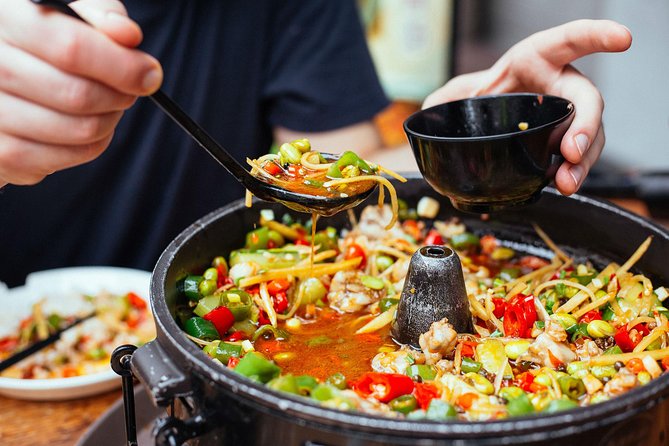
The second scheduled stop is Little India, another historic district with a clear connection between place and food. The route is designed to spend about an hour here, though the actual timing can shift.
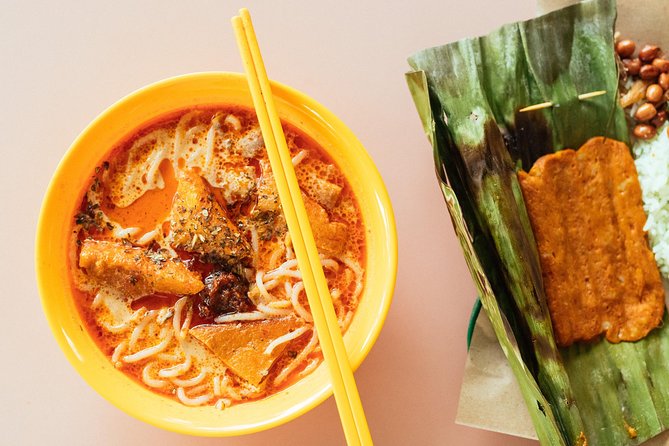
Little India is the spot to expect Indian breads, curries, and other foods chosen by your host. A food tour in Singapore should give you more than one cuisine, and this section adds spice, texture, and cooking traditions that are quite different from the Malay and Chinese stops.
Your guide may explain how the food is eaten, how the flavors differ, and which dishes are everyday choices rather than special-occasion meals. The focus is not on a polished tasting menu. It is on helping you recognize the food you will see throughout Singapore.
There is a practical issue here: Little India can be crowded, and one account described a guide trying to avoid spending much time there. That is not necessarily a problem if you prefer a quicker route, but it matters if this district is a major reason you are booking. Ask early how much time you will spend there.
The tour’s allergy policy is one of its most useful features. You are asked to share dietary requirements, and vegetarian alternatives are available. A few guides have also worked hard to find gluten-free choices. Still, food allergies need careful communication before the tour. The promise is flexibility, not a guarantee that every traditional dish will be suitable.
Little India is also where the amount of food may catch up with you. Bread and curry can be surprisingly filling, especially after a Malay tasting and drink. Pace yourself. You do not need to finish every item quickly, and your guide can help adjust the order or portion choices.
Chinatown’s local favorites and Elderly Corner
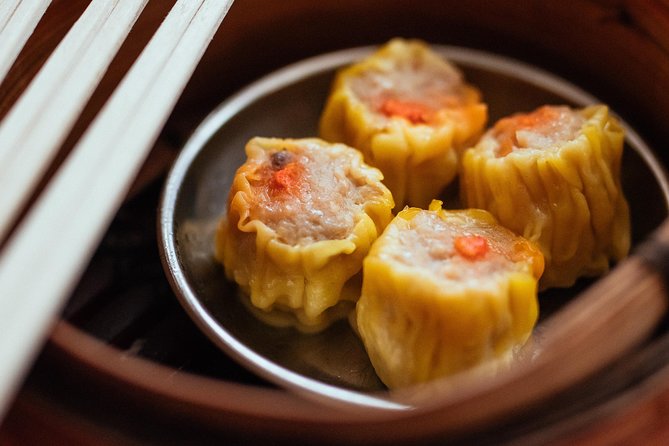
The final hour takes you to Chinatown, where the tour turns to Chinese and Singaporean favorites. This is a useful closing district because it gives you another side of the city’s hawker culture and a chance to compare cooking styles across the route.
You may sample dim sum and other Chinese dishes, along with a local favorite such as rojak. Rojak is especially interesting because it does not fit neatly into the Western idea of a fruit salad or a savory snack. It is the kind of dish that makes more sense when someone explains how Singaporeans eat it and why the combination works.
The route also includes Elderly Corner at Chinatown. The supplied description gives no detailed promise about a formal activity there, so think of it as part of the neighborhood and local-life portion of the walk rather than a ticketed attraction.
Some of the strongest guide experiences have happened in Chinatown, particularly when the route needed to change. One guide brought in Indian food and better Chinese choices after the earlier part of the outing did not suit the group. Another used the district to explain Singapore’s history and everyday life while keeping the food moving.
Chinatown may also be where the tour feels most like a practical food lesson. Your guide can point out dishes you can order later, help you understand hawker-center customs, and explain which foods are worth seeking out again.
The tour is meant to end in Singapore, but no exact final meeting point is provided. Ask your guide where you will finish and how to get back to your hotel or next stop. One account noted that the guide left quickly without checking the group’s onward plans, so this is a small detail worth settling before the final tasting.
A few more food tours around the world worth comparing
- Reykjavik Food Walk – Local Foodie Adventure in Iceland
★ 5.0 · 18,952 reviews - Hanoi Jeep Tour: Food, Culture and Fun by Vietnam Army Jeep
★ 5.0 · 15,222 reviews - From Marrakech: Merzouga 3-Day Desert Safari with Food
★ 4.7 · 12,232 reviews - Dubai: Old Town, Creek, Museums, Souks, & Street Food Tour
★ 4.8 · 10,816 reviews
Ten tastings, but not ten full meals
The phrase 10 tastings sounds generous, and it is. But you should understand the format before comparing this tour with a restaurant crawl.
You are sampling food and drink in small portions. The list can include:
- Malay dishes and curries
- Chinese dim sum and other local favorites
- Indian breads and curry
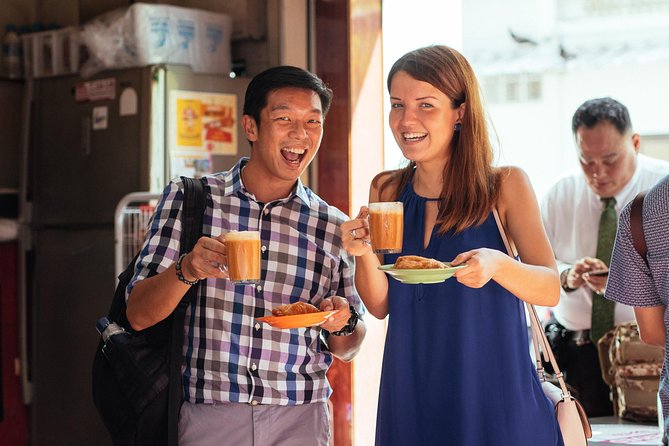
- Teh tarik, the foaming pulled tea
- Rojak and other Singaporean specialties
The exact ten items are not fixed in the information provided. That flexibility is useful for allergies and personal taste, but it also means two groups may receive different highlights.
The portions are enough to leave many people full, especially when the route includes rice, bread, noodles, pastry, and curry. One account counted eight tastings and one drink rather than ten food and drink items. That sort of variation may come from substitutions, timing, availability, or how a tasting is counted.
I would treat the number ten as a target, not a restaurant-style guarantee. The real value is in the range of foods and the explanation around them. If you care more about trying a precise list of dishes than learning how Singapore eats, a fixed-menu food experience may suit you better.
Do not eat a large meal beforehand. At the same time, do not arrive so hungry that you rush through the first stop. Three hours of eating and walking is more enjoyable when you leave room for conversation.
The private guide makes the biggest difference
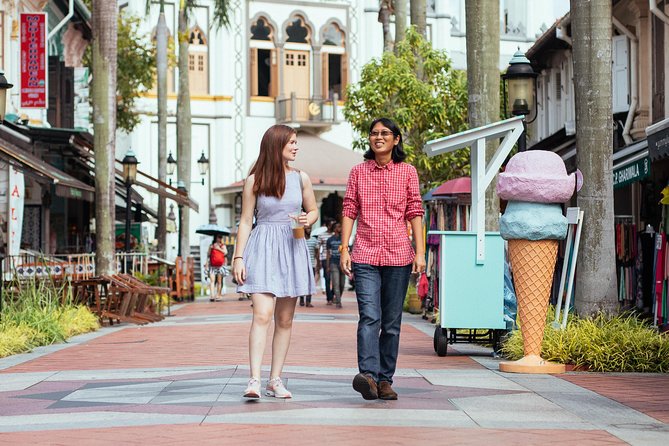
Because this is a private experience, the guide matters more than any fixed menu. The food is served in local settings, but the guide decides how much context you receive, how quickly the route moves, and how well the tastings match your group.
Several guides have received strong praise for making the tour personal. Marcus has been singled out for patience, history, photographs, and careful attention to comfort. Arthur has been praised for combining anecdotes, culture, and food, as well as carrying wipes for hands and tables. Adam has explained the cultural background of each dish, while Stefan has adjusted routes and found gluten-free options.
Other named guides include Royston, Jon Xu, John Tan, Joisse, and Jack. You cannot assume you will receive a particular person unless the booking process allows you to select one. The useful lesson is to treat the guide as part of the experience, not just as someone who escorts you between stalls.
The best use of the private format is to be clear at the start. Tell your guide:
- Which foods you cannot eat
- Which foods you want to try most
- How much walking your group prefers
- Whether you care more about history, neighborhoods, or food
- If you need a slower pace or extra seating
This is also a good tour for mixed-age groups. One family ranging from age 11 to 75 found the private setup helpful, and another guide brought food to a seated guest whose feet were hurting. Those are practical advantages that a large group cannot always offer.
What $152.22 per person really buys
At $152.22 per person, this is not a bargain hawker-center meal. Singapore’s local food can cost very little when you order on your own, and you could sample several dishes for far less.
The price makes more sense if you value the private guide and the city orientation. You are paying for three hours of personal attention, 10 tastings, cultural background, route planning, and help with choices you might not make confidently alone. For a first day in Singapore, that can save time and prevent a few disappointing orders.
The value improves for a family or small group because the experience is private and group discounts may apply. The listed price varies by group size, so check the total rather than assuming the per-person figure applies unchanged.
The value is weaker if you already know Singapore’s hawker centers, speak with confidence about the food, or mainly want the cheapest possible meal. In that case, spend the money on several independent meals and use public transport between districts.
The tour includes food and drinks, an English-speaking local guide, vegetarian alternatives, and the private route. It does not include hotel pickup, hotel drop-off, or entrance tickets. Since the main attractions are seen from outside, there are no extra admission costs built into the route.
The company also describes the experience as carbon neutral and B-Corp certified. That will not change the food on your plate, but it may matter if you prefer booking with a company that makes a sustainability claim as part of its operating model.
Timing, walking, and practical planning
The advertised duration is about three hours, with roughly one hour assigned to each district. That is a sensible length for a food walk, but do not read the schedule as a strict timetable.
You will spend time standing, walking, eating, and listening. Comfortable shoes are a good idea, and you should allow extra time afterward rather than booking a tight connection or formal meal.
The meeting point is near public transportation, but hotel pickup and drop-off are not included. Plan your route to Arab Street before the start. Since the end point is simply listed as Singapore, ask your guide where the final tasting will finish.
Most people can participate, and alternatives are offered for dietary restrictions. The tour can be fully personalized to match your diet and allergies, but you should message the host before the experience with exact requirements. For serious allergies, repeat the details in person before eating.
Free cancellation is available when you cancel at least 24 hours before the start time. Changes or cancellations made less than 24 hours before the local start time are not accepted for a refund.
Who should book this food walk?
I would recommend it most strongly to first-time visitors who want a quick sense of how Singapore’s neighborhoods and food traditions fit together. It is also a smart choice for families, couples, and small groups with different food preferences.
You will get the most from it if you enjoy asking questions and are happy to let the guide shape the menu. The tour is less suitable if you want a fixed list of famous dishes, a quiet sit-down meal, or a low-cost way to eat.
Food allergies and vegetarian diets do not rule it out, but you must communicate early. Gluten-free diners should be especially clear about their needs and accept that some traditional tastings may need to be replaced.
Should you book it?
Book this tour if you want food plus a city orientation, not food alone. The private guide, three cultural districts, and adaptable route offer a strong introduction to Singapore, especially at the start of a longer visit.
Think twice if $152.22 feels high for hawker food or if you dislike starch-heavy tastings. Before booking, ask about your guide, dietary needs, pacing, and the likely time in each district. With those points settled, this can be a very useful first taste of Singapore, with enough local context to guide the rest of your meals.
FAQ
How long does the private food tour last?
The experience lasts about three hours. The planned route allows roughly one hour each in Kampong Gelam, Little India, and Chinatown, though the exact pacing can change.
How many foods and drinks are included?
The tour is advertised with 10 food and drink tastings. The exact dishes can vary based on dietary needs, availability, and the route selected by your private guide.
Which cuisines are covered?
The tour focuses on Malay, Chinese, and Indian food traditions. Examples include dim sum, Indian breads, Malay curries, teh tarik, and rojak.
Can the tour accommodate dietary restrictions?
Yes. Vegetarian alternatives are available, and the route can be personalized for dietary requirements and allergies. You should message your host in advance with complete details.
Where does the tour start?
The meeting point is 56 Arab Street, Singapore 199753. Hotel pickup and drop-off are not included, and the tour is near public transportation.
What is the cancellation policy?
You can receive a full refund if you cancel at least 24 hours before the experience start time. Cancellations or changes made less than 24 hours before the start time are not accepted for a refund.
Just added around the world
- Marrakech: Jemma El Fnaa Food Tour with Dinner★ 4.7 · 394 reviews
- Marseille: Walking Food Tour with Full Meal★ 4.7 · 137 reviews
- Marrakech Night Street Food Tour / Taste The Real Marrakech★ 4.9 · 200 reviews
- Marrakech: Authentic Moroccan Food Walking Tour & Dinner★ 4.8 · 261 reviews
- Marrakesh: Guided Street Food Tasting by Locals★ 4.6 · 47 reviews
- Market tour and all gastronomy included⭐️⭐️⭐️⭐️⭐️★ 4.6 · 35 reviews
- Explore Marbella Old Town: Authentic Tapas Food Tour★ 4.8 · 62 reviews
- Marrakech: Medina Stories Food Tour with 15+ Tastings★ 5.0 · 141 reviews
Food Tours in Singapore, compared.
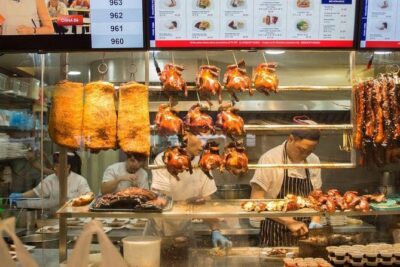
Small Group: Michelin and Local Hawker Food Tour with 9 tastings
Read our review →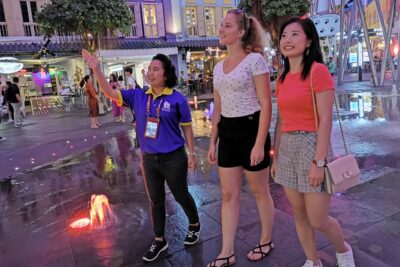
Small Group: Singapore Street Food & Night Tour with 9 tastings
Read our review →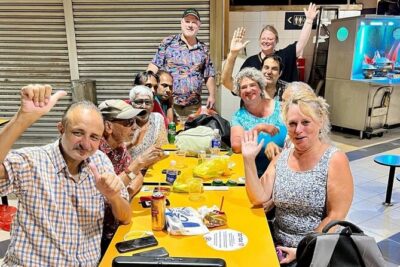
Chinese, Indian & Arabic Quarters, Culture & Food Tour
Read our review →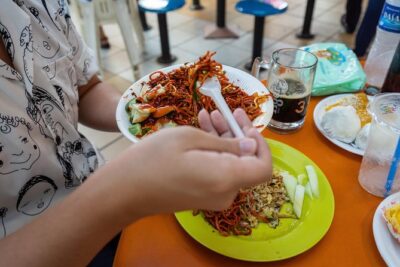
Browse the lists this tour appears in