
REVIEW · THAILAND
Chiang Mai: Evening Local Street Food Market Tour
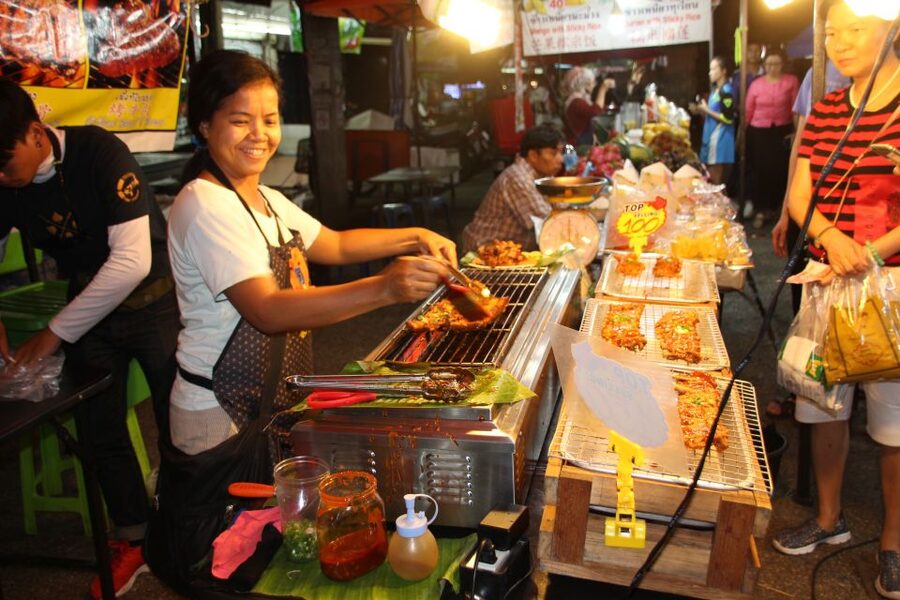
Chiang Mai’s best evening meal may come from several market stalls, not one restaurant. This 150-minute tour takes you to at least two night markets, where your guide orders a generous spread of northern Thai food, explains what is on the plate, and shows you how to ask for it yourself. You can expect kanom jeen, stewed pork leg, coconut dumplings, regional dishes, and sweets.
I like the small group limit of 10, which gives you room to ask about strange-looking ingredients and share dishes without getting lost in a crowd. I also like the practical Thai language lesson: you receive a short food leaflet and practice ordering phrases you can use for the rest of your trip. The main drawback is clear: this tour cannot accommodate vegetarians or pescatarians, and the large amount of food may be too much for light eaters.
Key points at a glance
- Two or more evening markets: The route usually includes at least two markets, and some evenings reach three or four food stops.
- A full northern Thai meal: Expect kanom jeen, local specialties, stewed pork leg, coconut dumplings, salads, main dishes, and desserts.
- Guides who make the food approachable: Guides such as Jay, Mr. Goal, Chai, and Tienchai explain dishes, customs, ingredients, and ordering.
- Useful language help: A printed leaflet and basic Thai phrases make it easier to order food on your own later.
- Hotel transfers included: Pickup and drop-off are included for hotels in central Chiang Mai, with a surcharge possible outside the city.
- Bring an empty stomach: The tour is priced at $40, and the food portions are notably generous.
Why an evening market tour works so well in Chiang Mai
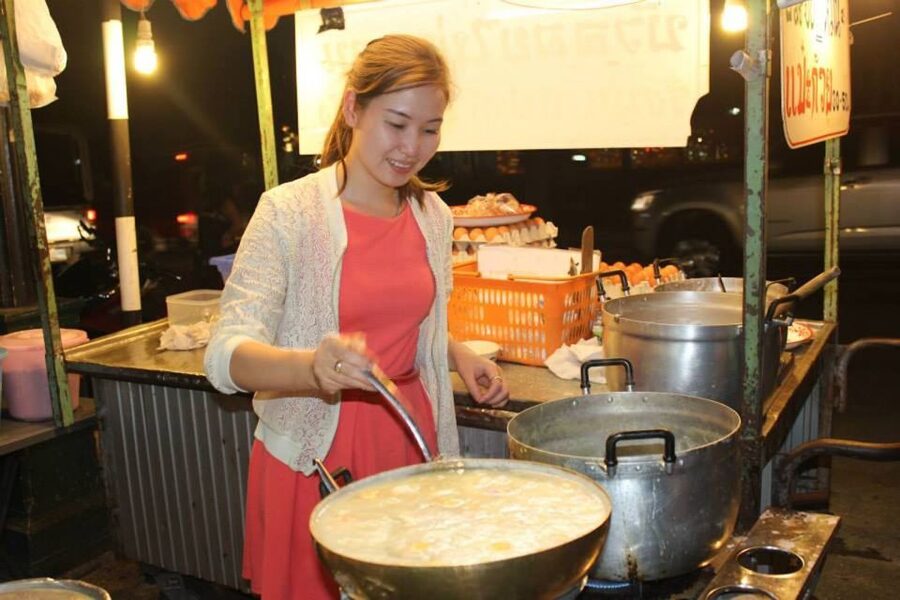
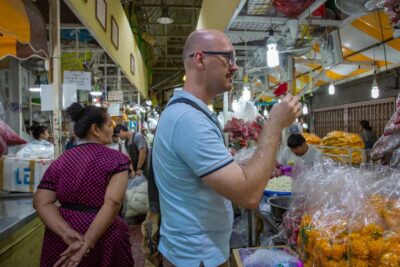
Chiang Mai food is more than pad Thai and mango sticky rice. The north has its own cooking traditions, with dishes shaped by local ingredients and neighboring regions. At a market, you see food in its everyday setting, served by vendors who specialize in one or two things rather than preparing a long restaurant menu.
That matters because a first visit to a Thai market can be confusing. Signs may not be in English, dishes may look unfamiliar, and a single portion can be too large if you want to sample several foods. A guide solves those problems by choosing a range of dishes for the table and explaining how to eat them.
The evening timing is also useful. You avoid making this your main meal in the heat of the day, and the tour fits neatly into a Chiang Mai sightseeing schedule. At the end, transport takes you back to your accommodation instead of leaving you to work out a taxi after several rounds of food.
More market tours in Thailand:
- Bangkok by Night: Temples, Markets and Food Tuk-Tuk Tour
★ 5.0 · 3,752 reviews - Bangkok: Markets, Temples and Food Night Tour by Tuk Tuk
★ 4.9 · 2,371 reviews - From Bangkok: Maeklong Railway and Floating Market Food Tour
★ 4.9 · 224 reviews
Meeting your guide and starting with the first market
Pickup is from your hotel in Chiang Mai city center. You should be in the lobby 10 minutes before the scheduled time, then meet your guide and the rest of the group. Guides may include Jay, Mr. Goal, Chai, T, Nop, Go, or Tienchai, depending on the evening.
The guide’s role is more than pointing at food. You can ask about ingredients, spice levels, regional differences, Thai food etiquette, and the proper way to eat unfamiliar dishes. Several guides are praised for clear English and a relaxed manner, which matters when you are trying to remember a new food name while holding a skewer or bowl.
The vehicle is included, along with water. Some evenings involve a fair amount of driving between markets, and heavy traffic can reduce the time spent walking and eating. That is a real consideration in Chiang Mai. Still, the transport makes it possible to cover several parts of the city rather than relying on a single market near your hotel.
At the first market, your guide begins ordering for the group. Portions are shared, so you can taste a wide range without buying a full serving of everything. This is especially useful for solo diners, who would otherwise need to choose only a few dishes.
Kanom jeen and the first taste of local food
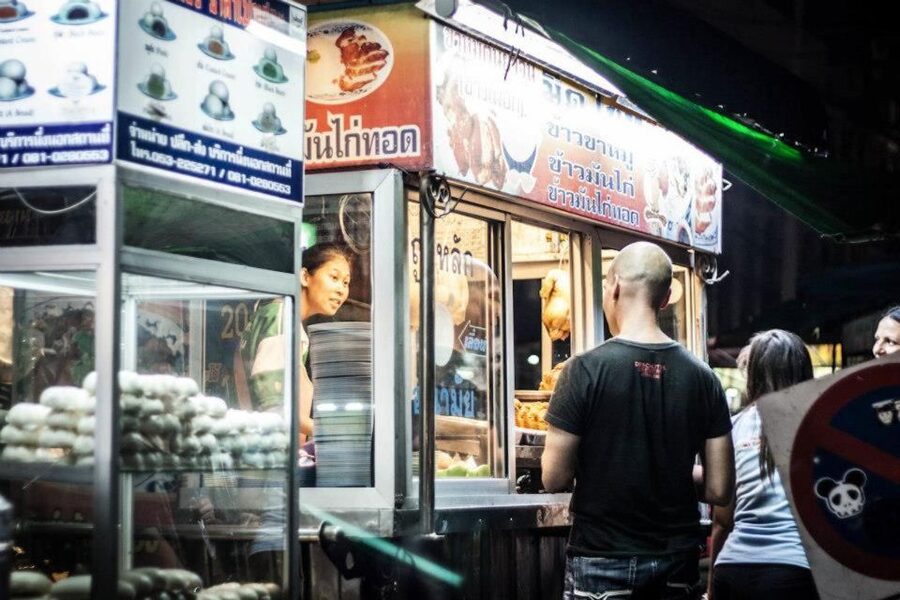
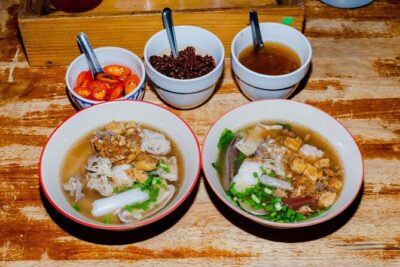
One of the featured foods is kanom jeen, sometimes written as khanom chin. These are soft fermented rice noodles served with a sauce and accompanying ingredients. The dish is a good introduction to the tour because it is familiar enough in form, yet different from the noodles many people first associate with Thailand.
Your guide can show you how the noodles and toppings are combined, and explain the flavors before you take a bite. The point is not simply to collect dishes. You learn what you are eating, where it fits into Thai cooking, and how to approach the meal at a market stall.
The menu changes from night to night. You should not book expecting a fixed tasting list, although the advertised examples give you a good idea of the range. One evening may lean toward soups, curries, and salads, while another may include more regional specialties and different sweets.
That variation is a plus if you enjoy food as it is actually served. It is less suitable if you need a precise menu in advance or have strict dietary requirements.
Northern Thai specialties and shared plates
The tour places strong attention on food from northern Thailand. Chiang Mai’s cooking is not simply a milder or spicier version of central Thai food. You may encounter different seasonings, sauces, textures, and preparations, along with dishes influenced by nearby areas.
A shared table lets you compare several foods at once. You may find a savory dish beside a spicy salad, a broth, or a preparation that is entirely new to you. Your guide explains the ingredients and the local context, then helps you decide how much chili or sauce to add.
This is where a small group earns its keep. With no more than 10 participants, there is time to ask why a dish tastes sour, how a particular herb is used, or which food is commonly eaten with rice or noodles. The group setting also gives you a chance to try foods you might skip if ordering alone.
The food is not presented as a polished restaurant tasting menu. Market eating can be busy, informal, and occasionally messy. That is part of the appeal, but you should come ready for a genuine street food setting rather than white tablecloth service.
More street food nights in Thailand:
- Bangkok: Michelin Guide Street Food Tour by Tuk Tuk
★ 4.4 · 1,274 reviews - Small-Group Chiang Mai Evening Street Food Tour
★ 4.5 · 826 reviews - Bangkok Tuk-Tuk Tour by Night with Chinatown Street Food Meal
★ 5.0 · 635 reviews - Bangkok: E-Scooter Night Tour with Local Street Food
★ 4.8 · 488 reviews
Stewed pork leg, coconut dumplings, and the dessert round
Stewed pork leg is another featured dish. Slow-cooked pork can be rich and filling, so it is worth pacing yourself early in the tour. The guide helps the group share portions, but there is no need to finish every bite if you are already full.
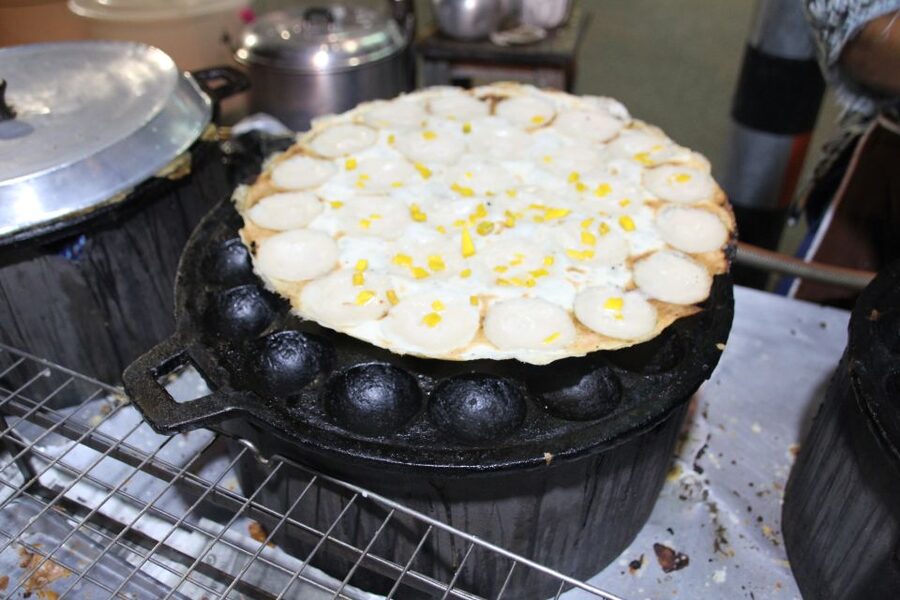
Coconut dumplings bring a softer, sweeter contrast. They are a good reminder that Thai market food is not divided neatly into starter, main course, and dessert. Sweet snacks may appear beside savory foods, and a market is a place to graze rather than follow a formal meal structure.
The final stops may include several Thai desserts and sweets. The exact selection varies, but the tour makes room for a dessert finish if everyone has space. Some food-focused outings treat sweets as an afterthought. Here, they are part of the planned range, which gives you a better sense of how Thai people snack and finish a meal.
The biggest practical warning is portion size. The food is generous enough that many people leave extremely full, and some have to stop before the final dishes. Eat a light meal earlier in the day, but do not arrive dehydrated or hungry to the point of discomfort.
Learning to order food in Thai
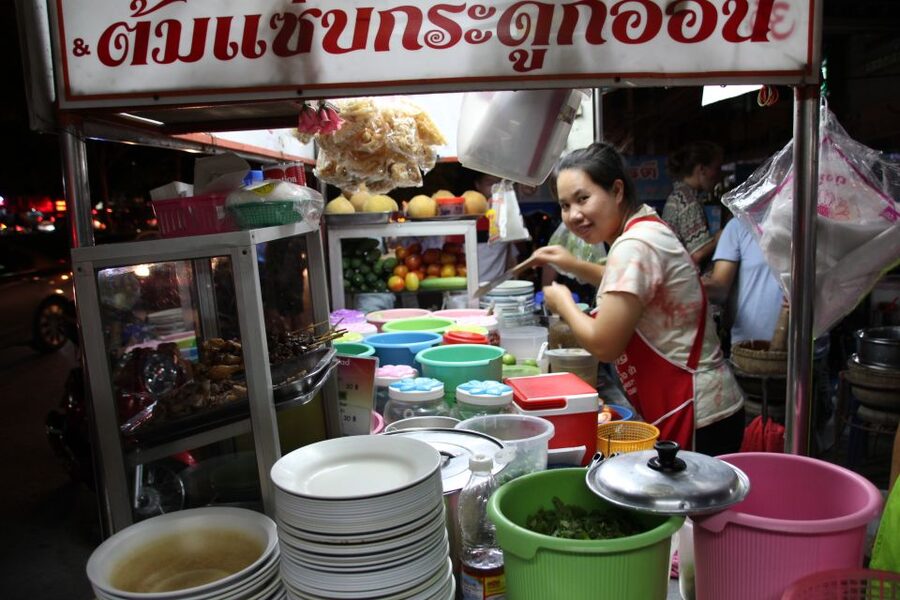
The short language lesson is one of the tour’s most useful features. Your guide teaches basic Thai phrases related to food and ordering, then gives you a chance to use them at the market.
You will not become fluent in one evening, but you can learn enough to feel less dependent on English menus. The leaflet records dishes you have tried and includes phrases to help with future orders. Keep it in your day bag and refer to it when you return to a market on your own.
The lesson also changes how you look at the stalls. Instead of seeing rows of unmarked dishes, you begin to recognize names and ingredients. That makes the rest of your time in Thailand easier, especially if you want to move beyond familiar tourist foods.
Guides such as Jay, Goal, and Chai are repeatedly singled out for explaining food clearly and making questions easy. Their English ability is important here, since a rushed explanation would defeat the purpose of the tour. The best part of the evening is often the conversation between dishes, when the guide connects a food to local customs or regional cooking.
What the $40 price really covers
At $40 per person, this is not the cheapest way to buy dinner in Chiang Mai. You can eat individual street food dishes for much less. The price makes more sense when you count the included food, water, guide, transport, language help, and the chance to taste many dishes without guessing what to order.
The value is strongest for first-time visitors, solo diners, and anyone who wants an organized introduction to northern Thai cooking. A solo diner may struggle to sample 10 or more dishes alone, while a group of friends could order widely without a guide. For those travelers, the tour’s advice and shared portions justify the extra cost.
Food quantities are a major part of the value. On some evenings, you might taste more than 10 dishes, with one group sampling 14 salads and main courses followed by four desserts. The exact count is not guaranteed, but you should plan on a substantial meal rather than a few token samples.
The price does not include alcoholic drinks or other beverages beyond the supplied water. If you want beer, soda, or another drink, budget separately. Pickup and drop-off are included only for accommodation in central Chiang Mai. Properties outside the city may require a small surcharge, so check before booking.
Who should book this Chiang Mai food tour
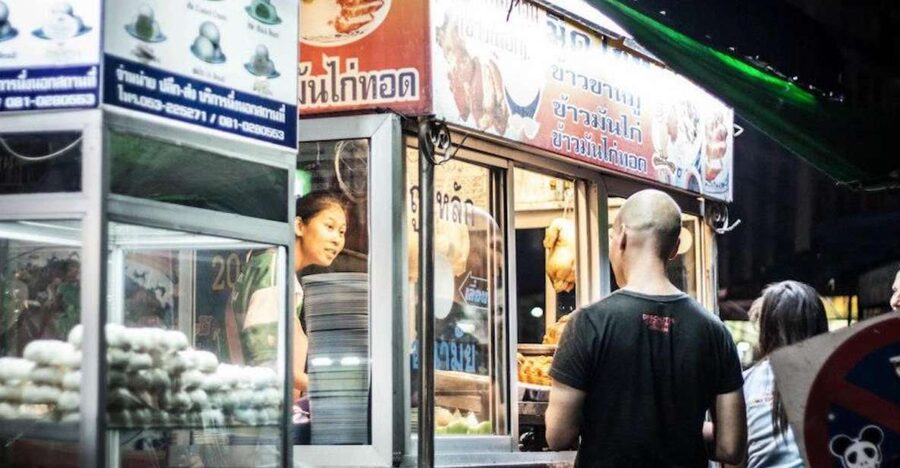
I would recommend this tour to you if you want a broad first taste of Chiang Mai food and prefer guidance over trial and error. It works particularly well on your first night, since the leaflet and food vocabulary help you choose dishes during the rest of your stay.
It also suits curious eaters who enjoy trying foods they would not order alone. You can ask before tasting, share small portions, and let the guide explain anything unfamiliar. Families with children over eight may enjoy it, though the tour is officially not suitable for children under eight.
This is not the right pick for vegetarians or pescatarians. The stated conditions say those diets cannot be accommodated, even though individual guide flexibility may vary. Do not rely on an exception if avoiding meat or seafood is important to you.
It may also be a poor fit if you dislike eating a lot, need a fixed menu, or want to spend the entire evening walking. The tour includes vehicle transfers, and traffic can take time away from the markets.
Practical advice before you go
Wear comfortable shoes. You will be moving through markets and food areas, and practical footwear is more useful than anything stylish.
Arrive in the hotel lobby 10 minutes before pickup. Keep some space in your schedule after the tour, since you are unlikely to want another full meal immediately afterward.
A few simple strategies will make the evening better:
- Eat lightly earlier in the day.
- Tell the guide early if you cannot handle much chili.
- Ask questions before trying unfamiliar dishes.
- Use the leaflet to note foods you want to find again.
- Bring a little patience for traffic between markets.
- Remember that the dishes can change from one night to the next.
The tour includes water, but other drinks cost extra. If you want an alcoholic drink, pay for it separately rather than assuming it is part of the tasting.
Free cancellation is available up to 24 hours before the tour for a full refund, and you can reserve now and pay later. The tour is offered in Thai and English, with hotel pickup included from central Chiang Mai.
FAQ
How long does the Chiang Mai street food tour last?
The tour lasts 150 minutes, or two and a half hours. Pickup and return transport are included for accommodations in central Chiang Mai.
How many markets will I visit?
You will visit at least two evening street food markets. Depending on the route and evening, the tour may include three or four market or food stops.
What food will I try?
Featured foods include kanom jeen, northern Thai specialties, stewed pork leg, coconut dumplings, Thai desserts, and sweets. The dishes vary from night to night.
Is food included in the $40 price?
Yes. The tour price includes all dishes served during the experience and water. Other drinks, including alcoholic drinks, are not included.
Is hotel pickup included?
Yes, pickup and drop-off are included for hotels in Chiang Mai city center. Accommodation outside the city may require a small transportation surcharge.
Can vegetarians or pescatarians join?
No. The tour information states that vegetarians and pescatarians cannot be accommodated. It is also not suitable for children under eight.
What languages does the guide speak?
The tour is offered in Thai and English. Guides also teach basic Thai food and ordering phrases during the experience.
Can I cancel the booking?
You can cancel up to 24 hours in advance for a full refund. The reserve-now, pay-later option lets you hold a place without paying immediately.
Should you book it?
Book this tour if you want a very full introduction to Chiang Mai street food, especially if you are arriving without a plan for the night markets. The food range, hotel transport, small group, and Thai ordering lesson make the $40 easier to justify than a simple self-guided dinner.
I would choose it early in your stay, when the guide’s advice can shape the rest of your meals. Skip it if you are vegetarian, need a fixed menu, dislike large meals, or prefer to explore markets entirely on your own. For adventurous meat eaters with an appetite, it offers a practical and friendly way to get started.
More Evening Experiences in Thailand
- Bangkok by Night Food Tour with 10+ Tastings in Chinatown
★ 5.0 · 545 reviews - Bangkok Tuk-Tuk by Night with Chinatown Street Food Meal
★ 4.6 · 263 reviews - Bangkok Night Tour: Food, Temple & Tuk-Tuk
★ 4.7 · 94 reviews - Chiang Mai: Temples and Street Food Night Tour by Tuk Tuk
★ 4.3 · 81 reviews
More Shopping Tours in Thailand
- Chef Guided Food Tour of Pike Place Market
★ 5.0 · 3,733 reviews - Tokyo Tsukiji Fish Market Food and Culture Walking Tour
★ 5.0 · 3,184 reviews - London Bridge & Borough Market Food Tour with 7 Authentic Dishes
★ 5.0 · 1,972 reviews - Tokyo: Tsukiji Fish Market Food and Walking tour
★ 5.0 · 1,724 reviews
Just added around Thailand
- Local Life, Culture & Food Walking Tour at Chinatown★ 4.7 · 119 reviews
- Krabi: Morning or Afternoon Culinary Adventure at Smart Cook★ 4.8 · 35 reviews
- Krabi: Elephant Feeding Program with Food Preparation★ 4.8 · 43 reviews
- Hua Hin: Local Food Nighttime Guided Tour★ 4.9 · 59 reviews
- From Ao Nang: Similan Islands Boat Trip with Transfer & Food★ 4.5 · 35 reviews
- From Bangkok: Maeklong Railway and Floating Market Food Tour★ 4.9 · 224 reviews
- Chiang Mai: Food Tour by Songtheaw Truck with 15+ Tastings★ 4.9 · 157 reviews
- Chiang Mai: Temples and Street Food Night Tour by Tuk Tuk★ 4.3 · 81 reviews
Food Tours in Thailand, compared.
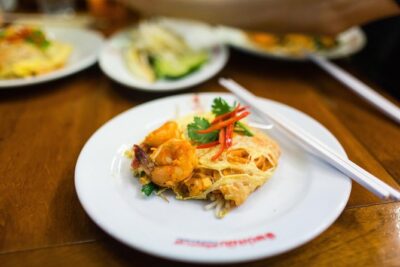
Bangkok by Night: Temples, Markets and Food Tuk-Tuk Tour
Read our review →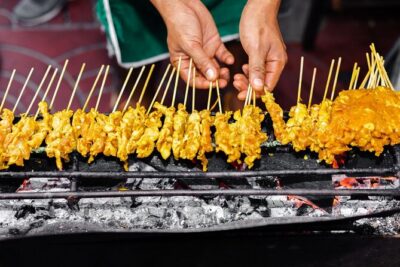

Markets, Temples and Food Night Tour by Tuk Tuk
Read our review →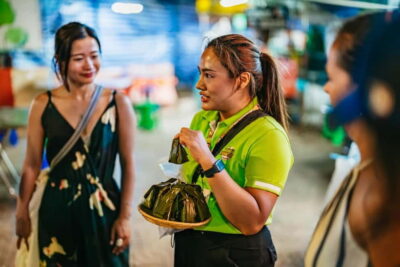
Southern Flavors Phuket Food Tour with 15+ Tastings
Read our review →Bangkok Backstreets Food Tour with 15+ Tastings
Read our review →
Browse the lists this tour appears in