
REVIEW · CHINA
Beijing Hutong Breakfast Food Tour
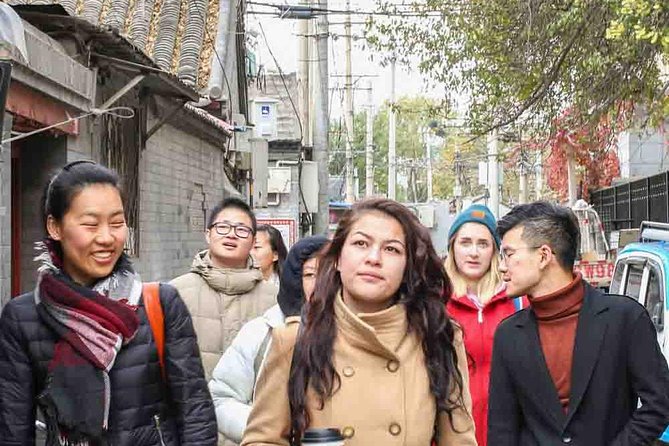
Beijing’s breakfast scene is at its best before the sightseeing day begins. This three-hour walk leads you through hutongs near Lama Temple, where small food shops and street stalls serve the morning meal to local residents. You may try jianbing, baozi, silken tofu, fried dough, soy milk, and almond pudding, often in places you would have little chance of finding on your own.
I like two things right away: the tour turns breakfast into a useful introduction to Beijing’s daily life, and the small maximum of eight people leaves room for questions and a more personal pace. Guides such as Garth add food background, help you understand how ordering and paying work, and point out the history around the hutongs.
The main catch is timing. You need to meet at 8:00 am, walk for about three hours, and arrive hungry enough for many tastings. Dietary needs must be sent in advance, and the tour does not include hotel pickup.
Key points to know before booking
- A serious breakfast, not a light snack: Several tasting stops add up to a large meal, so plan to eat lightly beforehand.
- Starts by Lama Temple: The meeting point is near Lama Temple Subway Station, with the route finishing near the Bell and Drum Towers.
- Small group limit: No more than eight people can join, which makes food explanations and street-side stops easier.
- Local dishes explained as you eat: Your guide helps with unfamiliar foods, ordering, and the everyday customs behind breakfast.
- Includes useful follow-up advice: You receive a post-tour packet with restaurant suggestions and local travel tips.
- Best for early risers: The 8:00 am start lets you see the hutongs during their morning routine, but it will not suit late starters.
Why this breakfast walk works so well in Beijing
Beijing’s hutongs are easiest to understand in the morning. Residents are heading to work, food shops are preparing their first batches, and breakfast counters are doing brisk business. This tour places you in that ordinary part of the day instead of taking you to a restaurant designed mainly for sightseeing.
That matters because Beijing breakfast is not one dish. It is a collection of quick, filling foods shaped by northern Chinese cooking. Some are steamed, some fried, some sweet, and some surprisingly delicate. The range gives you a better sense of how people eat here than a single sit-down meal would.
I also like the practical side of the experience. A guide does not simply hand you food and name it. You get help with what to try, how dishes are served, and how local food shops function. If China is your first stop in the country, this can make the rest of your meals less intimidating.
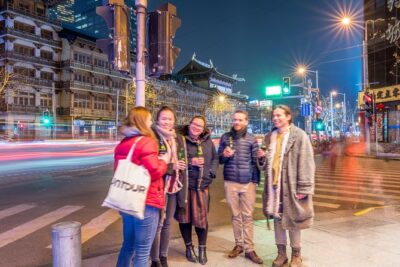
The group size helps, too. With a limit of eight, the walk should feel more like a guided food outing than a large procession through narrow lanes. You can ask about ingredients, food customs, or the buildings along the route without trying to catch a guide’s voice over a crowd.
A few more food tours around Beijing worth comparing
- Beijing Hutong Walking Food and Beer Tour at Hidden Restaurants
★ 5.0 · 1,132 reviews - Beijing: Hidden Gems Guided Food Tour with Beer and Tastings
★ 4.9 · 306 reviews - Beijing Private Hutong Food Walking Tour
★ 5.0 · 299 reviews
Starting near Lama Temple at 8:00 am
You meet at the Subway the Lama Temple C exit, near the bike rental station and the southeast entrance to Guozijian. The location is close to Lama Temple, one of central Beijing’s better-known landmarks, but the food walk quickly moves away from the main tourist path.
The early start is useful. Breakfast shops are active at this hour, and the hutongs have a more local feel before the day’s sightseeing crowds arrive. It also leaves most of the afternoon free, though you may not want another full meal for several hours.
There is no hotel pickup, so you need to reach the meeting point yourself. The tour is near public transportation, which keeps the start manageable, but check your route before leaving. The meeting instructions use both English and Chinese location details, so keeping the exact address available on your phone is sensible.
If you are staying near central Beijing, you can treat the meeting point as part of your morning outing. Lama Temple and the surrounding Guozijian area also give you useful landmarks for finding your way.
Hutong lanes and food shops behind Lama Temple
The first major part of the walk takes you into the hutongs behind Lama Temple. These narrow lanes are the setting that makes the tour worthwhile. Instead of only seeing Beijing’s major monuments, you watch the city work through its small breakfast businesses and ordinary residential streets.
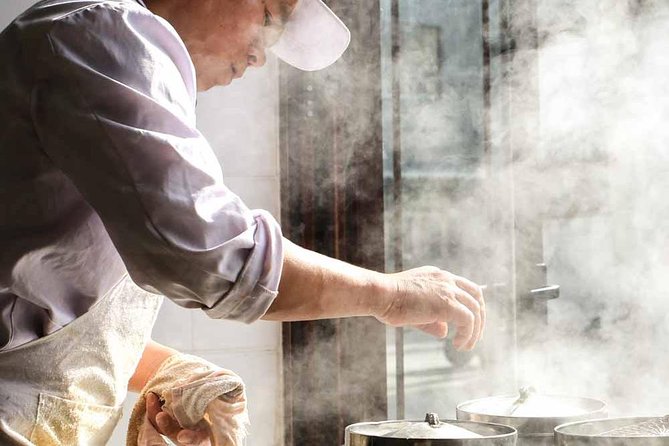
The guide leads you to cafes, stalls, and small shops where food is made for the morning crowd. Some stops are likely to be quick and informal. You may eat standing or shoulder to shoulder with local customers, rather than sitting through a long restaurant service.
That style has a clear benefit: it keeps the focus on food as part of daily life. It also requires a little flexibility. Small local shops do not always offer the space, quiet, or menu style you might expect from a restaurant aimed at international visitors.
The walk is not just a series of tastings. Along the way, the guide explains how the food fits into Beijing routines and gives context for the surrounding lanes. This is especially useful if you want more than a checklist of dishes.
The breakfast dishes you are likely to try
The exact food can vary, but the tasting lineup covers many classic morning flavors.
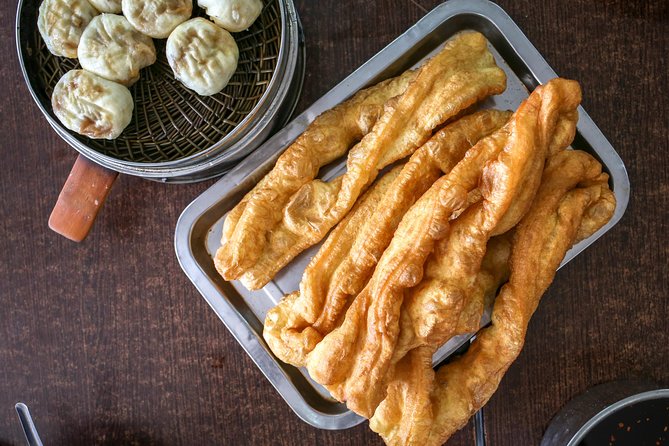
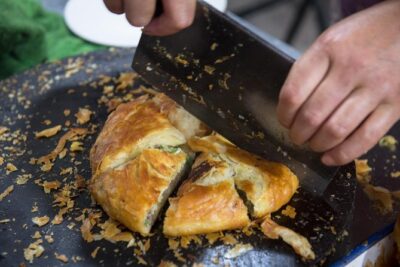
Baozi, or steamed buns, offer a soft, filling start. They are easy to eat and familiar enough for cautious eaters, though the fillings may differ from what you expect. Your guide can explain what is inside and how locals usually eat them.
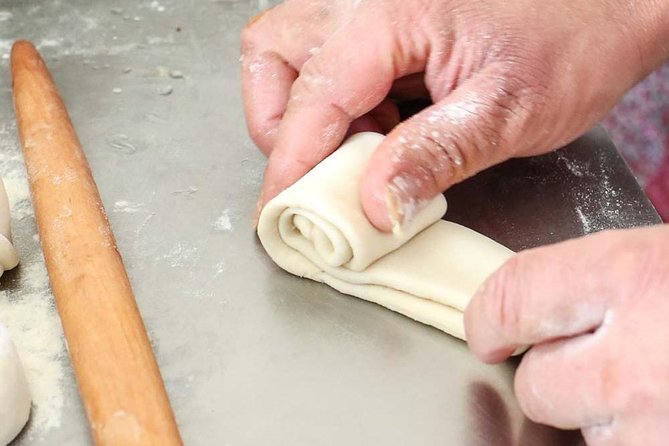
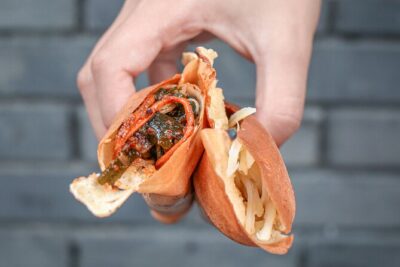
Jianbing is one of the most interesting stops. This savory crepe is prepared fresh, with the batter spread on a hot surface and finished with sauces and other ingredients. Watching it being made gives you more than a taste. You see the quick rhythm of a popular breakfast order.
You may also try silken tofu with savory toppings. This is a softer and more delicate dish than the fried items, and its texture may surprise you. It is a good example of why guided tastings help. You can ask about the toppings and understand what you are eating instead of guessing.
Other possible tastings include fried dough, brown sugar donuts, and sweet soy milk. These bring crisp, chewy, sugary, and lightly sweet notes into the meal. The mix keeps the breakfast from feeling repetitive.
The tour may finish with almond pudding, a cool and gentle dessert-style bowl after the stronger savory foods. It provides a clear change of pace and gives the meal a sweet ending.
You should not expect a tiny sampling menu. The included stops add up to a large breakfast. Eating a full meal before arrival would make it harder to enjoy the later dishes, so a light start or no breakfast is the practical choice.
Same city, a completely different plate:
- Beijing: Hutong Culinary Walking Tour with 15+ Tastings
★ 5.0 · 162 reviews - Beijing Hutong Breakfast Food Tour
★ 5.0 · 155 reviews - Beijing Walking Food Tour with a Local Friend
★ 5.0 · 73 reviews - Beijing Walking Food Culture Tour in Hutong and Hidden Places
★ 5.0 · 59 reviews
Passing the Temple of Confucius and Guozijian
The route also gives you a short look at the Temple of Confucius and the Imperial Academy area, known as Guozijian. You cross from the Lama Temple area through a large Chinese gate and continue along a leafy hutong.
This section adds welcome context between food stops. Beijing’s old lanes are not just scenery. They connect religious, educational, residential, and commercial parts of the historic city. Seeing the temples and gates alongside morning shops helps you place the food within the broader neighborhood.
The stop is listed as about 30 minutes, while the hutong portion takes roughly two hours. That balance tells you what the tour is really about: food first, with enough walking and local history to make the route meaningful.
If your main goal is a detailed temple visit, this is not a substitute for a dedicated museum or monument tour. You see the area as part of a walking route, not through a long formal lecture or extended indoor visit.
Ending near the Bell and Drum Towers
The walk finishes near the intersection of Andingmen Nei Dajie and Gulou Dong Dajie, close to the Bell and Drum Towers. These towers once marked the hours of the day and sit along Beijing’s central axis, making the area a useful point for continuing your sightseeing.
The end location is practical. It is about a 15-minute walk from either Beixinqiao Metro on Line 5 or Andingmen Metro on Line 2. You can continue exploring the surrounding streets, visit the towers separately, or use the metro to reach another part of the city.
The finish also gives the tour a useful shape. You begin near Lama Temple, walk through hutongs and historic institutions, then end near another recognizable Beijing landmark. You get a neighborhood route rather than a simple return to the starting point.
The post-tour welcome packet adds value here. It includes restaurant recommendations and local travel tips, so you have ideas for later meals instead of treating the breakfast as a one-off event. Those suggestions can be particularly handy on a longer Beijing stay.
What the $55 price really covers
At $55 per person, the cost is higher than buying breakfast from one stall. That comparison is not quite fair, since the price includes several tastings, bottled water, soft drinks, a guide, and the work of connecting multiple small food stops.
The stronger value is the access and guidance. You are paying to find places that are easy to miss, understand unfamiliar dishes, and move through the hutongs without having to plan the route yourself. You also avoid ordering a full breakfast at random and hoping you chose well.
The value is best if you care about food, local neighborhoods, and context. If you only want a quick meal, you can spend much less on your own. If you want a broad introduction to Beijing breakfast on your first morning, the fee is easier to justify.
A small group makes the price more reasonable than a large bus-style outing would. With up to eight participants, the guide can explain dishes at close range and respond to individual questions. Private tours would likely cost more, while a larger group could feel less personal.
The tour is also booked around 19 days ahead on average, so it is wise to reserve early if your Beijing dates are fixed. Free cancellation is available when you cancel at least 24 hours before the start time. Changes or cancellations inside that window are not refundable.
Who will enjoy this food tour most
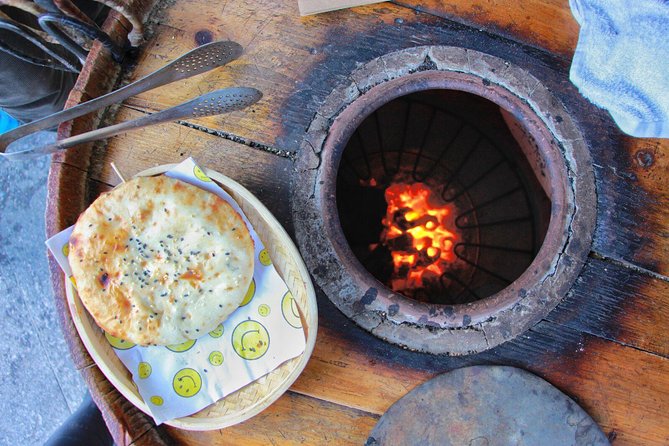
I would put this tour high on the list for anyone visiting Beijing for the first time, especially if you want food to help orient you to the city. The guide can show you how local breakfast works, explain what is on the table, and help you feel more comfortable ordering on your own later.
It also suits people who prefer active sightseeing. You walk through hutongs for much of the experience, so this is not a seated tasting in one restaurant. Comfortable walking shoes and an appetite matter more than formal dining clothes.
Food-focused visitors will get the most from the variety. You can compare steamed buns, savory crepes, tofu, fried dough, soy milk, and almond pudding in one morning. The route is also useful for anyone who wants to see old neighborhood streets beyond major sights.
The tour may be less suitable if you need a late start, dislike eating several small portions in quick succession, or want full control over every ingredient. Specific dietary needs must be provided by email when booking, with advance notice required so the company can try to accommodate them.
The experience is also not designed around hotel convenience. You must reach the Lama Temple meeting point and make your own way back from the Bell and Drum Towers area.
Should you book the Beijing Hutong Breakfast Food Tour?
I would book this for an early day in Beijing, ideally near the start of a longer stay. The food introduces you to local breakfast, while the guide helps with practical matters such as ordering, paying, and understanding the hutong setting.
The strongest reasons to go are the small group, the wide range of dishes, and the chance to eat in everyday neighborhood shops rather than tourist food streets. Guides such as Garth have been praised for clear food explanations, friendly attention, and strong Mandarin, which can make the experience especially useful for first-time visitors.
Skip it if you want a relaxed late breakfast, a short walk, or a low-cost meal. For everyone else, the $55 fee buys a full morning of food, local context, and a route through parts of Beijing that are easy to miss on your own.
FAQ
What time does the Beijing Hutong Breakfast Food Tour begin?
The tour starts at 8:00 am.
Where do I meet the guide?
You meet near the Lama Temple Subway Station C exit, at the bike rental station by the southeast entrance to Guozijian.
Where does the tour finish?
The tour ends near 219 An Nei Da Jie, close to the intersection of Andingmen Nei Dajie and Gulou Dong Dajie, near the Bell and Drum Towers.
How long does the tour last?
The experience lasts about three hours.
How many people can join?
The group has a maximum of eight participants.
What foods are included?
Possible tastings include baozi, jianbing, silken tofu with savory toppings, brown sugar donuts, fried dough, sweet soy milk, and almond pudding.
Are drinks included?
Yes. Bottled water and soft drinks are included.
Does the tour include hotel pickup?
No. Hotel pickup and drop-off are not included.
Can dietary requirements be accommodated?
You should email any dietary requirements at the time of booking. Advance notice is required so the company can try to cater to them.
Just added around Beijing
- Experience Beijing Walking Food Tour Private★ 5.0 · 56 reviews
- Beijing Private Hutong Food Walking Tour★ 5.0 · 299 reviews
- Authentic Local Food Tour in Center Beijing★ 5.0 · 26 reviews
- Beijing Hutong Breakfast Food Tour★ 5.0 · 155 reviews
- Authentic Old Beijing Hutong Food and Beer Private Tour★ 5.0 · 49 reviews
- Beijing Walking Food Culture Tour in Hutong and Hidden Places★ 5.0 · 59 reviews
- 3-Hour Private Night Tour: Beijing Foodie Experience★ 5.0 · 53 reviews
- Beijing Walking Food Tour with a Local Friend★ 5.0 · 73 reviews
Food Tours in China, compared.
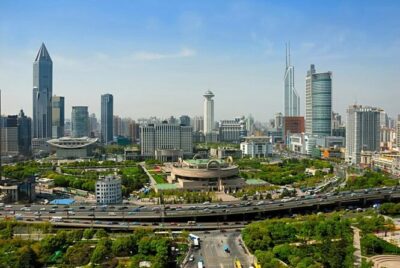
Authentic Local Food Tour in Central Shanghai
Read our review →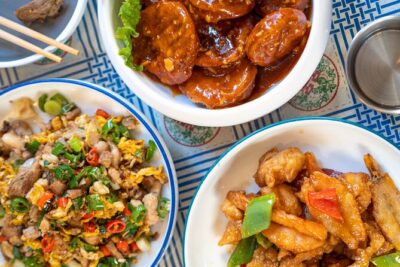
Beijing Hutong Walking Food and Beer Tour at Hidden Restaurants
Read our review →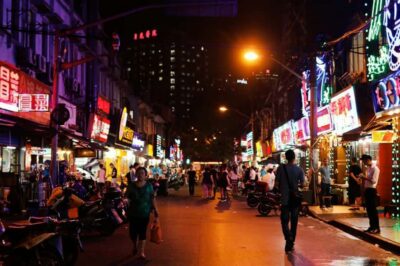
Eat Like a Local Through Shanghai’s French Concession
Read our review →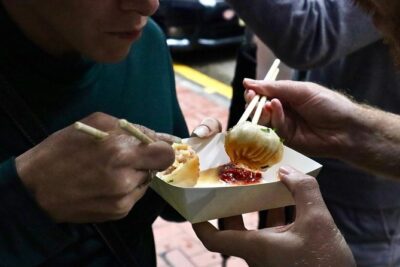
Hong Kong’s Tin Hau Hidden Eats Food Tour with 7+ Local Tastings
Read our review →Browse the lists this tour appears in