
REVIEW · CHINA
Beijing Walking Food Culture Tour in Hutong and Hidden Places
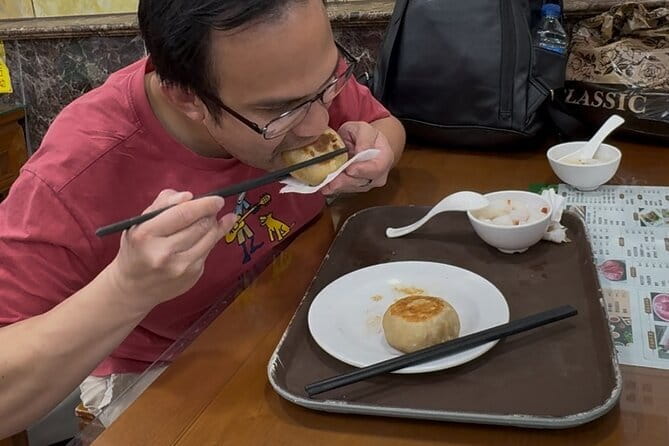
Beijing’s best food stories are often found in narrow hutongs, not polished dining rooms. This three-hour evening walk takes you from Yandai Xiejie through the Shichahai area, with local dishes, old customs, and small family-run eateries along the way. The most interesting touch is the mix of food tasting and living history: you are not just eating, you are learning why these foods belong to Beijing.
I like the small maximum of eight people, which should make it easier to hear the guide and keep the group moving through tight lanes. I also like the hands-on food activities and the unusual final dish inspired by military cooking. The main consideration is price: at $88, this is not a cheap snack crawl, so you will want to value the guiding and cultural context, not just the amount of food.
Key points to know before booking
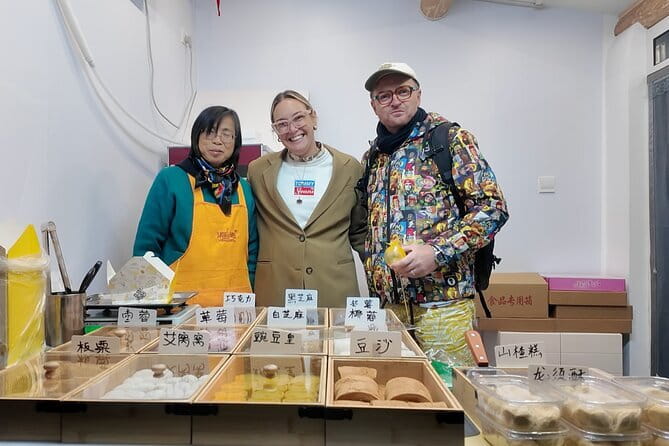
- Four signature dishes plus extra tastings: The evening includes several local foods, with one tasting described as a surprise and some visitors receiving eight or nine dishes overall.
- A true hutong route: You walk through Yandai Xiejie, Shichahai, family-run eateries, and quieter residential lanes.
- Small-group format: The maximum is eight people, with no large coach group or long restaurant queues.
- Food has a story: Your guide explains snack traditions, hutong life, Chinese cuisine, and an ancient army-style one-pot meal.
- Useful for a short stay: The 6 pm start and three-hour length work well for an evening in Beijing or a layover schedule, assuming your transport plan allows enough time.
Why this Beijing food walk feels different

Many food tours are really restaurant tours with a few facts added between courses. This one gives equal weight to the streets, the people, and the food. You begin in one of Beijing’s old hutong areas, walk beside Shichahai Lake, enter places that are easy to miss, and pause at a functioning heritage site that most visitors would likely pass.
That combination matters. Beijing food can be hard to order with confidence, especially when menus offer unfamiliar dishes or photos that tell you little about a meal’s background. A local guide gives you a starting point. You can taste several foods in one evening, learn what makes them distinctive, and leave with a better sense of what to order later on your own.
The tour is led by a local history and sociology expert, and the guide names Rina and Sylvia appear in the experience feedback. The comments about Rina describe an easygoing evening with plenty of food and clear explanations. Sylvia is also praised for making Chinese cooking and food culture easier to understand. Guide quality can vary by date, but the format clearly depends on a guide who can connect each dish to the city around you.
More food walks around Beijing:
- Beijing Hutong Walking Food and Beer Tour at Hidden Restaurants
★ 5.0 · 1,132 reviews - Beijing Private Hutong Food Walking Tour
★ 5.0 · 299 reviews - Beijing: Hutong Culinary Walking Tour with 15+ Tastings
★ 5.0 · 162 reviews
Starting at Yandai Xiejie at 6 pm
The meeting point is in Shichahai, in Beijing’s Xicheng District, with the walk beginning at 6 pm. Your first setting is Yandai Xiejie, one of the city’s oldest and most appealing hutong streets.
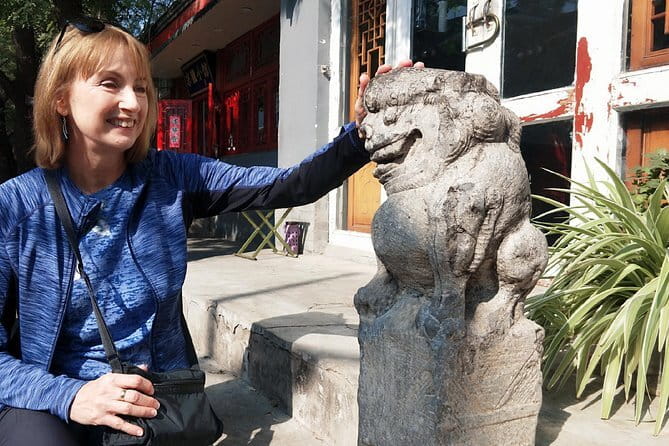
This is a useful place to begin because it offers immediate visual context. You see traditional architecture, narrow lanes, old shopfronts, and the close relationship between homes, small businesses, and street life. The guide also points out the Great Qing Post Office and explains how hutong names developed.
That detail may sound small, but it helps you read Beijing more intelligently. Hutong names often reflect old trades, landmarks, or local habits. Instead of seeing a lane as a photogenic shortcut, you begin to understand it as part of a working neighborhood with its own memory.
Food enters the tour early. You take part in a hands-on snack and culture activity, with freshly prepared local bites and an explanation of how signature Beijing snacks are made. The exact snack is not specified, so you should expect a cultural food activity rather than one guaranteed recipe.
I like this opening because it avoids rushing straight to a table. You first walk, listen, and get your bearings, then taste food in the same kind of neighborhood where local eating traditions developed. The only caution is that Yandai Xiejie is a popular area, so this first stretch may feel more public and commercial than the quieter lanes later in the evening.
Walking from Shichahai into quieter hutongs

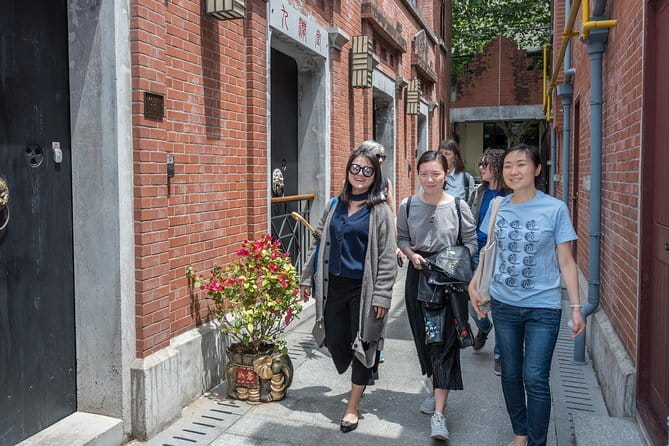
From the lake area, the route moves away from the main flow and into narrower hutongs where daily life remains the main attraction. This is where the experience earns its walking-tour label.
You might see older residents playing chess, local vendors preparing for dinner, and people moving through an ordinary evening routine. These scenes are not scheduled performances. Their value comes from watching the city operate at human speed, with homes and businesses close together.
The walking is described as gentle, and the tour lasts about three hours. You should still wear comfortable shoes because hutong routes involve repeated walking and standing. The route also includes food stops, so this is not a strenuous hike, but it is more active than a seated tasting menu.
The small group should help here. A maximum of eight people is much easier to manage in tight lanes than a large tour party. It also gives you a better chance to ask questions without turning every stop into a formal presentation. One useful detail from the food-focused feedback is that the guide adjusted surprise dishes according to the group’s reactions. That suggests some flexibility, although you should not assume every food choice can be changed.
Four dishes inside a family-run eatery
One of the main stops is a cozy, family-run restaurant tucked inside the hutongs. Here you taste four beloved local dishes, each introduced with its own background and flavor profile.
The food is the center of the tour, but the setting changes how you experience it. A family-run place can show you a more personal side of Beijing dining than a large restaurant designed for quick sightseeing groups. You are also spared the pressure of choosing every dish from an unfamiliar menu. The guide handles the ordering and explains what arrives.
The food feedback suggests that the evening may include more than the four advertised signature dishes. One person describes tasting eight or nine dishes in total, while another notes that extra plates were added based on the group’s reactions. Treat that as a likely feature rather than a fixed promise. The confirmed structure is four local dishes, with additional tastings possible.
This is particularly useful if you are new to Beijing cuisine or traveling with family. You can sample broadly without ordering full portions of food you may not enjoy. The tour also lets you compare textures and flavors across several dishes rather than forming an opinion from one famous meal.
At the end of this part, there is a surprise tasting described as a quirky local favorite. The experience does not identify it, which is intentional. If you are adventurous with food, this should be fun. If you have strict dietary limits or a low tolerance for unfamiliar ingredients, tell the provider when booking and ask what flexibility is available. The supplied information confirms food-choice flexibility was an attraction for at least one group, but it does not promise every dietary request can be met.
A few more food tours around Beijing worth comparing
- Beijing Walking Food Tour with a Local Friend
★ 5.0 · 73 reviews - Experience Beijing Walking Food Tour Private
★ 5.0 · 56 reviews - Reykjavik Food Walk – Local Foodie Adventure in Iceland
★ 5.0 · 18,952 reviews - Little Havana Food and Walking Tour in Miami
★ 5.0 · 8,882 reviews
The overlooked timekeeping heritage stop
After eating, you walk north to a low-key cultural landmark connected to an ancient timekeeping system. It is still functioning and has recently been recognized as intangible heritage.
This is an excellent pause in the route. Food tours can blur together when each stop is another plate, so a working piece of old technology gives the evening a different rhythm. You learn how people once measured time and how older systems still connect with the city today.
The nearby square also offers a chance to watch ordinary hutong life. Elderly people may be playing chess, and vendors may be getting ready for dinner. Again, the point is not a staged show. You are looking at a neighborhood where tradition continues through routine actions.
The information provided does not name the timekeeping site or explain its mechanism in detail, so you should not book this expecting a full museum visit. It is a short heritage stop woven into the walk. For me, that is the right scale for a three-hour food experience. You get cultural context without losing the evening’s main purpose.
A courtyard restaurant with cross-cultural cooking
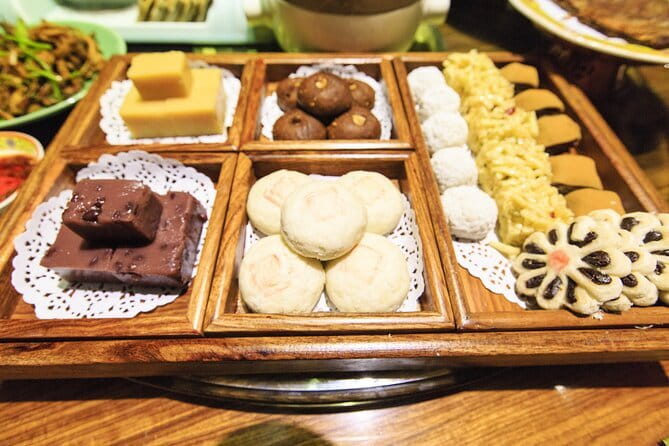
The next stop takes you into a traditional courtyard restaurant. Here, the food takes a more modern turn, with creative versions of traditional dishes and a look at how Chinese and foreign residents share life in historic hutong districts.
This section adds variety. The earlier food stops focus on local favorites and older traditions. The courtyard stop asks what happens when those traditions meet new residents, new cooking ideas, and different tastes. You also take part in another hands-on food activity.
The cross-cultural theme is not just a decorative idea. Historic Beijing neighborhoods are living places, not preserved sets. People from different backgrounds occupy old buildings, open businesses, adapt recipes, and create new habits. A food tour that acknowledges this gives you a more accurate picture than one that treats tradition as frozen in time.
You should expect creative dishes here, not a pure sample of old-style Beijing cooking. That can be a strength if you want to see how local food changes. It may be less satisfying if your only goal is to eat classic recipes exactly as they have always been served.
The courtyard setting also gives the route a visual change. After narrow lanes and family-run dining, you get a more atmospheric meal stop while still staying within the historic neighborhood.
Ending with an ancient army-style one-pot meal

The final tasting is built around a one-pot dish inspired by ancient military cooking. The idea is simple: soldiers carried one copper pot and used it to prepare a warm, balanced meal while on the move.
This is a clever way to finish because the dish carries a practical story. Chinese food history is not only about banquets and famous recipes. It also includes ways to feed people efficiently with limited equipment. That theme turns the last plate into a lesson about cooking, travel, and survival.
The exact ingredients are not listed, so you should not arrive expecting a particular meat, vegetable, or seasoning. The confirmed point is the cooking concept and the hearty final meal. By this stage, you will already have tasted several foods, so the one-pot feast functions as both dinner and a final cultural example.
The tour includes dinner and bottled water. Since the route may include eight or nine small tastings, you should think of the experience as a full evening meal served in stages rather than a simple snack walk.
Is $88 a fair price?

At $88, the price is higher than simply eating your way through Beijing on your own. You are paying for a small group, a prepared route, a local guide, food at several stops, bottled water, and access to places you might not locate independently.
The value is strongest if you are short on time or uncertain about ordering. In three hours, you can taste several dishes, visit more than one style of eatery, learn about hutong history, and see a heritage site. You also avoid spending your evening guessing at menus or wandering past restaurants without knowing which ones are worth entering.
The value is weaker if your main goal is maximum food quantity for the lowest cost. Beijing offers many inexpensive meals, and an independent diner could spend far less. This tour makes sense when you want the explanation, route planning, and cultural setting along with the meal.
The 4.9 rating from 59 reviews and 98 percent recommendation rate point to a consistently well-received experience, especially for guide quality, food variety, and value. One four-star response found the tour interesting but considered the price excessive. I think that is the fair warning to keep in mind: the fee buys interpretation and access, not just calories.
Who should book this evening tour?
I would recommend it to first-time visitors who want a quick introduction to Beijing food without spending days learning how to order. It also fits people on a short stay, provided they can reach Shichahai for the 6 pm start.
It is a good choice for small groups of friends and families. One group of five especially valued the food flexibility, while another found the explanations clear enough for a teenager to enjoy. The small group size also suits anyone who dislikes large organized outings.
Food-curious visitors will get the most from it. You should be willing to try unfamiliar dishes, listen to stories, and walk through residential lanes. If you want a formal cooking class, a luxury dining experience, or a strict list of famous Beijing dishes, this may not be the best match.
Most people can participate, and service animals are allowed. The activity is near public transportation and returns to the meeting point, but the available information does not give a precise walking distance or route map. Plan your evening around the 6 pm start rather than assuming you can arrive late.
Free cancellation is available up to 24 hours before the start time. Changes or cancellations inside that window are not refunded, so check your schedule before committing.
Should you book it?
Book this tour if you want food with context: hutong lanes, local restaurants, snack-making, daily life, and dishes tied to Beijing’s past. The small group and short evening schedule are its biggest practical advantages.
Skip it if $88 feels too high for a meal or if you prefer to choose every dish yourself. For everyone else, especially first-time visitors and people with limited time, it offers a well-shaped introduction to Beijing eating culture without the usual tourist-route routine.
FAQ
How long does the Beijing walking food tour last?
The tour lasts approximately three hours.
What time does the tour begin?
The tour starts at 6:00 pm.
Where does the tour meet?
The meeting point is in Shichahai, Xicheng District, Beijing, China, 100035.
Where does the tour finish?
The activity ends back at the meeting point.
How many people can join the tour?
The maximum group size is eight people.
How many dishes are included?
The tour includes four signature local dishes, along with other tastings and food activities. Some participants have tasted eight or nine dishes during the evening, but the exact number may vary.
Is dinner included?
Yes. Dinner and bottled water are included.
Are public transportation and service animals accommodated?
The meeting area is near public transportation, and service animals are allowed.
What is the cancellation policy?
You can cancel up to 24 hours before the start time for a full refund. Cancellations or changes made less than 24 hours before the start time are not refunded or accepted.
Just added around Beijing
- Beijing Private Hutong Food Walking Tour★ 5.0 · 299 reviews
- Experience Beijing Walking Food Tour Private★ 5.0 · 56 reviews
- Authentic Local Food Tour in Center Beijing★ 5.0 · 26 reviews
- Beijing Hutong Breakfast Food Tour★ 5.0 · 155 reviews
- Authentic Old Beijing Hutong Food and Beer Private Tour★ 5.0 · 49 reviews
- Beijing Hutong Breakfast Food Tour★ 5.0 · 120 reviews
- 3-Hour Private Night Tour: Beijing Foodie Experience★ 5.0 · 53 reviews
- Beijing Walking Food Tour with a Local Friend★ 5.0 · 73 reviews
Food Tours in China, compared.

Authentic Local Food Tour in Central Shanghai
Read our review →
Beijing Hutong Walking Food and Beer Tour at Hidden Restaurants
Read our review →
Eat Like a Local Through Shanghai’s French Concession
Read our review →
Hong Kong’s Tin Hau Hidden Eats Food Tour with 7+ Local Tastings
Read our review →Browse the lists this tour appears in