
REVIEW · CHINA
Hong Kong’s Tin Hau Hidden Eats Food Tour with 7+ Local Tastings
Tin Hau’s best food is not always found on a famous tourist street. This three-hour walk takes you to local restaurants and bakeries for beef brisket noodles, roast goose, dim sum, pineapple buns, and Hong Kong sweets. I like that guides such as Sandy, Bessy, Katie, and Roger add history and practical food advice instead of simply handing you one dish after another. I also like the small group, capped at 12 people, which makes it easier to ask questions and get help ordering.
The main drawback is simple: you need room in your stomach and some comfort with a wet market. The walk includes plenty of food, and the menu can change with weather or availability. If you have dietary needs, contact the operator before the tour rather than hoping for a last-minute fix.
Key points to know before you book
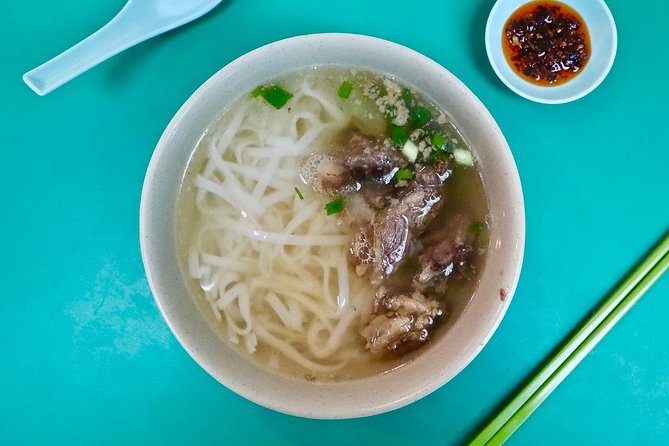
- Seven or more substantial tastings: Expect brisket soup with rice noodles, roast goose with rice and plum sauce, dim sum, fruit, sweets, tea, water, and a changing secret dish.
- Tin Hau beyond the restaurants: The route links food with Tin Hau Temple, Lin Fa Kung Temple, Victoria Park, a wet market, and several local landmarks.
- A useful first-day activity: You get restaurant suggestions and food guidance early in your Hong Kong stay, which can save you from trial and error.
- Small groups matter: With a maximum of 12 people, the guide can explain unfamiliar dishes and help bridge the language gap.
- Come hungry: Several people who took the morning departure wished they had skipped breakfast or eaten very lightly.
- Walking shoes are a must: The route covers busy streets and market areas, with the tour returning to its starting point near Tin Hau and Causeway Bay.
Why Tin Hau is a smart place to eat
Tin Hau sits on the north side of Hong Kong Island, close to Causeway Bay but with a more local, neighborhood feel. It is a useful setting for a food walk because restaurants, bakeries, temples, parks, schools, libraries, and a wet market all sit within the same broad area.
The name comes from Tin Hau Temple, dedicated to the sea goddess who has long been important to coastal communities. The nearby MTR station carries the same name, so meeting here is fairly straightforward. You are not being sent to an isolated suburb. You are starting in an easy-to-reach part of Hong Kong Island and then moving through streets where ordinary city life continues around you.
I like this mix of food and place. A bowl of noodles means more when you understand how Hong Kong eats, shops, worships, and uses its public spaces. The guide also helps with the language barrier. That matters in small restaurants where English menus may be limited or where you might otherwise walk past a place without knowing what to order.
A few more food tours around China worth comparing
- Authentic Local Food Tour in Central Shanghai
★ 5.0 · 1,382 reviews - Beijing Hutong Walking Food and Beer Tour at Hidden Restaurants
★ 5.0 · 1,132 reviews - Shanghai: 3-Hour Local Food Tasting Tour
★ 4.9 · 806 reviews
Brisket noodles, roast goose, and the first big bites
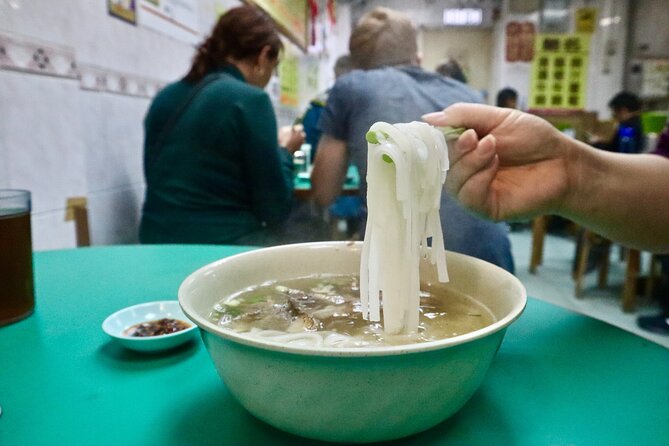
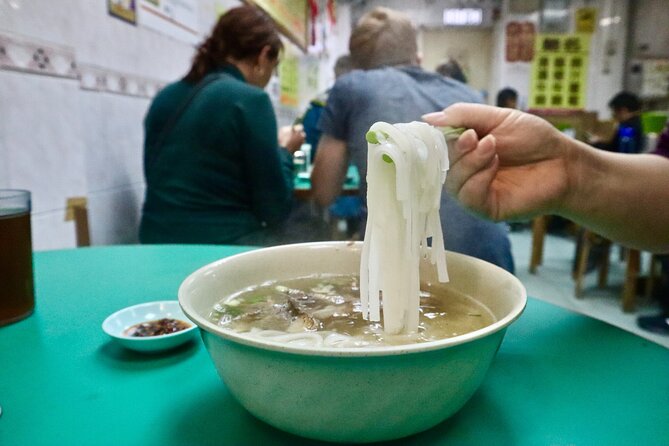
The food begins with filling local favorites rather than small sample plates. Beef brisket soup with rice noodles is one of the key stops, and some departures have included brisket from a Michelin-recognized restaurant. The dish gives you a taste of the slow-cooked, comforting side of Hong Kong food. The noodles make it more substantial than a quick snack, so pace yourself.
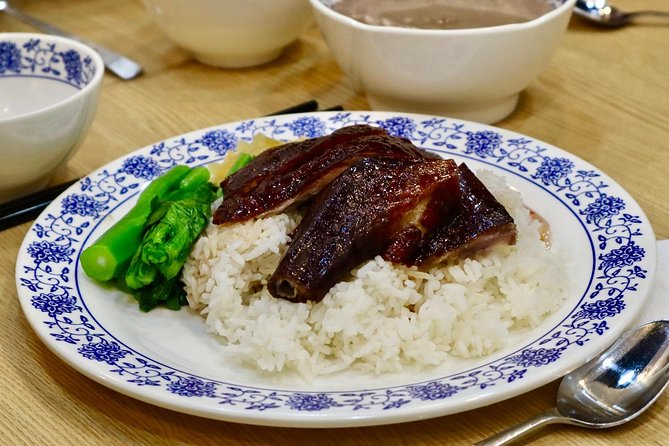
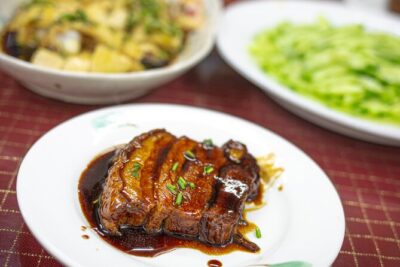
Roast goose with rice and plum sauce brings a different style to the meal. The combination of crisp roasted meat, rice, and sweet-tart sauce is familiar enough to enjoy right away, while still showing you a classic Cantonese preparation. Some groups have met Mr. Ki, the person behind one roast goose stop. That sort of personal contact is a pleasant bonus, though the exact restaurant and menu can change.
The portions appear generous for a tasting walk. I would not plan a full meal before the start. Several departures have included enough food to leave people very full, and the morning time is especially easy to underestimate. A light snack is sensible if you need one, but a proper breakfast will likely work against you.
Dim sum, baked treats, and Hong Kong’s sweet side
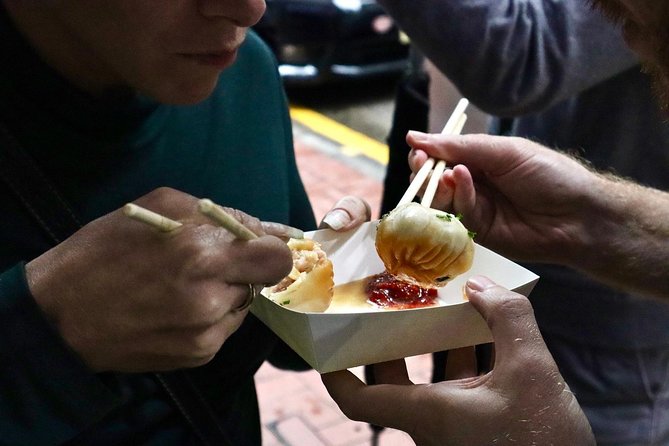
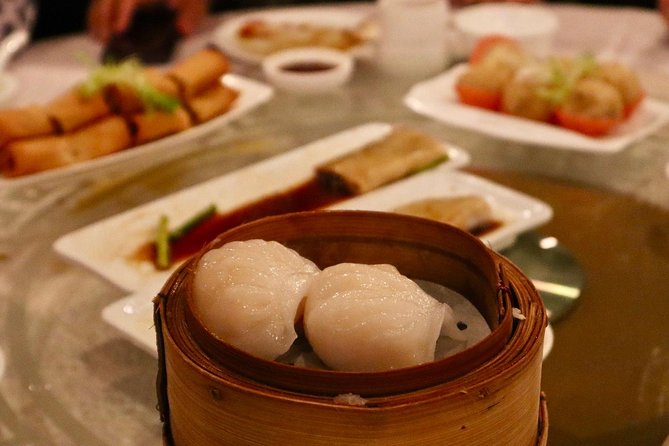
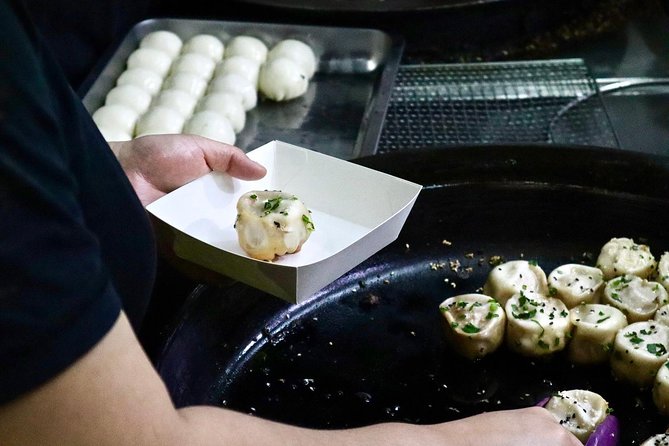
Fresh-baked dim sum is another central stop. The exact items may vary, but the point is to try warm food from a local shop rather than rely only on the familiar dim sum dishes found in hotel dining rooms. Your guide can explain what you are eating and how it fits into everyday Hong Kong dining.
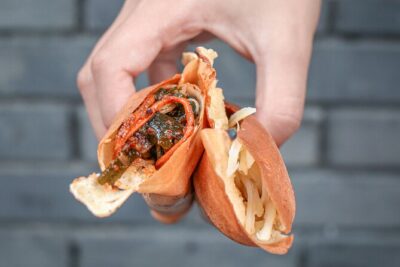
The sweets are more varied than the title alone might suggest. You can expect seasonal fruit, local sweets, and a bakery stop that may include a pineapple bun and milk tea. The pineapple bun does not contain pineapple. Its name comes from the cracked, golden top, which resembles the fruit. It is a classic Hong Kong bakery item and one of the memorable foods on this route.
There may also be a Hong Kong-style French toast or a simple butter sandwich among the afternoon treats. This is where tastes can differ. One dessert stop received less enthusiasm than the rest because it was essentially bread with butter. I appreciate that the menu does not pretend every bite will be a life-changing discovery. Most of the food sounds more substantial, but this is still a local eating experience, not a parade of polished desserts.
Chinese tea and water are included. Tea helps cut through the heavier dishes, and water is welcome during a warm walk. Alcohol is not part of the package, and the minimum drinking age is 18, which may relate to local rules or any incidental drink arrangements.
Temples and the local story behind the food
Tin Hau Temple is both a religious site and the reason the district has its name. It is a declared monument, and the adjacent MTR station makes it an easy reference point for the neighborhood. Expect a short cultural stop rather than a long guided museum visit.
The route also includes Lin Fa Kung Temple in Tai Hang, at the end of Lin Fa Kung Street. Its setting gives you a quieter contrast to the larger roads around Causeway Bay. The temple is a tourist attraction as well as a place of worship, so you should behave respectfully and follow the guide’s instructions about where to stand and what to photograph.
These temple visits improve the food experience because they give you a break from eating and a clearer sense of the district. You are not just hopping between restaurants. You are seeing the beliefs and street patterns that shaped the area. The guide may also add general facts about Hong Kong, local customs, and the history of the neighborhood.
Same city, a completely different plate:
- Xi’an Evening Food Tour by TukTuk
★ 5.0 · 715 reviews - Eat Like A Local: Shanghai Night Food Tour
★ 5.0 · 616 reviews - Tuktuk Food Tour Through Chengdu’s Local Eats
★ 5.0 · 435 reviews - Eat Like a Local Through Shanghai’s French Concession
★ 5.0 · 353 reviews
Victoria Park and the everyday city
Victoria Park provides another pause in the route. The large public park lies between Causeway Bay and Tin Hau MTR stations, on the north side of Hong Kong Island. It is named after Queen Victoria and offers a change from restaurant interiors and market aisles.
The park stop is not a major attraction visit with a set performance or special entry. Its value is more ordinary and more useful: you see where local people spend time outdoors in a city known for limited space. Combined with the temples and food shops, it helps you read Hong Kong as a lived-in place rather than a list of postcard sights.
The route also passes Queen’s College and the Hong Kong Central Library. Queen’s College was the first public secondary school founded in Hong Kong by the British colonial government and received its current name in 1894. The library is the largest in Hong Kong, with collections making up roughly one fifth of the Hong Kong Public Libraries System.
You will not spend a long time touring either building, but these stops add context. The district has education, public culture, religion, housing, commerce, and food all close together. That is a useful lesson in how Hong Kong neighborhoods work.
The wet market stop, a genuine but not polished experience
The wet market is one of the most revealing parts of the walk. You can see fresh produce and meat being sold for everyday cooking, not arranged for a visitor photograph. It shows the practical side of Hong Kong food culture and helps explain where ingredients come from before they reach a noodle shop or roast meat counter.
It can also be confronting. The market may include raw meat and sights that are not comfortable for everyone. One person who enjoyed the food still found the market difficult because it made the full process from animal to plate impossible to ignore. If you are sensitive to that, ask the guide what to expect and decide in advance whether you want to stay close to the group.
I would not treat the market as a flaw. It is simply less polished than the restaurant stops, and that is part of its value. You see food as a working part of the city rather than a finished product. Still, this is not the right tour for someone who wants only spotless dining rooms and carefully staged tastings.
What the three-hour pace feels like
The experience lasts about three hours and includes a fair amount of walking. You move between food stops, temples, public spaces, and the market, so comfortable shoes are more important than fashionable ones. The tour starts near Tin Hau and Causeway Bay and ends back at the meeting point.
The pace is active but not designed to rush you through every bite. Guides such as Sandy have been praised for allowing time to eat while still keeping the group moving. That balance matters. A food walk becomes tiring when every stop feels timed to the second, but it loses shape if everyone lingers too long.
The group limit of 12 is a useful middle ground. You get more personal attention than on a large coach-style outing, but you may still share tables or food with people you have just met. Guides have included Sandy, Bessy, Katie, Roger, Michael, and Sonya. The exact guide depends on the date, so do not book expecting one particular person unless the operator confirms it.
Is $107 a fair price?
At $107 per person, this is not a cheap way to grab lunch. It is better understood as a meal, neighborhood walk, cultural introduction, and ordering aid rolled into one. You are paying for several food stops, the guide’s time, Chinese tea and water, and the confidence to enter restaurants you might otherwise pass by.
The value improves if you are new to Hong Kong, do not speak Cantonese, or have only a short stay. A good food guide can save you several uncertain meals and point you toward dishes you can order again later. The tour also gives you a useful first-day orientation to Tin Hau and nearby Causeway Bay.
The value is weaker if you already know Hong Kong’s food scene, dislike group activities, or prefer to choose each restaurant yourself. You also need to be willing to eat a broad range of dishes rather than select only familiar foods. Group discounts may be available, but the supplied details do not give a specific discount amount, so check the price for your date.
The 4.9 rating from 352 ratings and 99 percent recommendation rate suggest a consistently strong experience. I would still read those numbers sensibly. Food taste is personal, menus change, and guides vary. The strongest pattern is clear, though: the guide, the quantity of food, and the mix of history and eating are the tour’s best features.
Who should book this food walk?
I would book it early in a Hong Kong visit. You can use the guide’s restaurant advice for the rest of your stay, and the route gives you a quick grounding in brisket noodles, roast meats, dim sum, tea, bakeries, and local sweets.
It suits first-time visitors, couples, friends, and solo diners who want help navigating local restaurants. It is also useful for people who normally hesitate at unfamiliar menus. The guide can explain dishes and help you cross the language gap without turning the experience into a formal classroom.
You should think twice if you have strict dietary restrictions. The operator asks you to share dietary requirements in advance, but the menu includes beef, goose, dim sum, dairy-based sweets, and food from a wet market. The menu and locations can change, so the more specific your needs, the more important advance notice becomes.
This is not a sightseeing tour for someone who wants major attractions with long interior visits. The landmarks are short cultural and neighborhood stops between meals. The food is the main event.
Practical details before you go
Mobile tickets are accepted, and the meeting point is near Tin Hau and Causeway Bay. Hotel pickup and drop-off are not included, so you need to make your own way to the start and return from the same area.
Confirmation is sent within 48 hours, subject to availability. The experience requires a minimum number of participants and good weather. If poor weather or low numbers force a cancellation, you can choose another date or receive a full refund.
You can cancel for a full refund up to 24 hours before the start time. Cancellations or changes made within 24 hours are not refunded or accepted. The cut-off uses Hong Kong local time.
Should you book the Tin Hau food tour?
Book it if you want a full meal with local context, not just a few decorative samples. The route combines roast goose, brisket noodles, dim sum, bakery food, fruit, sweets, temples, a wet market, and useful neighborhood information in one manageable morning or afternoon.
I especially like it for a first day or second day in Hong Kong. Come hungry, wear comfortable shoes, tell the operator about dietary needs ahead of time, and keep an open mind about the market. Skip it if you want complete control over every dish or if raw food markets make you uncomfortable.
For most first-time visitors, the price is reasonable because the tour replaces several meals and gives you a practical way into Hong Kong’s food culture. Just do not eat breakfast before the morning departure unless you want to spend three hours wishing you had more room.
FAQ
How long does the Tin Hau food tour last?
The tour lasts about three hours.
Where does the tour start and finish?
It starts in the Tin Hau and Causeway Bay area of Hong Kong and ends back at the meeting point.
What food is included?
Included tastings are beef brisket soup with rice noodles, roast goose with rice and plum sauce, seasonal fruit, local sweets, fresh-baked dim sum, and a secret dish. Chinese tea and water are also provided.
Does the tour include hotel pickup?
No. Hotel pickup and drop-off are not included.
How many people can join the tour?
The maximum group size is 12 people.
Can I cancel for a refund?
Yes. You can cancel at least 24 hours before the start time for a full refund. Cancellations or changes made less than 24 hours before the start time are not accepted and are not refunded.
Just added around China
- Private Hong Kong’s Hidden Eats Food Tour with 7+ Local Tastings★ 5.0 · 27 reviews
- Small Group Kowloon Michelin Rated Street Food and Culture Tour★ 5.0 · 170 reviews
- Small-Group Hong Kong Island Food Tour★ 5.0 · 343 reviews
- The 10 Tastings of Hong Kong With Locals: Private Street Food Tour★ 4.5 · 124 reviews
- Private Kowloon Michelin Rated Street Food & Culture Tour★ 5.0 · 42 reviews
- Private Food Tour: Hong Kong Island★ 5.0 · 78 reviews
- Kowloon Night Street Food Tour with a Local: Private & Customized★ 4.5 · 72 reviews
- Tram & Treats – Private Culinary tour of Hong Kong★ 5.0 · 26 reviews
Food Tours in China, compared.
Authentic Local Food Tour in Central Shanghai
Read our review →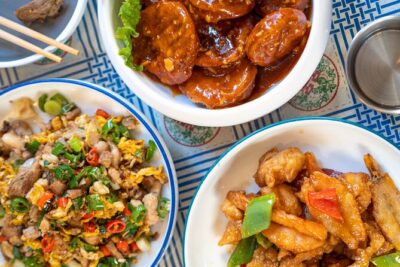
Beijing Hutong Walking Food and Beer Tour at Hidden Restaurants
Read our review →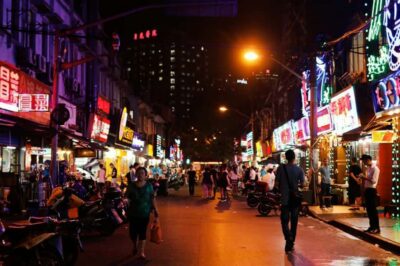
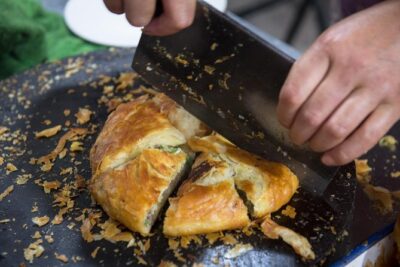
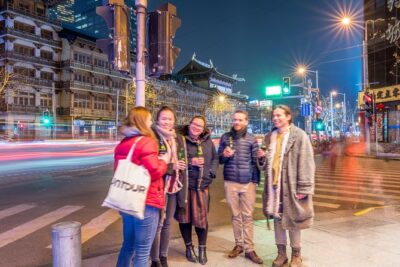
Eat Like a Local Through Shanghai’s French Concession
Read our review →
Browse the lists this tour appears in