
REVIEW · CHINA
Beijing: Hidden Gems Guided Food Tour with Beer and Tastings
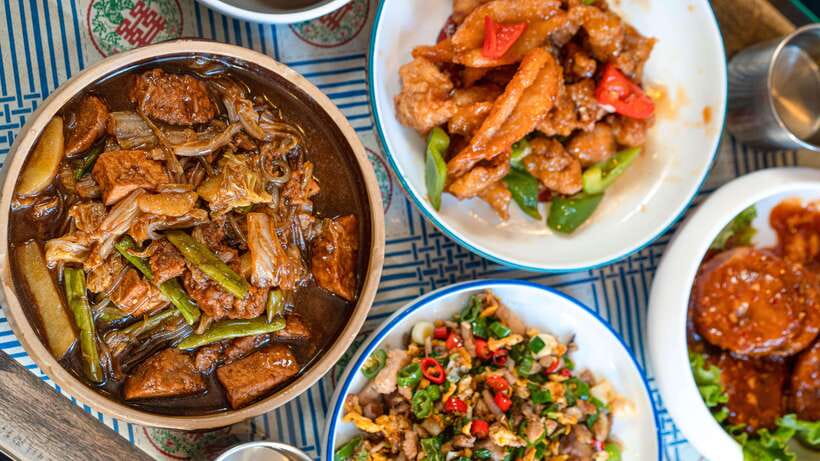
Beijing’s best food stories often begin behind an unmarked doorway. This 3.5-hour evening walk leads you through Shichahai’s old hutongs to four small local eateries, where you’ll eat copper-pot mutton hotpot, handmade noodles, spring pancakes, and a rare Muslim dish once favored by Empress Cixi. The food is the main event, but the walk between stops gives the meal a strong sense of place.
I like the way this tour combines substantial food with local history, rather than offering a few token samples. I also like the English-speaking guides, including Janice, Tony, Winnie, Yoyo, and Haitao, who explain what you’re eating and help you find places you probably would not choose on your own. The main consideration is the 2.5-kilometer walk through narrow lanes, so this is not a good fit for anyone with mobility impairments.
Key points to know before you book
- Four full food stops: The tastings add up to the equivalent of dinner, not just a light snack crawl.
- A rooftop hotpot setting: Eat thin-sliced meat from a traditional copper pot while looking toward Beijing’s historic bell tower.
- Old hutong lanes: The route covers about 1.5 miles, or 2.5 kilometers, through residential streets near Shichahai.
- Rare local dishes: You’ll try a Muslim specialty that is becoming difficult to find, plus Beijing noodles made from a house recipe.
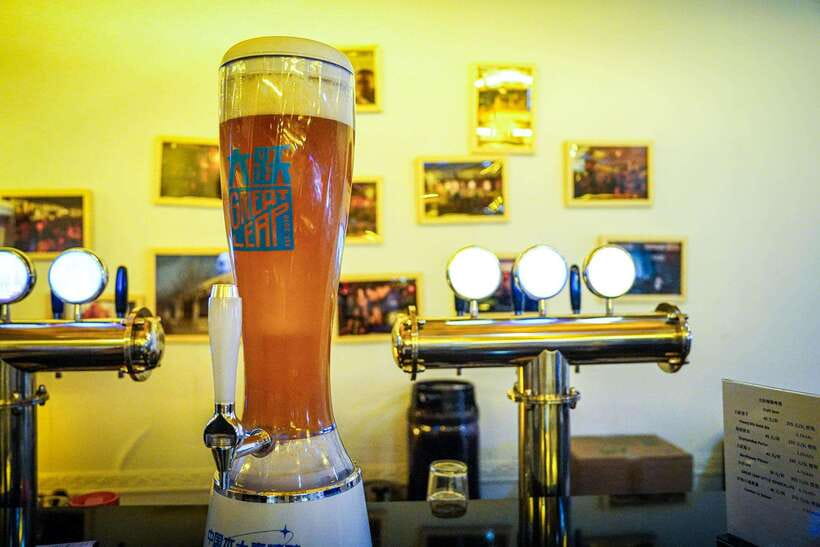
- Drinks are included: The tour includes a pint of local craft beer, with unlimited beer and sodas listed as part of the experience.
- Best for curious eaters: This suits you if you want context, conversation, and local restaurants more than polished sightseeing.
Why this food walk works so well in Beijing
At $75 per person, this is not the cheapest way to eat in Beijing. It is, however, a useful way to turn one evening into both a meal and an introduction to the city’s food culture.
You receive four food stops, a guided walk, an English-speaking local guide, a pint of craft beer, and additional beer and sodas. Since the food is described as the equivalent of dinner, you are paying for a full evening rather than a few bites. I would arrive hungry and avoid booking a large meal beforehand.
The strongest value comes from access. Beijing’s hutong restaurants can be small, tucked into courtyards, and easy to miss. Menus may not be easy to read if you do not speak Chinese, and the difference between a tourist-oriented restaurant and a neighborhood favorite is not always obvious from the street. Here, your guide handles the route and explains the dishes as you go.
The tour has a very strong 4.9 rating from 306 reviews, and the praise is remarkably consistent. The food, the guides, the local restaurants, and the sense of finding places on your own are the themes that come up again and again. That does not mean every dish will suit every palate, but it does suggest that the experience delivers what it promises.
More off-the-list food tours in the world:
- Alicante: Secret Flavors Food Tour
★ 4.8 · 1,514 reviews - Southern & Secret Walking Food Tour
★ 4.5 · 1,413 reviews - Edinburgh Food Tour with Scotch, Haggis, a Secret Dish & More
★ 5.0 · 1,172 reviews
Starting at Shichahai and entering the hutongs
You meet your guide at Shichahai Subway Station, Exit C, at street level. The tour begins at 6:30 PM, and you should arrive about 10 minutes early. Shichahai is served by Line 8, making the subway the simplest choice.
The meeting point matters because traffic can be heavy around the area during rush hour. If you use a taxi or Didi, show the driver the Chinese address: 什刹海地铁站C东南口. Allow extra time. A delayed car ride is a poor way to begin an evening food walk.
From the station, the group heads into the hutongs. These narrow lanes date back to the 12th century and developed between rows of courtyard homes built for officials and wealthy families. Your guide explains where the name hutong comes from and how these lanes spread out from the Forbidden City.
I like this opening because it gives the meal a physical setting. You are not simply moving between restaurants in a commercial district. You are walking through older residential Beijing, where the city’s layout and daily life become part of the experience.
The route covers about 2.5 kilometers. That is manageable for most people, but you should expect uneven surfaces, narrow passages, and an outdoor walk in all weather. Wear comfortable shoes and dress for the forecast. The tour operates in rain and other conditions, so a light jacket or umbrella can matter.
Copper-pot hotpot with a bell tower view
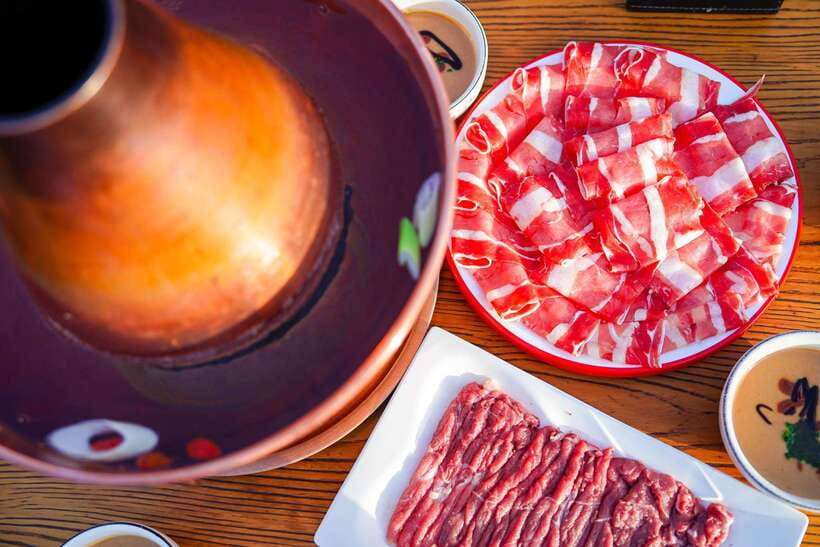
The first major stop brings you to Beijing-style hotpot, served in a traditional copper pot. The broth is clear, allowing the ingredients to provide most of the flavor. Thin slices of mutton and beef cook quickly in the simmering liquid, then go into a dipping sauce made with sesame paste.
This is a good way to start because hotpot is social and hands-on. You cook at the table, watch the meat change color, and build each bite with sauce. The clear broth also shows the local preference for letting good ingredients speak for themselves rather than hiding everything under a heavy stock.
The setting adds another layer. This restaurant offers rooftop views toward Beijing’s historic bell tower, giving you a summer evening outlook over one of the old city’s familiar landmarks. The view may change with weather and the time of year, but the combination of hotpot, beer, and rooftops sounds especially appealing after sunset.
A pint of locally brewed craft beer is included. The beer gives you a change from the warm broth and sesame-heavy sauce, and it helps make this stop feel like a relaxed dinner rather than a rushed tasting.
You should know that hotpot can be filling early in the evening. Pace yourself. The later stops are not minor extras, and several people have found the total amount of food more than enough for dinner.
Beijing noodles in a courtyard hole-in-the-wall
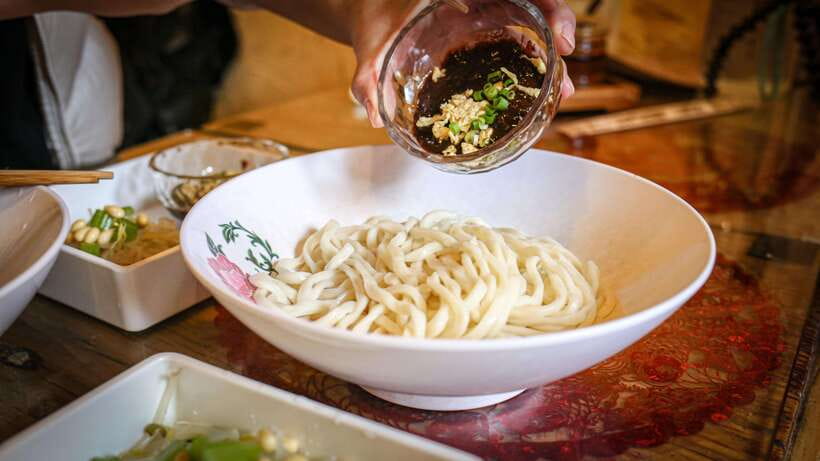
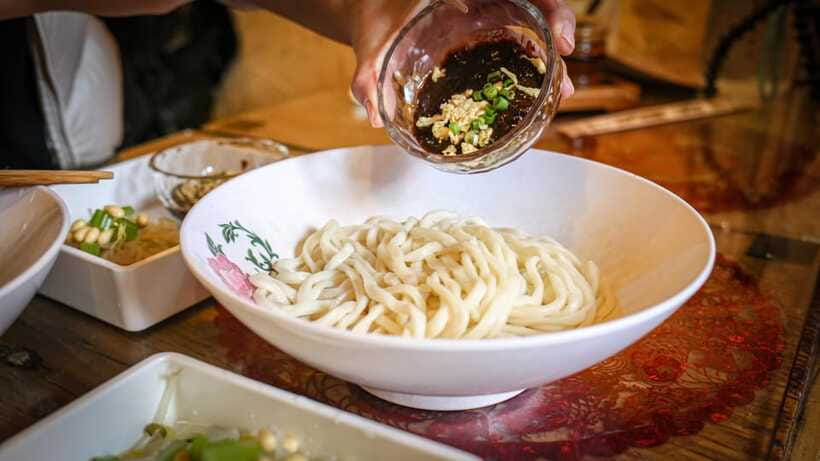
The next stop focuses on the noodle dish Beijingers simply call Beijing noodles. The bowl is served at a small noodle shop set deep inside a hutong courtyard, with noodles made from a house recipe.
The appeal here is less about presentation and more about local habit. Noodles are a daily comfort food across China, but each city has its own preferred version. Beijing’s style is typically built around a thick savory sauce mixed through the noodles, though the exact preparation at this stop is part of the restaurant’s own recipe.
This is the kind of place that benefits most from a guide. A small courtyard noodle shop may have little English signage and may not be designed for first-time foreign visitors. You can focus on the food instead of trying to work out what to order.
The noodle stop also provides useful contrast with the hotpot. Hotpot is shared and slow-paced, while noodles are direct and comforting. If you enjoy tasting familiar foods in their everyday setting, this may become one of your favorite stops.
Several guides have been praised for explaining the dishes clearly. Janice, Joe, Winnie, Tony, and Haitao are among the guides named in the tour’s feedback, with particular praise for their English, warmth, and ability to explain both food and surroundings. Guide assignments can change, but the format gives you a person who can connect the bowl in front of you with the city around it.
A few more food tours around the world worth comparing
- Best of Shinjuku: Izakaya Food Tour (4 Stops, 14+ Tastings)
★ 5.0 · 1,863 reviews - Kyoto Night Foodie Tour in Gion (9+ dishes + 6 Sake tastings)
★ 5.0 · 1,762 reviews - Porto Craft Beer Tour: 7 Beers + 3 Food Pairings in a Small Group
★ 5.0 · 1,725 reviews - Southern Flavors Food, Pub Crawl, and History Walking Tour
★ 4.5 · 1,623 reviews
A rare Muslim dish with a royal connection
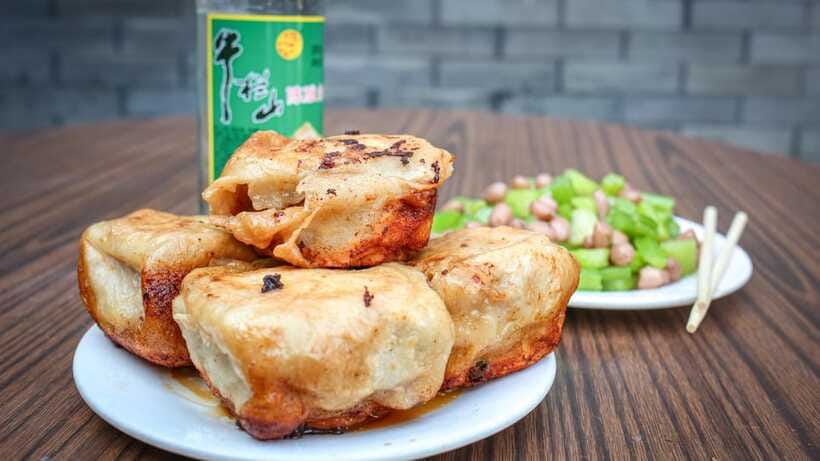
One of the more unusual stops takes you to a Muslim eatery frequented mainly by neighborhood men. The restaurant serves a rare Beijing specialty that was known to be a favorite of Empress Cixi, the Qing dynasty figure often called the Dragon Lady.
The exact dish is described as endangered, meaning it has become difficult to find in Beijing. That makes this stop especially valuable for anyone interested in food traditions that are not always preserved by large restaurant chains or standard sightseeing menus.
The atmosphere may feel more local and less polished than the rooftop hotpot stop. That is part of the point, but it may not suit someone seeking a quiet or formal dinner. The setting is a neighborhood Muslim diner, and baijiu bottles are kept behind the counter for regulars. You are seeing a working local restaurant, not a staged cultural display.
Your guide is important here. The dish may be unfamiliar, and its connection to Beijing’s food traditions deserves explanation. The stop gives you a chance to ask about Muslim food in the capital, regional influences, and why certain dishes survive in only a few restaurants.
The tour also includes the chance to try Chinese spirits, including baijiu, according to the food and drink details shared by the guides. Baijiu can be strong and distinctive, so take a small taste first. You are not required to treat it like a regular beer or wine.
Spring pancakes and the meaning of family meals
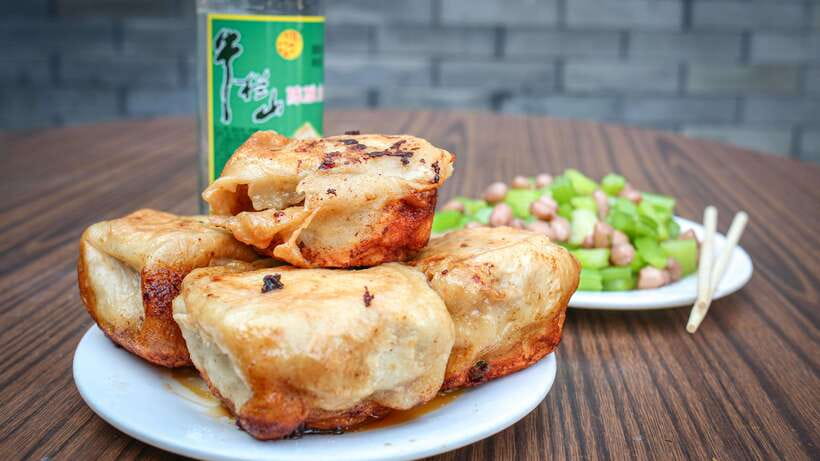
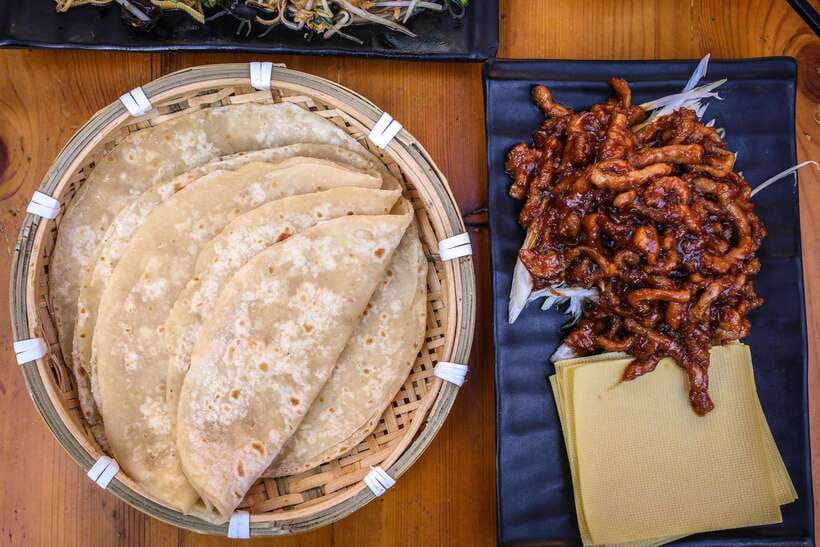
Another stop is run by a husband-and-wife team specializing in spring pancakes. The dish is traditionally eaten during Chinese New Year to celebrate spring, a good harvest, and family reunion.
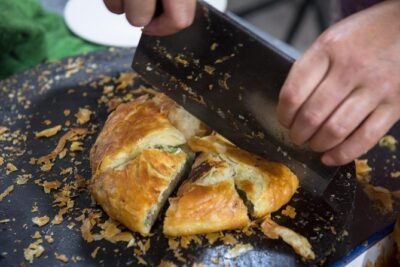
The pancakes are made fresh to order and eaten like a burrito, wrapped around fillings. That format makes them easy to share and gives the meal a relaxed, family-table feel. You are not just tasting a pastry. You are learning how a seasonal dish can carry a social meaning.
This is one of the tour’s most approachable foods. Even if some of the other dishes are new to you, the spring pancakes offer a familiar way to eat: pick up, wrap, and enjoy. The small restaurant also adds variety to the evening, moving you away from the single-dish focus of hotpot and noodles.
I appreciate the way this stop connects food with the calendar. Chinese cooking is not only about flavor. It is also tied to festivals, family gatherings, seasonal change, and hopes for a good year. Your guide can make those connections clear without turning the evening into a lecture.
The hutong walk is more than a gap between meals
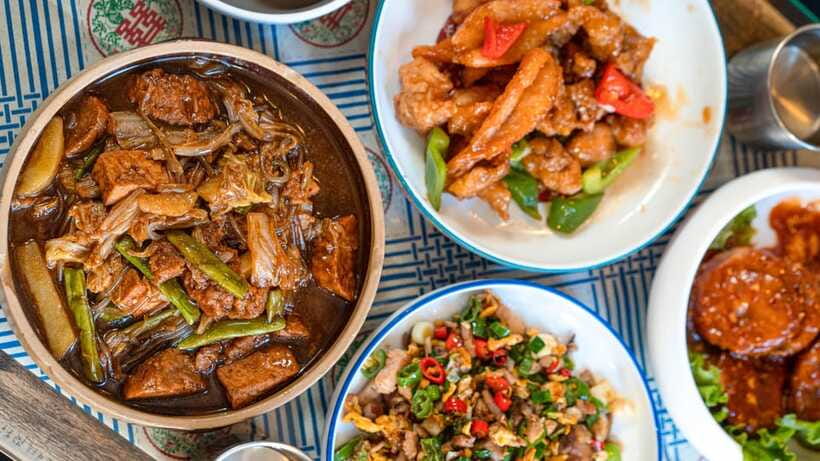
The food is the reason to book, but the walk helps you understand why these restaurants feel different from the usual city-center dining rooms.
Hutongs were formed by the lanes between courtyard houses. Many spread outward from the Forbidden City, creating a network that can seem confusing if you do not know the area. You will walk through lanes that have changed over time while still retaining the older shape of Beijing.
The evening timing works well. You can move through the historic neighborhood after the day’s sightseeing, stopping indoors for food and drinks along the way. It also means you should not expect a formal monument-by-monument tour. The guide’s attention is divided between the streets, the buildings, and the next meal.
The route is not suitable for people with mobility impairments. The distance is moderate, but the narrow hutong lanes and walking surfaces may be difficult. If you need frequent rest stops or step-free access, choose a different food experience.
What the guides add to the evening
The guide can make or break a food tour, and this experience has a deep bench of guides. Janice is repeatedly praised for clear English and a friendly manner. Tony is described as energetic and entertaining. Winnie is noted for explaining food along with Beijing’s society, economy, and history. Haitao is praised for local tips, warmth, and enthusiasm.
Other named guides include Joe, Yoyo, Uyi, Teagan, Zoey, Tara, Carmen, Bonnie, and Grizle. You will not necessarily receive a particular guide, so book this for the structure and local access rather than for a guaranteed personality.
The best guides do more than translate menus. They explain why the dishes matter, point out buildings along the route, answer practical questions, and suggest other foods to try during your stay. Several people have found the tour especially useful on their first or second day in Beijing because it helps them understand what to order later.
That makes the experience a good starting point for a longer visit. Keep a note of the dish names and restaurant styles you enjoy. Your guide may also help you feel more comfortable ordering in local places afterward.
Drinks, portions, and the pace of the meal
The included drinks are a meaningful part of the price. You receive a pint of local craft beer, and the details also list unlimited beer and sodas. Water is included according to the tour information shared for the experience.
Because alcohol is part of the evening, pace yourself. The meal lasts about 3.5 hours, and the stops are spread through a walking route. You will have time to eat, listen, and move between restaurants, but the schedule can change if a vendor is busy or unavailable.
The itinerary may be adjusted according to daily restaurant operations and food availability. That is worth accepting before you book. The exact order of stops, or a particular dish, may change, but the experience is built around four tastings and the same general style of local food exploration.
Food allergies and dietary needs should be shared when booking. Do not assume that every dish can be adapted on the spot, especially in small neighborhood restaurants.
Who should book this experience
I would recommend this tour to you if you:
- Want a full dinner built around Beijing specialties
- Enjoy walking through older neighborhoods
- Prefer small local eateries to formal dining rooms
- Want an English-speaking guide to explain unfamiliar dishes
- Are visiting Beijing for a short time
- Like trying food connected to festivals, religion, and local history
- Enjoy beer, baijiu, and social meals
I would be more cautious if you dislike shared food, strong spirits, narrow lanes, or eating several different dishes in one evening. The tour is also a poor match for people with mobility impairments because of the 2.5-kilometer walk.
The experience works particularly well on your first night or second day in Beijing. You get your bearings around Shichahai, learn several useful dishes, and leave with ideas for what to seek out during the rest of your trip.
Practical details worth remembering
Meet at Shichahai Subway Station, Exit C, outside at street level. The station is on Line 8. Arrive 10 minutes before the 6:30 PM start, and use the subway if possible because rush-hour traffic can be heavy.
The tour lasts 3.5 hours and is conducted in English. It requires at least two participants to operate. If that minimum is not met, the tour may be canceled after confirmation, with an alternative date or full refund offered.
Free cancellation is available up to 24 hours before the tour. You can also reserve now and pay later, which is useful when your Beijing schedule is still shifting.
Should you book the Beijing hutong food tour?
Book it if you want a proper evening meal with stories, walking, and local access, not just a list of tastings. The hotpot, noodles, spring pancakes, and rare Muslim dish give you a broad look at Beijing food, while the hutongs provide the setting that ties it together.
At $75, the cost is fair if you value the guide, the four restaurant visits, the included drinks, and the time saved finding these places yourself. It is less compelling if you only want the cheapest possible dinner or prefer to eat at your own pace.
Arrive hungry, wear good shoes, and keep your evening free. For curious eaters who want a flavorful introduction to Beijing beyond the famous sights, this is a strong choice.
FAQ
Where does the tour meet?
Meet your English-speaking guide at Shichahai Subway Station, Exit C, at street level. The station is served by Line 8.
What time does the tour begin?
The tour begins at 6:30 PM. You should meet your guide 10 minutes before the start.
How long does the experience last?
The food walk lasts 3.5 hours and includes about 2.5 kilometers of walking through Beijing’s hutongs.
What food is included?
The tour includes four food stops with tastings equivalent to dinner. The featured dishes include Beijing mutton hotpot, Beijing noodles, a rare Muslim specialty, and spring pancakes.
Are drinks included?
Yes. The experience includes a pint of locally brewed craft beer, with unlimited beer and sodas also listed as included. Water and Chinese spirits may also be available during the food stops.
Is the tour suitable for dietary requirements?
You should advise the operator of any dietary requirements when booking. The food is served at small local restaurants, so specific adjustments should be discussed in advance.
Can I cancel the booking?
You can cancel up to 24 hours in advance for a full refund. You can also reserve now and pay later.
Just added around the world
- Milan: Street Food Walking Tour★ 4.7 · 180 reviews
- Milan’s Full-Meal Gourmet Food Tour – More Than Tastings★ 4.8 · 81 reviews
- Kolkata Midtown Madness- A Street Food & Nightlife Tour★ 4.9 · 49 reviews
- Milan: Delicious Food Tour and City Center Sightseeing★ 4.8 · 111 reviews
- Mexico City: Authentic Downtown Food Tour★ 4.9 · 260 reviews
- Miami: Intimate Sailing in Biscayne Bay w/ Food and Drinks★ 4.7 · 34 reviews
- Mexico City: Vegan and Vegetarian Street Food Adventure★ 4.8 · 65 reviews
- Mexico City: Mystic Markets La Merced & Sonora Culinary Tour★ 4.9 · 301 reviews
Food Tours in China, compared.
Authentic Local Food Tour in Central Shanghai
Read our review →
Beijing Hutong Walking Food and Beer Tour at Hidden Restaurants
Read our review →
Eat Like a Local Through Shanghai’s French Concession
Read our review →
Beijing: Hutong Culinary Walking Tour with 15+ Tastings
Read our review →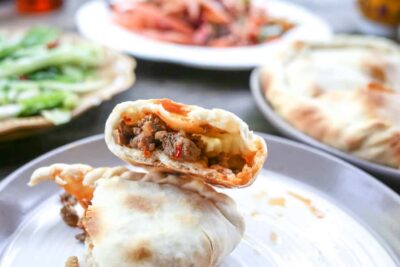
Chengdu: Hidden Dishes and Beers UNESCO Food Evening Tour
Read our review →Browse the lists this tour appears in