
REVIEW · THAILAND
Taste of Chiang Mai: Michelin Guide & Street Food Tour
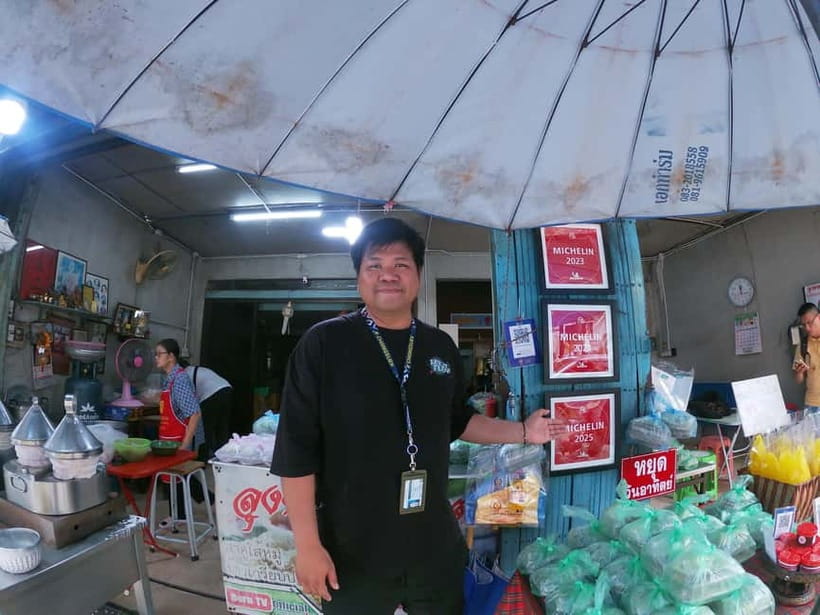
Chiang Mai’s best food experience here is not a frantic race from stall to stall. For $31, you get three full dishes, local food stories, and time to sit, eat, and ask questions. The lunch route through Warorot Market is especially useful because it shows you where northern Thai food meets Chiang Mai’s Chinese trading past.
I like two things most: the portions are substantial rather than token bites, and guides such as Natt explain how ingredients, trade, and family cooking shaped each dish. I also like that the tour can help you get your bearings fast, with practical suggestions for places to eat and visit later.
The main drawback is choice. This is a three-dish food tour, not a ten-stop grazing tour, and some people may find the full portions more filling than expected. The short two-hour schedule also leaves little time for long market browsing.
Key points to know before booking
- Three Michelin Guide selected dishes: Lunch includes Hakka pink noodle, Thai fried dough, and steamed rice skin dumplings.
- Warorot Market is part of the lunch route: You walk through Kad Luang, Chiang Mai’s major market area, with time for food stalls and shops.
- The pace is relaxed: Expect sitting and eating, short walks, and plenty of conversation rather than a rushed tasting circuit.
- Natt is a standout guide: His talks connect food with Thai, Chinese, and northern Thai culture, while other guides on the team may lead some departures.
- Dinner uses a different route: It starts and ends around Nimmanhaemin Road, with khao soi, roast chicken, and papaya salad, and no Warorot Market visit.
- Come hungry, but check the restrictions: The food is not suitable for vegans, vegetarians, people with food allergies, or those needing gluten-free meals.
Three dishes that tell Chiang Mai’s food story
This experience works because it treats food as more than fuel. You are not simply handed a plate and sent on your way. Your guide explains what you are eating, where its influences came from, and why certain restaurants earned attention from the Michelin Guide.
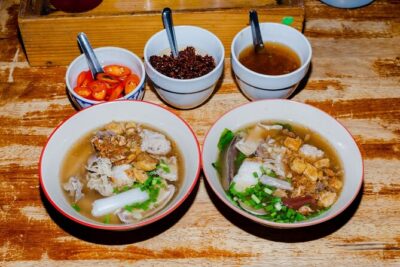
The lunch dishes offer a useful mix. Thana Ocha’s Hakka pink noodle, also known as yen ta fo, brings Chinese influence into the meal. The bright pink broth is unusual enough to catch your eye, while the dish gives your guide a natural opening to discuss Chiang Mai’s Chinese communities and old trading links.
At Patongo Ko Neng, the focus shifts to dinosaur fried dough. The name refers to its distinctive shape, which makes this more playful than an ordinary breakfast fritter. Fried dough is familiar across Thailand, but trying it at a respected local stop gives you a better sense of how simple street food can become a Chiang Mai institution.
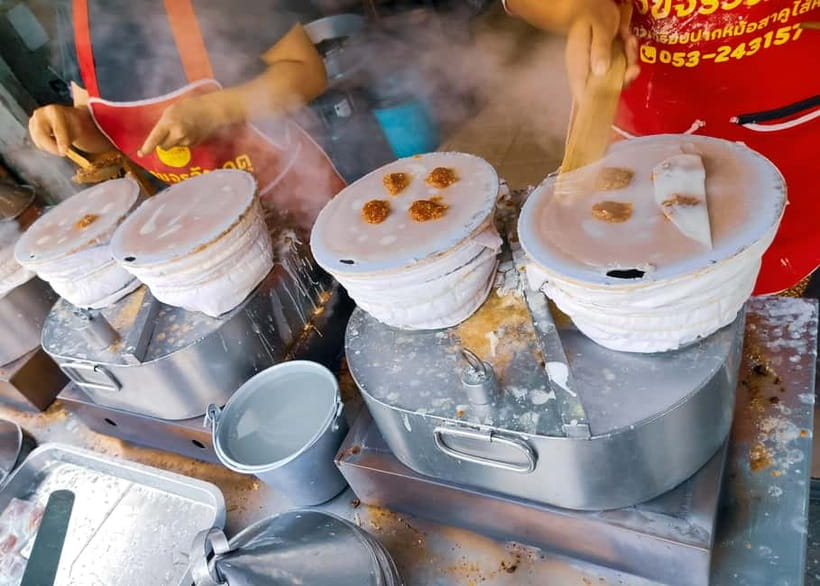
The third lunch dish is khao kriab pak moh, steamed rice skin dumplings served at Lung Khajohn Wat Ket. These delicate dumplings require a different texture from the noodles and fried dough. You get a softer, more careful finish to the meal, and your guide can point out the technique involved in preparing them.
The dinner option changes the menu entirely. You try Michelin Guide selected khao soi, roast chicken, and papaya salad. This combination gives you three familiar northern Thai reference points: creamy curry noodles, smoky or roasted meat, and the sharp, crunchy balance of som tam.
I would choose lunch if you want a market visit and a wider look at Chiang Mai’s Chinese and local food traditions. I would choose dinner if your daytime is already packed or you want to stay around Nimman Road, where you can continue to One Nimman after the tour.
More high-end tasting tours in Chiang Mai:
- Authentic Parisian Gourmet Food Tour with 10 Local Dishes & Wines
★ 5.0 · 4,754 reviews - Montmartre Hill French Gourmet Food and Wine Tasting Walking Tour
★ 5.0 · 2,588 reviews - Rome: Gourmet Food Tour with Dinner & Barolo Wine
★ 4.9 · 2,347 reviews
Starting near Tha Phae Gate
For lunch, meet at the entrance of Wat Saen Fang, beside The Story 106 Co-Working Space & Cafe on Thapae Road. It is about 600 meters from Tha Phae Gate, so this is a practical meeting point if you are staying in or near the Old City.
Look for the tour signage, and arrive ready to walk. The route does not include hotel pickup or drop-off, so you need to make your own way to the starting point. Comfortable shoes, sunscreen, a hat, cash, and a camera are sensible choices.
The opening walk toward Warorot Market takes about ten minutes. That short distance matters because the tour moves through the city on foot rather than treating each food stop as an isolated restaurant visit. You begin to see the change from the Tha Phae area toward the market district before the first proper tasting.
Your guide may be Natt, also called Nat in some settings, or another member of the local team. Natt has a background that includes graduate study in Chiang Mai and a family connection to restaurants in Bangkok. His style, based on the way the tour is run, combines food explanation with maps, photographs, local tips, and the occasional lesson in practical city skills, including how to cross the road safely.
Warorot Market, or Kad Luang, is the heart of lunch
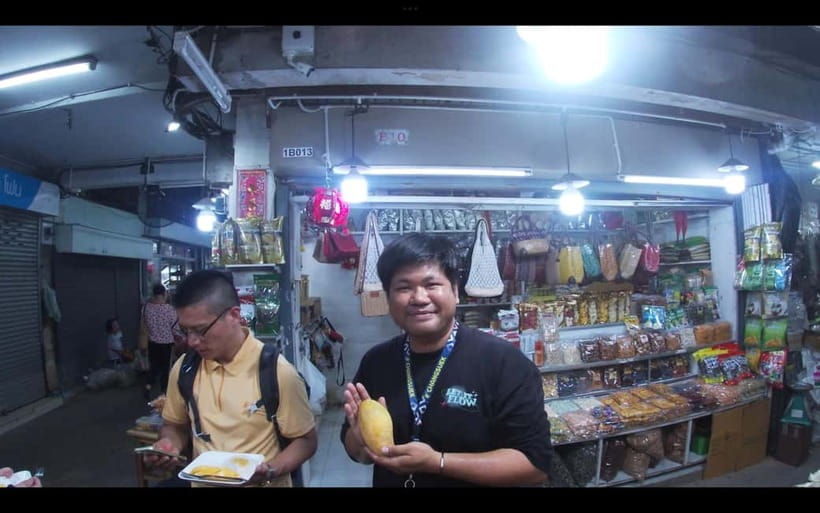
Warorot Market is more than a backdrop for photographs. It is where you can see food, household goods, snacks, dried products, and daily shopping connected in one busy place. The market is also known as Kad Luang, a name worth remembering when asking for directions.
The route includes a guided market visit before and around the food stops. You may pass shops and stalls that you would not think to enter alone, which is one of the strongest reasons to take this tour early in your stay. A guide can explain what is worth looking at, what is meant to be eaten fresh, and which local snacks might travel well.
Do not expect an hour of free shopping. The market section is built into a two-hour food walk, with approximately twenty minutes of guided sightseeing and another short stretch for walking and views along the way. You get a useful introduction, not a full market expedition.
That distinction helps set the right expectation. If you want to shop for gifts, return later with more time. During the tour, focus on noticing the market’s role in local life and listening to the food stories that connect the stalls with the restaurants.
Thana Ocha and the Hakka pink noodle
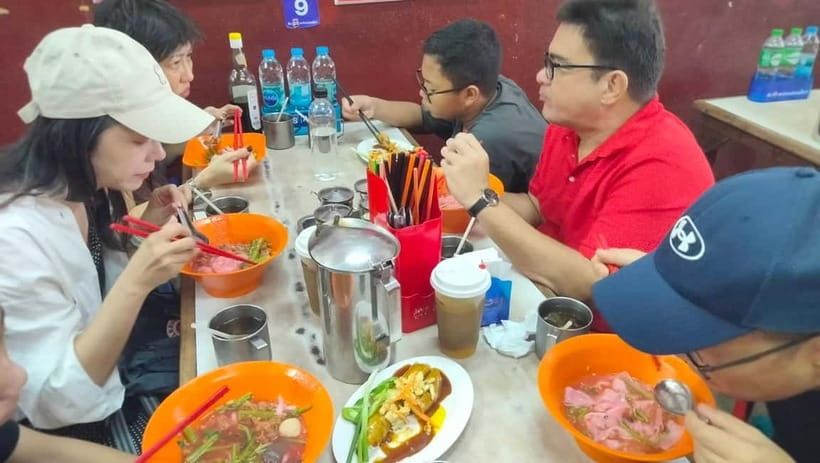
The first major tasting is at Thana Ocha Noodle, reached after the opening walk. You spend around forty minutes here, which is generous by food-tour standards. There is time to eat properly instead of swallowing a sample while standing in the street.
The Hakka pink noodle, or yen ta fo, is the dish to watch here. Its color makes it instantly different from the usual bowls of noodle soup, and the Hakka connection gives it a place in the larger story of Chiang Mai’s Chinese food influences.
This stop is a good example of what the tour does best. You get a named restaurant with Michelin Guide recognition, a full serving, and an explanation of the dish’s ingredients and background. You also have a chance to ask how it differs from other northern Thai noodle dishes.
The portion may be more than you expect from a tasting tour. Several people who have taken similar food walks describe the meals as full portions, not tiny samples, so pace yourself. If you arrive after a large breakfast, you may regret it by the third stop.
More street food nights in Chiang Mai:
- Small-Group Chiang Mai Evening Street Food Tour
★ 4.5 · 826 reviews - Chiang Mai: Evening Local Street Food Market Tour
★ 4.8 · 604 reviews - The 10 Tastings of Chiang Mai With Locals: Private Street Food Tour
★ 5.0 · 216 reviews - Chiang Mai: Temples and Street Food Night Tour by Tuk Tuk
★ 4.3 · 81 reviews
Patongo Ko Neng and the fried dough stop
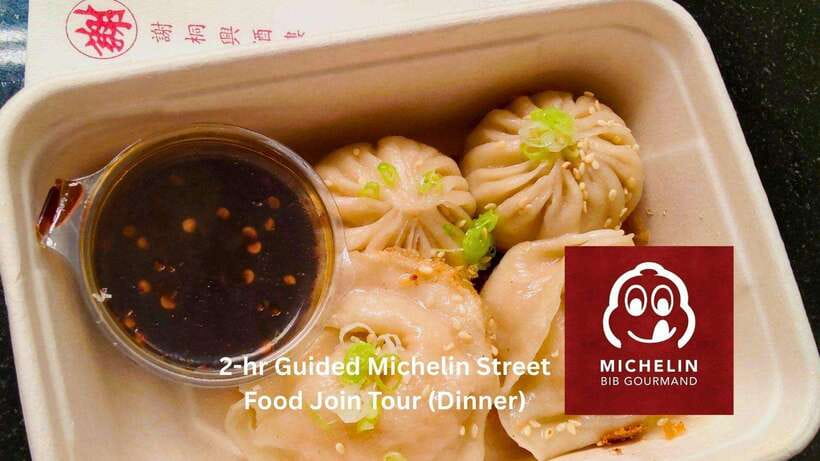
The itinerary identifies Patongo Ko Neng as another lunch highlight, with its dinosaur fried dough. Fried dough is easy to underestimate. It can sound like a small snack, but this stop gives you a chance to try a familiar street-food idea in a distinctive local form.
The appeal is partly visual and partly textural. The unusual shape makes it memorable, while the crisp outside and soft interior provide a change from the noodle soup. It is also the sort of food that is hard to judge from a menu description alone.
Your guide can explain how the dish fits into local eating habits and why this particular vendor matters. That background is useful because a food award by itself tells you little about what to order or how a dish fits into the city.
The possible downside is fullness. A fried item after a noodle dish is not a light progression, especially if you are used to food tours built around a bite or two at each stop. I would treat breakfast as optional on this morning and keep your evening meal modest if needed.
Lung Khajohn Wat Ket and steamed rice skin dumplings
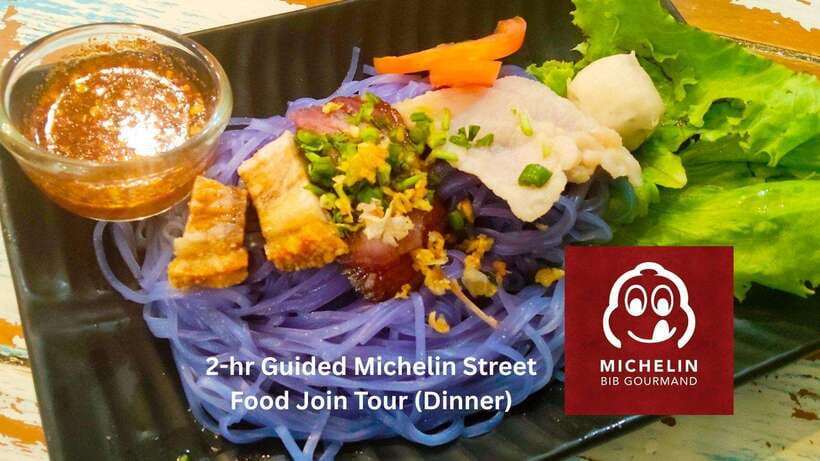
The lunch route finishes its main food sequence at Lung Khajohn Wat Ket, where you try khao kriab pak moh, steamed rice skin dumplings. This stop brings a softer and more delicate texture after the heavier noodle and fried dough dishes.
The dumplings also show why a guide adds value. Their preparation is not obvious to someone seeing them for the first time, and the name alone does not tell you much. Your guide can connect the dish to local cooking methods and explain the fillings and rice-based wrapper as you eat.
The stop lasts about twenty minutes. That is enough for tasting and conversation, but not enough for a long sit-down meal or a detailed visit to every nearby shop. Afterward, you walk back toward Warorot Market, with roughly ten minutes of walking and views on the way.
The tour finishes at Warorot Market rather than returning you to your hotel. That is handy if you want to keep shopping, explore the market independently, or continue toward another part of town. It also means you should plan your next move before the final stop.
Dinner in Nimman changes the experience
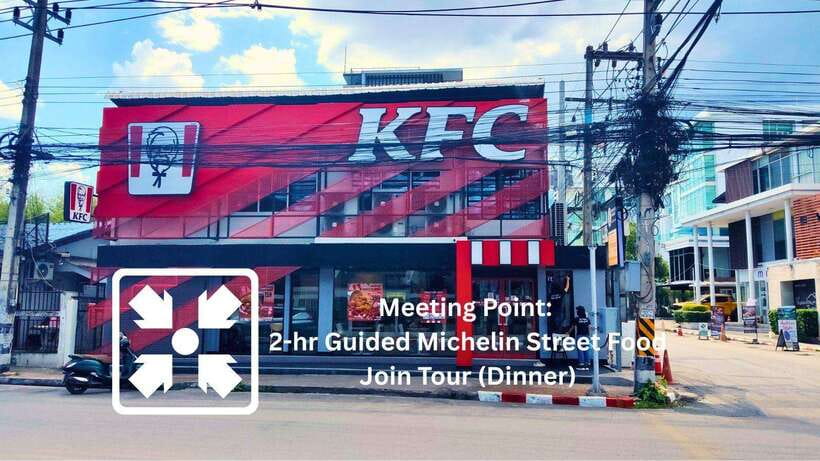
The dinner option is not simply the lunch route at a later hour. You meet at McDonald’s Nimmanhaemin, and the experience takes place around Nimman Road. There is no Warorot Market visit, and you finish in the same general area.
That makes dinner a better fit for someone staying in Nimman or planning an evening there. Afterward, you can visit One Nimman, which is specifically suggested as an option. You avoid crossing town to the old market district, but you also miss the traditional market setting.
The three dinner dishes are khao soi, roast chicken, and papaya salad. Together they give you a strong introduction to northern Thai flavors, from the rich noodle curry to the fresh, sour, spicy crunch of papaya salad.
Ask your guide about spice levels before eating, especially if you are not used to Thai chilies. The supplied information does not promise that dishes can be changed for dietary needs, so do not book this tour expecting a custom menu.
Why the guide matters more than the Michelin label
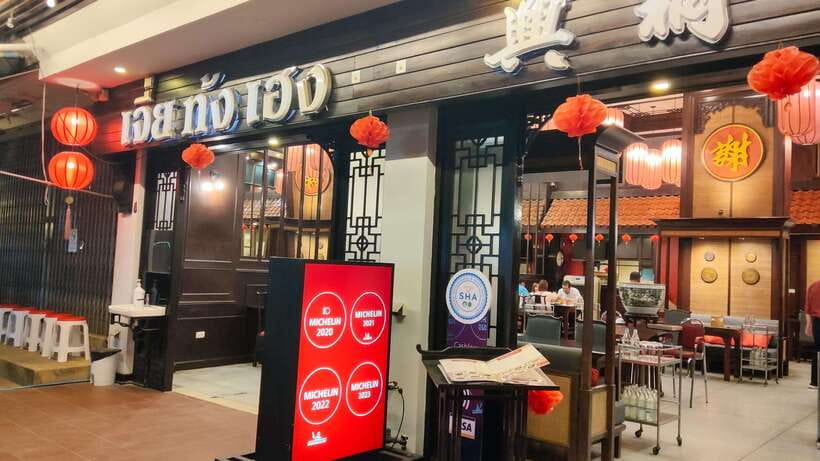
The Michelin Guide names help you choose reliable stops, but the guide is what turns this into a city experience. Natt is repeatedly described as warm, funny, easy to talk to, and deeply interested in Thai food and culture. His explanations reportedly range from ingredients and cooking styles to Chiang Mai’s geography, trade routes, and mix of Thai and Chinese influences.
That is useful in practical terms. You can ask what to eat later, where to find sweets, which areas are worth walking, and what restaurants might fit your taste. Several departures have also included extra suggestions for the rest of a Chiang Mai trip.
The tour can work well as one of your first activities in town. You get a simple map of the food scene, learn how the market districts relate to one another, and leave with ideas for later meals. If you already know Chiang Mai well, the value shifts toward the selected dishes and the guide’s background rather than basic orientation.
Group size can be private or small group. That matters for food because table space and conversation are easier with fewer people. The experience is listed at two hours, so small groups also help keep the route moving without making it feel hurried.
Is $31 good value for Chiang Mai?
At $31 per person, the price is fair if you want three substantial dishes and a guide for two hours. The cost includes the three selected dishes, local guiding, food knowledge, and a bottle of water. It does not include personal spending or transport to and from the meeting point.
The strongest value comes from the full portions. A standard tasting walk may give you many small bites, while this experience gives you three proper dishes. That is good for a hungry eater who wants dinner or lunch covered, but less ideal for someone who prefers to sample ten different foods.
The price also covers access to places you might overlook. You could find Thana Ocha, Patongo Ko Neng, or Lung Khajohn Wat Ket independently, but you would need to know what to order and understand why each stop matters. The guide’s explanations are part of what you are paying for.
I would not book this only because the word Michelin appears in the title. Book it because you want local context, full servings, and a relaxed introduction to Chiang Mai food. The Michelin recognition is a useful guidepost, not the whole point.
Practical limits and who should skip it
This is a walking and eating activity. You should be comfortable on your feet, crossing streets, and moving through a market. It is not suitable for wheelchair users, people with significant mobility or back problems, or those with several listed medical concerns.
The tour also excludes people with food allergies, gluten intolerance, lactose intolerance, kidney problems, high blood pressure, and other dietary or health needs listed for the activity. Vegans and vegetarians should not book it, and it is not suitable for children under two.
Bring cash because you may want to buy something beyond the included food. Leave large backpacks and strollers behind, since both are not allowed. Electric wheelchairs, baby carriages, and pets are also excluded.
Cancellation is flexible up to 24 hours before the start for a full refund, and you can reserve now and pay later. Check the exact meeting point for your selected option, since lunch and dinner begin in different parts of Chiang Mai.
Should you book the Taste of Chiang Mai tour?
I would book the lunch option early in a Chiang Mai visit if you want a friendly guide, a proper meal, and a first look at Warorot Market. It is especially good for curious eaters who want to understand how Chinese influence, northern Thai cooking, and local street food fit together.
Choose dinner if Nimman Road is more convenient or your days are already full. Just know that you will not visit Kad Luang, and the menu centers on khao soi, roast chicken, and papaya salad.
Skip it if you want a rapid-fire food crawl, need strict dietary control, or dislike full portions. For everyone else, $31 buys a practical introduction to Chiang Mai’s food scene, with enough substance to guide your meals after the tour ends.
FAQ
How long does the Taste of Chiang Mai food tour last?
The activity lasts two hours. The lunch option includes short walks, market sightseeing, and three food stops or tasting locations.
What dishes are included with the lunch option?
Lunch includes Hakka pink noodle, also called yen ta fo, Thai fried dough from Patongo Ko Neng, and steamed rice skin dumplings, or khao kriab pak moh, from Lung Khajohn Wat Ket.
What dishes are included with the dinner option?
Dinner includes Michelin Guide selected khao soi, roast chicken, and papaya salad.
Does the dinner option visit Warorot Market?
No. The dinner route has no market visit. It starts and ends around Nimmanhaemin Road, and you can visit One Nimman afterward.
Where does the lunch tour meet?
The lunch meeting point is Wat Saen Fang, at the entrance beside The Story 106 Co-Working Space & Cafe on Thapae Road. It is about 600 meters from Tha Pae Gate. Look for the tour signage.
Is the tour suitable for vegetarians or people with food allergies?
No. The activity is not suitable for vegans, vegetarians, people with food allergies, or people with gluten intolerance. It also lists several other health and mobility restrictions, so check the requirements carefully before booking.
Just added around Chiang Mai
- The 10 Tastings of Chiang Mai With Locals: Private Street Food Tour★ 5.0 · 216 reviews
- Fresh Local Market Tour – Food tour in Chiang Mai★ 5.0 · 113 reviews
- Motorbike Food Tour in Chiang Mai★ 5.0 · 54 reviews
- Go where the locals go, Eat what the locals eat! Food Tour with Local Foodies★ 5.0 · 138 reviews
- Lanna Kingdom Chiang Mai Food Tour with 15+ Tastings★ 5.0 · 84 reviews
- Chiang Mai: Food Tour by Songtheaw Truck with 15+ Tastings★ 4.9 · 157 reviews
- Chiang Mai: Temples and Street Food Night Tour by Tuk Tuk★ 4.3 · 81 reviews
- Chiang Mai: Evening Sightseeing and Local Food Guided Tour★ 4.9 · 46 reviews
Food Tours in Thailand, compared.
Bangkok by Night: Temples, Markets and Food Tuk-Tuk Tour
Read our review →

Markets, Temples and Food Night Tour by Tuk Tuk
Read our review →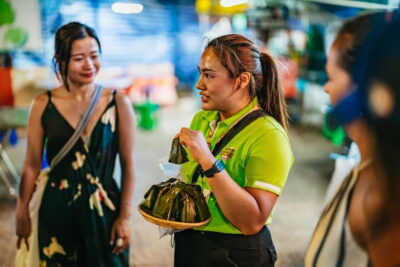
Southern Flavors Phuket Food Tour with 15+ Tastings
Read our review →Bangkok Backstreets Food Tour with 15+ Tastings
Read our review →
Browse the lists this tour appears in