
REVIEW · ITALY
Syracuse: Sicilian Street Food Hands-On Cooking Class
Syracuse’s best food lesson starts with your hands, not a lecture. With Chef Ettore, you may walk through the local market, taste Sicilian ingredients, then return to the kitchen to prepare arancini and cannoli. The class is small, relaxed, and built around eating what you cook.
I like the market connection, where Ettore greets vendors and chooses fresh ingredients, and I like the social setup: cooking, wine, and conversation around a shared table. The main caution is practical: gluten-free dishes are not available, and one past meeting-point mix-up caused a serious delay.
Key points to know
- Market-to-kitchen format: The experience can begin with a walk through Syracuse’s market, tastings, and ingredient shopping before the cooking starts.
- Chef Ettore leads the class: He teaches in English or Italian and is praised for his humor, patience, and clear instructions.
- Classic Sicilian street food: You prepare arancini and cannoli, with some sessions also featuring different arancini fillings or a strawberry dessert.
- Small group setting: The class is limited to eight people, which gives you more room to ask questions and take part.
- Wine comes with the tasting: A local wine and water are included with the dishes you prepare.
- Plan around dietary needs: Allergies and intolerances must be stated when booking, but gluten-free dishes are not available.
Starting at Bar Cristina in Syracuse
Your meeting point is Bar Cristina, at Piazza Emanuele Pancali, 24, Via Trento 1, 96100 Siracusa. The activity ends back at the meeting point.
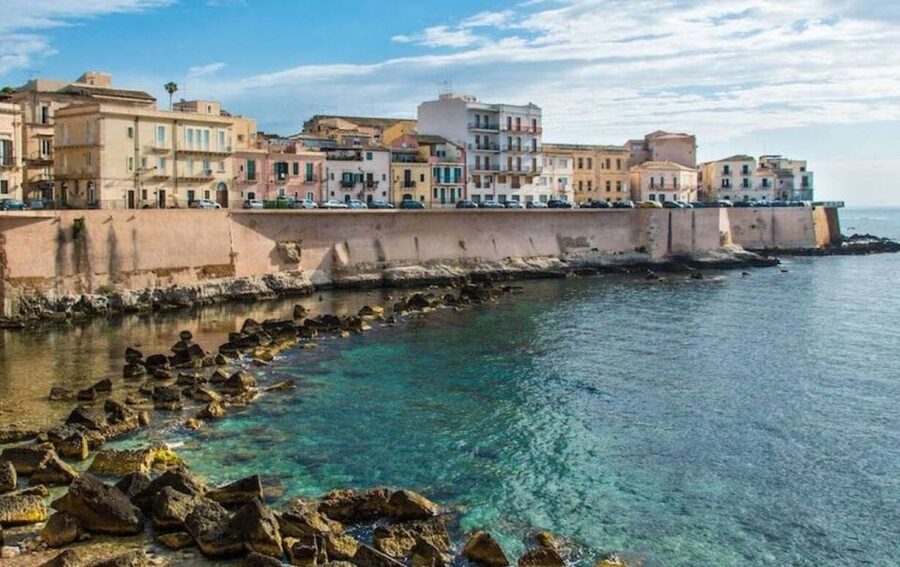
That location matters because the experience is not simply a cooking demonstration in an isolated kitchen. The market walk reported by several participants gives you a useful introduction to Syracuse food culture before you start chopping, stirring, and shaping. You may meet Ettore there, then follow him through the market as he selects the ingredients needed for the class.
Allow a little extra care with the meeting instructions. One participant arrived at the stated meeting point on time but experienced a mix-up involving another couple and a different pickup location. The result was an hour-long delay and a missed market visit. I would confirm the exact meeting point and start time before setting out, especially if you are relying on public transport or have another booking afterward.
The class lasts three hours. Starting times vary, so check availability for the day you want. The activity is not offered on December 8, December 13, and December 19 through December 26, December 31, or January 1 and 2.
More street food nights in Italy:
- Naples: Street Food Walking Tour with Local Guide
★ 4.9 · 4,976 reviews - Rome: Street Food Tour with Local Guide
★ 4.8 · 4,077 reviews - Florence: Cinque Terre Park Day Trip with Optional Street Food
★ 4.5 · 3,593 reviews
A Syracuse market walk before the cooking
The market portion is one of the strongest reasons to choose this class instead of a standard restaurant meal. Food markets show you what local cooks actually work with: fresh produce, seafood, cheeses, meats, herbs, and pantry items that give Sicilian food its character.
Ettore appears to know many of the people working in the market. That makes the walk feel personal rather than like a checklist of stalls. Participants have described tasting products along the way and being introduced to vendors, with no pressure to buy anything. Ettore handles the ingredient purchase for the cooking session.
That arrangement is good value for you. You get to see and taste ingredients without having to guess what to buy, how much to purchase, or how to carry food around Syracuse afterward. It also gives the chef a chance to explain what makes an ingredient suitable for arancini or dessert.
The market visit may not be identical every time. It depends on the class schedule, the available ingredients, and the pace of the group. Still, it adds a strong sense of place. You are not merely reproducing a recipe from a book. You are seeing how a Sicilian cook shops for the meal.
Making arancini with Chef Ettore
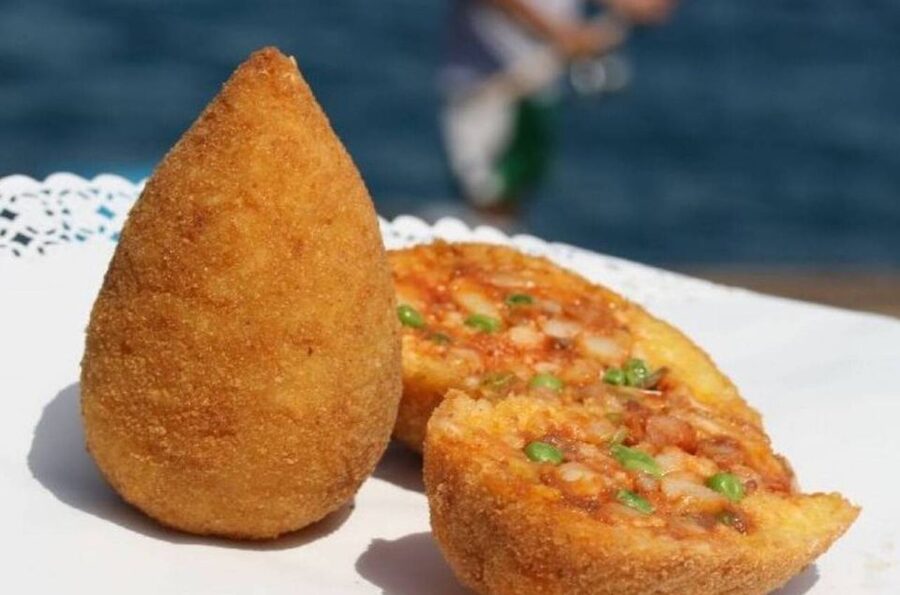
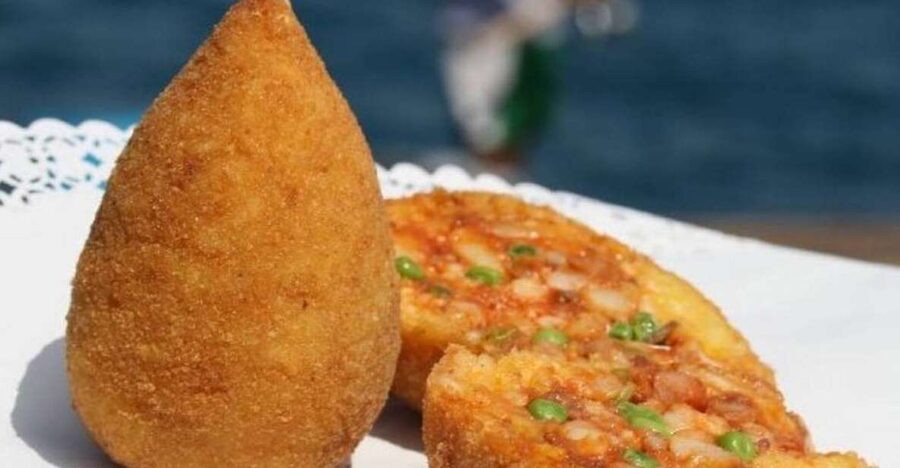
Arancini are the heart of the class. These famous Sicilian rice snacks are shaped, filled, coated, and cooked until crisp outside and soft inside. They look simple when they arrive at a café counter, but the shape, filling, and texture require some care.
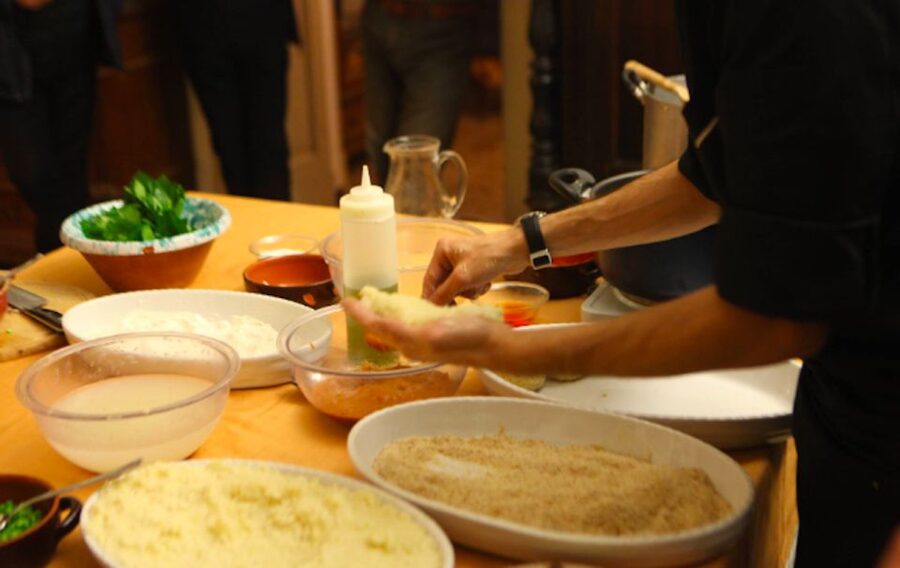
The class is hands-on. You do not just watch Ettore work while he prepares everything himself. He shows you the method, explains the important steps, and lets you take part. Several sessions included more than one kind of arancino, including traditional ragù, giving you a better sense of how the basic recipe can change with the filling.
This is where the small group helps. With no more than eight participants, you have a reasonable chance to handle the ingredients and ask for help. A larger class could turn the lesson into a queue around one work surface. This one is designed to feel more like cooking with a local host.
Ettore’s teaching style seems central to the experience. He is described as friendly, funny, patient, and encouraging, with clear instructions that make the process seem manageable. That does not mean every arancino will come out perfect on your first attempt. It does mean you should leave with useful tips rather than a vague memory of watching a chef perform.
Families should note that the class has worked well for children. One six-year-old took part with help from Ettore, and the chef’s daughter was also present during one session. The cooking still requires attention around hot equipment, so parents will need to stay involved.
Cannoli and other sweet finishes
The dessert is cannoli, another symbol of Sicilian food. You learn how the sweet finish fits into the meal, then taste it after the savory course.
Some sessions have included a deconstructed cannoli or a strawberry dessert alongside the arancini. The exact dessert presentation may vary, but cannoli is the advertised dessert and the main sweet lesson to expect. If the format changes slightly, that is likely tied to the chef’s menu and the ingredients available that day.
Cannoli can be more delicate than it looks. The contrast between crisp shell and creamy filling depends on timing and handling. A hands-on lesson gives you a better appreciation for the work behind a pastry you might otherwise eat in a few quick bites at a café.
The meal is deliberately short rather than a full restaurant menu. The stated tasting includes two courses: arancini and cannoli. Do not book this expecting a large multi-course lunch. Book it for the chance to prepare two classic foods and understand them better when you see them again elsewhere in Sicily.
More cooking classes in Italy:
- Small Group Cooking Class & Market Food Tour in Florence
★ 5.0 · 1,574 reviews - Milan: Italian Cooking Class with Food and Wine
★ 4.7 · 509 reviews - Florence: Cooking Class with Local Food Market Tour
★ 4.9 · 407 reviews - Sicilian Cooking Class in Taormina
★ 5.0 · 186 reviews
Eating what you prepare with local wine
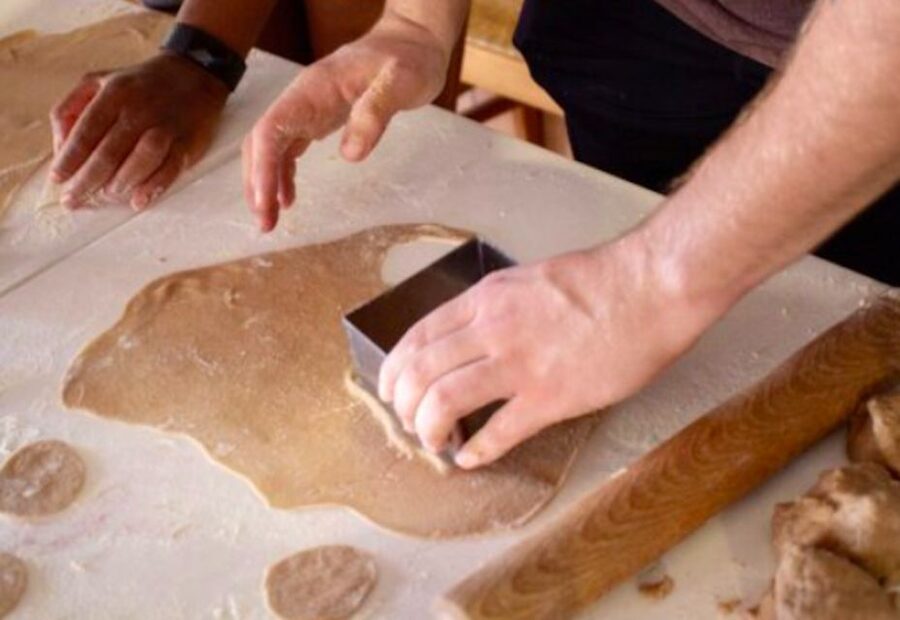
After the practical work, you taste the dishes with wine and water. A local wine is selected to accompany the food, which helps turn the class into a shared meal rather than a cooking lesson that ends when the stove is switched off.
That final table time matters. Sicilian food is closely tied to family and friendship, and the class tries to recreate that social side. You sit down with the people in your small group, compare your results, and enjoy the meal together.
The wine is included, but the activity description also notes that food and drinks outside the tasting are not included. In plain terms, the arancini, cannoli, wine, and water prepared or provided as part of the class are covered. Additional orders or anything beyond that tasting are your responsibility.
The restaurant or kitchen setting can also affect the rhythm. One unusual session became busier when restaurant customers arrived, and Ettore began preparing their orders while continuing to explain what he was doing. That person found the unexpected kitchen action memorable, but you should understand that a working kitchen may not always be as quiet or orderly as a private teaching studio.
The value of a $112.15 cooking class

At $112.15 per person, this is not the cheapest way to eat arancini in Syracuse. You could buy the finished food for far less. The price makes more sense if you value the market walk, the chef’s guidance, the small group, the hands-on work, and the wine served with the tasting.
You are paying for time with a local cook, not only for ingredients. The market introductions, samples, recipe guidance, and chance to repeat the dishes at home add value. If you are interested in Sicilian food beyond taking a photograph of it, this offers more than a normal café stop.
The class is also a useful choice for a rainy afternoon or for a day when you want a break from churches and archaeological sites. Three hours is long enough to feel substantial but short enough to fit into a Syracuse sightseeing plan.
The value drops if you dislike group activities or mainly want a long, elaborate meal. The food menu is limited, and the class centers on two familiar Sicilian specialties. You should also consider the lack of gluten-free options before paying.
Group size, language, and teaching style
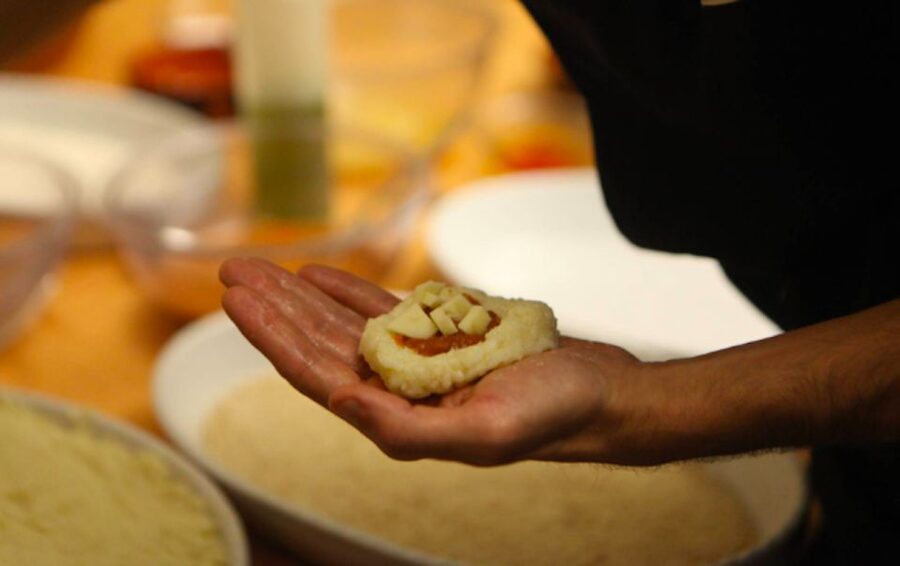
The group is limited to eight participants. That is a practical number for a cooking class, especially when everyone needs a turn at the work surface. It also gives the experience a social quality without making it feel like a large tour group.
The host or greeter speaks English and Italian. The supplied details do not promise that every explanation will be delivered in both languages at every moment, but English-speaking participants have been able to follow the lesson and ask questions.
Ettore is the key personality here. His style combines cooking instruction with stories, market connections, and easy conversation. He seems comfortable with beginners and does not expect you to arrive with professional kitchen skills.
The class may suit couples, solo visitors, families, and small friend groups. Solo participants can meet people around a shared meal, while couples get an activity that feels more personal than a standard food tour. Families should mention children when booking if they want to confirm the setup for their group.
Dietary restrictions and practical limits
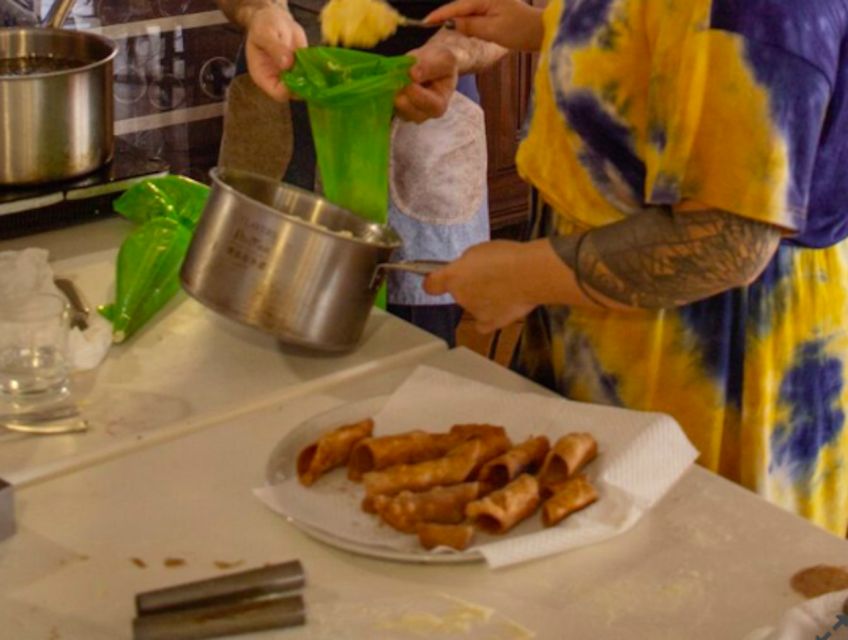
Tell the provider about allergies or intolerances when you book. This is important because the cooking depends on a set menu and shared ingredients.
Gluten-free dishes are not available. That rules out this class for anyone who needs a strictly gluten-free meal. The information supplied does not confirm substitutions for other dietary needs, so you should not assume that vegetarian, dairy-free, or other changes can be made. Ask before booking if your diet requires adjustments.
The class includes wine and water. If you do not drink alcohol, the included wine may not add value, though water is provided. The activity is not presented as a full alcohol-focused tasting, so the food remains the main attraction.
Cancellation is flexible: you can cancel up to 24 hours in advance for a full refund. You can also reserve now and pay later. Those terms help if your Syracuse plans are still shifting, but check the exact booking conditions at the time you reserve.
How this compares with ordinary sightseeing
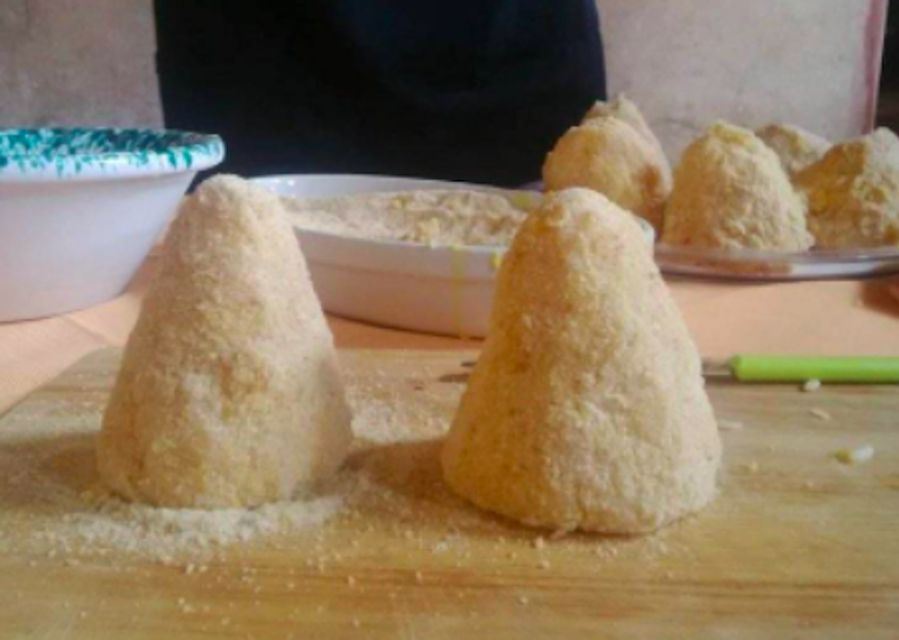
A cooking class will not show you Syracuse’s main monuments in the way an archaeological tour will. You will not spend the afternoon moving from one major sight to another. Instead, you get an everyday view of the city through its food, market, kitchen, and table customs.
That makes it a good companion to sightseeing in Ortigia and elsewhere in Syracuse. After seeing grand buildings and ancient remains, you can spend a few hours learning what local people eat and how those foods are prepared. The market visit gives the class a stronger local connection than a lesson held entirely inside a tourist kitchen.
It is also more active than a food tasting. You shape the arancini, work through the recipe, and help with dessert. If you like learning by doing, that difference is important.
Still, the experience depends heavily on Ettore and the day’s conditions. A smooth session may include a relaxed market walk and unhurried cooking. A busy restaurant kitchen could make the lesson more improvised. That may be part of its local character, but it is worth knowing if you want a polished culinary workshop with a fixed script.
Should you book the Syracuse street food class?
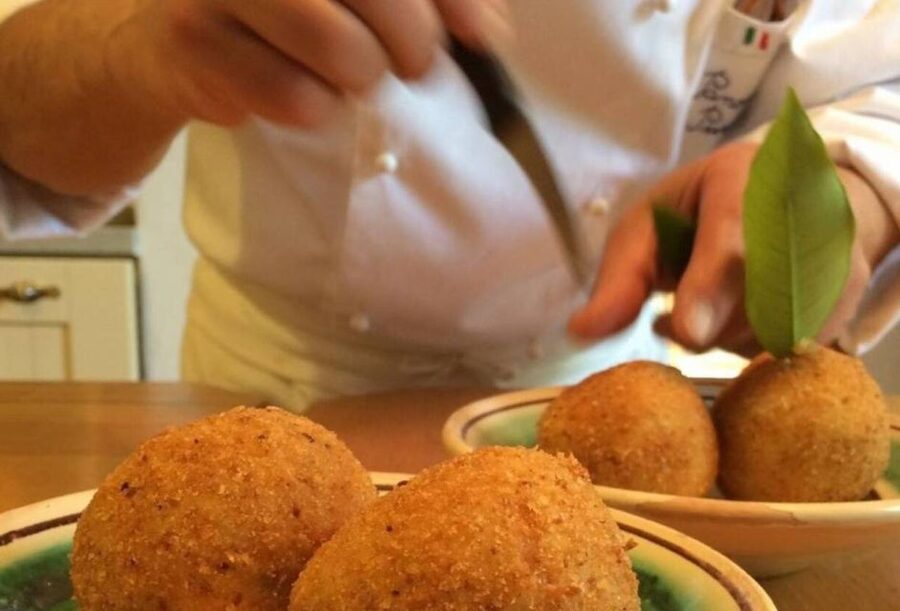
Book this if you want a personal food experience, not just another meal. It is especially well suited to first-time visitors who want to understand Sicilian food, families seeking an activity beyond sightseeing, and anyone who wants to learn a recipe they can try at home.
The strongest reasons are the market visit, Ettore’s warm teaching style, the eight-person limit, and the chance to eat arancini and cannoli made with your own hands. The local wine and shared table add to the sense of a real Sicilian gathering.
Think twice if you need gluten-free food, want a broad multi-course menu, or dislike the possibility of a working kitchen changing the pace. Confirm the meeting point carefully, state all dietary restrictions, and leave some room around the three-hour booking.
For food lovers in Syracuse, I would choose this over a routine restaurant lunch. You get a meal, a lesson, a market introduction, and a better understanding of two classic Sicilian foods for one afternoon.
FAQ
How long does the Syracuse cooking class last?
The activity lasts three hours. Starting times vary, so check availability for the date you want.
What foods will I learn to prepare?
The class focuses on Sicilian arancini and cannoli. Some sessions have also included different arancini fillings or a strawberry dessert.
Is the cooking class hands-on?
Yes. You take part in preparing the food with Chef Ettore rather than only watching a demonstration.
Is a market visit included?
The experience may begin with a walk through Syracuse’s market, where you can taste products and see the chef select ingredients for the class.
What drinks are included?
A local wine and water are included with the tasting of the food prepared during the class.
How many people can join the class?
The group is limited to eight participants.
What languages are available?
The host or greeter speaks English and Italian.
Can I join if I need gluten-free food?
No. Gluten-free dishes are not available. You should still state any allergies or intolerances when booking.
Where does the activity start and finish?
You meet at Bar Cristina, Piazza Emanuele Pancali, 24, Via Trento 1, 96100 Siracusa. The activity ends back at the meeting point.
More Workshops in Italy
- Napolitan Secrets: Pasta & Tiramisù Class for Food Lovers
★ 4.9 · 189 reviews - Cooking Class: Your Culinary Love Affair in Sorrento
★ 5.0 · 161 reviews - Polignano a Mare: Apulian Cooking Class with Food and Drinks
★ 4.8 · 159 reviews - Cinque Terre: Pesto Making Class with Wine and Food Tasting
★ 4.7 · 109 reviews
Just added around Italy
- Genoa Walking Tour: Discover Hidden Treasures and Street Food★ 5.0 · 80 reviews
- Genoa Food, Wine Tasting & History Walking Tour★ 5.0 · 212 reviews
- Guided Food Tour with Wine Tastings in Genoa★ 4.5 · 34 reviews
- Genoa Culinary Masterclass-A Hands-On Experience by Do Eat Better★ 5.0 · 56 reviews
- Florence Sunset Food Tour with Wine & Dine at a Tuscan farmhouse★ 5.0 · 194 reviews
- Florence Central Market Food Tour with Eating Europe★ 5.0 · 224 reviews
- The Cooking Lab – Authentic Food Experience★ 5.0 · 113 reviews
- The Other Side of Florence Food Tour with Eating Europe★ 5.0 · 377 reviews
Food Tours in Italy, compared.
Rome Twilight Trastevere Food Tour by Eating Europe
Read our review →
Florence Sunset Food & Wine Tour by Eating Europe
Read our review →

Rome Food Tour: Unlimited Tastings with Fine Wine & Barolo
Read our review →
Rome Food Tour: Campo de’ Fiori, Ghetto, Trastevere Winner 2024
Read our review →
Eat Like a Local: Venice 3-Hour Small-Group Food Tasting Tour
Read our review →
Guided Food Walking Tour with Wine in Trastevere
Read our review →Browse the lists this tour appears in