
REVIEW · SOUTH KOREA
Busan: Small-Group Traditional Korean Food Cooking Class
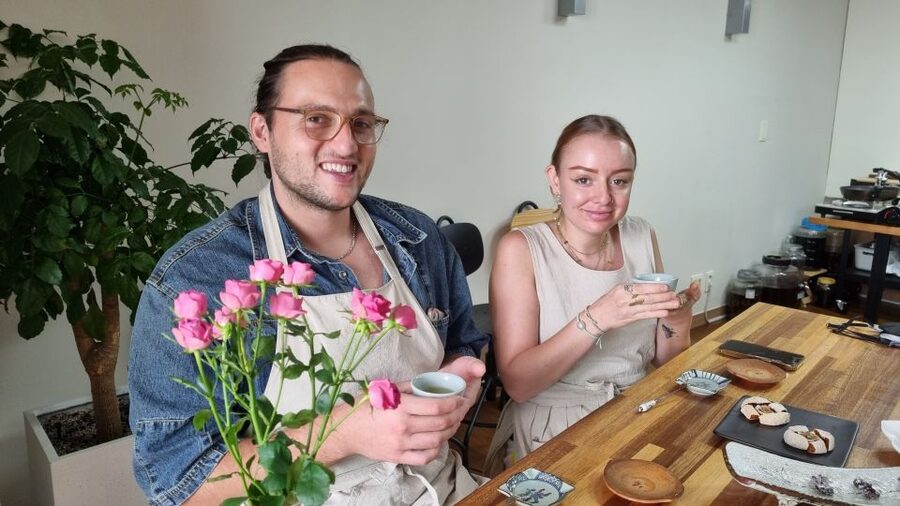
Busan’s best cooking classes do more than hand you a recipe. This one introduces you to Korean food through bibimbap, soup, and vegetable pancake, then lets you eat the meal you made at a traditional personal table called a bapsang. The class takes place near Haeundae Beach and lasts three hours.
I like the clear, friendly teaching from Min, who has helped many English-speaking cooks follow each step without fuss. I also like the small group size, fresh seasonal ingredients, sauce tasting, and the quiet finish with Korean tea and dessert. The main drawback is the $98 price, which is high for a meal class unless you value the instruction and cultural context as much as the food.
Key points
- Cook several Korean dishes: Classes have included bibimbap, miyeok guk seaweed and beef soup, and buchu jeon vegetable fritter.
- Learn from Min or Kim: Instruction is offered in English and Korean, with food customs and dish background explained along the way.
- Eat at a bapsang: Your finished food is arranged on a traditional personal dining table for the final meal.
- Taste beyond the main dishes: Korean sauces, tea, dessert, water, and condiments are part of the experience.
- Stay near Haeundae: The apartment studio is about 10 minutes from Dongbaek subway station and close to the beach area.
- Plan dietary needs early: Vegan ingredients can be arranged if requested when booking or at least 24 hours ahead.
Cooking bibimbap near Haeundae Beach
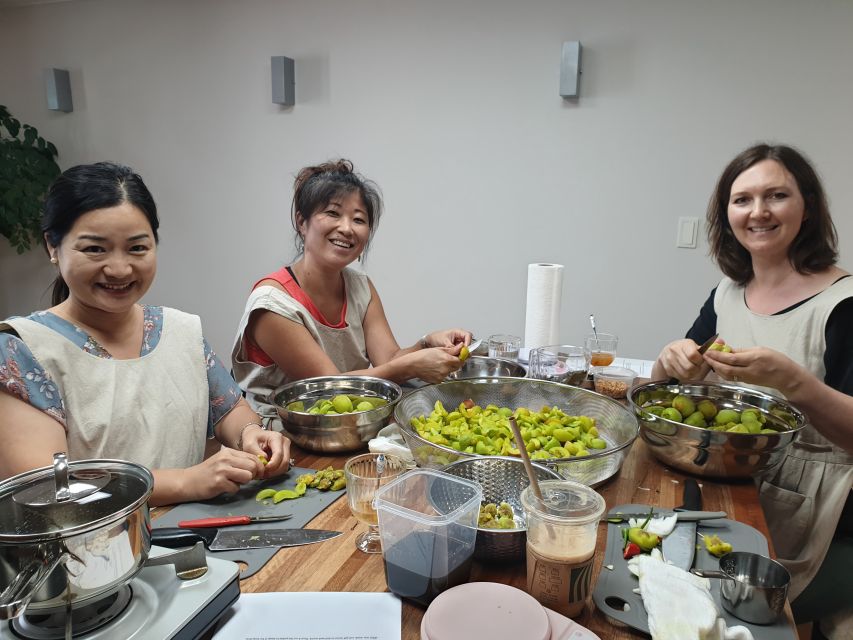
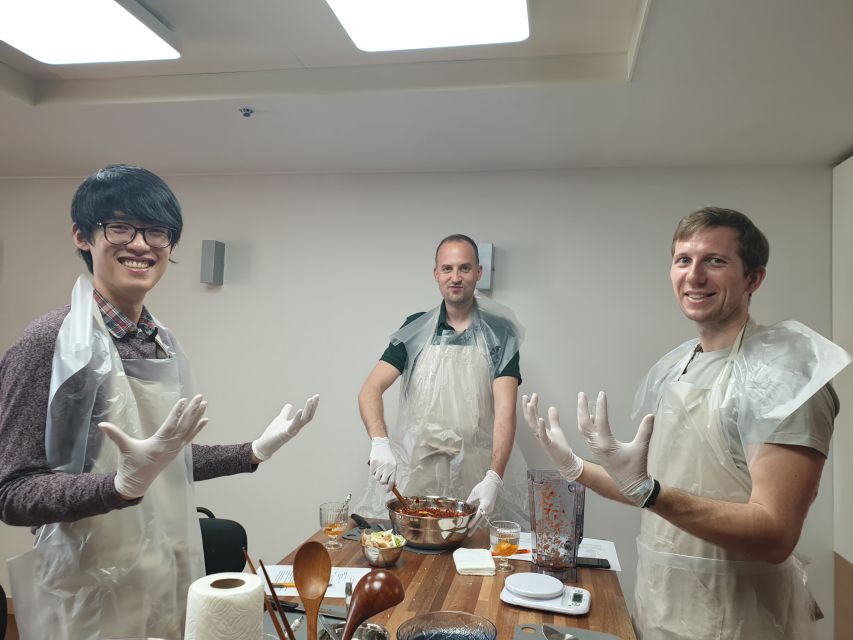
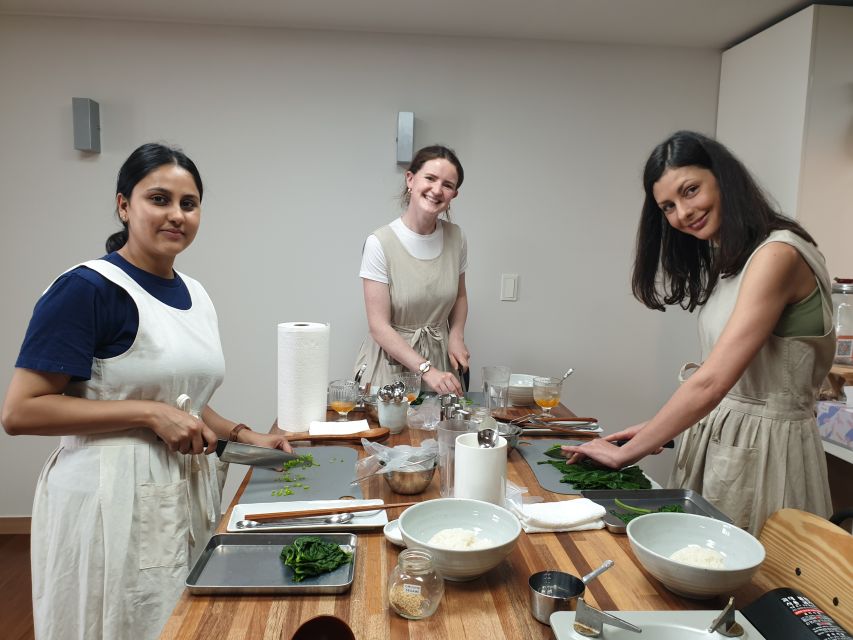
This is a hands-on Korean food class in the Haeundae area of Busan, held at Flat 2406 in Hoabin Busan Haeundae. You are not simply watching a chef work from a distance. You taste ingredients, handle utensils, follow each stage, and sit down to eat what you prepared.
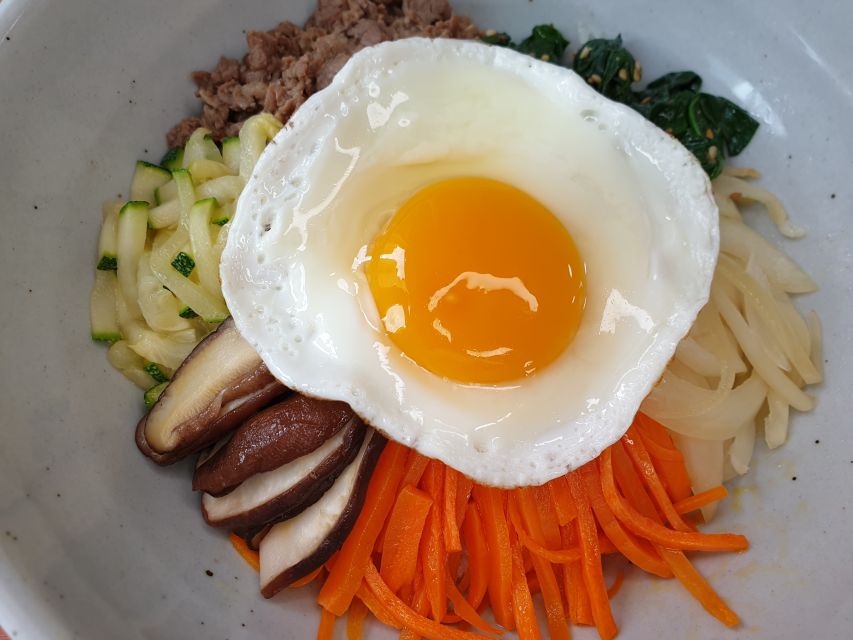
The class centers on bibimbap, Korea’s famous rice dish topped with vegetables and meat. That makes it a useful introduction to Korean cooking because you meet several common flavors in one bowl: vegetables, savory sauces, rice, and carefully prepared toppings.
The menu can include more than bibimbap. Past class menus have featured miyeok guk, a seaweed and beef soup, and buchu jeon, a vegetable fritter. One class description also includes Korean pancake. The exact selection may change with the season and available ingredients, so think of bibimbap as the dependable anchor rather than a promise of one fixed menu.
That seasonal approach matters. Korean home cooking is built around several small dishes and fresh produce, not one oversized main course. You get a better feel for that pattern when the food is prepared in separate parts and placed on your own bapsang.
More cooking classes in the world:
- Small Group Cooking Class & Market Food Tour in Florence
★ 5.0 · 1,574 reviews - Athens: Food Market Visit and Cooking Class with Wine
★ 4.9 · 1,087 reviews - Undiscovered Charleston: Half Day Food, Wine & History Tour with Cooking Class
★ 5.0 · 948 reviews
What happens during the three-hour class
You begin with a welcome drink before the cooking starts. The chef introduces the ingredients and gives you a chance to taste Korean sauces. This is one of the more useful parts of the class, since sauces can be difficult to understand from a recipe alone. Tasting them first helps you notice the balance of salt, sweetness, spice, and fermented flavor.
Next comes the preparation. Instructions are given step by step, and the class is designed to be manageable within three hours. You should expect to chop, season, cook, and assemble rather than merely copy a demonstration.
The class format works well for first-time cooks because the pace leaves room for questions. Min is praised for explaining each step clearly and for speaking English well. Kim is also named as an instructor in the class information, and one account specifically credits Kim with explaining how the recipes fit into everyday Korean meals.
After cooking, you arrange the food on a bapsang. This small personal table gives the meal a more traditional feel than eating from a shared serving counter. You then eat the dishes you prepared, along with condiments and beverages included with the meal.
The final part is a tea and Korean dessert tasting. It is a calm way to finish after the cooking, and it gives you one more taste of Korean food beyond the savory dishes. You also receive the recipes, a certificate, and a surprise gift to take home.
Why bibimbap makes a good first Korean dish
Bibimbap is familiar enough to be approachable, but it also shows how Korean meals combine many separate elements. The rice is only the base. The finished bowl depends on the vegetables, meat, sauce, and arrangement.
You learn that Korean cooking is often about preparation and balance rather than a single complicated technique. Each ingredient has its own role, and the final result comes from bringing those parts together.
This also gives you something practical to repeat at home. The recipe lets you recreate the dish after your trip, though the exact ease will depend on whether you can find the listed Korean ingredients where you live.
The other dishes add useful contrast. Miyeok guk introduces soup and seaweed, while buchu jeon shows how a small amount of batter can turn vegetables into a crisp savory dish. A Korean pancake gives you another style of cooking and eating, especially when paired with sauces and side dishes.
You should not expect a full tour of every major Korean dish in three hours. The value is narrower and more useful: you learn a small set of dishes well enough to understand their ingredients and try them again.
Min’s teaching style and the small-group setting
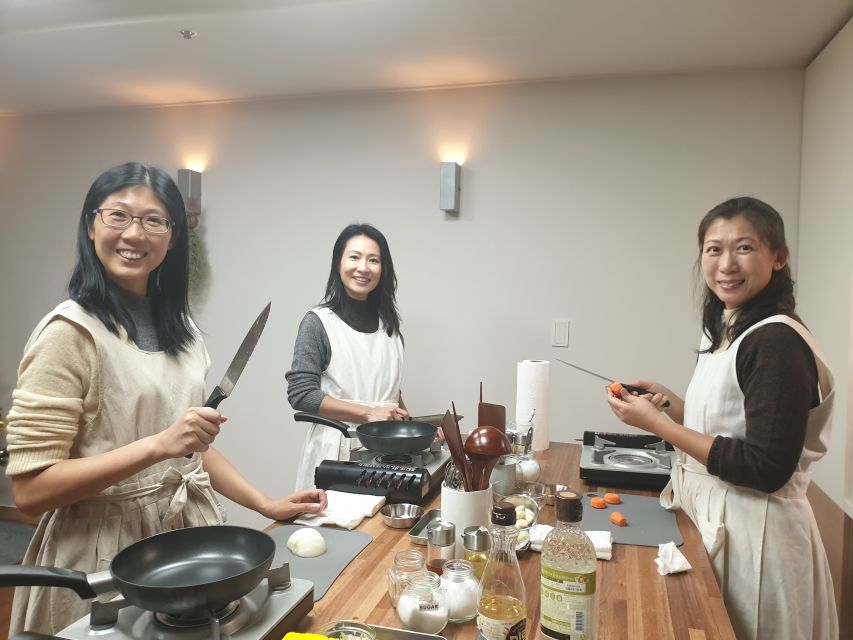
The class is limited to a small number of people, with the information giving a maximum of either nine or ten participants. That slight difference is worth checking when you book, but either way this is not a large demonstration group.
Small numbers help during hands-on cooking. You have a better chance of hearing the instructions, seeing how a technique is done, and asking about unfamiliar ingredients. It also makes the final meal more social without turning the class into a crowded event.
Min receives especially strong praise for her warm manner, clear explanations, and knowledge of Korean food and customs. She also offers suggestions for things to do around Busan, which can be useful if this is one of your first activities in the city.
That local advice is a pleasant extra, but the food instruction remains the main reason to book. You should choose this class for cooking, not as a substitute for a general Busan sightseeing tour.
The class is suitable for families as well. A 12-year-old joined one session and took part in preparing bibimbap, soup, and a Korean pancake. Children still need to follow cooking instructions, but the format gives them a real task instead of asking them to sit quietly through a lecture.
A few more food tours around the world worth comparing
- Vietnamese Food Cooking Class in Hanoi with Market Experience
★ 5.0 · 778 reviews - Brussels: Waffle Making Workshop – All You Can Eat
★ 4.6 · 615 reviews - Paris: French Macaron Culinary Class with a Chef
★ 4.9 · 591 reviews - Milan: Italian Cooking Class with Food and Wine
★ 4.7 · 509 reviews
Fresh ingredients, sauces, and the cultural side of the meal
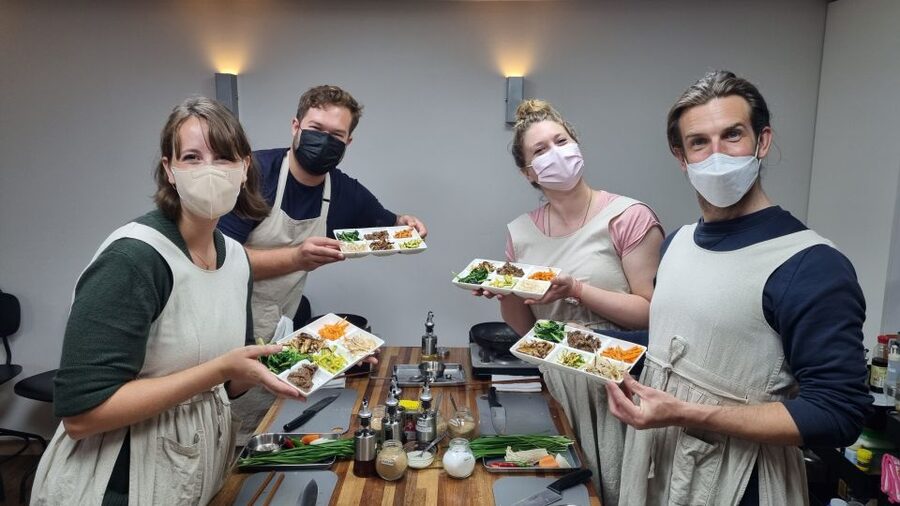
The ingredients are described as fresh and seasonal. This affects the class in two ways. First, the food should reflect what is available locally at the time of your visit. Second, the menu may not be identical from one date to another.
Before cooking, you taste Korean sauces. That short exercise helps explain why Korean food can taste bold even when the ingredient list looks simple. A sauce may change the entire character of rice, vegetables, soup, or a fritter.
The cultural explanation is another strong point. You learn not only how to prepare the dishes, but also some background about what you are making and how it fits into Korean meals. The bapsang setting reinforces that idea by giving you a personal table for the food.
This is still a cooking class, not a formal food history lesson. The cultural information is tied to the ingredients and dishes in front of you, which keeps the session practical.
Is $98 good value?
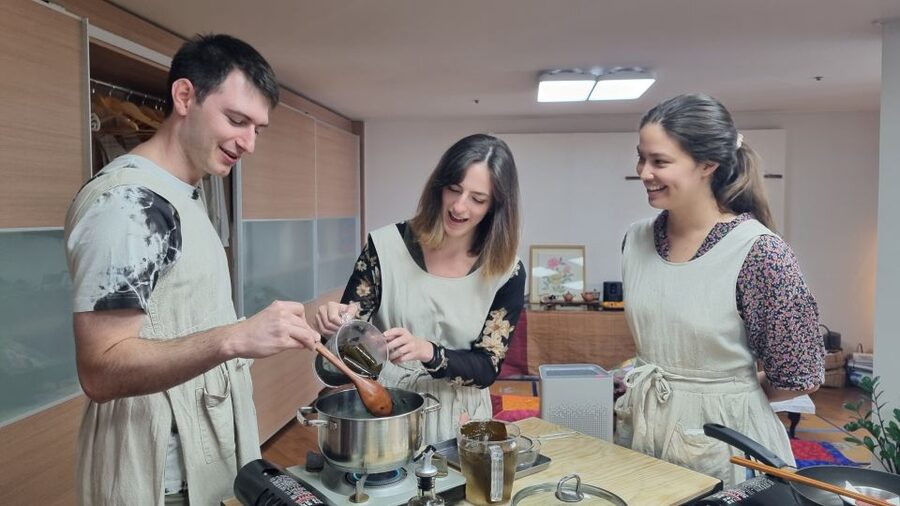
At $98 per person, this is not the cheapest way to eat Korean food in Busan. You can find a good meal for much less, and a cooking class always costs more than dining at a restaurant.
The better question is what you receive for the extra money. The price includes ingredients, an apron and utensils, the meal, dessert, water, recipes, and the class itself. You also get tea, sauce tasting, a certificate, and a small gift.
The three-hour length improves the value. This is not a rushed one-hour demonstration followed by a small sample. You spend enough time preparing several dishes and then eat the result.
I would consider it worthwhile if you want a food activity that gives you a skill to take home. It makes less sense if you only want a cheap lunch or if you dislike structured group activities.
The class is also a good choice early in your Busan stay. Min may offer ideas for what to see and do nearby, and the location puts you in the Haeundae area for the rest of the day. You will need to arrange your own food before and after the class, since pickup, drop-off, and transport are not included.
Getting to Flat 2406 in Haeundae
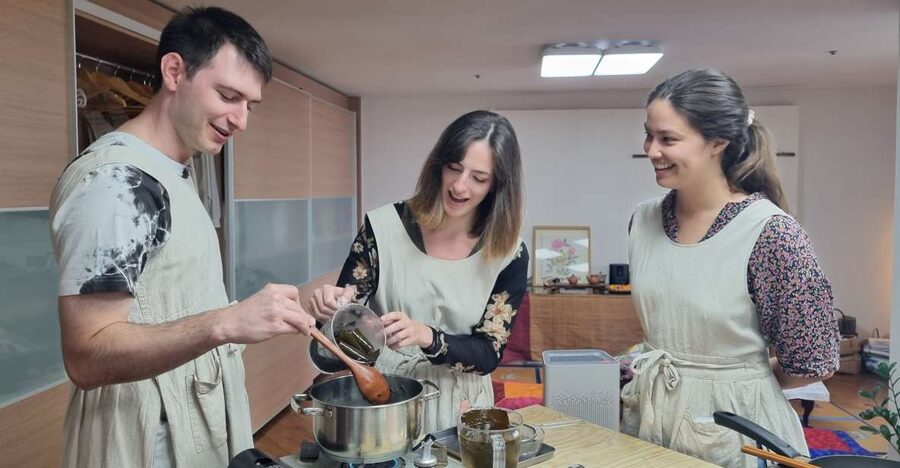
The meeting point is Flat 2406, Hoabin Busan Haeundae, 37 Marine City 3-ro, U 1(il)-dong, Haeundae, Busan.
The easiest subway option is Dongbaek Station on Busan Metro Line 2, the green line. From Exit 1, the walk takes about 10 minutes.
You can also use the bus. From the Daewoo Marina Apartment stop, allow about seven minutes on foot. Bus routes listed for that stop include 139, 307, and 1003, with the 1003 route serving Busan Train Station.
From Dongbaek Stop, the walk is about 15 minutes. Routes listed there include 31, 38, 39, 40, 63, 100, 100-1, 115-1, 141, 181, and 200.
Give yourself extra time to find the building and apartment. This is a meeting-point class rather than an attraction with a large street entrance. The activity information does not include hotel pickup, so you are responsible for reaching the address.
Who should book this Korean cooking class?
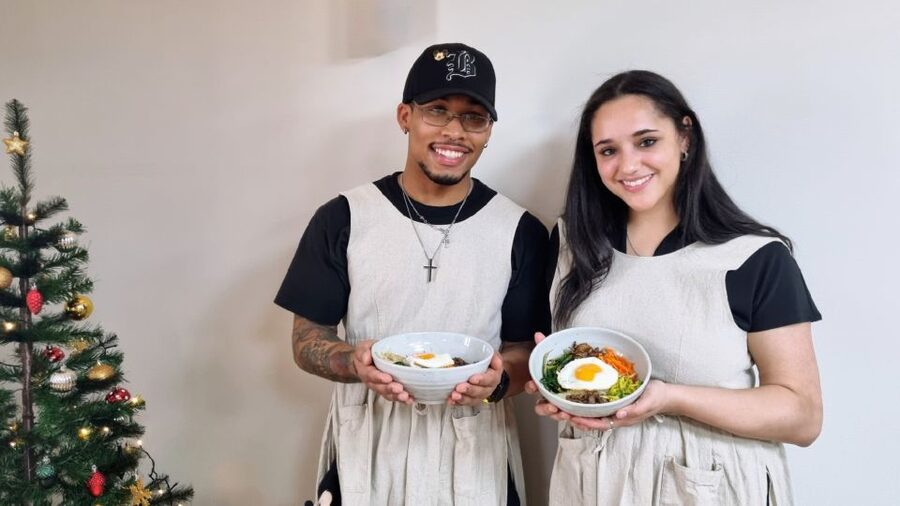
I would recommend it to you if you enjoy food and want more than a restaurant meal. It works especially well for first-time visitors to Korea because the teacher explains unfamiliar flavors in English and guides you through the cooking from start to finish.
Families with older children can also find it rewarding. The recipes are hands-on, the group is small, and the meal gives everyone a clear payoff at the end.
It suits solo visitors too. The small group gives you a natural way to meet other people without needing to organize anything yourself. Couples can treat it as a shared activity, though the $196 cost for two people is worth considering alongside other Busan experiences.
You may want to skip it if you have a very limited budget, want a class focused only on advanced cooking skills, or expect a fixed menu with no seasonal variation. It is also not ideal for a last-minute vegan booking. Vegan ingredients can be prepared, but you need to request them when booking or at least 24 hours ahead.
The class is wheelchair accessible, and instruction is available in English and Korean. Free cancellation is available up to 24 hours before the activity, and you can reserve now and pay later if that option is offered during booking.
Should you book it?
Book this class if you want to understand Korean food by preparing it yourself. The strongest reasons are the clear instruction from Min or Kim, the small group, the chance to taste sauces, and the full meal at your own bapsang.
The price is the chief caution. At $98, you are paying for teaching, ingredients, cultural context, tea, dessert, and take-home recipes, not just lunch. For food-focused visitors, that package is fair. For budget-minded visitors who only want to eat bibimbap, a restaurant will be the better choice.
I would place it high on your Busan list if you have three free hours near Haeundae and want a practical memory of Korea that continues after your trip.
FAQ
How long does the Busan Korean cooking class last?
The class lasts three hours, including cooking, the meal, tea, and Korean dessert tasting.
What dishes will I cook?
Bibimbap is included. Past class menus have also included miyeok guk, a seaweed and beef soup, buchu jeon vegetable fritter, and Korean pancake. The menu may vary with seasonal ingredients.
Is the class taught in English?
Yes. Instruction is available in English and Korean. Min is named as an instructor, and Kim is also identified as a teacher for the experience.
Where does the class meet?
It meets at Flat 2406, Hoabin Busan Haeundae, 37 Marine City 3-ro, U 1(il)-dong, Haeundae, Busan, South Korea.
How do I reach the meeting point by subway?
Take Busan Metro Line 2 to Dongbaek Station and use Exit 1. The walk to the meeting point takes about 10 minutes.
Is a vegan meal available?
Yes, but you must request vegan ingredients when booking or contact the provider at least 24 hours before the class.
Are ingredients and cooking equipment included?
Yes. Ingredients, utensils, and an apron are provided. Water, the meal, dessert, and recipes are also included.
Is transportation included?
No. Pickup and drop-off are not included, so you must make your own way to the Haeundae meeting point.
Just added around the world
- Milan: Street Food Walking Tour★ 4.7 · 180 reviews
- Milan’s Full-Meal Gourmet Food Tour – More Than Tastings★ 4.8 · 81 reviews
- Kolkata Midtown Madness- A Street Food & Nightlife Tour★ 4.9 · 49 reviews
- Milan: Delicious Food Tour and City Center Sightseeing★ 4.8 · 111 reviews
- Mexico City: Authentic Downtown Food Tour★ 4.9 · 260 reviews
- Miami: Intimate Sailing in Biscayne Bay w/ Food and Drinks★ 4.7 · 34 reviews
- Mexico City: Vegan and Vegetarian Street Food Adventure★ 4.8 · 65 reviews
- Mexico City: Mystic Markets La Merced & Sonora Culinary Tour★ 4.9 · 301 reviews
Food Tours in South Korea, compared.
Palace, Temple and Market Guided Foodie Tour at Night
Read our review →
Downtown Seoul Guided Food & Market Tour with 8+ Local Tastings
Read our review →
Busan: Food Market Tour, Smash Seafoods and Street Foods
Read our review →
Busan: Gukje and Jagalchi Market Food Tour with Tastings
Read our review →Browse the lists this tour appears in