
REVIEW · BARCELONA
Barcelona Culinary Experience: Paella & Tapas Cooking Class
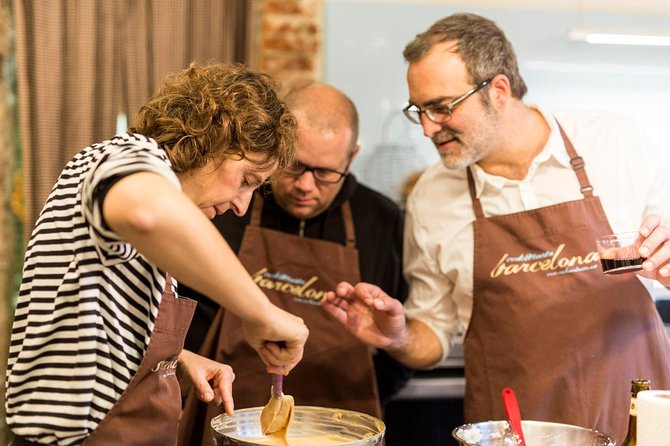
Barcelona’s best cooking lesson may be the one that lets you do the work. At Cook&Taste, you prepare a four-course meal with a local chef, then sit down with the group to eat it. The menu includes two seasonal tapas, paella, and dessert, with wine and small bites along the way.
I like the hands-on format, since you are not simply watching a chef perform. I also like the small group size, capped at 14, and the practical recipes you can take home. The main consideration is that the exact dishes and type of paella can change with the season, weekday, and dietary needs in the class.
Key points to know
- Four-course meal: Prepare two tapas, a paella, and a traditional Spanish dessert.
- Real participation: You chop, mix, season, and cook rather than just observe.
- Small English-language group: The class has a maximum of 14 participants.
- Wine and snacks included: Local nibbles and alcoholic drinks are served during the lesson.
- Chefs vary: Sessions may be led by instructors such as Pamela, Marco, Carlos, Mariona, Maria, or Federico.
- Gothic Quarter setting: The class begins and ends at Carrer del Paradís, 3, close to public transportation.
Cooking Spanish food in the Gothic Quarter
The class begins at Cook&Taste Barcelona on Carrer del Paradís, 3, in Ciutat Vella. That puts you in the Gothic Quarter, a useful location if you want to pair the lesson with a walk through Barcelona’s oldest central streets.
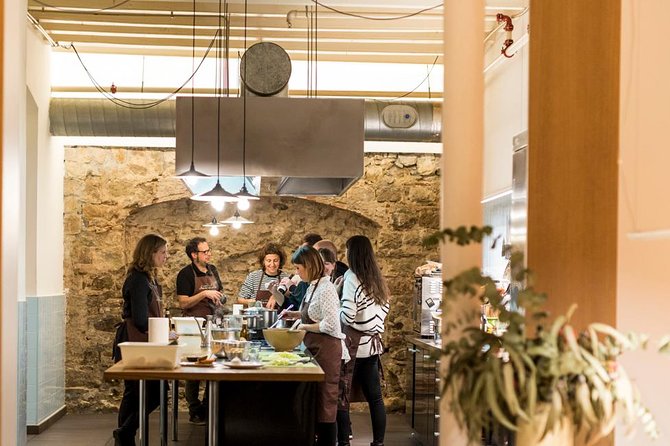
You will meet your chef and fellow participants, then settle into a shared cooking session. The class is offered in English, and the group can include people from several countries. That mix is part of the appeal. You are not just learning food preparation, you are also sharing a table and working through the meal together.
The four-hour length gives the class room to move at a comfortable pace. You are not forced through a rushed demonstration before being sent away. Instead, the session builds from preparation to cooking and finally to a shared meal.
The atmosphere is social, but this is still a cooking class. If you want a quiet, formal meal, choose a restaurant. If you enjoy asking questions, handling ingredients, and laughing over a glass of wine, this format should suit you well.
More Food Tours in Barcelona
- Barcelona: Tablao Flamenco Cordobes with Food/Drink Options
★ 4.6 · 4,368 reviews - Barcelona: Tapas Walking Tour with Food, Wine, and History
★ 4.8 · 4,261 reviews - Barcelona: Food Walking Tour with Tapas and Wine
★ 4.9 · 2,180 reviews
Two tapas that change with the season
The first part of the menu is two seasonal tapas. This is a useful detail, not a minor footnote. You should not book expecting one fixed menu with the same ingredients every day.
Seasonal cooking allows the chef to use ingredients that are at their best, but it also means the exact dishes depend on the date of your class. Examples from the cooking sessions have included tomato bread, tortilla, romesco sauce, and gazpacho. These dishes give you a taste of both simple home cooking and more distinctly Catalan flavors.
Tomato bread is a good example of why this class can be useful for home cooks. The idea is simple, but the lesson can show you how a few basic ingredients become a proper Spanish starter. Romesco sauce offers a different sort of lesson, with more attention to combining ingredients and building flavor.
You should expect to take an active role. Participants have described chopping onions, preparing sauces, mixing ingredients, and working through the steps rather than watching from the side. That matters if you want to remember the process after returning home.
The class is suitable for beginners, but experienced cooks should still find useful tips. The recipes are designed to be practical, and the chefs add small suggestions that may not appear on the printed page. You receive the recipes afterward, so take notes during the lesson if you want to remember substitutions or techniques.
Paella as the main event
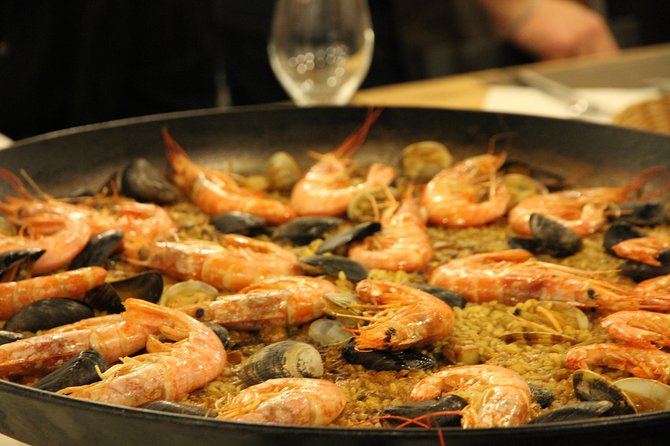
Paella is the main dish, and it usually becomes the focal point of the class. The style may be seafood, vegetarian, or chicken, depending on the day and the dietary needs of the group.
That flexibility is helpful, but it also means you may not be able to select your preferred version in advance. If seafood is important to you, or if you specifically want chicken paella, confirm the arrangements when booking. The class makes adjustments for dietary needs, but the menu is shaped by the whole group.
The paella lesson is more than a recipe handout. You hear about the dish’s background and the different opinions surrounding its preparation. That cultural context helps explain why paella is more than a generic rice dish sold under a Spanish name.
The best part is that you eat the paella soon after preparing it. You can taste how the ingredients came together and compare the finished dish with the techniques you just practiced. One useful feature is the attention to measurements that work at home, including practical quantities for cooks using the US measurement system.
I would not expect restaurant-level precision from a group class. Fourteen people share the work, and the exact pace depends on the group. Still, the maximum size is reasonable for a lesson that promises participation. The cap keeps the cooking from turning into a crowded demonstration.
Finishing with a traditional Spanish dessert
Dessert closes the meal. The exact sweet may vary, but crema catalana has been part of the menu in some sessions. If you know this classic Catalan dessert from restaurant menus, making it yourself gives the dish a little more meaning.
The dessert portion also helps balance the class. You are not spending four hours on chopping and rice alone. The full meal gives you a clearer sense of how Spanish cooking moves from small starters to a shared main course and a sweet finish.
Some participants have found the dessert especially easy to reproduce at home. That is an advantage for anyone who wants recipes that fit an ordinary kitchen rather than a professional setup. The lesson is meant to send you home with food you can actually make, not just a pleasant memory.
More tapas nights in Barcelona:
- Barcelona Tapas Walking Tour: Food, Wine & History
★ 4.5 · 1,928 reviews - Barcelona Gothic Quarter Tapas & Taverns Food & Wine Tour
★ 5.0 · 1,470 reviews - Barcelona Food Tour: Tapas, Paella, Sangria & 8+ Local Tastings
★ 5.0 · 1,275 reviews - Barcelona: Guided Food Walking Tour with Tapas and Wine
★ 5.0 · 848 reviews
Wine, local snacks, and the shared table
Alcoholic drinks are included, along with snacks to nibble on while the food is being prepared. Wine is part of the social rhythm of the class, and it helps the group get acquainted while the next dish cooks.
You should pace yourself. The class lasts about four hours, and the wine is served during the cooking as well as with the meal. Nonalcoholic preferences are not specified in the available information, so ask the provider if that matters to you.
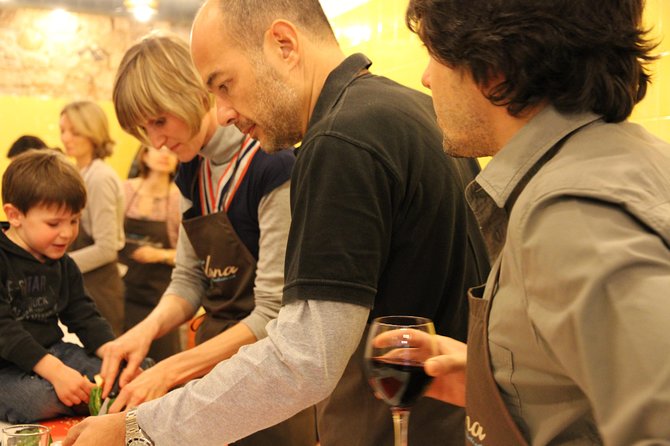
The shared meal is one of the strongest parts of the experience. You sit down with the people who helped prepare the food, which gives the final course a sense of occasion. It also means the class is a good fit for families, couples, and small groups who want an activity that encourages conversation.
Families have used the class successfully, including participants with allergies. The kitchen has adapted dishes when needed, but you should make dietary requests in advance. Vegan options are available upon request.
The chefs make a real difference
The instructor changes from session to session. Names associated with the classes include Pamela, Marco, Carlos, Mariona, Maria, and Federico.
Pamela is described as warm, clear, and engaging, with a talent for keeping the lesson fun while explaining the food. Marco has led classes focused on romesco sauce, tomato bread, paella, and dessert, while also offering restaurant and food suggestions for the rest of your time in Barcelona.
Carlos has been praised for involving everyone in the cooking and keeping the mood relaxed. Mariona has worked well with younger participants, and Maria and Federico have led friendly classes for mixed groups. These details suggest that the teacher’s personality is part of the experience, although you cannot select a particular chef unless the provider confirms it.
The common strength is the teaching style. You can ask questions as you work, and the chefs explain more than the bare recipe. If you are curious about Catalan ingredients, cooking habits, or the story behind a dish, speak up. The class rewards participation.
How much value do you get for $90.74?
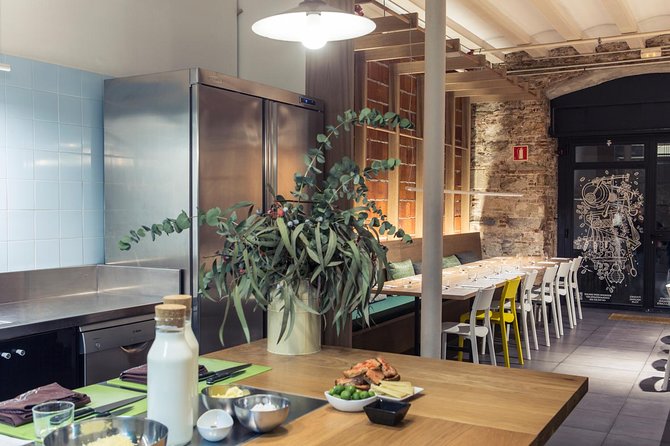
At $90.74 per person, this is not the cheapest meal in Barcelona. It is also not simply a meal. The price covers roughly four hours of instruction, ingredients, two tapas, paella, dessert, snacks, alcoholic drinks, and printed recipes.
The value depends on what you want. If your main aim is to eat as much as possible for the lowest price, a neighborhood restaurant will cost less. If you want a meal plus an activity, social time, cultural context, and recipes to use later, the price is more reasonable.
The amount of food is substantial. You prepare four courses, and the wine and snacks stretch the experience beyond a short demonstration. You are also paying for a chef to organize the ingredients, guide the group, answer questions, and adjust where possible for dietary needs.
A private class might offer more individual attention, but this experience is intentionally shared. With up to 14 people, you get a lively group without the scale of a large workshop. For a family, a small friend group, or a solo visitor who likes meeting people, that balance works well.
Timing, location, and practical planning
Plan on about four hours from start to finish. The activity ends back at the meeting point, so you do not need to arrange a separate return transfer.
The meeting point is Cook&Taste Barcelona, Carrer del Paradís, 3, in the Gothic Quarter. It is near public transportation, and the central location makes it easy to add a walk before or after class. Allow time to find the address in the narrow old streets, especially if you have a tight schedule afterward.
The class is offered in English and uses a mobile ticket. Confirmation is sent within 48 hours of booking, subject to availability. Since the experience is often booked well ahead, around 44 days in advance on average, reserve early if your Barcelona dates are fixed.
Free cancellation is available until 24 hours before the start time for a full refund. Cancellations or changes made within 24 hours are not refunded or accepted. The class also requires a minimum number of participants, so if the provider cancels because that number is not reached, you receive a different date or experience, or a full refund.
Tips are not included. Bring a little extra for the chef or staff if you feel the service deserves it.
Who should take this class?
I would recommend it to anyone who wants a structured food activity rather than another sightseeing stop. It works particularly well on a longer Barcelona visit, when you can spare half a day and want to connect food with local culture.
It is a good choice for:
- Couples who want a shared activity with a meal at the end
- Families with children old enough to take part in kitchen tasks
- Solo visitors who enjoy meeting people around a table
- Small groups celebrating together
- Beginners who want clear recipes and practical instruction
- Home cooks interested in paella and Catalan sauces
It may not suit you if you dislike group activities, do not drink alcohol, or want a guaranteed menu. The class is social, and the recipes can change. You also need to be comfortable sharing tasks rather than controlling every step of the meal.
The class is not presented as a professional chef certification course. Its strength is approachable cooking, local context, and a meal you help create. You will learn more by asking questions and volunteering for tasks than by standing back.
What makes the class worth remembering?
The strongest feature is the connection between preparation and eating. You chop the onion, stir the sauce, help with the paella, and then taste the result at the same table.
I also like that the recipes appear designed for ordinary home kitchens. Participants have taken away recipes for paella, tapas, and dessert, along with measurements that make sense outside Spain. That gives the class value after your holiday ends.
The cultural side is modest but useful. You hear local stories and food traditions while handling the ingredients, rather than sitting through a long lecture. The setting in the Gothic Quarter adds a fitting backdrop without requiring a separate sightseeing route.
The high rating of 4.9 from 189 ratings, with 97 percent recommending the experience, matches the main strengths: friendly chefs, tasty food, active participation, and a relaxed group setting. Still, you should read those strengths alongside the flexible menu and shared format. No single class can promise the same chef, dishes, or group mood every time.
Should you book it?
Book this class if you want to cook your own Spanish meal, meet people, and leave Barcelona with recipes you can use. The four-hour format, included wine, generous meal, and small group make the $90.74 price fair for an activity that combines a lesson with lunch or dinner.
Before booking, check your dietary needs and ask about the expected paella style if that matters to you. If you prefer a fixed menu or a quiet meal, choose a restaurant instead. For most visitors who want food, conversation, and a practical taste of Catalan cooking in one afternoon or evening, Cook&Taste is a strong choice.
FAQ
How long does the Barcelona cooking class last?
The class lasts approximately four hours, including food preparation and the shared meal.
Where does the cooking class begin and end?
It begins and ends at Cook&Taste Barcelona, Carrer del Paradís, 3, Ciutat Vella, 08002 Barcelona, Spain.
What dishes will I prepare?
You prepare two seasonal tapas, paella, and a traditional Spanish dessert. The exact tapas and type of paella may vary by season, weekday, and dietary needs.
Is wine included?
Yes. Alcoholic beverages and local snacks are included, along with the tapas, paella, and dessert.
Can the class accommodate vegan or other dietary needs?
A vegan option is available upon request. The class can also adapt for some allergies and other dietary needs, so provide that information in advance.
What happens if I need to cancel?
You can cancel up to 24 hours before the start time for a full refund. Cancellations or changes made less than 24 hours before the experience are not refunded or accepted.
More Workshops in Barcelona
- Hanoi: Handcrafted Wood Carving Workshop with Local Artisan
★ 5.0 · 733 reviews - Brussels: Waffle Making Workshop – All You Can Eat
★ 4.6 · 615 reviews - Paris: French Macaron Culinary Class with a Chef
★ 4.9 · 591 reviews - Milan: Italian Cooking Class with Food and Wine
★ 4.7 · 509 reviews
More Cooking Classes in Barcelona
- Small Group Cooking Class & Market Food Tour in Florence
★ 5.0 · 1,574 reviews - Athens: Food Market Visit and Cooking Class with Wine
★ 4.9 · 1,087 reviews - Undiscovered Charleston: Half Day Food, Wine & History Tour with Cooking Class
★ 5.0 · 948 reviews - Vietnamese Food Cooking Class in Hanoi with Market Experience
★ 5.0 · 778 reviews
Just added around Barcelona
- Vidavivida Wine Journey Food and Culture Tour in Barcelona★ 5.0 · 23 reviews
- Barcelona Morning Tapas Crawl by Food Tour★ 5.0 · 45 reviews
- Food & Drink Tasting Private Tour & Sagrada Familia Skip the Line★ 4.5 · 30 reviews
- Food & Drink Private Tour of Barcelona in Traditional Taverns★ 4.5 · 32 reviews
- Sip, Sites & Bites Barcelona Food, Drinks & History Tour★ 4.5 · 95 reviews
- Savor Spain: Food, Wine, History & Culture Small Group Tour in Old Barcelona★ 5.0 · 140 reviews
- Food and Wine Small Group Tour from Barcelona – Maximum 8 people★ 5.0 · 111 reviews
- Barcelona Private Food Tour: Tapas, Paella & 8+ Food Tastings★ 5.0 · 164 reviews
Food Tours in Barcelona, compared.
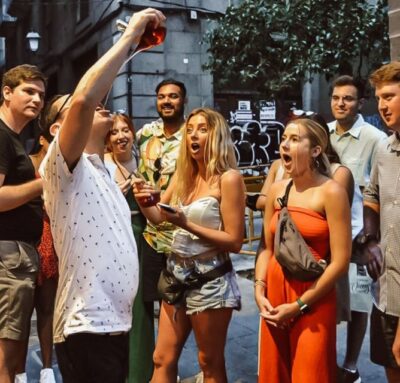
Tapas Walking Tour with Food, Wine, and History
Read our review →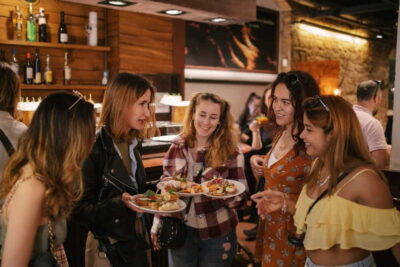
Barcelona Tapas Walking Tour: Food, Wine & History
Read our review →
Barcelona Gothic Quarter Tapas & Taverns Food & Wine Tour
Read our review →
Barcelona Food Tour: Tapas, Paella, Sangria & 8+ Local Tastings
Read our review →
El Born Food Walking Tour with Tapas and Drinks
Read our review →
Barcelona Old Town Tapas Tour: Vermouth, Bites & Hidden Gems
Read our review →Browse the lists this tour appears in