
REVIEW · CHINA
Beijing Private Hutong Food Walking Tour
Beijing’s best food lesson may happen in a narrow hutong, not in a grand dining room. This private four-hour walk takes you through Dongsi Hutong and LongFuSi Jie, stopping at small local eateries for more than 20 tastes, from jian bing and dumplings to sweet snacks, noodles, and perhaps a daring bite such as pig intestine or donkey burger.
I like two things right away: the private format, which lets your guide adjust the pace and food choices, and the chance to eat in places you might never find or order from alone. Guides such as Allen, Jay, Miko, Lucy, and Anson are praised for explaining customs, helping with local apps and transport, and making the walk feel personal.
The main consideration is simple: this is a lot of food. Come hungry, but do not expect to finish every serving. The tour is also more useful if you enjoy walking, unfamiliar flavors, and food served in ordinary local places rather than polished tourist restaurants.
Key points to know before booking
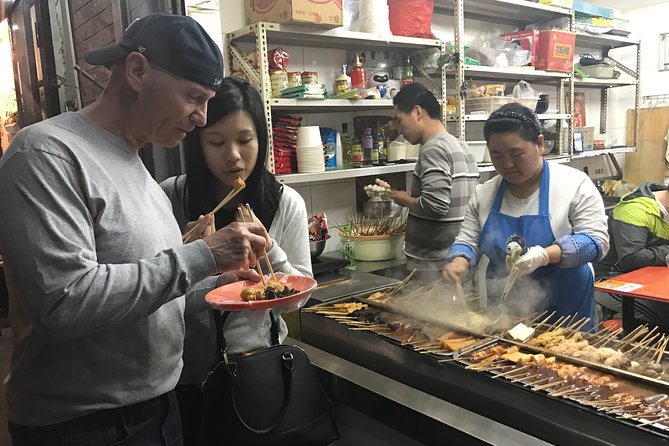
- More than 20 tastings in four hours: You sample a wide range of Beijing food instead of sitting down for one large meal.
- Two old-city areas: Dongsi Hutong fills the first half with lanes, courtyards, shops, and neighborhood life, followed by food stops around LongFuSi Jie.
- A truly private outing: Only your party joins the guide, so the pace and level of adventure can be adjusted.
- Guides who do more than order food: Allen, Jay, Miko, Lucy, Anson, Mike, May, Kevin, and Kassie are noted for food explanations, history, photos, and practical Beijing help.
- Dietary requests need advance notice: Vegetarian food is available, and specific restrictions can be discussed before the tour.
- The price includes tastings and water: At $82 per person, the value depends on how much you value variety, local guidance, and the convenience of having someone order for you.
Why a hutong food walk works so well in Beijing
A hutong is more than an old lane. It is a neighborhood pattern of narrow streets, courtyard homes, small businesses, produce sellers, and daily routines that have survived beside modern Beijing. Walking through one gives you a better sense of how the city works at street level.
This tour uses food as your way in. You are not simply shown an old quarter and handed a historical talk. You stop to taste what people buy, ask how it is eaten, and learn why certain dishes matter in Beijing life. That makes the architecture easier to understand. A courtyard house is not just an attractive old building when you have also seen the neighborhood bakery, market, and noodle shop that serve the people living nearby.
The private setup matters here. In a large group, food orders can become fixed and the guide has less room to respond to your appetite or curiosity. With only your group and a guide, you can ask about ingredients, linger over a dish, or move on if a particular flavor is not for you.
More food walks around Beijing:
- Beijing Hutong Walking Food and Beer Tour at Hidden Restaurants
★ 5.0 · 1,132 reviews - Beijing: Hutong Culinary Walking Tour with 15+ Tastings
★ 5.0 · 162 reviews - Beijing Walking Food Tour with a Local Friend
★ 5.0 · 73 reviews
Dongsi Hutong, where the food and old city meet
The first two hours focus on Dongsi Hutong, described as one of the more local-feeling parts of the walk rather than a lane designed only for sightseeing. You can expect a mix of walking, food stops, and explanations about the neighborhood as you go.
The architecture is part of the meal. Your guide may point out traditional courtyard homes and explain how old Beijing neighborhoods were arranged. The area also gives you a look at small shops and everyday street scenes that are easy to miss when you move between major attractions by taxi or tour bus.
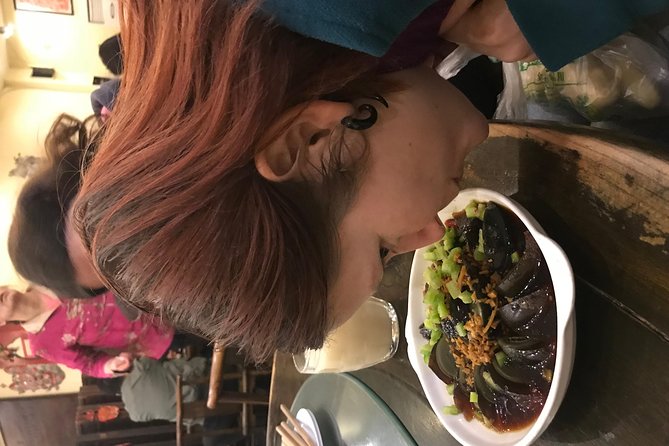
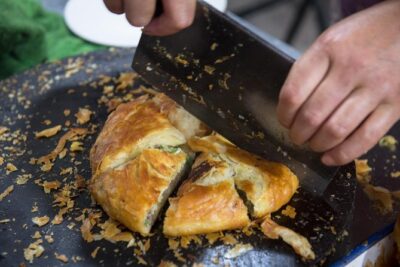
Food stops can include local markets, bakeries, shops, and modest restaurants. The exact choices may change, but the aim is range. You might taste jian bing, a savory crepe-like breakfast food, several types of dumplings or wontons, noodles, beef dumplings, street snacks, and small sweet items. Traditional foods such as douzhi, a Beijing specialty with a strong and unusual flavor, may also appear.
Your guide shows you how to eat unfamiliar dishes and explains the ingredients and customs around them. This is especially useful when a menu has no English or when a dish arrives in a form you would not recognize. One guide also used a Michelin-recommended dumpling stop, while another arranged seats ahead of time so the group spent little time waiting.
Do not expect every taste to become a favorite. That is part of the point. You may find a new favorite, politely pass on an unfamiliar item, or discover that a food is more interesting culturally than it is delicious. The tour gives you a safe way to try foods you probably would not order on your own.
LongFuSi Jie and the second half of the tasting
The second two-hour section moves to LongFuSi Jie, where the food sampling continues across a range of stops. The gradual pace works well because you walk between tastes instead of eating one heavy meal at a single table.
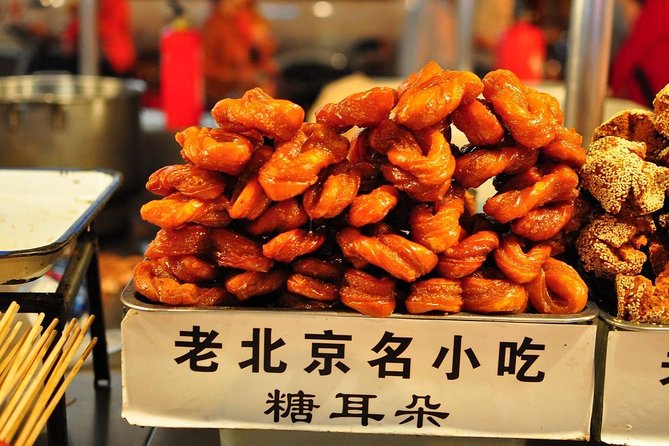
The stop sequence can include savory food, soup, baked items, dumplings, noodles, and sweets. A typical selection described by past participants included a filled crepe, dumplings and wontons, a self-serve-style hot soup bowl, traditional sweet snacks, and donkey burgers. The last item may sound startling, but the point is to sample a local specialty with a guide who can explain it and help you decide if you want to try it.
Some foods are served as small tastes, but the total quantity can still be substantial. You may receive more than 20 different samples, and you are not expected to finish everything. A sensible approach is to take a few bites, talk about the dish, and save room for the next stop.
This part of the walk also gives your guide room to compare regional flavors and explain how Beijing food differs from dishes you may have eaten elsewhere in China. The focus is not a formal cooking class. It is more practical: what the food is, how locals eat it, where it fits in the city’s food culture, and what to look for if you want to order it again.
What the private guide adds
The strongest reason to choose this outing over a self-guided food crawl is the guide. You get help with ordering, translation, pacing, and context all at once.
Miko, for example, has been praised for demonstrating how to eat each dish, answering questions, taking photos, and sharing stories while walking. He also helped visitors understand the Beijing subway and use a DiDi app. That kind of assistance can be valuable early in a China trip, when basic transport tasks may take more time than expected.
Lucy is noted for explaining traditional multi-generational courtyard homes and for helping with subway navigation and useful apps. Jay is praised for handling dietary concerns carefully and for making the evening work even when a vegetarian request had not been passed along perfectly. Anson is known for clear explanations of food and culture, while Mike is described as flexible when a guest wanted to avoid certain dishes.
These examples point to a useful feature of the private format: the outing need not be identical for every group. Vegetarians have had the menu adapted, and guides have changed plans when someone did not want intestines or another adventurous food. Still, you should give all dietary needs when booking. Do not assume the guide can solve a serious allergy at the last minute.
A few more food tours around Beijing worth comparing
- Beijing Walking Food Culture Tour in Hutong and Hidden Places
★ 5.0 · 59 reviews - Experience Beijing Walking Food Tour Private
★ 5.0 · 56 reviews - Reykjavik Food Walk – Local Foodie Adventure in Iceland
★ 5.0 · 18,952 reviews - Little Havana Food and Walking Tour in Miami
★ 5.0 · 8,882 reviews
The food adventure, from familiar to daring
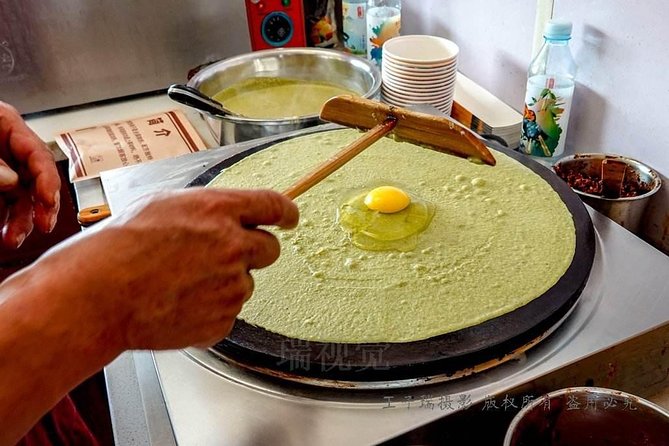
The selection is designed to build confidence. You may start with something easy to recognize, then move toward dishes that require more explanation.
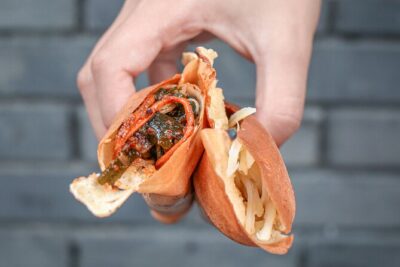
Jian bing is a good example of why a guide helps. You can see it being prepared, but understanding the fillings, texture, and customary way to eat it makes the stop more than a quick snack. Dumplings and wontons offer a familiar entry point, while noodles and hot soup show different textures and serving styles.
Then come the choices that test your adventure level. Pig intestine has appeared as an optional taste, and donkey burgers have provided one of the more memorable stops. Traditional sweets may be less exciting to every palate, but they reveal the food customs of old Beijing. Douzhi can also divide opinions because its flavor is distinctive. I would try it if you want a true local reference point, but I would not order a large serving before knowing how you feel about it.
The useful rule is to stay curious without treating every bite as a challenge. Tell your guide what you already like, what you will not eat, and how far you want to go. The best part of a private food tour is that adventure can be adjusted rather than forced.
Is $82 per person a fair price?
At $82 per person, this is not the cheapest way to eat in Beijing. Local dishes at ordinary shops can cost far less if you know where to go and can order confidently.
The comparison changes when you count what is included. The price covers a professional private guide, bottled water, and more than 20 food tastings. You also receive help finding the stops, ordering in places that may not have English menus, learning how each dish is eaten, and understanding the neighborhood.
For a first day or two in Beijing, that can be good value. You get a map of local flavors and a list of dishes to seek out later. You also avoid spending an evening guessing at menus or choosing only food that looks familiar.
The private transfer is included only if you select that option. Without it, transportation costs are extra. Subway travel may be part of the practical experience, and guides have helped people use local transport, but you should check which transfer option you choose before paying.
Timing, walking, and what to eat beforehand
The experience lasts about four hours. That is long enough to cover both listed areas without turning the outing into a rushed checklist, but you should be ready to walk and stop repeatedly for food.
Wear comfortable shoes. Hutong lanes can be uneven, and the day may involve moving between several small businesses rather than staying in one comfortable dining room. Restrooms are available at points along the route, though this is still a walking tour rather than a sit-down restaurant meal.
Do not eat a full meal beforehand. The volume is one of the tour’s defining features, and many people are full well before the final stop. A light breakfast or snack makes more sense than arriving after lunch.
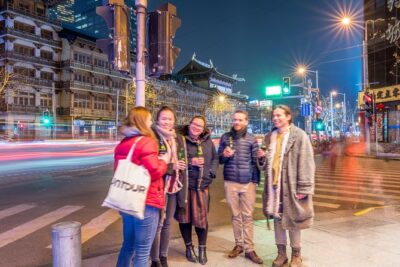
The tour can work in the afternoon or evening, depending on the selected departure. One evening outing included hutong walking after dark, which gave the old lanes a different mood. Rain does not automatically end the experience, but sensible shoes and a light rain layer are wise.
Who will get the most from this tour
I would recommend it most strongly to first-time visitors who want an introduction to Beijing food without spending days researching restaurants. It is also a good choice for anyone who likes history best when it is tied to ordinary life.
Food lovers will appreciate the number of stops, while cautious eaters can benefit from having a guide explain what is on the plate before they try it. Families may like the private format, since the pace can be adjusted and children aged one to six are free.
Vegetarians can book the vegetarian option, but dietary needs should be stated at the time of booking. The experience is less suited to someone who wants a refined tasting menu, a single famous restaurant, or a very gentle sightseeing walk with little food risk.
Because the group is private, it can suit different walking speeds. One guide slowed the pace for an older family member, while another helped a guest with diabetes choose more carefully. Those adjustments are useful, but they work best when you communicate clearly before the start.
My verdict on this Beijing food walk
I would book this tour if I wanted to understand Beijing through its everyday food rather than through major sights alone. The combination of Dongsi Hutong, LongFuSi Jie, old courtyard neighborhoods, small eateries, and 20-plus tastings gives you a broad first look at the city’s food culture.
The best value comes from the guide. Allen, Jay, Miko, Lucy, Anson, Mike, May, Kevin, and Kassie have each been associated with the qualities you want here: flexibility, clear explanations, humor, care with dietary needs, and practical help beyond the meal.
Book it early in your Beijing stay if you can. You will learn what jian bing, dumplings, noodles, sweets, douzhi, and other local specialties taste like, then use that knowledge for the rest of your trip. Skip it if you dislike walking, tasting unfamiliar foods, or eating many small portions in modest local venues.
Free cancellation is available if you cancel at least 24 hours before the start time. Changes or cancellations inside that window are not refunded.
FAQ
How long does the Beijing Private Hutong Food Walking Tour last?
The tour lasts approximately four hours, with about two hours focused on Dongsi Hutong and two hours around LongFuSi Jie.
How many foods will I taste?
The experience includes more than 20 food tastings. These can include dishes from markets, bakeries, small shops, and local restaurants.
Is this a private tour?
Yes. Only your own group participates in the private activity.
Is transportation included?
Private transfer is included only when you select the transfer option. If you book without transfer, transportation costs are not included.
Is pickup available?
Pickup is offered. The exact pickup arrangements depend on the option selected when you book.
Can vegetarians join the tour?
Yes. A vegetarian option is available, but you need to request it when booking.
Can I report dietary requirements?
Yes. You should provide specific dietary requirements at the time of booking so the food choices can be planned appropriately.
Are children allowed, and do young children pay?
Most people can participate, and children aged one to six years old are free.
What is the cancellation policy?
You can receive a full refund if you cancel at least 24 hours before the experience start time. Cancellations or changes made less than 24 hours before the start are not refunded or accepted.
Just added around Beijing
- Experience Beijing Walking Food Tour Private★ 5.0 · 56 reviews
- Authentic Local Food Tour in Center Beijing★ 5.0 · 26 reviews
- Beijing Hutong Breakfast Food Tour★ 5.0 · 155 reviews
- Authentic Old Beijing Hutong Food and Beer Private Tour★ 5.0 · 49 reviews
- Beijing Hutong Breakfast Food Tour★ 5.0 · 120 reviews
- Beijing Walking Food Culture Tour in Hutong and Hidden Places★ 5.0 · 59 reviews
- Beijing Walking Food Tour with a Local Friend★ 5.0 · 73 reviews
- 3-Hour Private Night Tour: Beijing Foodie Experience★ 5.0 · 53 reviews
Food Tours in China, compared.
Authentic Local Food Tour in Central Shanghai
Read our review →
Beijing Hutong Walking Food and Beer Tour at Hidden Restaurants
Read our review →
Eat Like a Local Through Shanghai’s French Concession
Read our review →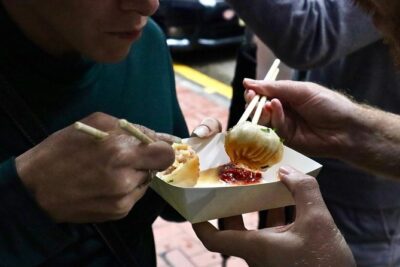
Hong Kong’s Tin Hau Hidden Eats Food Tour with 7+ Local Tastings
Read our review →Browse the lists this tour appears in