
REVIEW · MOROCCO
Discovery of Moroccan Culinary Heritage, History and Secrets
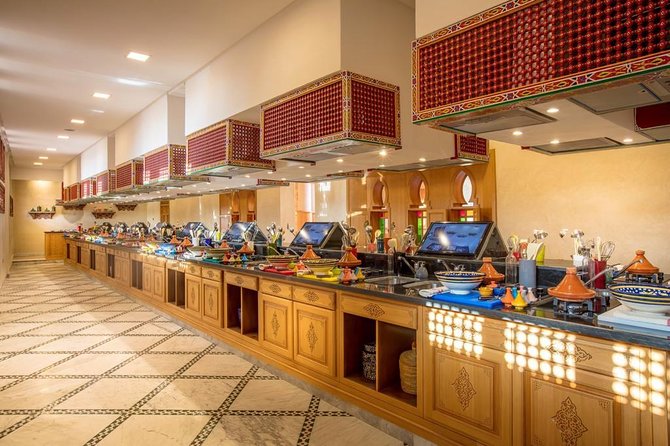
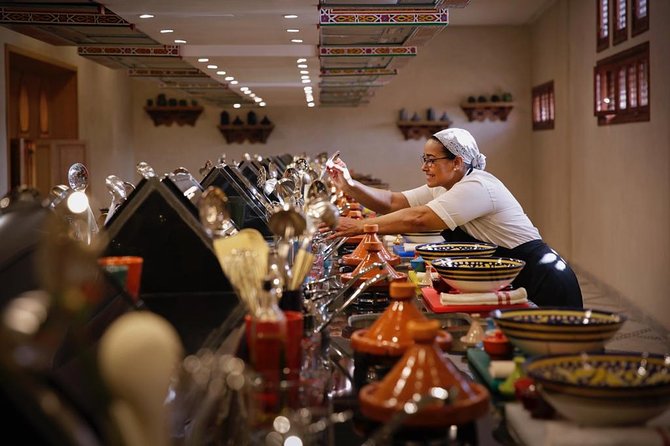
The real treat here is not simply eating Moroccan food. You get to see how it is made, from the careful dosing of spices to bread baked in a neighborhood oven. The class takes place in a restored riad with a Moroccan living room, a terrace, and 34 teaching stations, so you learn by doing rather than watching from the sidelines.
I like the clear link between food and daily life, especially the visit to the local bread oven and herbalist. I also like that a traditional cook, known as a Dada, leads the cooking rather than a detached demonstration chef. The main consideration is timing: the experience is sold as about two hours, though its description also calls it a half-day class, so confirm the schedule when you book.
Key things to know before you book
- You cook several Moroccan dishes: Expect instruction on tajine, couscous, salads, bread, and dessert-style preparations depending on the class plan.
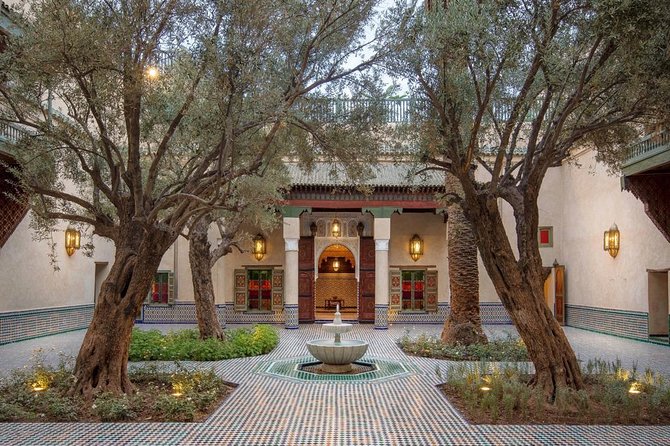
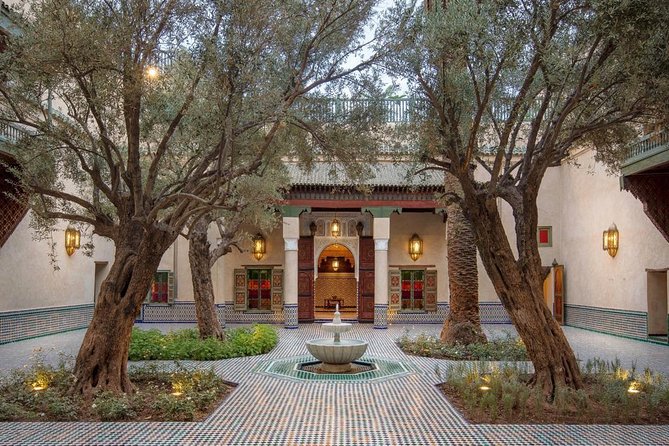
- The setting is part of the experience: The museum occupies a beautifully restored riad near Bahia Palace, with a courtyard, Moroccan rooms, and a rooftop terrace.
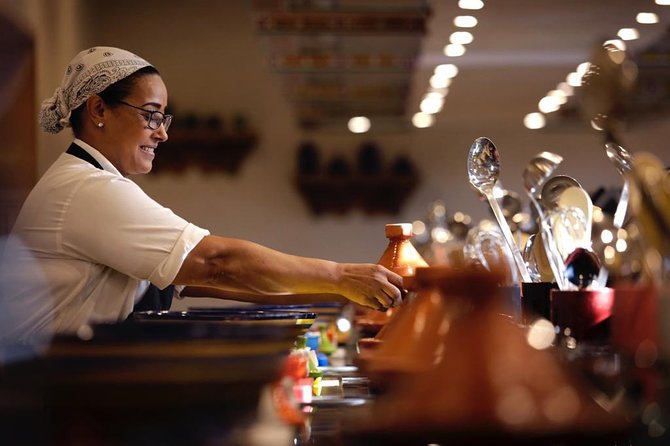
- A Dada teaches the class: This traditional Moroccan cook demonstrates spice blending, baking, and cooking methods used in home kitchens.
- You see food beyond the classroom: The program includes a bread oven and a neighborhood herbalist, where you learn where spices and herbs come from.
- The group can be large: The maximum is 34 people, though the purpose-built kitchen gives each participant a station.
- Wine costs extra: Water, lunch, coffee, and tea are listed as included, but alcoholic drinks are not.
A cooking class inside Marrakech’s culinary museum
The Moroccan Culinary Arts Museum sits on Rue Riad Zitoun el Jdid, close to Bahia Palace in the old city. You begin and end at the museum, which makes the activity easy to fit into a day of sightseeing around the southern medina.
The building is one of the strongest parts of the experience. It is a restored riad with the quiet charm of a traditional Moroccan house. Expect tiled surfaces, courtyards, displays about food, and rooms arranged around the culture of eating and cooking. The museum has several floors and a terrace, so allow a little time to look around rather than treating the building as a simple classroom.
I like this setting because it gives the cooking a sense of place. You are not learning tajine in a generic hotel kitchen. You are surrounded by the architecture, tableware, bread-making traditions, and hospitality customs that make Moroccan food feel connected to everyday life.
The museum displays may appeal most to visitors who enjoy objects, photographs, videos, and explanations of food traditions. Some people may find the displays less gripping than the class itself. That is a fair point: the cooking is the active part of the visit, while the museum works better as context before or after you cook.
More food and history walks in Morocco:
- Amsterdam Food and Cultural Tour with Tastings
★ 5.0 · 4,315 reviews - Barcelona: Tapas Walking Tour with Food, Wine, and History
★ 4.8 · 4,261 reviews - Sevilla Food Tour: Tapas, Wine, History & Traditions
★ 5.0 · 3,468 reviews
Meeting the interpreter and the Dada
At the start, a French or English interpreter introduces the course and explains what is ahead. This matters because Moroccan cooking often depends on small details that are easy to miss, such as how much spice to use, when to add an ingredient, or how long a dish should cook.
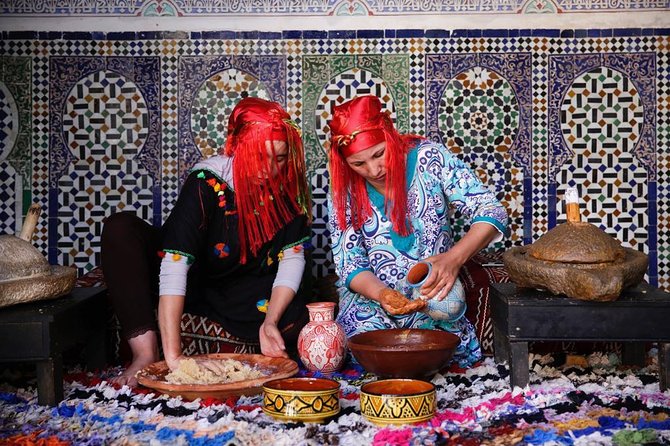
The Dada is the central figure in the kitchen. In Moroccan tradition, a Dada is a skilled cook who preserves and passes on household recipes. Here, the teaching focuses on practical methods rather than only presenting finished dishes. You should expect demonstrations, spoken instructions, and hands-on help from assistants.
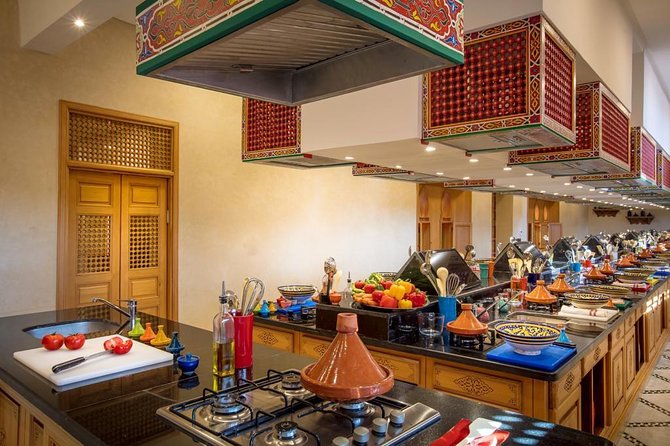
One useful detail is that the kitchen was designed for teaching. It has 34 individual stations, which is far better than trying to crowd around one cooking surface. The maximum group size is also listed as 34, so a fully booked session could feel busy. The individual stations should make the setup workable, but anyone wanting a quiet, private lesson should ask about the group size before paying.
Language is worth checking carefully. The experience can be arranged with French or English interpretation, but one past booking was conducted in French despite an English reservation. I would confirm your language in writing, especially if you need detailed instruction to follow the recipes.
Bread, spices, and the neighborhood visit
The bread demonstration is an excellent choice because bread is not just another item on a Moroccan menu. It is part of the daily rhythm of eating, and the course connects the dough-making process with a working bread oven in the district.
You also visit a neighborhood herbalist to see where herbs and spices come from. This is a useful addition because spice names on a menu do not tell you how Moroccan cooks actually use them. The class aims to explain flavor balance, not simply hand you a premeasured packet.
The visit also gives the experience a more local feel. You leave the museum briefly and see the food network around it: bread, herbs, spices, and the people who supply them. It is a small part of the schedule, but it helps explain why Moroccan cooking tastes different from a recipe copied at home.
The practical drawback is that the exact length and order of these stops are not clearly fixed. The experience is described as lasting about two hours, but it is also called a half-day course. If you have a palace visit, airport transfer, or dinner reservation afterward, leave plenty of space rather than assuming every part will run on a strict clock.
What you cook at the 34 kitchen stations
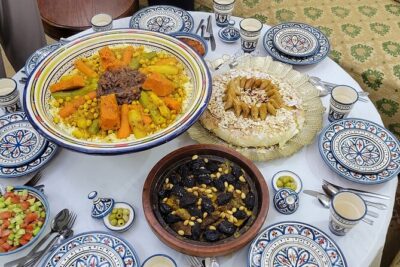
The class focuses on familiar Moroccan favorites, including tajine, couscous, salads, and bread. Past class descriptions also refer to dessert and three-course preparations, though the exact dishes may vary.
Tajine is the natural centerpiece. The word refers both to the conical cooking vessel and to the slow-cooked dish prepared inside it. You may learn how ingredients are layered, how spices are added, and how the lid keeps moisture circulating. This is valuable instruction for home cooks because tajine is less about complicated technique than about timing, balance, and patience.
Couscous is another key lesson. Good couscous depends on texture as much as flavor. A class setting lets you see how it is handled and served instead of receiving a finished mound at a restaurant.
Moroccan salads add contrast. They are often built from cooked vegetables, herbs, spices, and dressings, so they show how much variety can come from simple ingredients. A meal of salads, tajine, couscous, bread, and a sweet finish gives you a useful picture of Moroccan home cooking, not just one famous dish.
The class is suitable for complete beginners. The kitchen is organized for instruction, and assistants provide verbal and manual help when needed. That does not mean you should expect a private chef lesson. With a possible group of 34, the pace may be shared and the amount of individual attention may vary.
A few more food tours around Morocco worth comparing
- From Marrakech: Merzouga 3-Day Desert Safari with Food
★ 4.7 · 12,232 reviews - Marrakech: Street Food Tour with a Local Guide
★ 4.9 · 3,119 reviews - Marrakech: Street Food Tour by Night
★ 4.8 · 2,838 reviews - 3-Day Tour to Merzouga Erg Chebbi with Food & Camel Trek
★ 5.0 · 1,770 reviews
Eating what you made on the terrace
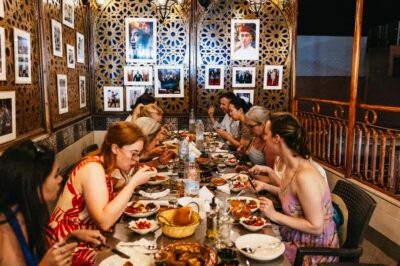
After the cooking, you sit down to eat the results. This is one of the best reasons to choose a hands-on class instead of a museum visit alone. You get to taste the food with a better understanding of the work behind it.
The terrace provides a pleasant finish, and the Moroccan living room adds another traditional setting for hospitality. Tea is part of the experience, including a Moroccan tea ceremony. Pay attention here: tea preparation is not treated as a quick beverage service. It is a small ritual, and it gives the meal a distinctly Moroccan close.
The listed inclusions are bottled water, lunch, and coffee or tea. Alcoholic beverages are not included. Moroccan wine may be offered as an optional discovery, but you should expect to pay extra for it.
There is a small inconsistency worth noting. One past booking reported being charged for water and not receiving tea or coffee, even though those items were advertised as included. That does not prove the same issue will occur on your visit, but it is sensible to confirm what is included at the beginning, especially if you choose the wine option.
How the museum adds value
You can visit the museum without taking the class, but the two parts make more sense together. The displays explain Moroccan food, preparation methods, utensils, serving customs, and the history of dishes. The class then turns that background into action.
The museum is also useful for understanding the difference between foods that can look similar on a menu. The experience can explain subjects such as bread, pastilla, tajine, and tangia, giving you more confidence when ordering elsewhere in Marrakech.
The building itself adds value to the ticket. It was recently restored and was once connected with the Bahia Palace complex. Its courtyard and rooms offer a calmer place to pause, particularly when the nearby palace is crowded.
Still, do not book this solely as a major museum attraction. Some displays may feel brief or less powerful than the architecture. I would choose the full experience if you want to cook, eat, and understand Moroccan food. If you only want a quick cultural stop, the museum visit and tasting option may be enough.
Price, group size, and practical value
At $69.79 per person, this is not the cheapest way to eat lunch in Marrakech. You can find a less expensive meal in the medina. The value comes from the combination of instruction, ingredients, museum access, cultural context, and the meal you prepare yourself.
For someone who wants a recipe lesson, the price is reasonable if the class runs as described. You are paying for a teaching kitchen, a traditional cook, interpretation, a neighborhood visit, lunch, and tea or coffee. The optional wine is separate, so include that in your budget if it appeals to you.
The group limit of 34 deserves attention. That is a fairly large possible class, but the 34 stations are designed to match it. A full class may have a friendly, social energy, while a smaller class should feel easier to follow. The right choice depends on what you want: a shared cultural activity or a focused private lesson.
The experience is near public transportation, and service animals are allowed. You meet at the Moroccan Culinary Arts Museum and return there at the end. Confirmation normally arrives at booking, though reservations made within one day of the activity are confirmed as soon as possible and depend on availability.
Free cancellation is available up to 24 hours before the start time. Inside that window, the amount paid is not refunded and changes are not accepted. Keep the local time in mind when making changes.
Who will enjoy this most
I would recommend this to anyone who plans meals as part of a trip. You do not need advanced kitchen skills. Beginners, couples, families, and older children can all find something useful here, provided they are comfortable with a shared class.
The experience also suits visitors who want more than a restaurant meal. You learn how bread reaches the table, where spices are bought, how a Dada organizes a dish, and why tea matters at the end of a meal.
Families should note that a 12-year-old has taken part successfully in the class, but the activity still requires attention and participation. It is not a passive museum tour.
I would be more cautious if your main goal is a small, private cooking lesson or a long, leisurely half-day. The advertised duration is approximately two hours, and the group may reach 34. Confirm the exact schedule and class language before booking.
Should you book the Moroccan cooking experience?
Book it if you want to connect Marrakech sightseeing with a practical food lesson. The combination of the restored riad, museum displays, bread oven, herbalist, Dada-led cooking, tea ceremony, and shared meal gives you much more than a standard restaurant visit.
The strongest parts are the teaching kitchen and the link to ordinary Moroccan food traditions. The weaker points are the uncertain timing, possible language mismatch, and the fact that wine and other alcoholic drinks cost extra. The museum is attractive and useful, though the displays may feel less memorable than the class.
For the best experience, confirm that English interpretation is arranged, ask what dishes are planned, and verify the included drinks before the class begins. If those details suit you, this is a good choice for a hands-on taste of Moroccan culture in the heart of Marrakech.
FAQ
Where does the cooking experience start and end?
It starts at the Moroccan Culinary Arts Museum on Rue Riad Zitoun el Jdid in Marrakesh and ends back at the same meeting point.
How long does the experience last?
The stated duration is approximately two hours. The description also refers to it as a half-day cooking class, so confirm the exact schedule when booking.
Is the class offered in English?
The experience provides a French or English interpreter. Confirm your preferred language in advance because language arrangements may vary.
What food will I learn to prepare?
The class covers Moroccan bread, tajine, couscous, salads, and other Moroccan dishes. The exact menu may vary.
Are food and drinks included?
Lunch, bottled water, and coffee or tea are listed as included. Alcoholic drinks are not included, though Moroccan wine may be available as an optional extra.
What is the cancellation policy?
You can cancel at least 24 hours before the start time for a full refund. Cancellations or changes made less than 24 hours before the experience are not accepted and are not refunded.
Just added around Morocco
- Fez Street Food Tour★ 4.5 · 33 reviews
- The Sunday Market in Had Draa & Local Food Tasting.★ 5.0 · 33 reviews
- Essaouira Guided Tour: 3 on 1 – Nightlife tour, Live like a local & Street food★ 4.5 · 32 reviews
- Cook Moroccan Food & Try on Traditional Clothes like a local★ 5.0 · 213 reviews
- Casablanca Food Tour★ 5.0 · 60 reviews
- Casablanca Food Tour – Moroccan Street Food Tour★ 5.0 · 86 reviews
- Authentic Food Tour in Agadir – Eat Like A Local★ 5.0 · 117 reviews
- Tangier: Food Walking Tour★ 4.9 · 43 reviews
Food Tours in Morocco, compared.
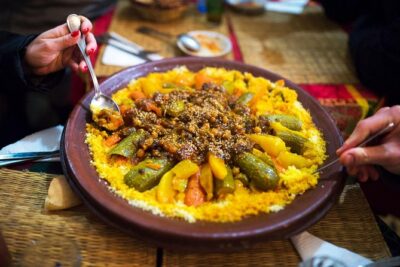

3-Day Tour to Merzouga Erg Chebbi with Food & Camel Trek
Read our review →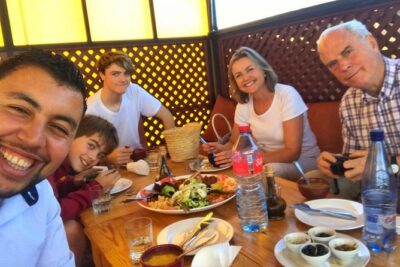
Authentic Moroccan Food Tour in Marrakech with Dinner
Read our review →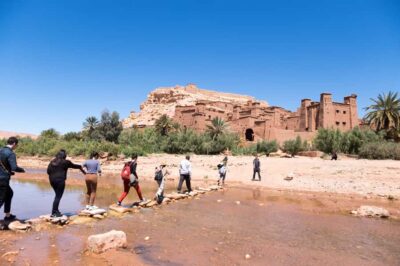
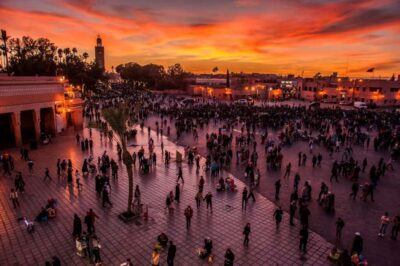
Cook Moroccan Food & Try on Traditional Clothes like a local
Read our review →Browse the lists this tour appears in