
REVIEW · MOROCCO
Tangier: Food Walking Tour
Tangier’s best food lesson may happen beside a market stall, not at a table. This three-hour walk takes you from Sour Meêgazine through M’Sallah, Grand Socco, and the Kasbah, with stops for caliente, bissara, stuffed dates, bread, olives, pastries, tagine, and other local bites. I like the mix of street food and sit-down eating, and I like that the guide explains how food connects to religion, family life, and daily work. The one concern is practical: the tour is not suitable for wheelchair users or people with mobility impairments.
I also like the local market stops, where you see produce sellers, artisans, and ordinary neighborhood life instead of moving from one polished restaurant to another. Guides such as Rabab, Mohammed, Ismail, Ahmed, and Anas are praised for adjusting the pace and food choices for families and dietary needs. Come hungry, wear good walking shoes, and expect to finish full.
Key points at a glance
- Six tasting stops and a full meal: This is more substantial than a quick sampling walk.
- A route through old Tangier: See M’Sallah, Grand Socco, Place de la Kasbah, and finish near Café Hafa.
- Local food with useful context: Learn about Moroccan customs, ingredients, religion, and home cooking.
- Flexible guiding style: Guides have adjusted food choices, pacing, and explanations for children and dietary restrictions.
- English-speaking guide: The tour is conducted in English.
- Important limitation: Uneven old-town streets and walking make this a poor fit for wheelchair users or people with mobility impairments.
Why this food walk works in Tangier
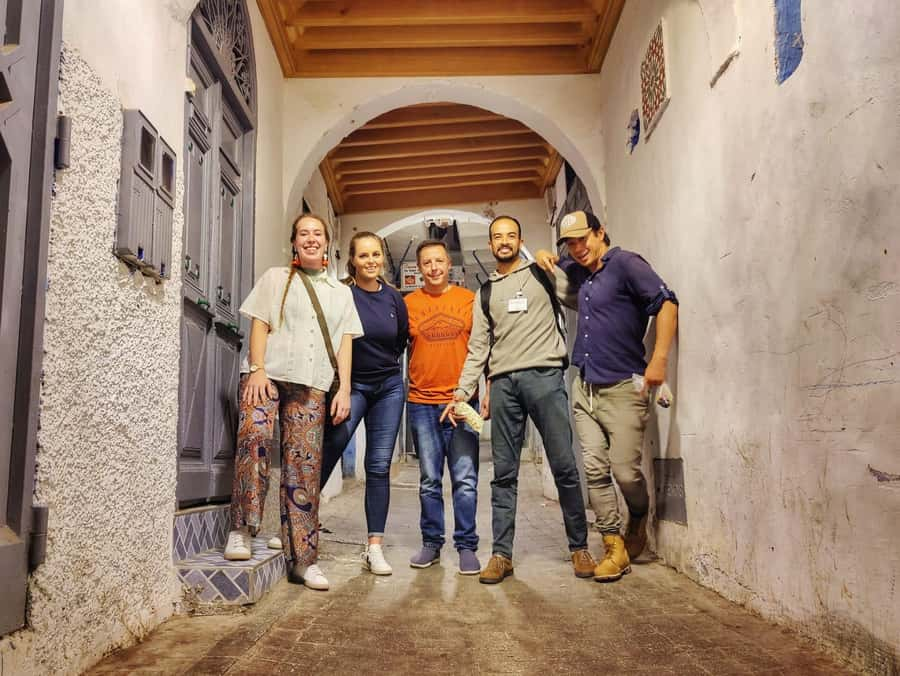
Tangier can be hard to read at first. The old city is a maze of narrow streets, busy market lanes, small cafés, and doorways that lead to places you would probably miss alone. A food tour gives you a reason to pause and look closely.
Food is the organizing idea, but the walk also covers history, customs, religion, and everyday life. Your guide can explain why a dish is eaten, how it differs from home cooking, and where locals buy ingredients. That makes each tasting more useful than simply receiving a plate and a name.
The strongest part of this experience is its variety. You are not confined to one restaurant. You may eat at a market vendor, a small local business, a café, and a sit-down restaurant, with the food spaced between walks and city views.
At $73 per person, the price is not the cheapest way to eat in Tangier. It does include six tasting stops, a full meal, bottled water, and the guide, so the value depends on how much you want a local introduction rather than a self-guided lunch. If you tried to recreate the same amount of food and paid separately for local guidance, the cost could add up quickly. The tour makes most sense early in your Tangier stay, when the advice about what to eat and where to shop can help with the rest of your visit.
More food walks around Morocco:
- Marrakech: Authentic Moroccan Food Walking Tour & Dinner
★ 4.8 · 261 reviews - Rabat: Walking Food Tour
★ 4.9 · 48 reviews - Reykjavik Food Walk – Local Foodie Adventure in Iceland
★ 5.0 · 18,952 reviews
Starting beside the third cannon at Sour Meêgazine
The meeting point is next to the third cannon, the one in the middle, at Sour Meêgazine. This is a precise landmark, but give yourself enough time to find it. In an old city, a short distance on a map can involve confusing turns and crowded lanes.
From here, you begin on foot. Transportation is not included, so you need to reach the meeting point on your own. The experience ends at Café Hafa, which means you should plan your next move from there rather than assume you will return to the start.
The route is three hours, but this is not three hours of steady walking. Tastings, explanations, and café time break up the distance. One family group found the pace manageable even with three children, and other accounts describe a calm walking rhythm. Still, comfortable shoes matter. Old-town streets can be narrow and uneven, and the activity is specifically not suitable for wheelchair users or people with mobility impairments.
M’Sallah: the first taste of local life
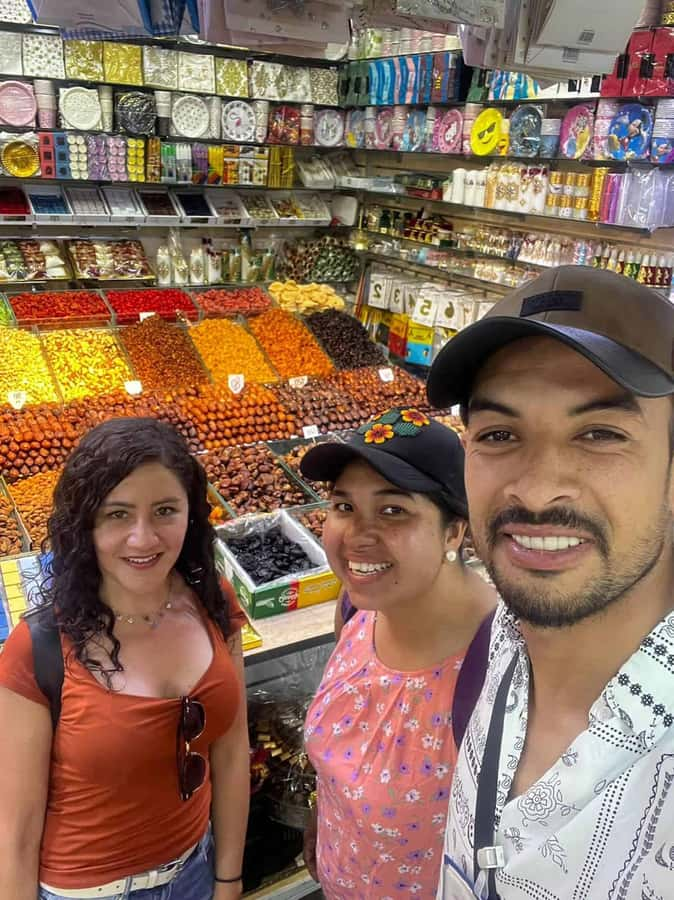
The first main section is M’Sallah, with about 45 minutes for guiding and food. This is where the tour begins to show you Tangier as a working city, not just a collection of viewpoints.
Expect traditional buildings, narrow passages, food sellers, and local products. Depending on the day and the exact stop, the food can include Moroccan staples such as caliente, a warm chickpea-based specialty, or other handmade snacks. Bissara, a comforting fava bean soup, and stuffed dates are also named among the foods associated with the walk.
The useful thing here is the explanation around the plate. Moroccan food is tied to time of day, family habits, religious practice, and local ingredients. A guide can tell you how a dish is made differently at home, what people commonly eat it with, and where you might buy more later.
Do not expect every stop to feel like a formal tasting room. Some food is likely to be eaten standing or in a simple setting. That is part of the point. You are seeing how food works in daily Tangier, not watching a staged cooking show.
Grand Socco: food, movement, and city connections
The next section is Grand Socco, with another 45 minutes for sightseeing and tasting. This part gives you a sense of how Tangier’s old and newer areas connect.
Grand Socco is a useful place for a guide to explain the city’s movement of people, goods, and ideas. You may see fresh produce, small vendors, and ordinary errands taking place around you. The tour’s strength is that your attention shifts between the street scene and the food in your hand.
Past tastings have included local bread, olives, meat pastry, soup, and a fruit smoothie. The exact menu can change, so do not book this expecting a fixed restaurant menu. That flexibility is useful when a vendor has something especially good that day, or when a dietary need calls for a change.
This is also a good stage of the walk to ask questions. Guides have explained the foods, local traditions, and places to shop after the tour. You can ask what to order later, what to bring home, or how a dish served in a restaurant compares with a version prepared in a Moroccan home.
A few more food tours around Morocco worth comparing
- Little Havana Food and Walking Tour in Miami
★ 5.0 · 8,882 reviews - New Orleans Food Walking Tour of the French Quarter with Small-Group Option
★ 5.0 · 6,118 reviews - Naples: Street Food Walking Tour with Local Guide
★ 4.9 · 4,976 reviews - Greek Food Walking Tour in Athens
★ 5.0 · 4,740 reviews
Place de la Kasbah: the most atmospheric stretch
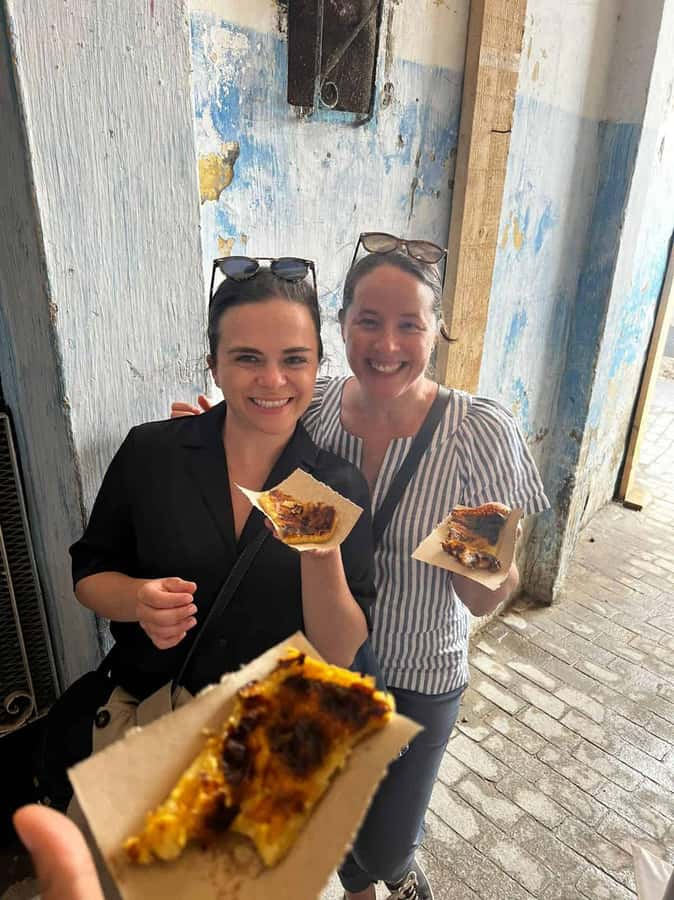
The longest stop is Place de la Kasbah, with about an hour of guiding and tasting. This is likely to be the most atmospheric part of the route, with old architecture, narrow lanes, and views across parts of Tangier.
The Kasbah is where the food walk becomes a broader introduction to the city. Your guide can point out traditional details that are easy to pass without context. A doorway, market lane, or small food counter becomes more meaningful when you understand how residents use it.
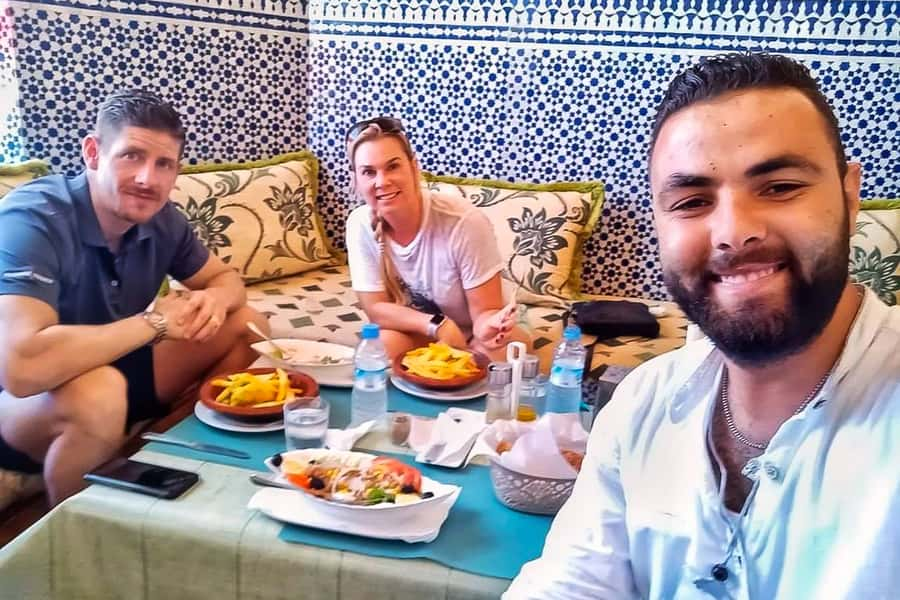
This is also where the meal component matters. The tour includes a full meal, not just a bite at each stop. Tagine has been part of the food served, along with bread, soup, olives, pastry, and other Moroccan dishes. You should plan to eat seriously at this point. The advice to arrive on an empty stomach is not a throwaway line.
The amount of food can be considerable. One person described being full before lunch and still eating a generous meal because it was so good. That tells you to avoid a large breakfast, especially if you want to try everything rather than choose only a few items.
The local café and a finish near Café Hafa
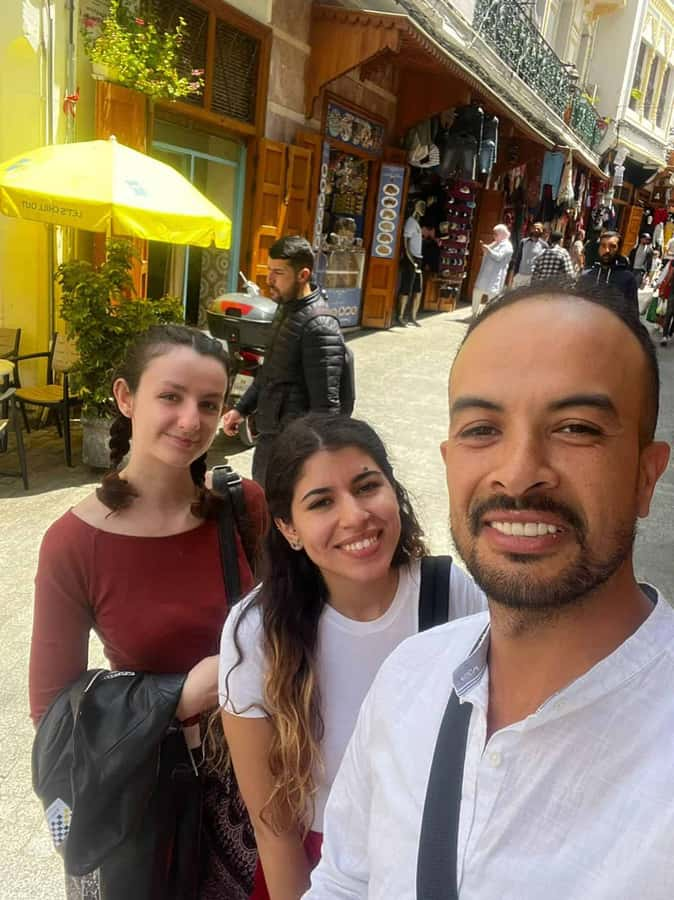
The final scheduled stop is a local café, with about 30 minutes for a break and more conversation. This provides a welcome pause after the market lanes and tasting stops. The café is not just dead time. It gives you a place to sit, digest, and ask about what you have seen.
The tour finishes at Café Hafa. This ending is practical as well as scenic, since it leaves you in a recognizable part of Tangier with a memorable view and a natural place to continue your afternoon.
The route is not designed as a long endurance hike. Food breaks keep it manageable, and the stops are spaced through the old districts. Even so, three hours on foot can be tiring in hot weather or for anyone who has trouble with uneven ground. Bring water, although bottled water is included, and wear shoes that can handle old streets.
What the guides add to the meal
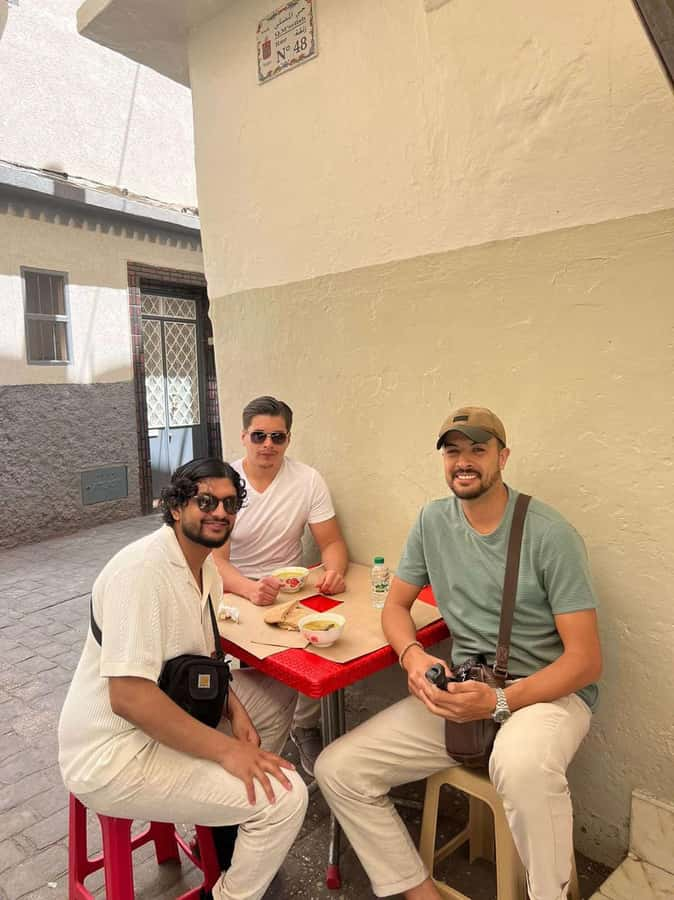
The guide can make or break a food tour, and this one depends heavily on the person assigned to your group. Several guides are named in the available feedback.
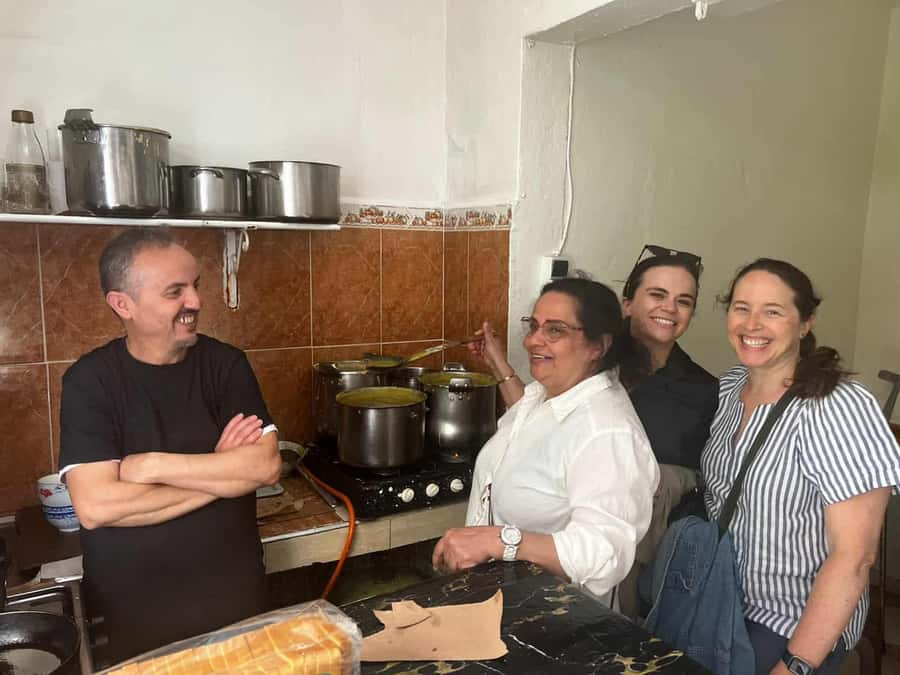
Rabab is described as friendly, well connected with the people at food stalls and restaurants, and able to adjust the experience for a group that included children. During Ramadan, she has also hosted a changed version of the activity built around an Iftar meal with her family. That is a major schedule and format change, so it is worth confirming what applies to your date.
Mohammed is praised for knowing the Medina and the region’s food traditions. His style appears to focus on explaining the city as he walks, rather than handing out food without context. He has also adjusted food for dietary needs and kept children involved.
Ismail is noted for connecting each place and dish with a story about Tangier. Ahmed is described as taking the route at a calm pace, with equal attention to food, drink, and history. Anas has been praised for showing the city through favorite local stops and for helping groups feel comfortable in an unfamiliar setting.
The common thread is personal attention. This is not simply a guide reciting dates while you follow. You are encouraged to ask questions, and the route may be adjusted a little for children, tastes, or food restrictions.
Dietary needs and the changing menu
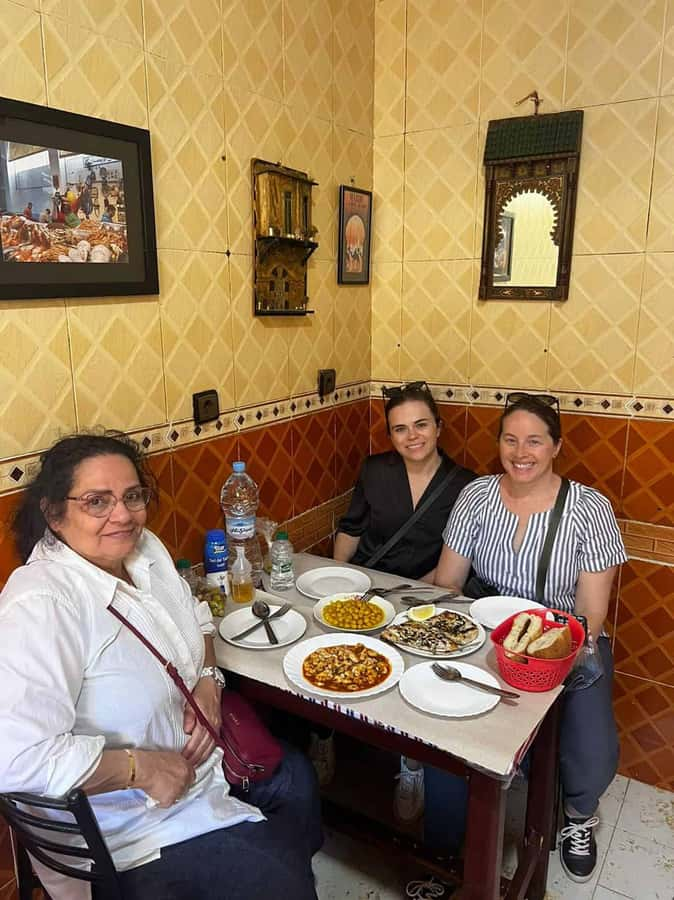
The provider says it can accommodate vegetarian, gluten-free, and lactose-free diets if you share your needs in advance. That is helpful, but you should still be clear when booking and again at the start of the tour.
A food walk involves several vendors and dishes, so substitutions may depend on what is available that day. Do not assume every tasting will be replaced with an identical alternative. Instead, tell the guide exactly what you cannot eat and ask which foods are safe at each stop.
The same flexibility applies to children. The route has been adjusted for family groups, and a guide may change portions or timing. Still, the tour includes a lot of food and walking, so it is best for children who can manage both without needing a stroller or wheelchair.
What the $73 price really buys
The $73 fee includes:
- Six tasting stops
- A full meal
- Guide service
- Bottled water
It does not include transportation. You also need to arrange your own way to Sour Meêgazine and away from Café Hafa.
The price is easiest to justify if you value access to small local places and want help understanding what you are eating. A self-guided wander through the Medina can cost less, but you may not know which stalls are worth trying, how to order, or what each food means. This tour bundles those decisions with a meal and a route through several old districts.
I would not choose it solely as a way to get a cheap lunch. You are paying for orientation, translation, local contacts, and the chance to ask questions. For a first day in Tangier, that can be useful. For a visitor who already knows the Medina and prefers to eat independently, the value is less clear.
The rating is 4.9 from 43 reviews, which supports the idea that the food, guiding, and personal service are the main strengths. Still, a high rating does not remove the practical limits: the menu can vary, the route is on foot, and accessibility is restricted.
Who should book this Tangier food tour?
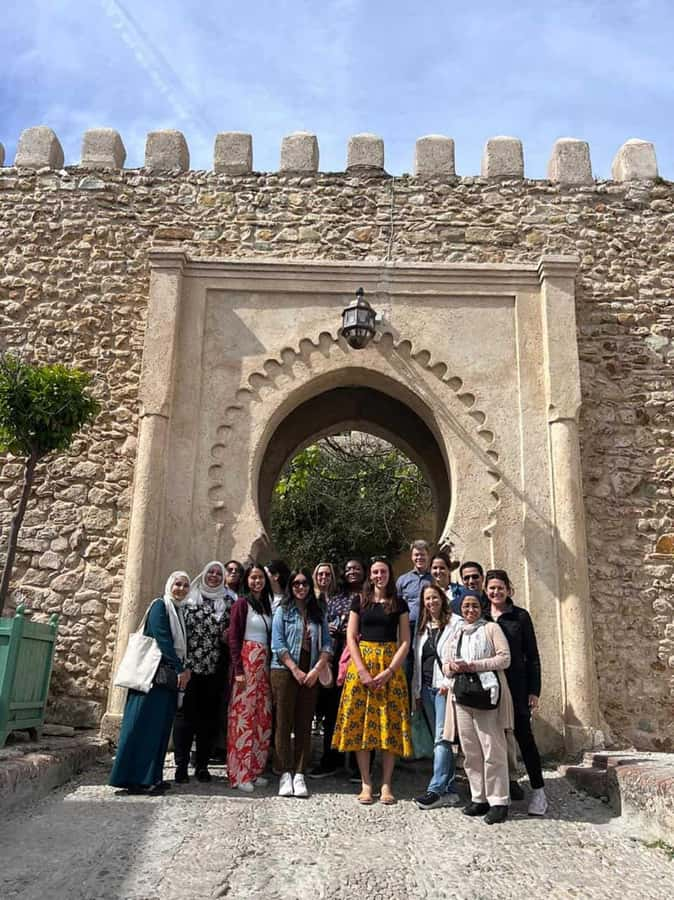
I would recommend it to curious eaters who want more than a restaurant meal. It is especially useful if you are new to Moroccan food, want a local introduction to Tangier, or feel unsure about navigating the old city alone.
It also suits families better than many food walks because guides have adjusted the pace and food choices for children. Vegetarians and people with gluten, lactose, or other dietary restrictions can request changes, though advance notice is important.
You may want to skip it if you have limited mobility, dislike narrow old-town streets, or prefer a fixed menu and a single seated restaurant. It is also not a good choice after a large breakfast. Arrive hungry, but not so hungry that you rush through the explanations.
Book this tour if you want Tangier explained through what people eat, where they shop, and how they spend an ordinary day. The best reason to choose it is the combination of food and local guidance. The best reason to hesitate is the walking and the changing menu. For most first-time visitors who can manage the streets, $73 buys a useful introduction, a full stomach, and a clearer sense of where Tangier’s daily life happens.
FAQ
How long does the Tangier food walking tour last?
The tour lasts three hours. The time includes walking, food tastings, guided visits through the old districts, and a break at a local café.
Where does the tour begin?
Meet next to the third cannon, the cannon in the middle, at Sour Meêgazine in Tangier, Morocco.
Where does the tour finish?
The tour finishes at Café Hafa.
What food is included?
The experience includes six tasting stops and a full meal. Foods associated with the tour include caliente, stuffed dates, bissara, bread, soup, olives, meat pastry, smoothies, and tagine. The exact selection can change.
Is bottled water included?
Yes. Bottled water is included in the tour price.
Is transportation included?
No. You must arrange your own transportation to the meeting point and after the tour.
Can dietary restrictions be accommodated?
Vegetarian, gluten-free, and lactose-free diets can be accommodated when requested. Tell the provider about your needs in advance so the guide can plan suitable choices.
Is the tour suitable for wheelchair users?
No. The activity is not suitable for wheelchair users or people with mobility impairments. Comfortable walking shoes are recommended.
Just added around Morocco
- Fez Street Food Tour★ 4.5 · 33 reviews
- The Sunday Market in Had Draa & Local Food Tasting.★ 5.0 · 33 reviews
- Essaouira Guided Tour: 3 on 1 – Nightlife tour, Live like a local & Street food★ 4.5 · 32 reviews
- Cook Moroccan Food & Try on Traditional Clothes like a local★ 5.0 · 213 reviews
- Casablanca Food Tour★ 5.0 · 60 reviews
- Casablanca Food Tour – Moroccan Street Food Tour★ 5.0 · 86 reviews
- Discovery of Moroccan Culinary Heritage, History and Secrets★ 4.5 · 48 reviews
- Authentic Food Tour in Agadir – Eat Like A Local★ 5.0 · 117 reviews
Food Tours in Morocco, compared.
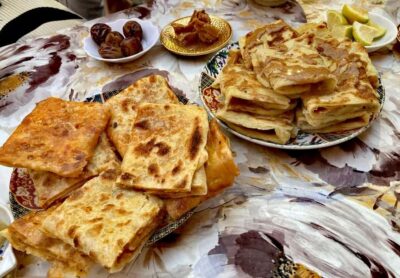
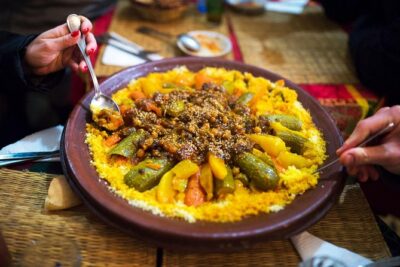
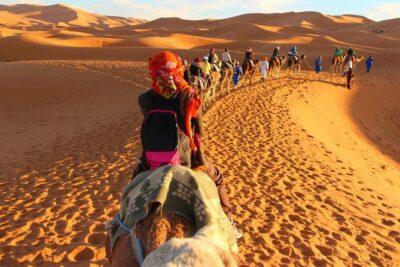
3-Day Tour to Merzouga Erg Chebbi with Food & Camel Trek
Read our review →
Authentic Moroccan Food Tour in Marrakech with Dinner
Read our review →

Cook Moroccan Food & Try on Traditional Clothes like a local
Read our review →Browse the lists this tour appears in