
REVIEW · MARKET FOOD TOURS
Ethiopian Culinary Tour – Market, Food, Coffee Ceremony & more
Addis Ababa’s food culture is best understood with all your senses: spice stalls at Mercato, the sour aroma of fermenting injera, fresh coffee roasted over a fire, and a small glass of honey wine in the mountains outside town. This tour brings those pieces together in one busy day, with guides such as Zerefa, Seya, Samuel, and Emmanuel known for adding history and flexibility along the way.
I like the hands-on injera-making session, since you eat what you help prepare, and I like the contrast between the city markets and the quieter coffee ceremony in Sululta. Lunch at Taitu Hotel, Ethiopia’s oldest hotel, adds an appealing slice of Addis history. The main consideration is pace: markets can be crowded, roads can be slow, and the advertised full-day program is listed elsewhere as roughly five to six hours.
Key points at a glance
- Make your own injera: Learn the basic process from local women, then try the traditional bread yourself.
- Walk through Mercato: Explore the spice section of Africa’s largest open-air market with a guide beside you.
- Taste coffee at Tomoca: Stop at one of Addis Ababa’s oldest coffee shops for brewed coffee or a macchiato.
- Eat at Taitu Hotel: Sample an assortment of Ethiopian dishes in the country’s first hotel.
- See the coffee ceremony up close: Watch beans being washed, roasted, ground, and brewed in Sululta.
- Finish with honey wine: Taste tej, Ethiopia’s honey wine, before returning to Addis Ababa.
Why this Addis Ababa food tour works
Many city tours show you monuments, churches, and museums. This one takes a more useful route into everyday life. Food is the organizing theme, but the day also introduces you to shopping, hospitality, coffee, traditional drinks, and the changing character of Addis Ababa.
I especially like the range. You are not spending five hours in restaurants. You move from produce stalls to spice merchants, from an old coffee counter to a historic hotel, and finally to a rural-style coffee ceremony outside the city. Each stop explains a different part of Ethiopian life.
The guides are also a major part of the experience. Named guides including Zerefa, Seya, Samuel, Emmanuel, Abiy, and Desale have led this outing. Strong English and a willingness to adjust the plan have been important strengths. If you have already visited Tomoca or eaten at Taitu Hotel, tell your guide early. The schedule has sometimes been changed to include another city stop, an art gallery, or additional sightseeing.
Still, this is not a quiet, polished food workshop from start to finish. Addis is a large working city. Mercato is crowded, traffic may affect timing, and the tour can feel active rather than relaxed. If you want a slow cooking class with long explanations of every dish, this may not be the right fit.
More market tours in the world:
- Bangkok by Night: Temples, Markets and Food Tuk-Tuk Tour
★ 5.0 · 3,752 reviews - Chef Guided Food Tour of Pike Place Market
★ 5.0 · 3,733 reviews - Tokyo Tsukiji Fish Market Food and Culture Walking Tour
★ 5.0 · 3,184 reviews
Atkilt Tera, where Addis shops for produce
The day begins with pickup from your hotel, house, or the airport in Addis Ababa. A car, driver, fuel, and English-speaking guide are included, which matters in a city where finding the right market entrance or moving between districts can take time.
The first market stop is Atkilt Tera, the city’s major fruit and vegetable market. The name is often associated with vegetables, and the stop gives you a look at the supply side of Ethiopian cooking before you sit down to eat it.
You can expect a visual and practical start: produce, vendors, movement, and the everyday business of shopping. Your guide can explain what ingredients are used in Ethiopian meals and how the market connects to kitchens across the city.
The stop is especially useful if you are trying Ethiopian food for the first time. Later, when you see stews, vegetables, and injera on the table, the market gives those dishes a clearer setting. This is not simply a photo stop. It shows the raw materials behind the food.
Mercato’s spice stalls and crowded lanes
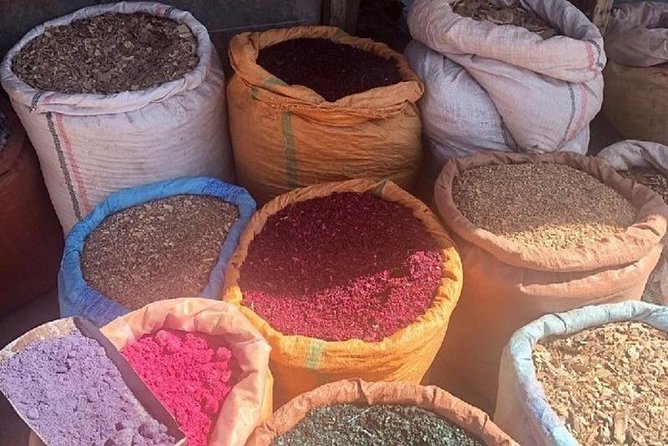
From Atkilt Tera, the tour continues to Mercato, the city’s largest open-air market and one of the main commercial centers in Addis Ababa. The focus here is the spice market, where the smells often make as strong an impression as the colors.
A guide is valuable at Mercato. The market is large, busy, and not always easy to understand on your own. The tour includes a local guide as well as the accompanying English-speaking guide, and that extra help can make the walk more comfortable. Guides have also taken care to keep visitors together in the crowded sections.
Give yourself time to look closely. Ethiopian cooking uses spice blends that may be unfamiliar, and the market is a good place to ask what you are seeing before you buy anything. If you want souvenirs, Desale has helped visitors choose items at fair prices, but you should still ask about cost and compare before purchasing.
There is a practical tradeoff. Mercato can be chaotic and crowded, and it is not a controlled market hall. Keep your belongings secure, stay near the guide, and wear shoes suitable for uneven walking. The tour description says most people can take part, but the market is more physically demanding than a cafe stop.
Tomoca Coffee, a short but important stop
Coffee is central to Ethiopian culture, so the stop at Tomoca Coffee gives the day a strong historical and culinary link. Tomoca is described as the oldest cafe on the route, with more than half a century of coffee-making tradition.
You receive a cup of coffee or a macchiato, and the admission is included. You can also buy roasted or ground coffee to take home. This is a good place to purchase a practical souvenir, especially if you want something lighter and easier to pack than market goods.
The stop lasts about 30 minutes, so keep your expectations in check. This is a taste and a brief introduction, not a long coffee workshop. The full ceremony comes later in Sululta, where you see the beans handled from start to finish.
I like the way the two coffee stops complement each other. Tomoca shows the city’s cafe culture and the polished side of Ethiopian coffee. Sululta shows the slower, more ceremonial tradition.
More coffee tours in the world:
- Hanoi: Vietnamese Street Food Tour with Egg Coffee
★ 4.9 · 315 reviews - Coffee and Gastronomic Bike Tour in Antigua
★ 5.0 · 284 reviews - Hungry in Vienna? A Food Lover’s Coffee & Market Walk
★ 4.9 · 276 reviews - Lucca: Morning Food Tour with Snacks and Coffee
★ 4.9 · 72 reviews
Making injera with local women

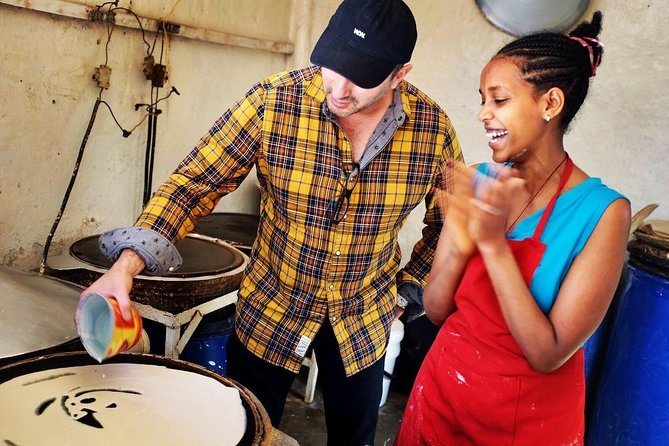
The injera session is the most hands-on part of the food experience. Injera is the soft, slightly sour flatbread used to scoop up Ethiopian stews and vegetables. It is both a staple and an eating utensil, so learning how it is made helps you understand the meal that follows.
You meet women who guide you through the process. The session is not just a demonstration from a distance. You get the chance to try making the bread yourself, then eat your own attempt.
That sounds easy until you try it. One person described the first attempt as hilariously bad, while still calling the activity exhilarating. That is part of the charm. You are not being tested for professional kitchen skills. You are getting a short, memorable lesson in a food that takes patience and practice.
The exact amount of cooking time may depend on the day and the group. With a maximum of 30 participants, the experience can feel more social than private. If you want plenty of personal instruction, ask your guide how the group will be divided.
A small limitation is that the culinary focus centers strongly on injera. You learn about the bread, but the program does not promise a full class on preparing the stews, spice blends, or sauces served with it. One useful request would be to ask your guide about the herbs and spices as you eat lunch.
Lunch at Taitu Hotel in Piassa
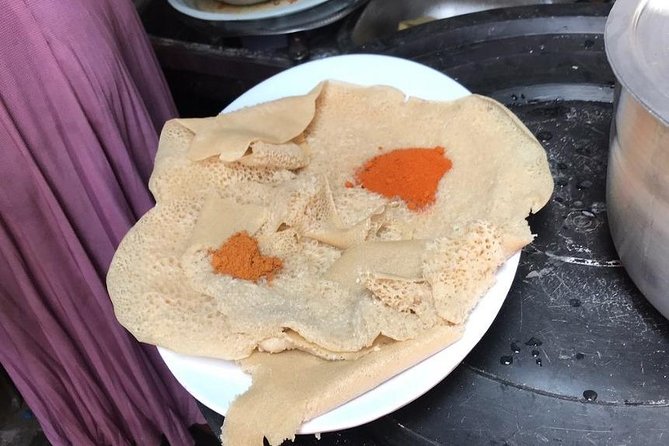
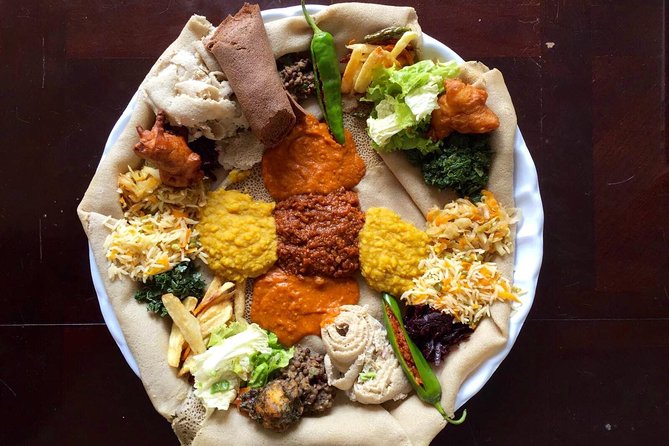
Lunch takes place at Taitu Hotel in the Piassa area. Founded as Ethiopia’s first hotel, Taitu adds a piece of Addis Ababa’s past to the meal. The setting gives you more than a standard restaurant lunch, while the food provides a chance to sample several Ethiopian dishes at once.
Lunch is served as an assortment or buffet, with a bottle of water and hot drinks included. This format works well if you are still learning what you like. You can sample different dishes without committing to one large plate of something unfamiliar.
Ethiopian meals are often shared, and injera is central to the experience. Use pieces of the bread to pick up the food, following your guide’s example if the custom is new to you. If you have dietary restrictions, ask before the meal, since the supplied details do not specify special menus.
The meal also gives the day a pause. After the noise and walking of the markets, sitting down at Taitu Hotel helps reset the pace. You may then spend some time sightseeing in Piassa before heading out toward Sululta.
Sululta and the Ethiopian coffee ceremony
The final major stop takes you into Sululta, a mountain town outside Addis Ababa. The ride changes the mood of the day, giving you open views and a break from the city’s traffic and dense commercial streets.
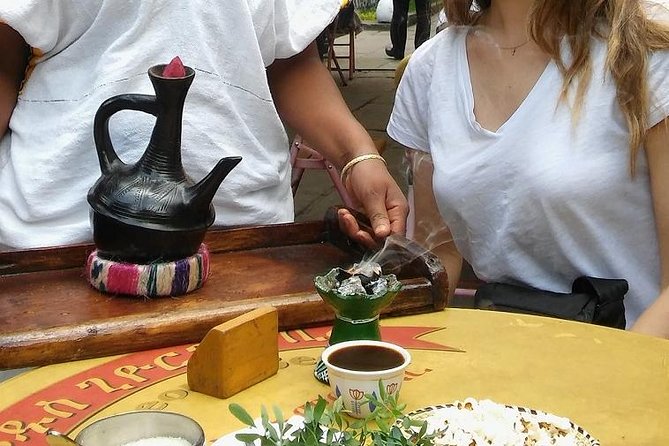
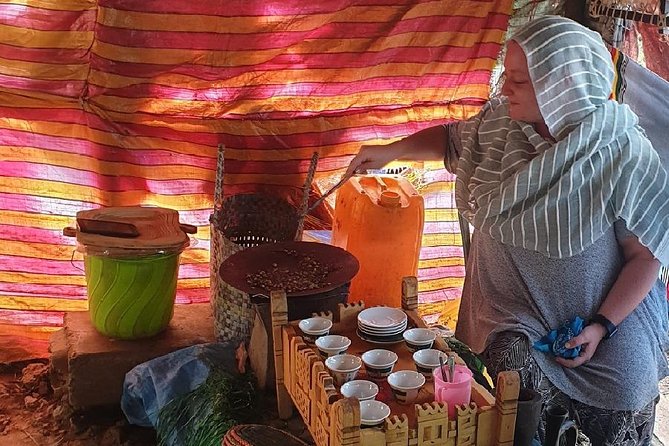
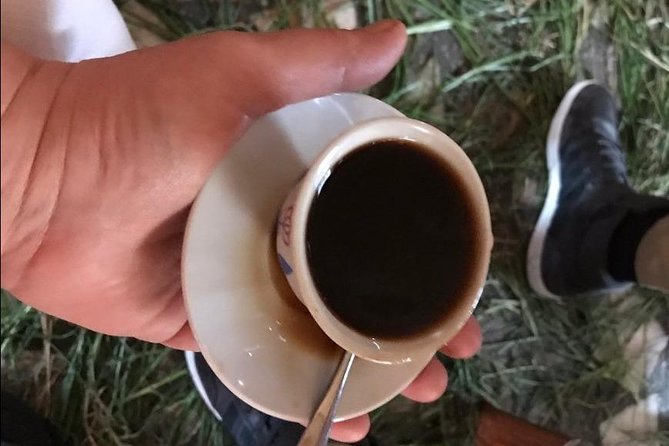
Here you see a full Ethiopian coffee ceremony. The process includes washing the beans, roasting them live, and preparing the coffee before you drink it. The smell of freshly roasted coffee is a central part of the ceremony, and the preparation is meant to be shared rather than rushed.
This is more than a cup of coffee. It is a lesson in hospitality and a chance to see how coffee can function as a social ritual. The demonstration lasts about two hours, making it the longest scheduled stop. That gives the ceremony room to unfold without being reduced to a quick sample.
You also taste honey wine, known in Ethiopia as tej. The tour describes it as an organic honey wine and includes a glass. It is not the same as ordinary table wine, and the sweet flavor may be new to you. Other alcoholic drinks are not included, so do not assume that beer or spirits are part of the package.
The setting is one of the tour’s strongest contrasts. Earlier, you are surrounded by city commerce and market noise. In Sululta, the coffee ceremony and mountain views provide a slower ending. You return to your Addis Ababa accommodation by vehicle after the tasting.
What the $85 price includes
At $85 per person, the price is reasonable if you use most of what is included. You receive round-trip transportation within Addis Ababa, a driver, fuel, an English-speaking guide, local guides, lunch, water, hot drinks, the Tomoca coffee stop, the injera activity, and the coffee ceremony.
Transportation alone has real value here. The route covers several parts of the city and then continues to Sululta. Booking taxis separately would add planning and uncertainty, especially around Mercato and the trip out of town.
The value is strongest for a first visit or a short stay. You see several major food and city experiences in one outing, rather than spending separate days arranging market access, a cooking activity, a historic restaurant, and a countryside visit.
The price may feel less attractive if you have already visited the markets, Tomoca, and Taitu Hotel. In that case, ask about adjustments. Guides have changed stops for returning visitors, and that flexibility can make the cost worthwhile.
Tips, extra alcohol, and anything not listed are not included. The tour is generally booked about 26 days ahead, so planning early is sensible if your dates are fixed.
Timing, pickup, and group size
The activity is described as a full-day culinary tour, but the listed duration is approximately five to six hours. That is a useful distinction. Plan for a substantial half-day or a compact full-day outing, depending on traffic, pickup arrangements, and how long you spend at each stop.
Pickup is offered from any location in Addis Ababa, including a hotel, house, or airport. The stated meeting point is Edna Mall on Cameroon Street, and the activity ends back at the meeting point. Confirm your exact pickup arrangement when booking, especially if you are staying outside the central area.
The maximum group size is 30 people. That is large enough for a social outing but may mean less one-on-one time during the injera lesson. Private-feeling service is more likely when the group is small, while larger groups may move more slowly through the markets.
The tour operates in all weather, with a note that it requires good weather. Dress for the conditions, wear comfortable shoes, and bring a layer for the cooler mountain stop. The minimum age is eight, and most people can participate.
Who should book this experience?
I would choose this tour if you want food to open the door to Addis Ababa. It suits first-time visitors, people with one free day after a conference, and anyone who wants a guided introduction to Ethiopian coffee, bread, markets, and traditional drinks.
It is also a good fit if you prefer experiences with a human element. The best parts are not simply tastings. You meet the women who teach injera making, speak with market guides, watch coffee prepared by hand, and learn how tej is made.
You may want a different tour if your main goal is advanced cooking instruction. The program teaches injera but does not promise a hands-on lesson in preparing the dishes served with it. You should also think twice if crowded markets or a five-to-six-hour schedule sound tiring.
Free cancellation is available up to 24 hours before the start time for a full refund. Changes made less than 24 hours ahead are not accepted, and weather cancellations offer either another date or a full refund.
Should you book the Ethiopian Culinary Tour?
Book it if you want an efficient, food-centered introduction to Addis Ababa with transportation handled for you. The strongest combination is the market walk, the chance to make and eat injera, the historic lunch at Taitu Hotel, and the long coffee ceremony in Sululta.
The tour is not perfect. The schedule is active, the group may be as large as 30, and the cooking lesson is focused mainly on injera rather than a full Ethiopian kitchen class. But at $85, the range of included experiences is strong.
If you are short on time, this is one of the better ways to connect Addis Ababa’s food with its daily life. Ask for a flexible guide, mention places you have already visited, and keep room in your suitcase for coffee.
FAQ
How long does the Ethiopian Culinary Tour last?
The tour lasts approximately five to six hours, although it is also described as a full-day culinary tour. Traffic, pickup arrangements, and time spent at each stop may affect the schedule.
What is included in the price?
The price includes pickup and drop-off in Addis Ababa, ground transportation with a car, driver, and fuel, an English-speaking guide, local guides, lunch, a bottle of water, hot drinks, and the included tour activities.
Is hotel pickup available?
Yes. Pickup is offered from any location in Addis Ababa, including a hotel, house, or airport. The stated meeting point is Edna Mall on Cameroon Street.
What markets does the tour visit?
The experience includes Atkilt Tera, the city’s large produce market, and Mercato, the largest open-air market in Africa. The Mercato visit focuses on the spice market.
Will I make injera during the tour?
Yes. You meet local women who demonstrate the process and give you the chance to make injera yourself. You can then eat what you prepare.
Where is lunch served?
Lunch is served at Taitu Hotel in Piassa, described as Ethiopia’s oldest hotel. The meal includes an assortment of Ethiopian dishes, water, and hot drinks.
Is coffee included?
Yes. The tour includes coffee or a macchiato at Tomoca Coffee and a full coffee ceremony in Sululta. The ceremony includes washing, roasting, and preparing the beans.
Is honey wine included?
Yes. A glass of Ethiopian honey wine, also called tej, is included during the Sululta stop. Other alcoholic drinks are not included.
Is the tour suitable for children?
The minimum age is eight. Most people can participate, but the markets may be crowded and the schedule includes walking, transportation, and a mountain visit.
More Shopping Tours in the world
- London Bridge & Borough Market Food Tour with 7 Authentic Dishes
★ 5.0 · 1,972 reviews - Tokyo: Tsukiji Fish Market Food and Walking tour
★ 5.0 · 1,724 reviews - Small Group Cooking Class & Market Food Tour in Florence
★ 5.0 · 1,574 reviews - Nishiki Market Brunch Walking Tour (7 Tastings + Brunch)
★ 5.0 · 1,355 reviews
Just added around the world
- PRIVATE ISTANBUL FOOD TOUR & Hidden Pearls of the old city★ 5.0 · 43 reviews
- Taste of Istanbul – Food & Culture★ 5.0 · 54 reviews
- The Award-Winning PRIVATE Food Tour of Istanbul: The 10 Tastings★ 5.0 · 462 reviews
- Istanbul Food Tour – History and Culture of Turkish Culinary★ 5.0 · 265 reviews
- Private and guided Food and Culinary Tour of Istanbul★ 5.0 · 27 reviews
- Half-Day Istanbul Private Food Tour & Culinary Experience★ 5.0 · 28 reviews
- Taste Of Old City Street Food Tour with Local Guide★ 5.0 · 64 reviews
- Eating Like a Local: Learn About Diverse Culinary Culture of Turkey★ 5.0 · 86 reviews
Market Food Tours, compared.
Bangkok by Night: Temples, Markets and Food Tuk-Tuk Tour
Read our review →
Tokyo Tsukiji Fish Market Food and Culture Walking Tour
Read our review →
Markets, Temples and Food Night Tour by Tuk Tuk
Read our review →
London Bridge & Borough Market Food Tour with 7 Authentic Dishes
Read our review →

Small Group Cooking Class & Market Food Tour in Florence
Read our review →
Browse the lists this tour appears in