
REVIEW · NEW ORLEANS
New Orleans: Garden District Food, Drinks & History Tour
New Orleans tells its story through food, and this three-hour walk puts that idea to work. You begin near Lafayette Cemetery No. 1, then move through the Garden District and along Magazine Street before sitting down at three local food stops. Guide Michelle Mashon brings a personal connection to the neighborhood, along with stories about funeral customs, immigration, architecture, and the people who shaped the city.
I like the full meal rather than a string of tiny samples, and I like the two drink choices built into the experience, including alcoholic or non-alcoholic options. The small-group format should also make it easier to ask questions and get useful suggestions for the rest of your stay.
The main thing to watch is group size. The tour is advertised for no more than 10 people, but one departure had 17, which made it harder to hear the guide on narrow sidewalks and slowed service at the food stops. Also, Lafayette Cemetery is currently closed, so you see it from outside the gates.
Key points at a glance
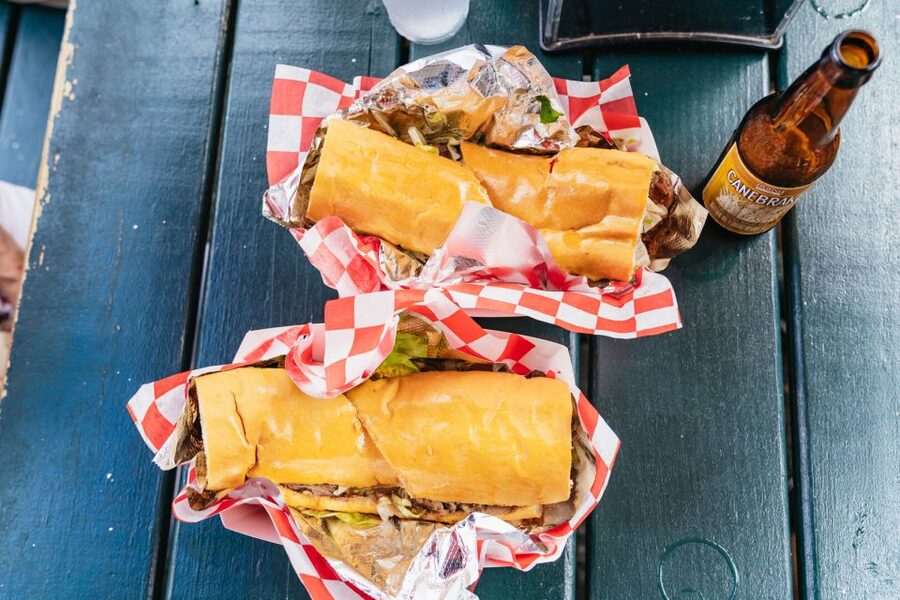
- Three substantial food stops: Expect a full meal of Cajun and Creole favorites, not just a few bites.
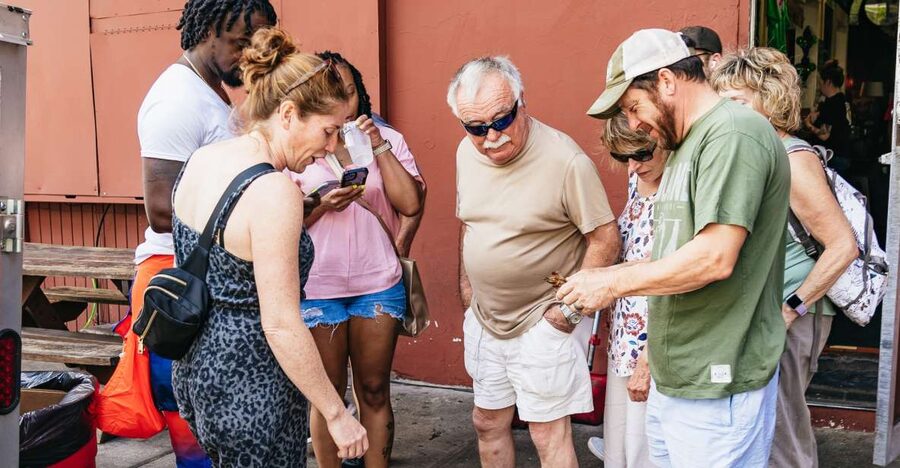
- A local guide with neighborhood ties: Michelle Mashon connects the food and buildings to her own New Orleans experience.
- Garden District architecture: See mansions, colorful shotgun houses, grand oak trees, and nearby Magazine Street shops.
- Drinks are included: Two food stops offer your choice of an alcoholic or non-alcoholic drink, and the beignet stop includes cafe au lait or tea.
- Less than one mile of walking: The route is short, though uneven sidewalks, heat, and standing time may still be tiring.
- Good early-trip orientation: You finish with restaurant, streetcar, park, shopping, and nightlife suggestions for later in your visit.
Starting across from Commander’s Palace
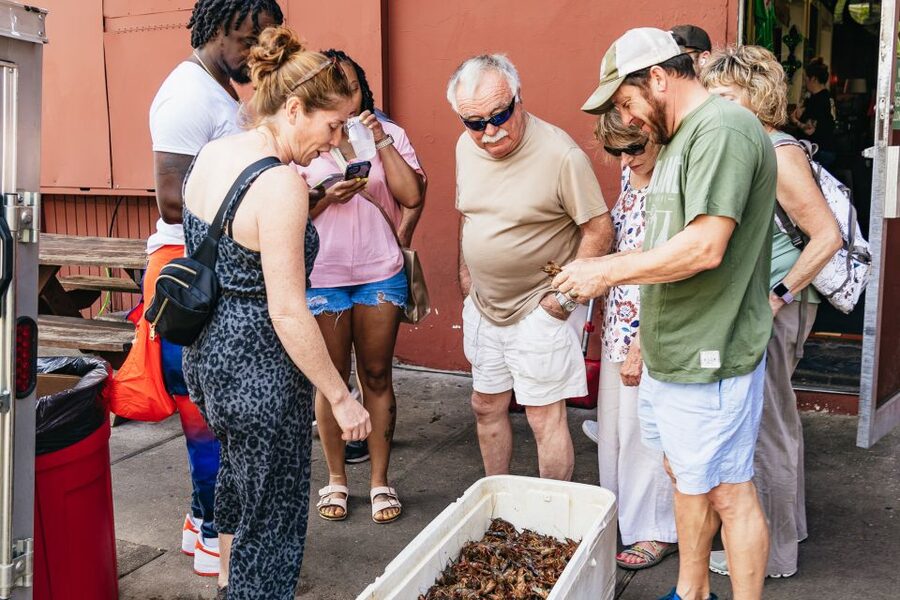
Meet at the corner of Washington Avenue and Coliseum Street, across from Commander’s Palace. This is a sensible starting point because it puts you right at the edge of the Garden District and near Lafayette Cemetery No. 1.
If you use the St. Charles Streetcar, get off at Washington Avenue and walk two blocks south to Coliseum Street. Give yourself a little extra time to find the exact corner, especially if you are arriving during a busy meal period at nearby restaurants.
The tour lasts about three hours, with starting times varying by availability. Comfortable shoes are important, even though the total route is less than one mile. You will spend much of the time walking, standing, listening, and moving between food stops rather than sitting for long stretches.
More Food Tours in New Orleans
- New Orleans Food Walking Tour of the French Quarter with Small-Group Option
★ 5.0 · 6,118 reviews - New Orleans Food and History Walking Tour
★ 5.0 · 1,544 reviews - New Orleans French Quarter Food Tour: Cajun, Creole and Culture
★ 5.0 · 1,246 reviews
Lafayette Cemetery from outside the gates
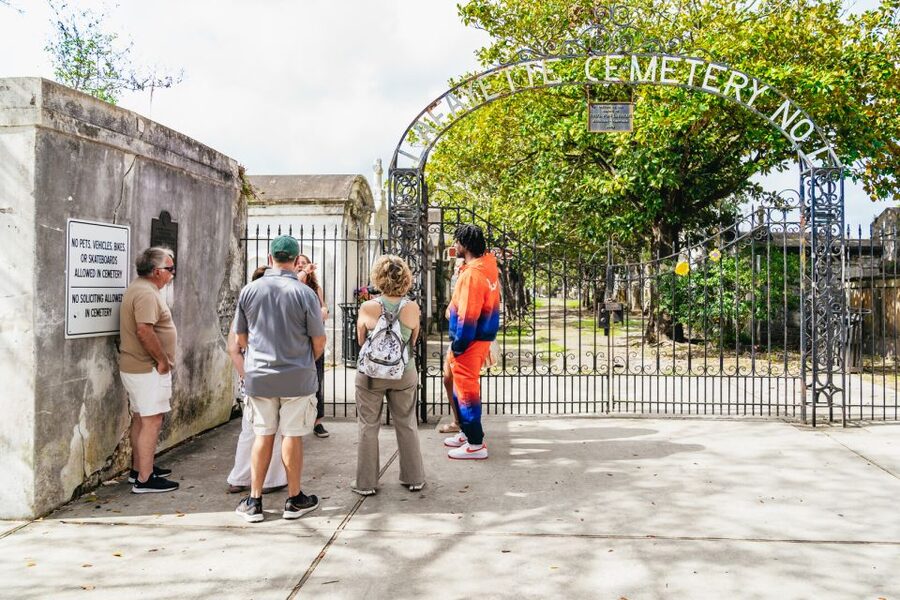
The opening stop sets up one of the tour’s most useful themes: New Orleans customs are tied to both place and food. At Lafayette Cemetery No. 1, Michelle explains local funeral traditions and the early history of the city.
At present, the cemetery is under repair and closed to the public. The tour takes place outside the gates, so you will not walk among the tombs. That limits this part of the experience, but the location still gives the guide a natural place to explain above-ground burial customs and the traditions associated with New Orleans funerals.
I would treat this as an introduction rather than a full cemetery visit. If seeing the inside of Lafayette Cemetery is your main goal, this tour cannot provide that right now. Its value comes from the explanation and the way the cemetery leads into the city’s changing customs, cultures, and neighborhoods.
Grand homes, shotgun houses, and oak-lined streets
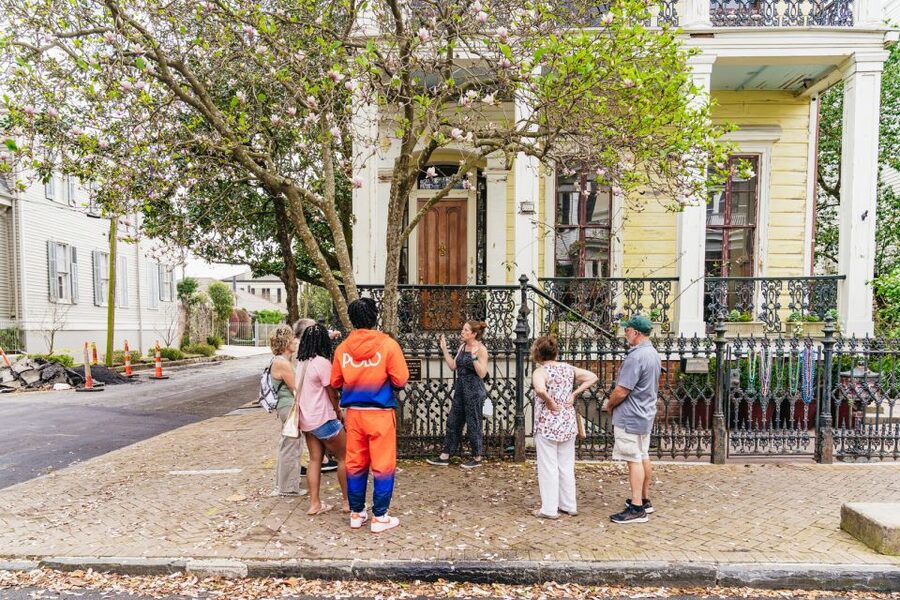
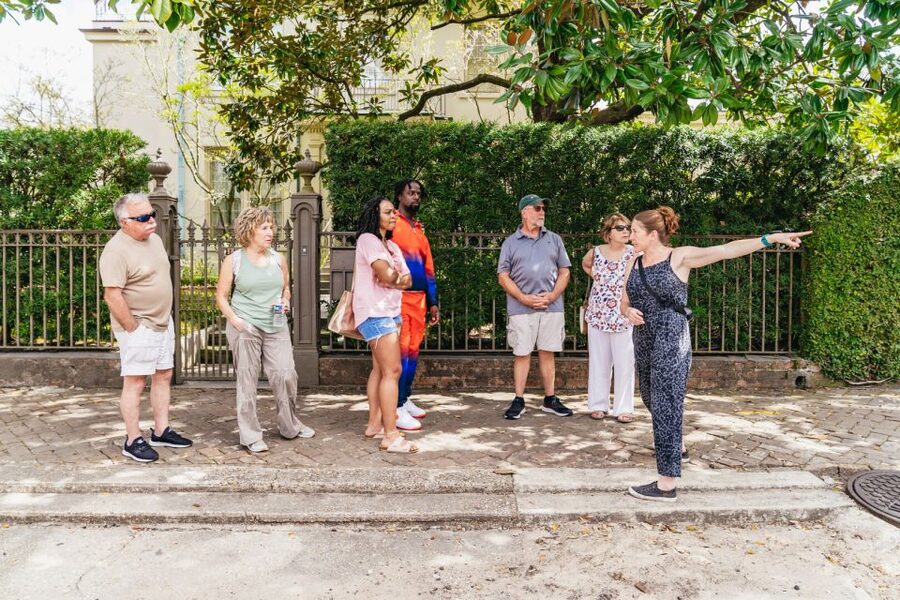
From the cemetery, the walk continues into the Garden District. This is the scenic part of the tour, with large historic homes, colorful shotgun houses, and broad oak trees. The contrast matters. The neighborhood is not just a collection of grand mansions. It also reflects the smaller homes and everyday residential buildings that give the area more character.
Michelle focuses on architecture and the people connected to it, rather than simply pointing out attractive facades. You learn how the district fits into the wider story of New Orleans, including the influence of the Italians, Germans, Irish, Afro-Caribbean communities, and Cajun people.
One strength of this format is the connection between buildings and food. The houses are not treated as scenery separate from the meal. The walk explains how different communities helped shape local customs, then the food stops give you a chance to taste some of those influences.
The walking section is generally gentle in distance, but New Orleans sidewalks can be uneven. Summer heat and humidity also matter. A July outing was described as hot and humid, which is no surprise in New Orleans, but it is a useful warning. Bring water, wear light clothing, and avoid shoes that become uncomfortable after an hour on pavement.
The first food stop and New Orleans’ mixed table
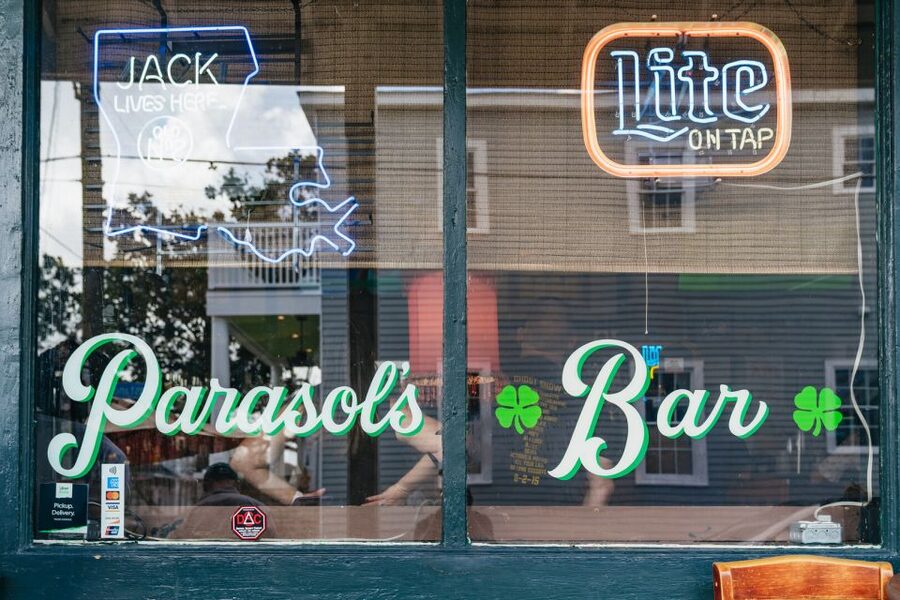
The first restaurant stop is the largest food portion of the tour. It includes Creole fusion and ingredients or techniques linked to the many communities that shaped New Orleans over roughly three centuries.
You are not simply handed a dish and sent on your way. Michelle explains how Italian, German, Irish, Afro-Caribbean, and other influences became part of local food culture. She also discusses the Cajun people and the role Cajun cooking played in Louisiana.
The exact menu can vary, so you should not book this expecting one fixed plate. The supplied details describe Cajun and Creole specialties, and past outings have included items such as appetizers and sausages. The appeal is variety without turning the afternoon into an exhausting parade of samples.
A drink is included at this stop, with an alcoholic or non-alcoholic choice based on your preference. Tax and server tips are also included, which makes the $95 price easier to judge. You are paying not only for a guided walk but for a meal, multiple tastings, drinks, and service charges.
Still, do not expect unlimited food or extra drinks beyond the planned menu. Additional orders cost extra. If you have a large appetite, the tour’s advice to arrive hungry is sensible.
More food and history walks in New Orleans:
- New Orleans Cocktail and Food History Tour
★ 5.0 · 819 reviews - New Orleans: French Quarter Food History Walking Tour
★ 4.9 · 713 reviews - New Orleans: Combo Cocktail and Food History Tour
★ 4.9 · 180 reviews - Amsterdam Food and Cultural Tour with Tastings
★ 5.0 · 4,315 reviews
Magazine Street, local shops, and a slower look at the neighborhood
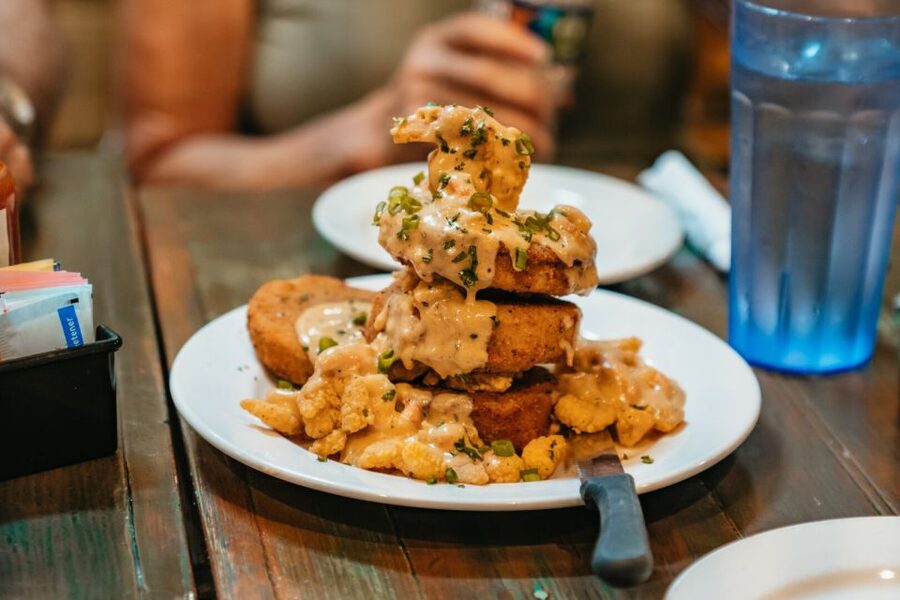
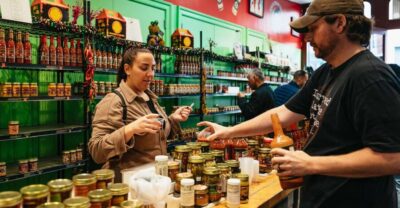
The route includes locally owned shops, vintage stores, an artist co-op, and a gallery along Magazine Street. This part gives the tour a different pace and helps you see the area as a working neighborhood rather than only a sightseeing district.
You might find artist-made goods, clothing, gifts, or small businesses that would be easy to pass without a local guide. Michelle also offers ideas for shopping and other places to visit later.
Shopping is not the main attraction here, and that is worth knowing. One person on a past outing found the shopping less interesting, though it was a small part of the experience. If you want a dedicated retail tour, choose something else. If you enjoy a short look at independent shops between food stops, this section adds useful local context.
The route may also pass through stretches where the guide is harder to hear if the group grows too large. On a departure with 17 people, only those near the front could consistently hear commentary on narrow sidewalks. A group of 10 or fewer should make the experience much easier, so it is worth confirming the current group size when booking.
The second stop: savory food and a drink
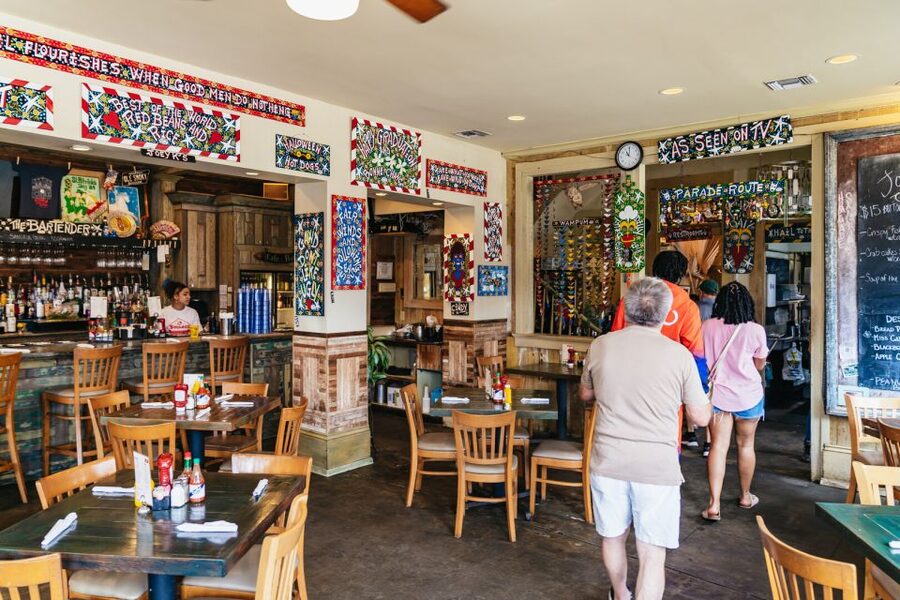
The second food stop continues the meal with another regional specialty and another included drink. Past food selections have included sausages and other savory items, though the precise menu may change.
This is where expectations need to stay practical. One reported outing had a long wait after ordering, and the sausages were overcooked. That was the clear weak point in an otherwise highly praised experience. Food tours depend on the day’s kitchen timing, and a small local business may not serve a large group as quickly as a restaurant built for tour traffic.
The wider value of the stop is still clear: you visit a local place you might not choose on your own, and you get a guided explanation of how the food fits into New Orleans’ culture. Just do not assume every individual dish will be your favorite.
If you have dietary restrictions, tell the operator ahead of time. Vegetarians and many food allergies can be accommodated, but the request needs to be made in advance. The tour is not designed for additional eating outside the planned menu, so clear communication matters.
Beignets, cafe au lait, and the final sweet stop
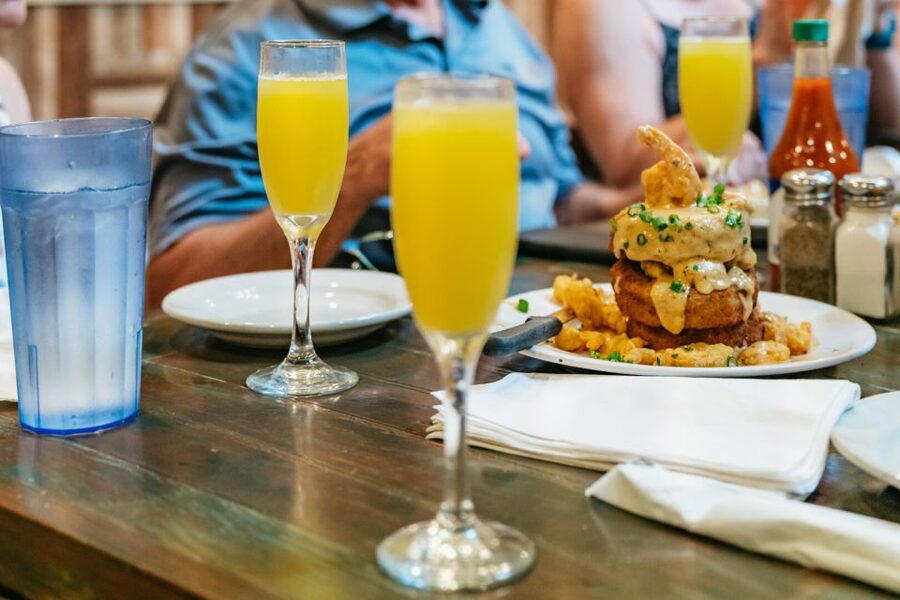
The final stop is a beignet stop, with cafe au lait or tea included. This gives the tour a proper New Orleans finish without asking you to choose between a final dessert and another heavy savory course.
The king cake beignet has been a particular favorite on one outing. That detail makes this stop more interesting than a generic dessert break, though the menu can change. You will want to leave room for it, especially after the earlier meal.
Cafe au lait adds another local touch. The stop is short, about 20 minutes in the supplied timing, so expect a quick final taste rather than a long cafe visit. It is a good point to ask Michelle for ideas about restaurants, streetcar routes, parks, shopping, and other activities.
What Michelle adds to the experience
Michelle Mashon is the guide most closely associated with this tour. Her strength is the way she links facts to personal knowledge of New Orleans. She was raised in the city and lives in the area, so the commentary includes present-day neighborhood details as well as dates and architecture.
The best feedback about her style points to three things: she explains clearly, keeps the pace moving, and welcomes questions. She also offers practical suggestions, including how to use the streetcar and where to go for parks or other local activities.
That local connection is useful because New Orleans can feel divided into tourist corridors. A guide who knows the Garden District and Magazine Street can help you see beyond the most famous restaurants and bars.
The tour does not appear to be a formal lecture. Expect a relaxed, conversational walk with history, food, and shopping mixed together. If you prefer a guide who talks continuously about architecture, this may feel too informal. If you like asking questions and learning through stories, the format should suit you well.
Is $95 a fair price?
At $95 per person, this tour is not the cheapest way to see the Garden District. It is a fair price if you would otherwise pay separately for a meal, drinks, dessert, and a neighborhood walking tour.
The value rests on four included elements:
- A guided Garden District walk
- A full meal spread across three stops
- Drinks at the planned stops
- Tax and server tips
You also receive local recommendations that can save time later. Several people returned to food stops after the tour, which suggests the tour can work as a useful introduction to places you may want to revisit.
The price is less attractive if you mainly want architecture, or if you prefer to select every dish yourself. You also pay for the convenience of a planned route, so diners who already know Magazine Street and have restaurant reservations may get less from it.
Who should book this Garden District food tour?
I would recommend it to first-time visitors who want a clear introduction to the Garden District without spending a full day walking. It suits couples, families with older children, solo visitors, and small groups who enjoy food with a story attached.
It is especially useful early in your stay. You can ask Michelle where to eat, which streetcar routes make sense, and which neighborhoods or parks deserve your time. The tour gives you a starting map of New Orleans rather than only three meals.
Food-focused visitors should also like the balance. You taste several local specialties without being overwhelmed by a long list of tiny portions. Vegetarians and people with many allergies may be able to join if they give advance notice.
The tour is not suitable for people with mobility impairments. It involves walking and standing, and the sidewalks may be uneven. Children under three can join free, but no food or drink is provided for them.
Should you book it?
Book this tour if you want a meal, a neighborhood walk, and local guidance in one outing. The strongest reasons are Michelle’s personal connection to the Garden District, the three-stop food plan, and the useful advice for the rest of your New Orleans visit.
Before booking, confirm the current group size and ask about the food menu if you have dietary needs. Also remember that Lafayette Cemetery is currently viewed from outside the gates.
I would skip it only if you want a dedicated cemetery visit, a pure architecture tour, or complete control over your restaurant choices. For most first-time visitors who want to eat well and get oriented quickly, $95 is a reasonable price for a well-packed three hours.
FAQ
Where does the Garden District food tour meet?
Meet at the corner of Washington Avenue and Coliseum Street, across from Commander’s Palace restaurant.
How can I reach the meeting point by streetcar?
Take the St. Charles Streetcar, exit at Washington Avenue, and walk two blocks south to Coliseum Street.
How long is the tour?
The experience lasts about three hours.
How far do you walk?
The total walking distance is less than one mile, though you will also spend time standing at the food stops and during the guided walk.
Is Lafayette Cemetery open during the tour?
No. Lafayette Cemetery No. 1 is currently under repair and closed to the public. The tour discusses it from outside the cemetery gates.
What food and drinks are included?
You receive a full meal of New Orleans foods across three stops. Two food stops include your choice of an alcoholic or non-alcoholic drink, and the beignet stop includes cafe au lait or tea.
Can vegetarians or people with food allergies join?
Vegetarians and many dietary allergies can be accommodated. Tell the operator about your needs in advance.
Is the tour suitable for children?
Children under three can join free, but food and drinks are not provided for them. The tour is not suitable for people with mobility impairments.
Just added around New Orleans
- New Orleans: Beloved Bites & Famous Dishes Food Tour★ 4.8 · 239 reviews
- New Orleans: The Premier Food Tour — Your Must-Do Activity★ 4.7 · 84 reviews
- New Orleans: French Quarter Food Tour with Tastings★ 4.9 · 72 reviews
- New Orleans: Combo Cocktail and Food History Tour★ 4.9 · 180 reviews
- New Orleans: Food Tour with Seafood Boil in French Quarter★ 4.6 · 146 reviews
- French Quarter Small-Group Cocktail and Foodie Crawl★ 5.0 · 519 reviews
- French Quarter walking Food Tour: Signature Tastes of New Orleans★ 4.5 · 592 reviews
- New Orleans: French Quarter Food History Walking Tour★ 4.9 · 713 reviews
Food Tours in New Orleans, compared.

New Orleans Food Walking Tour of the French Quarter with Small-Group Option
Read our review →
New Orleans French Quarter Food Tour: Cajun, Creole and Culture
Read our review →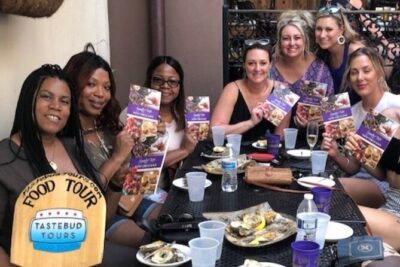
French Quarter walking Food Tour Famous Flavors of New Orleans
Read our review →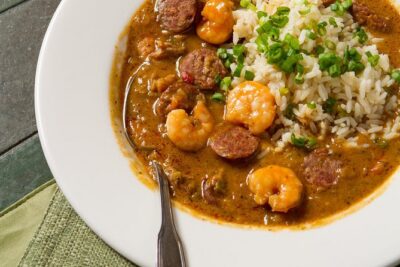
French Quarter walking Food Tour: Signature Tastes of New Orleans
Read our review →
French Quarter Small-Group Cocktail and Foodie Crawl
Read our review →Browse the lists this tour appears in