
REVIEW · NEW ORLEANS
New Orleans French Quarter Food Tour: Cajun, Creole and Culture
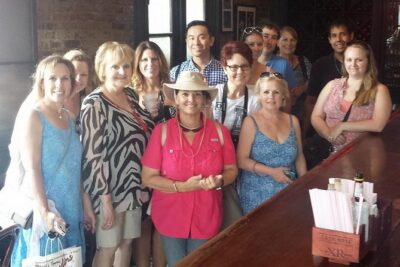
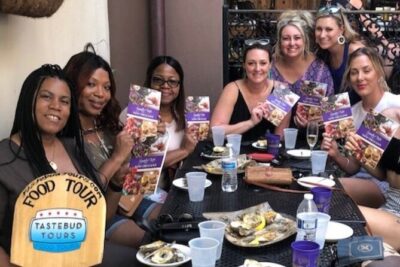
New Orleans puts its story on a plate, and this tour gives you a tasty way to read it. In about two and a half hours, you walk from Jackson Square through the French Quarter and French Market, sampling gumbo, Cajun or Creole dishes, sandwiches, hot sauce, and sweets. I like the small groups of no more than 12 and the way guides such as Andre, Neil, Chip, and Kaffey connect each dish to the city’s French, African, Spanish, Italian, and Southern roots.
I also like that the tastings add up to a full meal rather than a few token nibbles, and that the relaxed 1.5-mile route helps you get your bearings on a first day in town. The main consideration is balance: this is as much a culture and history walk as a food tour, so some people may want tastings to come more often during the first half.
Key things to know before you book
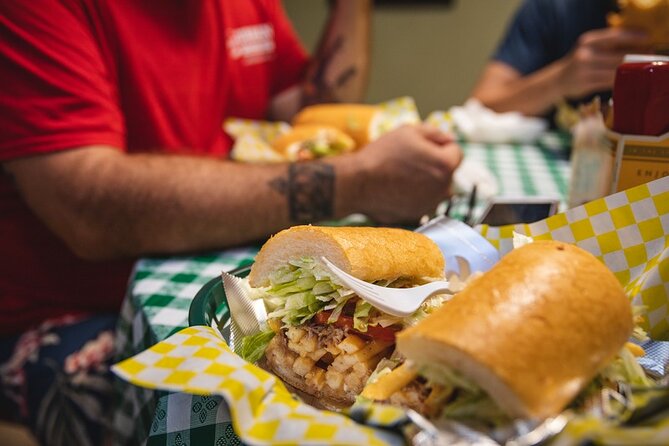
- Five substantial food samples: Expect some combination of gumbo, po’boy, muffuletta, jambalaya, red beans and rice, beignets, pralines, and other local bites.
- A true French Quarter orientation: The route links Jackson Square, the French Market, and the surrounding streets in about 14 blocks.
- Guides shape the experience: Andre, Neil, Chip, Kaffey, Christy, and Adam have all led tours, with strong emphasis on local food, music, architecture, and culture.
- Small groups matter: The maximum group size is 12, giving you room to ask questions and talk with your guide.
- Come hungry, but not rushed: The total food is intended to equal a full meal, though the order and portion size can change.
- Dietary needs require planning: Some food stops may not offer substitutions, so ask your guide for alternatives you can buy nearby.
A meal that doubles as a French Quarter orientation
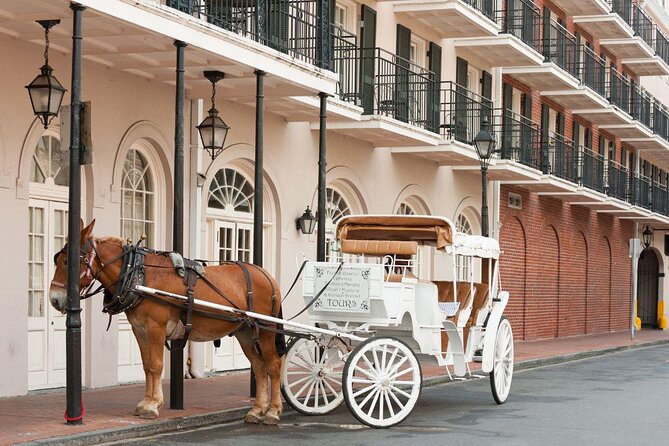
At $81.10 per person, this tour is not the cheapest way to eat in New Orleans. It can be good value if you would otherwise pay for several separate dishes, a guided walk, and an introduction to the city all at once.
The price includes five tastings, a hot sauce stop, a local English-speaking guide, and the walking route. You are not simply buying samples. You are paying for someone to select the food, explain where it fits in New Orleans culture, and lead you between stops without asking you to plan the route yourself.
The food is meant to equal a full meal, but do not picture five full restaurant entrees. Portions and stops vary by season and vendor availability. One day may bring chicken and andouille gumbo, while another may offer seafood gumbo. A po’boy or muffuletta may take the sandwich slot, and jambalaya or red beans and rice may fill the rice dish portion.
I would book this early in your visit, especially since the experience is often reserved several weeks ahead. It gives you a useful map of the French Quarter and can help you decide where to return for a longer meal later.
More Food Tours in New Orleans
- New Orleans Food Walking Tour of the French Quarter with Small-Group Option
★ 5.0 · 6,118 reviews - New Orleans Food and History Walking Tour
★ 5.0 · 1,544 reviews - French Quarter walking Food Tour Famous Flavors of New Orleans
★ 5.0 · 1,115 reviews
Jackson Square sets the table
The meeting point is at 701 Decatur Street, in the central French Quarter area near Jackson Square. At the start, you enter Jackson Square and look for the equestrian statue of Andrew Jackson. Your guide waits beside the statue, facing St. Louis Cathedral.
This is a smart place to begin. The square gives your guide room to explain the city’s different cultural influences before food enters the picture. You are also surrounded by some of the French Quarter’s most recognizable sights, so the setting immediately tells you that this is not only a restaurant crawl.
Plan on about 30 minutes here. That may feel long if you expect to start eating right away, but it helps establish the place. You hear about New Orleans as a meeting point of cultures, then taste how those influences appear in rice dishes, stews, sausages, sandwiches, pastries, and spice blends.
Guides bring different strengths. Andre is described as both a chef and a local historian. Neil is known for explaining food, music, and the city’s past in detail. Chip connects dishes with cultural change, while Kaffey brings an energetic, personal approach. Your guide will determine the exact tone, but the experience clearly depends on more than memorized facts.
The French Market brings food and people together
The walk continues to the French Market, America’s oldest public market. You get about 30 minutes to explore this long-running meeting place, sample local food, and take in the personalities and activity around the stalls.
The market stop is useful because it shows food as part of daily city life, not only as something served at a formal table. You may find local products, small bites, and plenty of visual reminders that New Orleans cooking is built from many traditions.
This is also one of the tour’s less predictable sections. The market can feel more like a place to observe than a carefully controlled tasting room. That is part of its appeal, but it means the exact food and pace can shift.
The guide can point out what is worth noticing and help you separate local specialties from generic snacks. If you have never visited New Orleans, that context is valuable. You can return later with a better sense of what to try and what you would rather skip.
The main food walk covers about 14 blocks
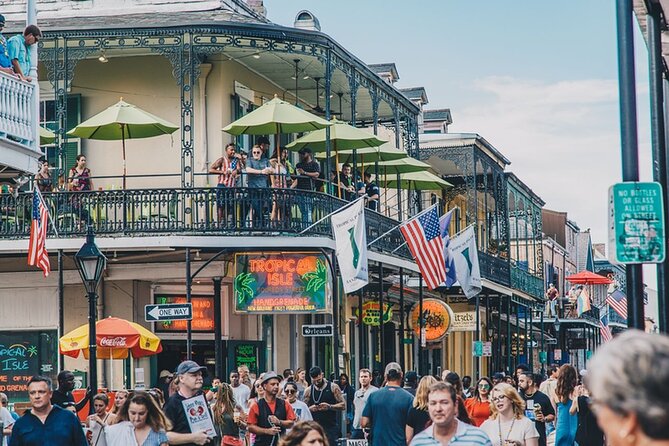
Most of the experience takes place during a 1.5-mile walk through the French Quarter. The pace is relaxed, with regular stops, and the route takes roughly 90 minutes after the Jackson Square and French Market portions.
The distance is manageable for most people, but you should still wear comfortable shoes. You walk on city streets and stop several times, so this is not a seated tasting event. The good news is that you are rarely walking for long without a pause.
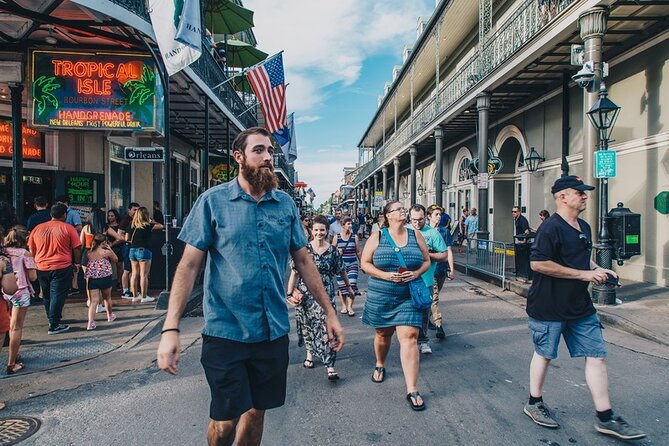
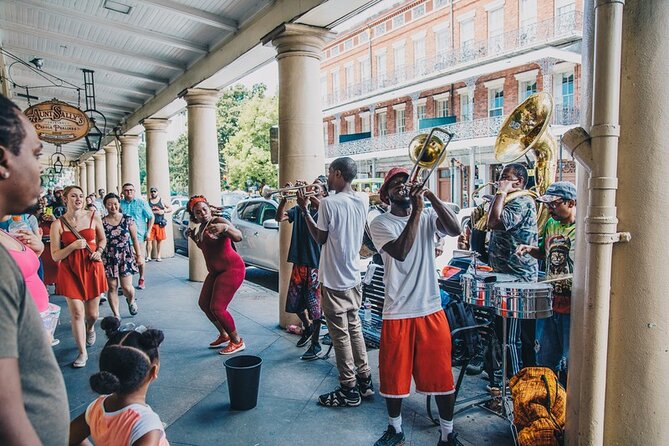
The French Quarter portion is where the tour earns its name. You move through streets lined with old buildings, restaurants, small shops, and bars while your guide explains how the city’s food developed. The best guides use the walk between bites well, adding details about architecture, neighborhoods, music, and the people who shaped New Orleans.
There is a slight tradeoff in the timing. Some people prefer food samples spaced evenly from the start. Others enjoy beginning with history and then eating more toward the end. If you are especially food-focused, ask at the beginning how the tastings will be arranged. The full amount of food should be enough to leave you satisfied, but the sequence may not match your idea of a traditional food crawl.
A few more food tours around the USA worth comparing
- Little Havana Food and Walking Tour in Miami
★ 5.0 · 8,882 reviews - NYC Bus Tour of Brooklyn, Bronx, Queens: Art, Food & Sports
★ 5.0 · 3,805 reviews - Chef Guided Food Tour of Pike Place Market
★ 5.0 · 3,733 reviews - Savannah First Squares Culinary & Cultural Walking Food Tour
★ 5.0 · 3,229 reviews
Gumbo, sandwiches, rice, and hot sauce
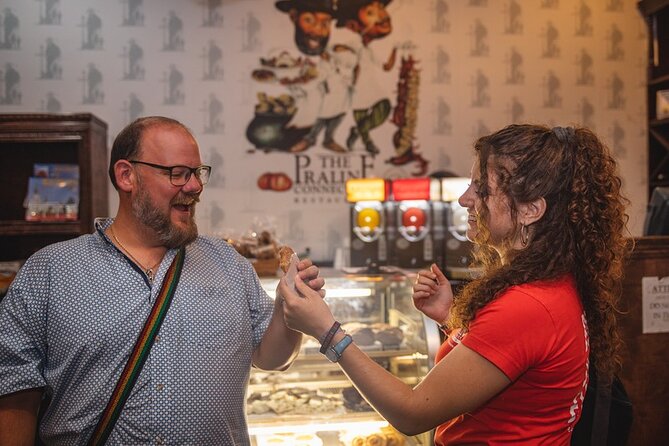
The sample menu covers the dishes most first-time visitors want to understand.
Gumbo is usually served as a cup, with chicken and andouille or seafood depending on availability. It is a useful introduction to New Orleans cooking because it brings together broth, seasoning, meat or seafood, and the city’s long habit of adapting recipes to local ingredients.
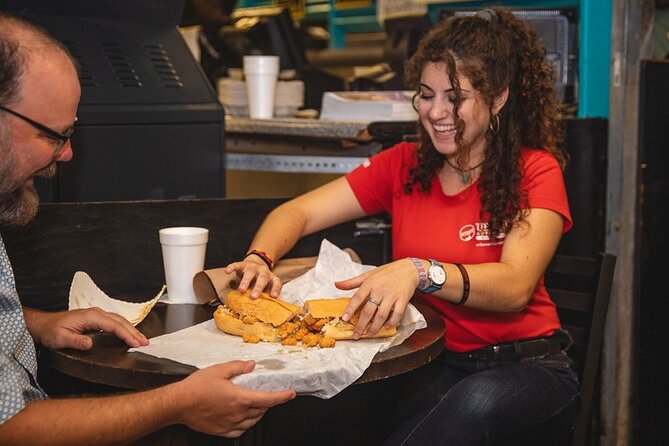
The sandwich tasting may be a po’boy or muffuletta. A po’boy gives you a classic New Orleans sandwich format, while a muffuletta brings Italian influence through round bread, cured meats, and olive salad. You may not receive both, so do not book expecting a full comparison.
The rice dish may be jambalaya or red beans and rice. Jambalaya usually includes sausage and shows the Creole side of local cooking. Red beans and rice offers a different style of comfort food, with a slower, homier feel. Either one gives you a better sense of everyday New Orleans food than a plate designed only for tourists.
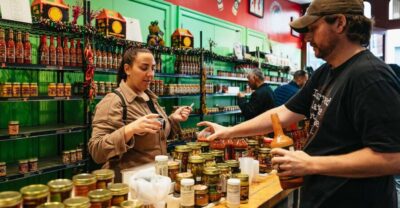
The hot sauce tasting is a small but worthwhile part of the walk. Your guide explains Louisiana’s spice traditions and helps put heat into context. This is not only about how hot a sauce feels. It is about how local cooks use seasoning to sharpen a dish without covering its other flavors.
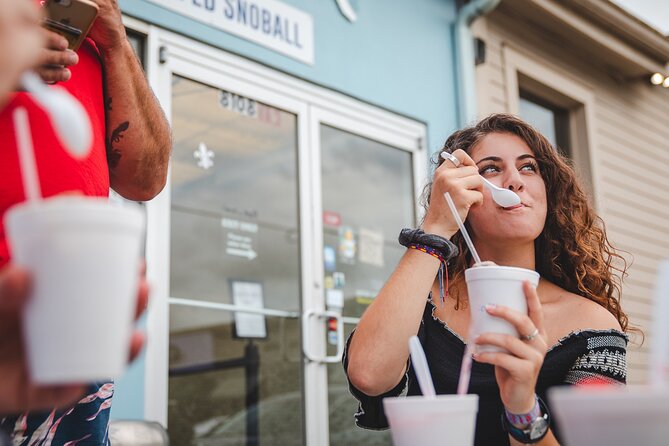
The final sweets may include a fresh beignet and praline. Beignets are best eaten hot, with powdered sugar, and pralines bring the pecan-based candy associated with New Orleans. These desserts make a good finish, although the timing may vary.
What the guides add to the food
Food tours can easily become a list of dishes. This one is stronger when the guide explains why those dishes exist in this city.
Andre’s background as a chef can add practical food insight, while Neil is praised for linking every establishment and dish to local history. Chip has a similar strength, explaining how different cultures influenced the cuisine. Kaffey’s approach is more energetic and personable, with attention to architecture as well as food. Christy is described as especially helpful for first-day orientation, including advice for exploring the wider city.
You cannot choose your guide with certainty, and that matters. Each person may spend more time on food, architecture, music, or local history. That variation is part of the charm, but it also explains why one person may find the tour food-heavy while another finds it more like a cultural walk with tastings.
The best use of your guide is to ask questions. Ask where to eat later, which dish is most traditional, or how Cajun and Creole cooking differ. Guides have offered restaurant advice, recipes, and suggestions for the rest of a stay. You get more value when you treat the walk as an informal introduction rather than a silent tasting schedule.
Who will enjoy this tour most
I would recommend it for a first visit to New Orleans, especially if you want a gentle introduction before tackling the city on your own. The route is short enough for most families and includes children under four free of charge, with a reduced price for children aged four to 11.
It also suits solo visitors. A group capped at 12 makes it easier to ask questions and meet people without the feel of a large coach tour. Couples and friends will appreciate having a meal built into a walk through the city.
This is a good fit if you enjoy food but also want context. You will probably like it if you want to know why gumbo matters, how a muffuletta differs from a po’boy, and where the city’s spice habits come from.
It may disappoint you if you want a serious restaurant-by-restaurant tasting with long seated courses. It is also not ideal for someone who needs every stop to provide a vegetarian or special-diet substitute. Some locations cannot accommodate those needs, and substitutions are not guaranteed. Your guide can suggest suitable food to purchase elsewhere, but you should not assume every included sample can be changed.
Timing, group size, and practical details
The tour lasts about two and a half hours and covers roughly 1.5 miles. Most people can take part, and the route is close to public transportation. Comfortable shoes and a light appetite are sensible choices.
The tour operates in English. Since it requires good weather, a rainy or otherwise poor-weather cancellation may lead to another date or a full refund. You can cancel for a full refund up to 24 hours before the start time, but changes made inside that window are not accepted.
Tips for the guide are not included. If your guide gives you strong food advice, handles dietary questions well, and brings the city to life, budget for gratuity separately.
The group limit of 12 is one of the most important practical details. It keeps the experience personal and makes it easier to hear on busy streets. It also means popular dates can fill ahead of time, so booking early is sensible.
Should you book the French Quarter food tour?
Book it if you want a first-day introduction to New Orleans through food, culture, and place. The combination of gumbo, a local sandwich, a rice dish, beignets, pralines, and hot sauce gives you a broad sample without requiring a full day of walking.
The strongest reason to go is the guide. Andre, Neil, Chip, Kaffey, Christy, and the other local hosts bring different personalities and strengths, but the experience works best when you ask questions and let the conversation shape the walk.
Skip it if your top priority is a tightly timed series of tastings, especially if you need strict dietary substitutions. For everyone else, $81.10 is a fair price for a full meal’s worth of food plus a useful French Quarter orientation. You leave with a full stomach, a better sense of the city’s cultures, and a short list of dishes and restaurants to pursue on your own.
FAQ
How much walking is involved?
The tour covers about 14 blocks, or approximately 1.5 miles, on foot. The pace is relaxed, with regular stops, and the full experience lasts about two and a half hours.
What food is included?
The tour includes five food samples. They may include gumbo, a po’boy or muffuletta, jambalaya or red beans and rice, a beignet, a praline, and other local tastes. Exact dishes and portions can change with the season and vendor availability.
Is this tour suitable for children?
Yes. Children under four can join free of charge, and a reduced child price applies to children aged four through 11.
Can vegetarian or special dietary needs be accommodated?
Some stops may not offer vegetarian or other dietary substitutions. Your guide can recommend suitable alternatives that you may purchase during the tour, but substitutions are not guaranteed at every location.
Where does the tour begin and end?
The tour begins at 701 Decatur Street in the French Quarter, near Jackson Square. It ends at Jackson Square.
What happens if the weather is poor?
The experience requires good weather. If it is canceled because of weather, you can receive a different date or a full refund. You can also cancel for a full refund up to 24 hours before the scheduled start time.
Just added around the USA
- Miami: Intimate Sailing in Biscayne Bay w/ Food and Drinks★ 4.7 · 34 reviews
- Miami: Little Havana Cuban Food and Culture Walking Tour★ 4.8 · 223 reviews
- Los Angeles: Downtown Food Tour★ 4.6 · 43 reviews
- Las Vegas: Foodie Walking Tour on The Strip with Tastings★ 5.0 · 24 reviews
- Key West: Schooner Sunset Sail with Food & Drinks★ 4.9 · 318 reviews
- Key West: Cuban and Caribbean Food and Cultural Walking Tour★ 4.9 · 128 reviews
- Key West Signature Sunset Cruise with Open Bar, Food & Music★ 4.5 · 418 reviews
- Kauai: Local Tastes Small Group Food Tour★ 4.4 · 125 reviews
Food Tours in New Orleans, compared.
New Orleans Food Walking Tour of the French Quarter with Small-Group Option
Read our review →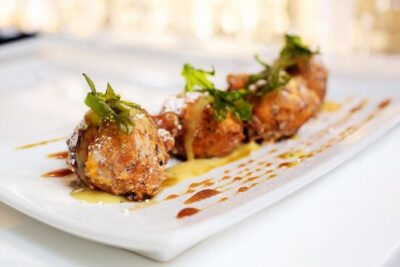
French Quarter walking Food Tour Famous Flavors of New Orleans
Read our review →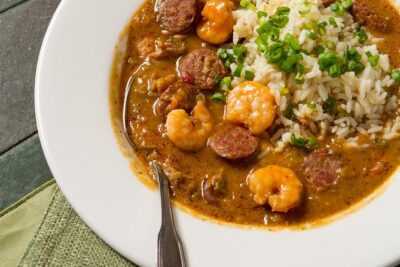
French Quarter walking Food Tour: Signature Tastes of New Orleans
Read our review →
French Quarter Small-Group Cocktail and Foodie Crawl
Read our review →Browse the lists this tour appears in